


The Best Open-Source AI Desk Robots of 2026, Ranked

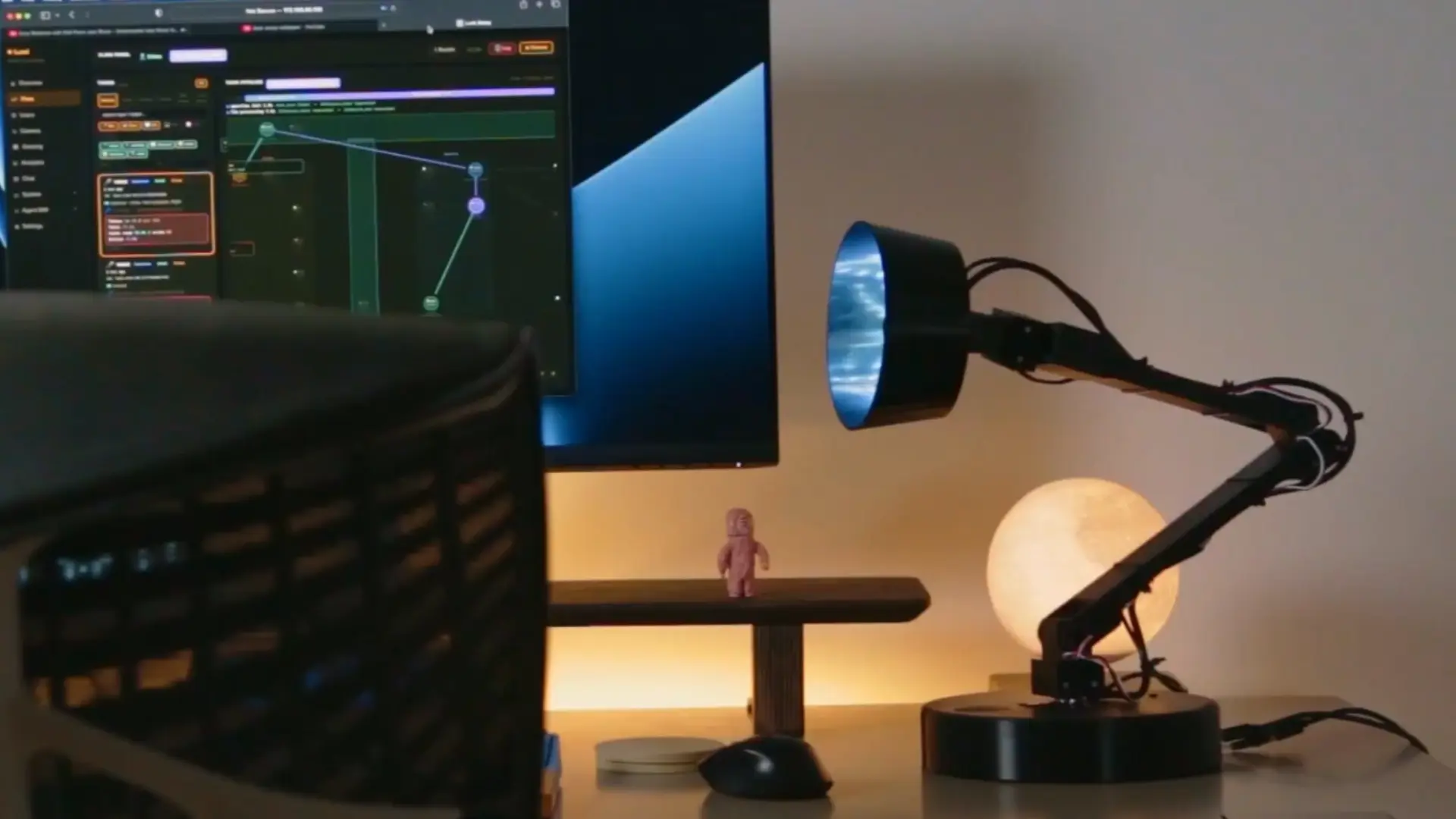
The best open-source AI desk robots let you own the robot, not just rent its software. Instead of a sealed pet that stops improving when the maker moves on, an open-source desktop robot gives you published designs, code you can read, and a community that keeps building.
This guide ranks the real open-source field, from the assembled and agent-driven Autonomous Lamp to the researcher-favorite Reachy Mini, the $99 StackChan, and the buildable Doly and Bittle. It also covers a different idea: an open operating system that runs across several of these robots at once.
What makes a desk robot open source
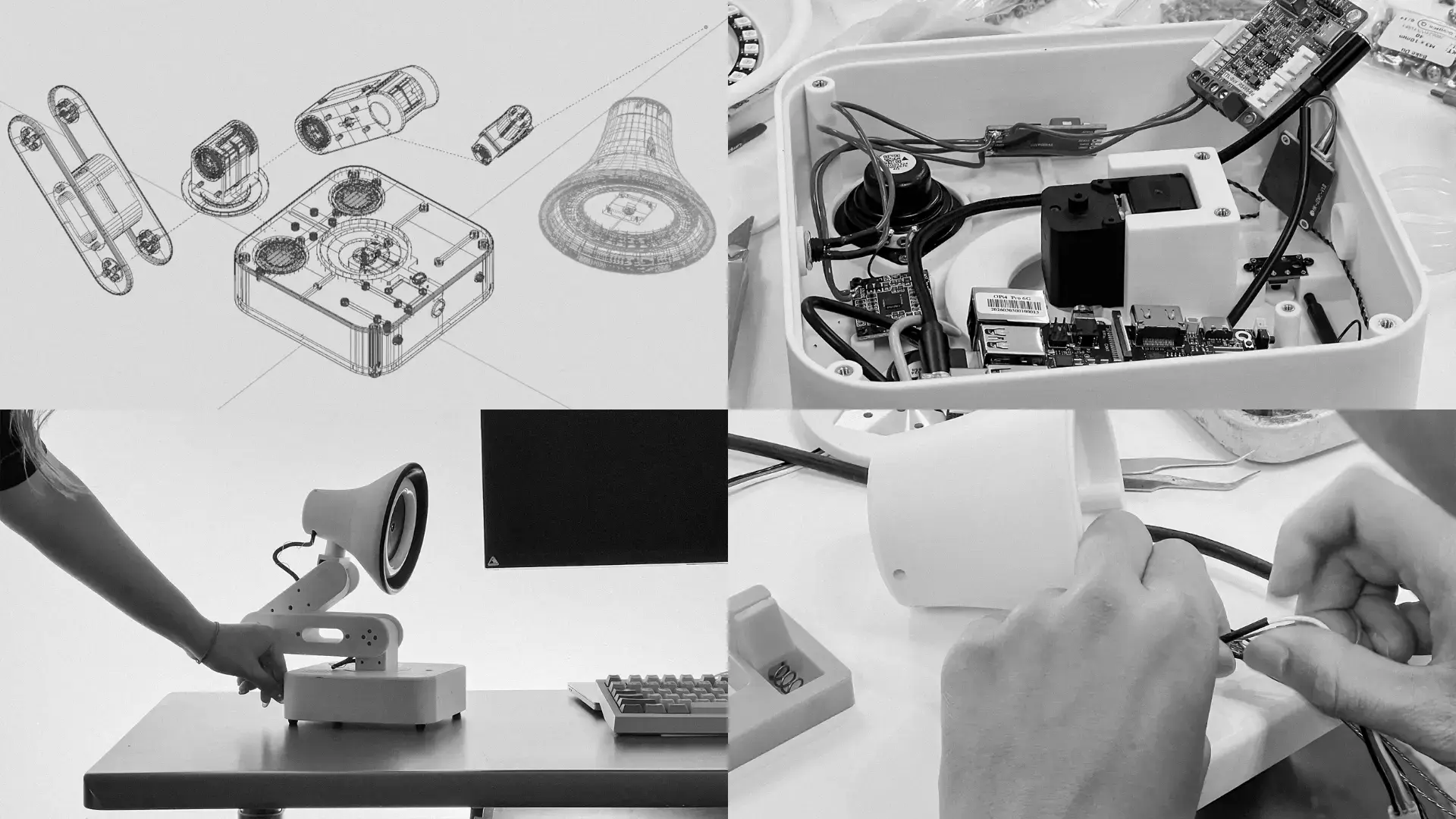
An open-source desk robot publishes the parts that closed robots hide: its hardware design, its software, or both, so anyone can inspect, modify, rebuild, or extend it. That is the line between a robot you own and one you only operate.
Closed pets like EMO and Vector are charming, but you get what shipped and nothing more. An open robot hands you the schematics, the code, and often 3D-printable parts, so a good idea from someone across the world can become a feature on your desk next week. The tradeoff is honest: open robots usually ask more of you, from assembly to a little code, in exchange for control that never expires.
How to choose an open-source desk robot
Pick an open-source desk robot on four things, because they decide how far you can take it:
- The brain: an ESP32 chip is cheap and simple but leans on the cloud for AI, while a Raspberry Pi or similar Linux board can run models on the robot itself.
- Assembled or kit: some arrive ready to play and stay hackable, others are a build project measured in hours.
- Skill level: a few work out of the box, others expect Python, C++, or a soldering iron.
- The community: an active project with a real repository and shared behaviors is worth more than a spec sheet, because that is what keeps the robot growing.
Match those to how much building you actually want to do, and the right robot narrows fast.
Open-source desk robots at a glance
Here is the ranked field in one view, with 2026 prices from live listings.
Rank | Robot | Brain | Form | Best for |
|---|---|---|---|---|
1 | Autonomous Lamp | Raspberry or Orange Pi | Articulated arm | Open without building it |
2 | Reachy Mini | Raspberry Pi 5 (wireless) | Head, antennas | AI researchers |
3 | StackChan | ESP32-S3 | Pan-tilt, screen face | Beginners on a budget |
4 | Doly | Raspberry Pi CM4 (Linux) | Treads, arms | STEM and power users |
5 | Petoi Bittle | Arduino (add a Pi) | Quadruped, legs | Robot-dog builders |
The best open-source AI desk robots of 2026, ranked
Here is the field in order, with an honest read on who each one is for.
1. Autonomous Lamp: best overall, open without building it
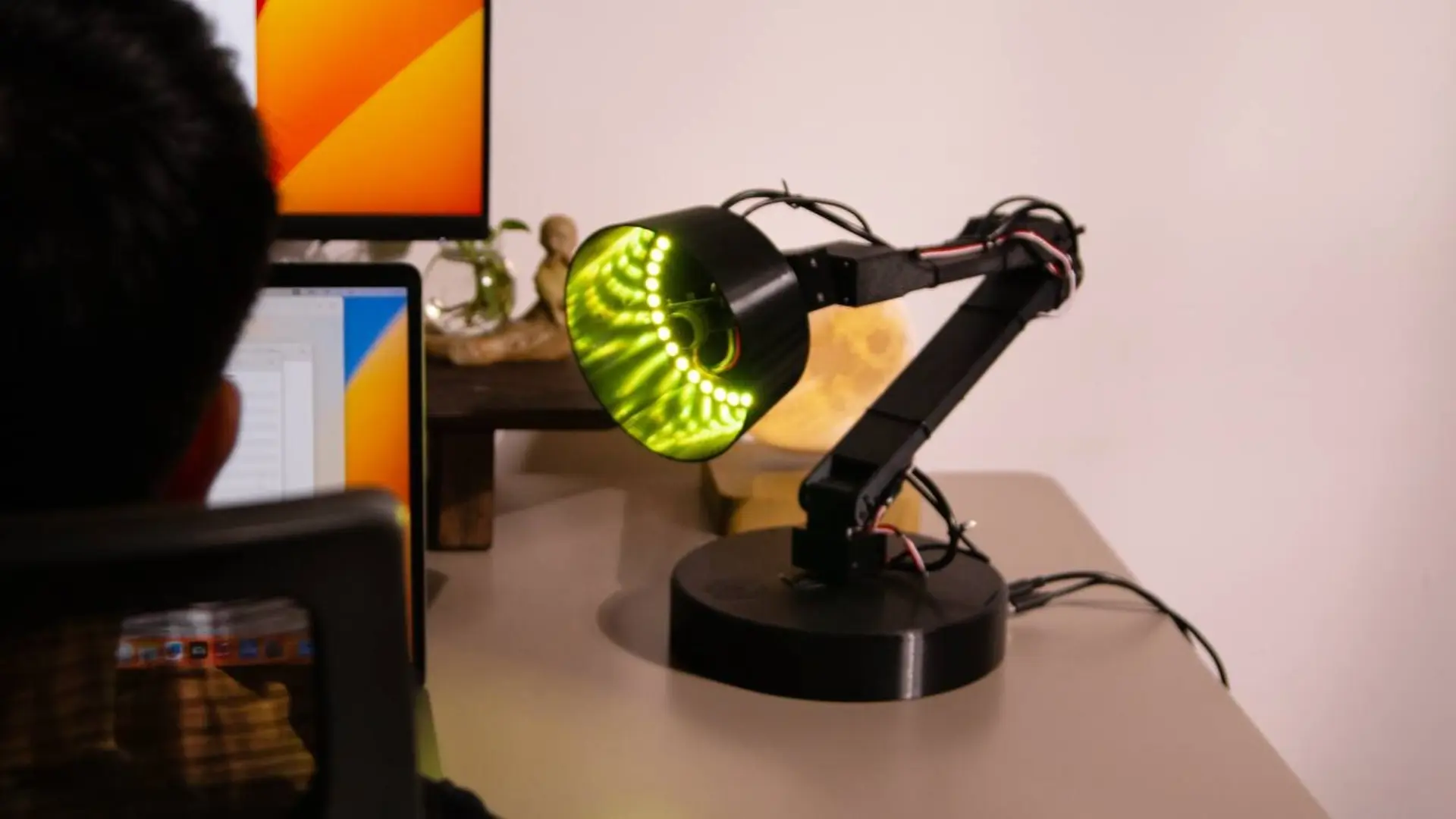
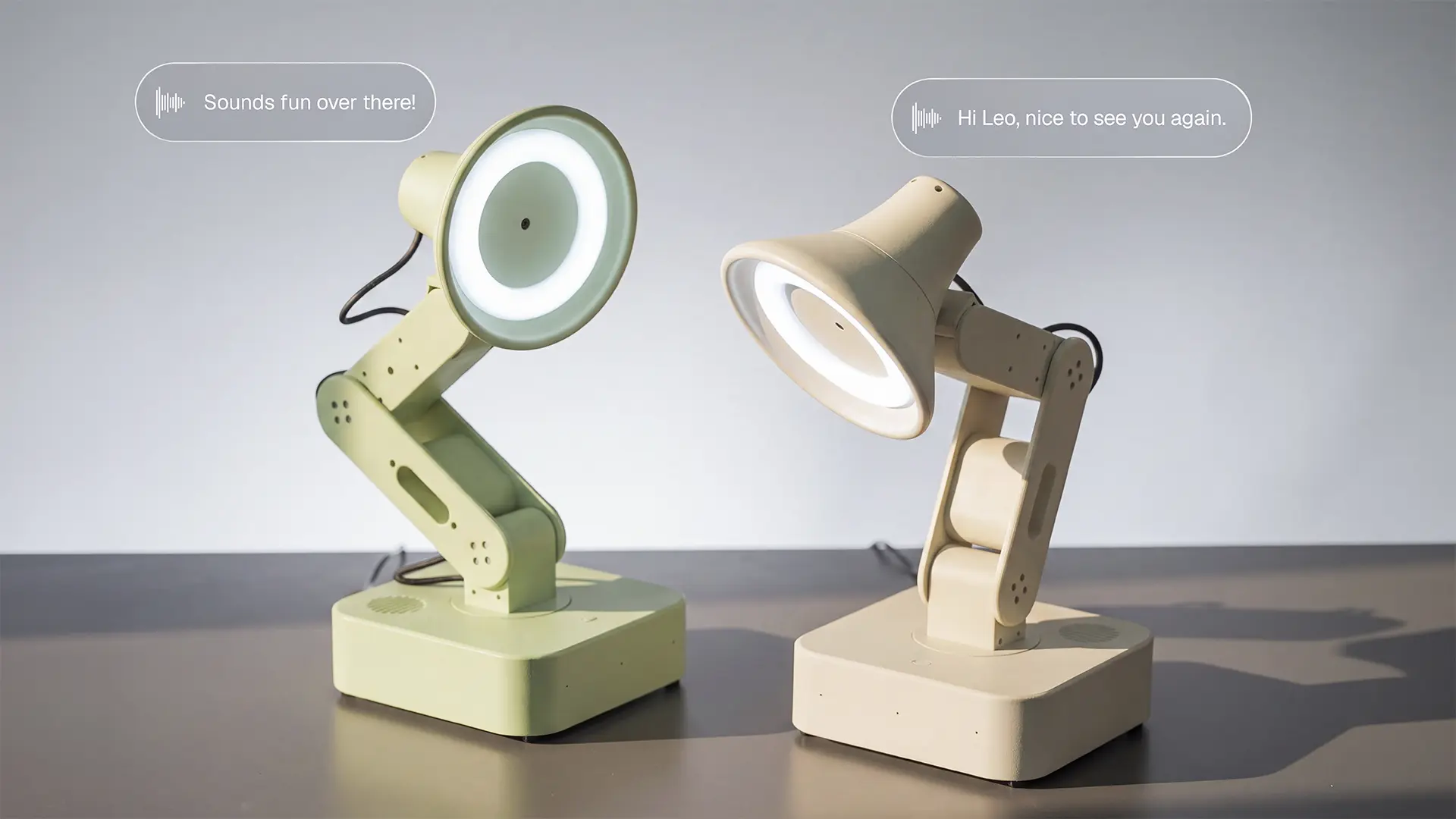
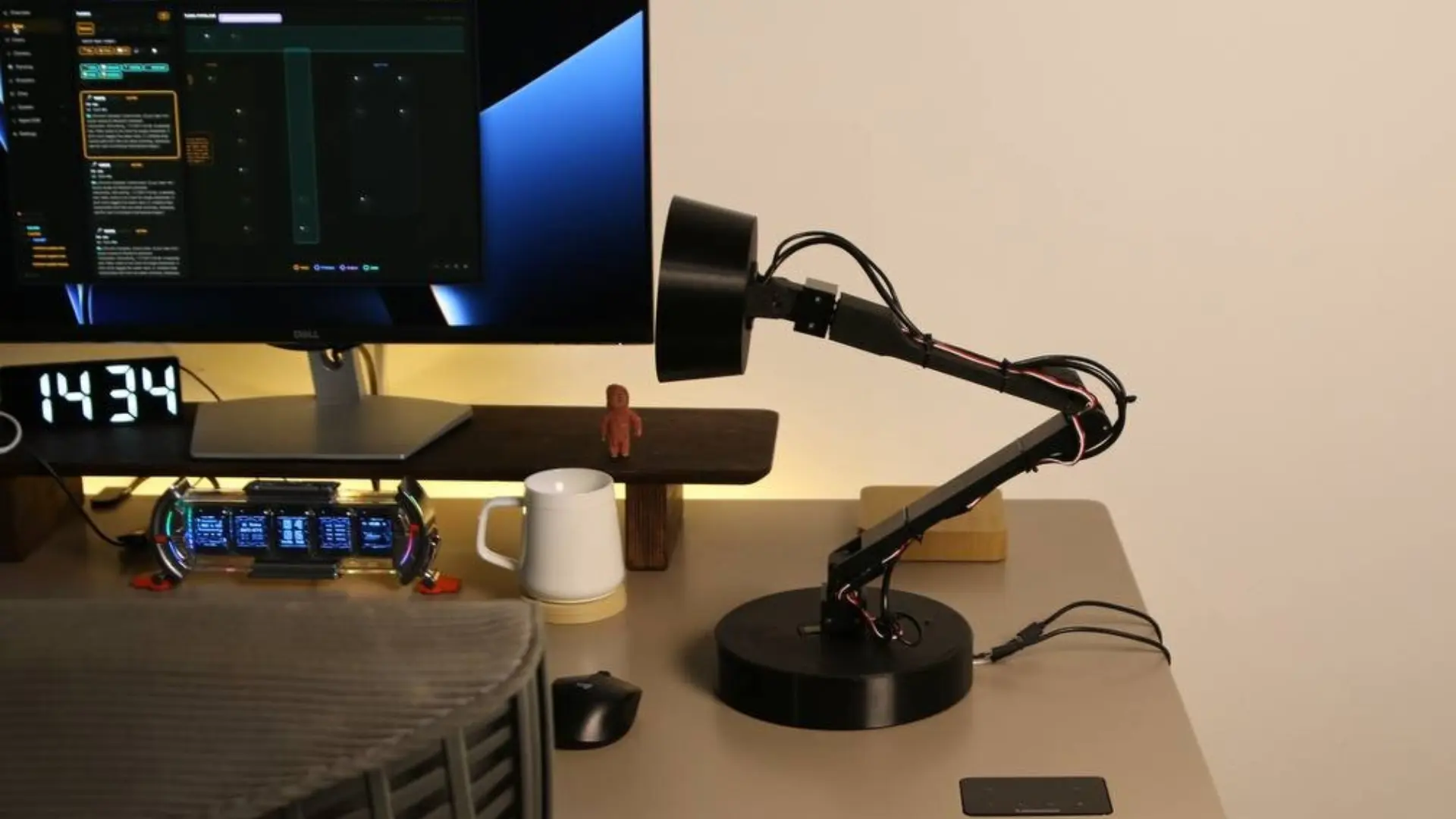
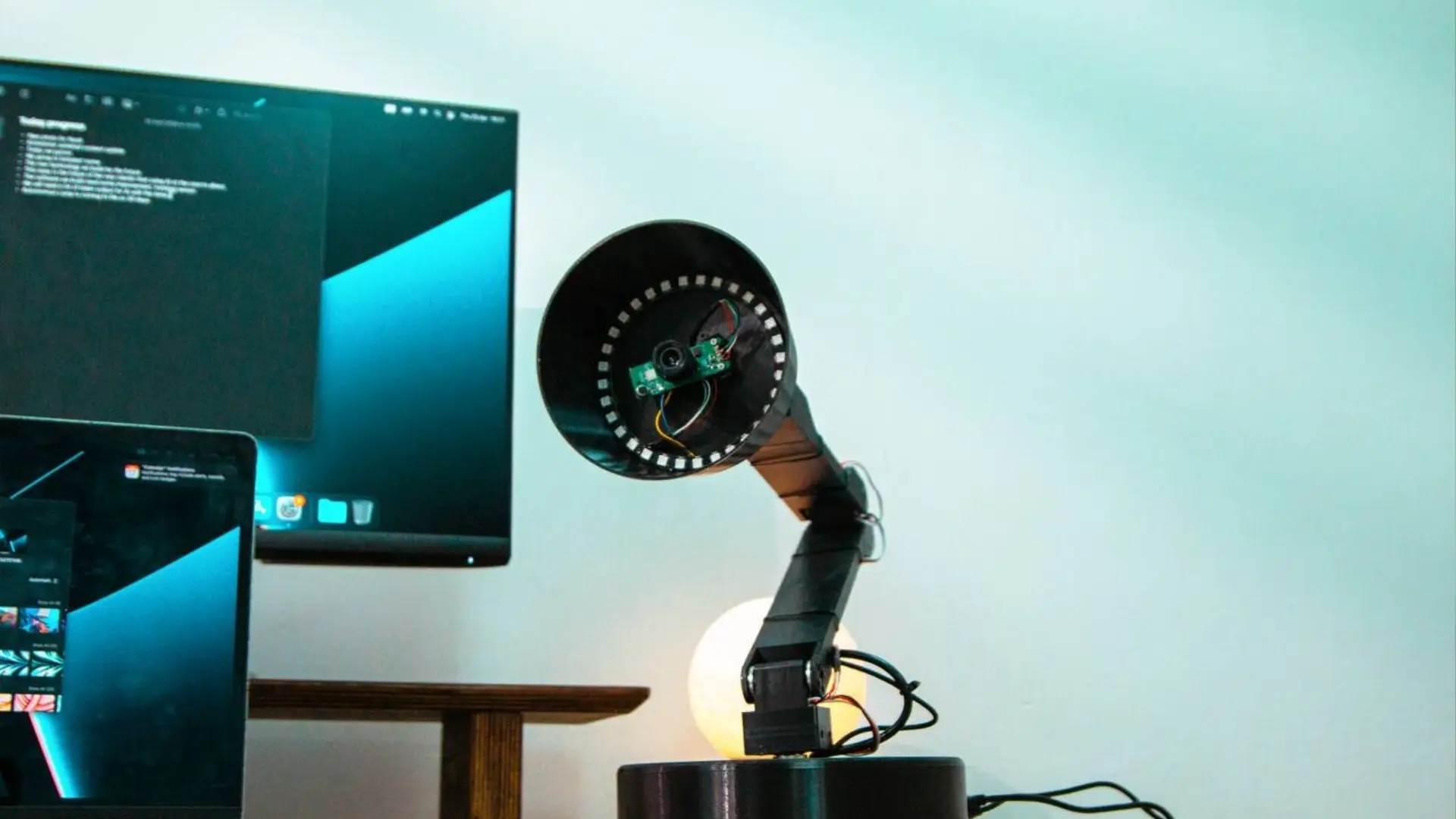
The Autonomous Lamp tops this list because it is the rare open robot that asks nothing of you to start and still hands you full control later. It ships assembled and runs Autonomous OS, an open operating system where the agent, the model, the voice, and the skills are all swappable. An AI agent runs on the robot itself and acts through named skills, and you add more by browsing a store, describing one in plain language, or uploading your own.
That combination is what sets it apart on this list. The other robots here are kits and platforms that reward a build; the Lamp is the one you can switch on today and still reprogram tomorrow. And the openness goes past the body, which is the point of the section below: the same OS installs on other open robots, so a skill is not trapped on one machine.
Where does it fall short. It is the most expensive robot here and the newest, so its community is younger than OpenCat's or Reachy's, and it leans on an agent-and-skills model rather than raw hardware hacking. If your whole reason for going open source is to solder, wire, and build from parts, the kits below will satisfy that itch more directly.
Pros:
- Open OS with a swappable agent, model, voice, and skills
- Ships assembled, so you get open without soldering or Python
- An onboard agent that runs real skills, plus a plain-language skill store
- The same Autonomous OS runs on other open robots, so skills are portable
Keep in mind: it is the priciest and newest robot here, so its community is younger than the veteran kits below.
Best for: people who want an open, agent-driven robot that works on day one.
2. Reachy Mini: best for AI researchers
Reachy Mini, from Pollen Robotics and Hugging Face, is the open-source choice for people who want to build and program a capable robot. It is fully open, programmable in Python, and wired into the Hugging Face community, with an expressive moving head, camera, mics, and antennas. There is a simulator too, so you can write behavior before the hardware arrives, and it processes locally by default rather than phoning home.
Two honest notes shape who it is for. It ships as a kit that takes a couple of hours to assemble, and it is early and experimental, so the polished launch demos take real work to reproduce at home. If you want a serious platform to learn and research on, it is one of the best. If you want plug-and-play, it is not that yet.
Pros:
- Fully open hardware and software, with a real Python SDK and simulator
- Backed by the Hugging Face community, models, and shared behaviors
- Local processing by default, and genuinely capable for research
Cons:
- Ships as a kit and expects some Python comfort
- Early and experimental, so demos take effort to match
- Rolling deliveries mean you may wait
Best for: researchers, coders, and serious tinkerers.
3. StackChan by M5Stack: best budget open-source robot
StackChan is the cheapest real way in, and it is a joy for the money. Around $99, it started as Shinya Ishikawa's open-source project and grew into a community favorite that M5Stack now ships as a ready-to-play yet endlessly hackable robot. It is tiny, with a 2-inch touchscreen face, a small camera, dual mics, a speaker, and two servos for pan-and-tilt, all driven by an ESP32-S3 and programmable in Arduino or UiFlow.
The honest limit is the brain. An ESP32 is a microcontroller, not a computer, so StackChan leans on cloud AI rather than running models on the robot, and its movement is limited to pan and tilt. It is best understood as a hackable companion and a platform for experimenting with interactive AI, not a mobile helper. For that, at this price, nothing else comes close.
Pros:
- The lowest-cost entry to a genuinely open robot
- Ready to play out of the box, yet fully hackable in Arduino or UiFlow
- Strong, long-running community and shared code
Cons:
- ESP32 brain leans on the cloud for AI, not on-robot models
- Pan-and-tilt only, so no roaming or arms
- A maker and experiment platform, not a task robot
Best for: beginners and budget makers who want to learn by tinkering.
4. Doly: best for STEM, education, and power users
Doly, from Limitbit, is the open robot for people who want to build skills as much as a robot. It runs a Raspberry Pi CM4 with full Linux, rolls around on tank treads with autonomous navigation and cliff detection, finds its own charging dock, and has two little arms for fist bumps and accessories. An 8MP camera handles face detection, and it can run language models locally on the Pi while offloading heavier work to the cloud.
Its real strength is that everything is open: schematics, PCB files, CAD, and code live on GitHub, with 3D-printable parts and expansion ports for your own hardware, and coding through Google's Blockly for newcomers. The honest notes are that local AI is less capable than pure cloud, setup runs through an app, and, like many crowdfunded robots, it saw delays after its campaign. For learning robotics end to end, it is a rich platform.
Pros:
- Full Linux on a Raspberry Pi CM4, with local model support
- Autonomous navigation, treads, and expressive arms
- Deeply open: schematics, CAD, code, and 3D-printable parts on GitHub
- Built for STEM, with Blockly coding for beginners
Cons:
- Local AI is less capable than cloud-based systems
- App-based setup, and full customization expects some programming
- Post-crowdfunding delays, as with many open projects
Best for: educators, students, and power users who want to learn the whole stack.
5. Petoi Bittle: best open-source robot dog
Bittle, from Petoi, is the open-source pick if you want legs instead of a screen. It is a palm-sized quadruped that walks, trots, and does tricks, built on OpenCat, one of the most-starred open-source quadruped platforms on GitHub. A customized Arduino board runs the movement, and you can clip on a Raspberry Pi and sensors to add vision and AI, then program it in Python, C++, or block-based code. Owners often compare its walking to a miniature Boston Dynamics robot.
The honest notes are that it is a genuine kit, not a pet you unbox and pet. You assemble and calibrate it, the printed instructions frustrate more than a few builders, and the basic remote is not the most responsive. But that build is the point, and its OpenCat community and Petoi's support are strong. Its sibling, the Nybble robot cat, runs the same platform if you prefer a feline.
Pros:
- A genuinely open quadruped built on the popular OpenCat platform
- Walks, trots, and does tricks, and extends with a Pi and sensors
- Programmable in Python, C++, or blocks, with an active community
Cons:
- A build-and-calibrate kit, with instructions that can frustrate
- The basic remote is not very responsive
- You add a Pi for real AI, which raises the true cost
Best for: makers who want a four-legged robot to build, program, and teach with.
The part no single robot can copy: an OS that runs across robots
The most useful open-source idea here is not one robot; it is an operating system that runs on several of them. Autonomous OS is open, and it installs on other open robots, including the Reachy Mini higher up this list and a Unitree robot dog. A skill you write for one runs on the others, because the OS, not the body, holds the intelligence.
That changes the math of buying an open robot. Instead of committing to one platform and its ceiling, you can put the same agent and skills on a Reachy Mini today and a different body tomorrow, and set two side by side so each takes the other's answer as its next question.
For anyone who likes open hardware because it resists lock-in, an open OS that spans bodies is the logical next step, and it is the reason the Lamp leads this list rather than sitting among the single-body kits.
Other open-source robots worth knowing
A few open projects sit just outside the desk-companion list but answer nearby needs.
- Nybble is Bittle's robot-cat sibling on the same OpenCat platform.
- For arms rather than pets, open kits like the LeRobot and SO-ARM designs from the Hugging Face community are a different branch of open robotics aimed at manipulation, not companionship.
- And Poppy is a long-running open platform for humanoid and creative robotics, closer to research than to a desk.
The wider field of AI desk robots also includes expressive pets and phone-powered models that are not open, but all of the projects here solve different problems than the five ranked above.
Which open-source desk robot is right for you
Answer one question first: how much do you want to build. That sorts this list quickly.
- For an open, agent-driven robot that works on day one: the Autonomous Lamp.
- For serious research and Python projects: Reachy Mini.
- For the cheapest way to start tinkering: StackChan by M5Stack.
- For learning robotics end to end, or teaching it: Doly.
- For a four-legged robot to build and program: Petoi Bittle.
If you care most about never being locked in, look past any single robot to the operating system it runs, because that is what decides how far it can go.
FAQs
What is the best open-source AI desk robot?
The Autonomous Lamp leads because it is open and agent-driven but ships assembled, so you get control without a build. Reachy Mini is the best for researchers and Python users, StackChan is the best budget pick at around $99, Doly is the best for STEM, and Petoi Bittle is the best open-source robot dog.
What is the cheapest open-source desk robot?
StackChan by M5Stack is the cheapest genuine open-source desk robot, at around $99. It ships ready to play but stays fully hackable in Arduino or UiFlow. The tradeoff is its ESP32 brain, which leans on cloud AI rather than running models on the robot itself.
Can open-source desk robots run AI locally?
Some can. Robots built on a Raspberry Pi, like Doly and the wireless Reachy Mini, can run smaller models on the device and offload heavier work to the cloud. ESP32-based robots like StackChan are too limited for that and rely on cloud AI for their smarts.
Do you have to build an open-source robot yourself?
Usually, yes, but not always. Reachy Mini, Doly, and Petoi Bittle are kits or builds in varying degrees, and StackChan is hackable but ships ready to play. The Autonomous Lamp is the exception: it ships fully assembled, so you get an open, changeable robot without a build.
Is there an open-source robot dog?
Yes. Petoi Bittle is the best-known open-source robot dog, a palm-sized quadruped built on the OpenCat platform that walks, trots, and does tricks. Its sibling Nybble is an open-source robot cat on the same platform. Both are kits you assemble and program yourself.
Why choose an open-source desk robot over a closed one?
An open robot lets you inspect, modify, and extend it, so it keeps improving through the community instead of freezing when the maker moves on. Closed pets like EMO are simpler and often cheaper, but you cannot change what they do. Open robots trade convenience for control that does not expire.
Conclusion
Open-source desk robots come down to how much you want to build and how much you want to own. The Autonomous Lamp leads because it gives you open without the soldering iron, while StackChan, Reachy Mini, Doly, and Bittle reward real building with real capability and cost less to start.
The deeper point is that openness now reaches past the hardware to the software that runs on it, and an OS that spans several robots is the strongest defense against ever being locked in again. Pick for the builder you are, and leave room for the one you are becoming.
References
- Hugging Face and Pollen Robotics, Reachy Mini documentation
- M5Stack, StackChan open-source project and repository
- Limitbit, Doly open-hardware documentation on GitHub
- Petoi, Bittle and the OpenCat open-source quadruped platform
- CNX Software and Hackster.io, independent open-source robot coverage