| Qté | Price |
|---|---|
| 3-4 | $1,461 |
| 5-9 | $1,431 |
| 10-29 | $1,408 |
| 30+ | $1,393 |
| Qté | Price |
|---|---|
| 3-4 | $1,461 |
| 5-9 | $1,431 |
| 10-29 | $1,408 |
| 30+ | $1,393 |
Your models run when you say — never deprecated, revoked, or rate-limited. Weights on your disk are yours for good.
Prompts never leave the building. Nobody trains on your work. Private by physics, not by policy.
Own the machine and inference has no meter. No per-token bill — agents run around the clock.
Fine-tune on what only you know. The model becomes an asset you own — and sells with the company.
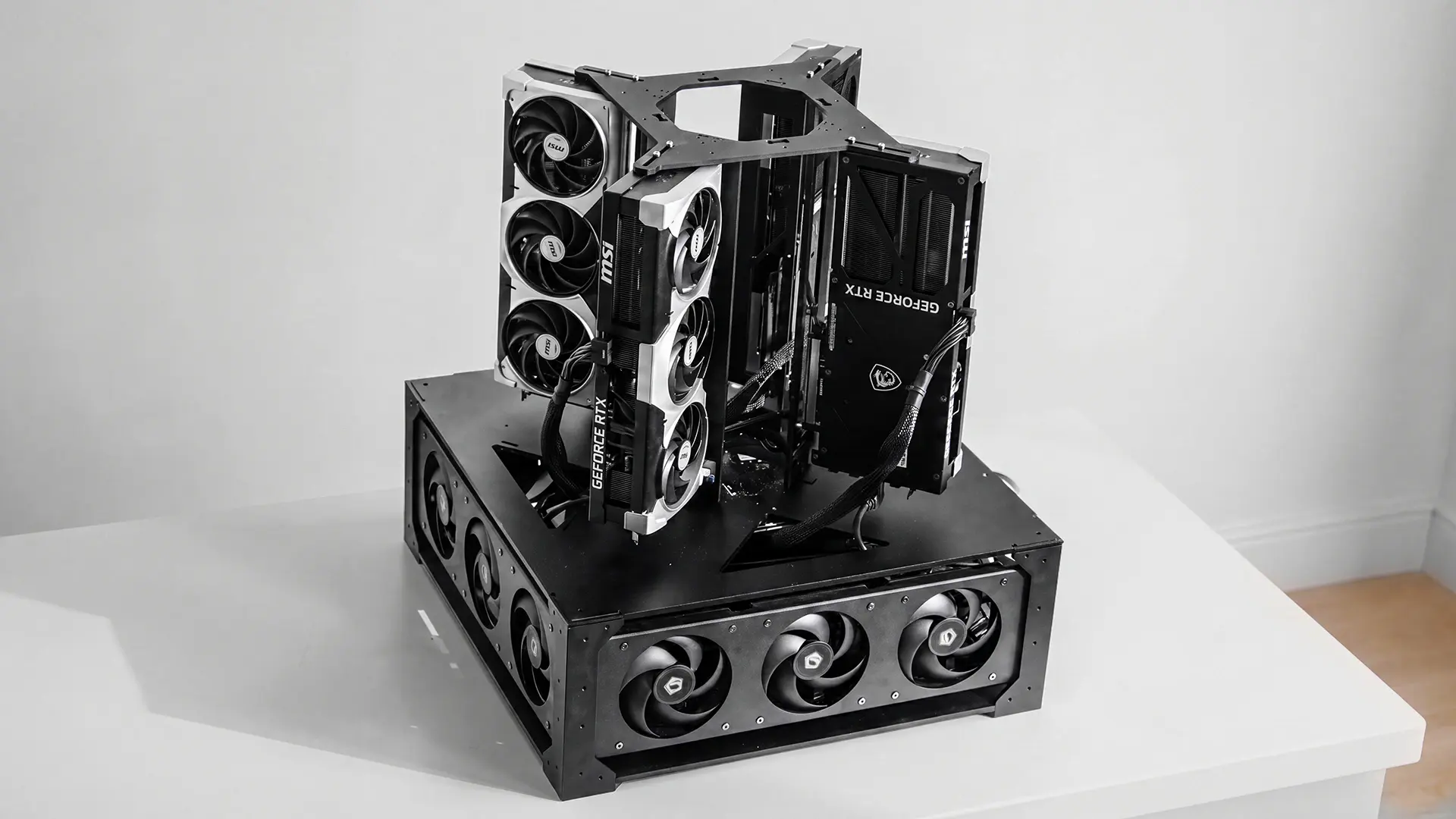
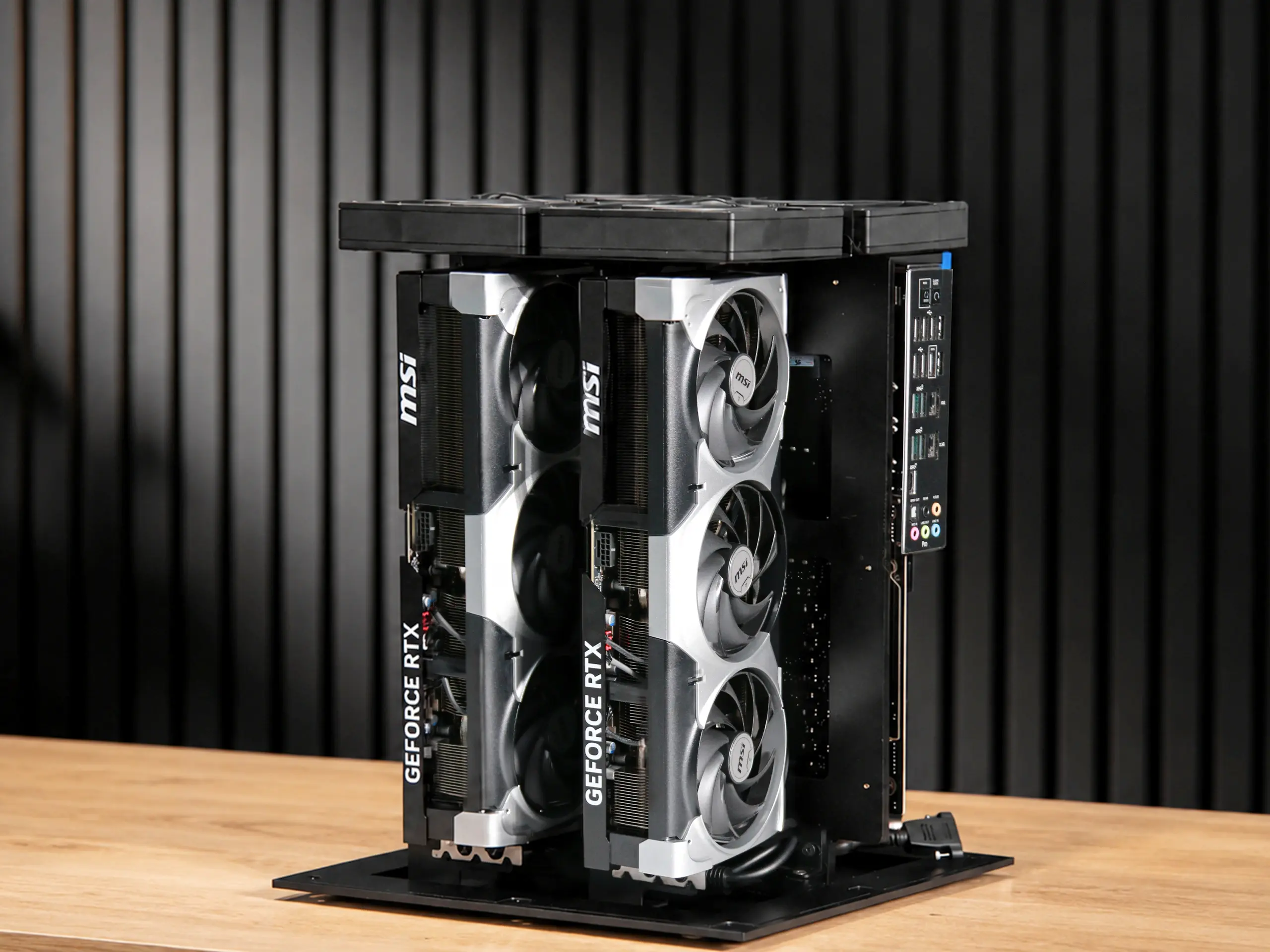
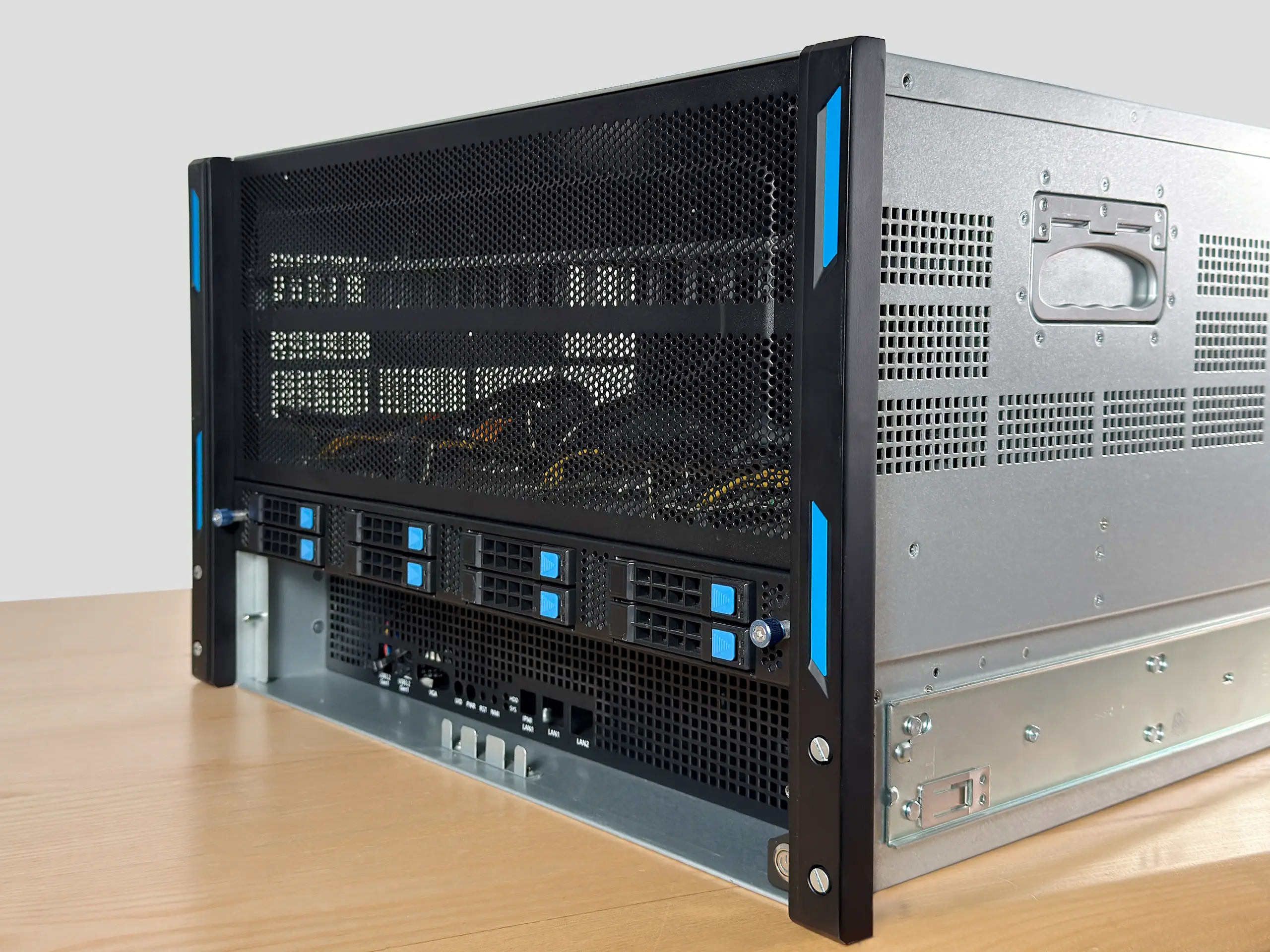
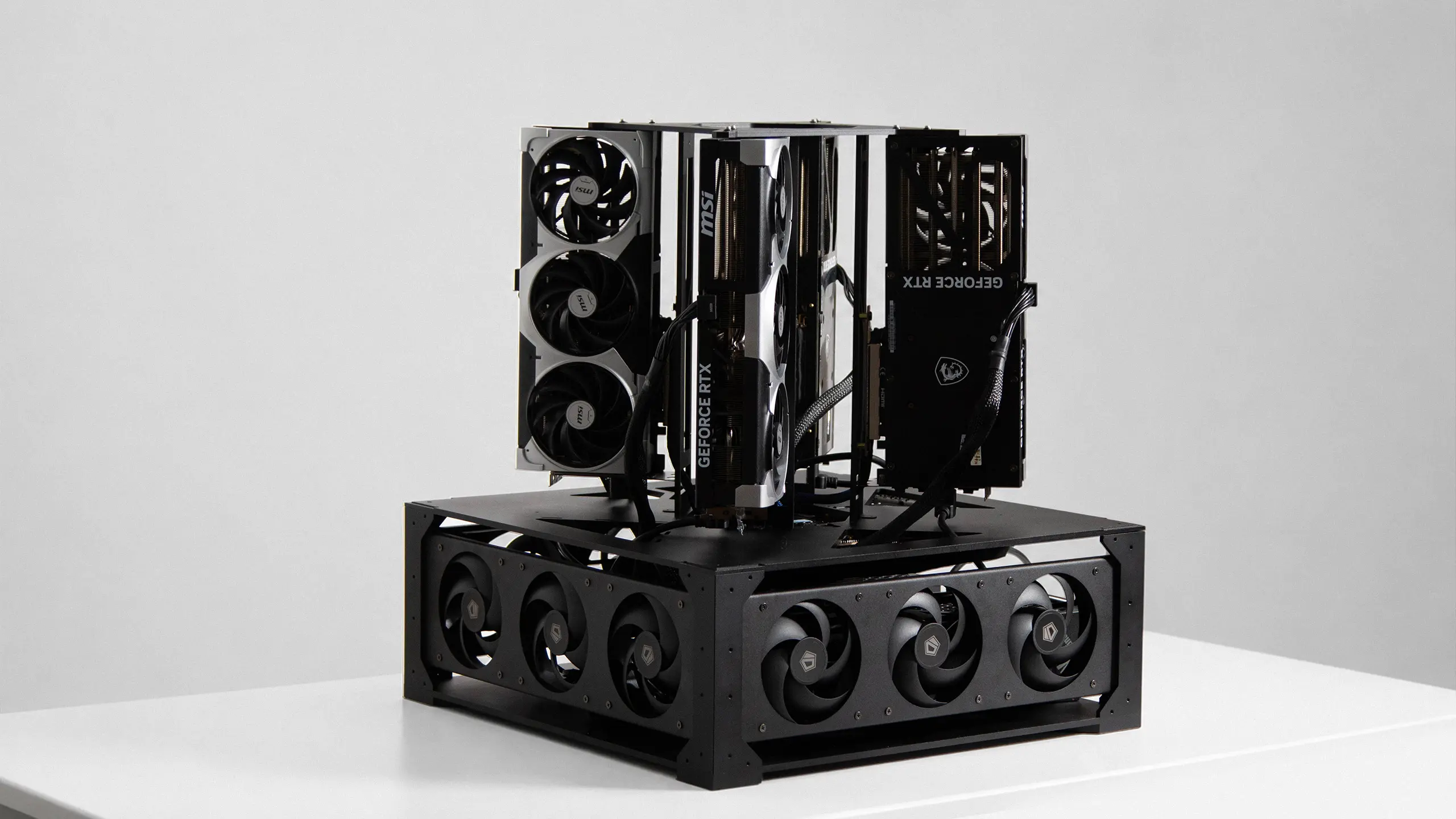
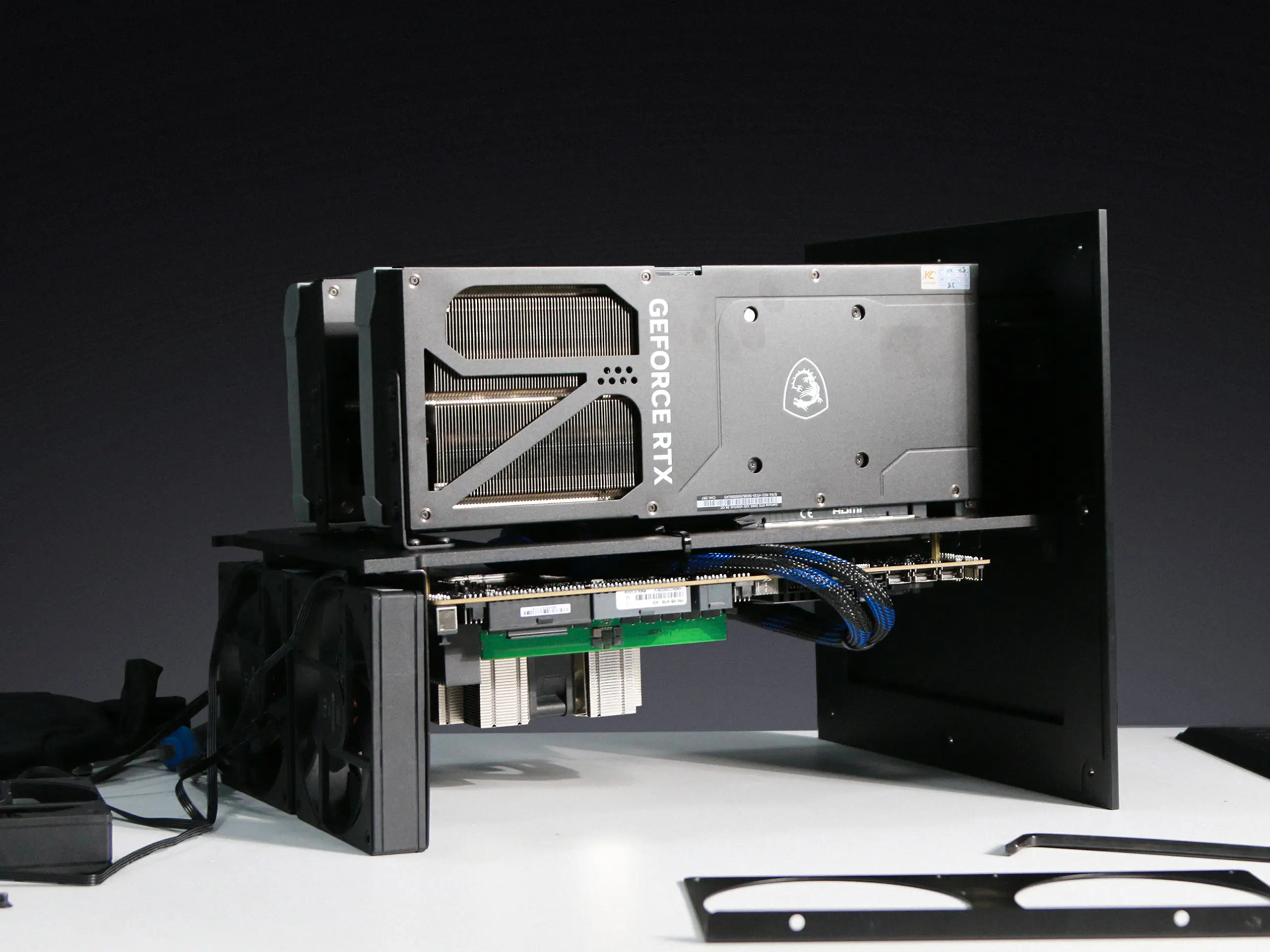
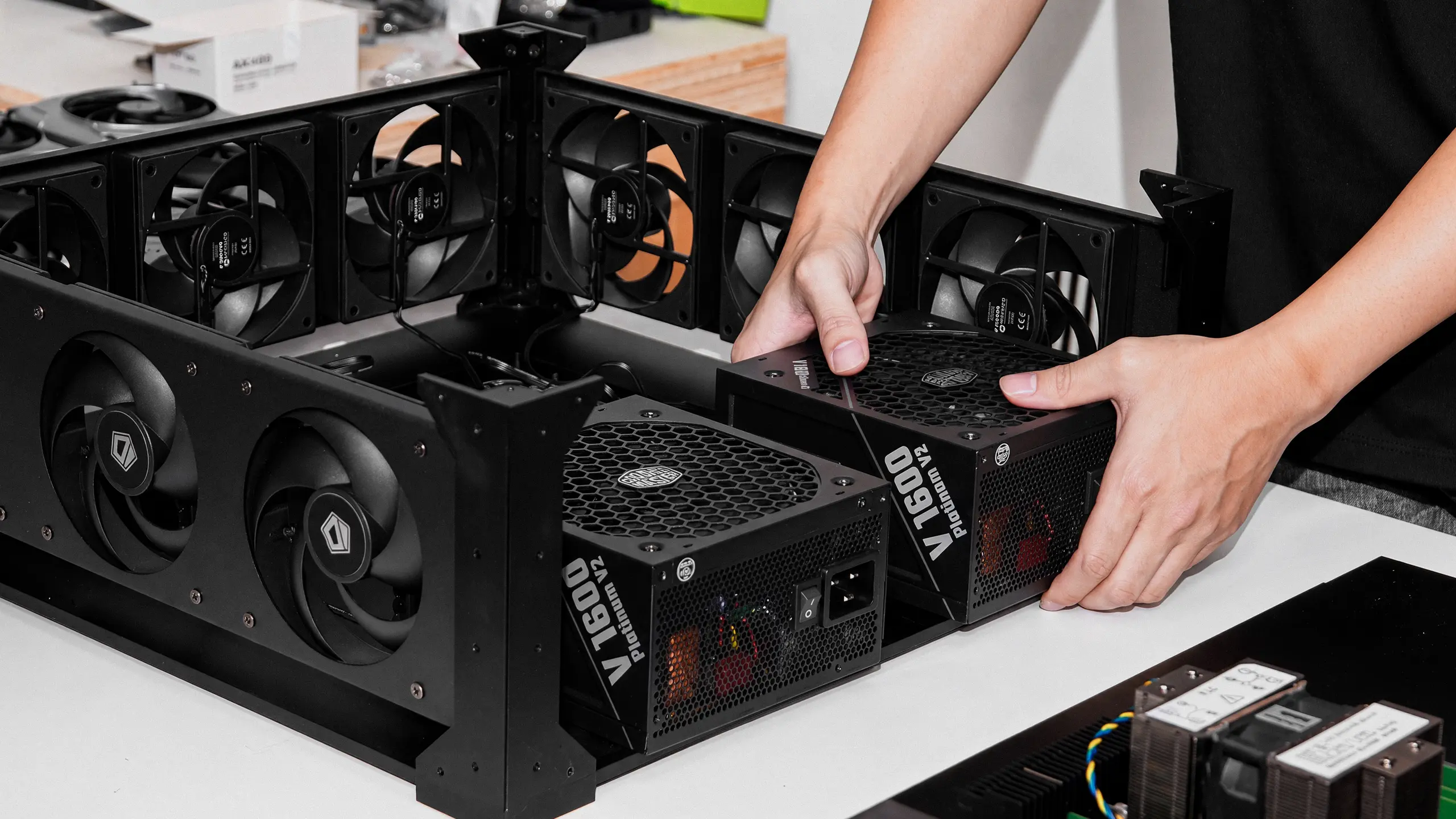
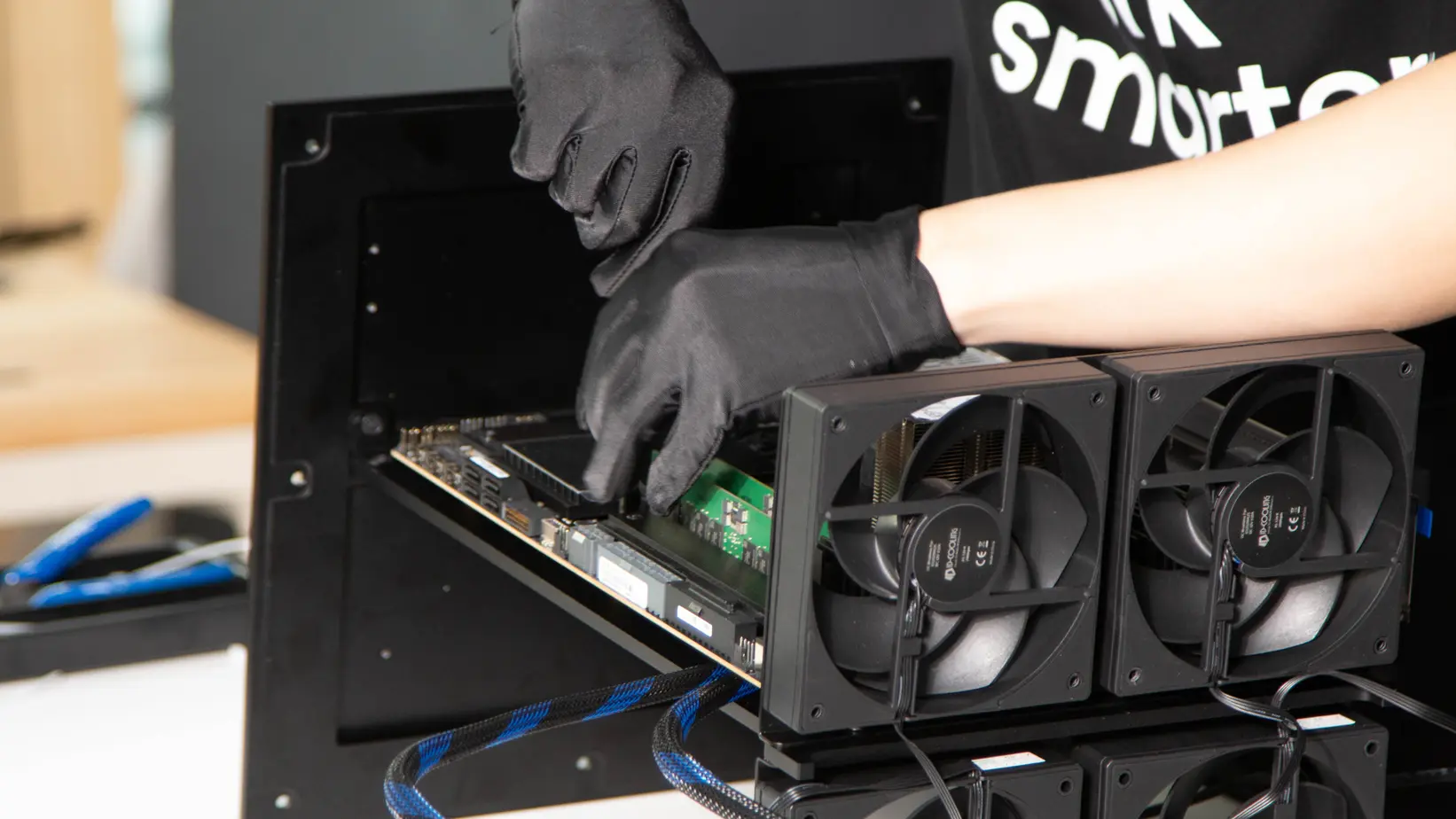
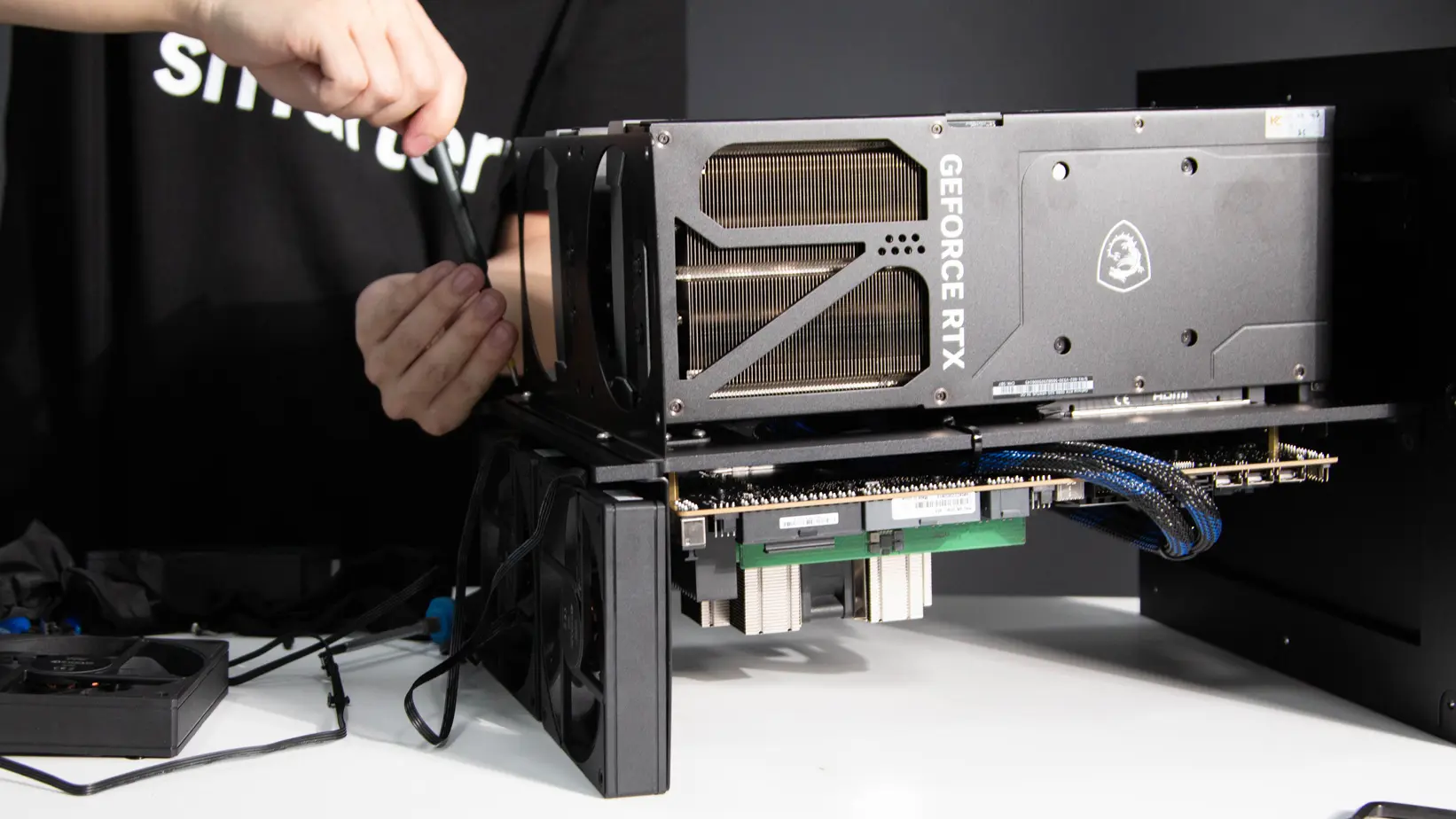
We build the hard part, you supply the rest. We mill the chassis ourselves on the desk builds and use a purpose-built server chassis on the rack, matched with risers, cooling, and power, all tuned and burn-tested. You add your own motherboard, CPU, memory, storage, and graphics cards, then assemble and run.


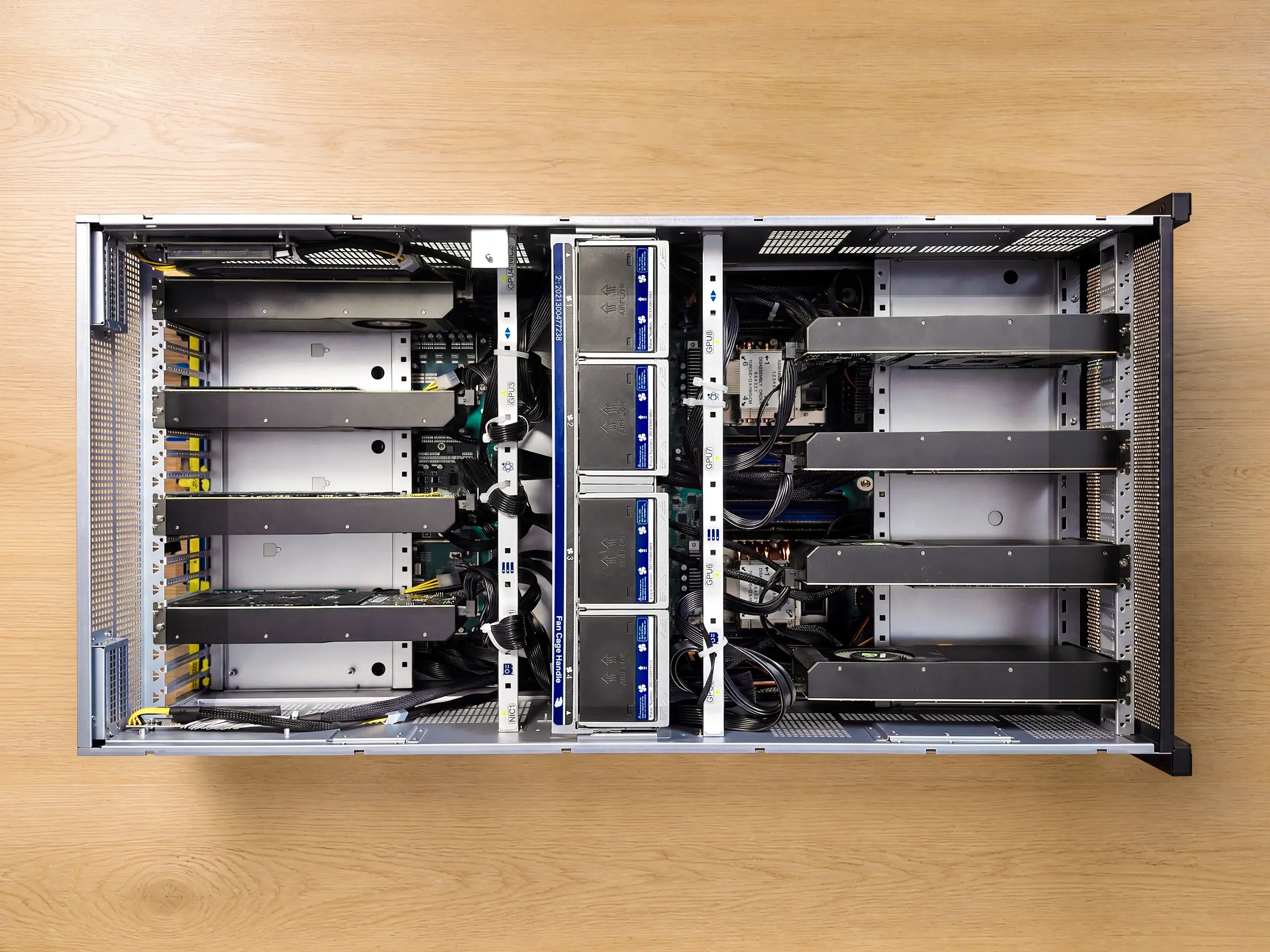
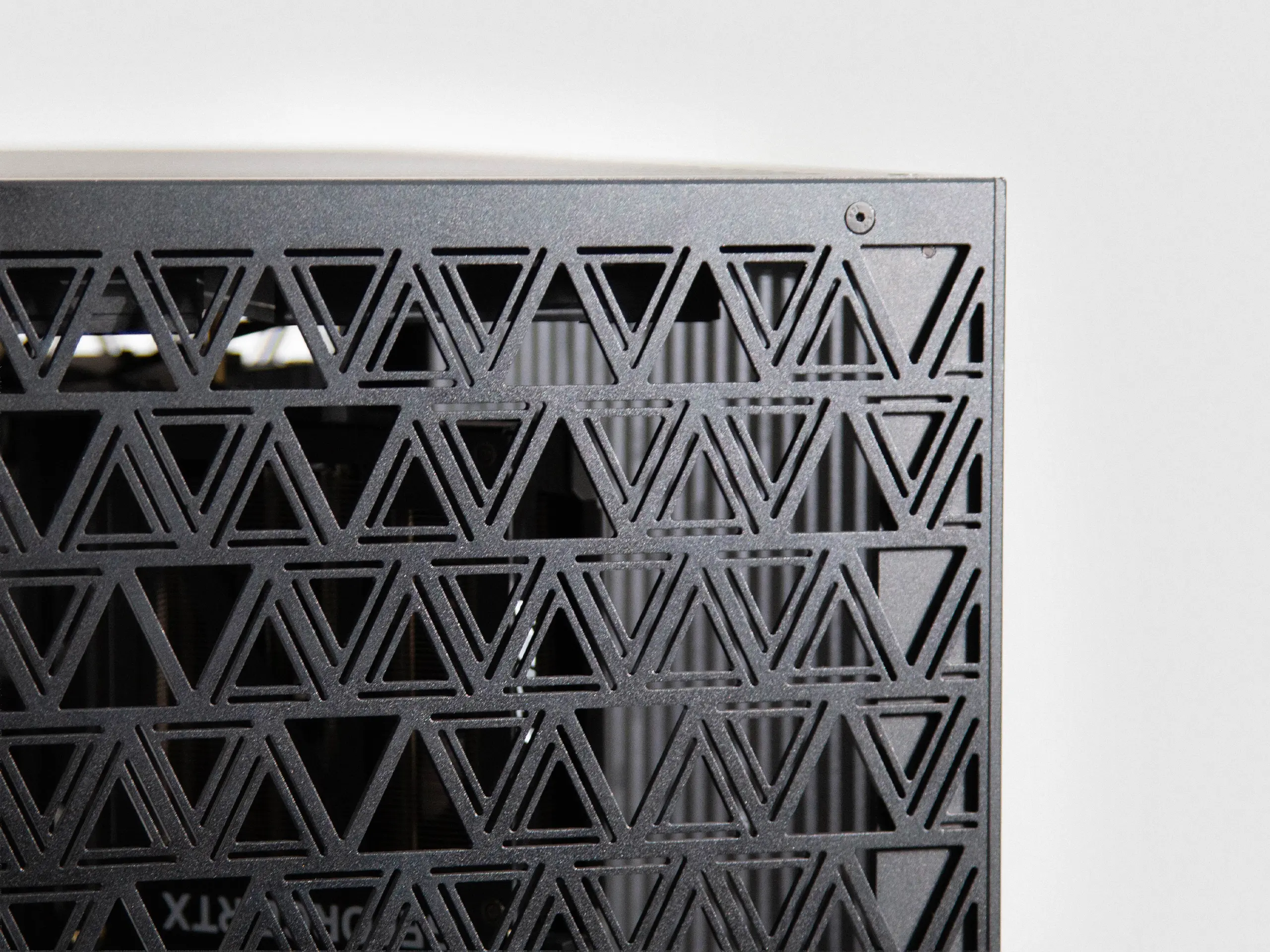
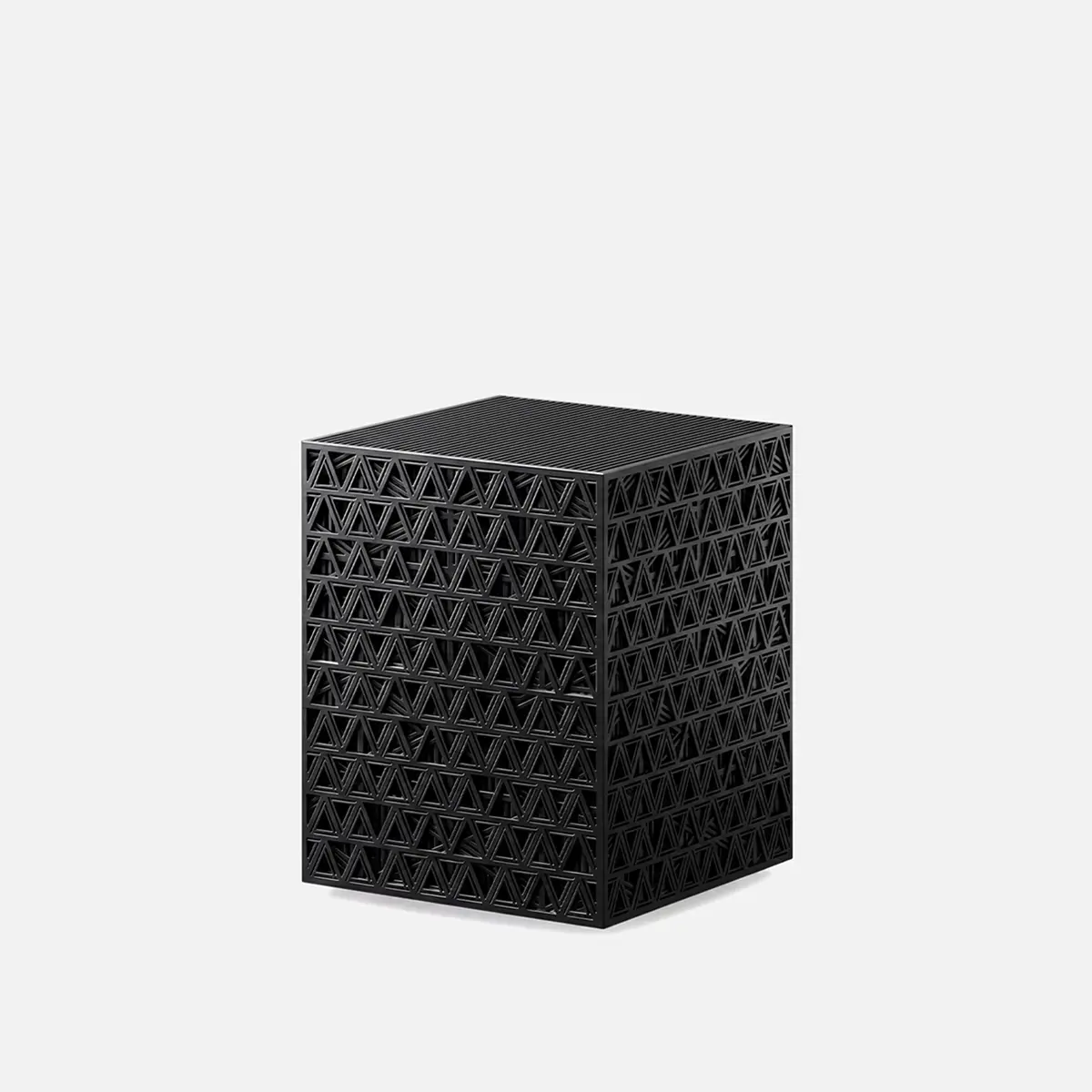
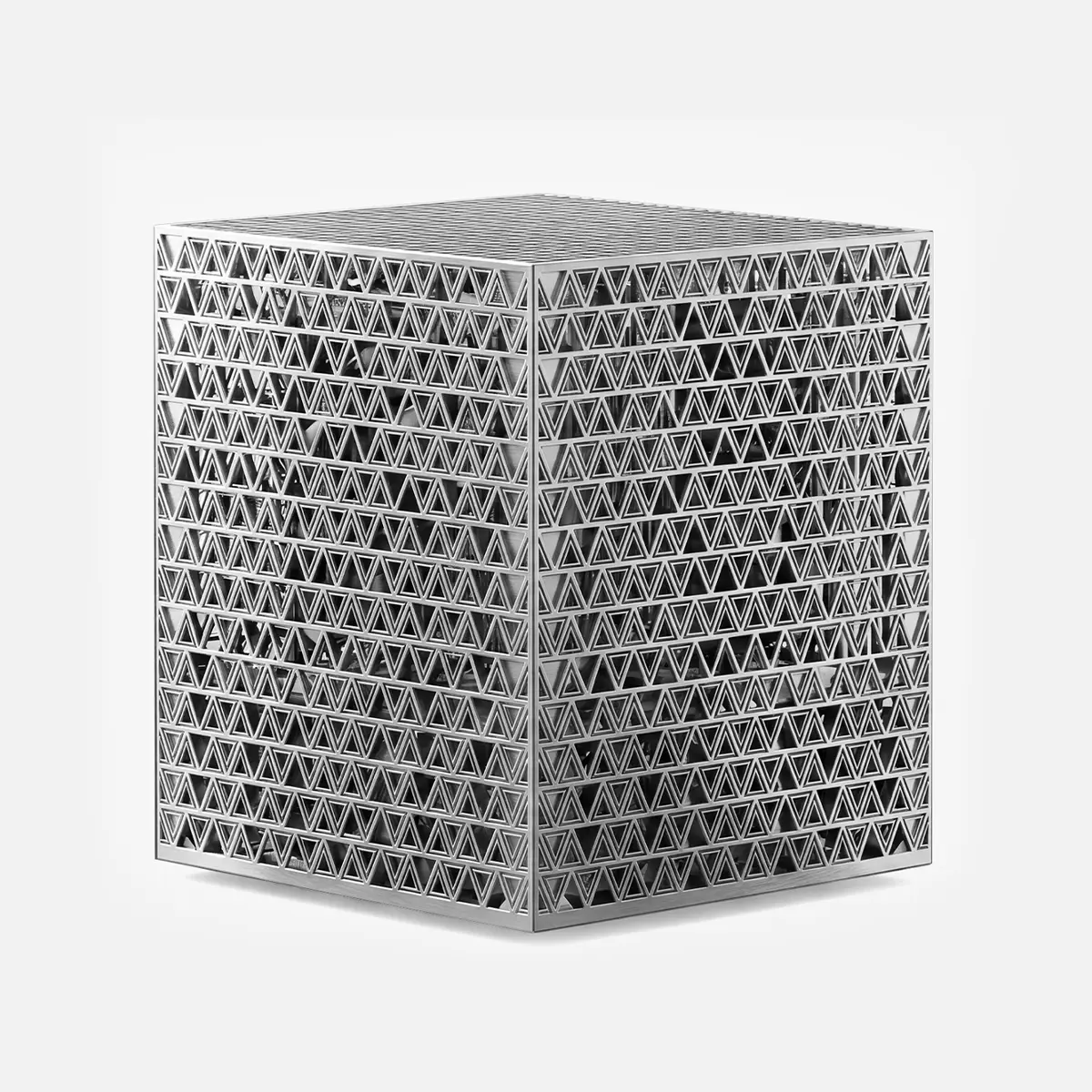
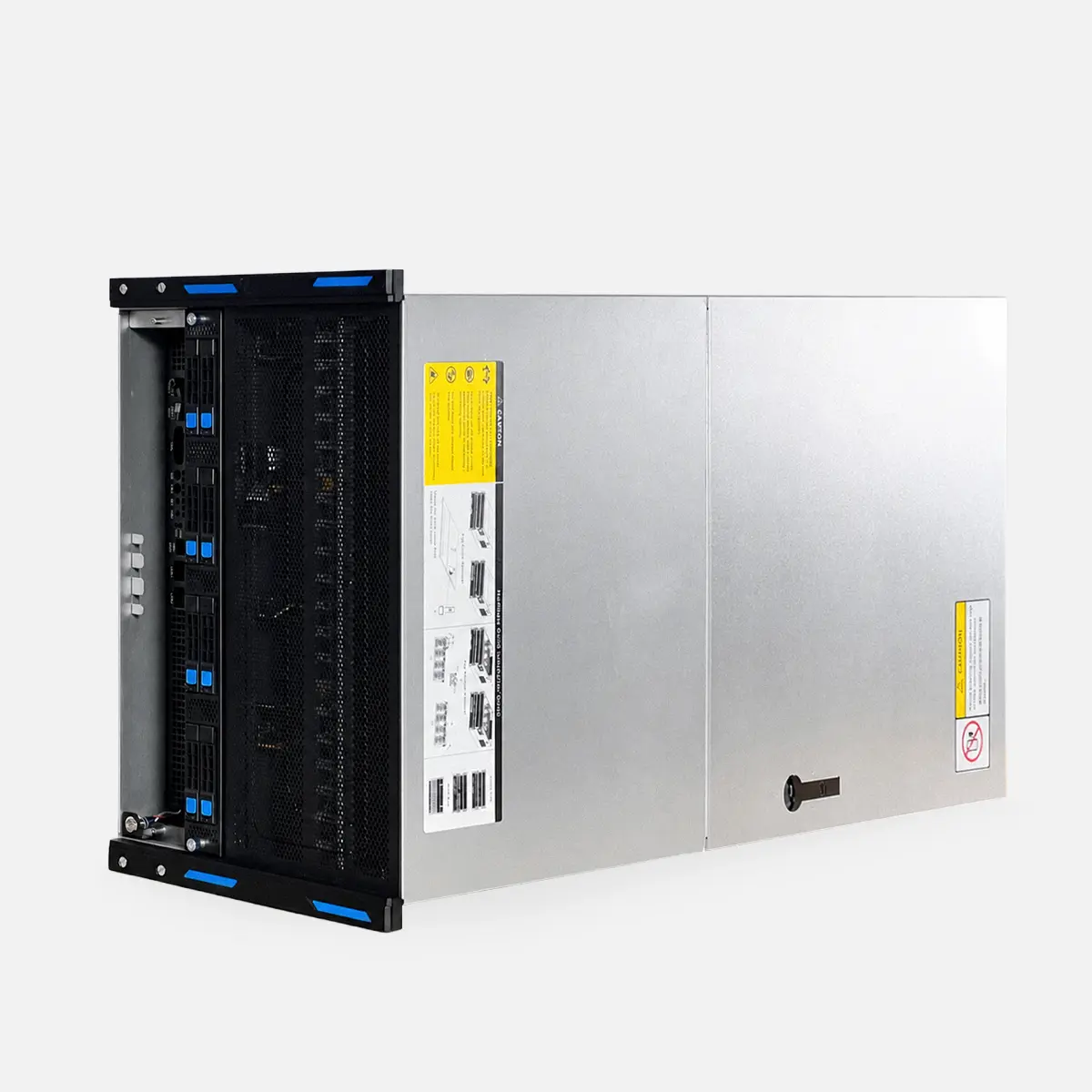
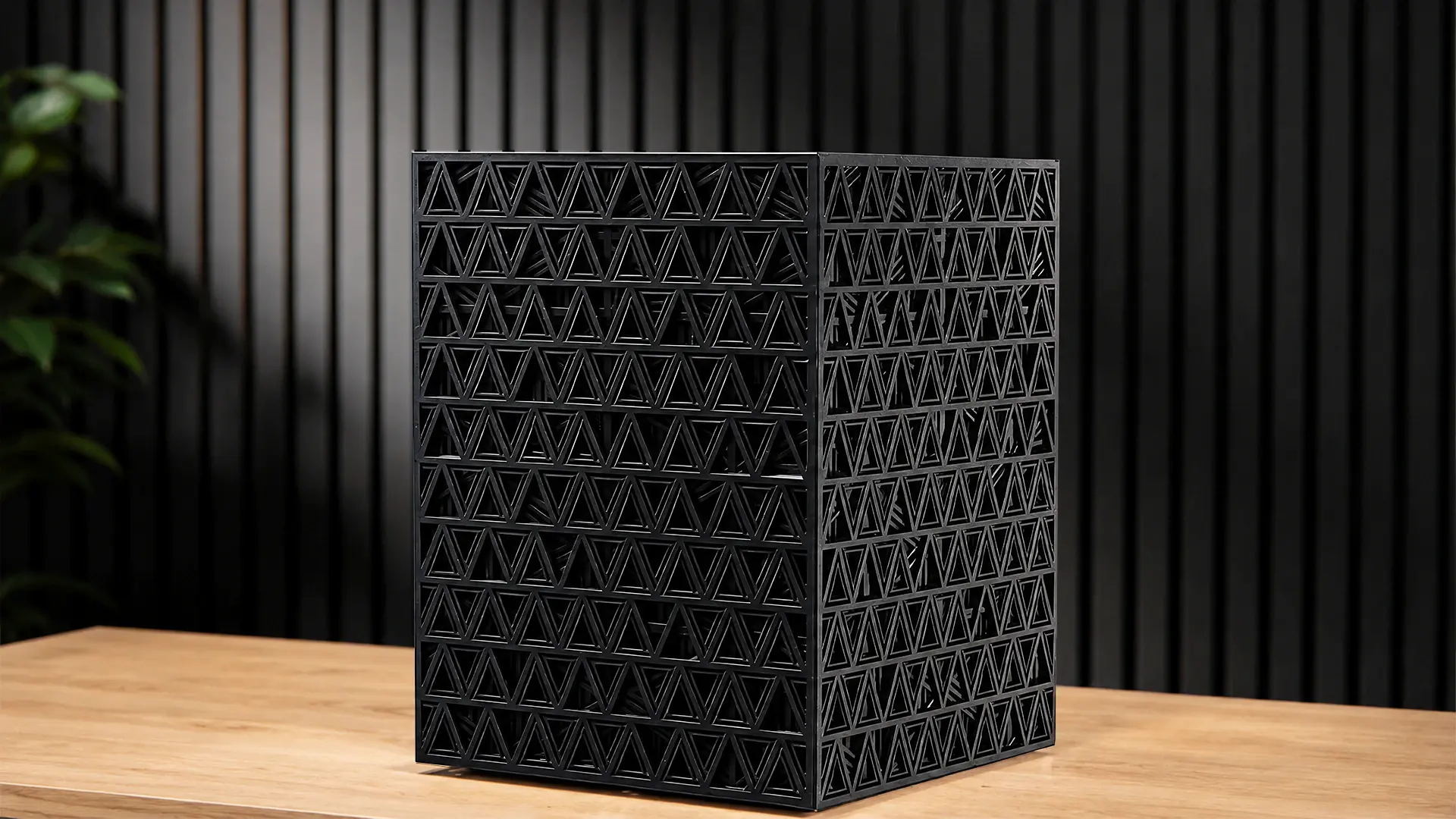
Two kinds of chassis, one for each job. The desk builds get a chassis we mill ourselves from a solid aluminum billet, machined inside and out, anodized and finished by hand in black. It moves heat like a heatsink and the triangular cutouts keep it stiff where it matters while cutting weight where it does not. The rack build takes a different path: a purpose-built server chassis made to sit in a rack and run for weeks, with hot-swap fans and front drive bays, built to be serviced rather than admired.


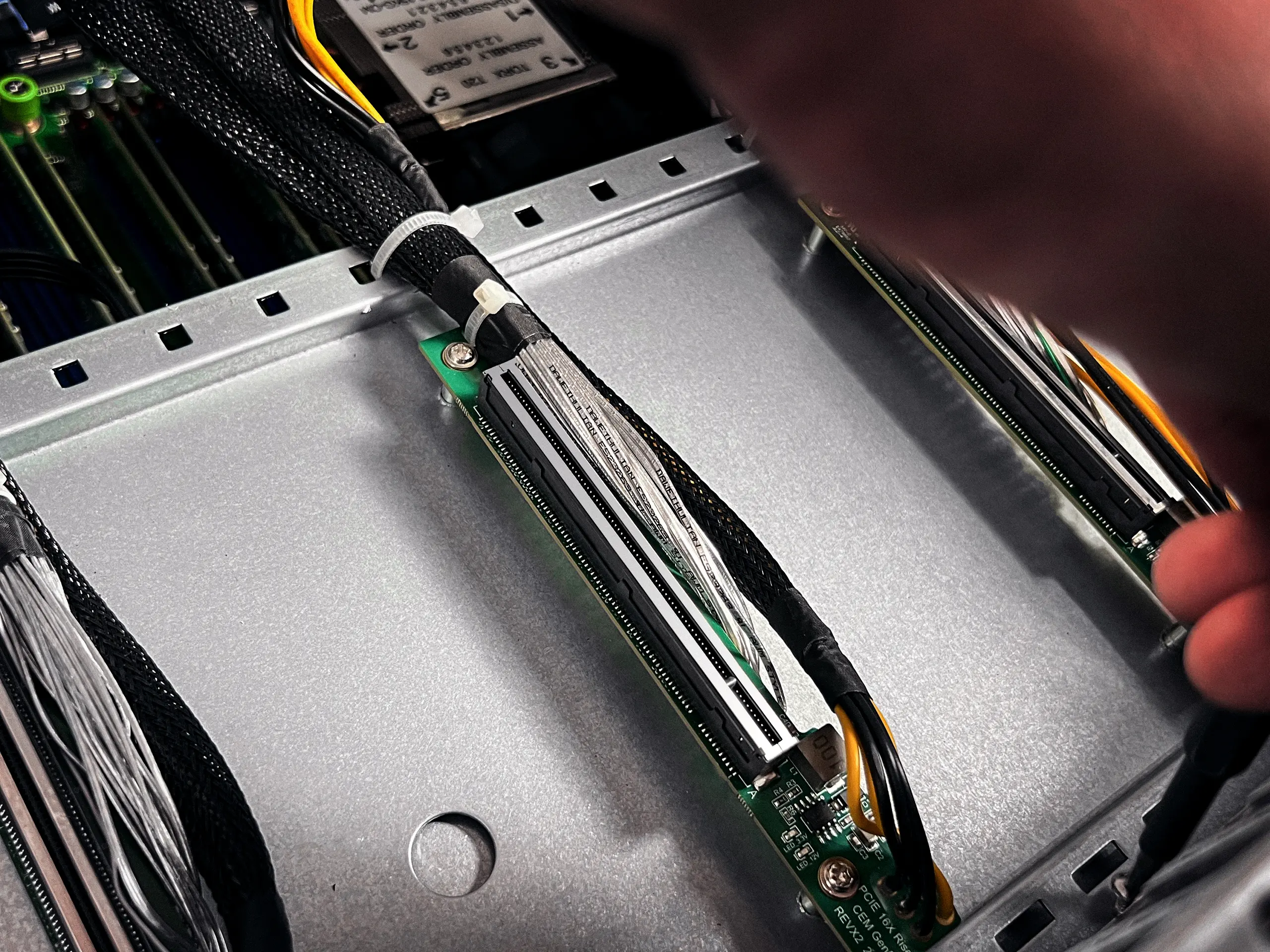
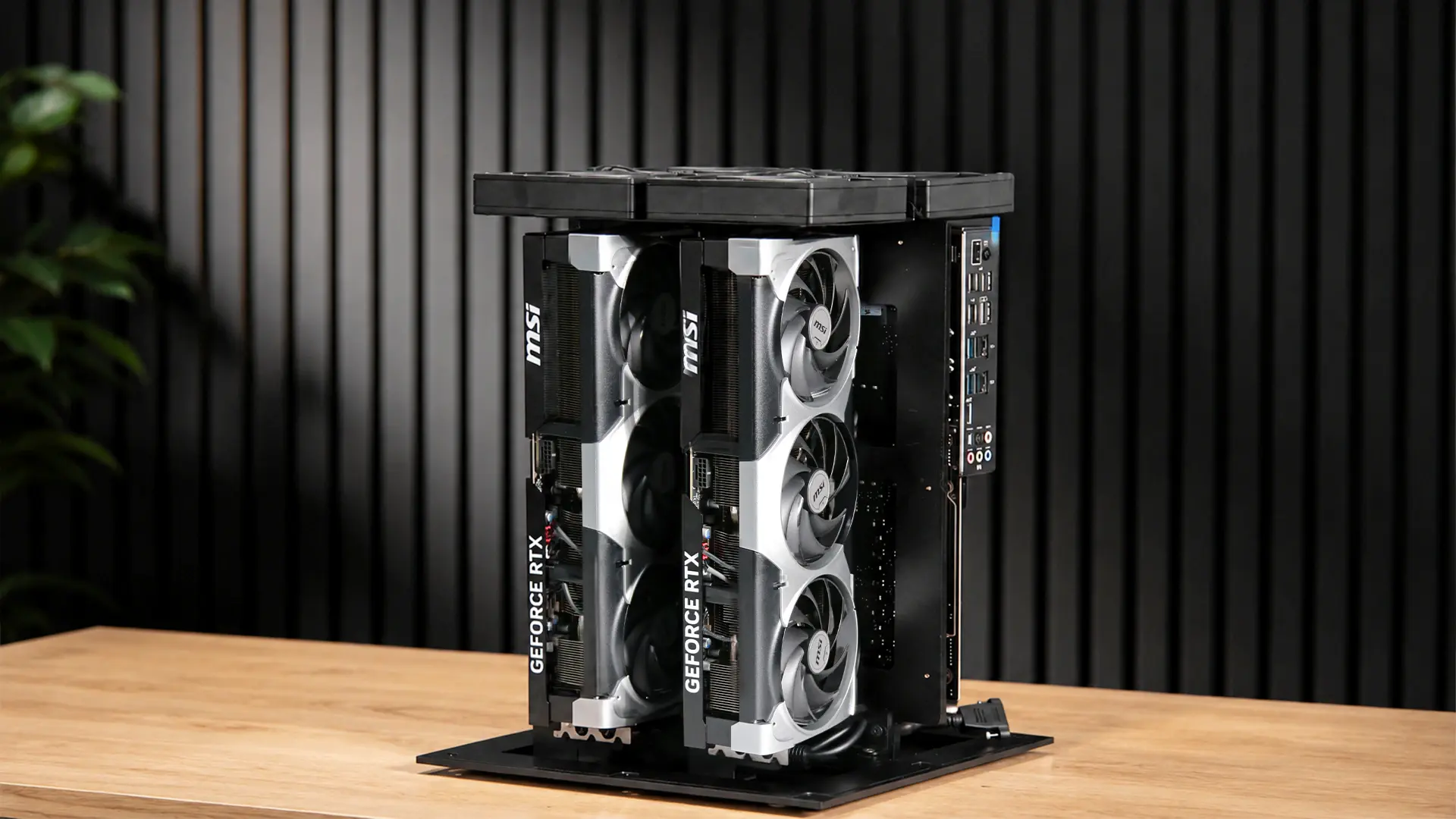
Every card reaches the board over its own PCIe 5.0 riser at a full Gen5 x16, straight from the CPU with no switch in between, so no card shares lanes, drops to x8, or waits on another. The risers are cut to exact length on the desk builds and run over MCIO 8i cables on the rack, matched to each chassis and routed for airflow to run for weeks.


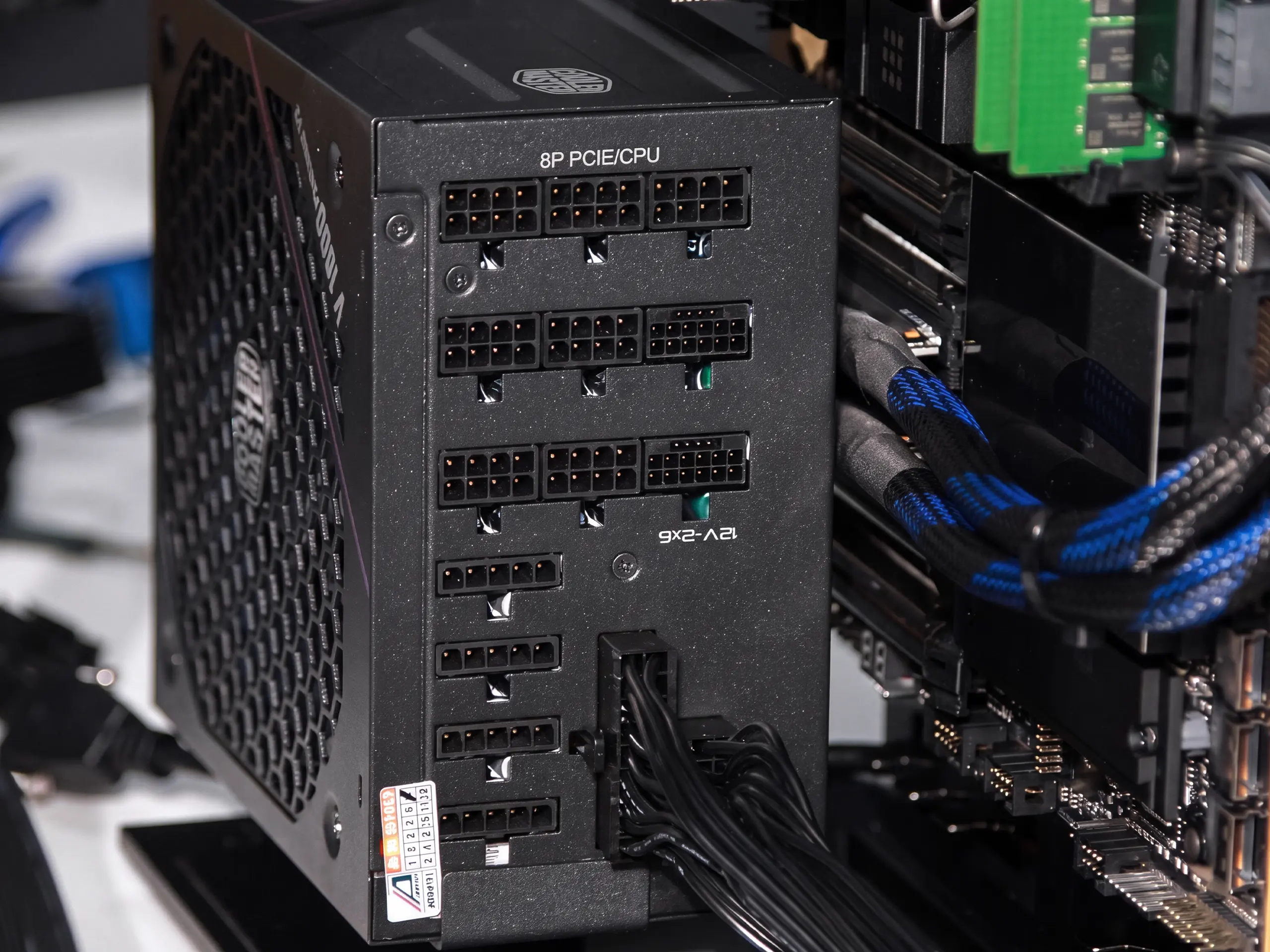
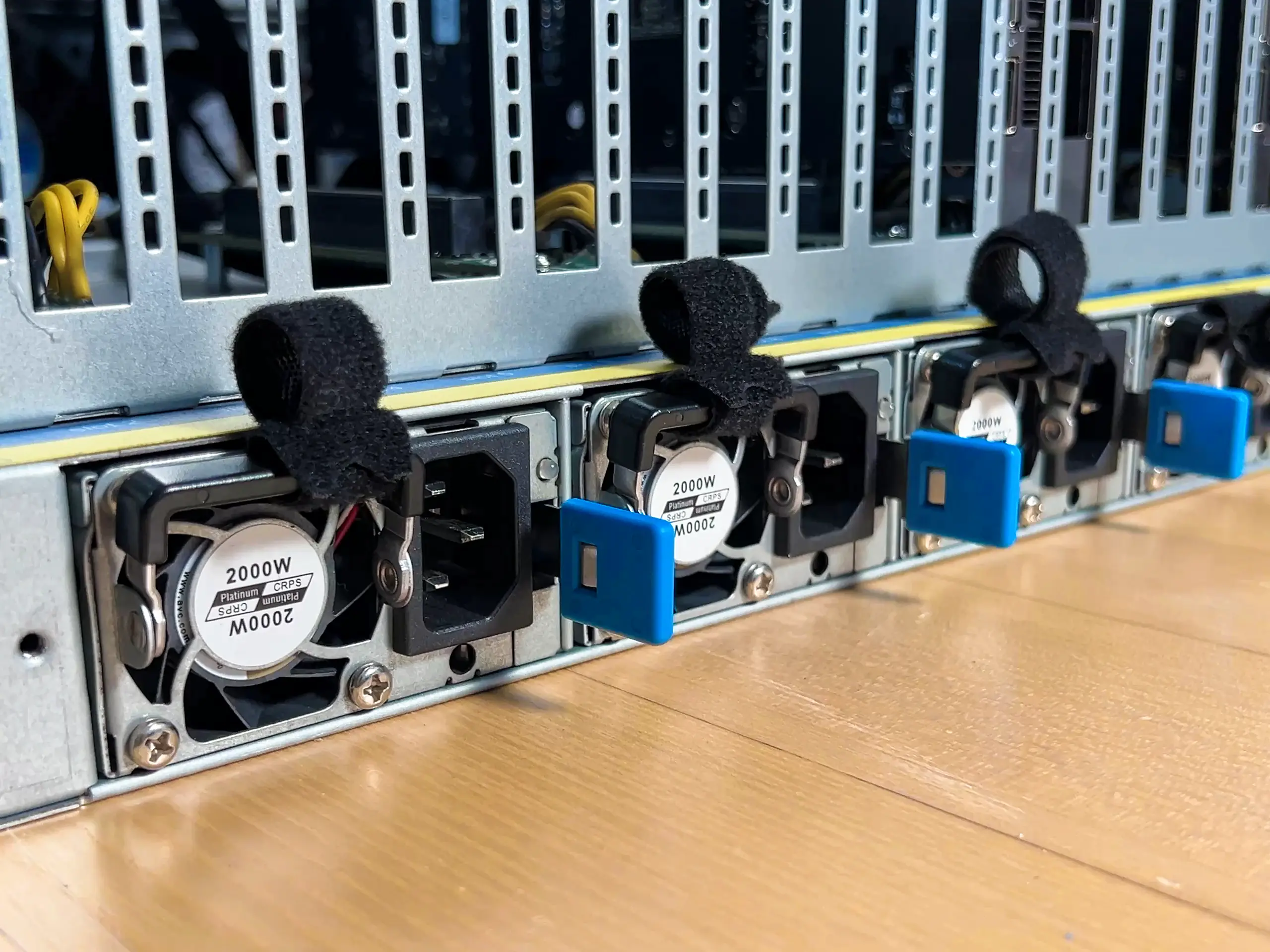
Power built to stay up. The power scales with the machine. The two-card runs on a single supply and a standard outlet. The four-card uses two and needs a 240V circuit. The rack runs four redundant, hot-swap supplies feeding a distribution board that splits clean power to every card, also on 240V. Just plan for one thing: anything past the two-card needs 240V, sorted before the machine arrives.


Open-source hardware
Every CAD file, bill of materials, and BIOS setting — free on GitHub. Fork it, change it, build your own, even sell it. This is how the personal computer began: in the open. We’re doing it again, for AI hardware.
GitHub 8122x-5090/ 4x-5090/ 8x-5090/ 4x-6000/
bom/ step_models/ stl-models/ photos/
README.md setup.md
MIT · 114 forksClone it. Build it. Sell it. We just want it built.
So you can choose them yourself. CPU, GPU, memory, and storage needs vary a lot by workload and budget, and prices on cards move week to week. We build the hard part, the chassis, risers, cooling, and power, and leave the rest open so you spec it to what you actually run instead of paying for a config that does not fit.
We’ve tested the RTX 3090, 4090, 5090, and RTX PRO 6000, with clearance and power notes for each. Any card that fits and has the power will run — the list is there to help you choose, and it grows with every new build.
Yes, that’s part of the point. If your motherboard, CPU, memory, or cards still do the job, bring them over. Just check two things first: that your board fits the chassis form factor the kit supports, and that the power in the kit covers the cards you plan to run. Tell us what you already have and we’ll confirm it works before you buy.
Depends on the size. The two-card runs on a standard wall outlet. The four-card and the rack both need a 240V circuit, not a standard outlet. That is normal at this scale, but it is the kind of thing to sort out before the machine arrives, not after, so plan the outlet ahead if you’re going for the four-card or the rack.
Yes — you can run different cards side by side, like a 3090 next to a 5090. The best way to set them up depends on what you’re running, so tell us your workload and we’ll help you plan the layout.
You replace it yourself in a few minutes: open one panel, swap the card, done. Nothing to ship back, no ticket to file. The machine is built to outlast any single card.
The lineup

2-GPU Rig
12.5" × 12.5" × 16" · 33 lb
Desk-side — for one builder
From $1,506 GPU-Ready

4-GPU Rig
15.5" × 15.5" × 16" · 66 lb
Floor-standing — for a team
From $3,086 GPU-Ready

8-GPU Rig
17.3" × 35.5" × 12.2" · 93 lb
7U Rackmount — for deployment
From $4,918 GPU-Ready