


The 6 Best AI Desk Robots of 2026

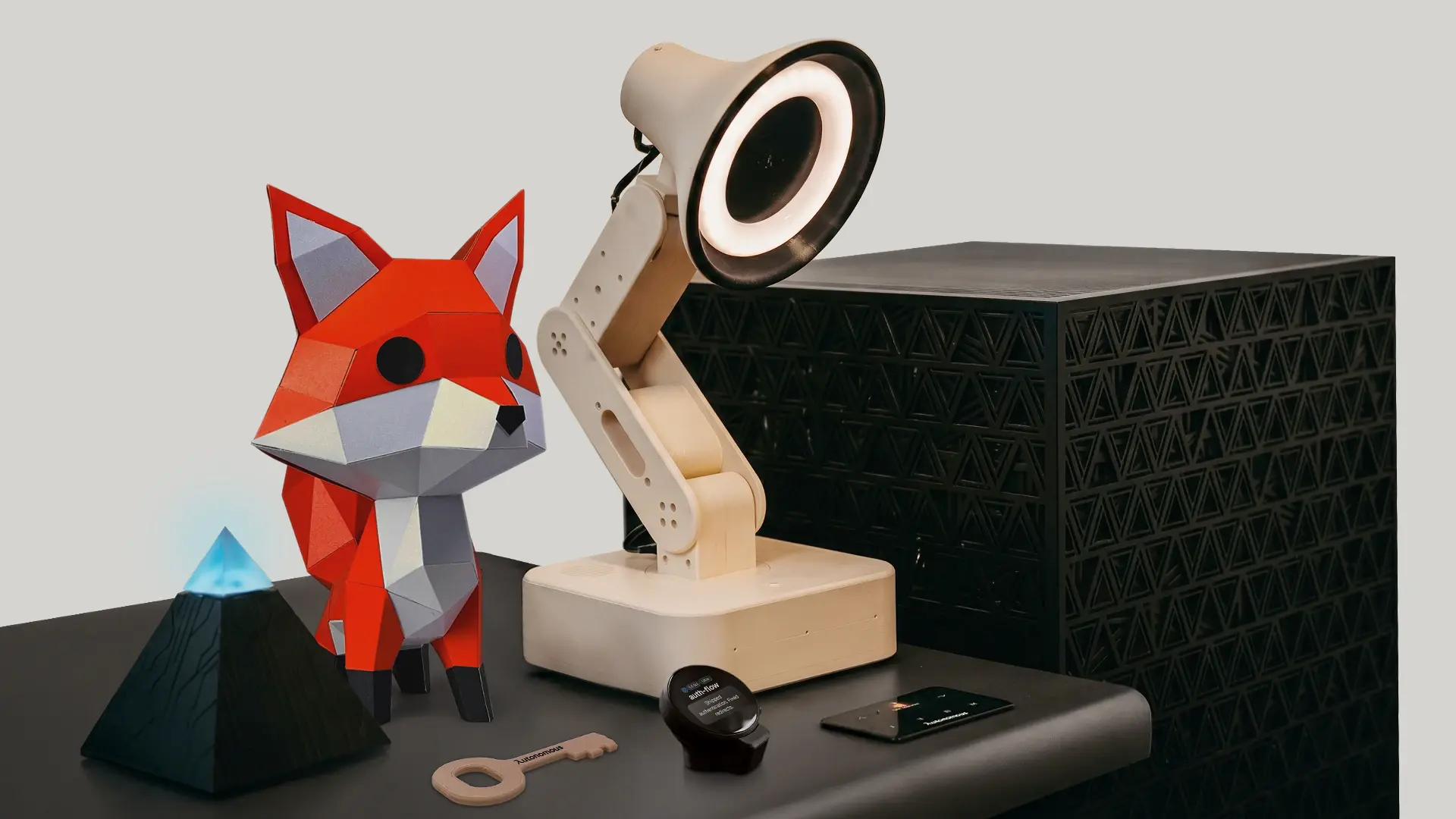
The best AI desk robots of 2026 split into two camps: charming pets that react to you, and robots that actually do things. Most guides only cover the first. This one walks the whole field, from EMO and Loona to the open, work-capable newcomers, and judges each on one test: does it earn the space on your desk, or does it end up in a drawer by month two. If you love robots and want one that stays useful, this is the honest map.
What an AI desk robot actually is
An AI desk robot is a small robot that lives on your desk and reacts to you through a camera, microphone, and moving body. The newer ones also run AI that carries out real tasks, and that is the 2026 dividing line.
For years these were expressive toys: cute, animated, fun for a week. Now a handful run actual AI agents, which is the gap between a robot that performs and a robot that helps. That split decides which half of this list is right for you.
How AI desk robots work
Most AI desk robots work in one of two ways, and the difference decides what they can do:
- On the robot itself: it senses the room, decides what to do, and acts on its own, so it can keep working when your phone is away.
- Through your phone: the robot is mostly a shell, and an app does the thinking, which is simpler but more limited.
Underneath, the parts are similar across the field. A camera and microphones handle sensing, servos handle movement, and an AI model handles the reasoning. The more of that reasoning lives on the robot, the more independent it feels.
What you can actually do with one
What you can do with an AI desk robot ranges from simple company to real work, depending on the model:
- Companion end: it reacts to you, shows character, plays, and keeps you company while you work.
- Capable end: it runs skills that do something, like watching your desk, changing the music to match your mood, reminding you to take a break, or acting as an AI email assistant and running AI coding tools.
The key question when buying is which end you want, because a pure companion and a task-runner are very different things to live with.
AI desk robots at a glance
Here is the whole field in one view, before the detailed picks. A tick means yes, a cross means no, and the nuanced cases are spelled out.
Robot | Price | Real AI tasks | Movement | Open | Best for |
|---|---|---|---|---|---|
Autonomous Lamp | $499 | ✓ agent, real skills | Articulated arm | ✓ | Real work + open control |
EMO | $279-$369 | ✗ scripted | Roams desk | ✗ | Expressive pet |
Loona | $449 | Partial (phone) | Full-body, mobile | ✗ | Mobility and play |
Eilik | $140 | ✗ | Expressive | ✗ | Budget buddy |
Vector | $399 + subscription | Limited (subscription) | Small movements | ✗ | Tinkerers, fans |
Reachy Mini | $299-$449 | DIY (build it) | 6-DOF head | ✓ | Makers and coders |
The best AI desk robots of 2026
Here is the current field, with an honest read on who each one is for.
1. Autonomous Lamp: best for real work and open control
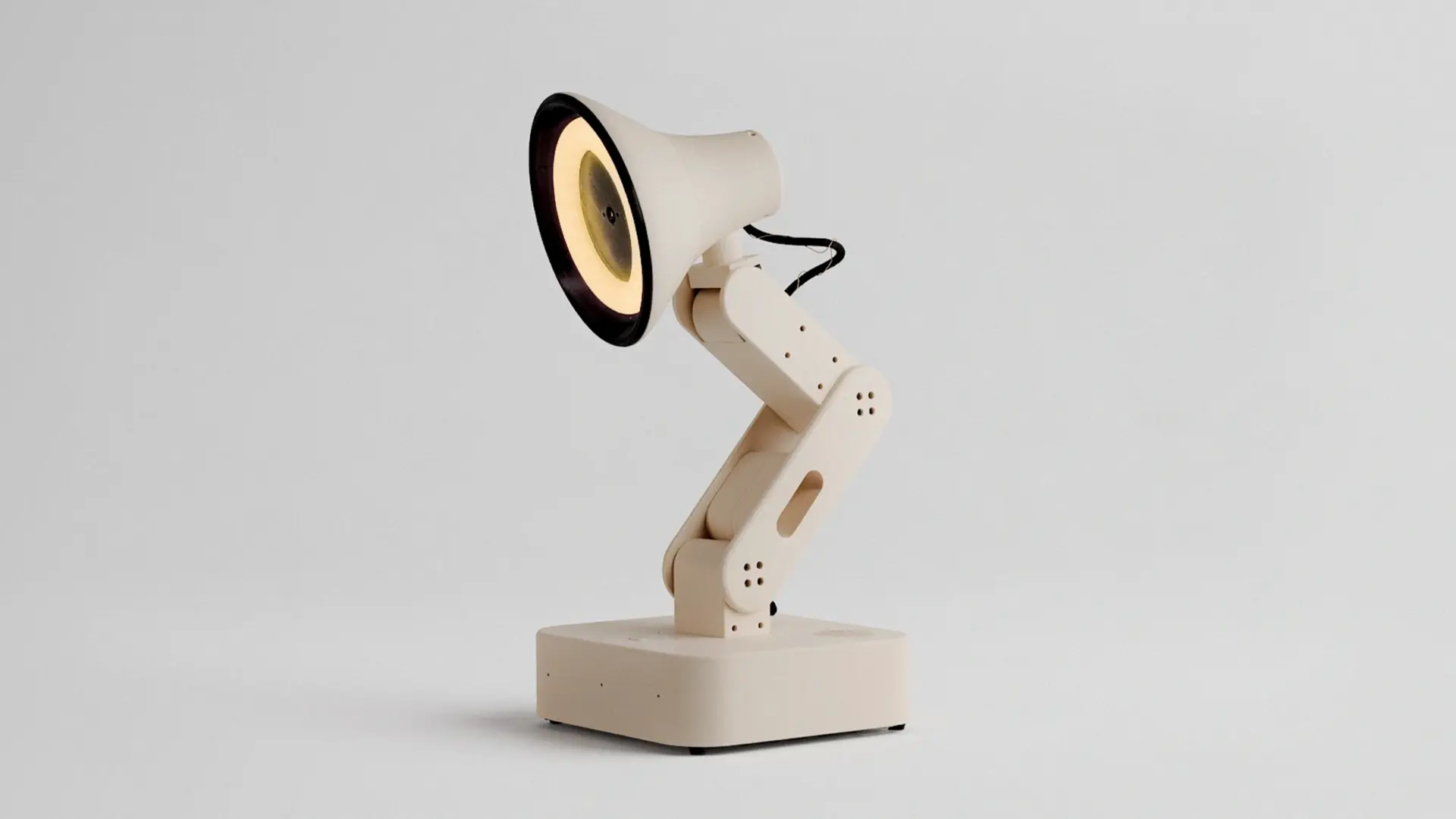
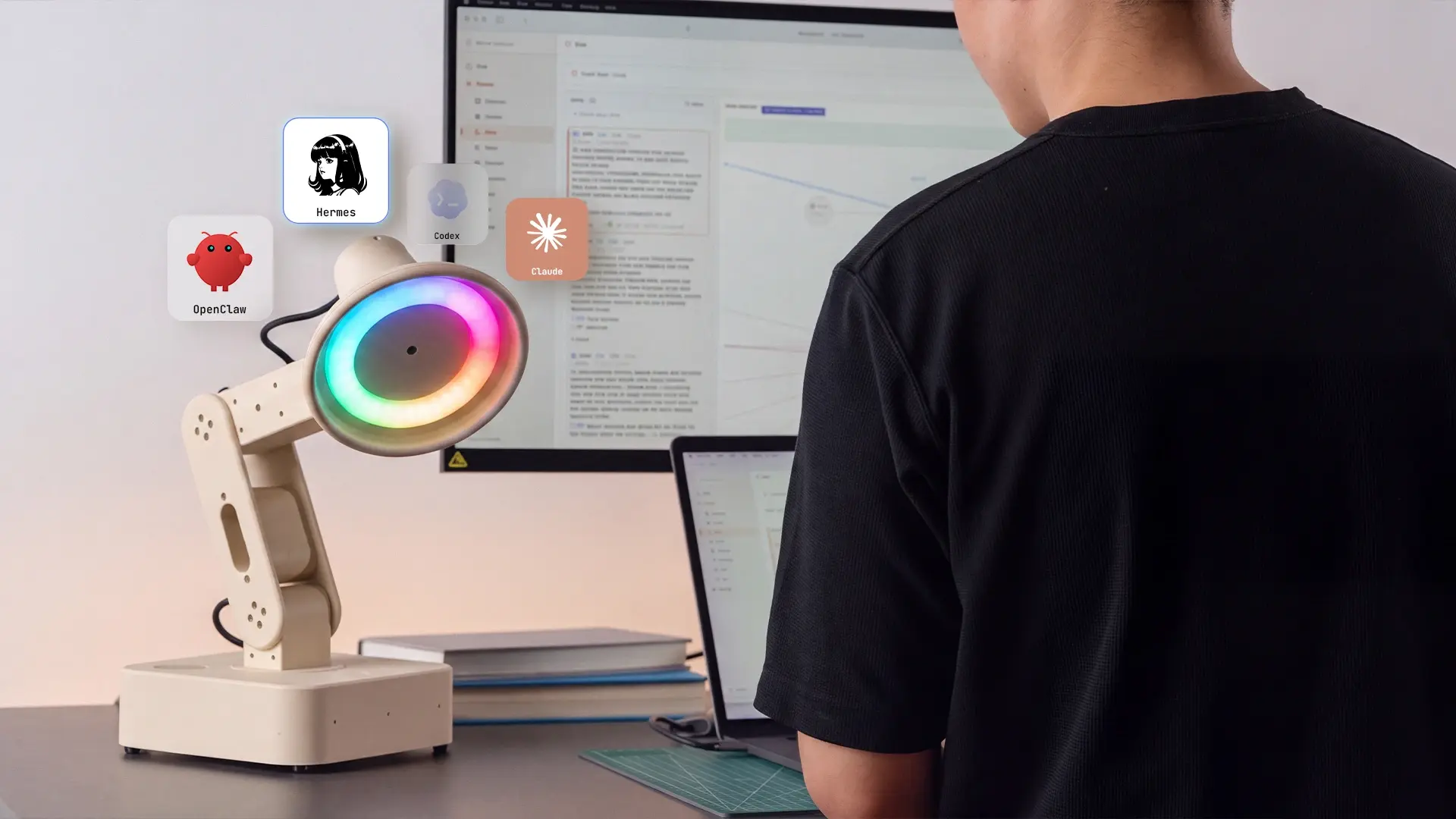
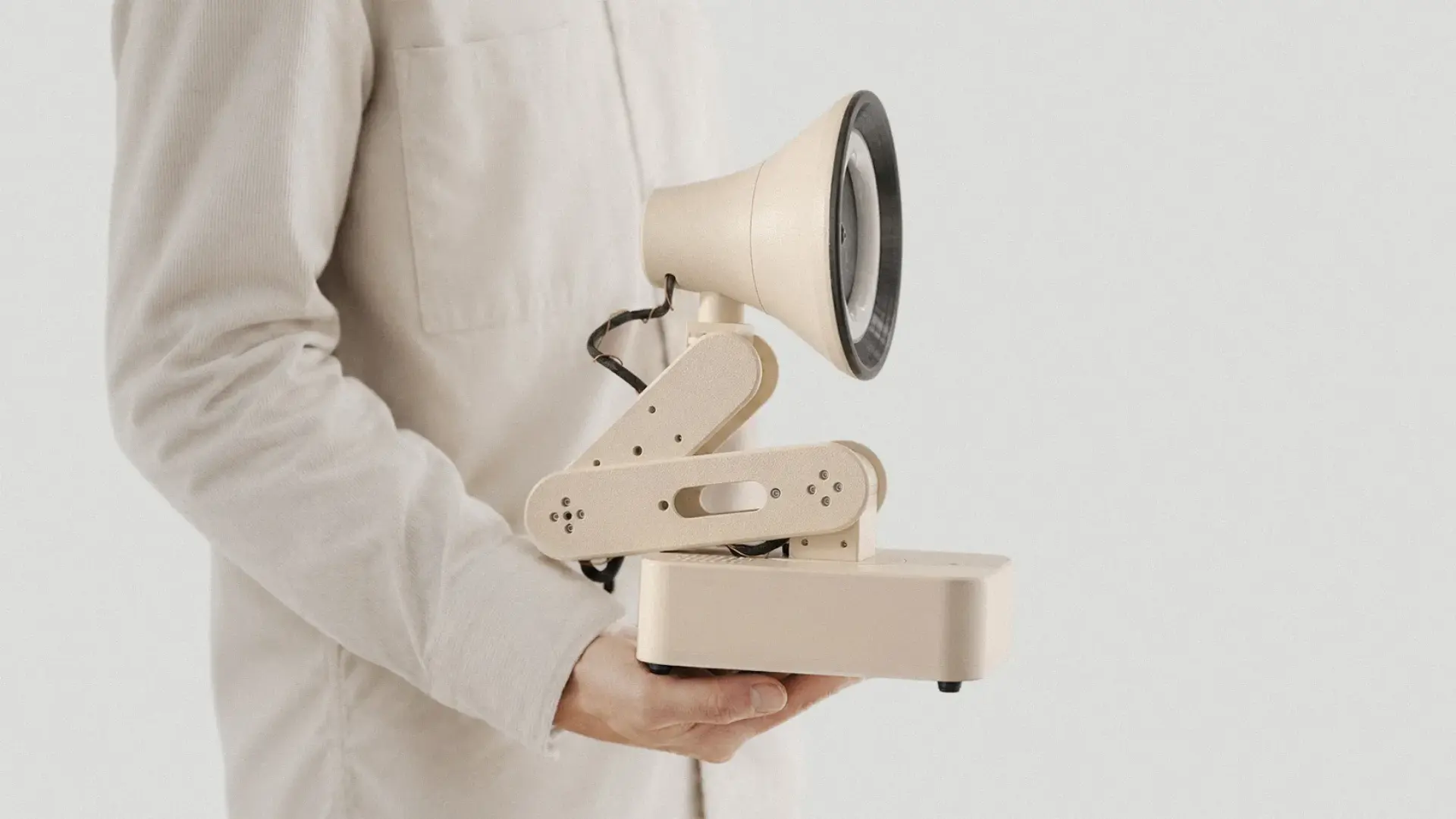
The Autonomous Lamp is the pick if you want a desk robot that does real work and stays yours to change. An AI agent runs on the robot, so it reasons about what it sees and hears, then acts through skills rather than replaying canned animations.
Those skills are real and named: it can guard your desk while you are away, read your mood and change the music, nudge you when it is time to sleep, and handle desk work like your Gmail, GitHub, or your Mac. You add more by browsing a store, describing what you want in plain language, or uploading your own, so it keeps growing instead of doing the same tricks forever.
The other half of the story is openness. You can run OpenClaw, Hermes, Codex, Claude, or your own model, and the whole system is open source, with the same operating system even running on other robots. That means it improves as better AI ships, without new hardware.
Pros:
- Does real work through an AI agent, not just scripted reactions
- Huge, growing skill store; add skills in plain language
- Open source, and you can swap the underlying AI or run your own
- The agent runs on the robot, so it thinks for itself rather than leaning on a phone
- The same OS runs on other robots, so you are not locked to one body
Keep in mind: it is newer than the established pets, so it has less of an owner track record than EMO or Vector do today.
Best for: people who want a robot that actually does things and stays open to customize.
2. EMO: best expressive desk pet
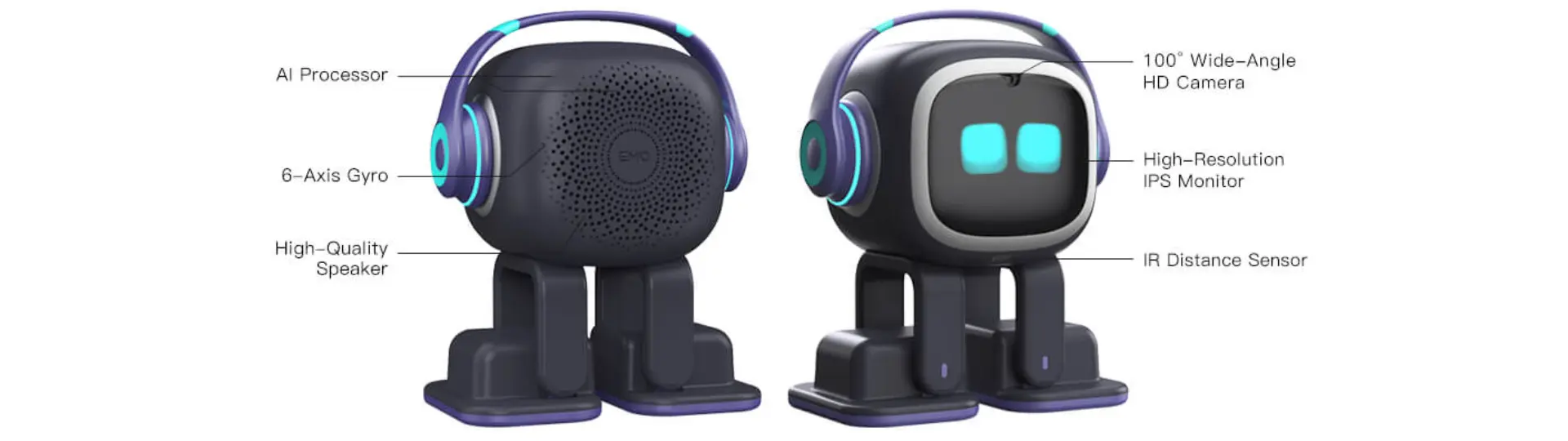
EMO is the most polished expressive pet in the field, and if pure charm is what you want, it is hard to beat. It roams your desk on its own, runs through more than a thousand expressions, recognizes faces and names, and needs no subscription. Living.AI ships updates every few months, so it keeps gaining tricks.
The honest catch shows up before EMO even moves: owners widely report a painful WiFi setup. The robot only joins 2.4GHz networks, so modern routers that steer devices to 5GHz can break the handshake, and a WiFi password with symbols in it can stop setup cold. Once it is online, it is durable and safe to leave roaming, but it stays a scripted companion, so it reacts beautifully without ever running real tasks.
Pros:
- More than a thousand expressions and refined, autonomous desk roaming
- Recognizes faces and remembers names
- No subscription, with steady updates and an active owner community
- Durable and safe to leave running on its own
Cons:
- WiFi setup is a common headache (2.4GHz only, fussy about passwords)
- Reactions are scripted, so it does not run tasks or real work
- Premium for what is, at heart, a companion
Best for: people who want pure charm and presence over usefulness.
3. Loona: best mobility and play
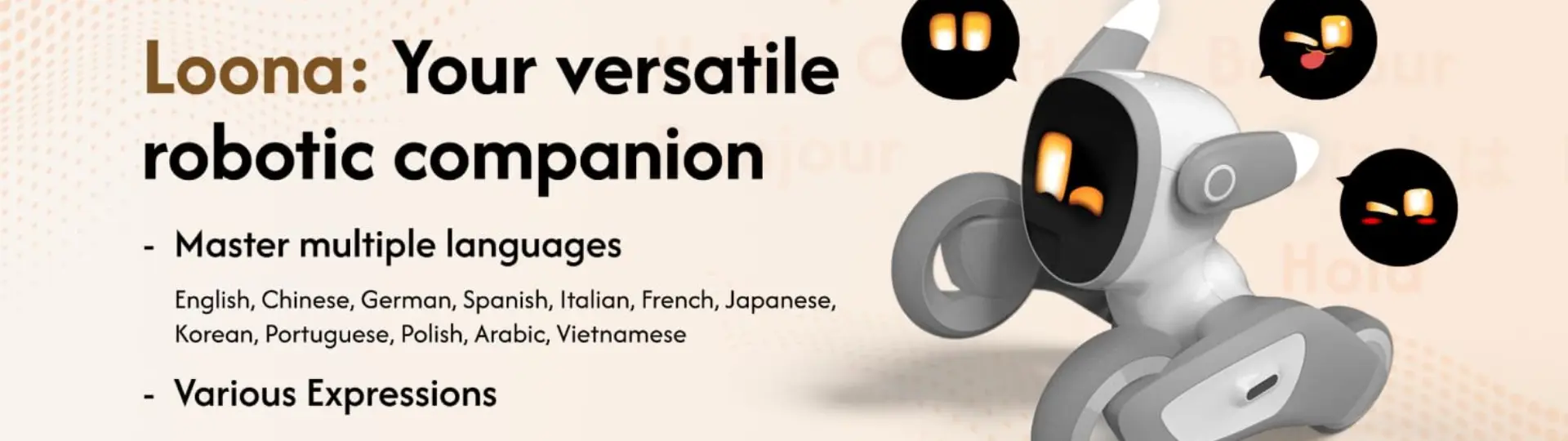
Loona is the most physically playful robot here, built more like a small dog than an AI gadget. It moves with real agility, tracks gestures and faces, and holds a good conversation, which makes it the pick for people who want a robot to play with rather than one that works.
The honest picture from owners is more mixed than the marketing. Loona is advanced and mobile, but it is also fragile, its parts can break, and support has a poor reputation, with some long-time owners describing it as a risky, possibly abandoned project. It also needs good lighting to navigate and leans on a connected phone for its smarter features. Wonderful when it works, but a bigger gamble than a static desk robot.
Pros:
- The best movement and physical playfulness in the category
- Good conversation and gesture and face tracking
- Expressive, petlike character that is fun to be around
Cons:
- Fragile, with parts that can break and a poor support reputation
- Needs good lighting and leans on a phone for its smarts
- Premium price for a companion, with real project-longevity questions
Best for: people who want mobility and play and accept the reliability risk.
4. Eilik: best budget desk buddy
Eilik is the affordable way into desk robots, and it earns a strong reputation for the price, with owners rating it around 4.3 out of 5. It has an OLED face, four servos, and touch sensors, and its expressions are contextual rather than a fixed loop, so months in you still see reactions you have not seen before. Energize Lab keeps shipping free firmware updates, and it works completely offline.
Its best trick is social: put two together and they acknowledge each other, mirror moods, and bicker like a tiny sitcom, which is why owners often buy a pair. The honest limits are simple. Battery life is about 90 minutes on a one-hour charge, and it does not hold a two-way voice conversation. Its multi-robot chatter is really programmed gestures and sounds, not real dialogue, and some owners tire of the patterns after a while.
Pros:
- Affordable, with genuine build quality and personality for the money
- Hundreds of contextual expressions, kept fresh by free updates
- Works fully offline, with a built-in Pomodoro timer
- Delightful in pairs, interacting with each other
Cons:
- About 90 minutes of battery per charge
- No real two-way voice or AI tasks; interaction is expression-first
- Sound effects can be distracting in a quiet workspace
Best for: a fun, low-cost desk companion, and a solid pick for older kids and teens.

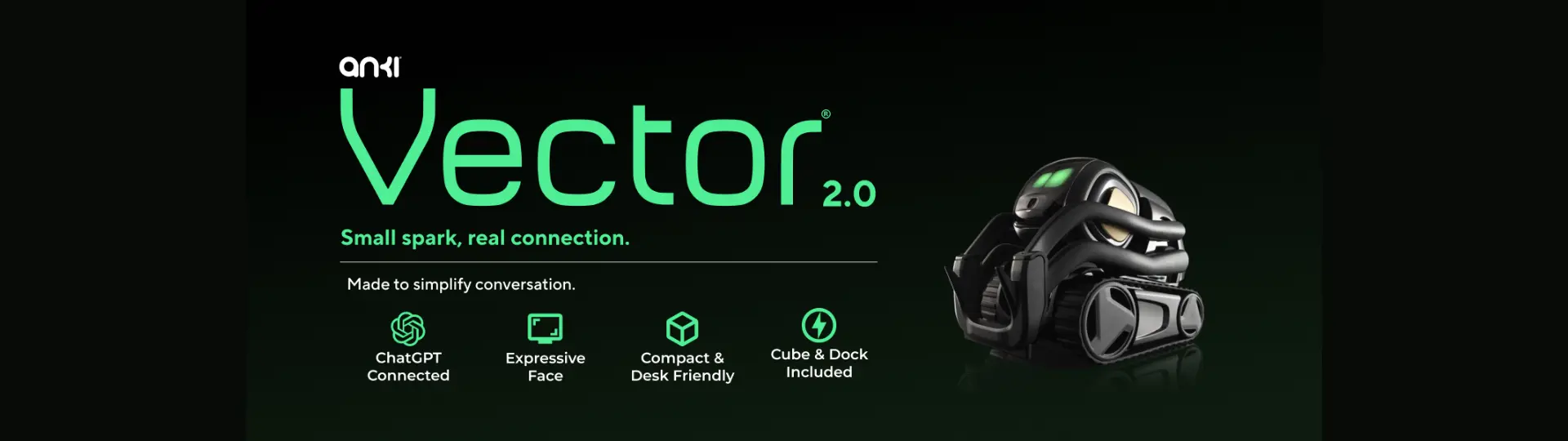
5. Vector: the veteran, with a subscription
Vector still has the most beloved personality in this category, with expressive eyes, desk navigation, and a genuine petlike charm that owners have loved since 2018. After Anki shut down, Digital Dream Labs kept it alive, so it is not dead, but its age shows against newer robots.
The catch in 2026 is the subscription. Voice commands and updates now require a paid Vector membership, priced by which AI backend you pick: a ChatGPT tier around $12 a month or a Claude tier around $15. Add short battery life, English-only support, and a bumpy update history, and it feels like older hardware kept alive by a paywall. The bright spot for tinkerers is WirePod, a free self-hosted server that restores Vector's functions without the subscription, which keeps it a favorite hacking project.
Pros:
- The most charming, well-loved personality in the category
- Navigates the desk, greets you, and handles timers and weather
- A strong tinkering scene, including free WirePod self-hosting
Cons:
- Voice commands and updates sit behind a paid subscription
- Aging hardware, short battery, and a shaky update track record
- Long-term support depends on a company owners do not fully trust
Best for: tinkerers and existing fans who accept the age and the subscription.
6. Reachy Mini: best open-source kit
Reachy Mini, from Pollen Robotics and Hugging Face, is the open-source choice for people who want to build and program their own robot. It is fully open, programmable in Python, and plugged into the Hugging Face community, with a moving head, camera, mics, and expressive antennas. There is even a simulator, so you can write behavior before the hardware arrives.
Two honest notes shape who it is for. It ships as a kit that takes a couple of hours to assemble, and it is early and experimental rather than plug-and-play. One reviewer who built it found that the impressive launch-demo tricks, like reading a note on the wall and sending emails, were far from trivial to reproduce at home.
If you want a platform to learn and hack on, it is a joy. If you want something that just works, it is not that yet.
The twist is that these two are not really rivals. Autonomous OS runs on Reachy Mini without flashing anything: you SSH in, run one command, and the Reachy stays a Reachy while gaining the same agent and skills as the Lamp. Set the two side by side and it gets fun, because each robot can take the other's answer as its next question, so they will hold a back-and-forth with each other until you stop them.
Pros:
- Fully open-source hardware and software, with a real Python SDK and simulator
- Backed by the Hugging Face community, models, and shared behaviors
- A genuinely great platform to learn and experiment on
Cons:
- Ships as a kit you assemble, and needs some Python comfort
- Early and experimental, so the flashy demos take real work to match
- Rolling deliveries mean you may wait for your unit
Best for: makers, coders, and researchers who want a project.
Which AI desk robot is right for you
The field looks crowded until you answer one question: do you want a companion or a robot that does things. That single choice cuts the list in half.
- For real work and an open, changeable robot: the Autonomous Lamp.
- For a pure expressive pet with the most polish: EMO.
- For mobility and play, if you accept the reliability risk: Loona.
- For a tight budget or a gift for older kids: Eilik.
- For building and coding your own: Reachy Mini.
- For a charming veteran you are willing to tinker with: Vector.
Decide the camp first, and the specific robot follows almost on its own.
FAQs
What is the best AI desk robot in 2026?
It depends on what you want. For a robot that does real work and stays open to customize, the Autonomous Lamp leads. For a pure expressive pet, EMO is the most polished. For makers, Reachy Mini. There is no single best, only the best for how you will actually use it.
Which desk robot actually does real work?
The Autonomous Lamp is the standout, because an AI agent runs on the robot and handles real skills, from guarding your desk to managing Gmail and GitHub. Most desk robots, including EMO and Eilik, are expressive companions that react charmingly but do not run tasks or grow new abilities.
Are AI desk robots worth it?
It depends on the robot and on you. Expressive pets are worth it if you want charm and presence, but many get shelved once the novelty fades. The ones that stay useful are those that do real tasks or let you add new abilities, since they keep earning their place on your desk long after the first week.
What is the best open-source desktop robot?
Reachy Mini is the best fully open, buildable kit, backed by Hugging Face, and ideal if you want to program your own robot. The Autonomous Lamp is open source too but ships assembled with an AI agent already running, so it suits people who want openness without building the robot from parts themselves.
Do AI desk robots need a subscription?
Some do and some do not. EMO and Eilik market themselves with no subscription, while Vector now gates voice commands and updates behind a paid membership. Pricing models change often, so check the current terms for any robot before buying rather than assuming its features are included forever.
Which desk robot is best for kids?
For younger kids, purpose-built learning robots are a safer fit than the agent-driven or hobbyist models here. Eilik suits older kids and teens who want a fun, expressive buddy, and Reachy Mini can be a great build project with adult help. Match the robot to the age and to whether you want play or learning.
Conclusion
The best AI desk robot for you comes down to one honest question: do you want a pet or a workmate. The expressive robots like EMO and Eilik are lovely and will make you smile, while the newer, work-capable and open robots do things and keep changing what they do. Pick the camp that fits how you will actually use it, and the specific robot follows easily. The field is finally more than cute, and that is the real story of 2026.