


Best AI Gadgets 2026 That Adapt to Your Daily Routine

Most AI gadgets get bought, used for a week, and quietly unplugged. We know this better than we'd like to: we build one, and when we looked at how our own customers actually use it, a hard line showed up. The devices that stay in daily use are the ones that own a single recurring job - a scheduled briefing, sleep tracking, meeting notes. The features that photograph well and retain nobody are the open-ended ones: "write me a book," "control the mood lighting." That split is the most useful thing we can tell you about buying an AI gadget in 2026, so it's the lens for every pick below - grouped by the problem it solves, with what it's genuinely good and bad at, not a spec recital you could read anywhere.
AI gadgets compared
All prices are as of 2026 and worth re-checking, since AI hardware moves fast.
Gadget | What it does | Price | Best for | Maker |
Ray-Ban Meta (Gen 2) | AI glasses: capture, translate, ask | ~$379 | Hands-free AI on the go | Meta |
Even Realities G2 | AI glasses with in-lens text | from $599 | Glanceable info for knowledge workers | Even Realities |
Autonomous Intern | Desk AI agent for recurring jobs | $249 | Unattended briefings and monitoring | Autonomous |
Plaud NotePin | Wearable AI meeting note-taker | ~$159-179 | People who live in meetings | Plaud |
Autonomous Thinking Desk | Standing desk, tracks focus and air | $699 | Debugging your own focus | Autonomous |
Autonomous Hydrate | Desk hydration cue | $39 | The best AI gadget under $50 | Autonomous |
Autonomous Key | Locks distracting apps | $20 | Phone-driven distraction | Autonomous |
Amazon Echo Hub | Smart-home control panel | Varies | One control surface for a connected home | Amazon |
Google Nest Hub Max | Proactive home assistant | Varies | Google-ecosystem homes | |
Oura Ring 4 | Sleep and recovery ring | Varies | Sleep tracking without a watch | Oura |
RingConn Gen 2 Air | Budget health ring | Varies | Ring data with no subscription | RingConn |
Best AI smart glasses
Smart glasses are the AI category most likely to survive the honeymoon, because they ride on something you already wear. The buying choice is narrow: a camera and voice assistant, or glanceable text and privacy.
1. Ray-Ban Meta (Gen 2)
The Ray-Ban Meta Gen 2 is the pick for capture and quick answers on the move - photos, translation, "what am I looking at," and calls, hands-free, in a frame that reads as normal sunglasses (around $379). Buy it for the camera and the voice assistant. Don't expect an in-lens display at this price, and know it leans hard on Meta's app ecosystem.
2. Even Realities G2
The Even Realities G2 is the opposite trade, and the better glasses for knowledge workers: no camera, but a discreet in-lens text readout for translation, notifications, and teleprompting, in eyewear that passes as ordinary (from $599, plus a $249 ring for input). You're buying the display and the discretion - the honest limit is a monochrome screen and an assistant weaker than Meta's on open questions.
Best AI gadgets for a smart home
Home hubs earn their place only if you already have enough connected devices to coordinate; below that, they become an expensive clock. If you're past that line, the real decision is which ecosystem you're already in.
1. Amazon Echo Hub
The Amazon Echo Hub is the pick if your home has outgrown voice commands and you want one panel for lights, locks, cameras, and thermostats. Its 2026 on-device processing keeps common commands fast and a little more private. Buy it as a control surface, not a brain - it coordinates devices well, but it won't anticipate much on its own.
2. Google Nest Hub Max
The Google Nest Hub Max is the pick if you're already in Google's ecosystem and want a display that anticipates routines rather than one you drive. Its on-device Gemini learns lighting and reminder patterns and surfaces the next one before you ask. The catch is the lock-in - it's most useful when your accounts already live with Google, and less so outside that.
Best AI gadgets for work and focus
This is the category we build in, so we have real data on what sticks. That evidence sits in the framing above and below; the picks themselves get the same even treatment as the rest.
1. Autonomous Intern
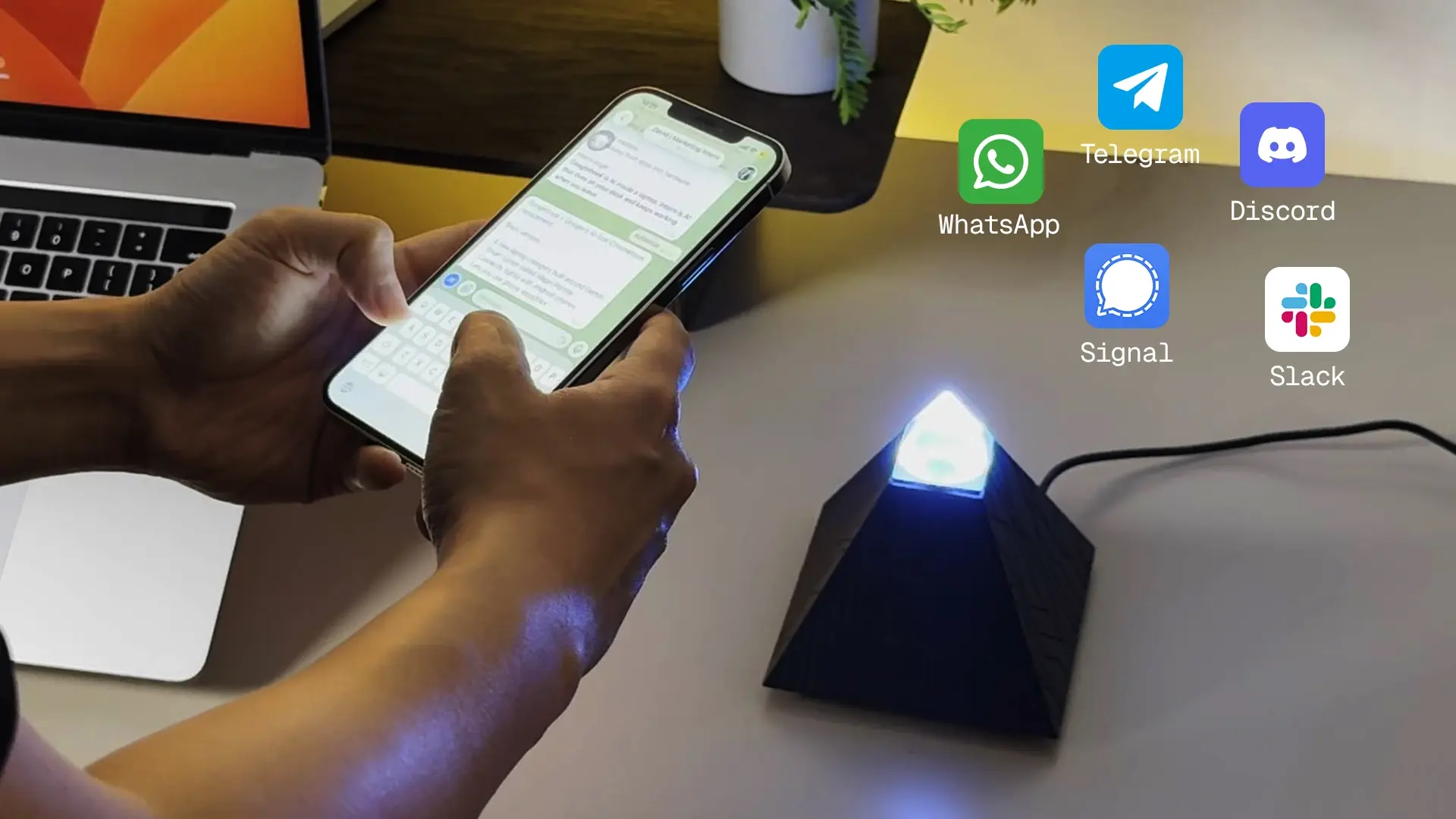
The Autonomous Intern is the pick if you want an agent that runs standing jobs unattended - a scheduled briefing that checks your inbox or watches a page and messages you the summary while your laptop sleeps, the job our data shows customers keep. You reach it from Slack, Telegram, or Discord, and it runs OpenClaw or Hermes, switchable anytime. Honest limits: on 6GB it's cloud-orchestration-first, and the models cost tokens on top of the one-time device.
2. Autonomous Thinking Desk

The Autonomous Thinking Desk is for one specific person: someone running long coding sessions who wants to see the room turn against them first. Its keypad shows live Claude Code token burn, and onboard sensors track the CO₂, air, and noise creep that becomes brain fog. The dual-motor frame lifts 330 lbs and runs under 30 dB, with a lifetime frame warranty. If you don't debug your own focus, it's more desk than you need.
3. Autonomous Hydrate
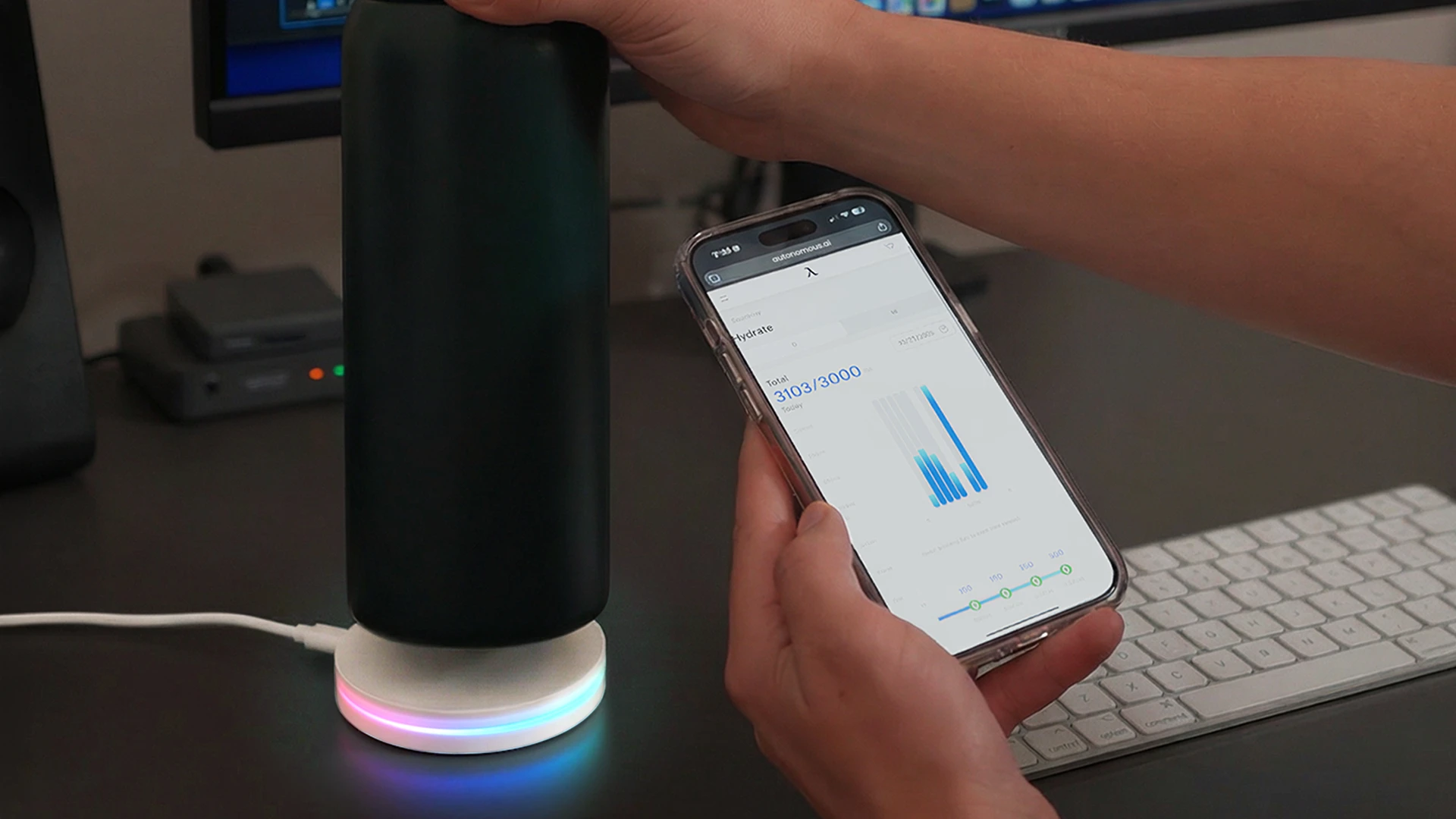
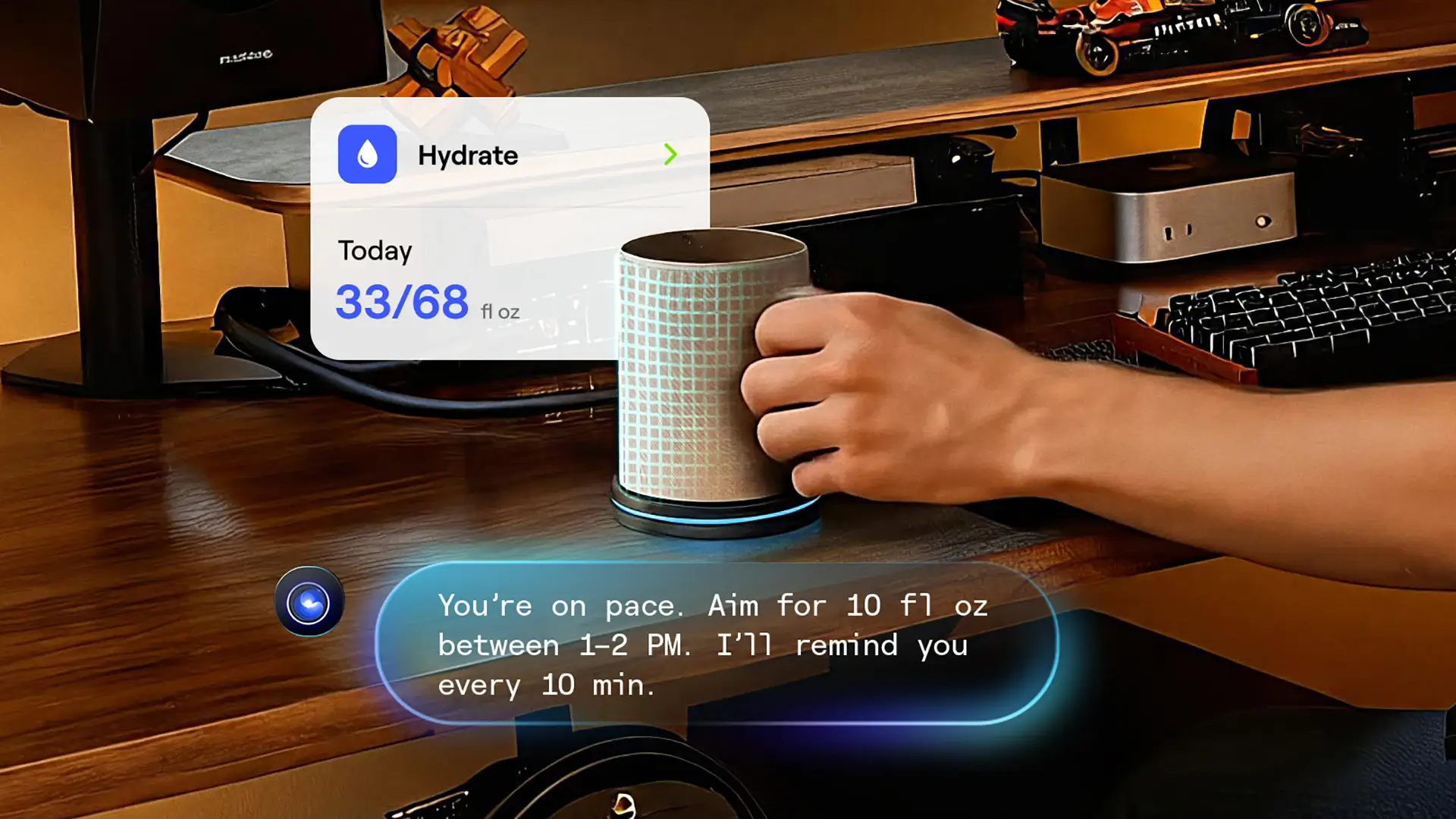
The Autonomous Hydrate is the smallest, cheapest pick here, and it survives the unplugging test because it does one involuntary thing well. Your body needs water about 20 minutes before your brain registers thirst, so it glows before you'd think to drink; after a few weeks the reach is automatic, with no app in the loop. It works with any bottle, and it's the pick least likely to end up in a drawer.
4. Autonomous Key
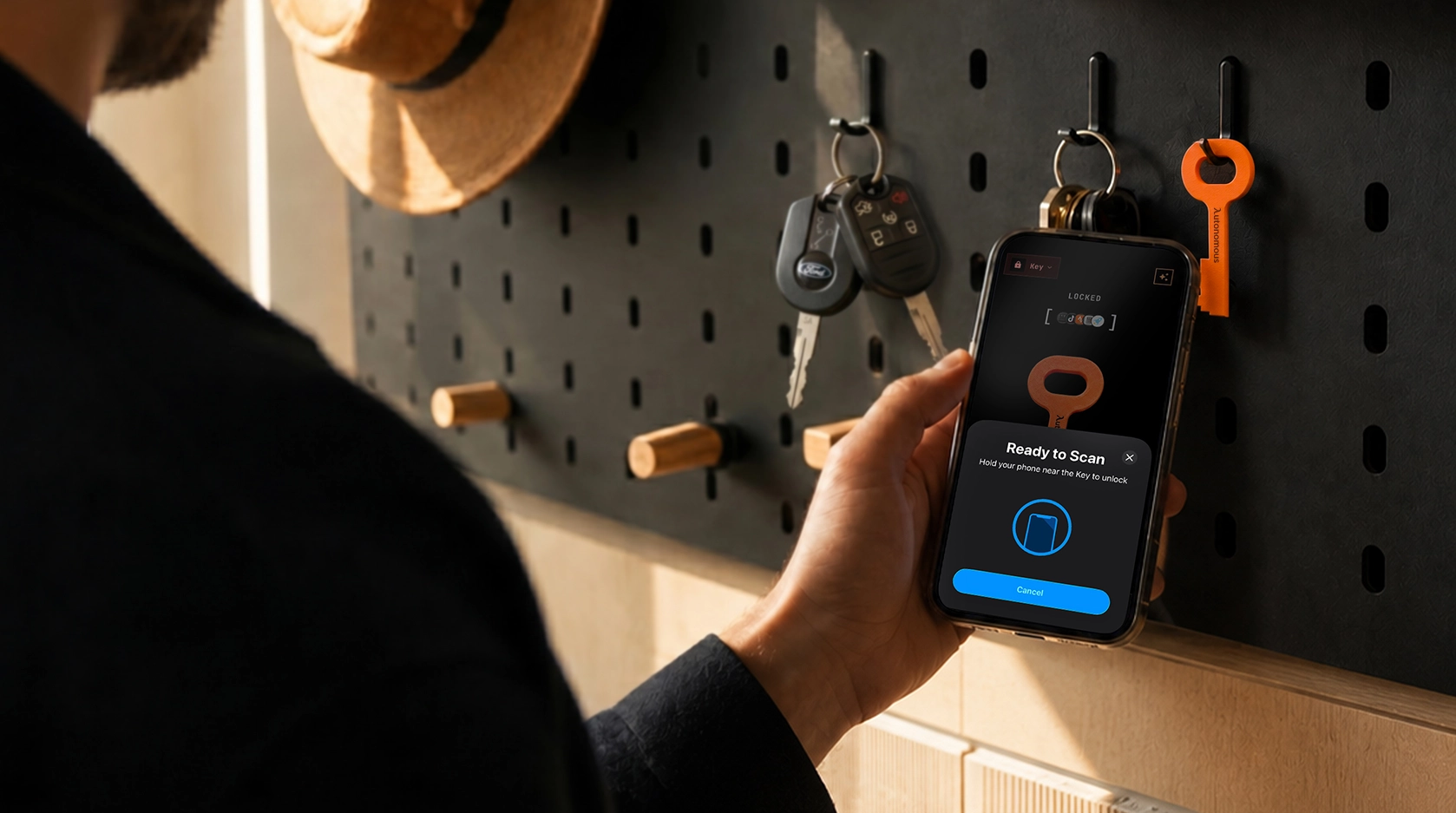
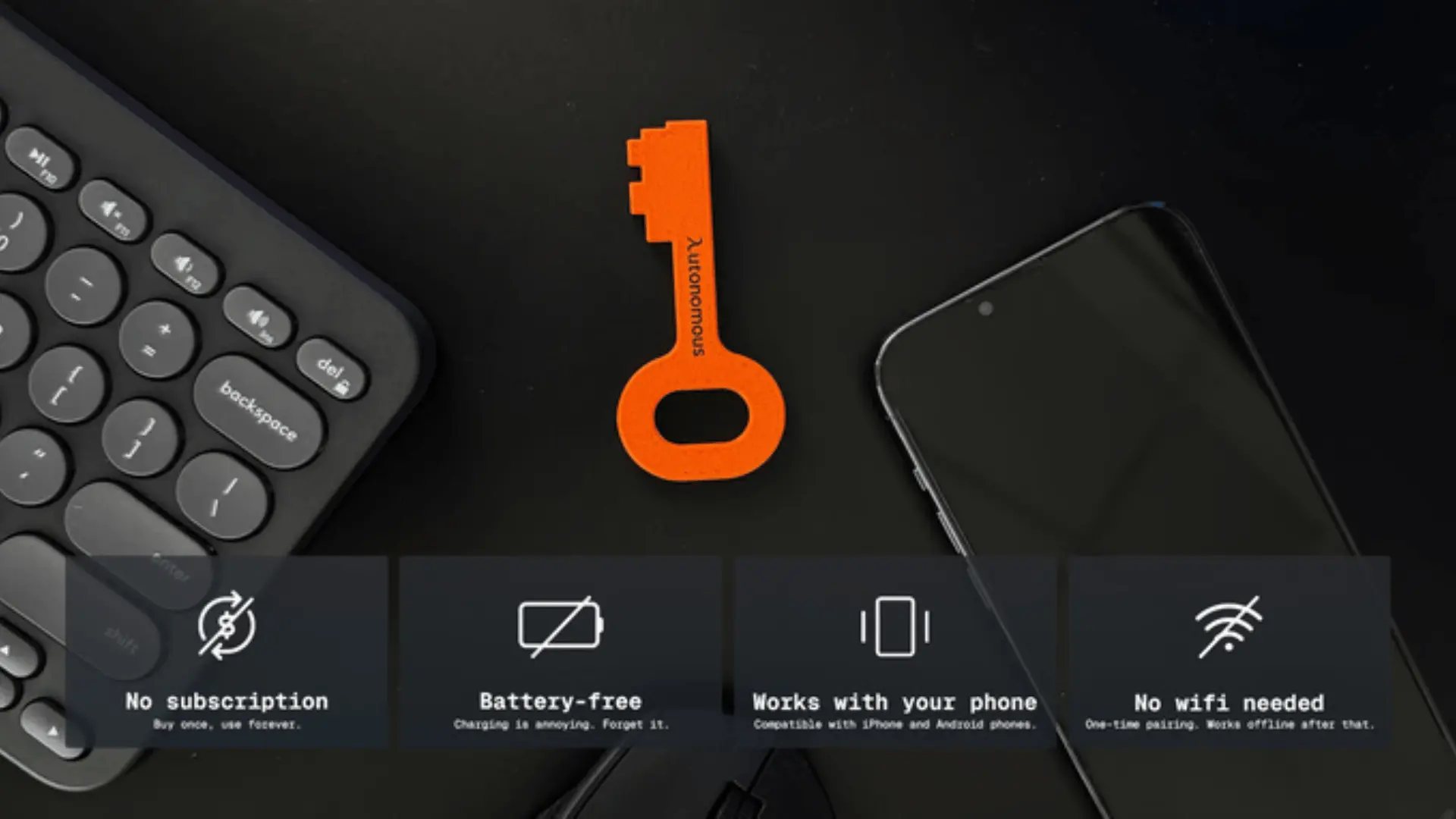
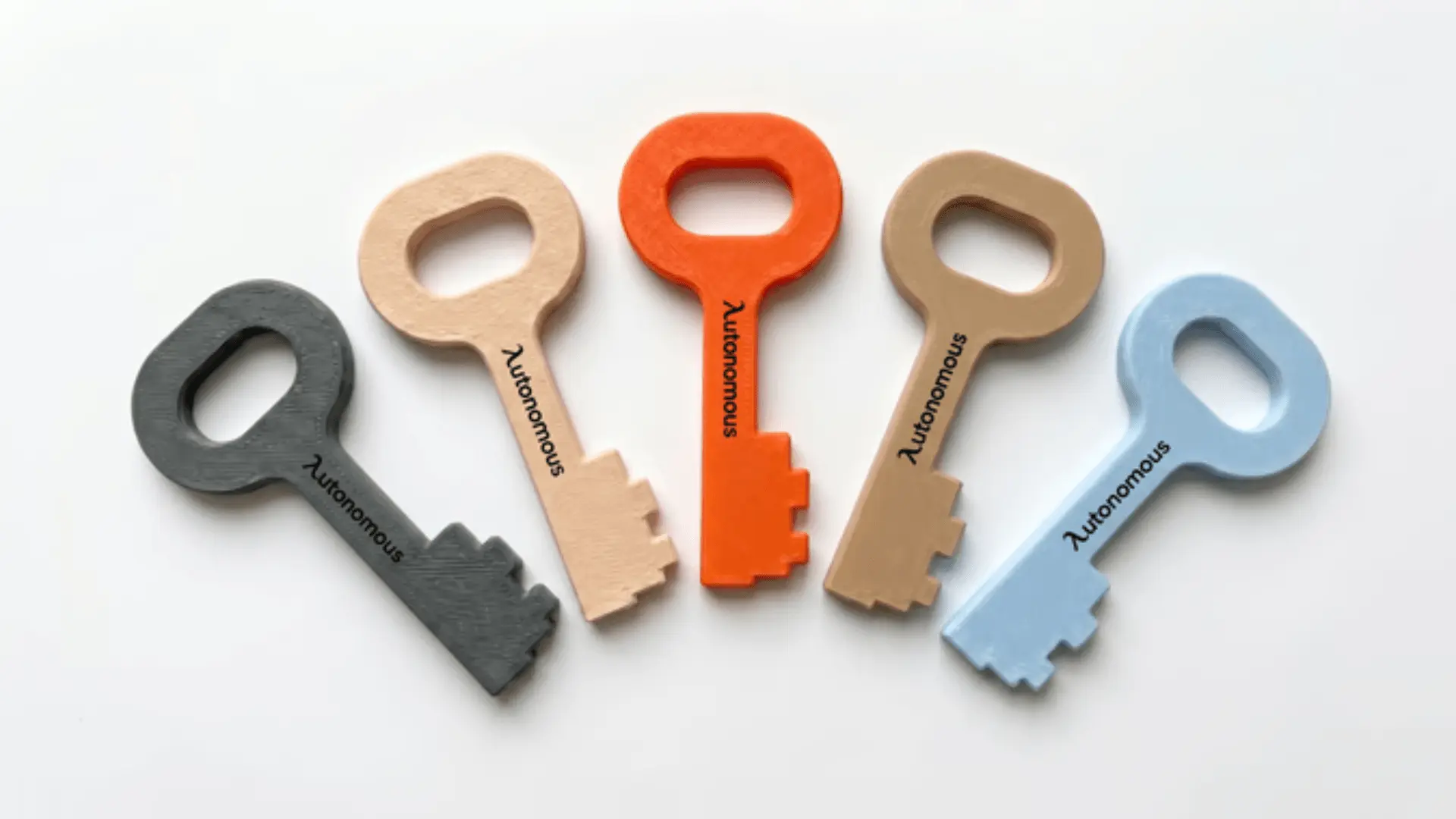
The Autonomous Key solves the part of app-blocking software can't: the impulse unlock. It's a passive NFC key - your chosen apps stay locked until you physically tap it, and each unlock lasts up to 60 minutes, so leaving it in another room removes the quick cave. It runs on iOS 15+ and Android 8+, with no battery and no subscription, in stock now. Buy it if a one-tap screen-time limit has never held.
5. Rabbit R1
The Rabbit R1 is a pocket voice device for running quick tasks without app-switching - send a message, manage a playlist, book a ride. It's worth it only if you specifically want that off your phone; for most people the phone already does it, which is why it lands below the desk devices that own a job a phone doesn't.
Best AI wearables
Wearables split by what you'll actually look at - a watch for everything on your wrist, a ring for invisible tracking, a pin for a day of meetings. Depth you won't use is wasted money, so buy for the one metric you'll act on.
1. Samsung Galaxy Watch Ultra
The Samsung Galaxy Watch Ultra is for people who want the deepest read on their body - sleep, stress, and recovery that tune goals as your data changes - and don't mind a full-size watch. Its sensor set and battery handle long training and multi-day wear. Buy it if you'll act on the detail; skip it if you'd rather forget you're wearing anything.
2. Oura Ring 4
The Oura Ring 4 is the sleep pick, and the consensus ring of 2026. It turns sleep, heart-rate variability, and recovery into a daily readiness score with specific guidance, from a titanium band you forget is there. Buy it for sleep depth without a screen on your wrist. The honest trade is an ongoing membership for the full insights.
3. RingConn Gen 2 Air
The RingConn Gen 2 Air is the pick if that subscription is the dealbreaker. It delivers most of the ring value - adaptive sleep, activity, and recovery - with 10-12 days of battery and no monthly fee for the core data. Buy it to own your data outright; the trade is less depth and polish than Oura's guidance.
4. Plaud NotePin
The Plaud NotePin leads the note-taker category - clip it on and it turns in-person conversations into transcripts, summaries, and action items hands-free (around $159-179). Buy it if your day is meetings and you want capture without opening an app. The honest trade is a monthly subscription for the good software.
5. Fieldy
Fieldy is the alternative in the same space - a wearable that passively records and pulls out tasks, with the same subscription trade and a few connectivity rough edges buyers report. Worth knowing about any pin: it captures what was said, it doesn't do the tasks - that's a desk agent's job. It's the one we examine in detail in our Fieldy AI review.
Frequently asked questions
What is an AI gadget?
An AI gadget is a physical device that uses machine learning to adapt to your behavior and act on it, rather than running a fixed script - AI glasses that translate a menu, a desk agent that runs a scheduled briefing, a note-taker pin that summarizes a meeting, or a ring that reads your sleep.
What is the best AI gadget right now?
It depends on the job, and the honest filter is retention: buy the one whose core task you'll use on a schedule. Ray-Ban Meta for hands-free capture, the Autonomous Intern for unattended desk work, Plaud for meetings, Oura for sleep. Skip anything whose main appeal is a one-time novelty.
What is the best AI gadget for productivity?
The Autonomous Intern, because the thing that retains - from our own usage data - is handing it recurring jobs it runs while your laptop sleeps: a morning briefing, inbox triage, monitoring a page. A Plaud note-taker complements it for meetings; Ray-Ban Meta glasses for hands-free info on the go.
What is the best AI gadget under $50?
The Autonomous Hydrate is the best AI gadget under $50 as of 2026 - it cues you to drink water before your focus dips, works with any bottle, and needs no subscription. The Autonomous Key is the other sub-$50 pick, aimed at phone distraction rather than hydration.
Are AI gadgets worth it?
They're worth it when they own a recurring friction rather than duplicating your phone. Our own customer data shows the split clearly: devices tied to a standing job (briefings, sleep, hydration) stay in use; one-shot novelties get unplugged within weeks. Buy for one job you'll repeat, and watch for the subscription trap - many are cheap up front but meter the useful features monthly.
What is the best AI gadget for focus?
The Autonomous Key for phone-driven distraction, since the physical scan defeats the impulse unlock a software limit can't. For environmental focus, the Thinking Desk tracks the CO₂ and noise creep that cause brain fog. Both ship now.
Do AI gadgets keep your data private?
Some do, many don't. The Autonomous Intern keeps its memory - credentials, project context, writing style - as local files on the device, though the models it reasons with can be cloud-based. Always-listening pins and camera glasses raise their own questions, so check whether a gadget processes data on-device and how it signals recording before you buy.
What makes a good AI gadget gift?
The ones that give well look and feel like an object, not just a tool - a desk device with presence, or a discreet wearable - and, ideally, own a job the recipient repeats so it doesn't get shelved.
Which AI gadget is worth buying
Buy the one aimed at a job you already repeat, because that's the only kind that survives past week two. Hands-free capture points to Ray-Ban Meta; a day of meetings to a Plaud note-taker; poor sleep to an Oura ring; a set of morning checks your laptop should run on its own to the Autonomous Intern; the impulse unlock to the Autonomous Key; an afternoon focus dip to the Autonomous Hydrate; a genuinely connected home to the Echo Hub or Nest Hub Max.
Skip the gadget that promises to do everything - that's the category that keeps dying, and the one our own data shows people abandon fastest. The devices that stay plugged in own a single recurring job. And whichever you pick, check the monthly cost before you buy: a one-time price with a subscription behind it is the most common surprise in this category.
References
- Ray-Ban Meta (Gen 2) specifications and pricing: Meta, plus 2026 reviews (TechRadar, Tom's Guide)
- Even Realities G2 specifications and pricing: evenrealities.com, plus 2026 reviews
- Plaud NotePin specifications and pricing: plaud.ai
- Oura Ring 4: ouraring.com