


Top 10 Register Booster Fans for Balanced HVAC Airflow


A register booster fan is a localized electrical device designed to replace or mount directly onto a standard HVAC floor, wall, or ceiling vent grille to accelerate incoming air. These specialized fans reduce static resistance at the duct termination point, actively coaxing more conditioned air into underperforming spaces. When standard central air conditioning or furnace systems produce weak airflow due to long structural duct runs or friction loss, a localized booster fan offers a targeted, cost-effective mechanical remedy.
Do Register Booster Fans Actually Work?
A register booster fan works by lowering static pressure at the exit of your air register, drawing conditioned air through its specific branch of ductwork. According to professional HVAC service networks, these units are highly effective at correcting minor temperature imbalances in rooms located far from the main air handler. When the central system shuts off, residual cool or warm air lingers inside the hidden ductwork; a localized smart booster extracts this trapped air before its thermal energy dissipates.
The Trade-offs and Physical Limitations
- The Noise Factor: Moving air requires kinetic force. While premium models utilize smooth Pulse Width Modulation (PWM) DC motors, setting a booster fan to its highest speed tier creates a clear fan whine directly inside the room.
- The "Air Stealing" Reality: An HVAC system handles a finite volume of air. Forcing more volume into one specific room slightly reduces static pressure and delivery volume in neighboring rooms.
- Structural Restrictions: A register booster fan cannot fix disconnected, crushed, or heavily leaking uninsulated ducts inside attics or crawlspaces. It can only amplify existing weak air delivery; it cannot generate air volumes out of a vacuum.
Air Vent Booster Types & Alternatives
Register Boosters vs. Mid-Duct Inline Fans
An inline duct booster fan is a large cylindrical fan spliced directly into an intermediate section of circular ductwork, usually accessible via an attic, basement, or crawlspace. Choosing between surface-level installation and internal modifications depends entirely on budget, acoustic tolerance, and structural access.
Feature | Register Booster Fan | Mid-Duct Inline Fan |
Location | Installed over or inside the room's vent hole. | Spliced into the hidden ductwork branch. |
Airflow Capacity | Targeted room delivery (typically 80–130 CFM). | Multi-room or trunk line delivery (200–500+ CFM). |
Installation | Low-difficulty DIY; plugs into standard wall outlets. | High-difficulty; requires duct modification and hardwiring. |
Aesthetics | Visible faceplate on the floor or wall; external cord. | Completely invisible behind finished walls or ceilings. |
Acoustics | Mechanical fan noise is present inside the living space. | Isolated inside framing; quieter room performance. |
Average Cost | $50 to $100 per unit. | $120 to $400+ (excluding professional labor). |

Vent Placement and Space Considerations
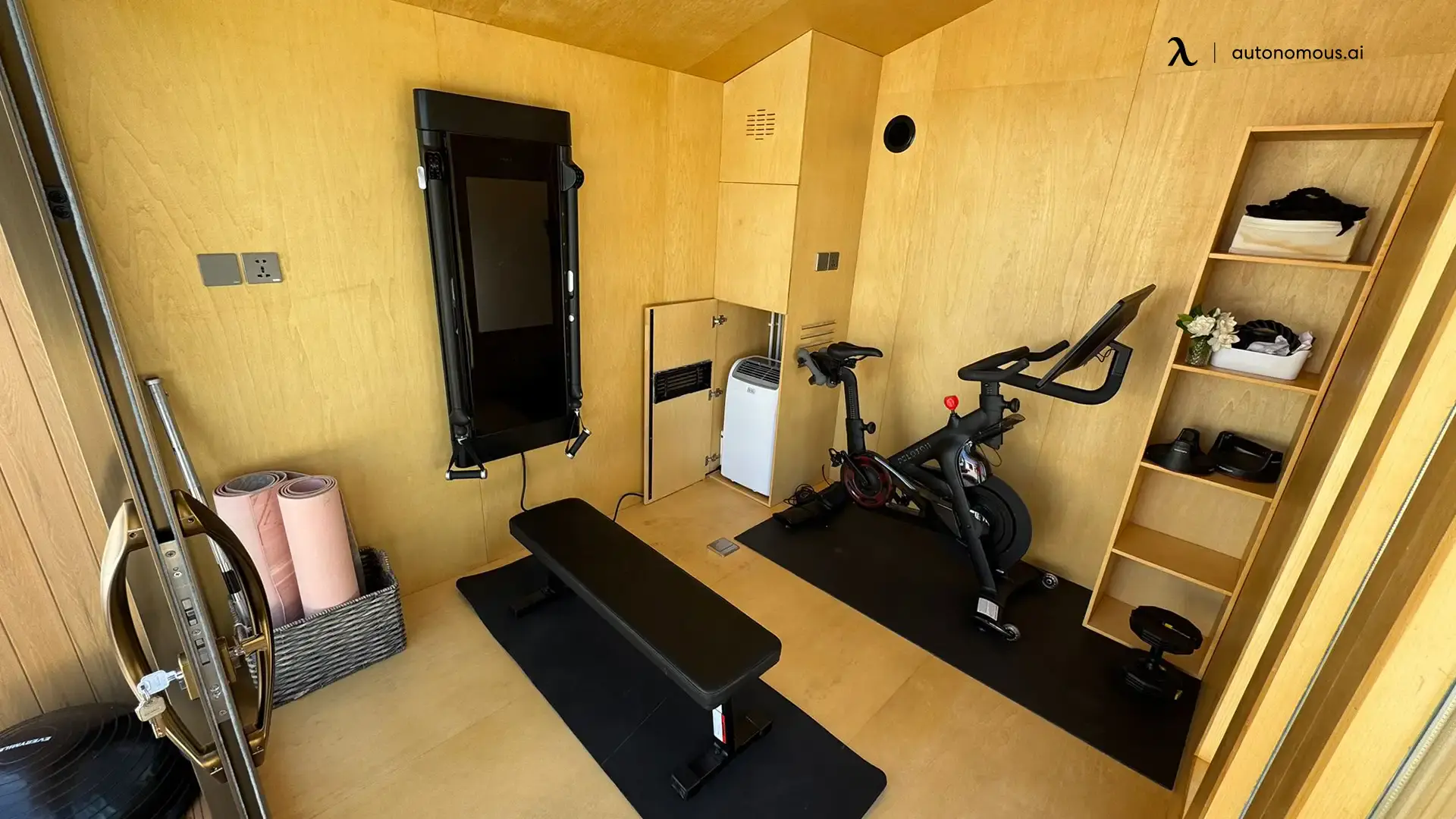
Optimizing localized airflow is particularly critical in small, specialized footprints that require high climate consistency. For example, detached backyard workspaces-such as the Autonomous WorkPod series (including the WorkPod Pro, Versatile, and Core)-are engineered with integrated ventilation and 5 to 6 structural insulation layers to hold a steady comfort range. Because these compact 80 to 105 square foot footprints are pre-wired and frequently powered via solar panels or a single low-amp extension line from the main house, running high-draw HVAC appliances continuously can strain the electrical capacity.
.webp)


Utilizing targeted, low-wattage booster fans or inline exhaust units allows users to keep the space ventilated and comfortable while operating under strict maximum wattage thresholds.
- Floor and Wall Registers: These are the most common configurations. Standard drop-in models drop right into the structural boot opening, relying on gravity or basic screws to create a perimeter seal.
- Baseboard Registers: These openings require specialized rectangular or triangular flush-fit housings designed to align tightly against baseline trim moldings without sticking out into foot traffic.
- Ceiling Registers: Ceiling installations require secure, screw-fastened mechanical brackets. They are ideally paired with digital apps or remote controls to remove the need for ladders during seasonal speed adjustments.

Quick Decision Framework
The table below outlines common ventilation problems paired with the precise device features required for a successful long-term installation.
If Your Primary Issue Is... | Look For... | Recommended Feature |
Deep or narrow boot clearance | Ultra-low profile surface-mount designs | Check rear housing depth dimensions |
Light sleeper / noise sensitivity | PWM (Pulse Width Modulation) DC motors | Multi-speed control (at least 6+ speed tiers) |
Inaccessible ceiling placement | App-controlled smart integration | Bluetooth/Wi-Fi connectivity or remote control |
Fluctuating seasonal usage | Automated thermal sensing probes | Automated auto-on heat/cool sensing probes |
Deep Dive: The 10 Best Booster Fans Reviewed
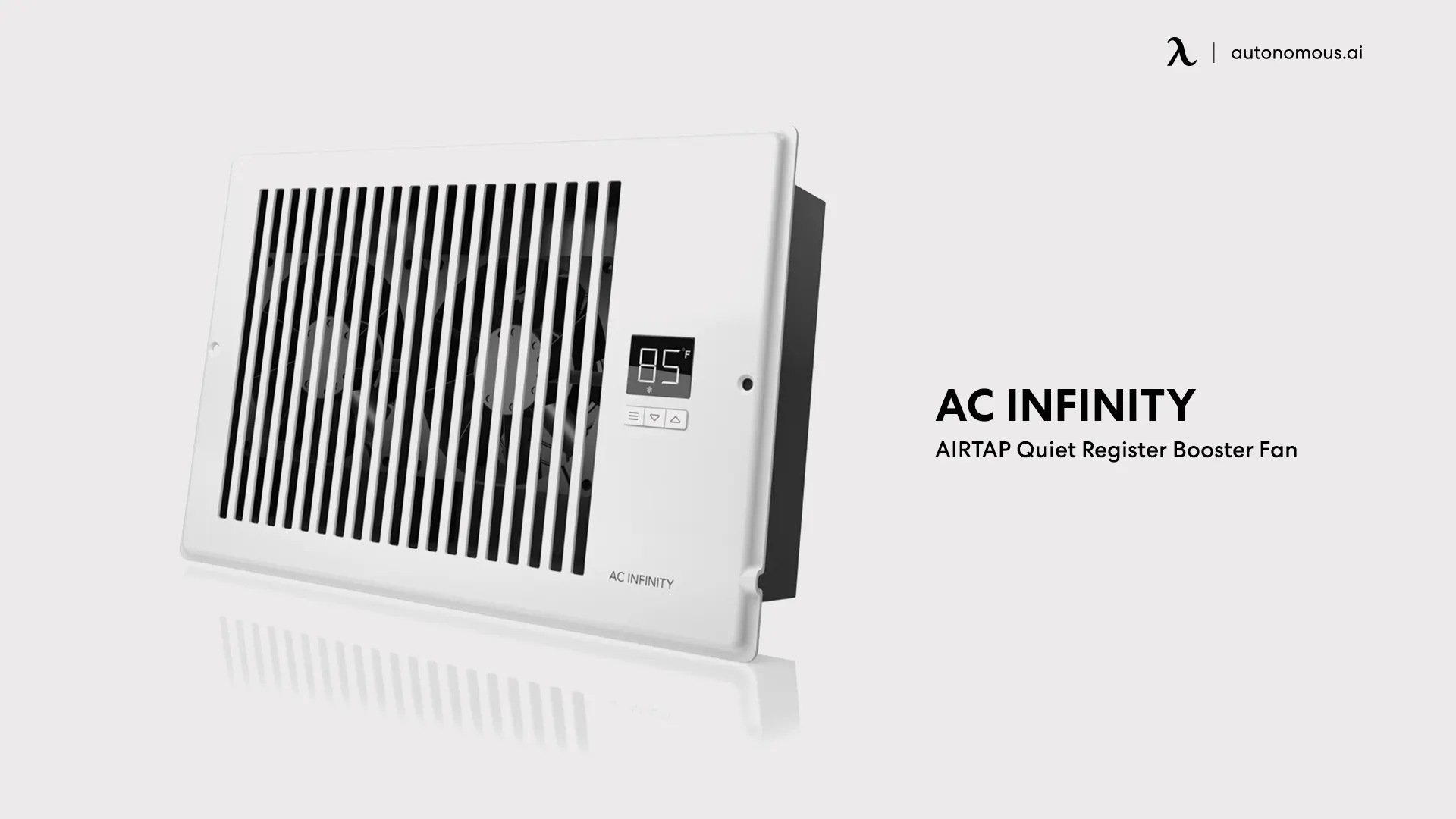
1. Best Overall & Best Tech: AC Infinity AIRTAP T4
An AC Infinity AIRTAP T4 is an automated register booster fan built with dual PWM-controlled DC motors and an aluminum faceplate designed to fit standard 4x10-inch vent cutouts.
The AC Infinity AIRTAP T4 stands out due to its active thermal tracking probe. Rather than spinning continuously, its digital screen tracks temperature swings inside the ductwork. When your central unit starts blowing and changes the internal vent temperature, the booster activates autonomously. It offers 10 separate speed steps to find a balance between noise and airflow.
Pros:
- Highly precise PWM dual DC motors operate smoothly
- Clean CNC-machined premium aluminum faceplate
- Smart thermostat settings for automated heat/cool cycles
Cons:
- Rear plastic fan casing is deep; hits shallow boots
- Noticeable air hiss when pushed past speed level 6
2. Best Smart HVAC Integration: Smartcocoon Smart Vent (4x10)
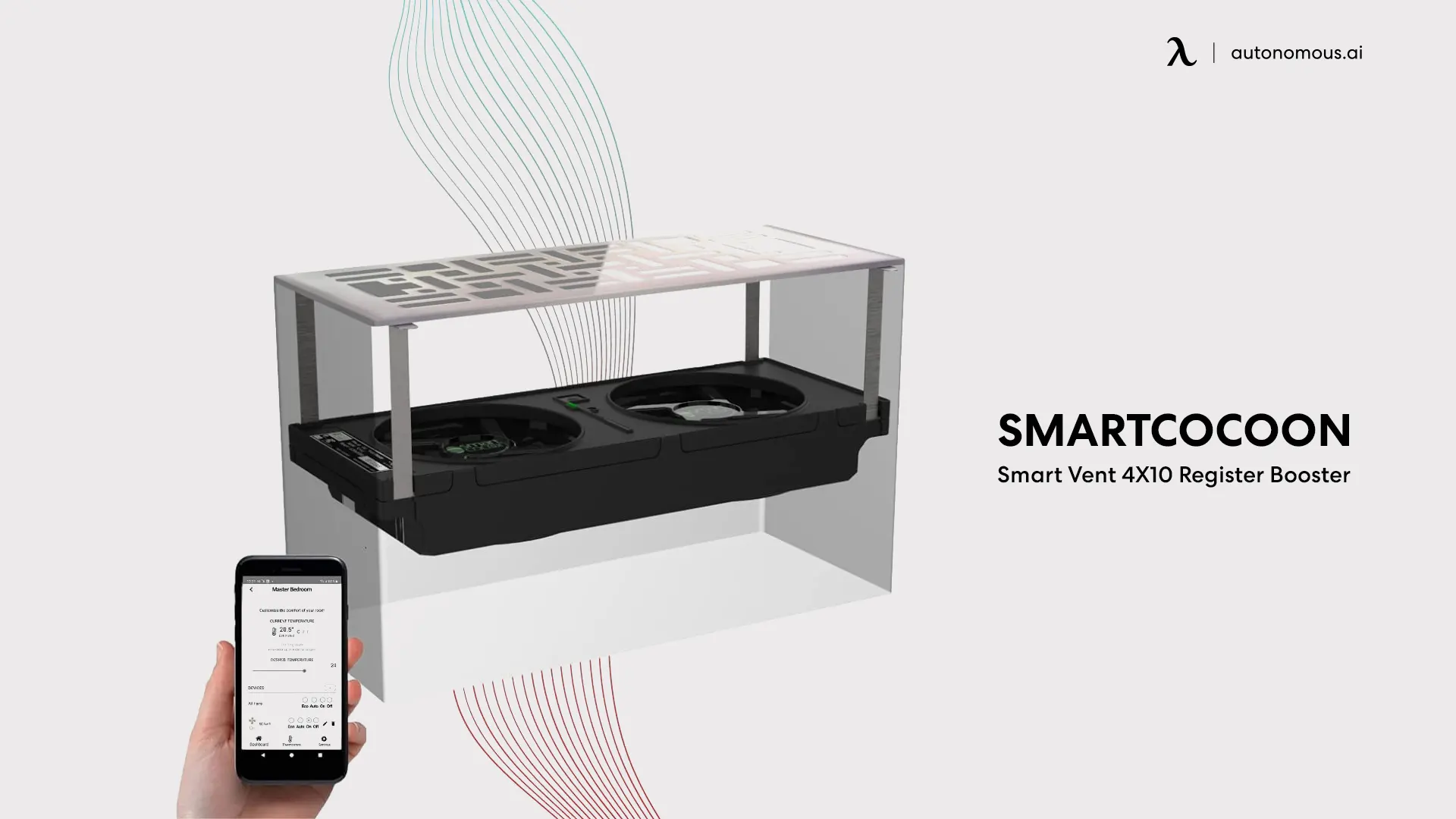
A Smartcocoon Smart Vent is a hidden, app-controlled booster fan engineered to mount entirely inside the floor register boot directly beneath your home's existing decorative iron or wooden grille.
The Smartcocoon drops into the register opening below your current grille, preserving your room's aesthetic. Its software pairs directly with dominant smart thermostats, synchronizing its fan runtime with your central system's schedule to prevent the fan from running dry when the main HVAC system rests.
Pros
- Installs completely hidden beneath your existing grille
- Syncs via app with Ecobee, Nest, and Honeywell ecosystems
- Low-voltage operation reduces power usage
Cons
- Requires a stable 2.4GHz Wi-Fi network connection
- Limited size adaptation profiles out of the box
3. Best Self-Learning Utility: Suncourt Equalizer EZ8 (HC600)
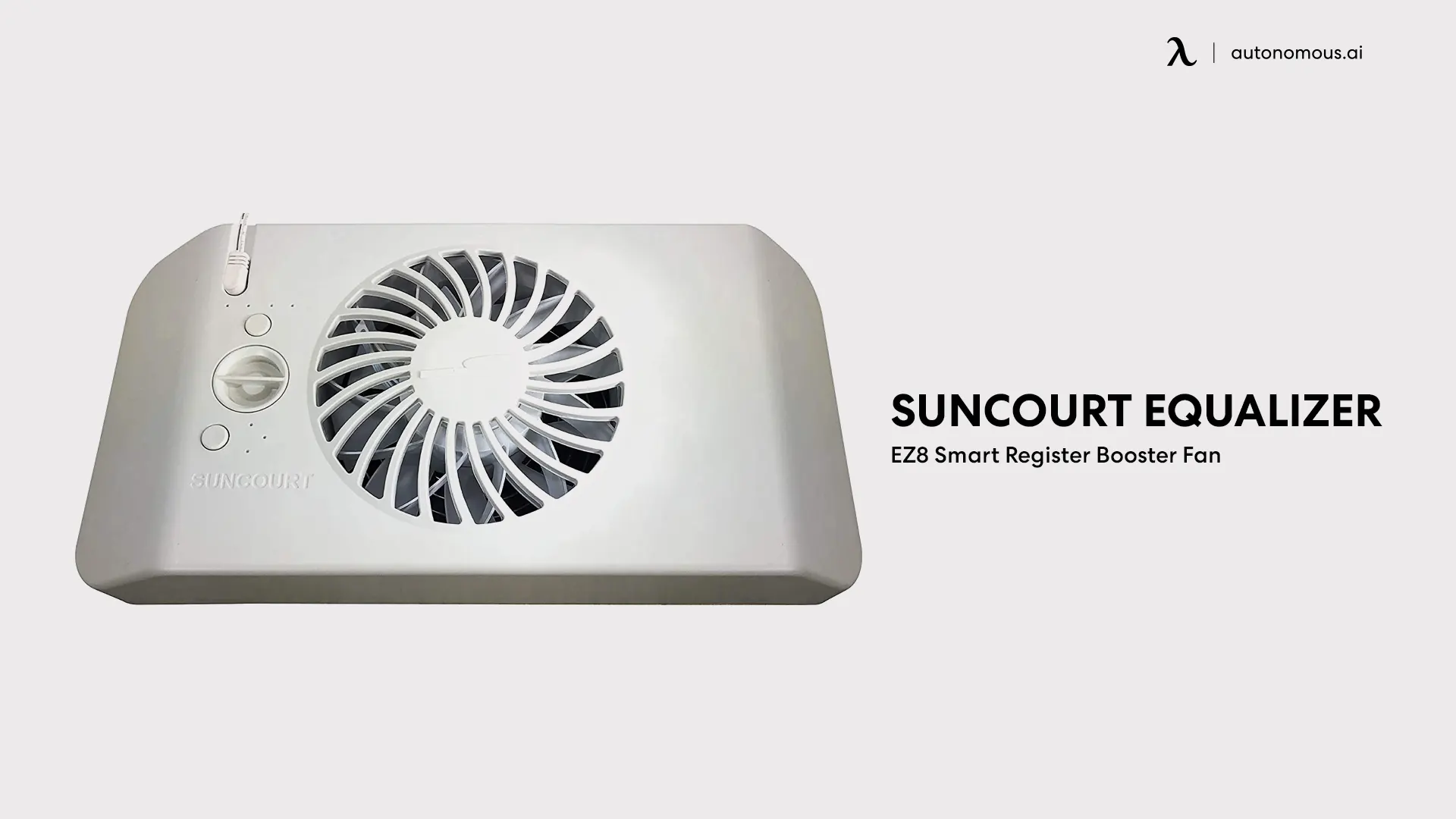
A Suncourt Equalizer EZ8 is a plug-and-play register booster fan that utilizes an automated internal algorithm to sync with home heating and cooling cycles without manual temperature programming.
Suncourt's Equalizer EZ8 removes setup confusion. Instead of forcing you to guess and input exact seasonal temperature activation targets, its microchip tracks airflow temperature shifts over a 48-hour initialization window to automate its own operations.
Pros
- Auto-learning technology avoids manual programming steps
- Lightweight acoustic composite body cuts vibration
- Simple 8-speed manual override button matrix
Cons
- Raised profile looks visually bulky on flat floors
- Wall mounting requires an extra optional adapter kit
4. Best Dedicated Baseboard Unit: Suncourt HC500 Flush Fit
A Suncourt HC500 is a specialized triangular register booster fan engineered specifically to replace older or non-standard baseboard ventilation housings.
Standard register boosters fail to fit angled perimeter baseboard openings. The Suncourt HC500 resolves this challenge by placing its low-voltage fans inside a wedge profile that sits tightly against baseboard base trims, improving air throw across cold flooring.
Pros:
- Fits flush against standard baseboard framing profiles
- Energy efficient low-voltage power draw
Cons:
- Angular frame cannot be used on flat floors or ceilings
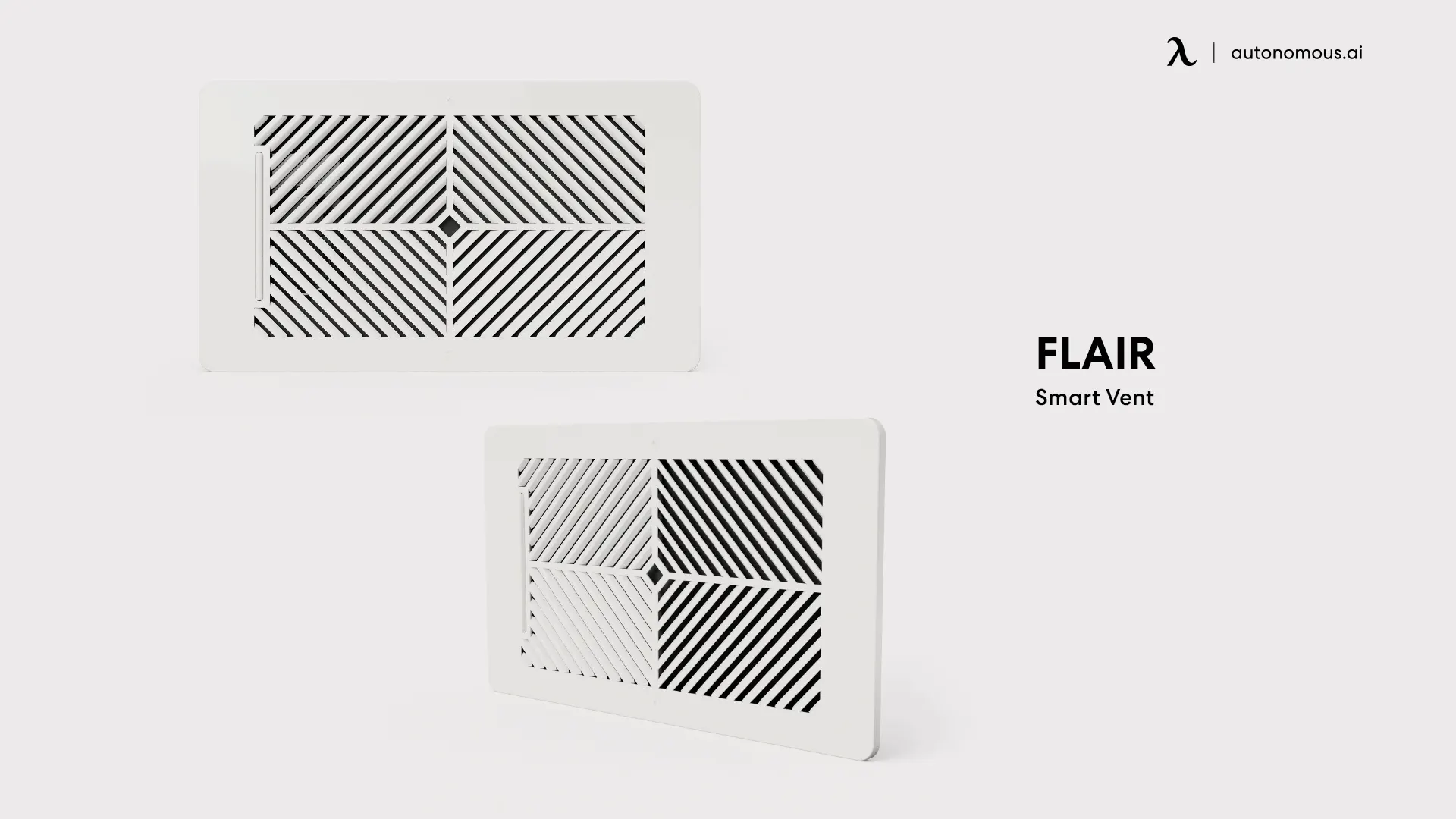
5. Best Smart Vent Upgrade: Flair Smart Vent
A Flair Smart Vent is a heavy-duty steel motorized register and booster assembly capable of communicating with wireless room sensors to balance home temperature distribution.
The Flair Smart Vent functions as a smart zone damper. While it serves as a passive or active register booster, it can completely close its motorized louvers via app command if a specific zone becomes over-conditioned, rerouting system pressure to rooms that need it most.
Pros:
- Integrates with Alexa, Google Home, and remote sensors
- Rugged structural steel faceplate matches heavy traffic
- Louvers can close completely to deflect air away
- Battery or optional hardwire capability
Cons:
- Premium introductory price point
- Needs a proprietary Flair Bridge puck to use full smart features
6. Best Heavy-Duty Component: AC Infinity AIRTITAN T7
An AC Infinity AIRTITAN T7 is an IP44-rated, moisture-resistant high-airflow fan kit designed for foundational wall transfers, heavy utility rooms, or crawlspace ventilation paths.
The AIRTITAN T7 is built for high-demand, high-moisture environments. Featuring dual ball-bearing motors rated for extended lifetimes, it handles heavy wall-through configurations or damp crawlspace air paths without risk of motor shorting.
Pros
- IP44 certification protects against dust and water spray
- Exceptionally high static pressure delivery
- Built-in backup memory protects settings during outages
Cons
- Industrial look clashes with clean home decor
- Frame installation requires solid mounting anchors
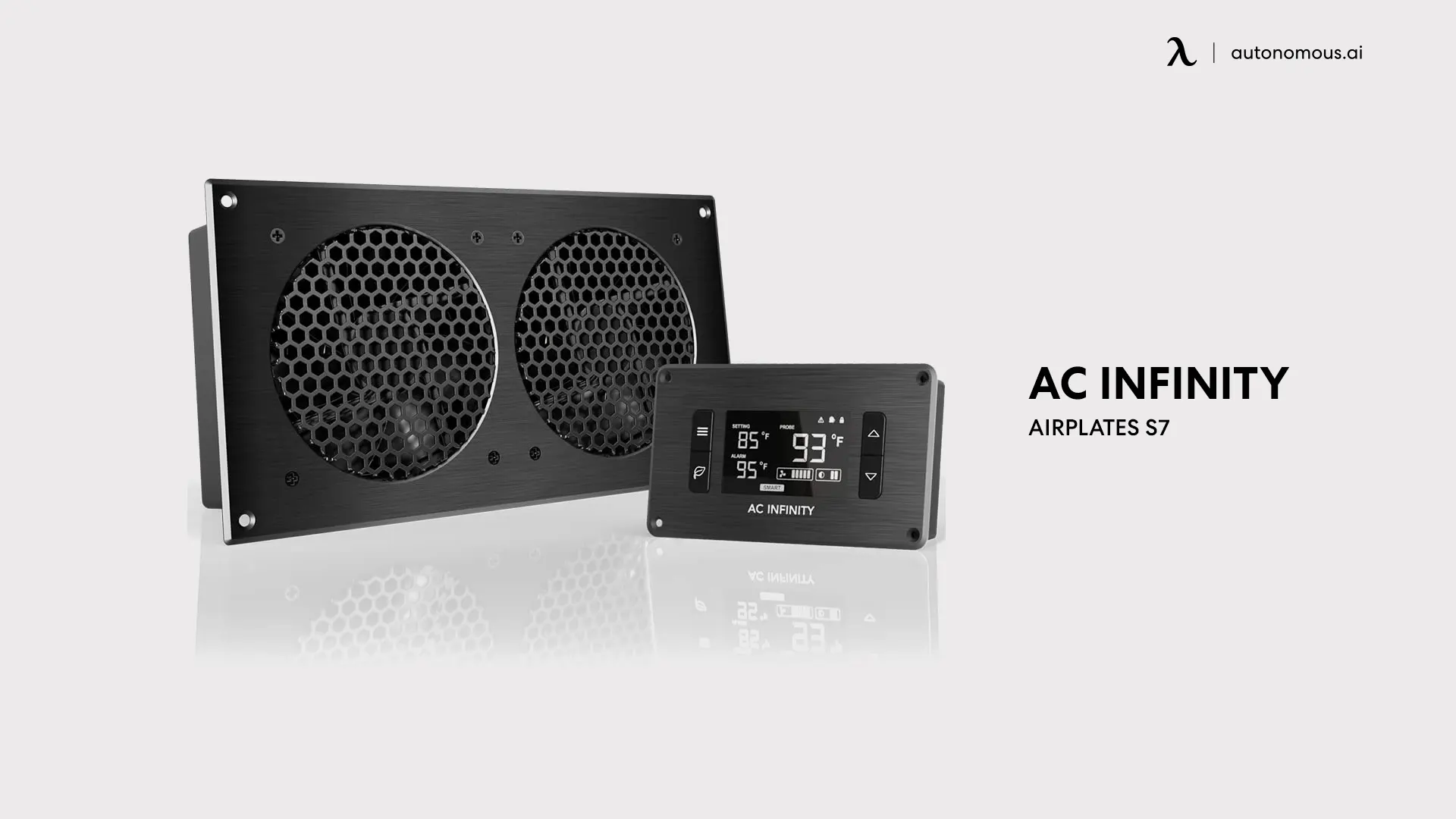
7. Best Budget Option: AC Infinity AIRPLATES S7
An AC Infinity AIRPLATES S7 is a manual multi-speed cooling fan system that can be powered through a standard USB port or traditional alternating-current wall outlets.
If you prefer manual control or use a smart home plug timer, the AIRPLATES S7 offers quality components without the added cost of built-in digital display modules. It runs via USB power, making it a functional choice for desk-adjacent office vent boots.
Pros
- Budget-friendly, reliable hardware kit
- Dual power flexibility via USB or wall adapter block
Cons
- Lacks automated thermal sensors or digital displays
- Plain industrial design motif
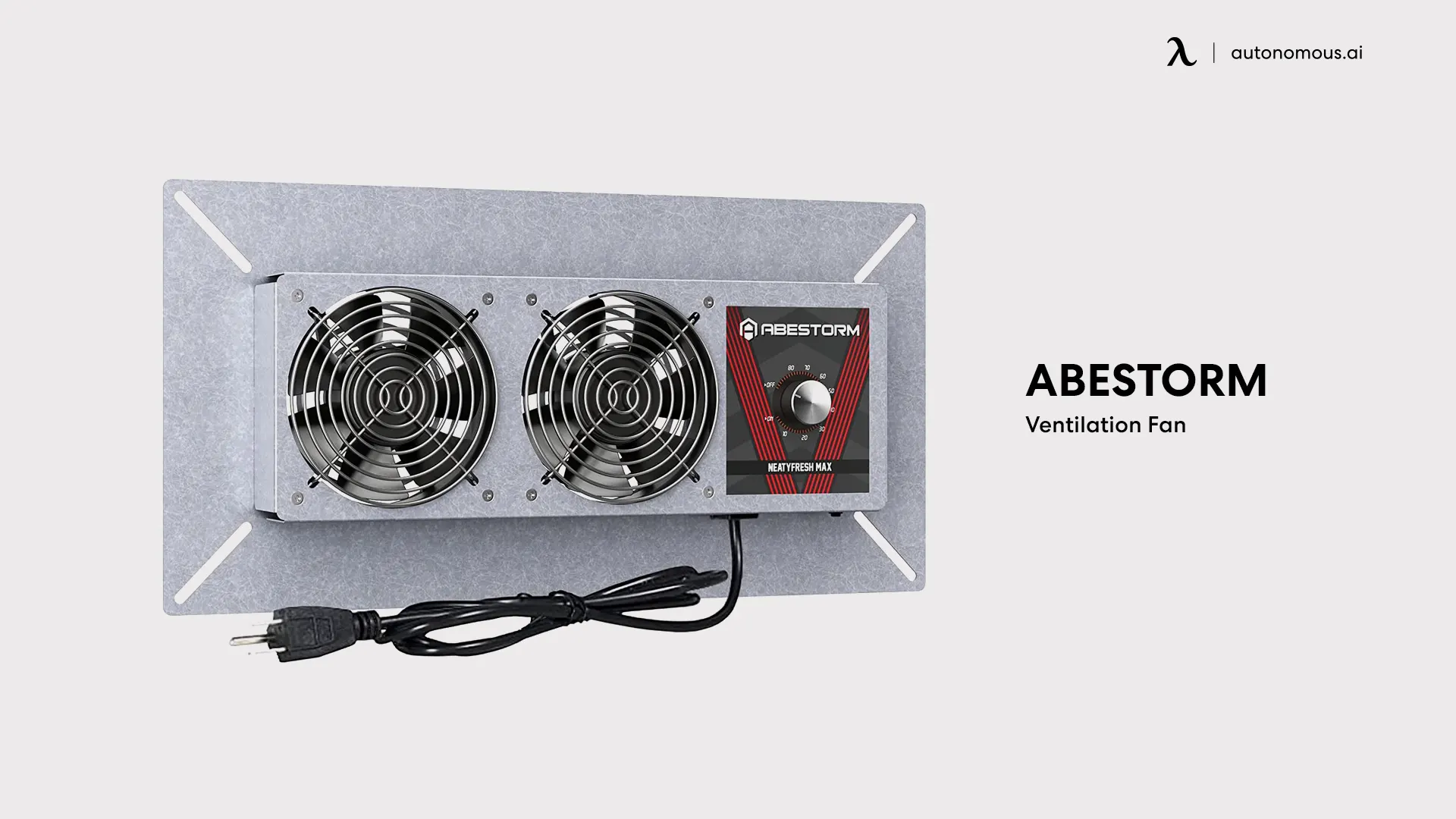
8. Best Simple Mechanical Control: Abestorm Vent Fan
An Abestorm Vent Fan is an analog structural booster built with a heavy aluminum frame and a manual rotary dial designed for direct control over fan rotation speed.
The Abestorm relies on an ultra-reliable analog design. Rather than navigating digital screens or troubleshooting Bluetooth pairings, you turn a physical speed knob to adjust airflow. Its cast frame prevents twisting inside irregular wood subfloors.
Pros
- Cast aluminum housing resists structural warping
- Simple analog control dial ignores software bugs
Cons
- No visual digital temperature readout
- Lacks a wireless remote control option
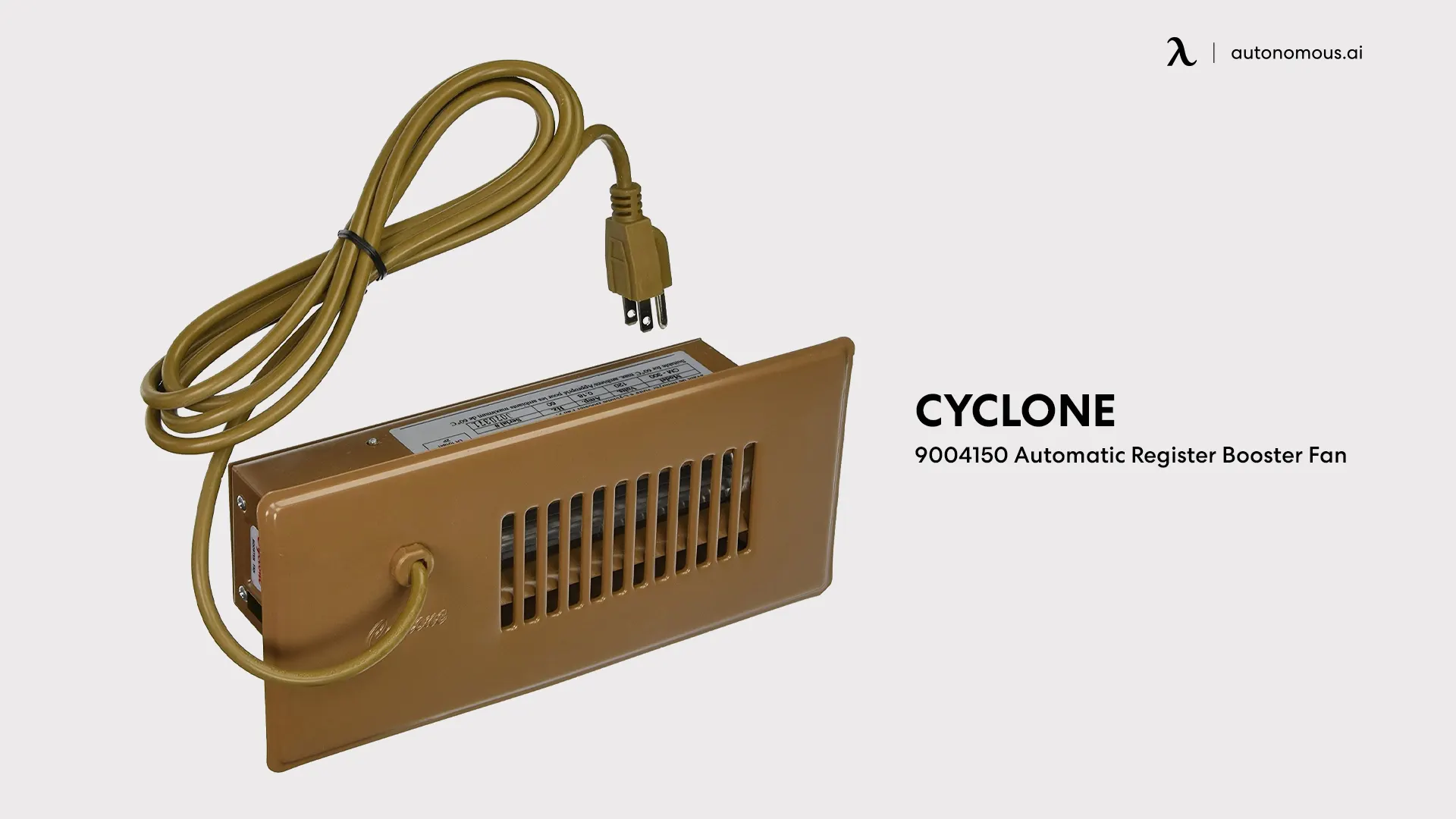
9. Best Low-Profile Option: Cyclone 9004150 Automatic Fan
A Cyclone 9004150 is a low-clearance steel register booster fan featuring an internal flush-fit fan cluster designed to stay clear of swinging room doors.
Deep fan frames cannot seat correctly inside shallow or sharply angled duct boots. The Cyclone avoids this issue by using a slim internal configuration that sits flat against the flooring plane, preventing tripping risks while offering a basic seasonal thermal sensor.
Pros
- All-steel face sheet frame plate
- Ultra-shallow profile helps prevent tripping incidents
Cons
- Built-in sensor cannot be manually fine-tuned
- Moves less raw air than models with deep, angled blades
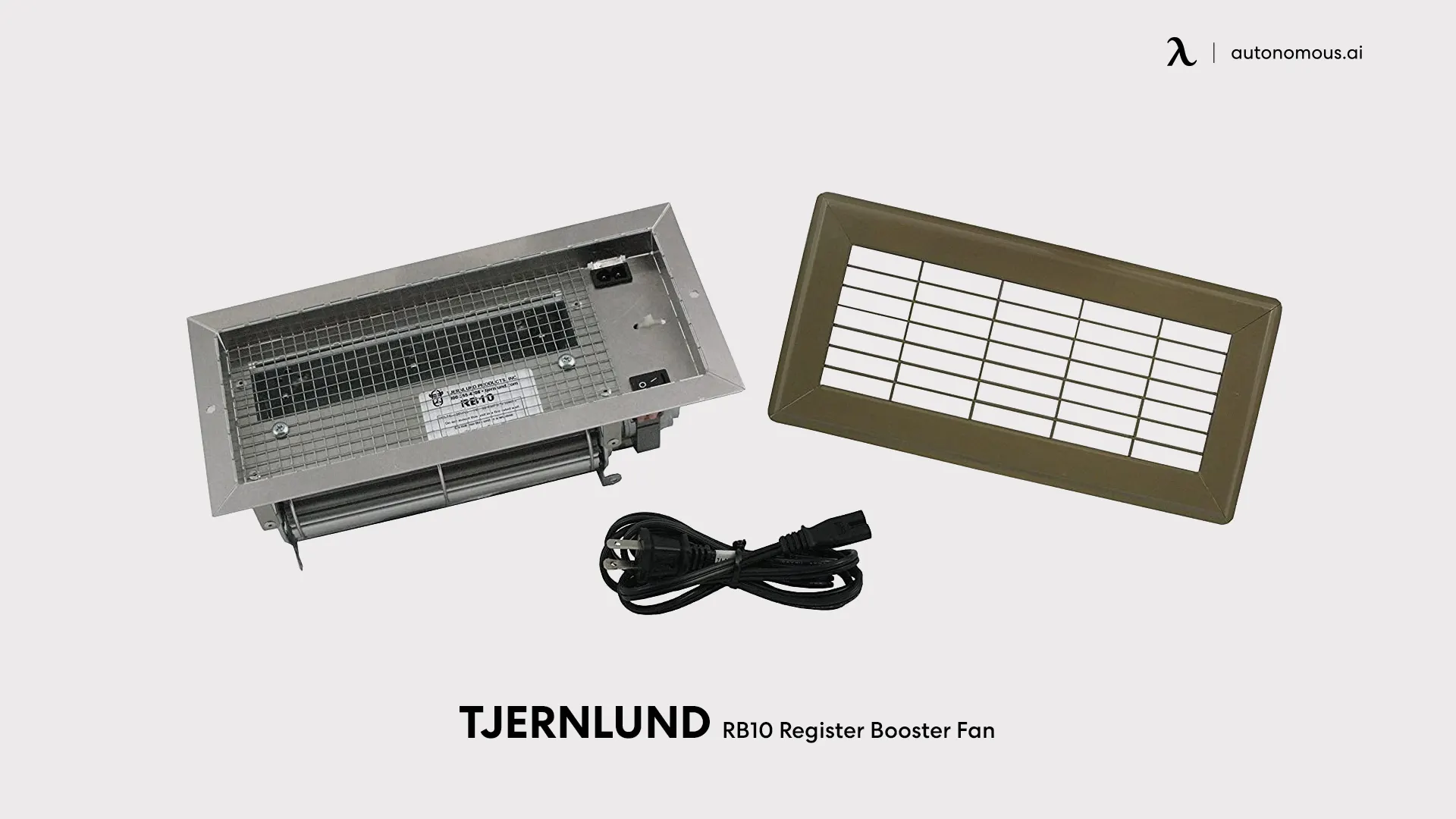
10. Best Multi-Surface Portability: Tjernlund RB10 Register Booster
A Tjernlund RB10 is an impact-resistant, paintable plastic register fan system designed to drop into standard 4x10-inch floor registers to fix basic airflow issues.
The Tjernlund RB10 features a straightforward configuration with a long cord to reach distant outlets. Its raw composite frame is engineered to accept typical home wall paints, allowing you to match the fan unit directly to your room's wall or floor trim.
Pros
- Paintable face plate accepts standard wall coatings
- Long 6-foot grounded power line eases cord placement
Cons
- Simplistic design styling looks plain out of the box
- Missing automated variable fan speed scaling
FAQs
Do register booster fans really work?
Yes, register booster fans work effectively by lowering local static pressure to pull extra conditioned air into an underperforming room. They are highly effective for correcting minor room temperature differences caused by long duct lines. However, they cannot compensate for serious structural issues like uncoupled or crushed hidden duct segments.
Are vent booster fans worth it?
Yes, vent booster fans are worth it because they provide an affordable DIY option compared to zoning overhauls or installing multi-split heat pumps. They successfully address specific hot or cold spots for a fraction of the cost of systemic modifications. They serve as a practical, high-value remedy for targeted comfort issues.
Which is better: a register booster fan or an inline duct fan?
A register booster fan is better for simple, low-cost DIY troubleshooting in an isolated room, while an inline duct fan is better for whole-home system overhauls. Inline models provide far more power and run quietly behind walls, but they require professional installation and duct modifications.
Do register booster fans increase your electricity bills?
No, register booster fans do not noticeably increase electricity bills because they use small, low-voltage DC motors that draw only 5 to 20 Watts of power. Because they distribute conditioned air more evenly, they can actually lower overall utility costs by reducing your primary HVAC system's total runtime.
What size register booster fan do I need?
You need a register booster fan that matches the exact inner rectangular dimensions of your floor or wall duct opening. Standard residential vent sizes include 4x10 inches, 4x12 inches, 6x10 inches, and 6x12 inches; always measure the internal opening rather than the outer decorative flange.
Does a duct booster fan run all the time?
No, a modern duct booster fan does not need to run continuously if it features integrated thermal sensors or smart thermostat connections. These units track air temperature changes inside the vent boot, turning on automatically when central heating or cooling cycles activate and powering down when the system rests.
Can you put a register booster fan on a ceiling vent?
Yes, you can install a booster fan on a ceiling vent, provided the unit features a screw-fastened faceplate to lock it into the framing. For ceiling setups, it is best to choose a model with a remote control or smartphone app connectivity so you can adjust settings without using a ladder.
Do register booster fans work with all types of vents?
Many booster fans work across floor, wall, and ceiling registers, but you must verify a model's mounting specs before buying. Floor units rely heavily on gravity to seat themselves, whereas wall and ceiling installations require dedicated screw slots or anchors to keep the fan secured in place.
Are register booster fans noisy?
Register booster fans produce a mild hum or air-whoosh sound that scales based on the selected motor speed setting. Premium models using Pulse Width Modulation (PWM) technology are quiet at low settings, but running any booster at maximum output creates noticeable fan noise within a quiet room.
Can I paint a register booster fan to match my room?
Some register booster fans feature paintable plastic or raw composite covers designed to accept standard interior wall finishes. Always verify the manufacturer's documentation before painting, and ensure you do not coat the internal fan blades, temperature sensors, or electronic screens.

Conclusion
A register booster fan is an efficient, targeted tool for correcting isolated temperature imbalances without the steep price tag of full HVAC renovations. By dropping these low-voltage units directly into problematic vent openings, you can actively draw lingering conditioned air out of your ductwork and balance rooms that struggle with weak airflow. While they cannot fix severed or uninsulated ducts hidden within home walls, selecting a model equipped with precise automated thermal tracking ensures a reliable upgrade to your daily comfort.

References
- Aire Serv: Do Duct Boosters Really Work? https://www.aireserv.com/about/blog/do-duct-boosters-really-work-/
- Sylvane: Register Booster Fan Buying Guide. https://www.sylvane.com/blogs/knowledge-center/register-booster-fan-buying-guide
- Industrial Fans Direct: Do Inline Duct Booster Vent Fans Work? https://industrialfansdirect.com/do-inline-duct-fans-work
- 1st Choice Mechanical: Do Duct Booster Fans Work? https://1stchoicemechanicalaz.com/blog/do-duct-booster-fans-work/
- AC Infinity: AIRTAP Series Product Documentation. https://acinfinity.com