How to Choose a Gaming Chair for a Tall Person

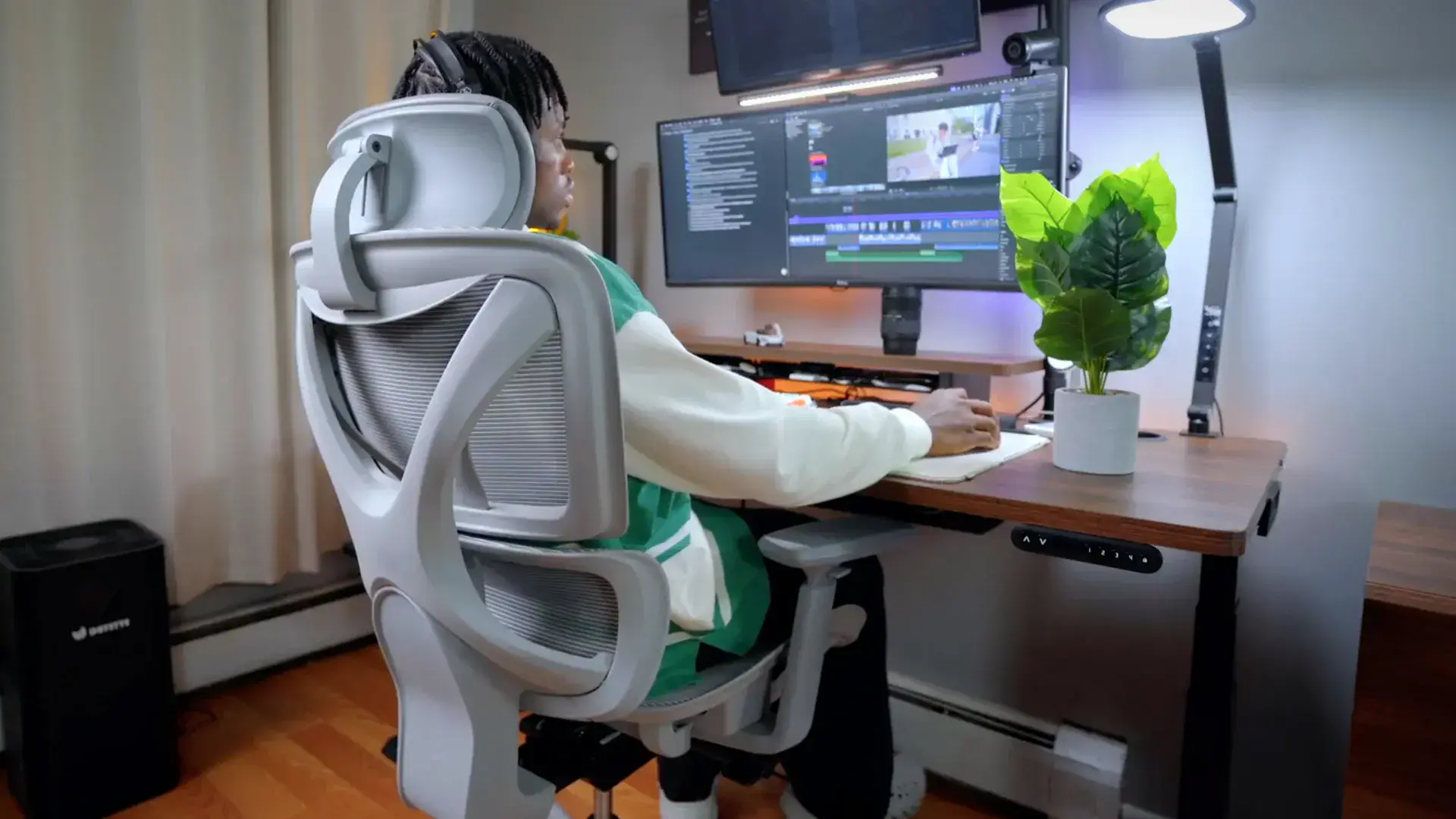
Most gaming chairs are designed around a 5 foot 8 frame, which is why taller players end up with a headrest pressing between their shoulder blades and a seat that stops halfway down the thigh. Buying a gaming chair for a tall person is mostly a numbers problem: seat height, backrest height, and seat depth decide the fit long before styling or brand does. This guide covers the measurements that matter, how to match a chair to a high desk, and which chairs actually reach.
How tall should a gaming chair be?
A gaming chair suits a tall player when the backrest reaches at least 28 inches, the seat lifts to 22 inches or more, and the seat pan is at least 19 inches deep. Overall chair height for a taller frame usually lands between 47 and 51 inches, measured from the floor to the top of the headrest at full extension.
Those numbers matter more than the label on the box. A chair advertised for tall users but built with a 23-inch backrest will still leave your shoulders unsupported, while a chair with a 28-inch back and a high seat range fits a long torso without any special badge.
Measurement | What a tall player needs | Why it matters |
Backrest height | 28 in or more with headrest | Supports the shoulders and neck, not just the lower back |
Seat height range | Tops out at 22 to 24 in | Keeps knees at or just below hip level at a normal or high desk |
Seat depth | 19 to 21 in, adjustable | Supports long thighs without cutting behind the knee |
Overall height | About 47 to 51 in | Indicates the chair has real vertical range, not just a tall claim |
Headrest travel | Adjusts high enough to meet the head | A fixed headrest often lands on a tall player's shoulders |
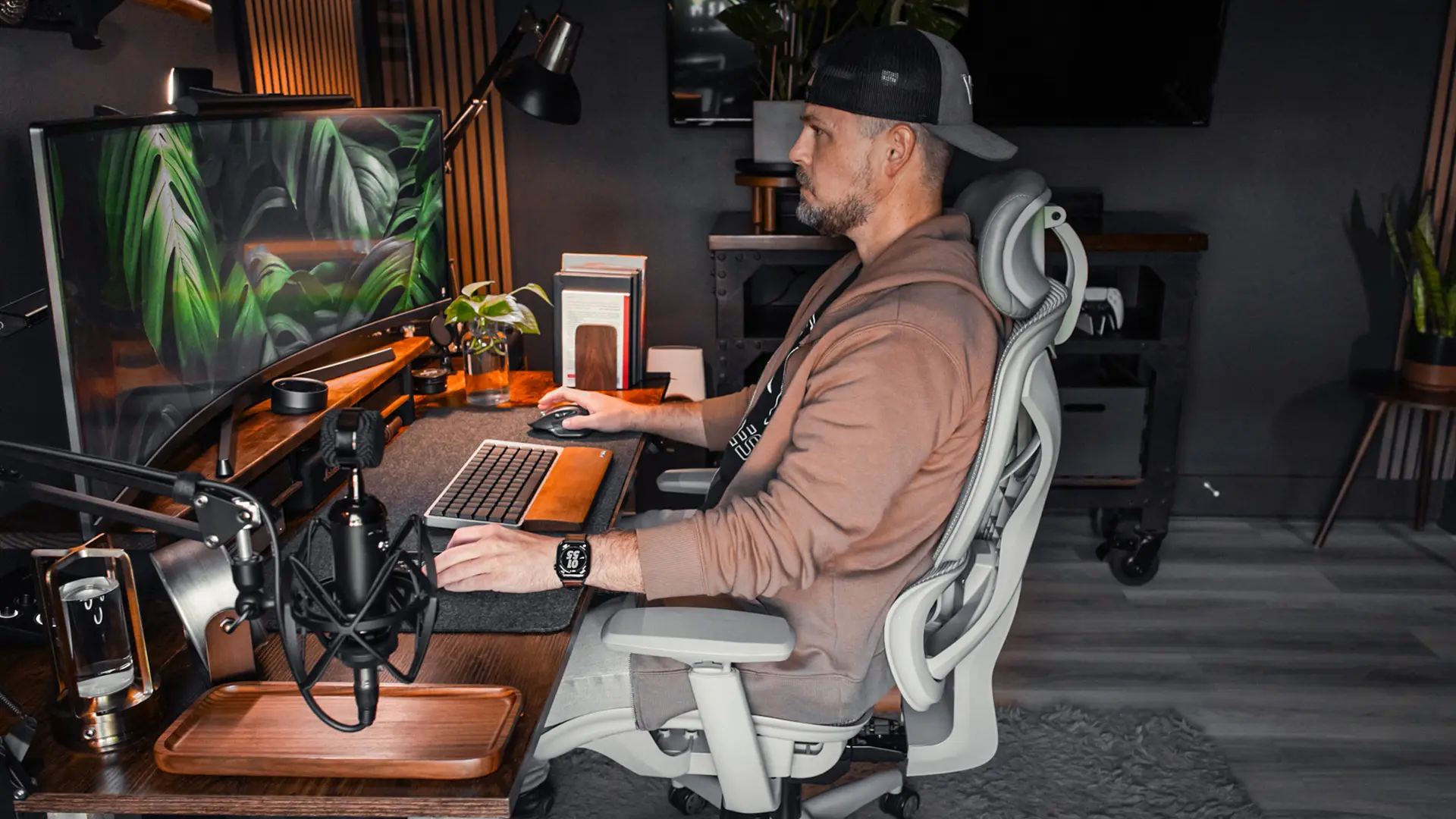
What to check in a tall gaming chair
A tall gaming chair earns the name on four measurements: seat height, backrest height, seat depth, and headrest travel. Check them in that order, because a chair can fail on the first one and no amount of adjustment elsewhere will fix the fit.
Seat height
Seat height is the measurement most often ignored and the hardest to work around. If the seat tops out at 21 inches and you are 6 foot 3, your knees sit above your hips no matter what else the chair does, which rolls your pelvis back and drags your lower spine into a slouch.
Look for a range that reaches at least 22 inches, and 23 to 24 inches if you are above 6 foot 2 or working at a raised desk. The bottom of the range matters too. A chair that starts at 20 inches will be too high for a shorter person sharing the same desk, so check both ends if the chair is not yours alone.
Backrest height
Backrest height decides whether support reaches your shoulders or stops at your ribs. Look for 28 inches or more measured with the headrest fitted, since that is the figure that reflects how the chair actually sits behind you.
Manufacturers often publish the backrest without the headrest, which makes a chair look shorter than it is, so check both numbers where they are listed. A 23-inch back with a tall adjustable headrest can support a 6-foot frame perfectly well, while a 26-inch back with a fixed headrest may not.
Seat depth
Seat depth is what carries a long femur, and it needs to leave two to three fingers of clearance behind the knee. Too shallow and your thighs hang unsupported, which pushes your weight onto a smaller area and starts the ache that arrives an hour into a session.
An adjustable depth range solves it properly. A fixed deep seat that suits a 6 foot 4 player will press into the calves of a 5 foot 10 one, so a pan that slides through roughly 19 to 21 inches covers more bodies than any single fixed measurement.
Headrest and armrest position
A headrest that slides vertically is what separates a chair built for tall players from one that simply has a tall back. A fixed headrest set for an average frame lands between a taller player's shoulder blades, where it pushes the upper back forward rather than supporting the neck.
Armrest height from the floor is the companion check, and it is the one that decides whether the chair works at your desk. If the armrests stop below the desk surface at your seat height, your shoulders carry the weight of your arms for the whole session.
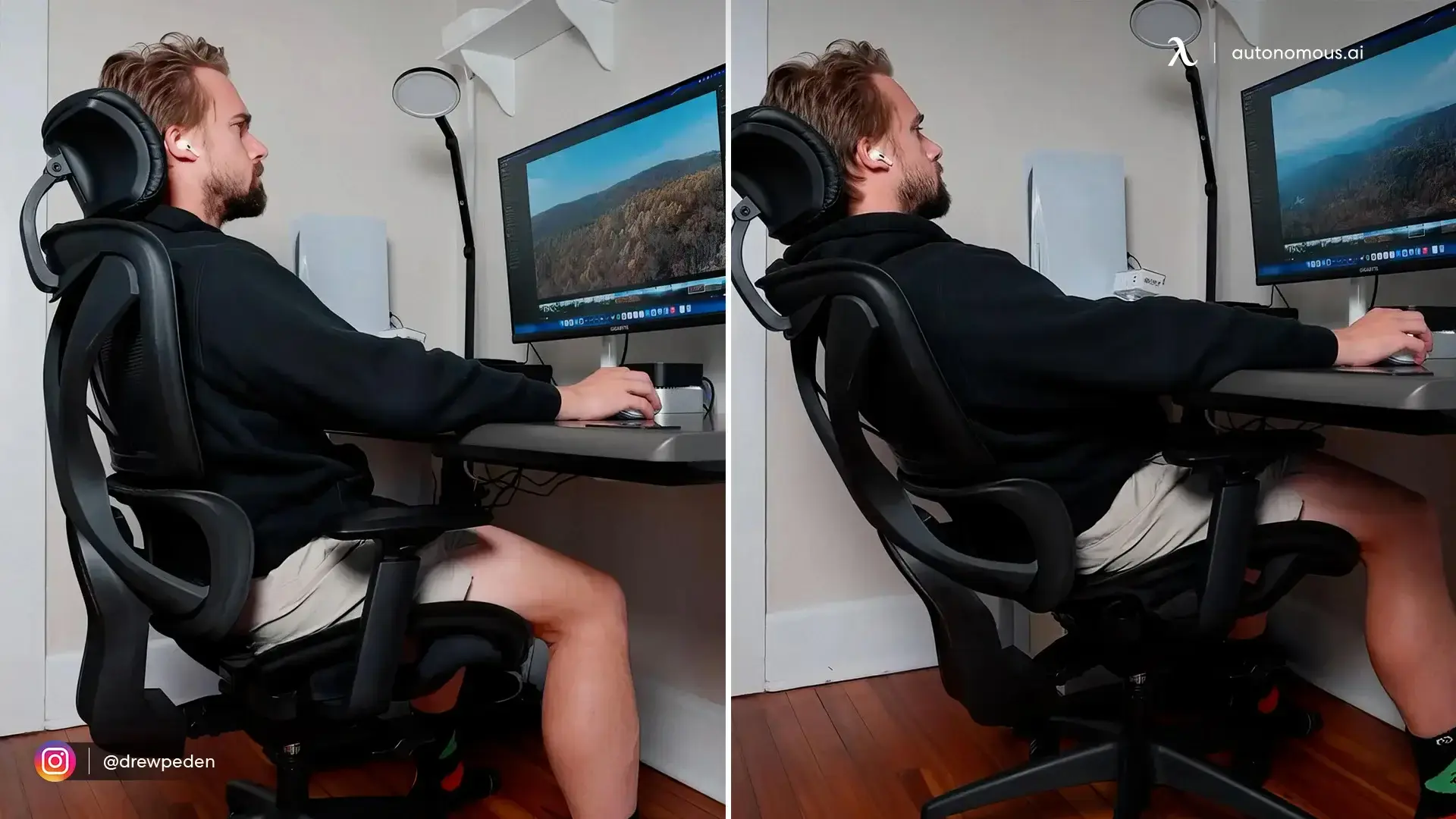
Best gaming chair for tall people: ErgoChair Core
The chair that fits a tall player is the one whose seat lifts highest, and in our range that is the ErgoChair Core at 20 to 23.8 inches. If weight rather than height is your tighter constraint, the picks in our guide to gaming chairs for big and tall guys cover frames rated to 395 pounds and above, and the roundup of the best office chairs for a large person covers the same ground for work seating.
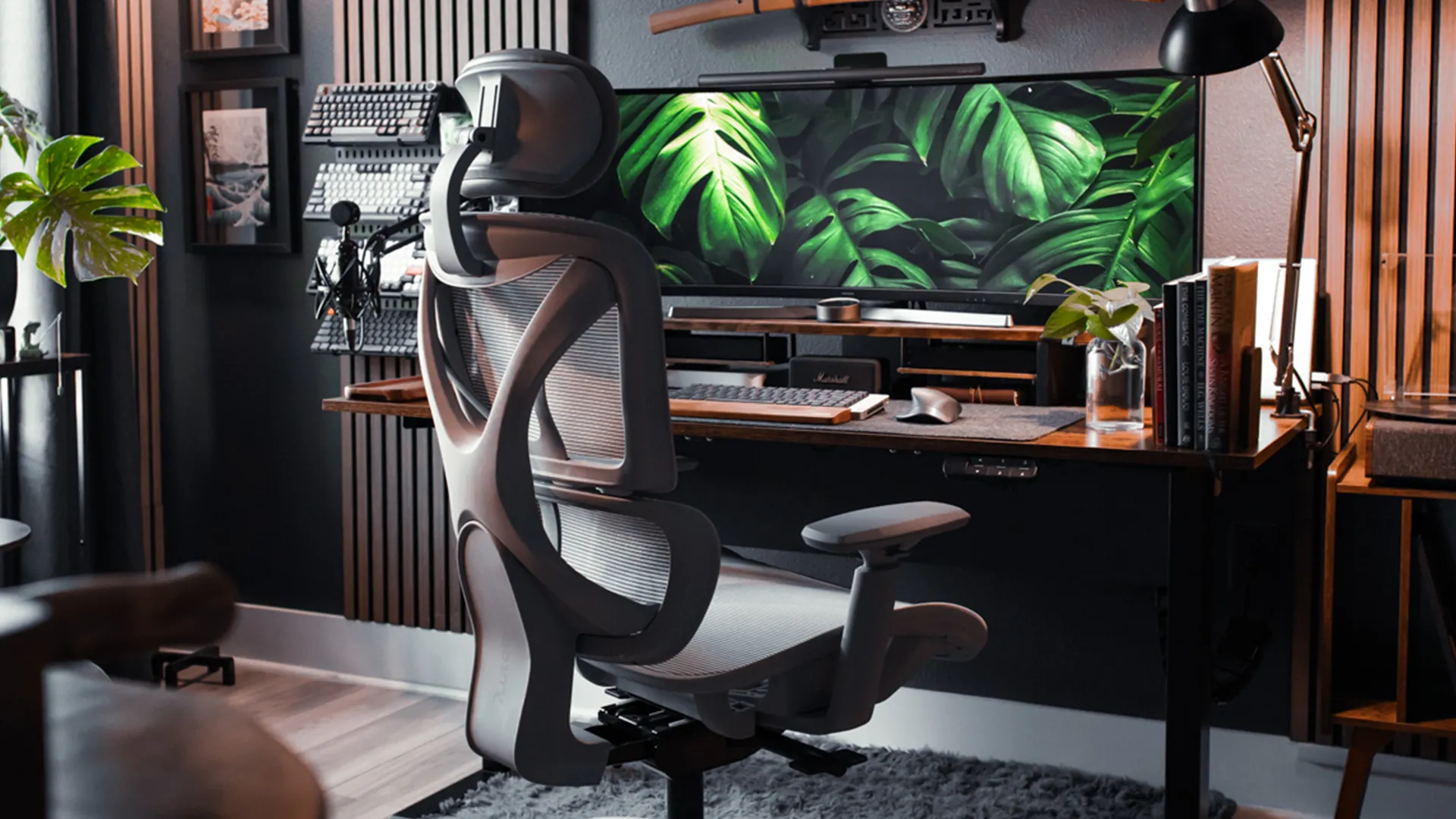
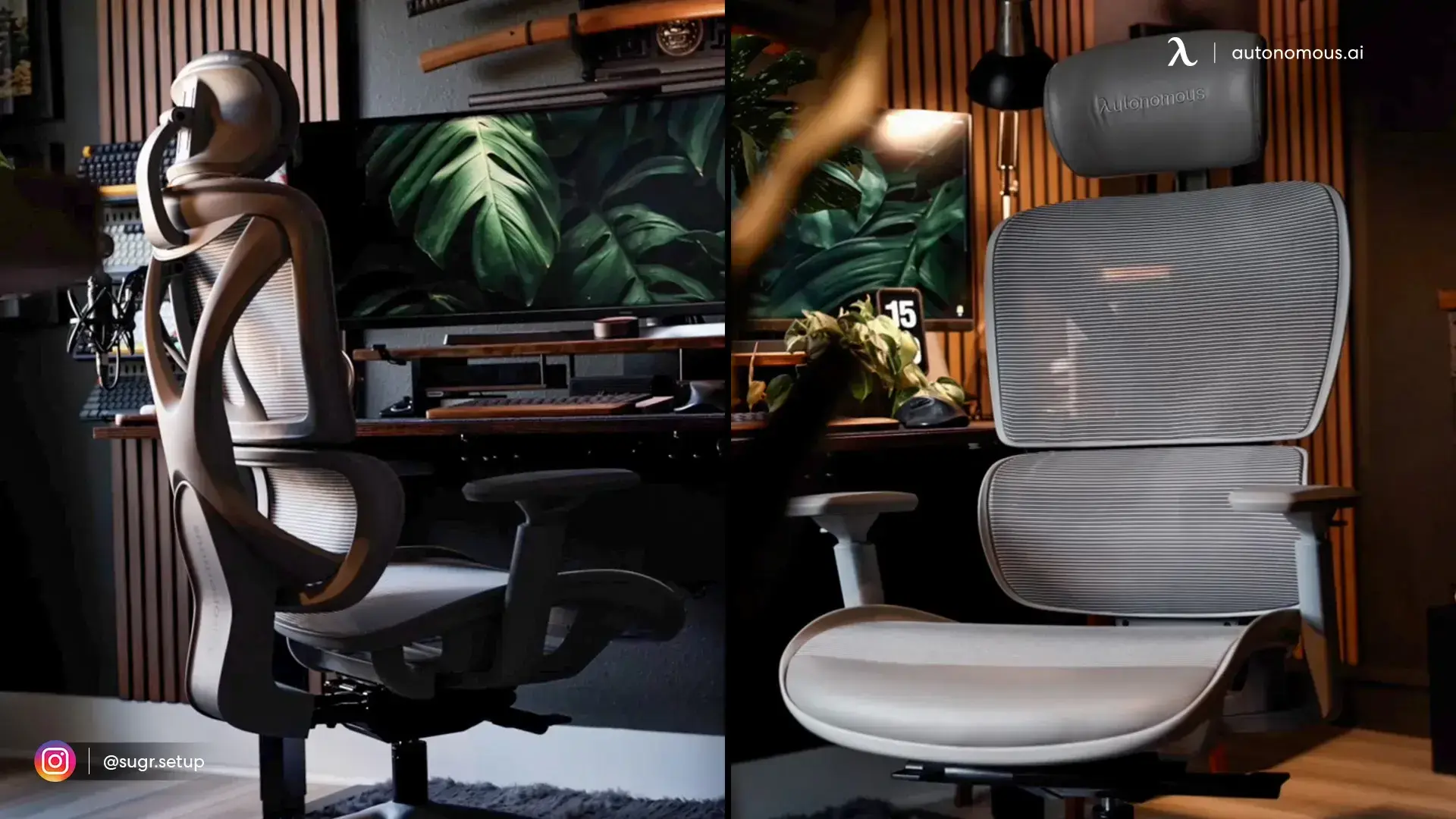
The Autonomous ErgoChair Core lifts higher than any other chair we make, with a seat height of 20 to 23.8 inches. For a tall player that is the number that matters most, because it is what keeps your knees at or below hip level, and it is why this is the first chair to look at if you sit at a high desk or a standing desk set low.
Spec | ErgoChair Core | What a tall player needs |
Seat height | 20 to 23.8 in | Tops out at 22 to 24 in |
Backrest with headrest | 20"W x 28.7"H | 28 in or more |
Seat depth range | 18.5 to 20.5 in | 19 to 21 in, adjustable |
Overall height | 47 to 50.8 in | About 47 to 51 in |
Weight capacity | 242.5 lb | Match to your own weight |
Warranty | 2 years | Longer is better |
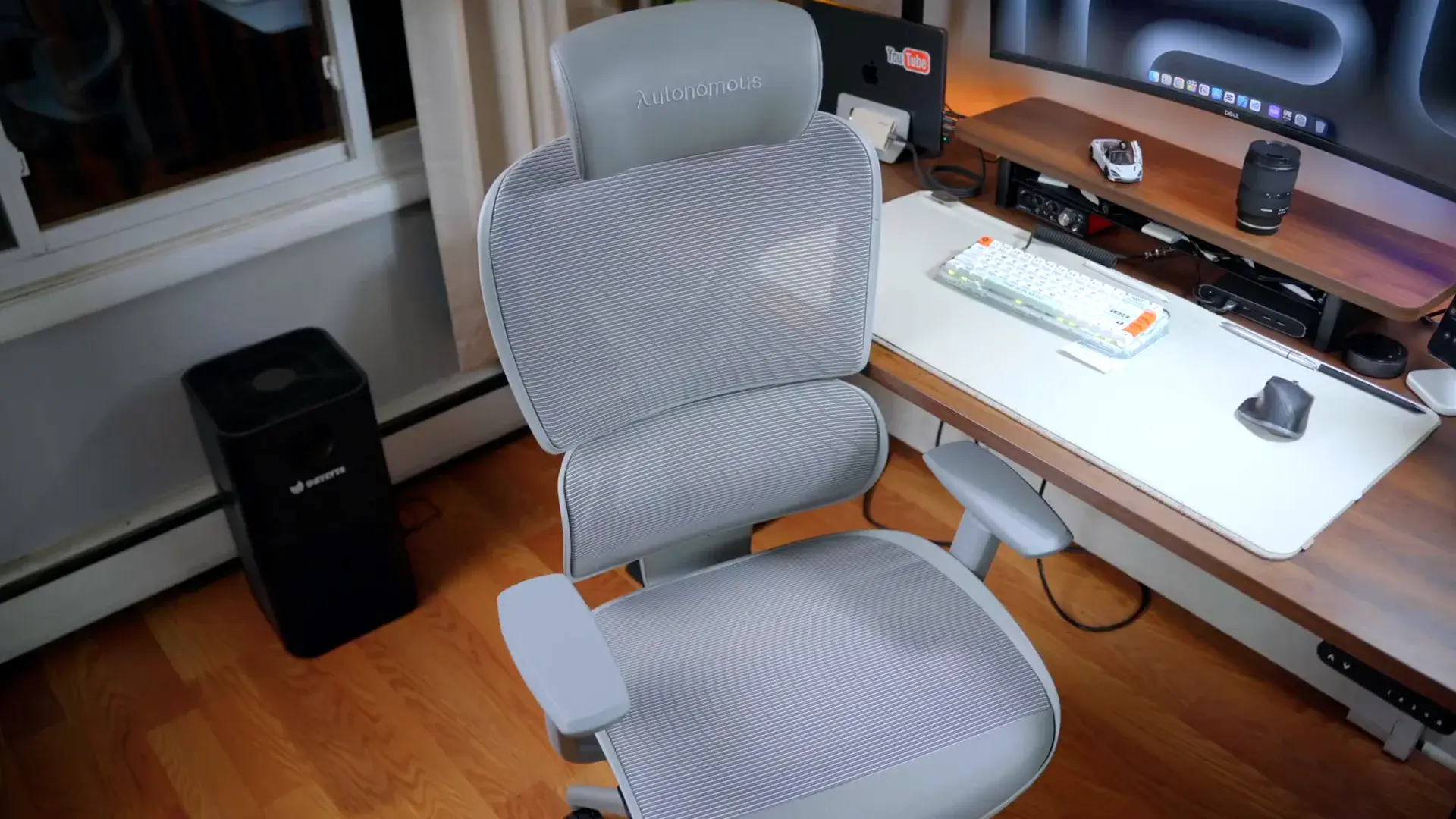
On the measurements that decide tall fit, it holds up. The backrest reaches 28.7 inches with the headrest fitted, which brings support to the shoulders rather than stopping at the mid back, and the seat pan adjusts between 18.5 and 20.5 inches so a long femur is carried without the front edge pressing behind the knee. The chair stands 47 to 50.8 inches overall, and armrests adjust from 27.8 to 30.7 inches off the floor, which is the range that clears most raised desks. Recline runs to 130 degrees through a 40 degree tilt.
The back is a dual X-shaped structure supporting the upper and lower back separately. It is shaped rather than adjustable, so it is not a lumbar you set to a height, and it is worth saying that plainly rather than calling it something it is not.
The honest limits are capacity and cover. At 242.5 pounds this is the lowest weight rating in our line, so a tall and heavier player should size up rather than push it, and the warranty runs 2 years rather than lifetime. If you are weighing the cost against a racing-style chair, what a gaming chair usually costs is a useful reference point before you decide. The code BLOGFIRST5 takes an extra 5% off at checkout.
Matching your chair to a high desk
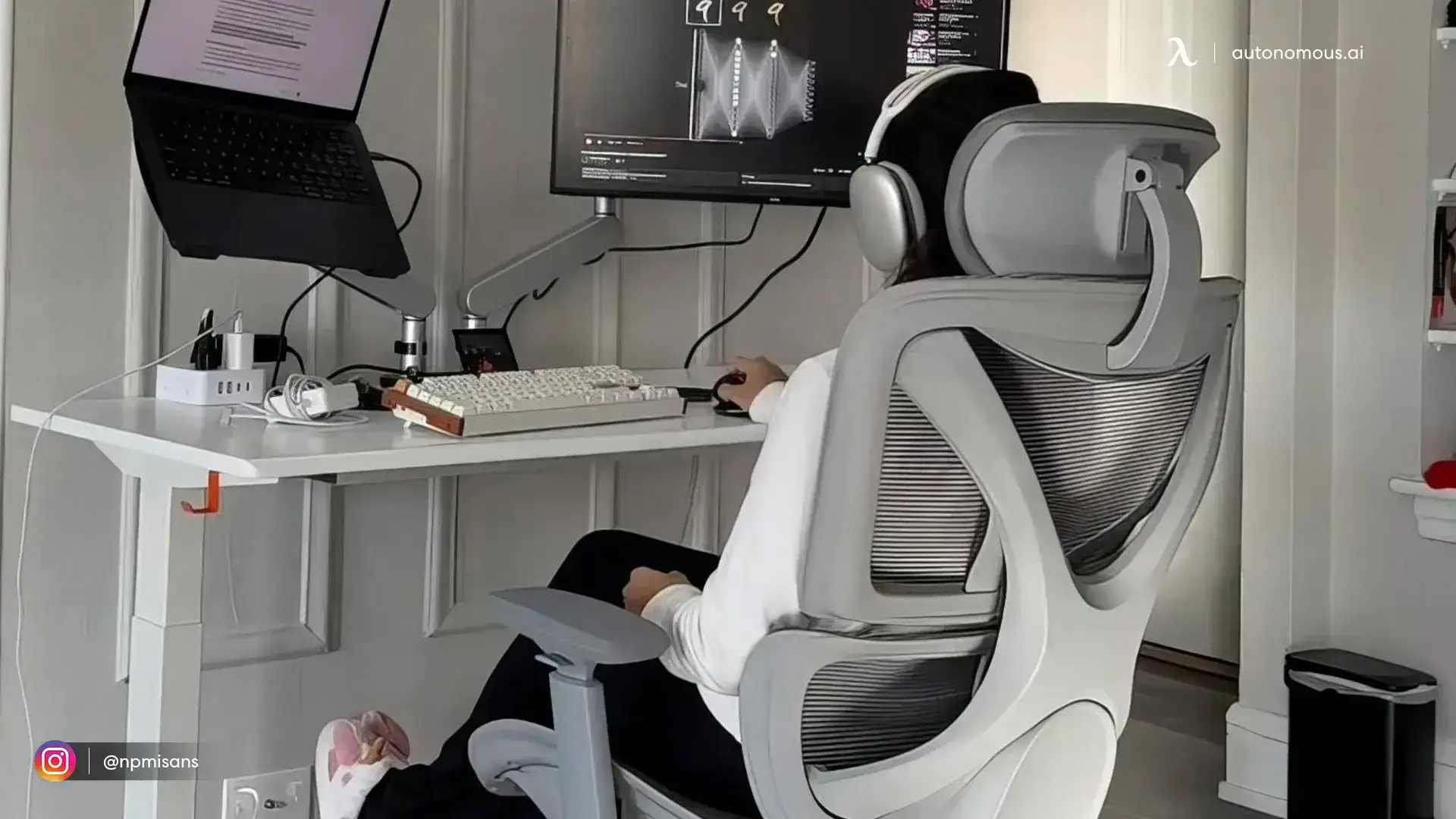
If your desk sits above about 30 inches, seat height becomes the deciding spec rather than a detail. The rule is simple: raise the seat until your elbows meet the desk at roughly 90 degrees, then deal with whatever happens at your feet.
Tall players often find their feet still reach the floor at that height, which is the ideal outcome and the reason a chair with a 23 to 24 inch seat range is worth seeking out. If your feet dangle, a footrest restores the support your legs need and prevents pressure building under the thighs. The Mayo Clinic's office ergonomics guidance makes the same point, that feet should rest flat on the floor or on a footrest with knees near hip level, and that the chair should support the natural curves of the spine.
Armrest height from the floor is the last check. On a high desk, armrests that stop below the desk surface leave your shoulders carrying the weight of your arms all session.
Frequently asked questions
How tall is a gaming chair?
Most gaming chairs stand 45 to 55 inches from the floor to the top of the backrest, with seat heights between 17 and 22 inches. Chairs built for taller players sit at the upper end, around 47 to 51 inches overall, with seat heights reaching 23 inches or more.
What is the best gaming chair for a tall person?
The best gaming chair for a tall person combines a backrest of 28 inches or more with a seat that lifts past 22 inches and a seat pan at least 19 inches deep. Judge chairs on those three published measurements rather than on marketing terms like tall or XL.
How tall should a gaming chair be for a 6 foot person?
For a 6 foot player, look for a backrest around 28 to 31 inches with the headrest and a seat height that reaches at least 21 to 22 inches. Seat depth should be adjustable to about 20 inches so the pan supports your thighs without pressing behind the knees.
Do tall people need a special gaming chair?
Tall people do not need a special category of chair, but they do need specific measurements: a taller backrest, a higher seat range, and a deeper seat. Many standard chairs fail on backrest height alone, which is why the fit feels wrong even when the chair is otherwise well made.
What is the best gaming chair for tall men with a high desk?
For a high desk, prioritise seat height above all else, since the chair has to lift you until your elbows meet the desk at 90 degrees. Look for a chair reaching 23 inches or more, and add a footrest if your feet leave the floor at that height.
Is an office chair or a gaming chair better for tall people?
Ergonomic office chairs usually fit tall people better, because they publish seat height and backrest measurements and offer adjustable seat depth. Racing-style gaming chairs often have tall backs but fixed seat depth, which can leave a long thigh unsupported despite the height. The differences between an office chair and a gaming chair go further than styling.
The bottom line
Choosing a tall gaming chair comes down to three published numbers: backrest height with the headrest, the top of the seat height range, and seat depth. Check those before anything else, and be honest about which constraint is yours. If your desk is high, seat height wins, and the Core reaches highest of anything we make. If your weight is the tighter limit rather than your height, size up rather than settling. Measure yourself, then hold the chair to its own spec sheet.
References
Mayo Clinic. Office ergonomics: your how-to guide (chair support, seat height, and footrest guidance).