How Much Is a Gaming Chair? What to Expect

Most gaming chairs cost between $80 and $600, with premium models running past $1,000. On average, a solid everyday chair lands in the $200-$450 range - enough for real ergonomics without paying for a brand name. Where your money goes is predictable: better foam, more armrest adjustment, sturdier tilt, and a longer warranty. This guide breaks the price of a gaming chair down by tier, shows what you actually get at each level, and helps you decide when spending more is worth it - and when it isn't.
What does a gaming chair cost? Price by tier
Tier | Typical price | What you get | Example chairs |
Budget / entry | $80-$200 | PU leather, basic foam, 2D or fixed arms, single-lever tilt | Corsair TC100, IKEA/entry racers |
Mid-range (sweet spot) | $200-$450 | Adjustable lumbar, 4D arms, denser foam, better recline | Secretlab Titan Evo, AndaSeat, ErgoChair Pro |
Premium | $450-$1,000+ | Cold-cure foam, adaptive lumbar, metal frames, long warranties | Herman Miller Vantum/Embody, Steelcase Gesture |
Specialty (cockpit) | $3,000-$10,000 | Full workstation, multi-monitor mounts, motorized recline | Scorpion / Cluvens cockpits |
Prices change periodically and vary by sale and retailer - treat these as ranges and confirm the current price before buying.
Budget gaming chairs ($80-$200)
At the budget end, you're paying for basic comfort, not longevity. Expect PU leather (easy to wipe down but it warms up and wears faster), standard HD36 foam that softens after a few months, and simple 2D or fixed armrests. Tilt is usually a single lever that locks upright or rocks - no fine angle control. That's fine for casual play, students, or a spare seat, and the best budget picks around $150-$200 punch above their price.
The catch is durability: cheap foam flattens and low-cost frames loosen, so a $90 chair often gets replaced within a year or two. If this is your range, prioritize a decent weight rating and real lumbar support over flashy extras. For specific models, see the guide to the best gaming chairs under $100.
Mid-range gaming chairs ($200-$450)
This is the value sweet spot, and where most people should shop. The jump from budget is easy to feel: denser Lux foam that holds its shape, 4D armrests that move up, down, forward and sideways, adjustable lumbar support, and a two-lever tilt that locks at any angle. Build quality steps up too, with sturdier frames and cleaner finishes that survive daily use.
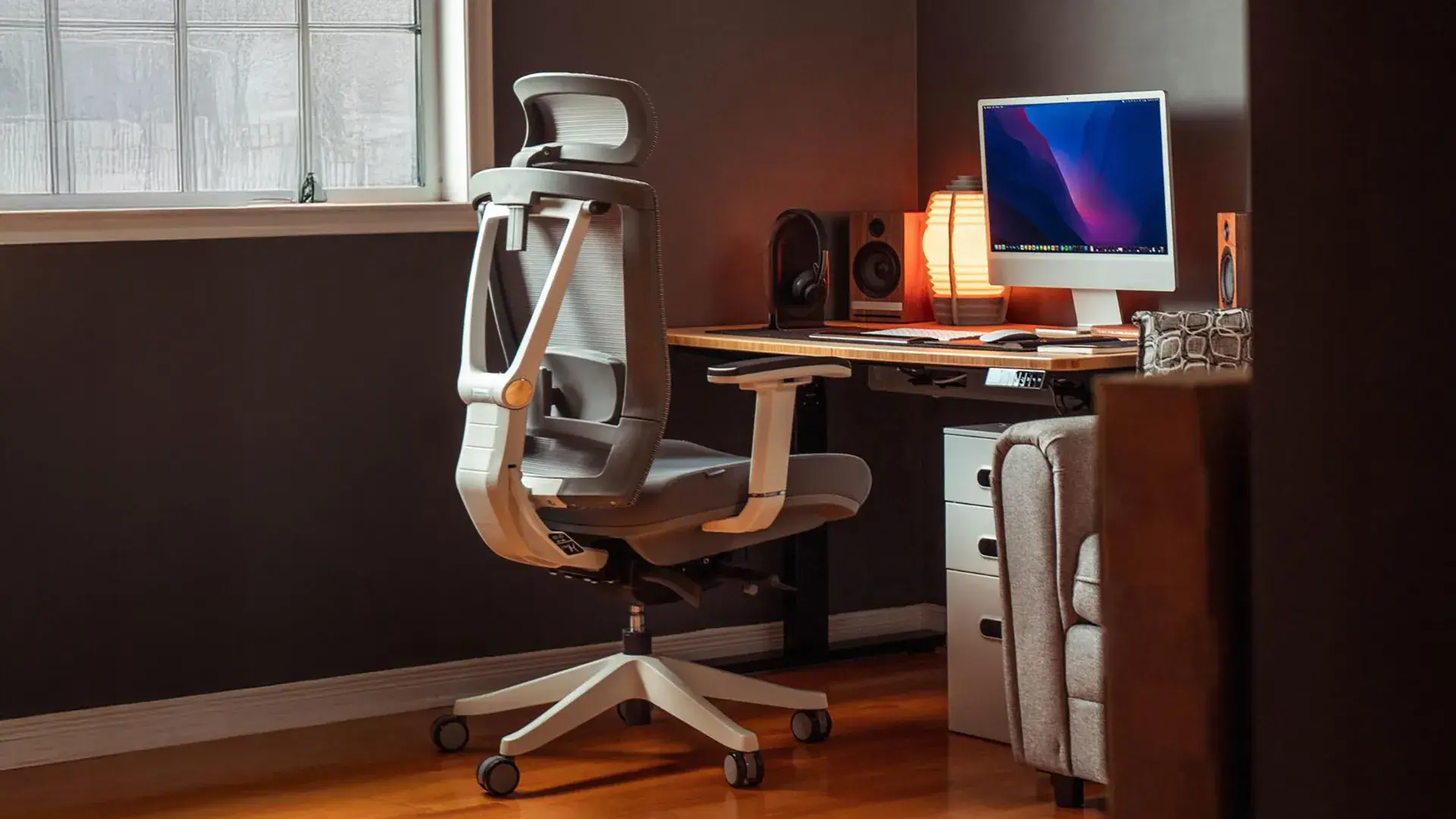
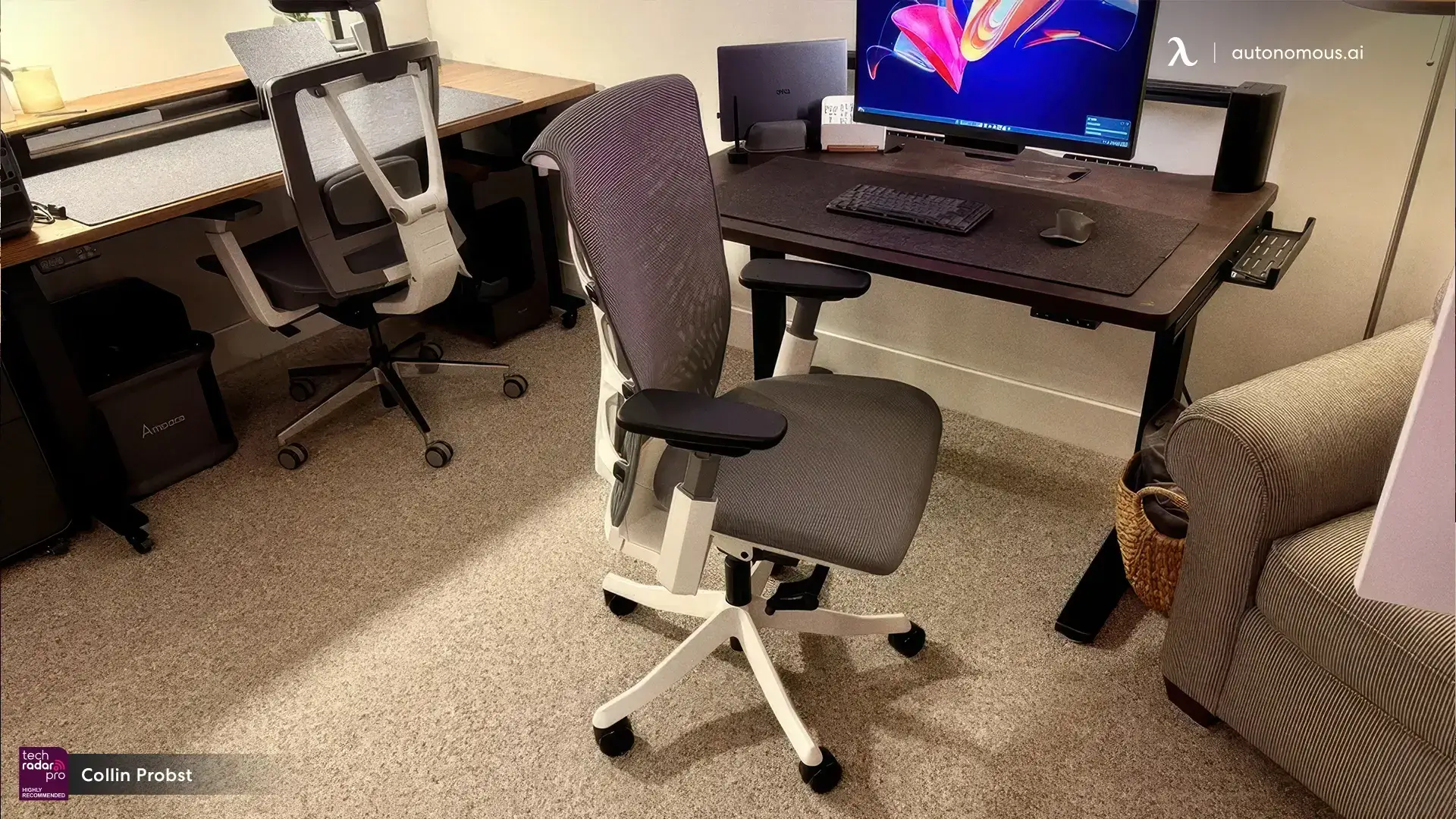
Racing-style chairs from well-known brands and ergonomic options both live here, and it's the tier where a chair starts paying for itself over years rather than months. The Autonomous ErgoChair Pro sits in this range and backs it with a lifetime warranty - unusual at any price.

.webp)
Premium gaming chairs ($500-$1,000+)
Above about $500, the price of a gaming chair reflects materials and engineering, not just looks. Premium chairs use cold-cure foam that resists compression for years, adaptive lumbar systems that move with you, breathable mesh or genuine leather, and welded metal frames. The clearest signal is the warranty: premium seats routinely carry 10-12 years, versus 1-2 years on budget models.
You're paying for longevity and posture support over a decade of long sessions - which is why heavy daily users and people with back issues tend to land here. At the far end sit cockpit-style workstations (the Scorpion type), which are less chairs than multi-monitor rigs and price accordingly. If you want premium-grade support without the premium price, an ergonomic chair with a lifetime warranty like the ErgoChair Pro delivers the durability argument at a mid-range cost.
Is an expensive gaming chair worth it?
The honest answer: an expensive gaming chair is worth it if you sit in it for hours a day, and overkill if you don't. Price doesn't buy magic - it buys four specific things, and you can decide which you actually need. Better upholstery (fabric or real leather over PU) breathes and lasts longer. Higher-grade foam (cold-cure over HD36) keeps its shape for years instead of flattening. More armrest axes (4D over 2D) let you dial in wrist and shoulder support. And a two-lever tilt gives you locking recline a single-lever budget chair can't.
The smarter way to judge cost is per year, not upfront. A $90 chair replaced every year costs more over five years than a $400 chair that lasts a decade - and the cheaper seat gives worse support the whole time. This is where warranty length is the tell: a lifetime warranty, like the one on the Autonomous ErgoChair Pro, turns a mid-range price into the lowest cost-per-year on the market. If you game casually a few hours a week, a budget chair is genuinely fine. If you're at the desk all day, buy for durability and support, not the sticker price.
What drives the price of a gaming chair?
Four factors explain almost the entire price gap between a $90 chair and a $900 one:
Material and upholstery.
PU leather is cheap, water-resistant and easy to clean, but less breathable and quicker to wear. PVC leather, woven fabric and genuine leather cost more and last longer.
Padding and foam.
Standard HD36 foam is the cheapest and flattens with use; higher-density Lux foam holds up in mid-range chairs; cold-cure foam - molded with air bubbles for compression resistance - is the premium standard.
Ergonomics and adjustability.
Budget chairs offer 2D armrests and one tilt lever; pricier chairs add 4D armrests, adjustable lumbar, and a two-lever tilt that locks at any angle. More adjustment means better support over long hours.
Brand and warranty.
Established brands charge for quality control and support, and the warranty tracks the tier - 1-2 years at the bottom, 10-12 years (or lifetime) at the top.
Frequently Asked Questions
How much does a gaming chair cost on average?
Most gaming chairs cost $80 to $600, and a solid everyday chair sits around $200-$450. Premium ergonomic models run $500 to $1,000 or more.
Why are gaming chairs so expensive?
Price comes down to materials, foam quality, adjustability and warranty. Cold-cure foam, 4D armrests, adaptive lumbar and metal frames cost more to build - and premium chairs back it with 10-12-year warranties.
How much is a cheap gaming chair?
A cheap gaming chair usually costs $80 to $150. These are fine for casual or short sessions, but the foam and frame won't hold up to all-day use for long.
How much is a good gaming chair?
A good mid-range chair with adjustable lumbar, 4D arms and a locking tilt runs about $200 to $450 - the best balance of comfort, durability and value for most people.
Is an expensive gaming chair worth it?
If you sit for many hours a day, yes - better support and a longer lifespan make the cost-per-year lower than repeatedly replacing a cheap chair. For a few hours a week, a budget chair is fine.
How much is a Scorpion gaming chair?
Scorpion-style cockpit chairs are luxury workstations, typically $3,000 to $10,000 depending on configuration. They're full multi-monitor rigs, not standard chairs.
How much is a RESPAWN gaming chair?
RESPAWN chairs generally cost $190 to $350, offering solid comfort at a more accessible mid-budget price.
How much should I spend on a gaming chair?
Match the spend to your hours: $80-$150 for occasional use, $200-$450 if you game or work daily, and $500+ only if you want premium materials and a decade-long warranty.
Conclusion
So, how much is a gaming chair? Most land between $80 and $600, but the right number depends on how much time you actually spend sitting. Casual players do fine with a budget chair; daily gamers and desk workers get the most value in the $200-$450 sweet spot, where real ergonomics and durability begin. Premium chairs earn their price only over years of heavy use. Judge the cost per year, not the sticker - a longer warranty and better foam usually make the mid-range or an ergonomic chair the smarter buy.
References
- Tom's Hardware - Best Gaming Chairs 2026. tomshardware.com
- PC Gamer - Best gaming chair in 2026. pcgamer.com
- TechRadar - Best gaming chairs (tested). techradar.com