


Are Gaming Chairs Under $100 Worth It?

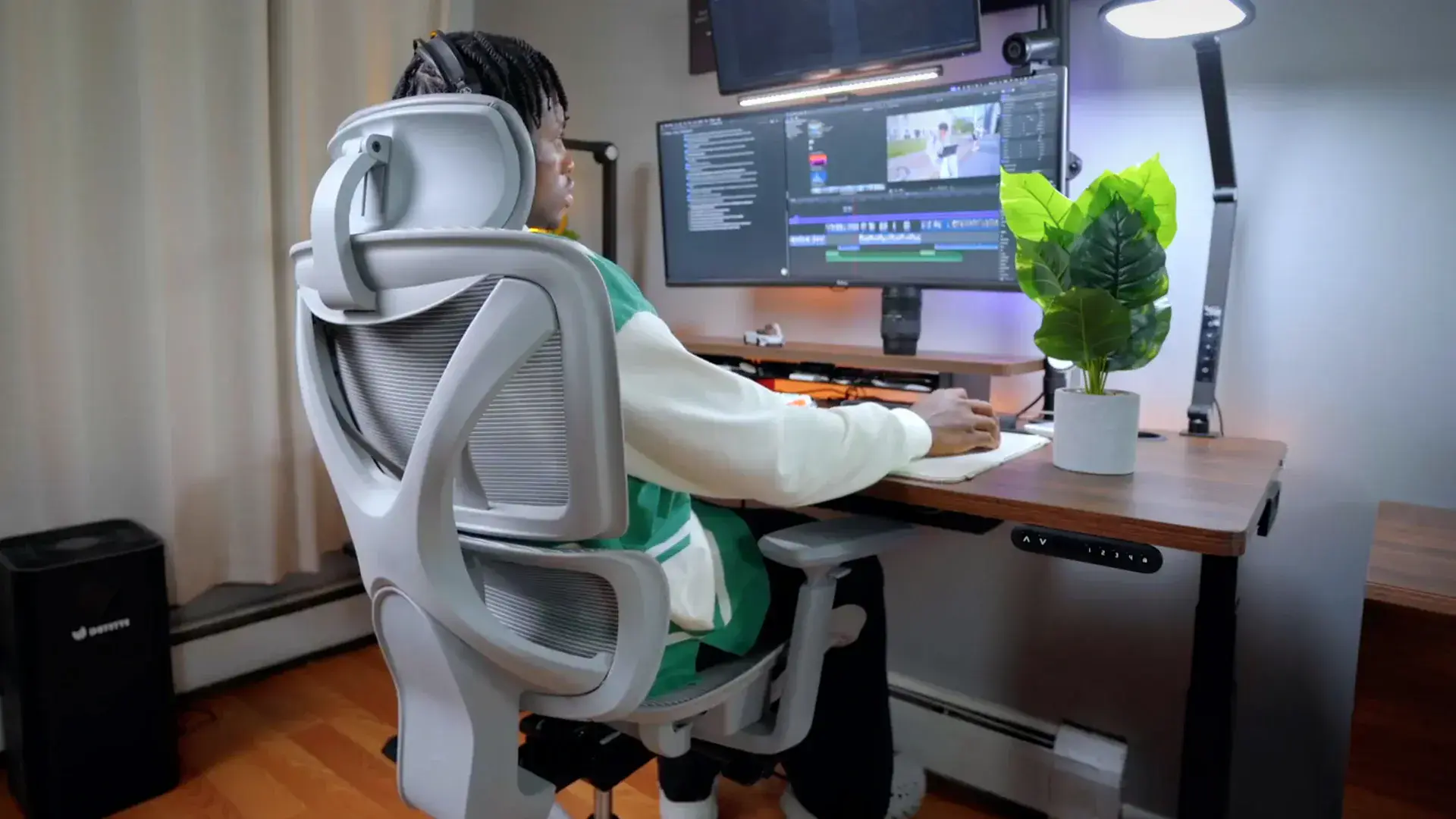
A tight budget does not mean you are stuck with a folding chair and a sore back. You can buy a gaming chair under $100, and a decent one is fine for casual or short sessions. What you are really buying at this price is a short-term seat, not a long-term investment, so the smart move is knowing exactly what you get, what wears out first, and when it pays to spend a little more. This guide walks through all three, without a single affiliate list of throwaway chairs.
Can you get a good gaming chair under $100?
Yes, you can get a usable gaming chair under $100, but it will be a short-term seat rather than a lasting one. At this price you get a reclining high back and basic lumbar support, and you give up dense foam, real adjustability, and a meaningful warranty. For a few hours of casual play a week, that trade is fair. For daily marathon sessions, the cracks show fast.
The honest way to think about it is by lifespan. Most chairs under $100 hold up for one to two years of regular use before something loosens, sinks, or flattens. If that matches how long you plan to keep it, a budget gaming chair is a reasonable buy. If you expect five years out of it, no chair at this price will get you there.
What $100 actually buys you, and what fails first
Under $100 you mostly give up durability, not day-one comfort. A new budget gaming chair often feels fine for the first few months, since the foam is fresh and nothing has worn in yet. The problems arrive later, and they tend to arrive in the same order.
The first thing buyers tell us gave out is the foam. Low-density padding compresses within months, so the seat that felt supportive on day one slowly turns into a flat pancake that offers your spine nothing. Next is the gas cylinder, the part that holds your seat height. Cheaper Class-2 and Class-3 lifts can start to sink, leaving you slowly drifting toward the floor mid-session. After that come loose armrests, a wobbling base, and a warranty that has already run out, since budget gaming chairs usually carry a year or less.
None of this makes a sub-$100 chair a scam. It makes it what it is: a seat priced for a year or two of light use, not a decade of daily work.
What to look for if you buy budget
If you are set on spending under $100, put your money into the parts that carry your body and wear out first. The extras that get advertised, like built-in speakers or RGB lighting, do nothing for comfort or lifespan.
Four things matter most in a cheap gaming chair:
- High-density foam, which holds its shape far longer than the soft foam that flattens within months. This is the single most important upgrade at this price.
- A listed weight capacity with real margin, ideally rated well above your weight, since many budget gaming chairs cap at 250 pounds.
- A steel frame and a metal or BIFMA-certified base, because the plastic bases on the cheapest chairs are the first part to crack under daily load.
- A waterfall seat edge and pneumatic height adjustment, the basics that protect circulation and let the chair fit your desk.
One honest note on logistics: most chairs at this price ship flat from overseas warehouses, so expect longer delivery and 15 to 30 minutes of self-assembly.
The real cost of a cheap gaming chair
The sticker price is not the real price if the chair only lasts a year. A $90 chair that you replace every 18 months costs more over five years than one chair built to outlast them all, and that math ignores the time lost to reordering and rebuilding each replacement.
This is where daily use changes the answer. If you sit a few hours a week, a budget gaming chair is the sensible call and the replacement cycle barely matters. If you sit four or more hours a day, the foam and gas lift wear faster, the replacements come sooner, and the cheap route quietly becomes the expensive one.
When it is worth spending more
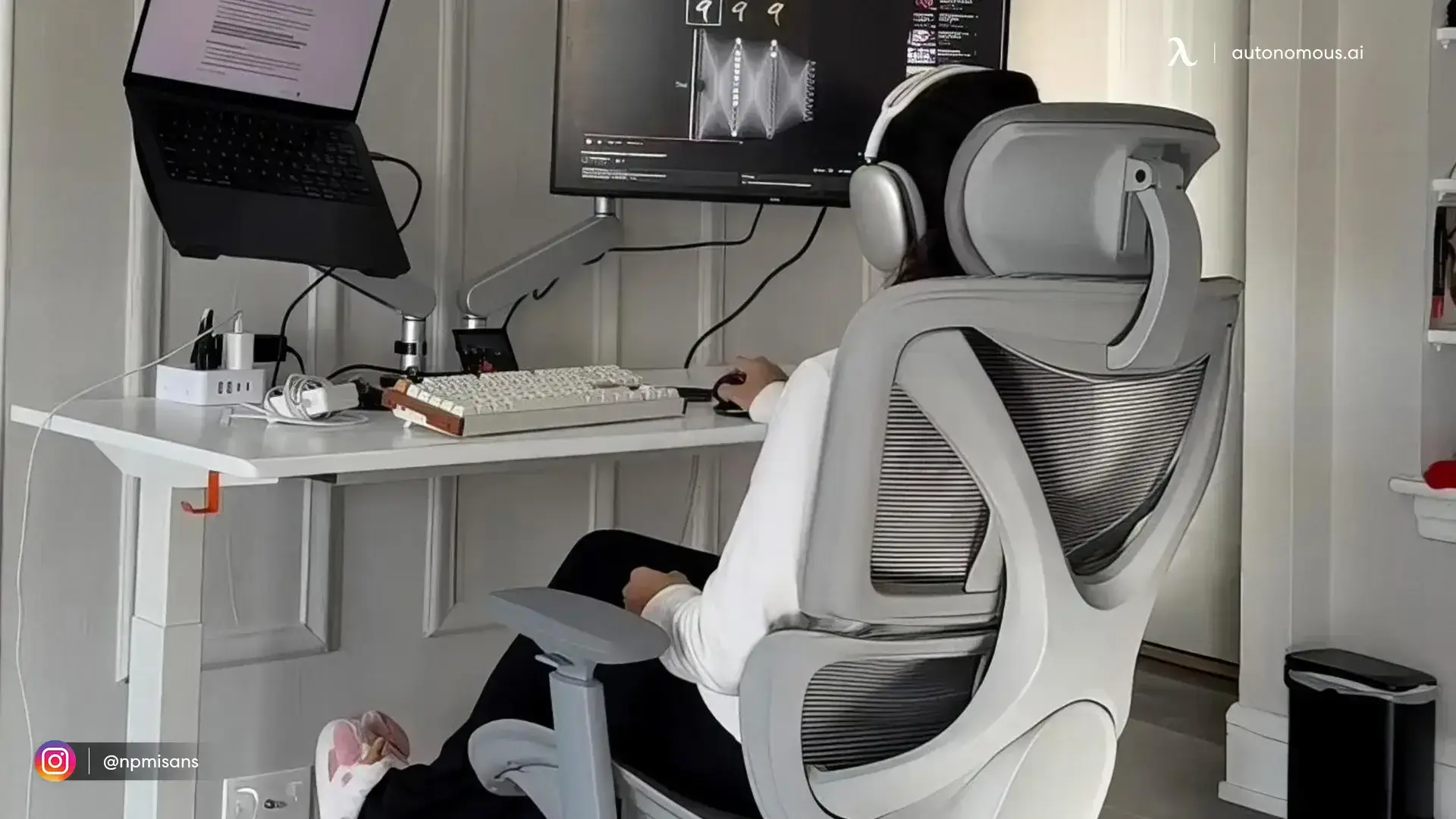
Once you are sitting all day, it is worth stepping out of the budget tier entirely. This is not a budget pick, and it would be dishonest to pretend our chairs compete on the sub-$100 sticker. They compete on how long they last and what they cost you over years, not months.
Tier | Typical warranty | Capacity | Price |
Budget gaming chair | 1 year or less | 250 to 400 lb | under $100 |
Autonomous ErgoChair Core | 2 years | 242.5 lb | $279 |
Autonomous ErgoChair Pro | Lifetime | 300 lb | $499 |
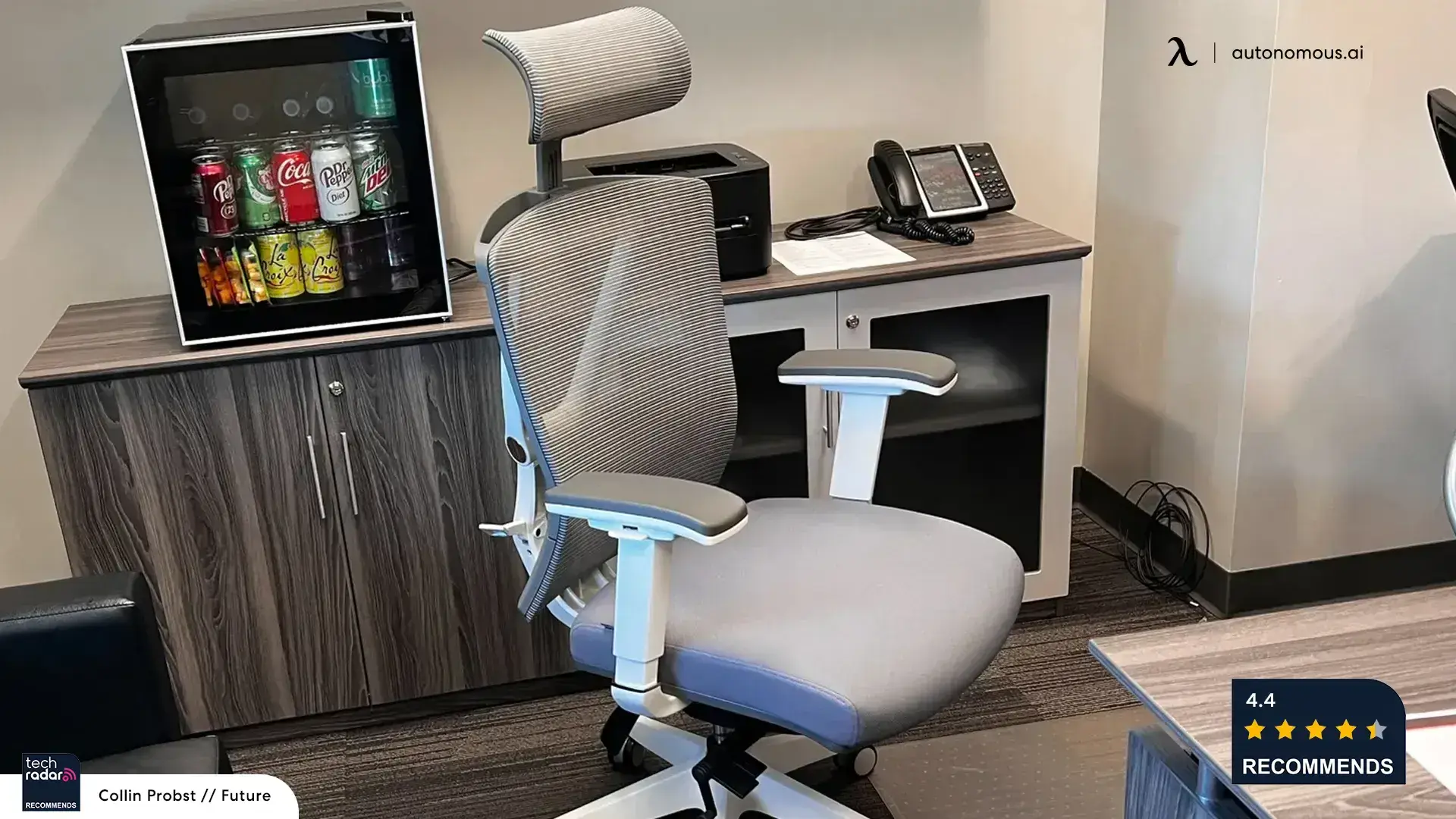
The step up buys real adjustability, a frame tested to 100,000 load cycles, and a warranty measured in years or for life rather than months. The Core is the honest entry point, and the Pro adds a sliding lumbar you set to your back plus a lifetime warranty. The first thing buyers tell us after switching is that they stop thinking about the chair at all, which is the opposite of babying a seat that squeaks after six months. If you mostly work rather than game, it is also worth weighing a gaming chair against an ergonomic office chair before you choose.

.webp)
Frequently asked questions
Are gaming chairs under $100 worth it?
A gaming chair under $100 is worth it for casual players, students, or short sessions, where basic recline and lumbar support are enough. It is less worth it for daily long sessions, since the foam, gas lift, and warranty are built to a budget and tend to wear within one to two years.
How long do gaming chairs under $100 last?
A gaming chair under $100 usually lasts around one to two years of daily use. The foam flattens and the gas cylinder can start to sink first, so frame material and warranty length are better durability signals than the sticker price when you are comparing budget options.
Can you get an ergonomic gaming chair under $100?
You can get the basics of an ergonomic gaming chair under $100: seat-height adjustment, a reclining backrest, and lumbar support from a cushion. Fine controls like adjustable lumbar height, seat depth, and 4D armrests usually start above $250, so true ergonomic tuning sits outside the budget tier.
Are cheap gaming chairs bad for your back?
Cheap gaming chairs are not automatically bad for your back if they have a reclining backrest and lumbar support and you set them up well. The risk is thin foam and a fixed lumbar that stop supporting you over time, which is why high-density foam matters more than any other feature at this price.
Is it better to buy a $100 chair or save for a $300 one?
If you sit only a few hours a week, a $100 chair is the sensible buy. If you sit four or more hours a day, saving for a $300 chair with a longer warranty and real adjustment usually costs less over time than replacing budget chairs every year or two.
What should you look for in a cheap gaming chair?
In a gaming chair under $100, prioritize high-density foam, a listed weight capacity with margin, a steel frame with a metal base, and a waterfall seat edge. Skip extras like speakers or lighting, and spend your budget on the parts that support your body and wear out first.
The bottom line
A gaming chair under $100 is a fair buy when you know what it is: a solid short-term seat for casual play, not a ten-year investment. Check the foam density, the weight rating, and the base material before you buy, and go in expecting one to two years of use. If you find yourself sitting all day, treat the upgrade to a longer-lasting chair as money saved rather than money spent, since the cheapest chair is rarely the one that costs you the least.