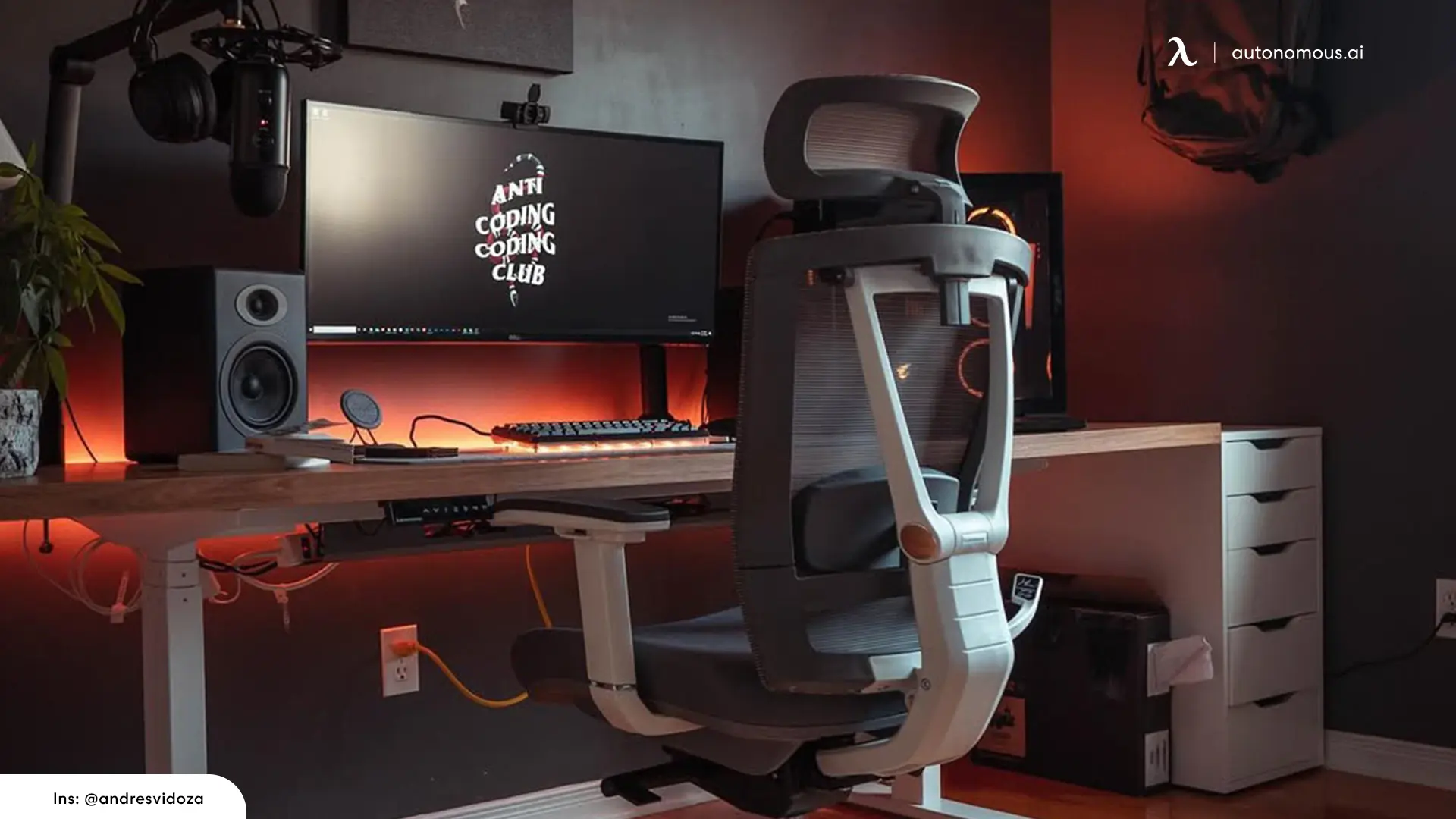
The Best Office Chairs for Guitar Players

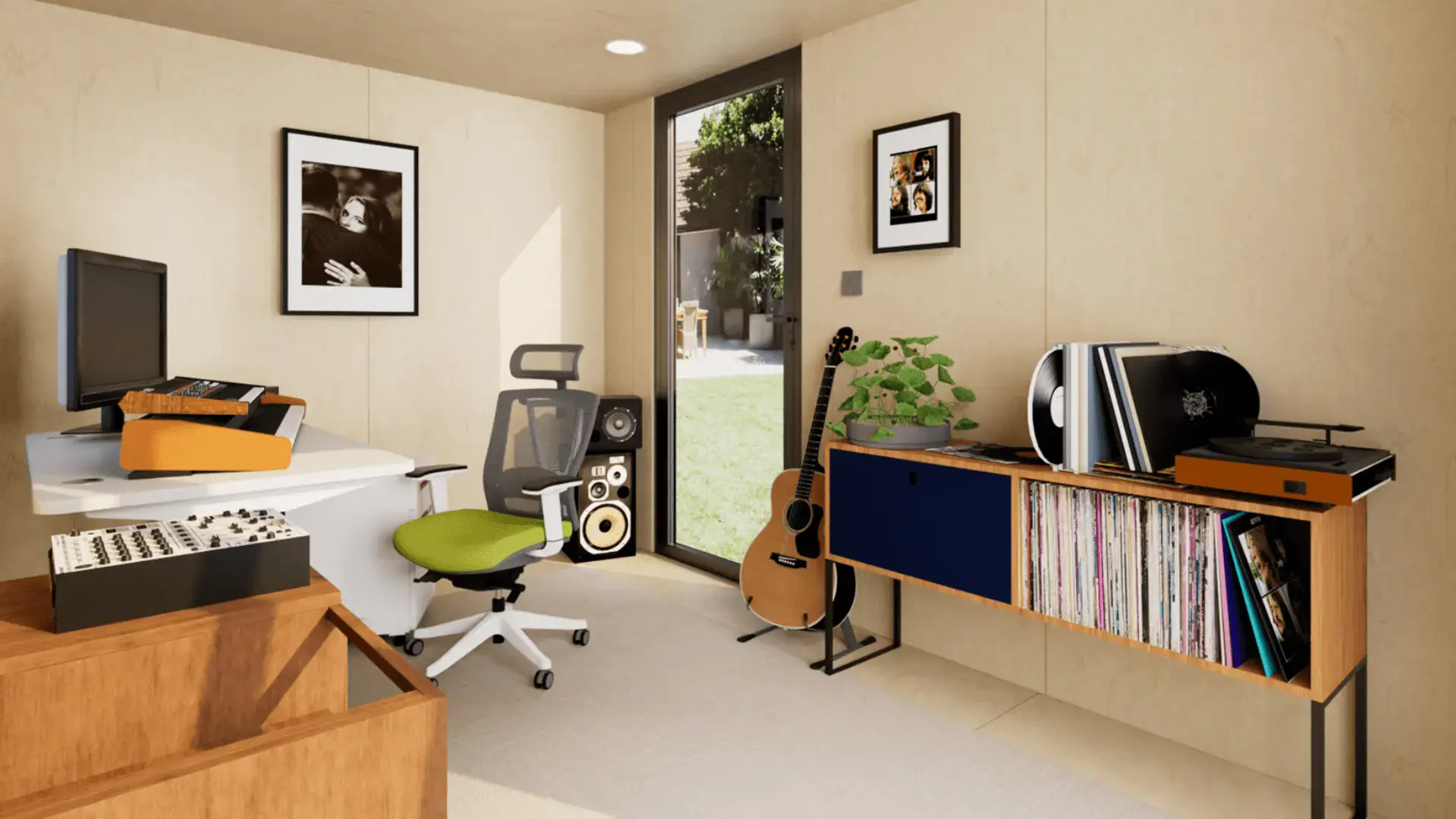
Playing guitar while seated presents a unique ergonomic challenge: balancing long-term spinal support with the physical clearance required for instrument handling. Many standard office chairs feature fixed armrests that obstruct the elbow path, forcing musicians to adopt restricted posture or compromise their strumming technique. Selecting a chair for a home music studio or practice space requires prioritizing mobility, clearance, and structural stability.
Why Armrest Clearance Outranks Lumbar Support
For a guitarist, the primary failure point of an office chair is armrest collision. While lumbar support is standard in ergonomic furniture, a chair that forces your picking arm to angle outward or prevents your elbow from clearing the instrument body will lead to chronic strain, regardless of the quality of the back support. Effective guitar seating requires that the armrests can be removed, lowered below the playing level, or moved laterally to eliminate all physical obstructions between the musician and the guitar.
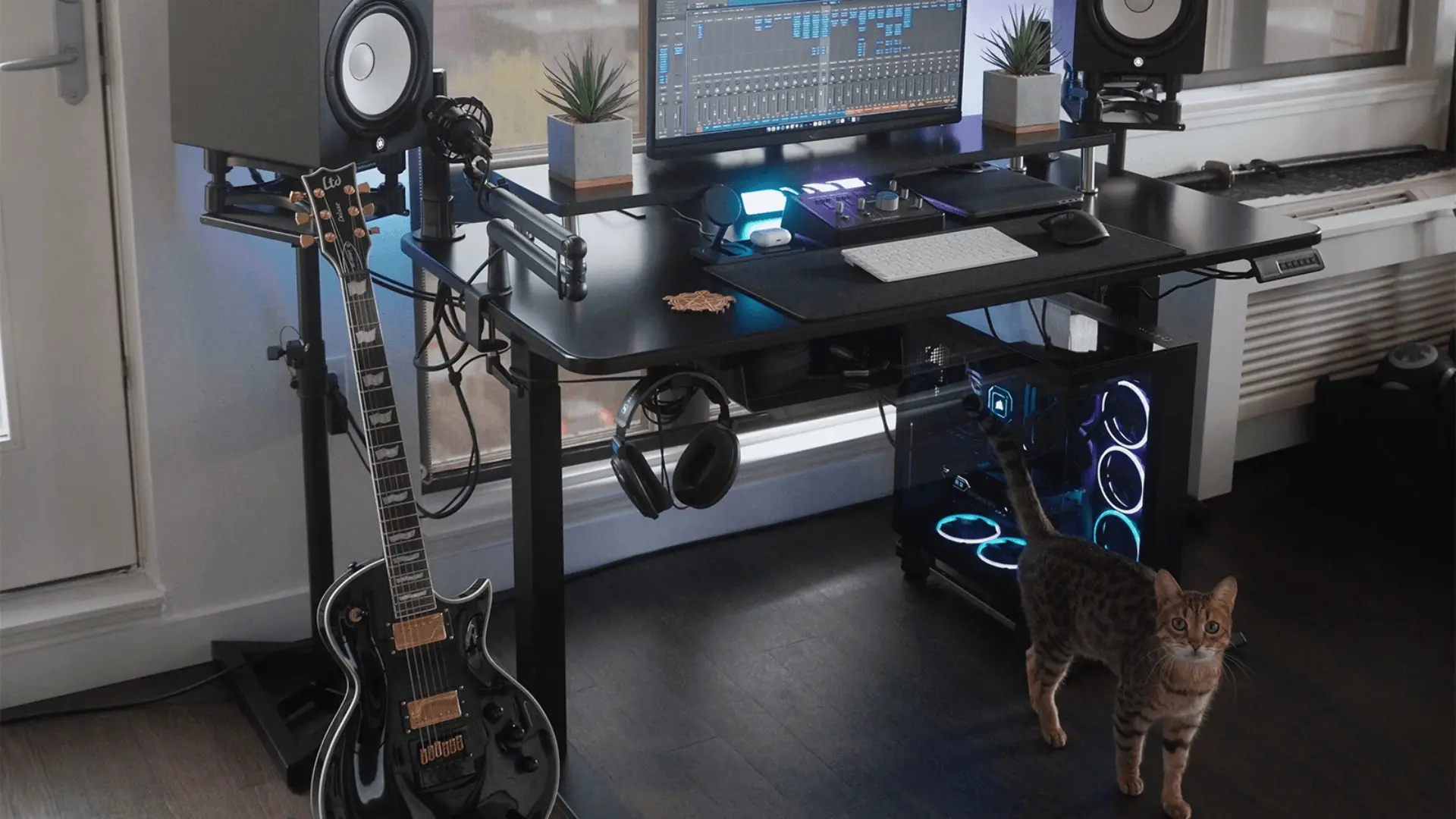
Should Guitarists Use Armless Office Chairs?
The debate between armless chairs and adjustable armrest chairs depends on the guitarist’s workflow. An armless chair provides total clearance, which is ideal for acoustic guitarists or those who record in minimal studio spaces. However, professional musicians who use the same chair for both desk work and instrument performance often find armless chairs inadequate for long-duration productivity. The industry-standard solution is to utilize chairs with high-adjustability armrests that can be moved into a "neutral" position when playing, allowing for a hybrid setup that supports both work and creative output.
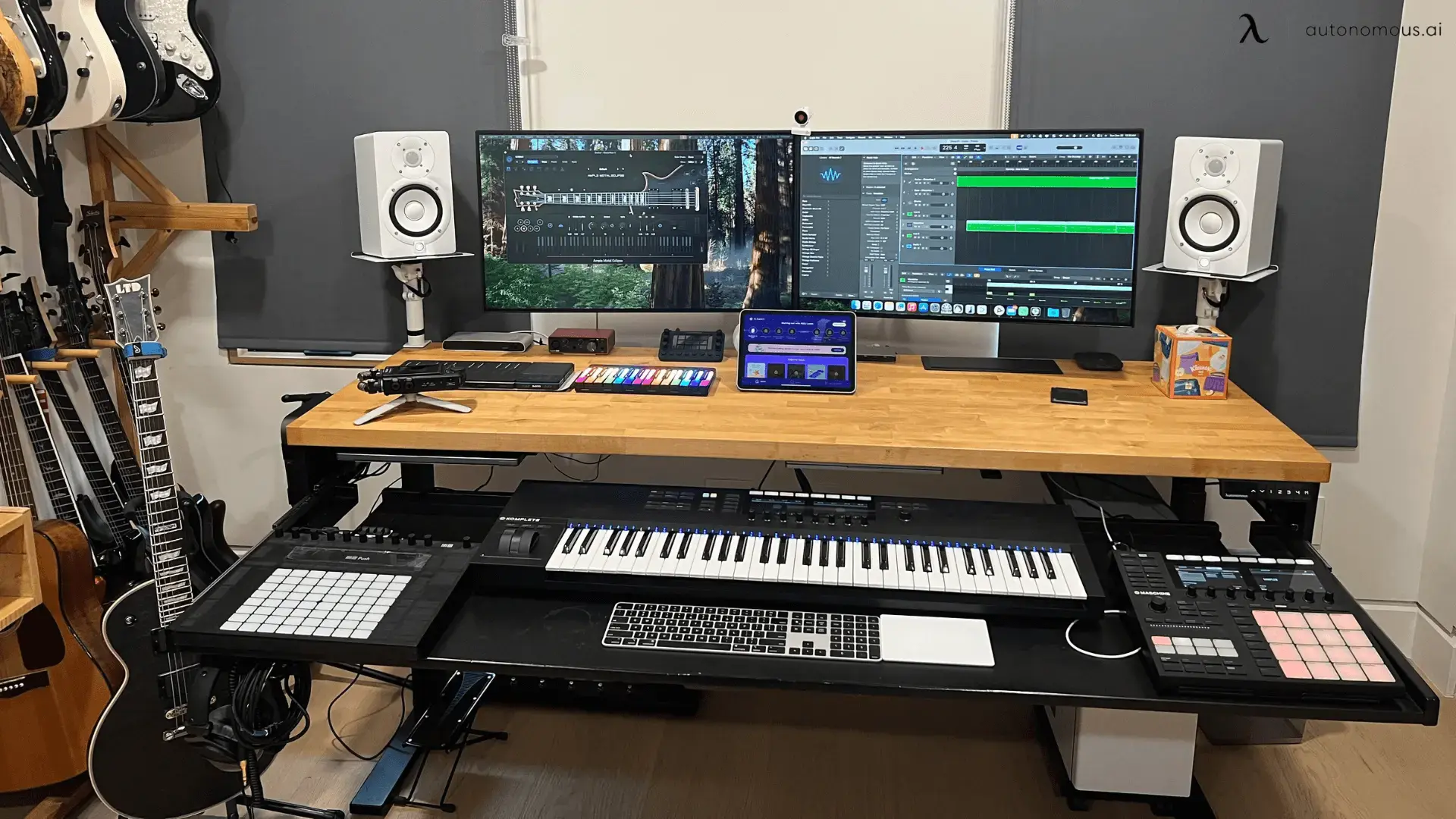
Top 4 Ergonomic Chairs for Guitarists
Model | Armrest Flexibility | Clearance Strategy | Primary Benefit |
ErgoChair Mesh | High (4-way) | Height, Width, Depth, Pivot | Maximum versatility for all guitar sizes |
ErgoChair Pro | High (4D) | Height, Width, Depth, Pivot | Professional-grade lateral clearance |
ErgoChair Ultra 2 | Moderate | Sliding Width, Height | Superior pressure relief for long sessions |
ErgoChair Core | Moderate | Height, Depth, Rotation | Slim "X" backrest for unobstructed movement |
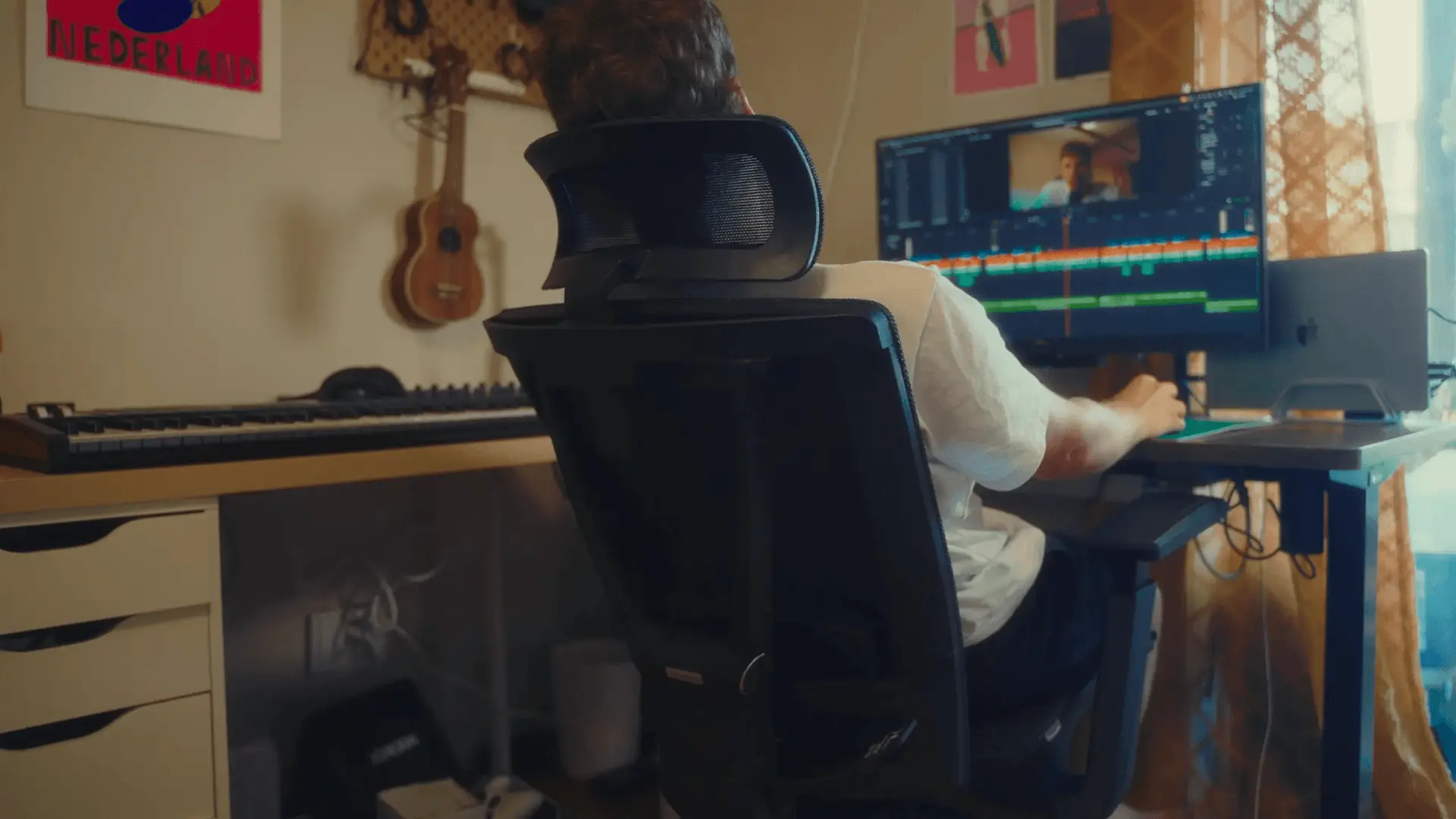
1. ErgoChair Mesh: Maximum Flexibility
“Nothing is in my way, but I notice the chair less (in a good way)”
.jpg)
This is the one that disappears the most when I’m playing.
The 4-way arms matter more than the spec sheet suggests-because guitar posture isn’t static. When I shift from fingerpicking to strumming, my elbows drift outward, then in again. This chair actually lets me chase my playing position instead of locking me into one.
What I like as a player:
- Armrests can fully clear a Les Paul body without me twisting my shoulder
- Mesh back means I don’t overheat during long takes (huge for recording sessions)
- Tilt stability actually helps keep my left leg consistent when I’m in classical position
What I don’t love:
- It feels “too open” sometimes-like I rely more on my own posture discipline
- Not much physical anchoring, so sloppy posture shows up fast
Verdict: best for long studio sessions where I’m constantly switching between instruments or positions.
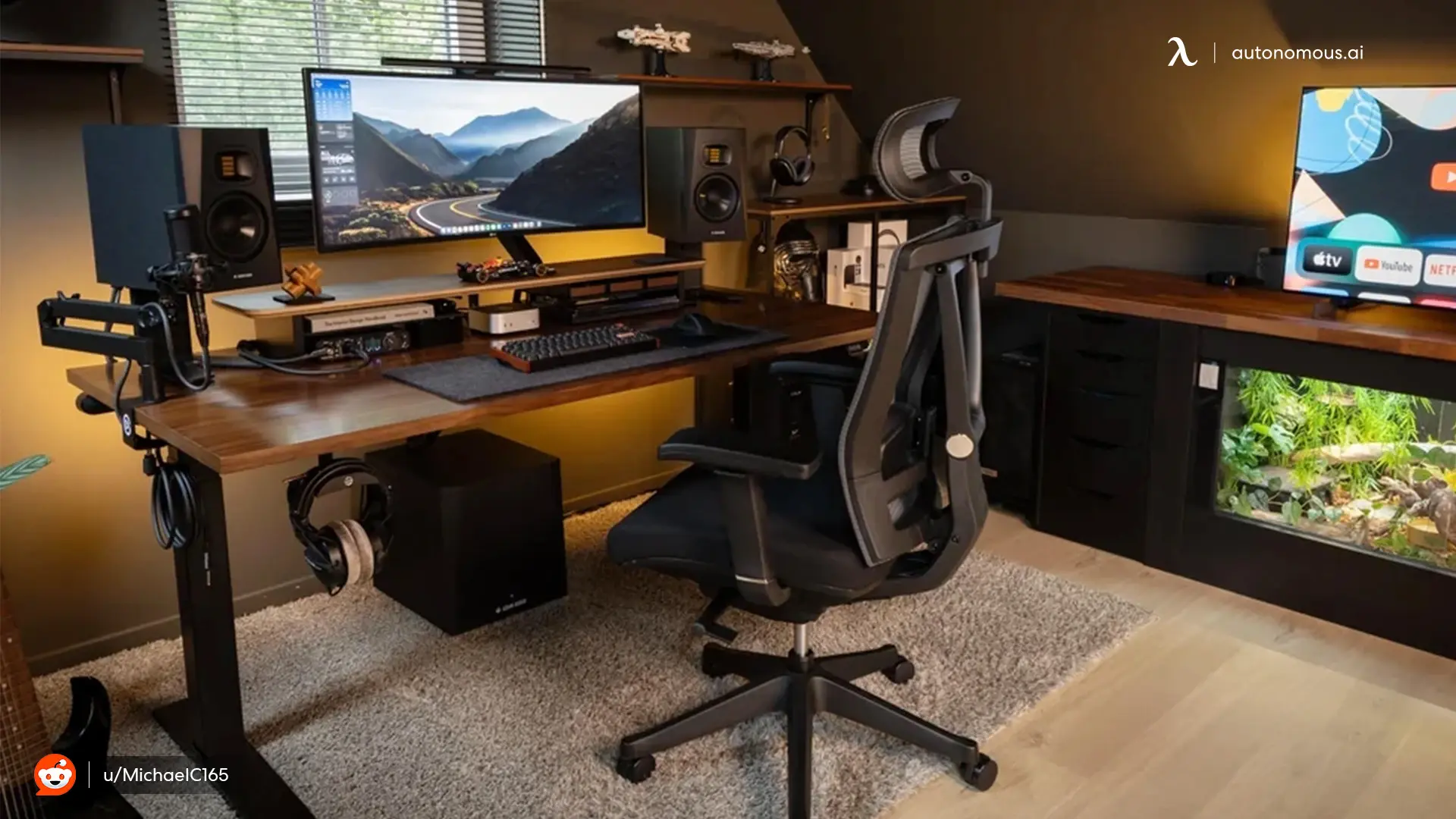
2. ErgoChair Pro: Precision Adjustment
“Studio chair that respects precision, but can feel a bit rigid for playing”
.webp)
This one feels like it was designed for someone tracking takes, not necessarily flowing through them.
The 4D armrests are genuinely useful-but more in a set-and-forget engineering way than a “move with your playing” way.
What stands out as a guitarist:
- Once I dial armrest width correctly, it’s very repeatable for recording setups
- Good for consistent mic positioning + seated posture across takes
- Back support keeps me from collapsing forward during complex passages
But:
- Slightly more “locked geometry” than I want when I’m improvising
- Wide guitar bodies (ES-335 style) can still bump armrests unless tuned carefully
Verdict: best for studio musicians doing repeatable takes, not loose jam-style playing.
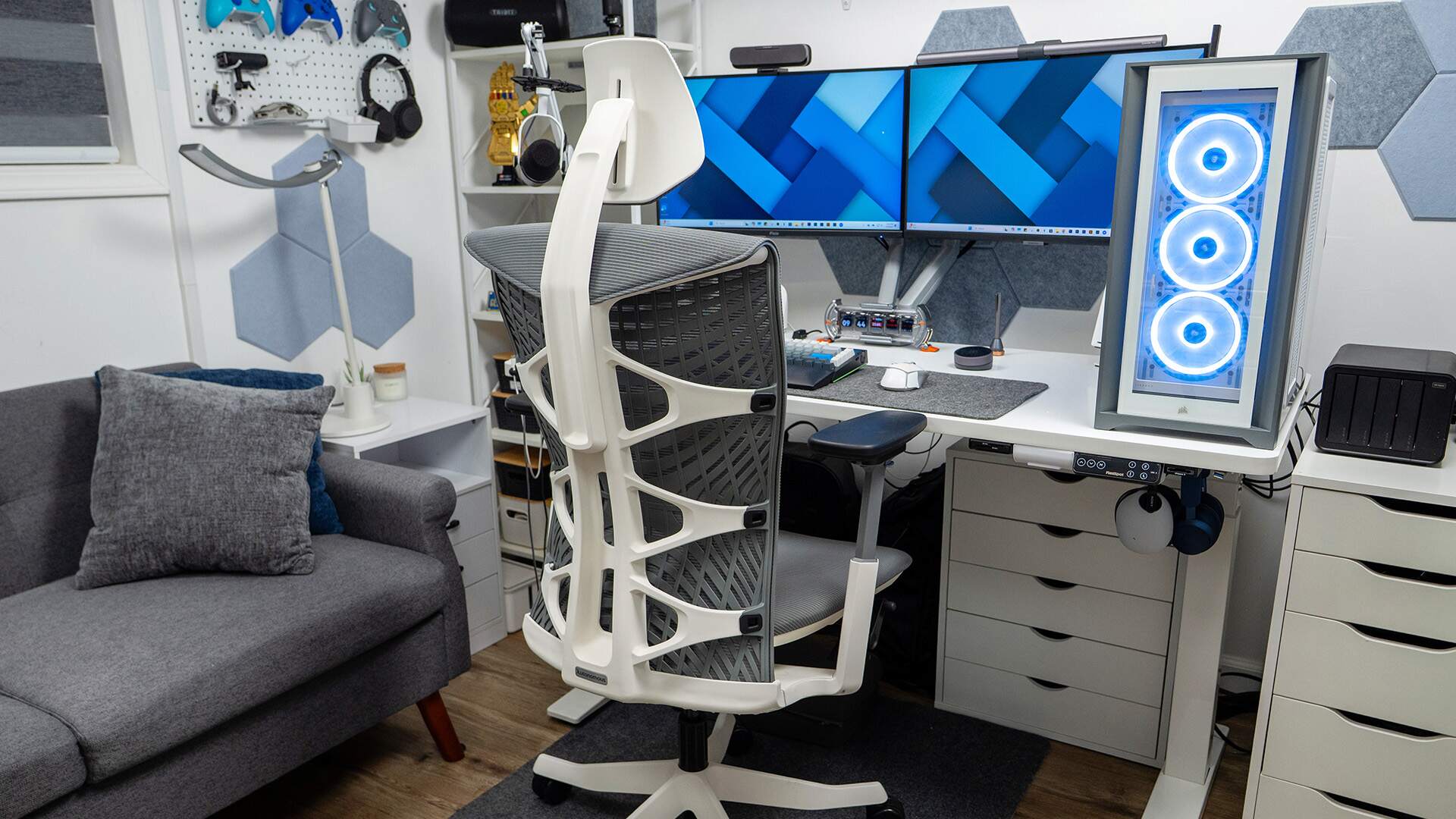
3. ErgoChair Ultra 2: Stability and Endurance
“Endurance chair for marathon sessions, not expressive movement”
.webp)
This is the chair I’d pick if I knew I was about to lose 6 hours straight to production, comping, or arranging.
The sliding width + recline tension combo creates a “held” feeling. That matters when fatigue sets in.
From a guitarist’s perspective:
- Excellent when I’m mostly listening + adjusting + minimal playing
- High back support reduces neck fatigue when I’m staring at DAW timelines
- Recline lock lets me lean back slightly while still holding instrument stability
Trade-off:
- Not as fluid for active playing (fast strumming or posture shifts feel constrained)
- Armrest freedom is “enough,” not expressive
Verdict: best for long production days where guitar is part of the workflow, not the whole activity.
4. ErgoChair Core: Minimalist Setup
“Minimalist, surprisingly good for pure playing flow”
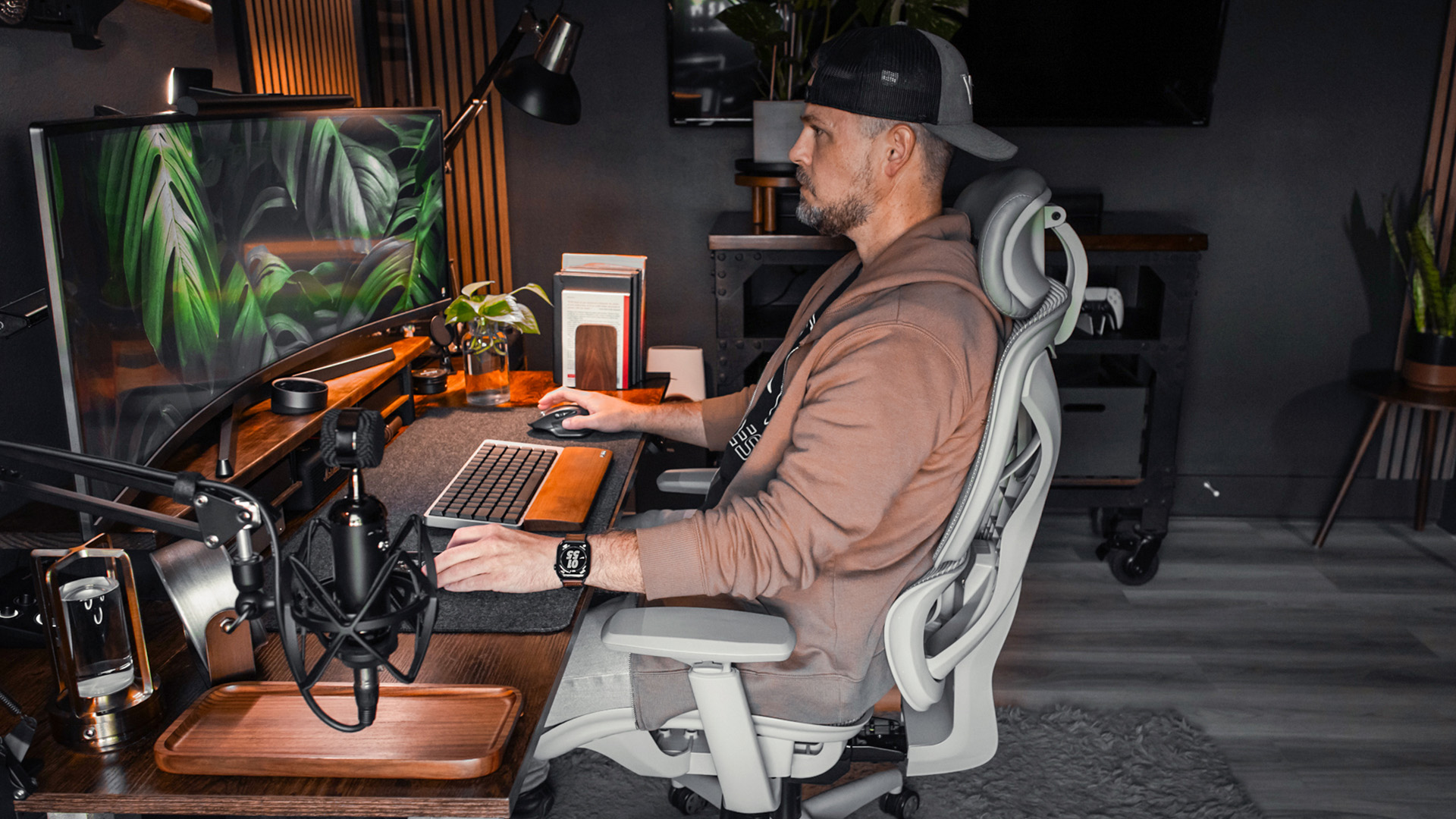
This is the sleeper pick for guitarists.
That X-back design actually matters more than expected: it removes that annoying upper-back obstruction when your shoulders rotate during strumming or hybrid picking.
What feels right:
- Clean back clearance when I lean forward into the guitar
- Less “chair awareness” overall
- Easy to swing arms without bumping structure
What limits it:
- Armrest flexibility is the weakest of the four
- Less ideal for large-body guitars unless I adjust posture more actively
- Not great for long upright recording posture consistency
Verdict: best “pure playing” chair-especially for home practice or songwriter sessions where I just want to stay in flow.
FAQs
What is the best office chair for playing guitar at a desk?
The best office chair for guitar playing features armrests that can be lowered, rotated, or moved laterally to eliminate obstruction during performance.
Does an ergonomic chair improve guitar practice posture?
Yes, an ergonomic chair with adjustable lumbar support encourages a neutral spine, which mitigates the hunching often associated with long hours of seated guitar practice.
Why do guitarists struggle with standard desk chairs?
Standard desk chairs often have fixed, non-adjustable armrests that collide with the guitar body or restrict the elbow’s range of motion, forcing suboptimal playing mechanics.
Are mesh chairs better for recording studios?
Mesh chairs are preferred in studios because the open-weave material facilitates airflow, which prevents heat build-up during long recording sessions under studio lights.
What is the cost difference between these models?
Autonomous offers a range of price points; the ErgoChair Core serves as a minimalist entry-level option, while the Pro and Ultra 2 models provide advanced mechanical features for professional studio environments.
Conclusion
Selecting the right office chair is a foundational step in building a professional home studio or a sustainable practice space. For guitarists, success lies in the balance between ergonomic spinal support and the ability to eliminate mechanical obstruction. By prioritizing chairs that offer high-level armrest clearance-such as the 4-way adjustability of the ErgoChair Mesh or the precision 4D system of the ErgoChair Pro-musicians can effectively eliminate the physical barriers that often force poor posture or compromised technique.
Ultimately, the choice depends on your specific studio needs: the ErgoChair Mesh and Pro offer the greatest range of motion for diverse setups, the ErgoChair Ultra 2 provides robust stability for prolonged production sessions, and the ErgoChair Core offers a streamlined, non-intrusive footprint for minimalist environments. By choosing a chair engineered for adjustability rather than static comfort, you ensure that your workspace supports your creative output, allowing you to focus on your performance rather than your equipment.