Backyard Office Pods in California: WorkPods and Permits
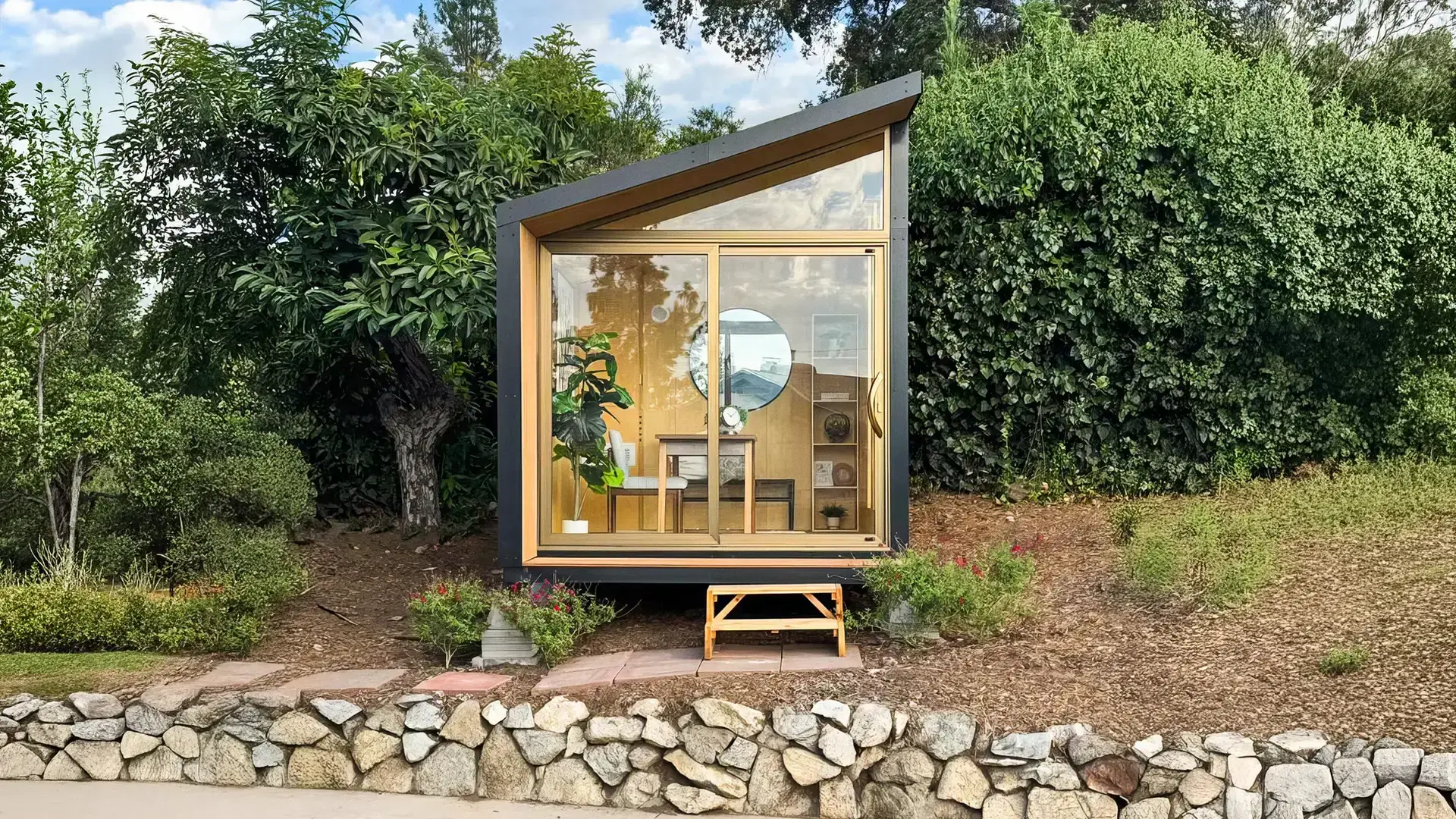
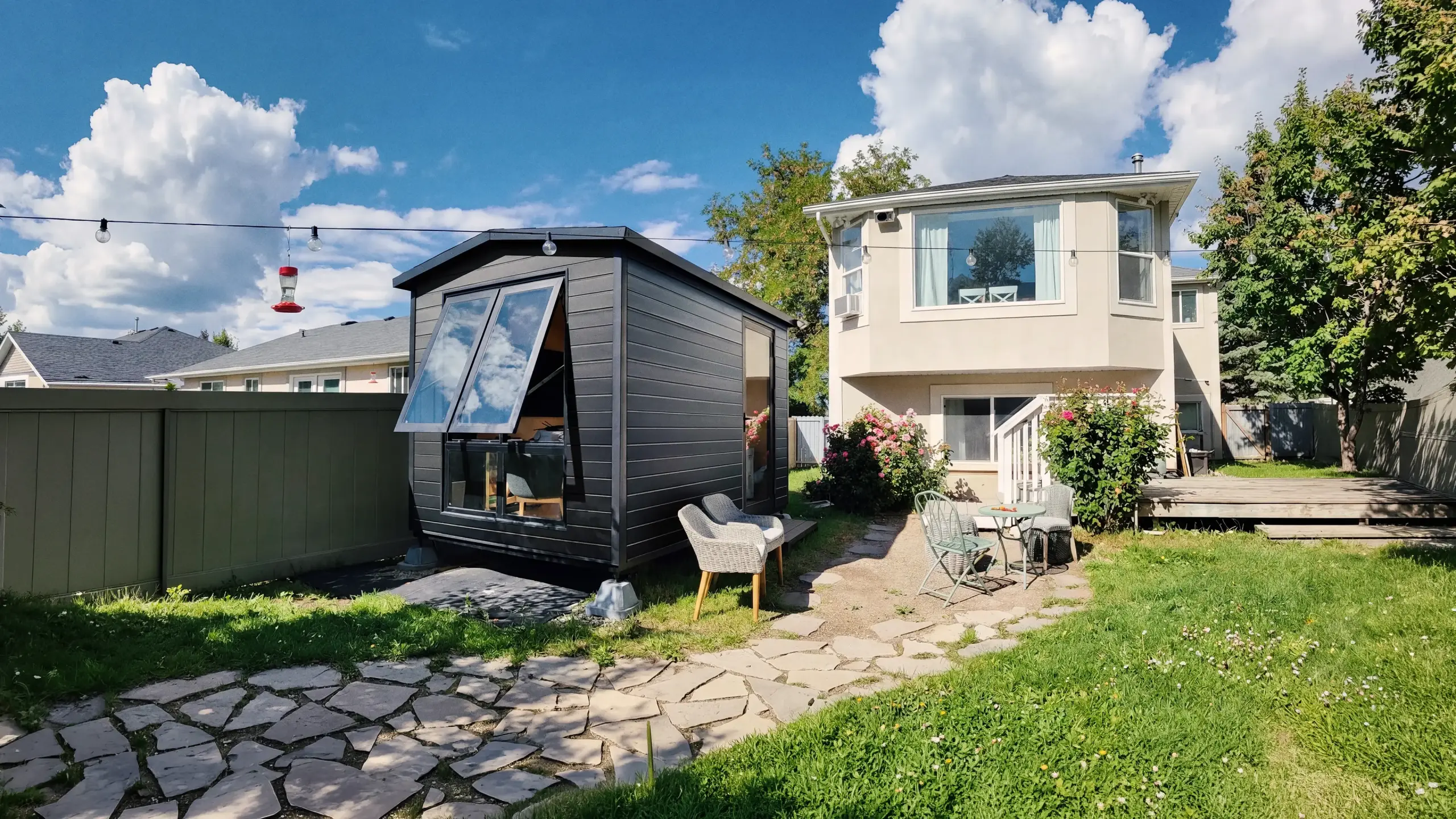
A backyard office pod is a small prefabricated standalone structure, usually 80-120 sq ft, used as a private workspace in the yard. In California the size matters legally: stay under 120 sq ft and the structure is exempt from a building permit; add plumbing or sleep in it and it becomes an accessory dwelling unit (ADU) under state law, which requires full permitting. A WorkPod is built as a work pod, not a dwelling, which keeps it in the simpler category.
Do you need a permit for a backyard office pod in California?
In California, a detached backyard office pod under 120 sq ft does not require a building permit for the structure, under California Building Code Section 105.2 - but because an office pod is wired, the electrical work usually needs its own permit, and setbacks, height limits, and fire-zone rules apply regardless of size. As of June 2026, that is the statewide baseline; some counties are stricter.
Here is what each rule actually does:
Rule | What it means for a backyard office pod |
Building permit | Not required for the structure if it stays under 120 sq ft, one story, and within local height caps (often 12 ft) |
Electrical permit | Usually required, because the pod is wired - the size exemption covers the building, not the utilities |
Setbacks | Apply at any size; common limits are 3-5 ft from side and rear property lines, more from the front. Set by your city or county |
Fire (WUI) zones | A pod in a Wildland-Urban Interface fire zone can need a permit even when it would otherwise be exempt |
ADU rules | Triggered only if you add plumbing or use the pod as living or sleeping space |
Two jurisdiction-specific warnings worth checking before you buy. First, Orange County requires a building permit for all structures, ignoring the state size exemption. Second, Los Angeles follows the state standard but adds placement rules: a 5 ft setback from side property lines and 15 ft from the rear in most residential zones. Sacramento County exempts pods under 120 sq ft but still enforces a 5 ft property-line setback. The pattern holds statewide: the structure clears the building permit under 120 sq ft, the wiring needs an electrical permit, and zoning decides where it can sit. Call your local building department with your exact address before ordering.
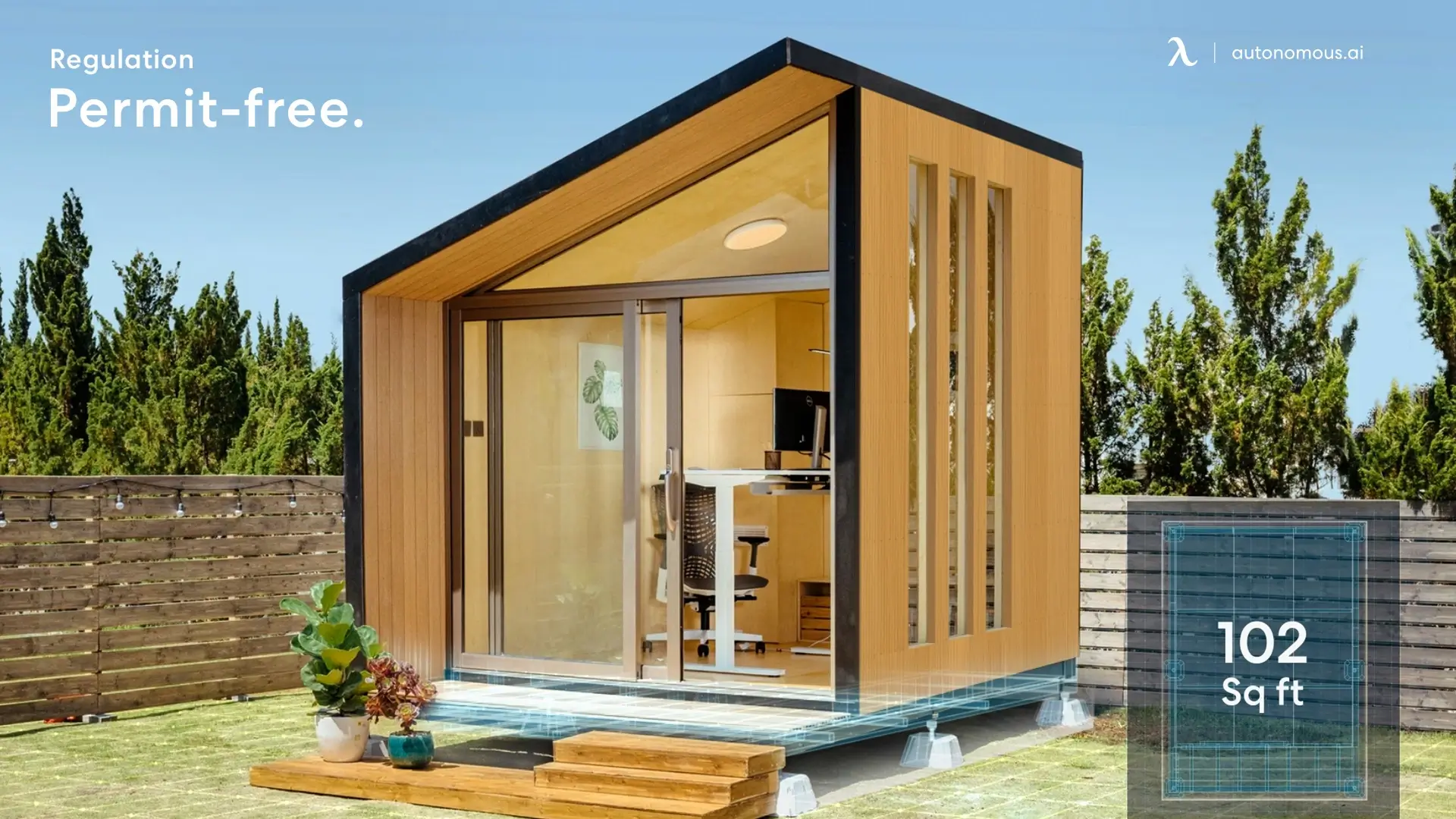
Why the no-slab base helps in California
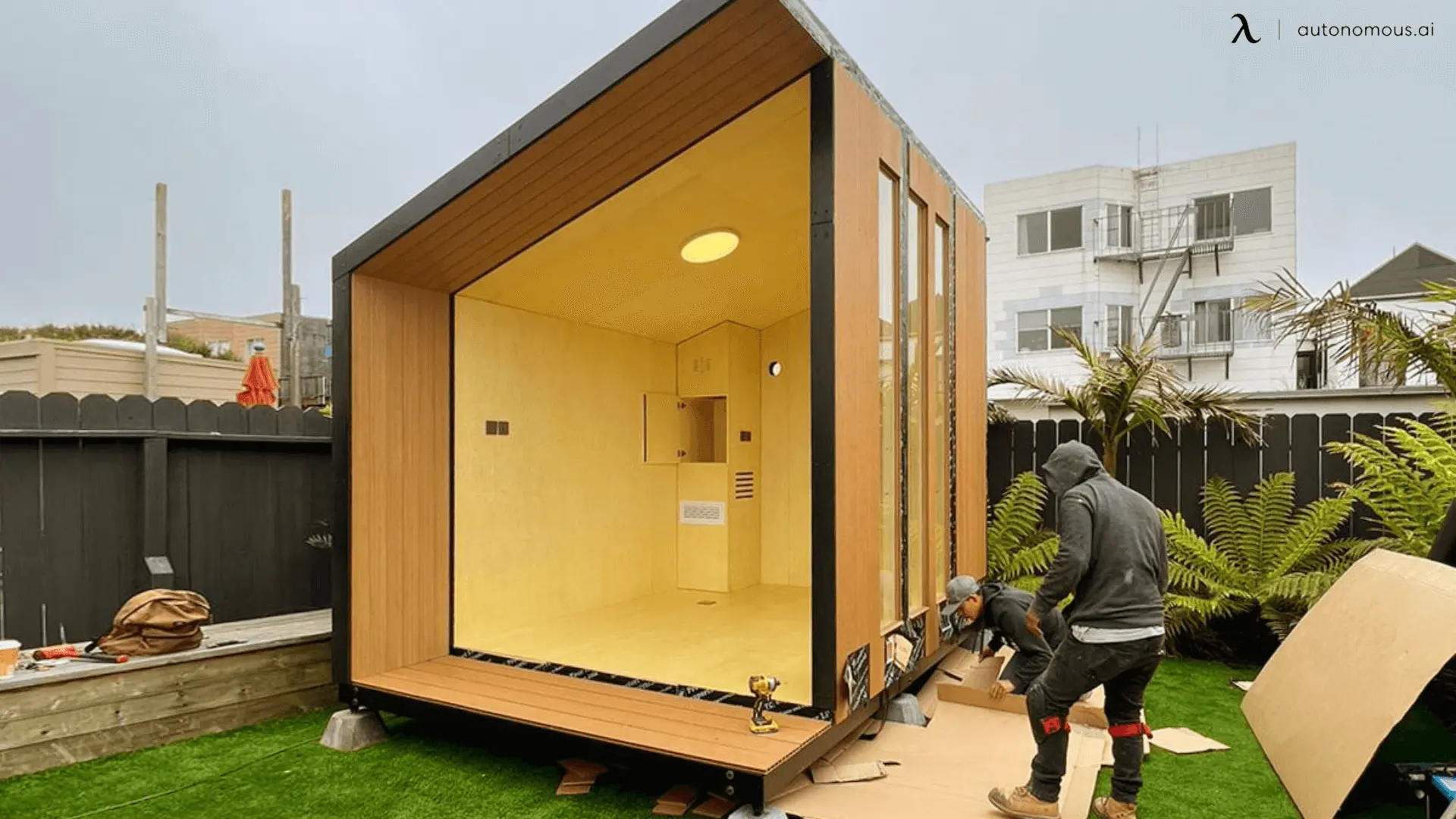
A WorkPod sits on an adjustable, no-slab base that levels on slopes and common surfaces, so there's no poured concrete foundation. That matters in California for two reasons: it removes a foundation permit and inspection step, and it suits the hillside and uneven lots common across the state. A permanent foundation can also push a structure toward needing a permit in some jurisdictions, so skipping the slab keeps the simpler path open.
How much does a backyard office pod cost in California?
A turnkey backyard office pod in California costs about $12,000-$30,000 installed, with the WorkPod Versatile listed at $23,900. Add an electrical trench to your panel (roughly $10/ft, ~$1,000 typical), delivery, and the electrical permit fee for the all-in number. California's higher electricity rates also make a solar-equipped pod worth costing out against a grid-tied one plus your monthly utility bill.
Why the Autonomous WorkPod fits California backyards
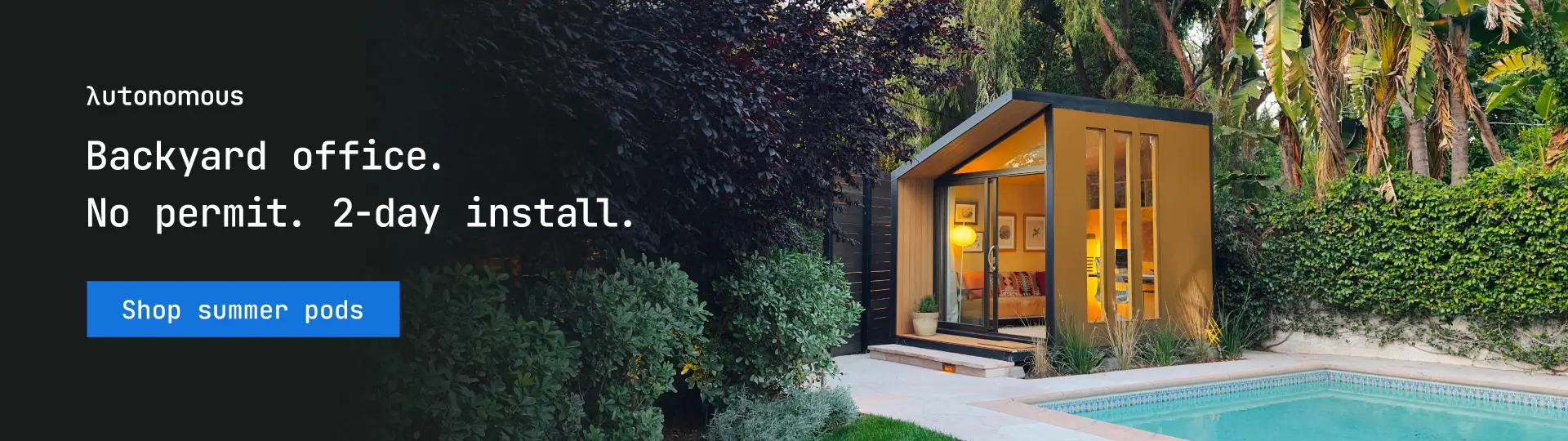
The Autonomous WorkPod is built for the California buyer specifically: it is made by a California-based company, ships across the state, and every model is sized under the 120 sq ft permit threshold. It is also the only backyard office pod you can tour and test before buying. Each unit arrives pre-wired, insulated, and ready in one to two days, with a heating and cooling unit for year-round use through inland summers and cool coastal nights. The insulation matters more than the AC alone in valley heat - an uninsulated shed conversion struggles where a sealed, insulated pod holds temperature.
Honest tradeoff: a WorkPod is a premium, ready-made structure, not a budget shed. If your ceiling is a few thousand dollars, a DIY kit is the realistic route, and the price guide linked above covers that path.
All four WorkPod models stay under 120 sq ft, so the choice is about space and how you work, not about permits.
Model | Size | Best for in California |
80 sq ft | Tight urban lots and first offices; insulated, heating/cooling, glass door and window | |
102 sq ft | A full daily office with multi-monitor desk and storage; insulation rated ~45-100°F | |
105 sq ft | Studio, gaming, or guest use; three glass walls, five outlets, furnished option; $23,900 |
For a small backyard or a first dedicated office, the MetroPod fits. For full-time work, the WorkPod Pro has room for a real desk setup. For multi-use space, the WorkPod Versatile adds glass walls and outlets. If your driver is California energy bills or grid reliability, price the Solar model against a grid-tied pod plus your utility rate.
.webp)
.webp)
FAQs
Do you need a permit for a backyard office pod in California?
In California, the structure is exempt from a building permit under 120 sq ft per Building Code Section 105.2, but the electrical hookup usually needs its own permit, and setbacks and fire-zone rules apply. Some counties, like Orange, require a permit for all structures.
What size backyard office pod can I build in California without a building permit?
Under 120 sq ft, one story, and within your local height cap (often 12 ft). Every Autonomous WorkPod model is 80-105 sq ft to stay under that line. Adding plumbing or living use makes it an ADU, which needs full permitting.
Does a wired backyard office pod still need a permit in California?
Yes, usually an electrical permit. The 120 sq ft exemption covers the building, not the utilities, so the wiring and panel connection are permitted separately even when the structure itself is exempt.
How much does a backyard office pod cost in California?
A turnkey backyard office pod in California costs about $12,000-$30,000 installed; the WorkPod Versatile is listed at $23,900. Add an electrical trench (~$10/ft), delivery, and the permit fee for the true all-in cost.
Do backyard office pods need a foundation in California?
Most do not. A WorkPod uses an adjustable, no-slab base that levels on slopes and common surfaces, so no poured foundation is required. Skipping the slab also avoids a foundation permit and inspection step on uneven lots.
Does Autonomous deliver WorkPods across California?
Yes. Autonomous is California-based and ships statewide, including the San Francisco Bay Area, Los Angeles, San Diego, and Sacramento. Setup runs one to two days on the adjustable base.
Can you use a backyard office pod year-round in California?
Yes, with real insulation and a heating/cooling unit a WorkPod stays comfortable through inland summers and cool nights. Insulation matters more than the AC alone; an uninsulated shed struggles in valley heat.
What is the best Autonomous WorkPod for a California backyard?
The 80 sq ft Core suits tight lots, the 102 sq ft Pro suits full-time work, the 105 sq ft Versatile suits multi-use, and the Solar model suits high energy costs or outage-prone areas. All four stay under the 120 sq ft permit threshold.
When does a backyard office pod become an ADU in California?
A pod becomes an ADU when it adds plumbing or is used as living or sleeping space. ADUs follow California's statewide ADU law and require full permitting. A work-only pod under 120 sq ft avoids that path.
Are backyard office pods soundproof enough for video calls?
Quality pods cut outside noise by roughly 30 dB or more with acoustic panels and double-pane glass, enough for clear calls and focused work. No pod fully silences very loud nearby sources.
How to choose and what to do next
Work the steps in order. Confirm your city or county permit threshold, setback distances, and whether your address is in a fire zone. Measure usable yard space and leave room for the door swing and a path. Set an all-in budget that includes the electrical permit and trench. Then size the pod to your work. Once you have those, the model table above points to the right WorkPod.