A Complete Guide for an Employee Wellbeing Strategy

.webp)
Workplace wellness for organizations has long been an issue. It's been called a waste of time and money in the past. However, there can be a change. We're seeing how putting a focus on an employee well-being strategy can help to prevent burnout and stress.
As more companies recognize the value of employee health, we're seeing how it can assist to reverse employee burnout and reduce stress, attrition, and absenteeism, according to research.
It is feasible to measure and act on workplace well-being, and it is critical. Employee absenteeism, sick leaves, productivity, and retention data can all be used to assess the wellbeing of your workforce. Furthermore, with the help of employee feedback tools like Culture Amp, businesses may improve their staff engagement.
If you don't have a formal employee wellbeing program in place and aren't sure where to begin, this article can walk you through the process of creating one.
Recognize the Importance of Employee Wellbeing Strategy in Your Company
Well-being can mean different things to different people. For some, it’s about overall experience, happiness, and contentment at work-covering everything from morale to staffing and productivity. Others view it through a mental health lens, prioritizing access to counseling and mental wellbeing support. Many companies also promote physical health through initiatives like healthy eating programs and workplace fitness activities.
In reality, there’s no single definition. Well-being often combines elements of physical, emotional, and cognitive well-being, all of which influence how an employee feels about their role and environment.
A strong employee wellbeing strategy typically begins with efforts to reduce stress and workload, creating conditions where employees can thrive both personally and professionally. Over time, these initiatives can boost engagement, retention, and overall company success.

Why You Should Consider Developing an Employee Wellbeing Strategy
Boosting employee well-being in the workplace is an important step in caring for your employees and improving organizational performance.
One way to ensure that employee well-being is prioritized is to design an employee well-being strategy that can be updated on a regular basis in order to foster a healthy work environment.
Your workforce's financial, physical, and mental well-being would be the emphasis of an employee wellbeing strategy. It should take into account both urgent assistance and longer-term positive and preventative actions to help people succeed at work.
Employee wellbeing strategies that are effectively thought out and implemented have been shown to boost employee engagement, which leads to improved organizational performance. According to Sweet Process organizational behavior influences workplace culture can also support wellbeing strategies, since patterns of communication, leadership, and collaboration directly affect employee satisfaction.
Furthermore, each organization, its people, and its needs must have its own employee purchase program. We provide helpful information on what organizations can focus on in their strategies in this guide. Additionally, we look at how to boost employee engagement with a wellness strategy, as well as how to track the effectiveness of initiatives for ongoing improvement.
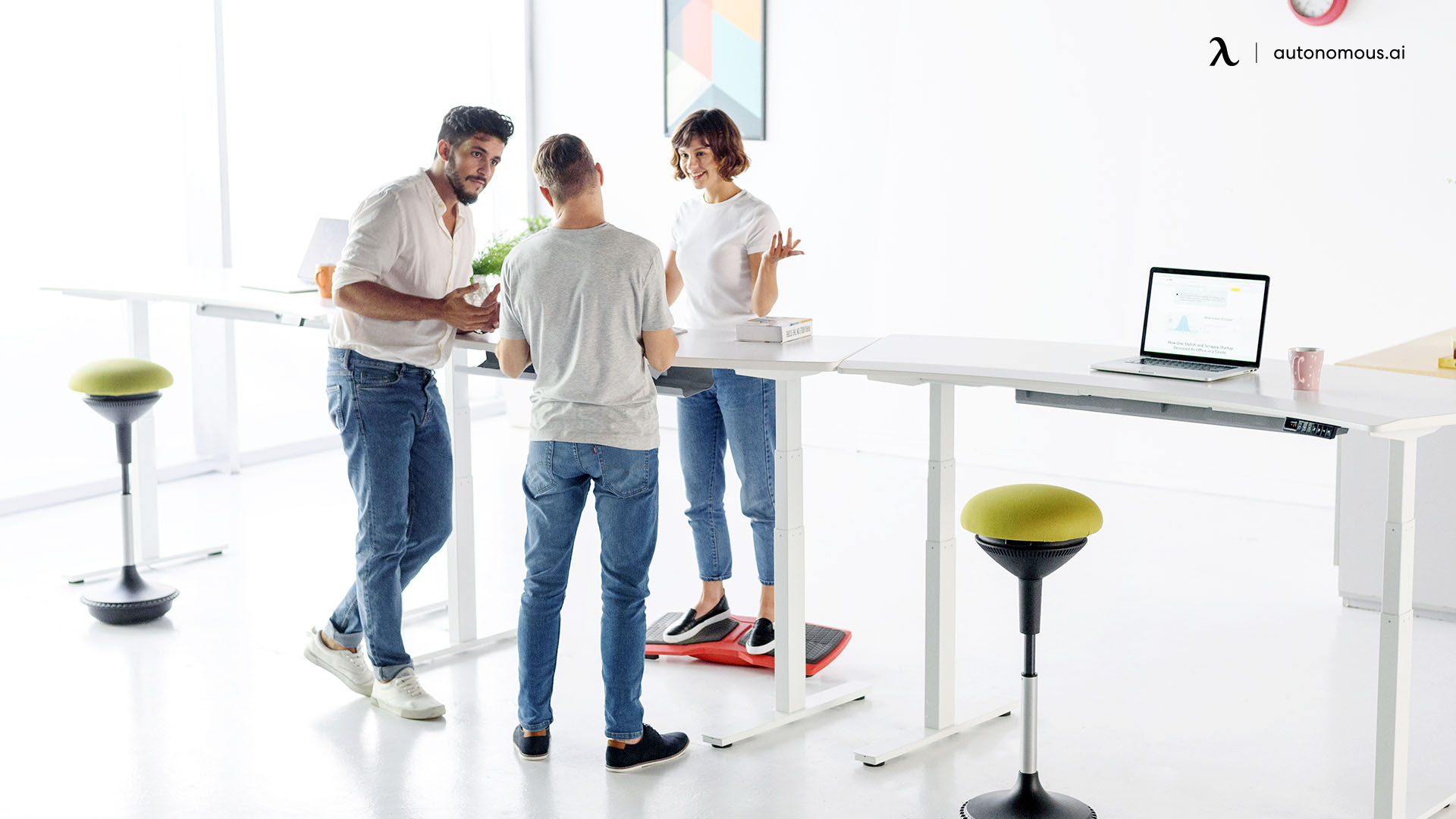
How to Involve Employees in Your Wellness Plan
It is necessary to involve employees in the development of the employee wellbeing strategy and to determine the areas that demand the most investment and attention. Keep in mind that as the workplace wellbeing strategy is implemented over the medium and long term, you need to think about how to keep your personnel engaged.
1. Branding
Effective marketing is critical, as it is with all tactics. Consider ways to make the wellbeing strategy's display and resources eye-catching, interesting, and fun in order to build interest in the programs and get people talking.
2. Scheduling that Works
If you have a shift-based workforce, make sure there is a range of wellness activities available throughout all shifts. You can also make wellbeing resources easier to access by adding QR codes to office posters, onboarding materials, wellness calendars, or activity sign-up sheets. Tools like Uniqode can keep those QR destinations editable as programs, resources, or participation links change.
3. National Trends are Reflected
You might link certain national awareness days, such as World Mental Health Day, to the activities you're doing as your wellbeing strategy matures and adjust your offering to developing health issues.
4. Line Managers' Responsibilities
Line managers should set an example by participating in the employee wellbeing strategy's activities. They can involve their teams in strategy discussions by promoting involvement and feedback.
This can benefit line managers in the long run as they begin to notice gains in their team's productivity and well-being. It can also have a good impact on their team's performance.
5. Office Aesthetic
Working at an office can be really exhausting. With the addition of a few items, this experience can be made more delightful. Including some supplies in your office design ideas can make working much more enjoyable, and some of them can significantly improve the aesthetics of your workspace.
There are a handful of must-have office products that can make a huge difference in your work environment. Some of them can help you be more productive, while others can make your workstation more appealing to the eye, and yet others can just make the experience more fun.
A number of home office furniture necessities are required for a pleasant and successful home setup. Everything in your home office setting, from ergonomically designed to tiny paper clips, should serve a function.
There are plenty of excellent items on the market to take your home office to the next level, from mental wellness to ergonomics, time management to organizing.
A workstation is at the heart of any effective and customized work-from-home setup.
Your choice of desk is crucial, from being the dependable plane that contains all of your necessary office equipment to standing firm while you write, call, and brainstorm throughout the day.
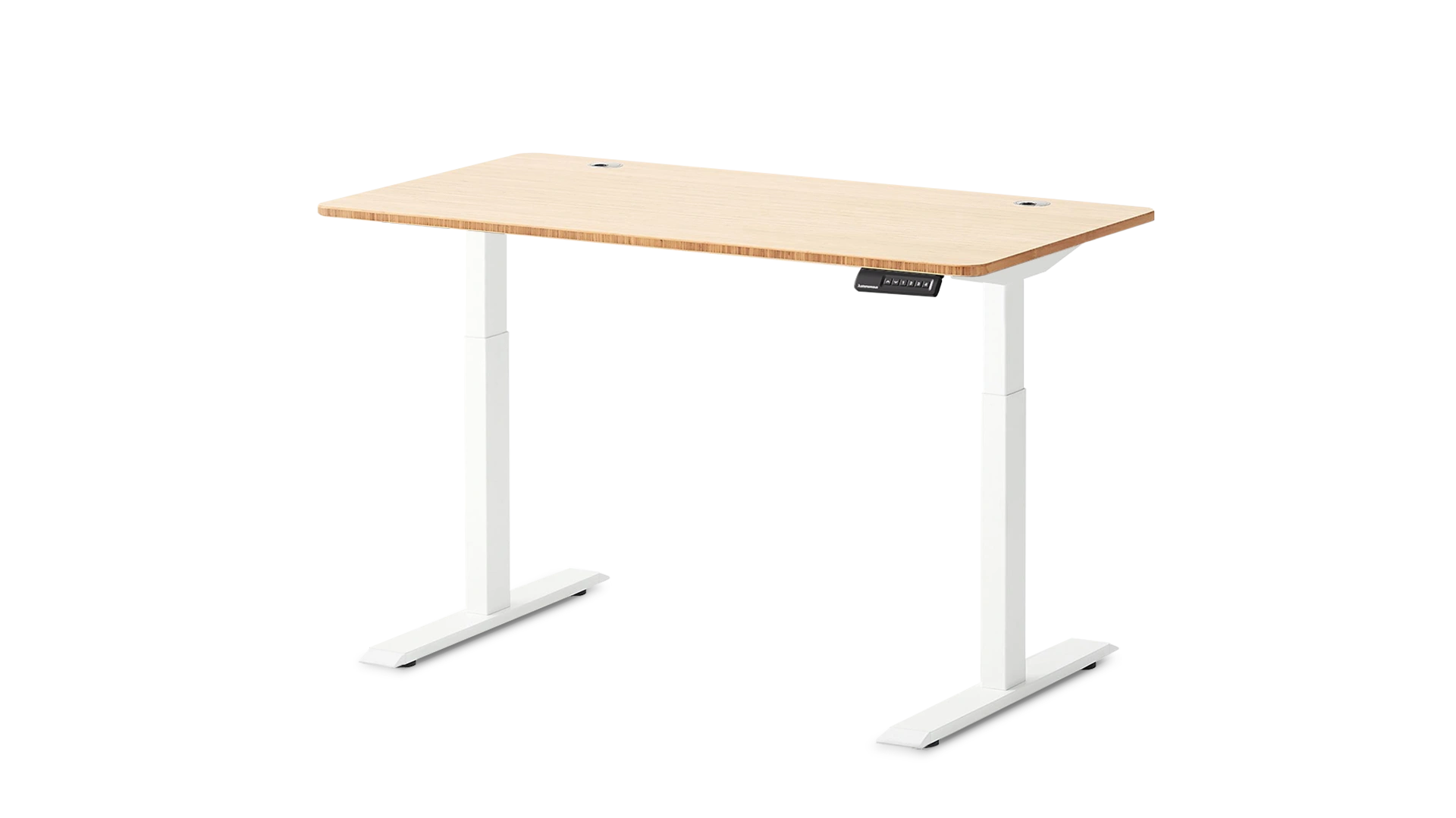
During the day, you should try to change your work position, both sitting and standing. You can accomplish just that with an adjustable standing desk.
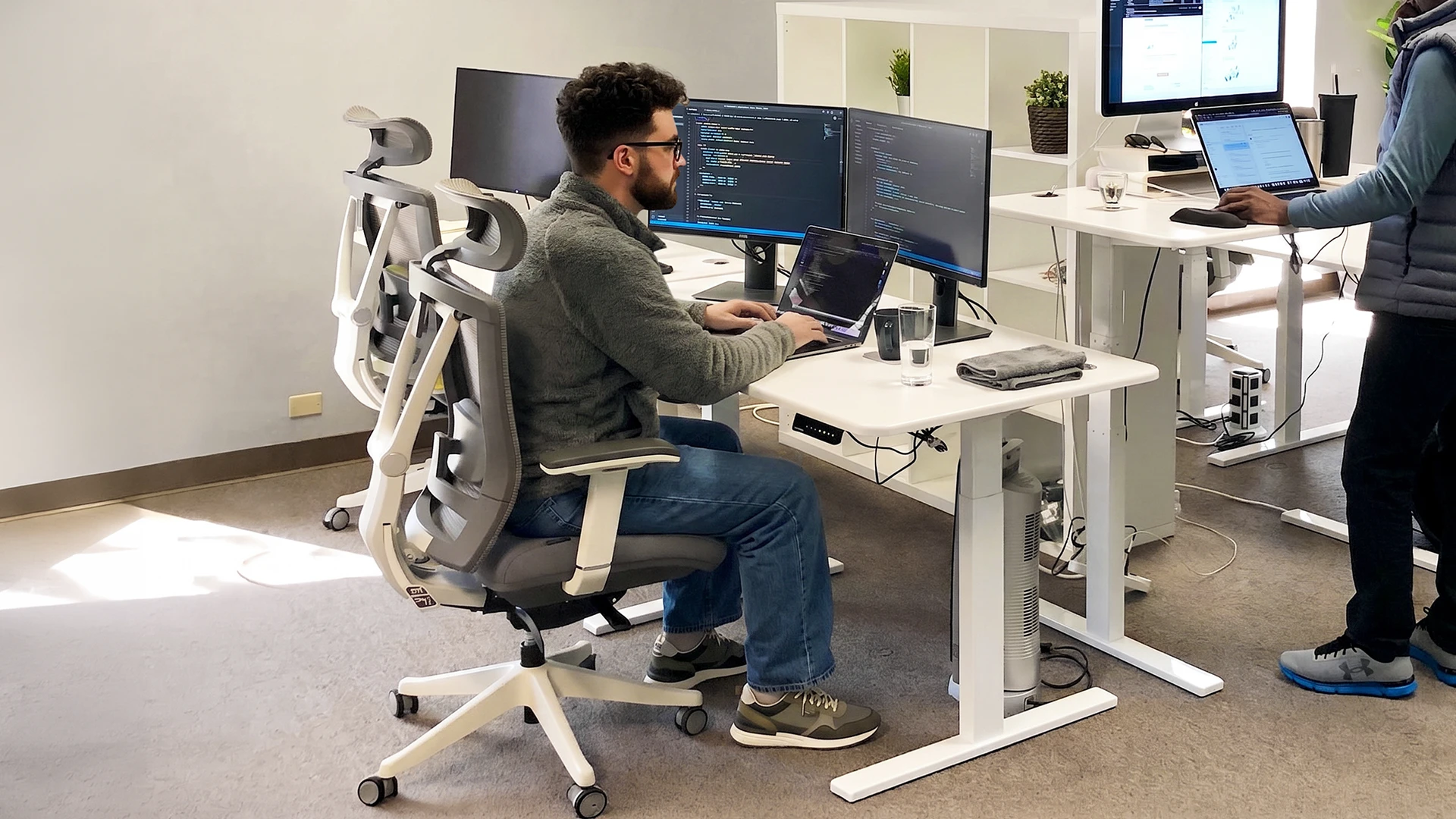
Your desk chair is probably more significant than your desk when it comes to your health. Many office chairs lack the support required to keep you comfy and in the proper position for lengthy stretches of time. So, it’s time for a new one - an ergonomic chair.
.webp)