15 Best Bunkie Kits for Your Cottage or Backyard
Every cottage owner hits the same wall eventually: more guests than beds. A bunkie solves it without an addition, and the fastest route to one is a kit. The catch is that bunkie kits now span everything from a bare pine shell you frame yourself to a fully wired pod that arrives on a truck, and the right pick depends on your winters, your local permit rules, and how much building you actually want to do. This guide compares 15 kits across that whole range, explains what they cost, and covers the permit math for both Canada and the US before you commit a corner of your property.
What is a bunkie?
A bunkie is a small sleeping cabin, usually 80 to 160 square feet, built near a cottage or house to add guest beds without an addition. The word comes from bunkhouse and is most common in Ontario cottage country, where the typical bunkie is sized to stay under the local permit threshold. Most bunkies skip plumbing and full electrical for exactly that reason.
That size logic shapes the whole category. Almost every kit in this guide clusters just below one of two numbers: 161 square feet in Ontario or 200 square feet in much of the US. Those are permit lines, not design choices, and they explain why so many bunkies look like a 10 by 10 box with a loft.
How much does a bunkie kit cost?
Most bunkie kits cost between roughly $3,400 and $27,000, and office pod prices change periodically, so treat every figure in this guide as a starting point rather than a quote. The spread comes down to what arrives on the truck.
What you're buying | Typical range | What's included |
|---|---|---|
Shell kit (pre-cut lumber) | $3,400 - $10,000 | Walls, roof, floor structure. No insulation, no wiring |
Log or panel kit with loft | $16,000 - $27,000 | Larger footprint or loft, tongue and groove structure |
Pre-wired pod | $18,900 - $22,900 | Insulated, wired, glazed, installed in 1 to 2 days |
Do you need a permit for a bunkie?
In Ontario, a detached structure of 15 square metres (161 square feet) or less with no plumbing does not need a building permit under the Ontario Building Code, a threshold that was raised from 10 square metres in January 2022. In much of the US, the 2021 International Residential Code exempts one-story detached accessory structures of 200 square feet or less, though many cities and counties amend that number down, with 120 square feet still common.
Two traps hide inside those exemptions. First, zoning still applies even when a building permit does not: setbacks from lot lines, shoreline rules, and lot coverage limits can all stop a bunkie that needs no permit on paper. Second, the exemption covers the structure, not everything you do to it. Adding plumbing, a wood stove, or hardwired electrical typically triggers its own permit in both countries. Check your municipality before ordering, not after the truck arrives.
How we picked these kits
A kit made this list only if it is built for sleeping, sized against a real permit number, and documented enough to compare honestly. The first filter alone cuts the storage sheds and greenhouse kits that pad most roundups of this category.
The permit filter is visible in the comparison table below: every fixed-size pick stays under the IRC's 200 square foot exemption, and all but the Rockwood 199 stay under Ontario's 161 square foot line. The documentation filter is why each entry names what actually arrives, a bare shell, a structural kit, or a finished building, since that one fact predicts your real cost and timeline better than the sticker price, and why the price column says site quote wherever a maker doesn't publish one, instead of a guess. It is also why the three Autonomous backyard pods carry their comfort-range numbers, 45 to 100°F, and 65 to 90°F on the MetroPod, rather than a four-season claim they can't meet.
The 15 best bunkie kits
Prices below were checked in September 2026 and change periodically. Where a manufacturer quotes by configuration, the price column says site quote.
Kit | Size | Type | Price | Best for |
|---|---|---|---|---|
Bunkie Life Chalet | 104.6 sq ft | Log-style DIY kit | $9,995 | Classic cottage bunkie |
Bunkie Life Cabana | 106.6 sq ft | Log-style DIY kit | $9,995 | Modern flat-pack look |
Bunkie Life Haven ULTRA | 104.6 sq ft + 120 sq ft loft | Log-style kit with loft | $16,995 | Most beds under the permit line |
Bunkie Life Rockwood 199 | 199 sq ft | Log-style DIY kit | $16,995 | Larger US-threshold builds |
Bunkie Life Alcove 160 | 160 sq ft + loft | Log-style kit with loft | $26,495 | Premium family bunkie |
Bunkie Life Bathroom Bunkie | 34 sq ft | Add-on outbuilding | $3,395 | Adding a washroom nearby |
Heartland Bunkies | varies | Log-style DIY kit | site quote | US buyers wanting the Bunkie Life system |
Jamaica Cottage Shop 8x10 Bunkie | 80 sq ft | Pre-cut timber shell | $4,232 | Lowest-cost real shell |
Summerwood Bala | ~100 sq ft + 130 sq ft loft | Cedar kit, custom sizes | site quote | Cedar finish, dormer loft |
The Bunkie Co. | varies | Turnkey modern bunkie | site quote | Designed, delivered, done |
Sawmill Structures | varies | Manufacturer-direct kit | site quote | Budget direct-from-mill |
Cedarshed Bunkhouse | varies | Cedar panel kit | site quote | Kids' bunk space |
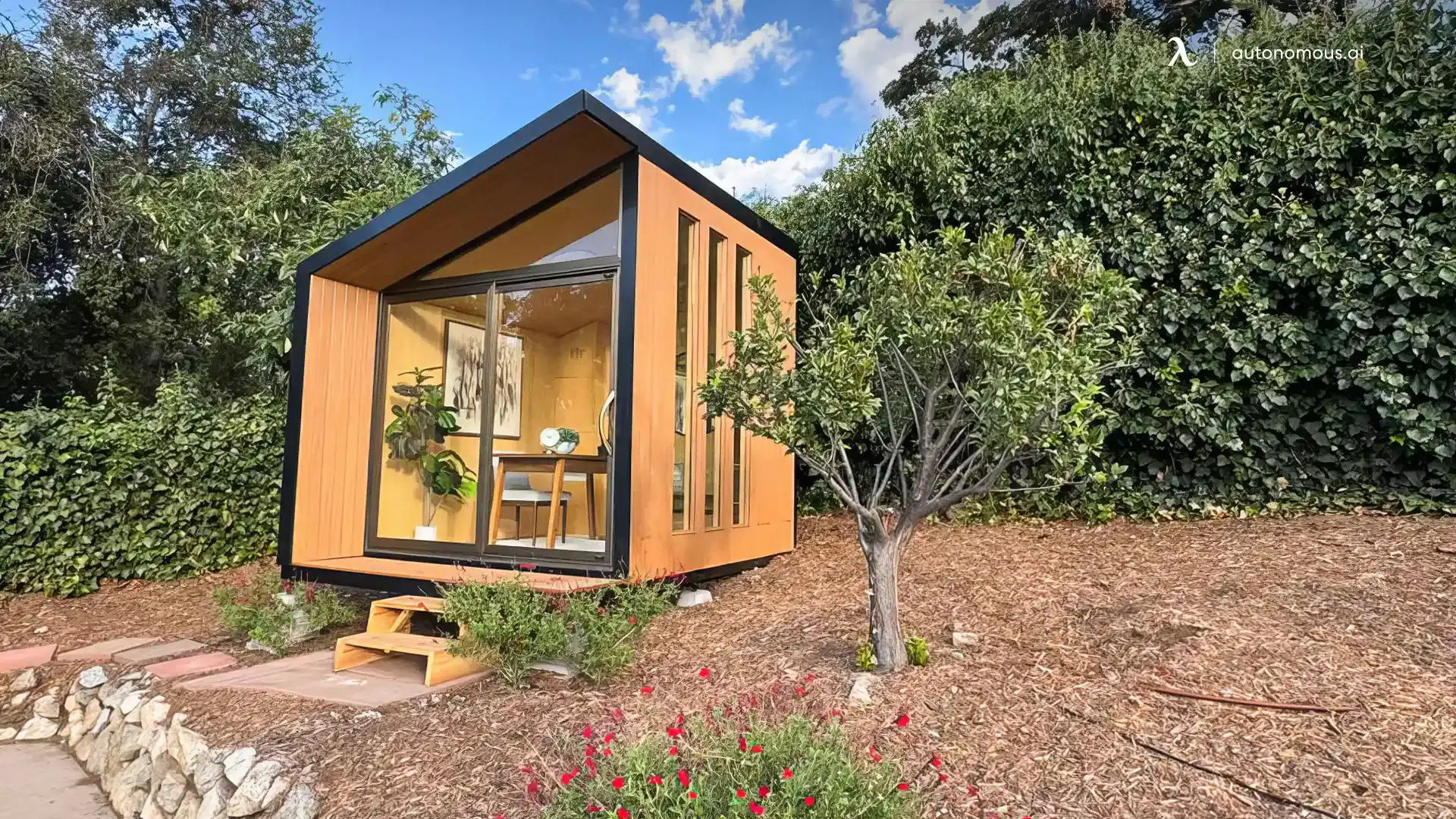
Autonomous MetroPod | 80 sq ft | Pre-wired pod | $18,900 | Small yards, mild climates |
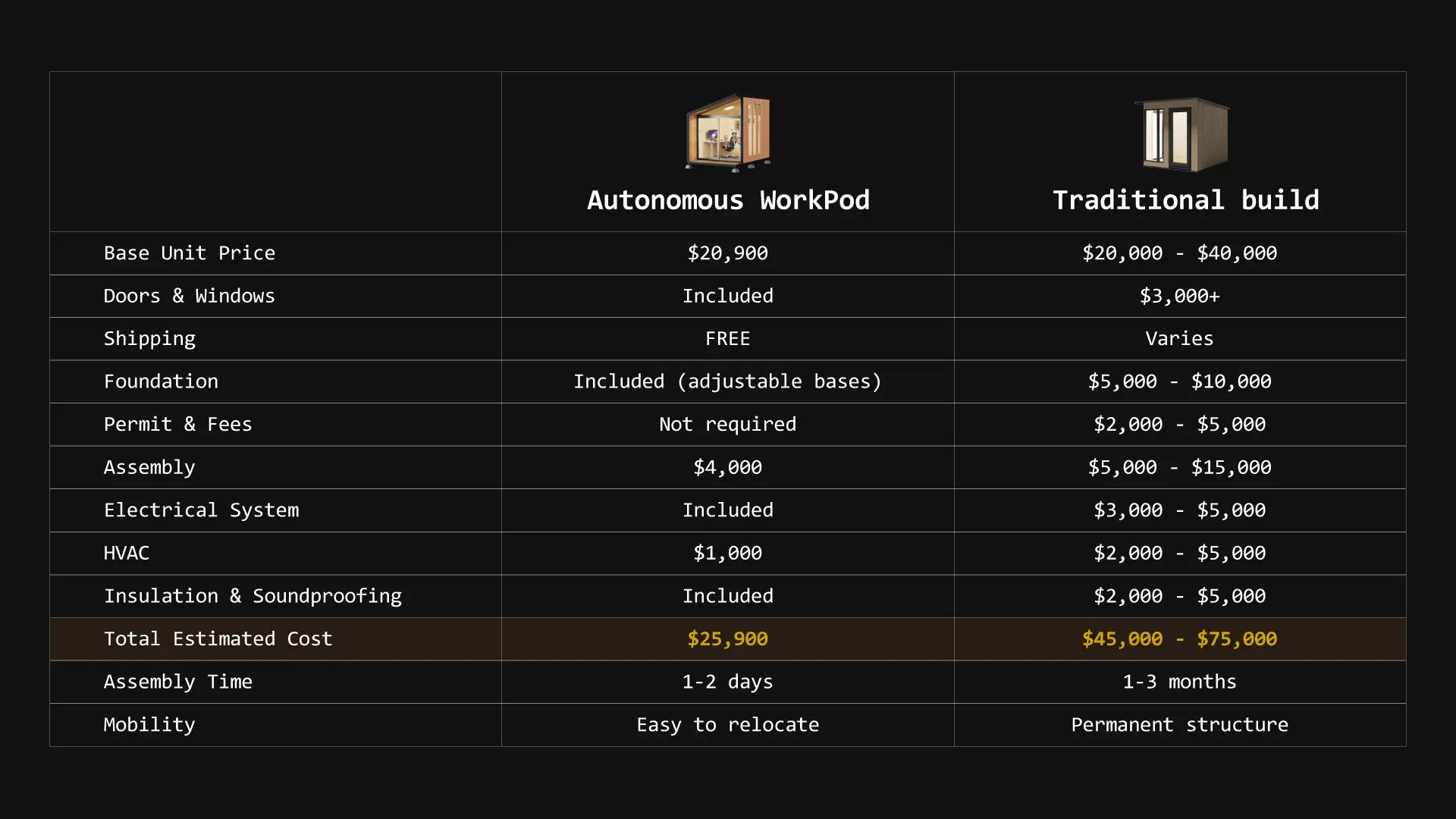
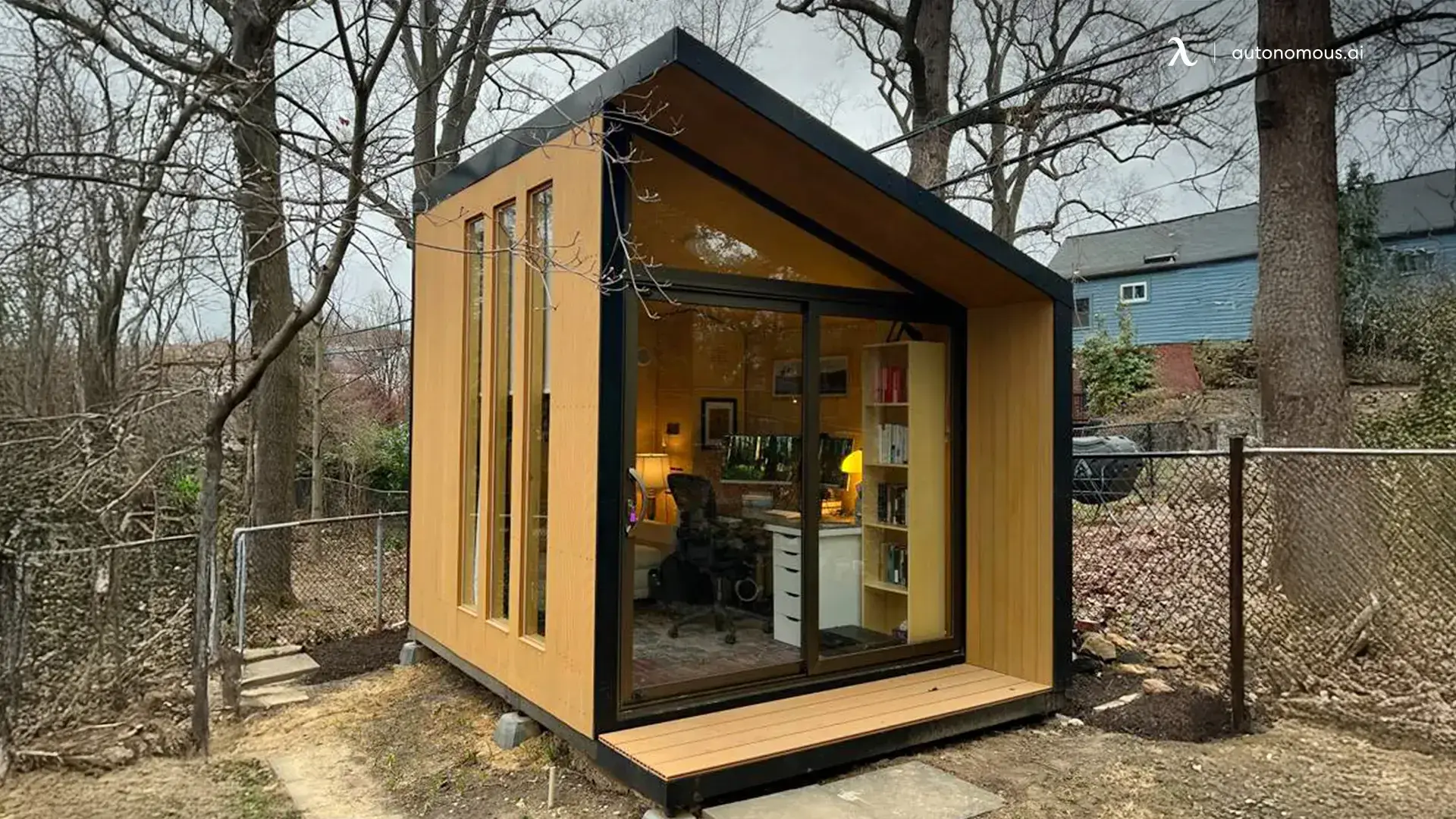
Autonomous WorkPod | 102 sq ft | Pre-wired pod | $20,900 | Office by day, guest room by night |
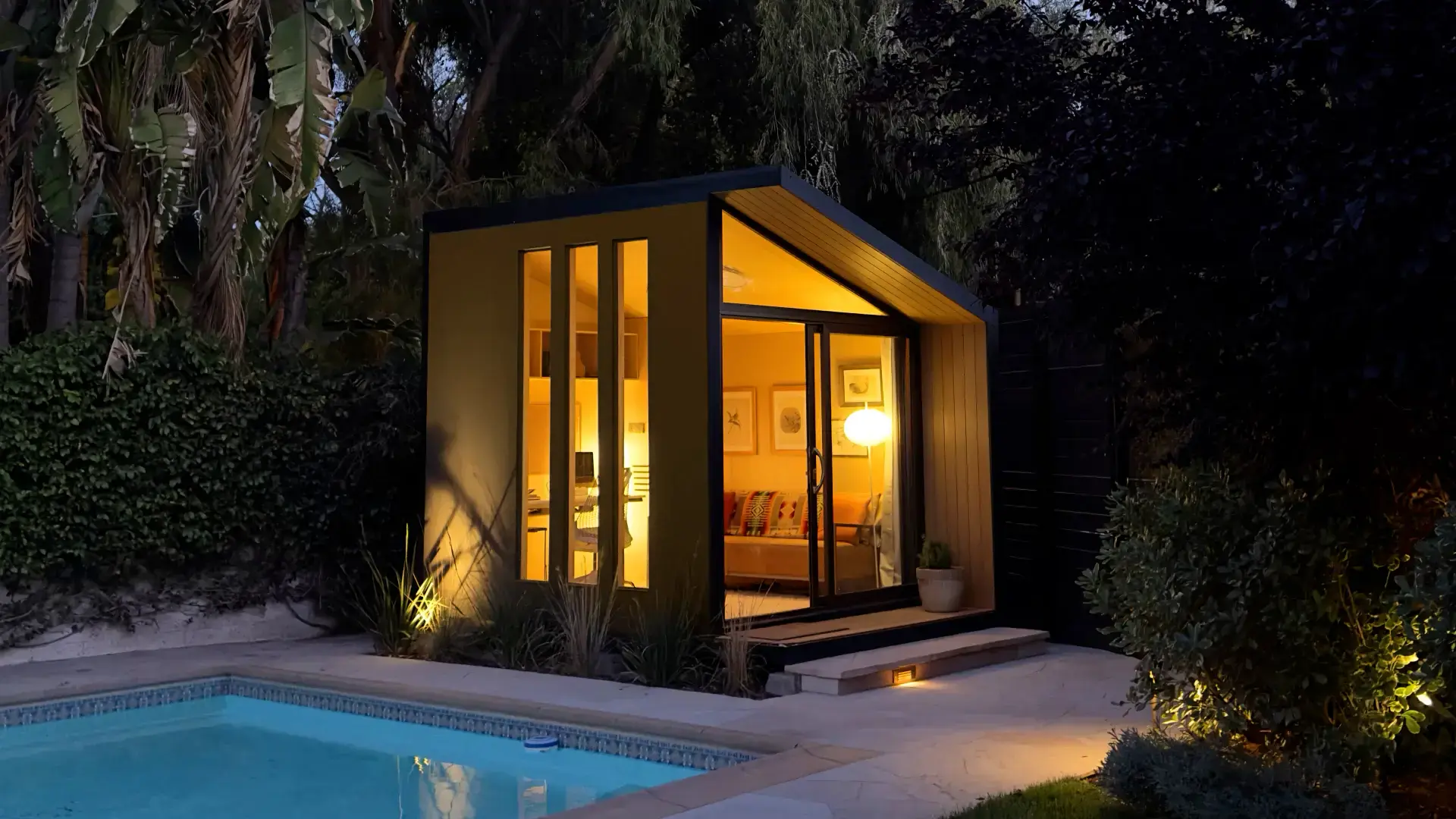
Autonomous StudioPod | 105 sq ft | Pre-wired pod | $22,900 | Brightest guest space |
1. Bunkie Life Chalet
The Chalet is the template bunkie: a 10 by 10 footprint that stays under Ontario's 161 square foot permit line, with pre-cut tongue and groove timbers that stack like oversized building blocks. Bunkie Life says a family can raise one in a few days, and the airtight tongue and groove fit is the reason the format works for beginners. Insulation and electrical are not included, which is typical for this class. Ships across Canada and the US.
2. Bunkie Life Cabana
The Cabana trades the Chalet's gable cottage look for cleaner lines at nearly the same size and the same price. Same tongue and groove system, same DIY-in-days assembly claim, same bare-bones interior until you finish it. Pick between the two on looks alone.
3. Bunkie Life Haven ULTRA with loft
The Haven ULTRA fits the most beds under a permit threshold of anything in this list, because its 120 square foot sleeping loft doesn't count toward the ground footprint in most municipalities. A ground floor of about 105 square feet plus that loft gives you space for a family without a building permit in Ontario. Confirm how your own municipality measures lofts before relying on this, since not all count area the same way.
4. Bunkie Life Rockwood 199
The Rockwood 199 is built for the US market's higher threshold: 199 square feet, one foot under the IRC's 200 square foot exemption. That extra 90-plus square feet over a classic bunkie is the difference between a bedroom and a bedroom with a sitting area. In Ontario it crosses the 161 square foot line and needs a permit, so this one makes more sense south of the border or on properties where you're permitting anyway.
5. Bunkie Life Alcove 160 with loft
The Alcove 160 is the premium pick in the log-kit class: a 160 square foot main room, a loft above, and an addition bump-out that breaks up the standard square silhouette. It costs more than some finished pods, so it's for buyers who specifically want the log cabin feel at maximum legal size.
6. Bunkie Life Bathroom Bunkie
The Bathroom Bunkie answers the most common follow-up question in this category: where do guests wash up? It's a 34 square foot outbuilding sized for a toilet and sink or an outdoor shower setup. Remember the permit trap: the structure itself is small enough to be exempt, but adding plumbing triggers a plumbing permit in both Ontario and most US jurisdictions.
7. Heartland Bunkies
Heartland is the US arm of the Bunkie Life system, selling the same style of pre-cut log kits from a US base. For American buyers it mainly means simpler freight and support than ordering across the border. Model lineup and pricing are quoted on their site.
8. Jamaica Cottage Shop 8x10 Bunkie
This Vermont-cut kit is the cheapest way in this list to get a real, weather-tight bunkie shell. You get post and beam framing in hemlock, pine board and batten siding, plywood decking, and color-coded plans, and you supply the labor, insulation, and finish. Free nationwide shipping, though kits traveling over 300 miles arrive by freight and need a forklift or a few strong friends. Budget your finishing costs honestly: the shell is the cheap half of a livable bunkie.
9. Summerwood Bala
The Bala is the cedar option: western red cedar siding, a steep 10/12 roof with front and back dormers, and a half-storey loft that adds about 130 usable square feet over a roughly 100 square foot base. Summerwood cuts it in nearly a dozen footprint sizes, which matters if your setback or coverage rules force an odd footprint. Configure and price on their site.
10. The Bunkie Co.
The Bunkie Co. sells the closest thing to a finished modern bunkie in this list, designed and delivered rather than stacked from a kit. Their whole pitch is staying under permit thresholds with a contemporary glass-front design. It's the low-effort, higher-cost end of the true bunkie market; get a current quote from their site.
11. Sawmill Structures
Sawmill Structures sells manufacturer-direct bunkie and cabin kits, cutting out the dealer margin that's built into most kit pricing. Worth a quote if budget is the deciding factor and you're comfortable with a more hands-on buying process.
12. Cedarshed Bunkhouse
Cedarshed's Bunkhouse kits are panelized cedar buildings aimed at kids' sleeping space and light guest duty. Panels rather than logs means faster assembly but a lighter structure than the tongue and groove kits above. A fit for bunk beds and summer sleepovers more than adult year-round guests.
13. Autonomous MetroPod
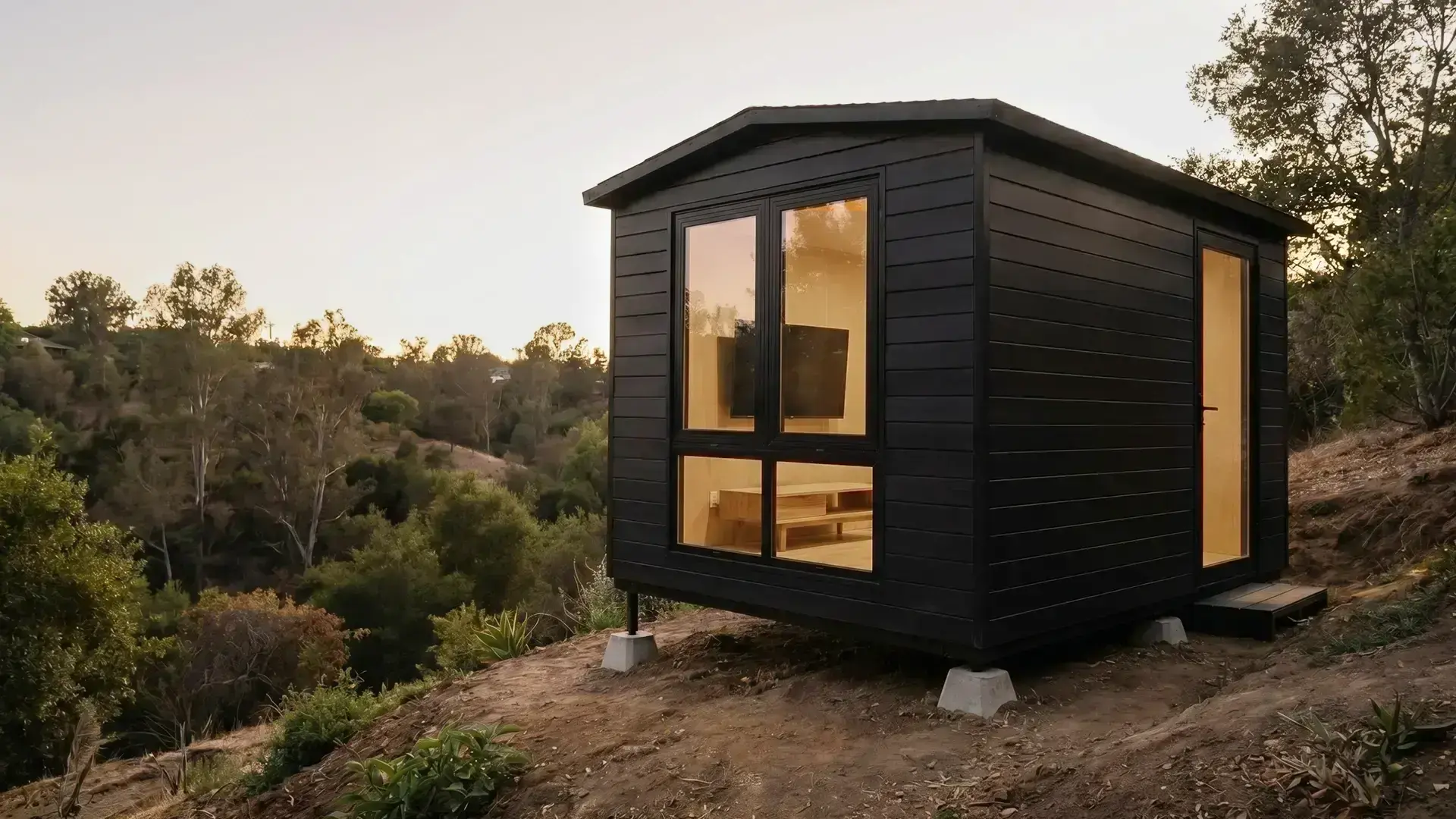
The MetroPod is the small-yard pod: 80 square feet on a pedestal base with adjustable feet, so it sets up on grass or gravel with no slab and no excavation. It arrives pre-wired with two outlets and an Ethernet port, which no true bunkie kit in this list can claim. Its honest limit is climate: five insulation layers and a 65 to 90°F comfort range make it a three-season space, not a winter bunkie. It stays below the permit threshold in most US cities.

14. Autonomous WorkPod
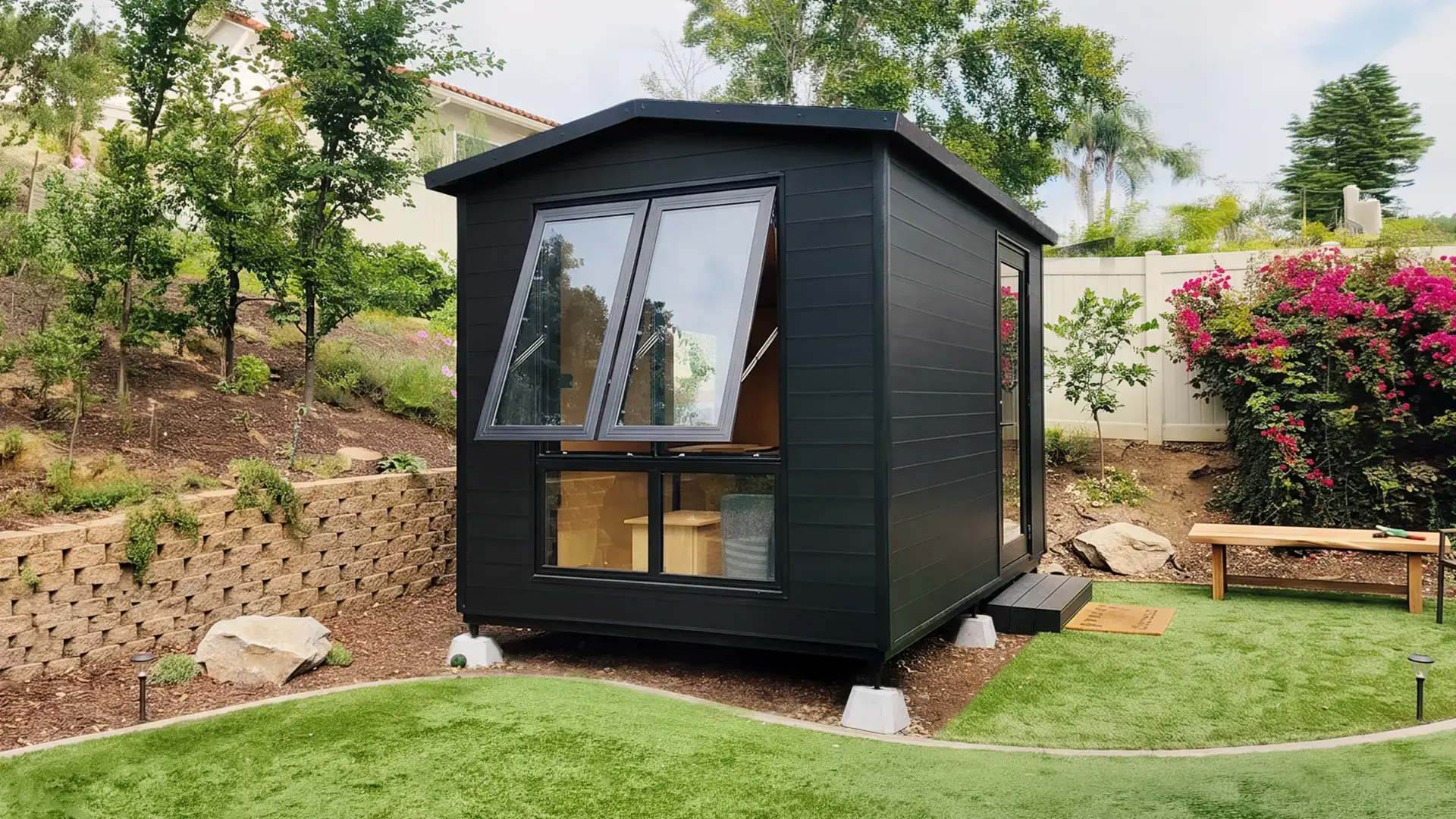
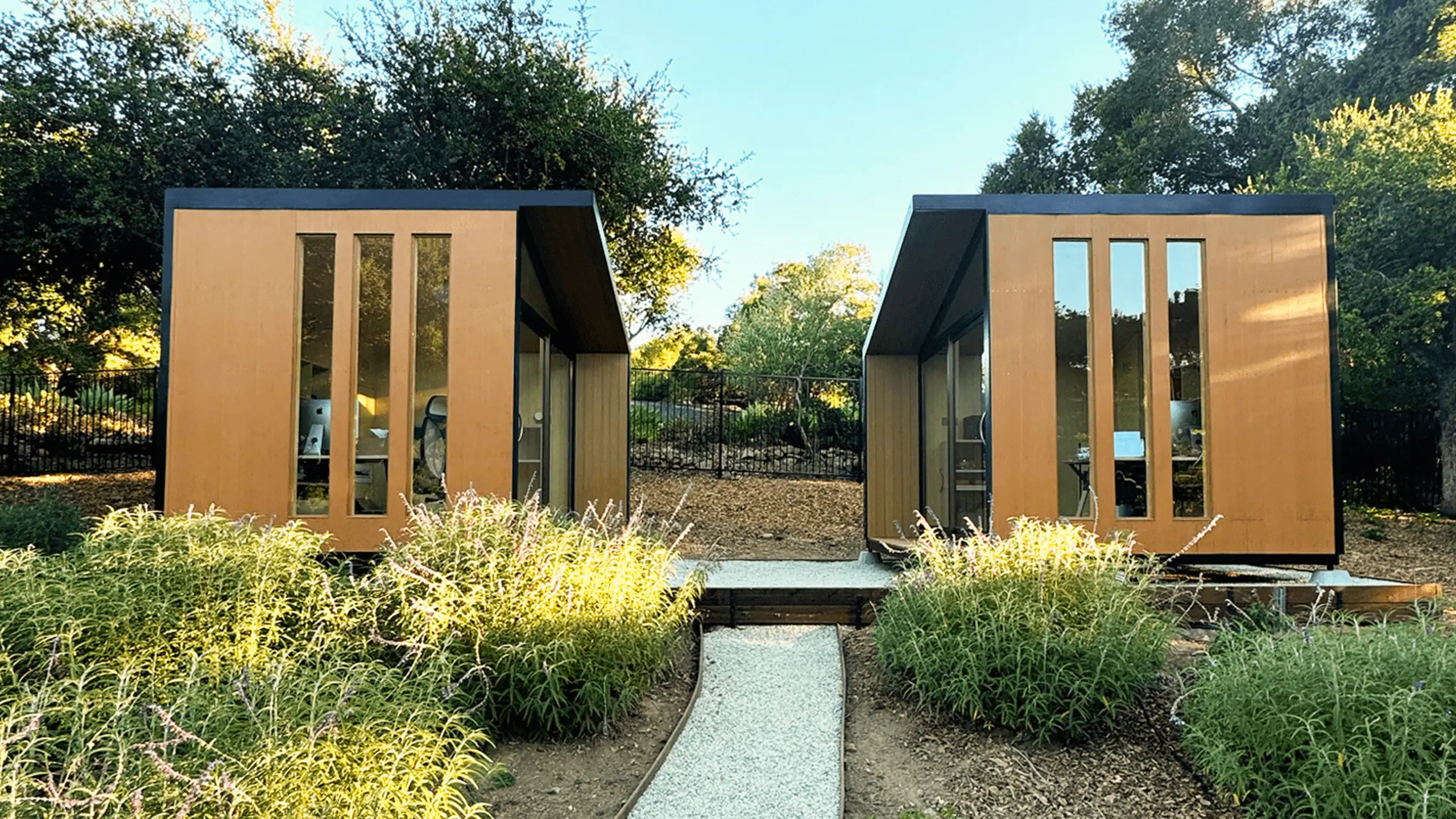
The WorkPod is the pick if your bunkie really needs to be an office most of the year and a guest room some of it. Six insulation layers rate it for 45 to 100°F, the sloped ceiling runs 6.8 to 9.3 feet, and it installs in 1 to 2 days pre-wired, with an optional 1,290 W solar package for off-grid corners of a property. Like every pod here, it sits below the permit threshold in most US cities but is not rated for a minus-20 cottage-country winter, which is where wood kits with a stove still win.
15. Autonomous StudioPod
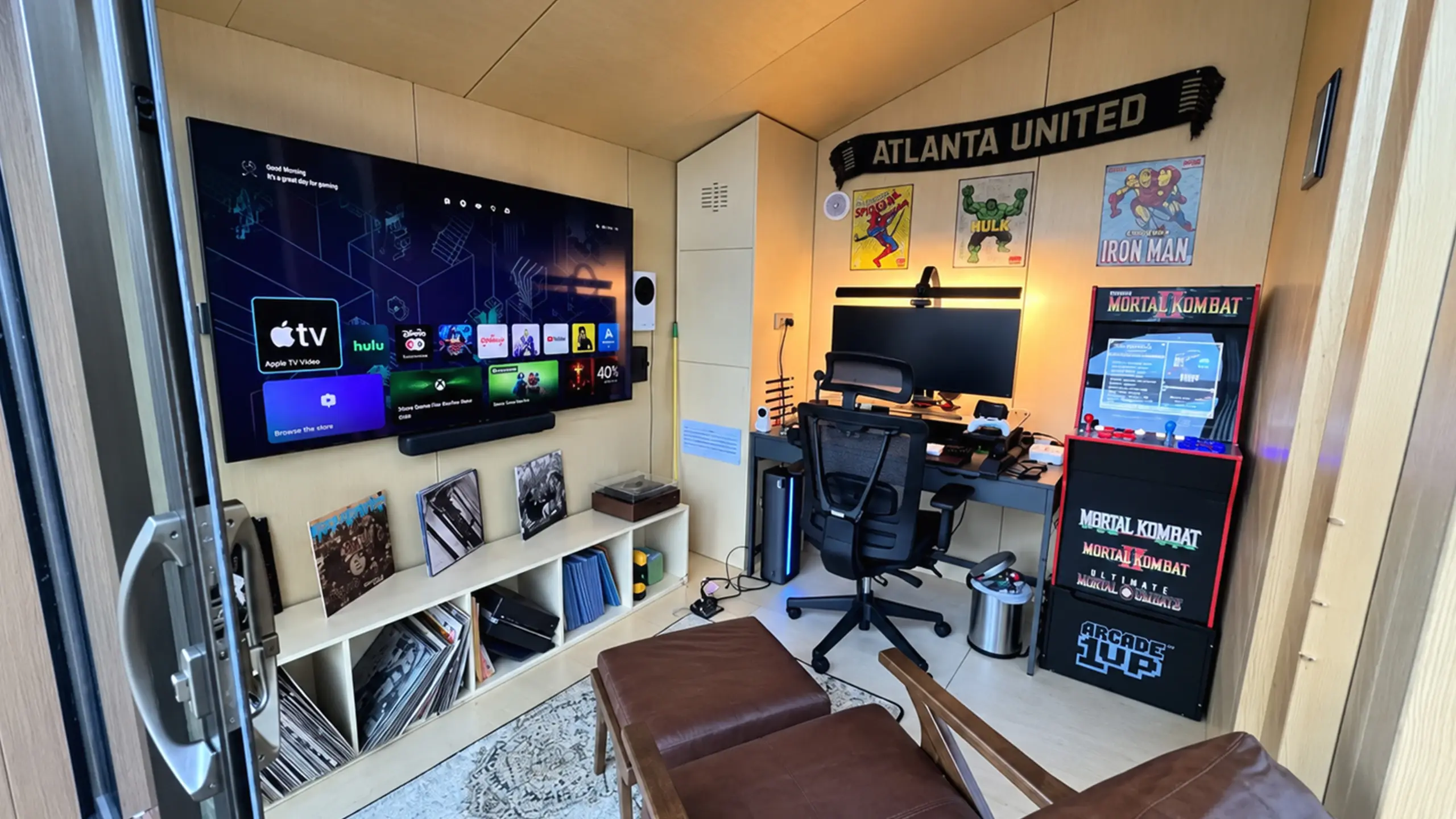
The StudioPod is the brightest guest space in this list, with three full glass walls, hinged windows that open, five outlets, and four ceiling lights. The same 45 to 100°F comfort range as the WorkPod applies, and the glass that makes it feel generous also makes it the least private and least sound-isolated option here, so think garden guest suite rather than quiet retreat. Also 1 to 2 day installation, below the permit threshold in most US cities.
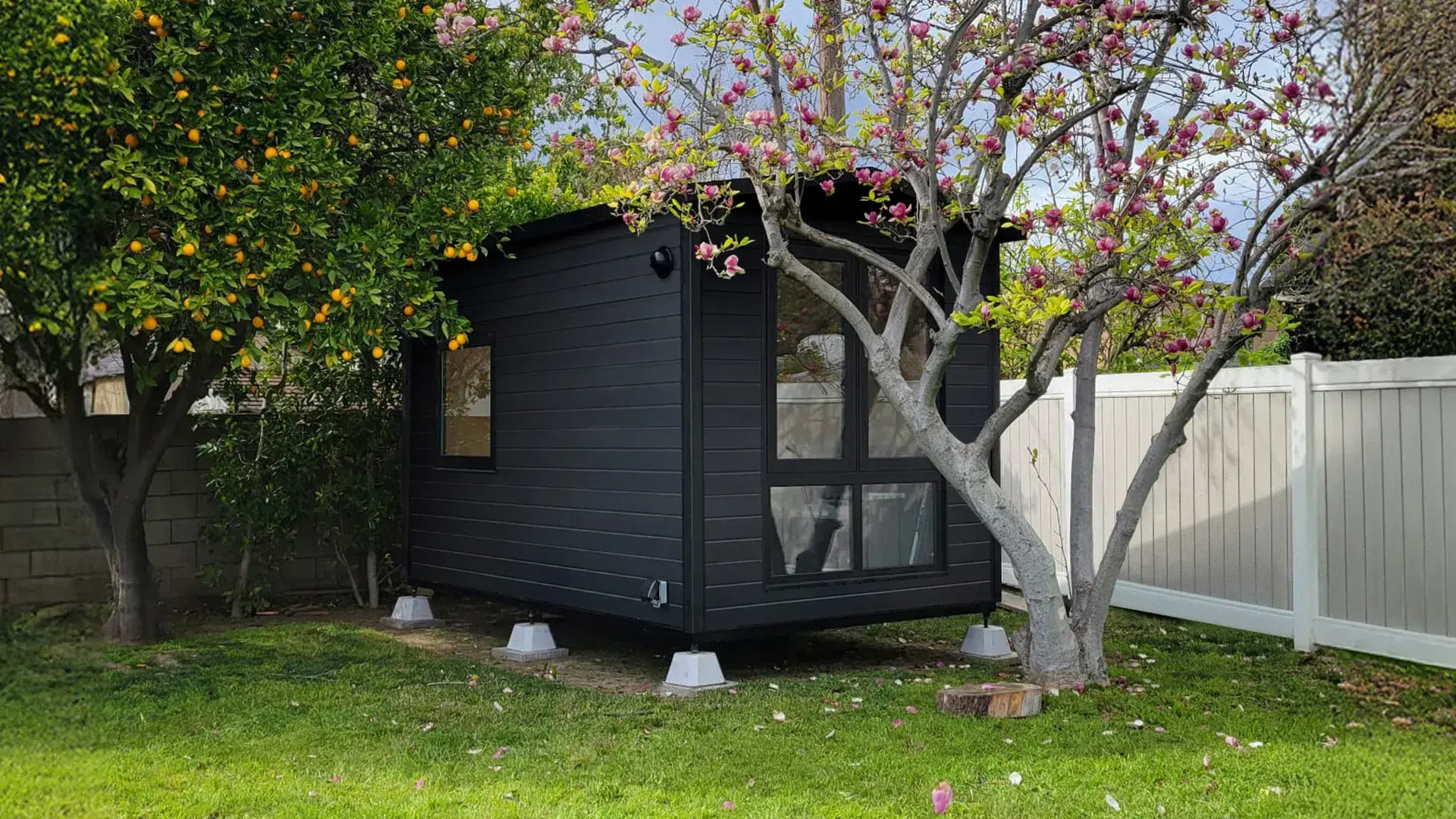
Bunkie kit vs backyard pod: which fits your property?
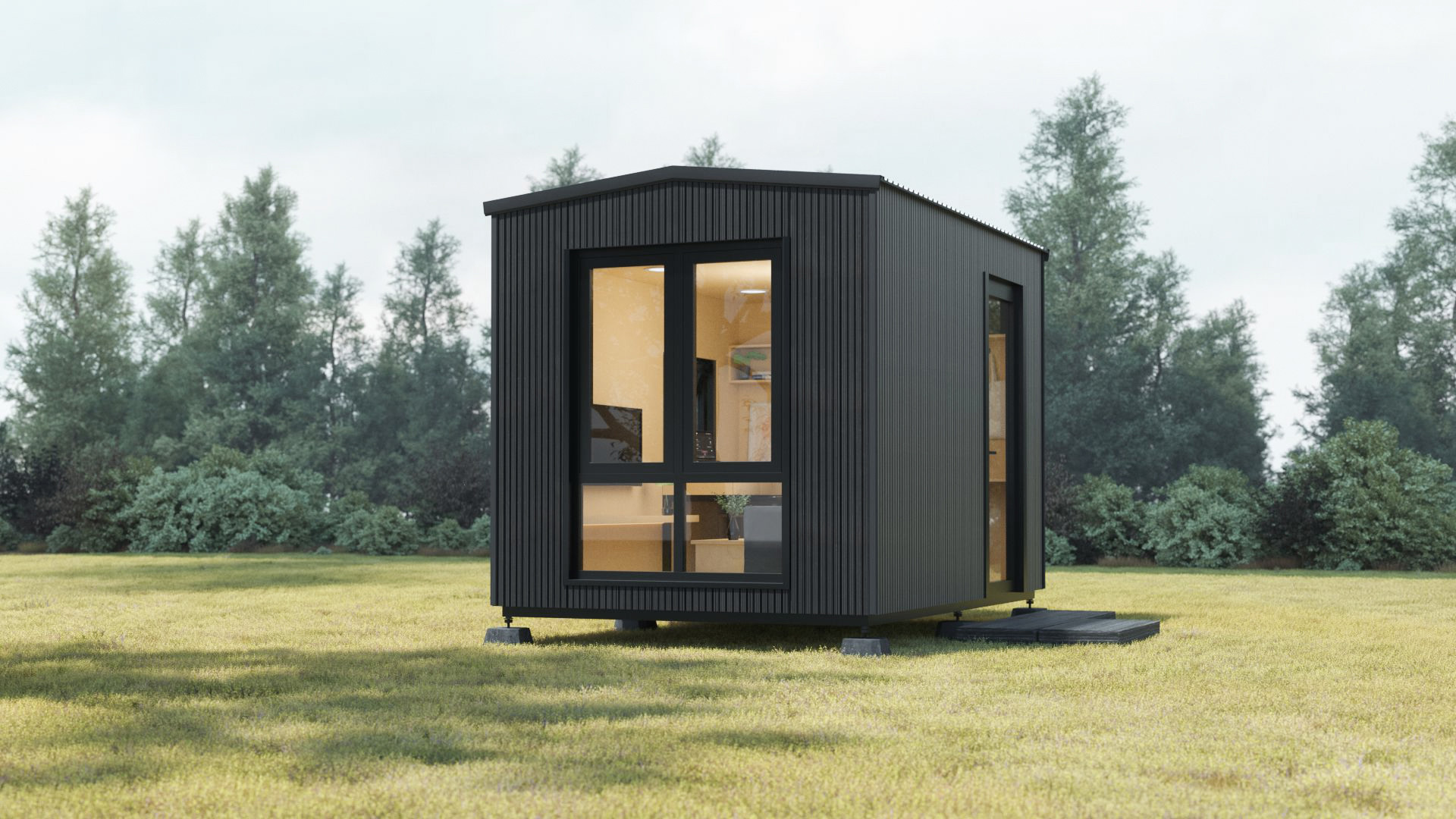
The honest split is climate and labor: a wood bunkie kit can become a true four-season sleeping cabin but arrives as an uninsulated, unwired shell, while a pre-wired pod is comfortable out of the box within a 45 to 100°F range and is not built for deep-winter cottage country. Neither side of that trade disappears with money; it's the structural difference between the categories.
Question | Wood bunkie kit | Backyard pod |
|---|---|---|
Ready to sleep in on day one | No, shell only | Yes, wired and insulated |
True four-season potential | Yes, with insulation and a stove you add | No, 45-100°F on WorkPod and StudioPod, 65-90°F on MetroPod |
Your labor | Days of assembly plus finishing | None beyond siting, 1-2 day install |
Power and internet | You run it, with an electrical permit | Pre-wired, single outdoor cable, Ethernet on two models |
Permit exposure | Low if under threshold, rises with stove or wiring | Below the permit threshold in most US cities |
So match the kit to the use. A Muskoka island bunkie that sleeps people at Thanksgiving needs the wood-kit route. A guest room behind a suburban house, used March through November, is what the backyard pods are actually built for, and they get there about a month faster than a shell kit plus finishing.
FAQ
What is the difference between a bunkie and a shed?
A bunkie is built for sleeping and a shed is built for storage, which changes everything downstream: bunkies get real windows, headroom, finished interiors, and often lofts, while sheds prioritize door width and cheap cladding. Permit rules usually treat them identically at the same size, but insurance and municipal use rules may not.
How big can a bunkie be without a permit?
In Ontario, up to 15 square metres, which is 161 square feet, with no plumbing. Under the 2021 IRC used across much of the US, up to 200 square feet for a one-story detached accessory structure, though many local codes lower that to 120. Zoning setbacks and lot coverage still apply either way.
How much does a bunkie cost?
Plan on roughly $3,400 to $10,000 for a shell or compact log kit, $17,000 to $27,000 for larger kits with lofts, and $18,900 to $22,900 for a pre-wired pod. Prices change periodically. Add base prep, finishing, and, for wood kits, insulation and heat if you want more than summer use.
Do bunkie kits come insulated?
Most do not. Log and shell kits from Bunkie Life, Jamaica Cottage Shop, and Summerwood arrive as structures only, with insulation, wiring, and interior finish left to you. The exception is the pod class, where insulation and wiring are built in; the trade-off is a fixed comfort range instead of build-your-own winterization.
Can you sleep in a bunkie in winter?
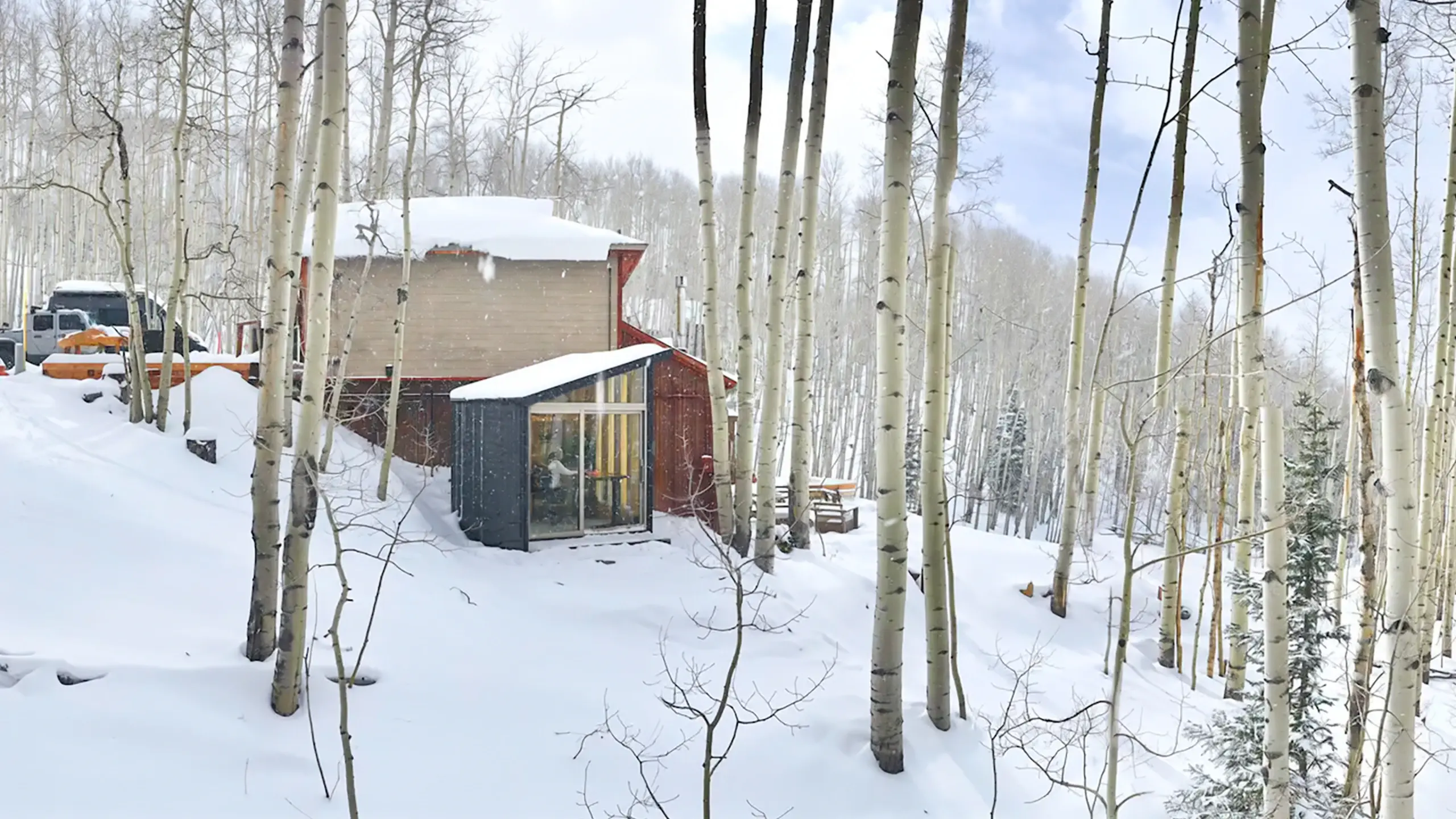
Yes, if it's insulated and heated, and that's the deciding line in this category. A wood kit insulated to local code with a small wood stove or electric heater works in real winter, though the stove needs WETT certification in Canada and usually a permit. The pods in this list are rated to 45°F at the low end and are not winter sleeping cabins.
How long does it take to build a bunkie kit?
Log kits like Bunkie Life's are marketed as a few days of assembly for a small group, before finishing. A pre-cut shell like Jamaica Cottage Shop's takes a competent DIYer longer, typically a week-plus of build time plus finishing. Pods install in 1 to 2 days because assembly and wiring happened at the factory.
Can a bunkie have a bathroom?
Yes, but adding plumbing removes the permit exemption in Ontario and triggers plumbing permits almost everywhere in the US. That's why dedicated washroom outbuildings and composting-toilet setups are common: they add function without re-classifying the sleeping bunkie itself. Bunkie Life sells a purpose-built bathroom outbuilding for exactly this.
The bottom line
Bunkie kits split into three honest categories: cheap shells you finish yourself, log kits that stack into a classic cabin over a long weekend, and pre-wired pods that skip the labor but cap the seasons. Size against your permit threshold first, 161 square feet in Ontario or 200 in much of the US, then decide whether winter use or zero build effort matters more. Start with the comparison table above, shortlist two kits from different categories, and price the finished building, not the crate.
References
- Ontario Building Code shed and bunkie exemption overview, Township of Springwater: https://www.springwater.ca/en/township-hall/resources/Documents/By-laws/Sheds-and-gazebos-an-update-and-an-overview---FINAL---2022-05-04.docx.pdf
- 2021 International Residential Code, Section R105.2 Work exempt from permit, International Code Council: https://codes.iccsafe.org/s/IRC2021P3/chapter-1-scope-and-administration/IRC2021P3-Pt01-Ch01-SubCh02-SecR105.2