Office Chair Height Extender: How to Make a Chair Taller

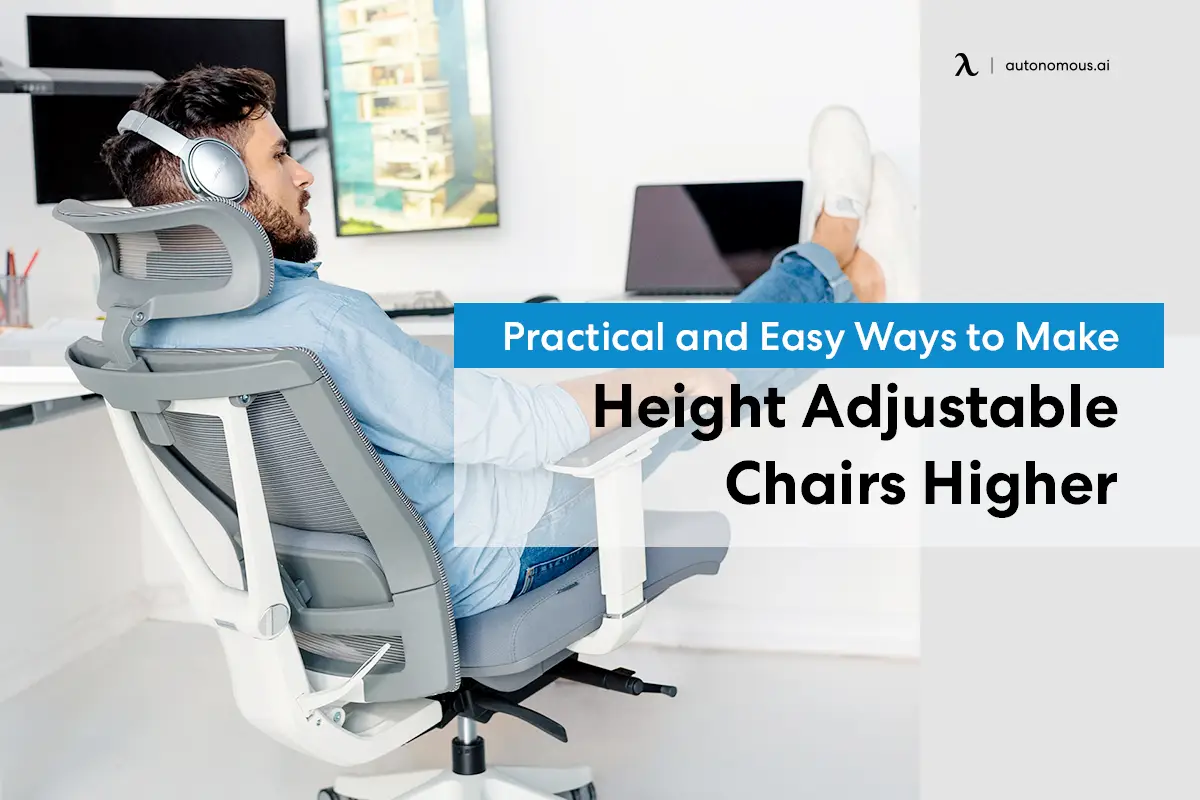
If your office chair is already at its highest setting and your desk still feels too tall, the answer isn't always to buy a new chair. A compatible taller gas lift, different casters, or a firm seat cushion may add height. But first, check whether the desk and keyboard are the real problem.
Quick answer: To make an office chair taller, check its height lever, measure the extra height needed, then compare a manufacturer-compatible gas lift, taller compatible casters or glides, and a stable seat cushion. A drafting conversion kit only works with specific chairs. Never put improvised blocks under a rolling base or open a pressurized gas cylinder.
Office chair height extenders: what actually works?
A compatible taller gas cylinder, caster set, firm cushion or approved drafting kit may raise your seated height. Some change the entire chair, while others change only where your body sits. Start with the smallest practical change.
| Method | Best use | Main limitation |
|---|---|---|
| Adjust existing gas lift | Chair isn't at full height | No extra height beyond its rated range |
| Compatible taller gas cylinder | Chair fits well but maxes out too low | Chair-specific connection and stability checks |
| Taller casters or chair glides | Small height increase | Stem fit, floor behavior and change in stability |
| Firm non-slip seat cushion | Small temporary adjustment | Changes armrest and lumbar alignment |
| Approved drafting conversion kit | Higher drafting work surface | Only for specified chair models |
| Different chair or lower keyboard | Major height mismatch | Requires buying or rearranging equipment |
First, measure how much higher your chair needs to go
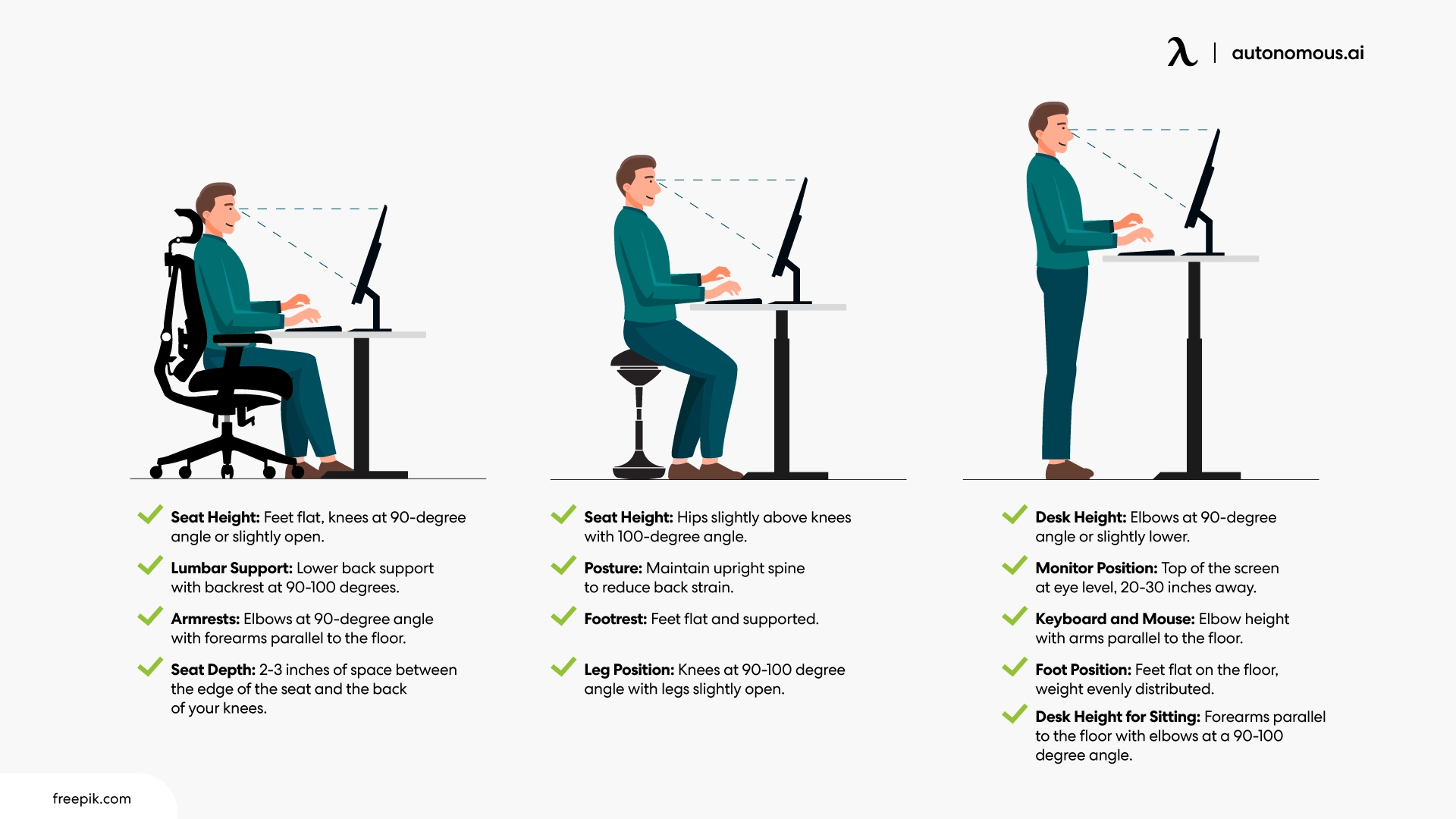
A chair is too low if you cannot work with relaxed shoulders and forearms near keyboard height even when its adjustment range is fully used. A higher seat is only useful when the rest of the workstation still fits.
- Set the chair to its maximum height. Sit against the backrest, with the cushion compressed under your weight.
- Check the keyboard position. Keep elbows near your sides, shoulders relaxed, and wrists approximately straight. This is the height you are trying to match, not the top of the monitor.
- Measure the missing distance. Estimate how far the seat would need to rise to bring your hands comfortably to the keyboard. If the desk has a tall apron, check thigh clearance too.
- Check your feet. Raising the seat may leave your feet unsupported. A stable footrest can support them, but it doesn't make the chair taller.
- Rule out the desk first. A lower keyboard tray or height-adjustable desk may solve a work-surface mismatch without changing the chair's stability.
The right dimensions are individual. The ideal office chair height depends on lower-leg length and your desk, while desk height should be checked with your keyboard and shoes in mind.
5 ways to make an office chair taller
Five practical options cover most situations, from compatible replacement components to changing chairs when the original frame cannot fit your workstation.
1. Replace the gas lift with a compatible taller cylinder
A taller replacement gas cylinder can extend the seat-height range on some adjustable office chairs. This is the most relevant hardware upgrade when the original cushion, backrest and base already fit you, but the chair simply stops too low.
Before ordering, ask the chair manufacturer or an experienced repair service to confirm the upper and lower connections, extended length, travel, load rating, and whether the replacement changes stability or warranty coverage. A cylinder that looks universal in a photo may not be approved for your specific chair.
Safety: a gas lift is sealed and pressurized. Never saw, drill, heat, puncture, open or pack material inside it. Replacing the complete component is different from modifying the pressurized body. If the removal procedure for your exact model isn't documented, have it done by a professional.

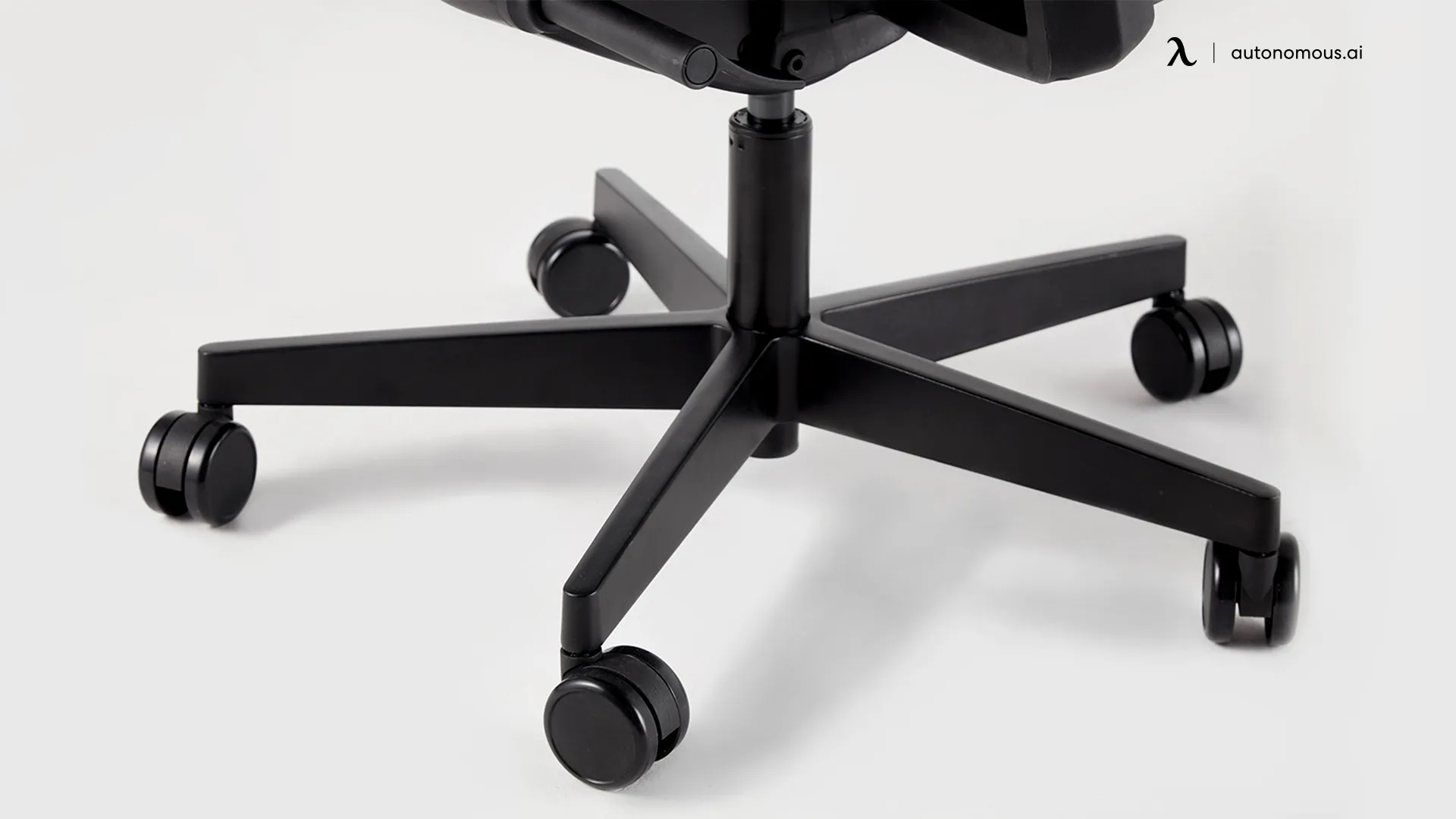
2. Use taller compatible casters or glides for a small increase
Taller replacement casters or glides can raise the seat slightly by changing the distance from the floor to the chair base. The exact gain is the difference between installed heights, not necessarily the difference between wheel diameters.
Confirm the caster stem type and size, wheel clearance, floor suitability and total chair load. Replace the set consistently rather than mixing heights; then test rolling, swiveling and tilt on level flooring. A larger wheel can change how the chair moves even if it adds only a modest amount of height.
3. Add a firm, non-slip seat cushion
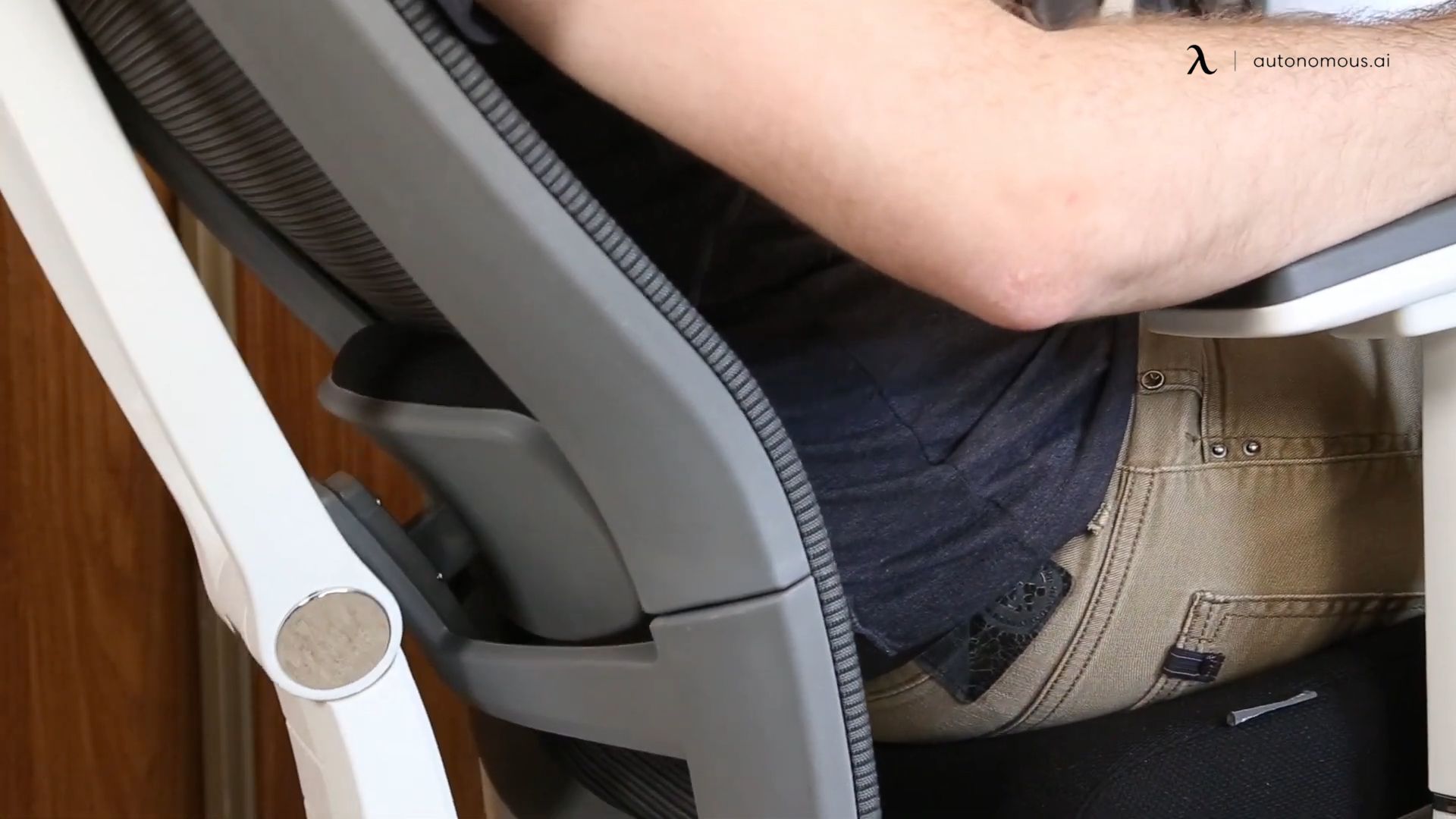
A firm seat cushion can raise your sitting position without changing the chair base. This is an easy reversible trial if you need a small amount of extra height and the chair otherwise fits.
Choose one that stays in place, doesn't bottom out under your weight and doesn't push you forward. Check whether your thighs still have clearance and whether the armrests, backrest and lumbar support reach the right places. A soft pillow that collapses unevenly is a poor height extender.
4. Consider a chair-specific drafting conversion kit
A drafting chair extension kit is intended for compatible higher-seating systems, sometimes with a foot ring. It is not a universal tube that can safely be slipped onto any swivel chair.
Before buying, confirm that the chair's manufacturer explicitly supports the conversion and that the base, height range and foot support meet the kit's instructions. If the chair was not designed for a drafting-height configuration, don't assume adding parts preserves its original stability or weight rating.
5. Choose a chair with the higher seat range you actually need
If your chair still sits too low after checking the desk and compatible adjustments, choosing a model with a published higher seat range is more predictable than stacking improvised extenders. Compare both the minimum and maximum heights: a chair that rises high may also start too high for other people sharing it.
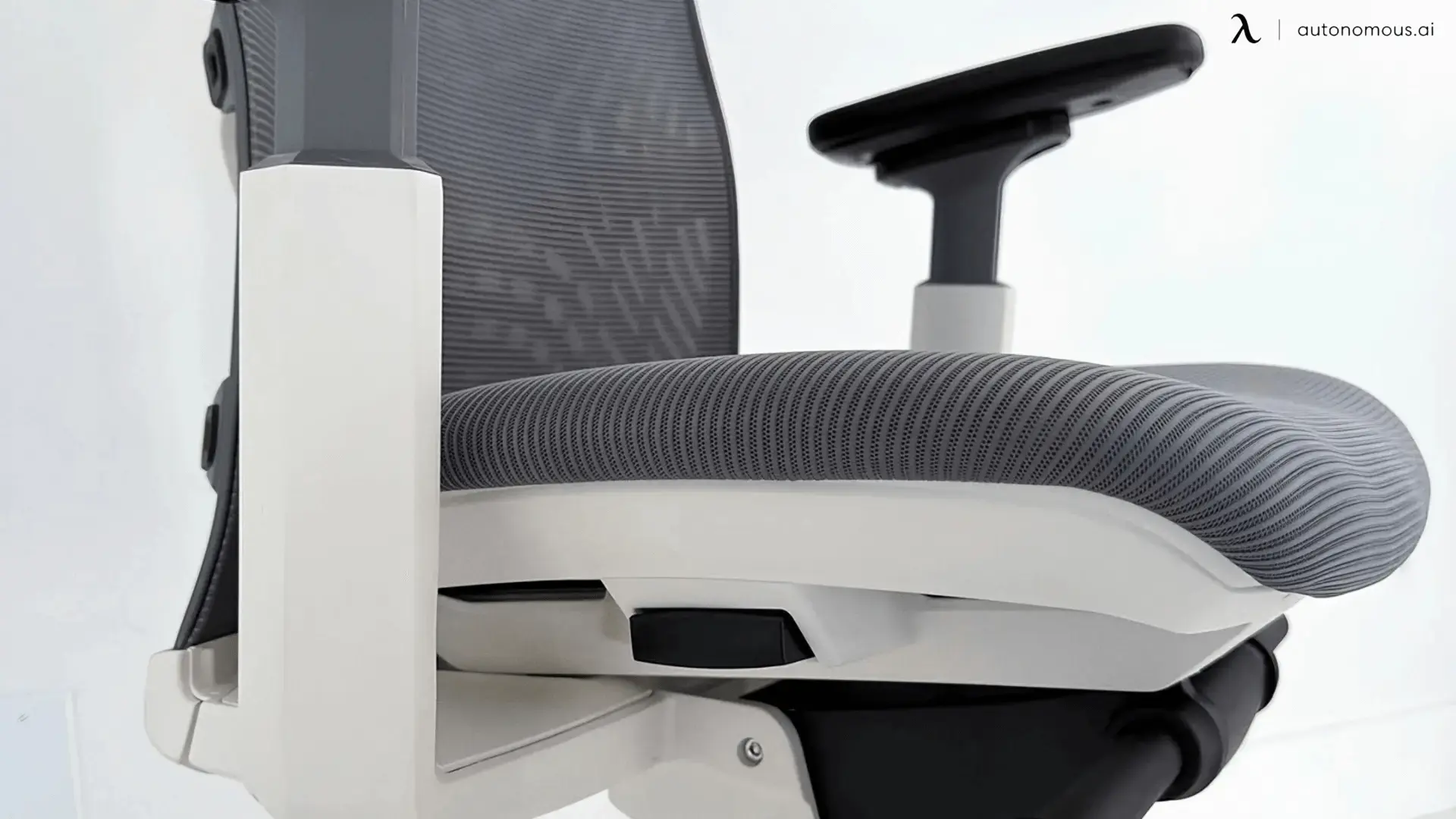
Which Autonomous chair offers a higher seat?
Of the Autonomous models compared here, ErgoChair Core has the highest published maximum seat height at 23.8 inches. That makes it especially relevant to someone who needs more seat travel without changing the gas cylinder on an existing chair.
| Chair | Height | Who should compare it |
|---|---|---|
| ErgoChair Core | 20-23.8" | Needs a higher starting and maximum seat |
| ErgoChair Ultra 2 | 18-23" | Wants adaptive back support and a broader adjustment range |
| ErgoChair Pro | 18.5-22" | Needs seat-depth, lumbar and armrest adjustment |
ErgoChair Core: a higher seat without a DIY extender
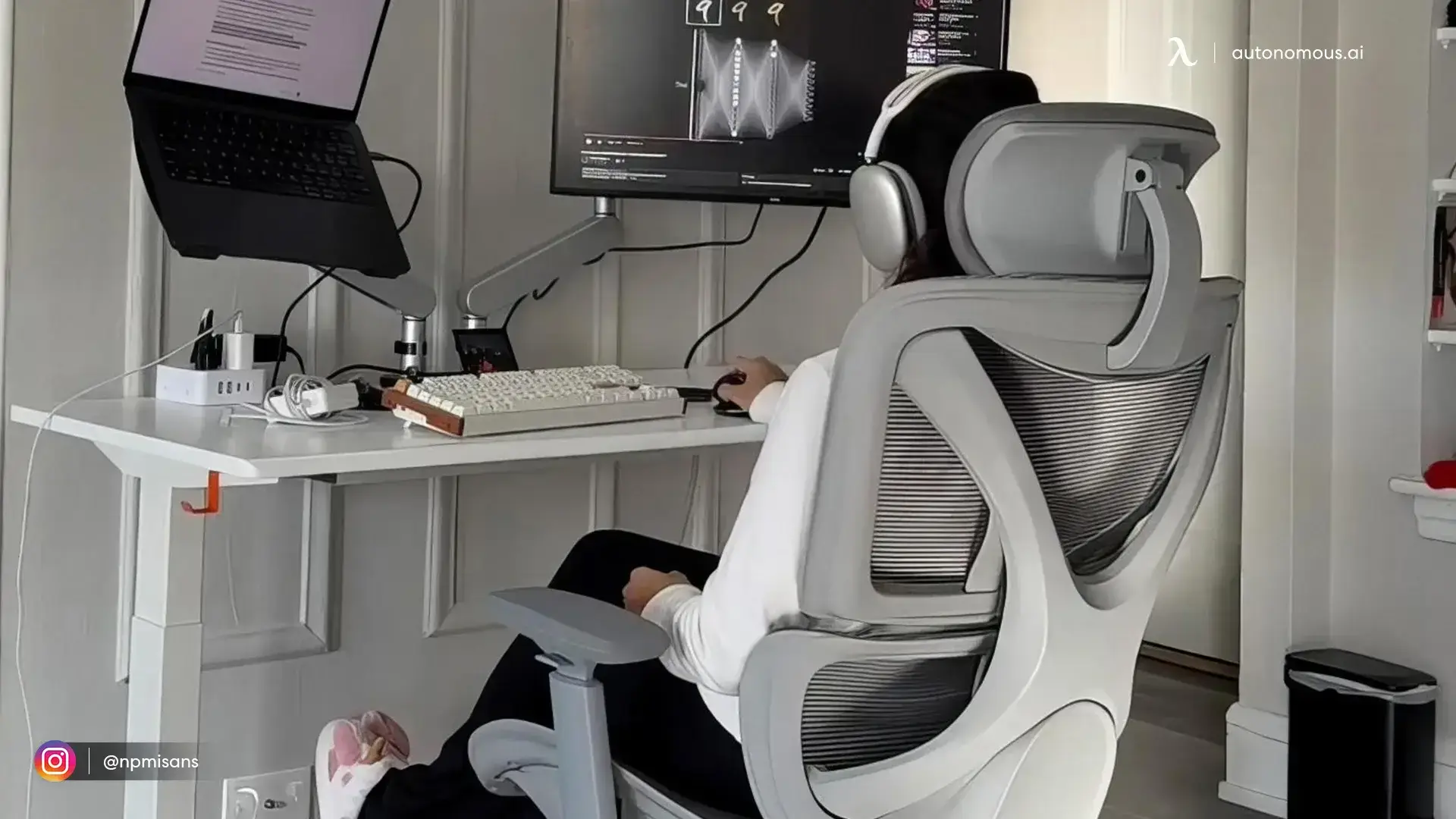
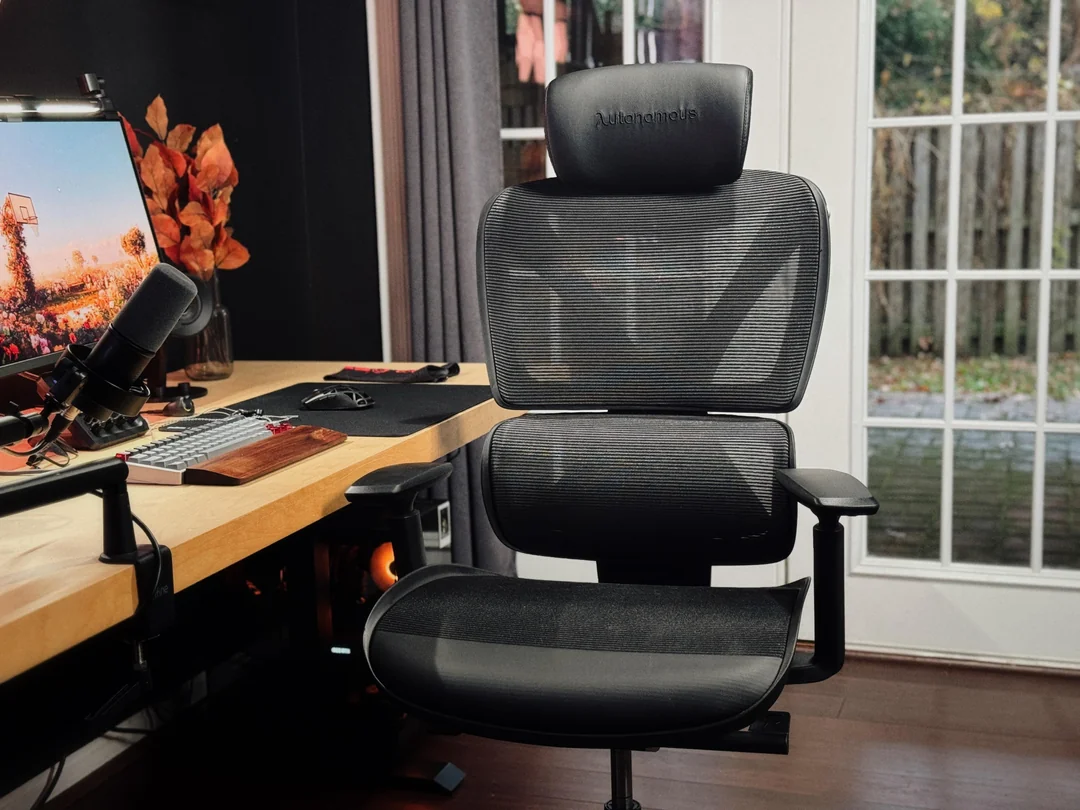
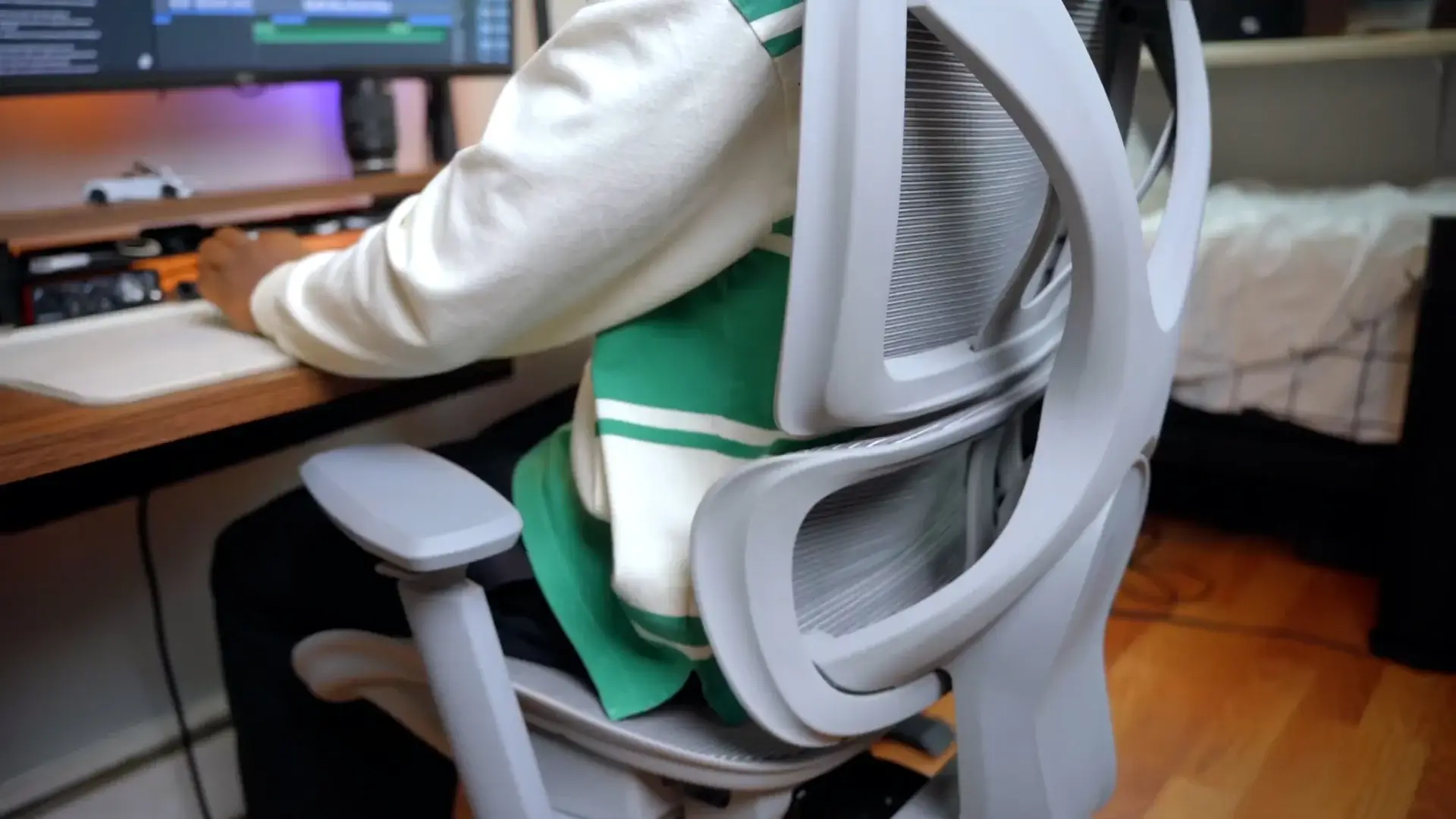
Core adjusts from 20 to 23.8 inches and uses a dual-backrest design. It also has adjustable seat depth and 3D armrests. The upside for this particular problem is simple: its factory range reaches higher than Pro or Ultra 2. The catch is its higher minimum position and 242.5 lb weight limit, which won't suit everyone.
ErgoChair Ultra 2: a 23-inch seat height with adaptive back support
The Autonomous ErgoChair Ultra 2 adjusts from 18 to 23 inches, a useful middle ground when ErgoChair Pro's 22-inch ceiling is too low but Core's 20-inch starting height is higher than you want. Its factory adjustment range avoids the need to retrofit a taller gas cylinder.
Ultra 2's flexible backrest follows changes in sitting posture without a separate lumbar-position dial. Its seat depth adjusts from 18 to 20.5 inches, and the chair is rated for 320 lbs. That makes it relevant when you need a higher seat along with dynamic back support, not simply extra lift height.
Its 18-inch-wide seat is narrower than Pro's 19-inch seat, so check hip clearance and armrest position. Ultra 2 also tops out 0.8 inch below Core; the two are not interchangeable solutions for someone who specifically needs a seat above 23 inches. The published warranty is lifetime.
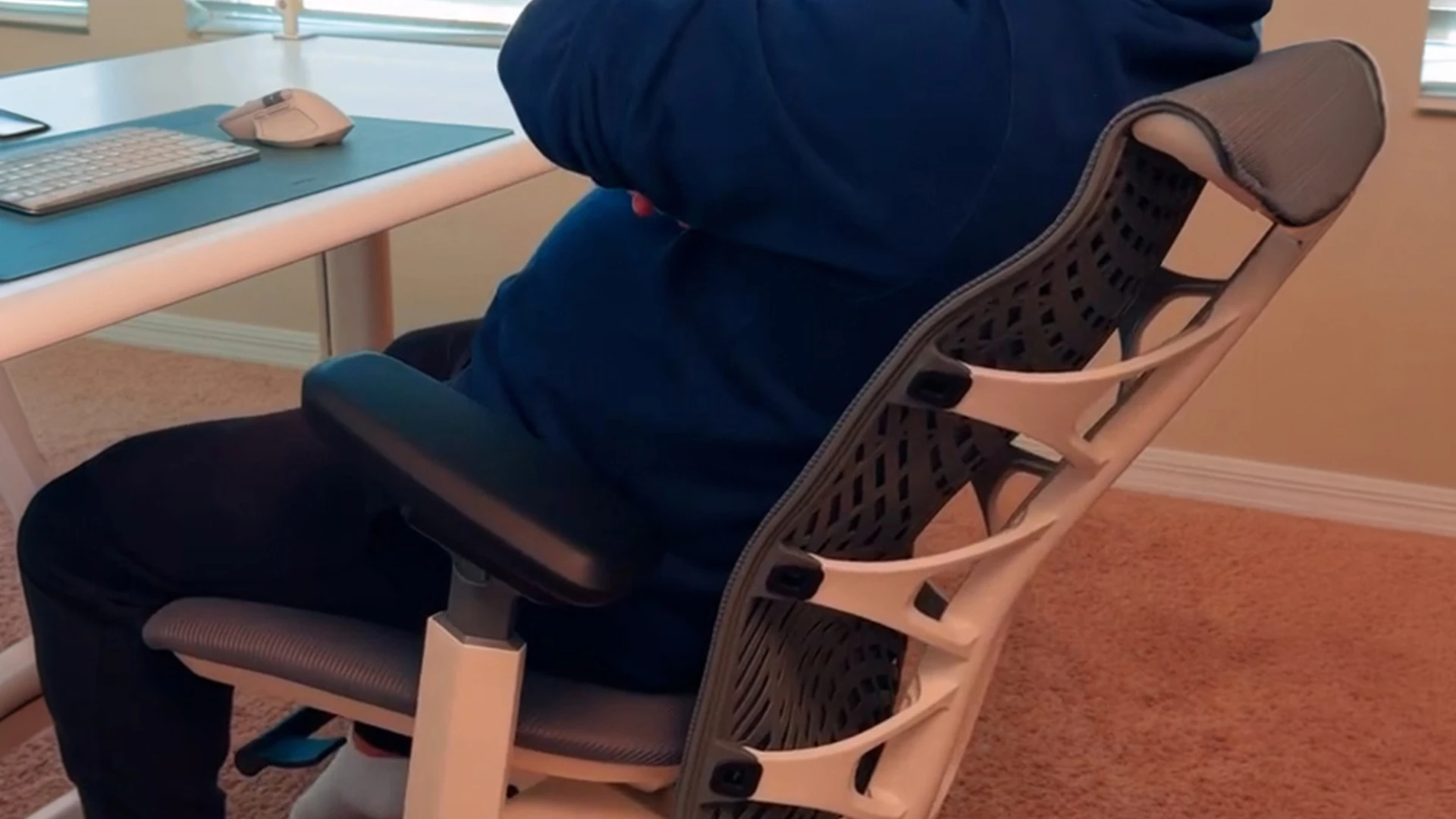
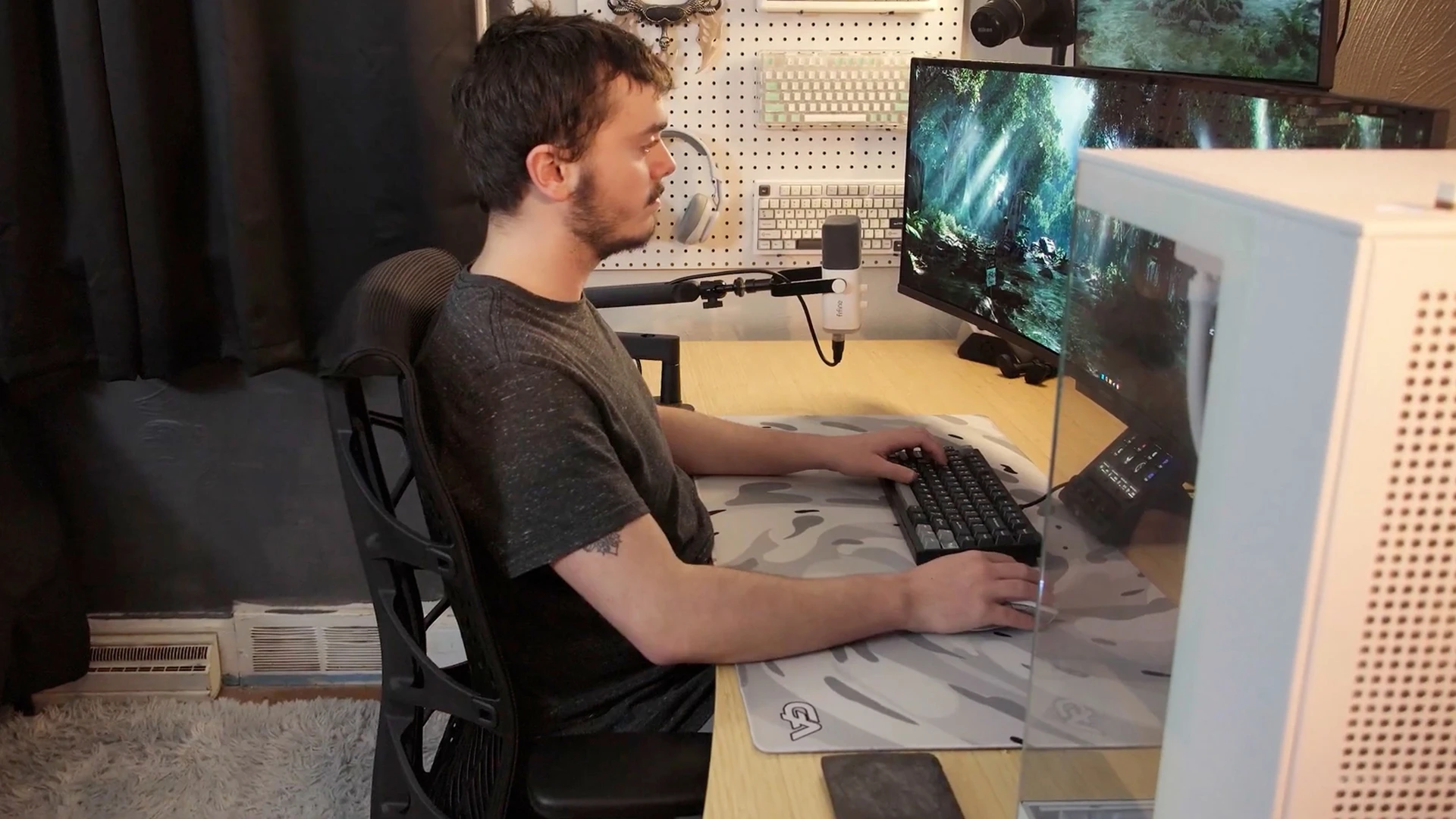
ErgoChair Pro: more precise adjustment, lower seat ceiling
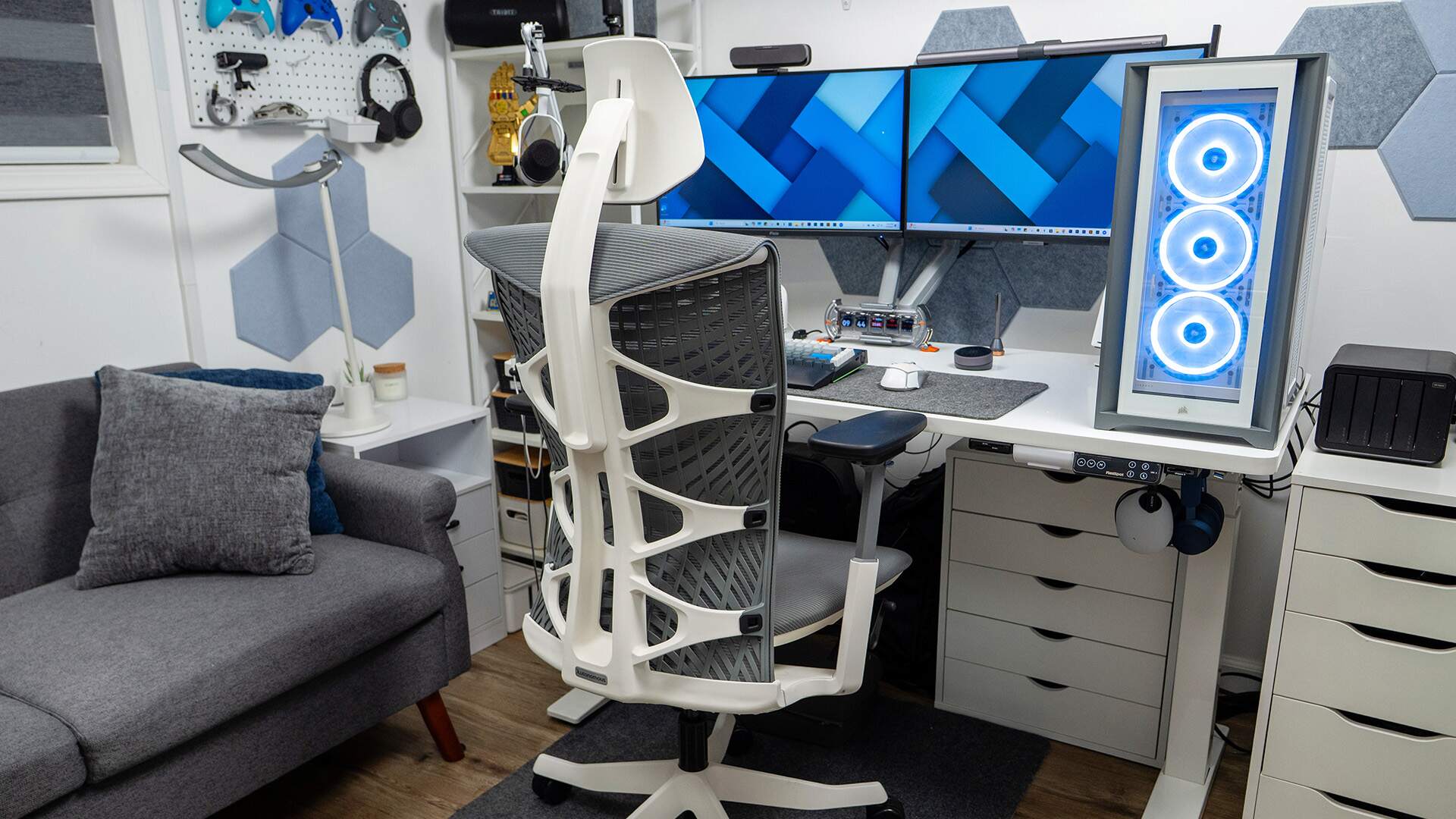
The ErgoChair Pro tops out at 22 inches, but its 19-21.5-inch seat-depth range and adjustable lumbar support address a different fit problem. If your legs feel unsupported rather than your chair being too low, these adjustments may be more useful than extra seat height.


For unusually tall users, a chair selected for tall-person proportions may work better than retrofitting a chair built around a shorter seat range. If you specifically need a seat approaching 24 inches, compare published 24-inch chair-height options against your measurements.
Can you use office chair risers or leg extenders?
Generic furniture risers are not an appropriate default for a five-star rolling office chair. They are usually designed for stationary furniture legs, not swiveling casters that move and change direction under load.
| Chair type | More suitable option |
|---|---|
| Five-star rolling office chair | Approved gas lift or matching casters; no loose blocks under wheels |
| Fixed-leg chair | Only model-approved leg extenders or furniture risers rated for the load |
| Gaming chair on casters | Same compatibility checks as an office chair; don't bypass the gas lift |
| Drafting chair | Use its specified height parts and foot ring |
| Chair that sinks after being raised | Diagnose the failed mechanism; a height extender doesn't repair it |
Likewise, adding wooden blocks with tape, stacking loose spacers or putting paper towels in the gas-lift assembly does not create a safe office chair height extension kit. If a product isn't explicitly compatible with your model, choose another solution.
Office chair too low for your desk? Check the whole workstation
If the desk is too high, raising the chair may bring your elbows closer to keyboard height, but your feet can lose support. Use a footrest when needed and check that the chair still fits under the desk without compressing your thighs.
If you would need a very large height extension just to reach the keyboard, investigate the desk instead. A lower keyboard tray or adjustable work surface often creates a better fit. The distinction between ergonomic desk height and seat height matters because one adjustment affects the other.
If the problem is actually the work surface, raising a desk requires a different set of checks, including leg stability and load distribution. Do not copy furniture-riser advice from a stationary desk onto a wheeled office chair.
FAQs
How can I make my office chair taller?
First raise its built-in gas lift fully. If that isn't enough, compare a manufacturer-compatible taller cylinder, taller compatible casters or a firm seat cushion. Check your desk and foot support before modifying the chair, because added height can reduce stability.
What is an office chair height extender?
An office chair height extender is an accessory intended to increase seat height, such as a compatible longer gas cylinder, caster set or drafting conversion kit. The term is broad; a generic product is not necessarily safe or compatible with your chair.
Do desk chair risers work under office chair wheels?
Loose furniture risers should not be used under a rolling office chair. Wheels can move or swivel off the supports. For a five-star chair, use only compatible replacement parts or a chair designed with the height range you need.
Can I replace my office chair gas lift with a taller one?
Sometimes. The replacement must match the chair's base, seat mechanism, load requirements and manufacturer guidance. Never open or modify the pressurized cylinder. If the original gas lift is difficult to remove or compatibility is unclear, contact a professional repair service.
Can larger casters make a desk chair higher?
Yes, compatible taller casters can add a small amount of height. Calculate the gain from their installed height compared with the originals, not wheel diameter alone. Confirm stem size, floor suitability, clearance and stability before using the chair.
How do I make a gaming chair taller?
A gaming chair with a five-star rolling base uses similar height-adjustment components to many task chairs. Check the built-in adjustment first, then only model-compatible replacement parts. Avoid unapproved risers, taped blocks or modifications to its pressurized gas cylinder.
Will a footrest increase office chair height?
No. A footrest supports your feet after the seat is raised; it does not raise the chair itself. It can help when the keyboard requires a higher sitting position and your feet no longer reach the floor comfortably.
What if my office chair keeps sinking?
A chair that drops after you set its height may have a failing gas lift or adjustment mechanism. Inspect the lever for obstruction and contact the manufacturer about approved service. A taller cushion or caster does not repair a failing lift.
What if my chair is too low even at maximum height?
Measure how far your elbows sit below the keyboard and check desk height before buying an extender. If the mismatch is substantial, a high-seat chair or adjustable desk may be safer and more comfortable than trying to extend an unsuitable chair.
Bottom line
Making an office chair taller starts with measurement, not improvised parts. Try the existing adjustment first, then choose a compatible taller gas lift, caster set or firm cushion for a modest fit change. Never dismantle a sealed gas cylinder or balance a rolling base on furniture risers.
When the chair's original design cannot reach the height you need, compare published seat-height ranges and adjust the desk and foot support as a complete system. A chair that rises higher is only a better choice if it still fits the rest of your body.
References
- OSHA. Computer Workstations eTool: Chairs. Chair sizing and foot support guidance.
- OSHA. Computer Workstations eTool: Good Working Positions. Neutral working posture guidance.
- OSHA. Computer Workstations eTool: Keyboards. Keyboard and chair height interaction.
- Washington State University Environmental Health & Safety. Office Ergonomics. Chair setup principles.
- HBADA. Office Chair Safety Checklist. Gas-lift safety precautions.