The Best Office Chair for Hemorrhoids

This article is informational, not medical advice. If you have hemorrhoids, talk to a doctor or pelvic-health specialist about your specific case before making seating changes. No chair treats hemorrhoids - a chair only reduces some of the daily pressure that aggravates them.
The wrong chair makes hemorrhoid symptoms worse. The right one doesn't fix the condition, but it reduces the pressure, heat, and circulation problems that keep symptoms flaring up across an 8-hour workday. Three chair properties matter most: breathability (heat aggravates the affected tissue), pressure distribution (concentrated weight on one spot is the source of the irritation), and adjustability (so you can shift position throughout the day instead of staying static). This guide covers ten office chairs that handle these three properties well, three seat cushions for users who can't or don't want to replace their current chair, and the sitting habits that matter as much as the chair itself.
How sitting aggravates hemorrhoid symptoms
Prolonged sitting concentrates body weight on the lower pelvis. According to research on prolonged sitting and venous health, this sustained pressure restricts blood flow to the lower body, increases venous congestion in the pelvic area, and can trigger inflammation in the rectal tissue. Heat buildup from non-breathable seat materials adds tissue irritation. Slouching shifts even more weight onto the rectal area.
A chair that addresses these problems through pressure-distributing seat surfaces, breathable construction, and posture-maintaining lumbar support reduces the daily aggravation without claiming to treat the underlying condition. If you have active hemorrhoid symptoms, the ergonomic chair is one part of management - diet, hydration, hygiene, and medical treatment matter as much or more.
The 10 office chairs for hemorrhoids at a glance
Chair | Seat material | Adjustability | Capacity | Best for |
Autonomous ErgoChair Mesh | German Ultra Air Mesh (both surfaces) | 9-point + 6" sliding lumbar | 300 lbs | Heat-sensitive users, warm offices |
Autonomous ErgoChair Pro | Mesh seat + molded foam | 9-point + 6" sliding lumbar | 300 lbs | Balanced breathability + structure |
Autonomous ErgoChair Ultra 2 | Adaptive TPE polymer | Headrest, armrests, tilt, depth | 320 lbs | Severe symptoms, max adjustment |
Autonomous ErgoChair Core | Mesh + light foam | 5-point + depth slider | 242.5 lbs | Smaller frames, entry budget |
SIDIZ T50 | Mesh back, fabric seat | 10+ adjustments | 275 lbs | Comprehensive customization |
Herman Miller Embody | Pixelated support matrix | Standard ergonomic | 300 lbs | Premium pressure distribution |
Herman Miller Aeron | Pellicle mesh, 3 sizes (A/B/C) | Standard + PostureFit SL | 350 lbs | Body-size-specific fit |
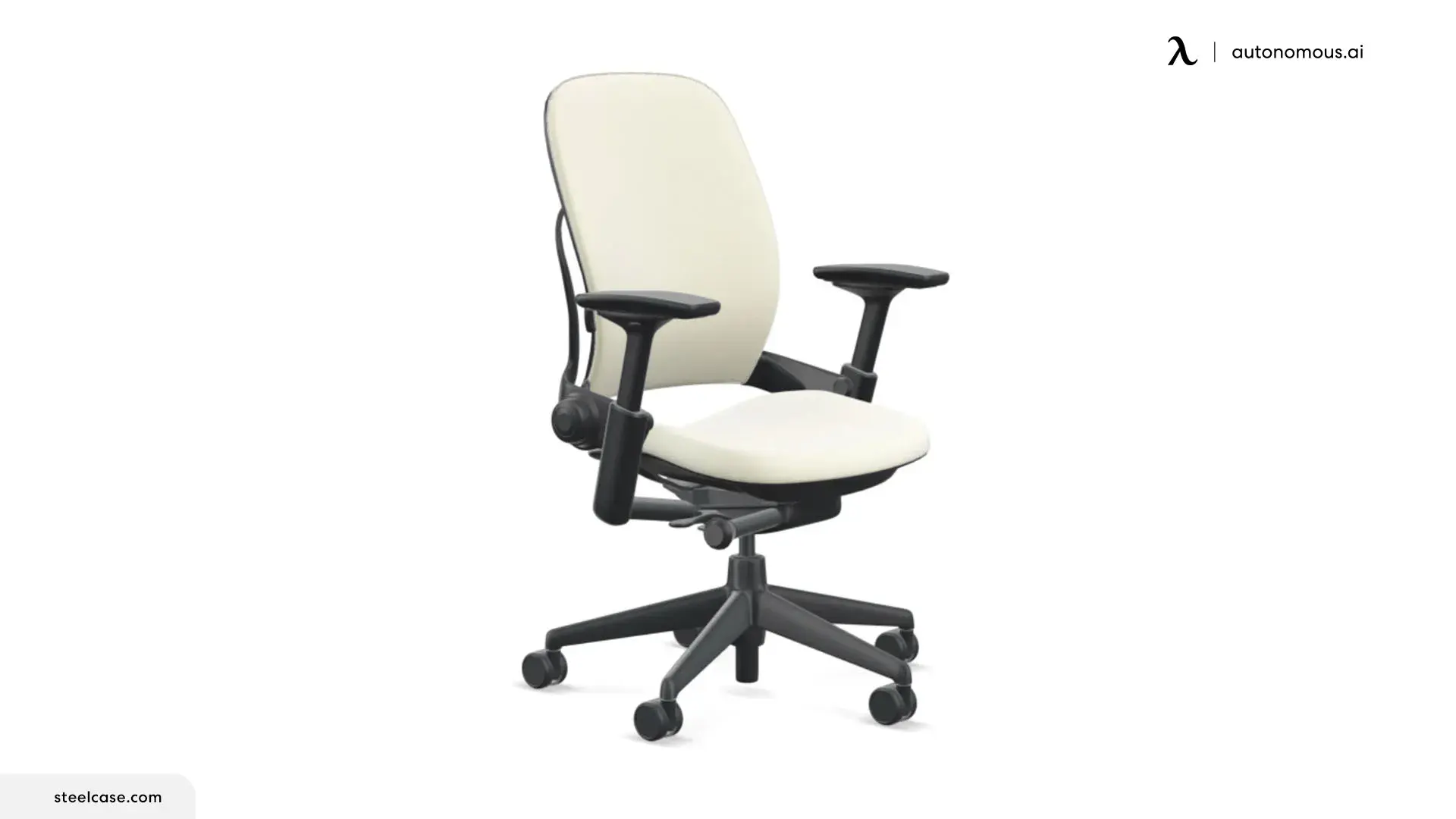
Steelcase Leap V2 | LiveBack mesh | 4D armrests, seat depth | 400 lbs | Premium with high weight rating |
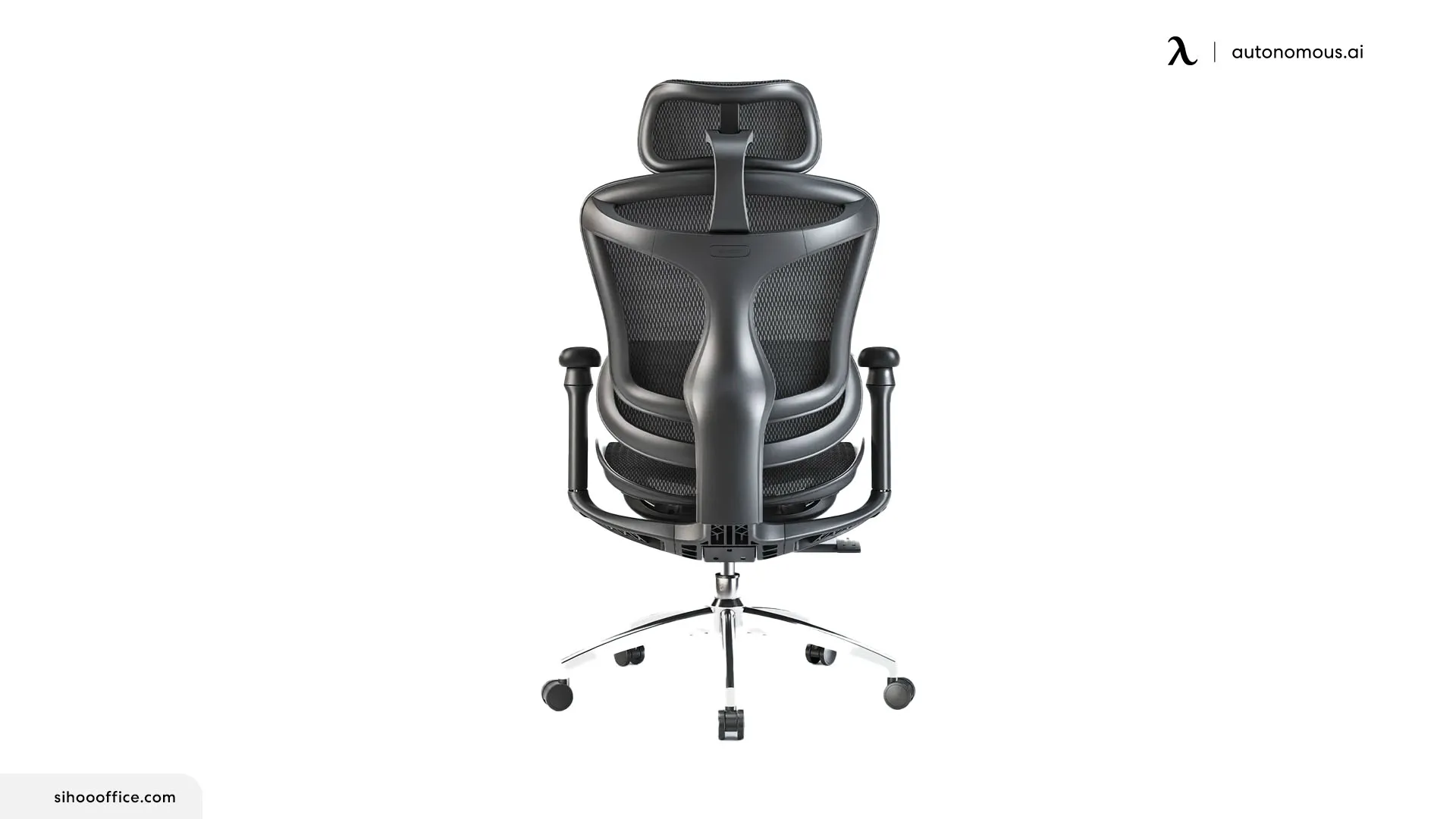
Sihoo Doro C300 | Full mesh, waterfall edge | Self-adaptive lumbar | 300 lbs | Mid-range mesh option |
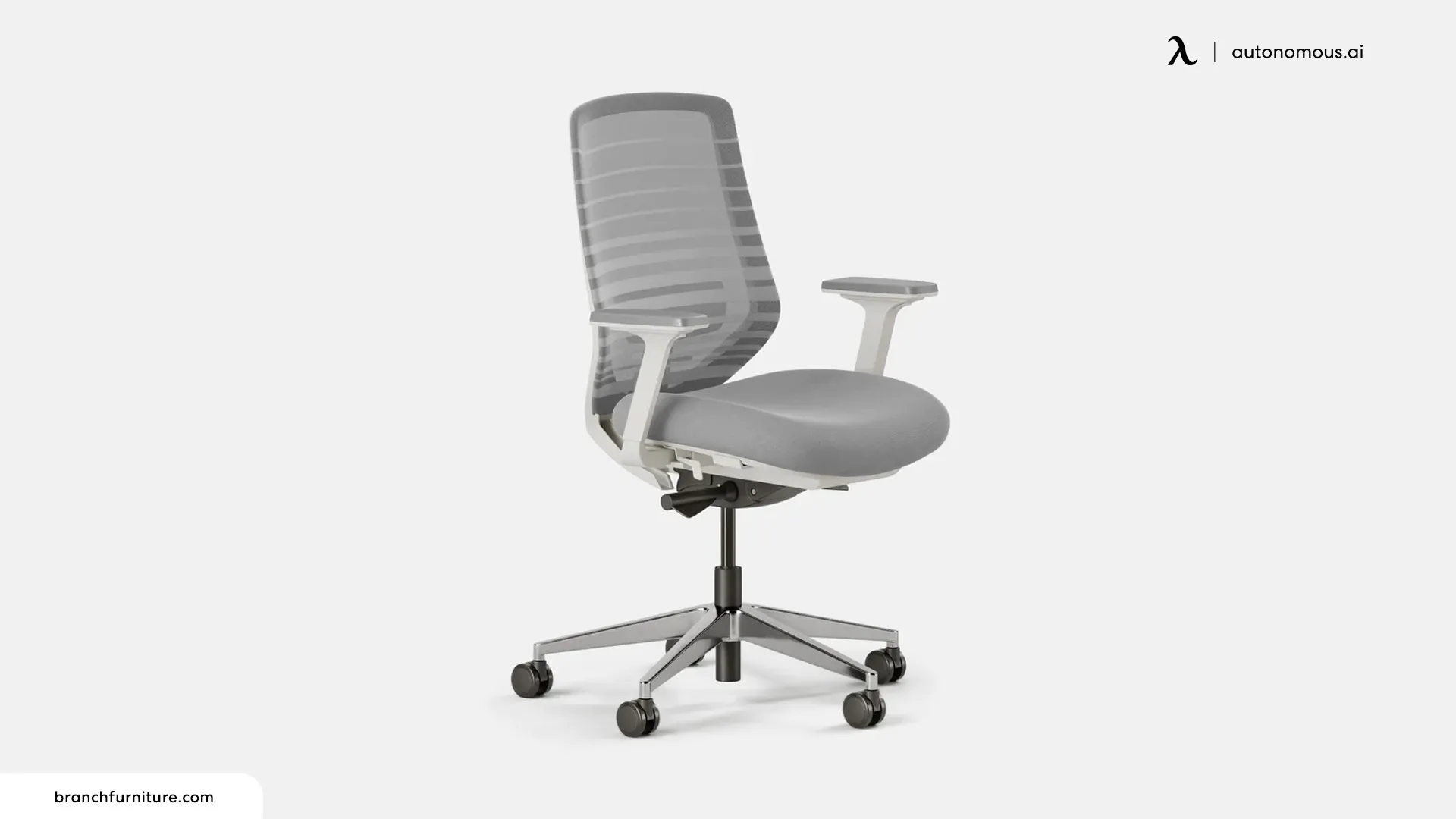
Branch Ergonomic Chair | Mesh + foam | Standard ergonomic | 300 lbs | Budget-mid pick |
For hemorrhoid users specifically, breathable mesh seats and adjustable seat depth matter most. The Autonomous ErgoChair Mesh leads on both with German Ultra Air Mesh and 18"-20" adjustable seat depth.
The chairs reviewed
1. Autonomous ErgoChair Mesh - the breathability lead
The Autonomous ErgoChair Mesh uses German Ultra Air Mesh (72% polyester, 28% polyamide) on both the seat and the backrest. For hemorrhoid sufferers, this matters because heat buildup is one of the main daily irritants - non-breathable seats trap moisture against the affected tissue, which intensifies symptoms across long sessions. Mesh on both surfaces lets air move continuously, keeping the seat closer to body temperature throughout the day.
19" × 19" seat with adjustable depth from 18" to 20" lets you shorten the surface enough that weight spreads across the thighs rather than concentrating on the sit bones. 9 total adjustment points including a 6" sliding lumbar range. 22° synchro-tilt. 300 lb capacity. Lifetime frame warranty.
Best for: Hemorrhoid sufferers in warm offices or anyone who finds heat buildup intensifies symptoms across the workday.
.jpg)
2. Autonomous ErgoChair Pro - balanced mesh and foam
The Autonomous ErgoChair Pro takes a different approach to the same problem - pairing mesh breathability on the seat with molded foam construction underneath. The full mesh top surface allows airflow, while the molded foam maintains shape consistently so you're not constantly shifting to find a comfortable position.
Same 19" × 19" seat as the Mesh with the same 18"-20" adjustable depth. 9 adjustment points including the 6" sliding lumbar. 22° tilt. 300 lb capacity. Lifetime warranty. The molded foam adds slight cushioning the all-mesh version lacks, which some users prefer for the more familiar sitting feel.
Best for: Users who want mesh breathability but prefer a firmer, more structured seat than pure mesh provides.
.webp)
3. Autonomous ErgoChair Ultra 2 - adaptive support for severe symptoms
The Autonomous ErgoChair Ultra 2 uses an adaptive TPE polymer construction with 62 pressure nodes that flex with the spine. The seat distributes weight across multiple contact points rather than concentrating it where standard foam compresses unevenly. The TPE polymer also dissipates heat better than foam, though not as effectively as full mesh.
18" × 18" seat with 18"-20.5" adjustable depth. 25° tilt range (the widest in the Autonomous lineup). 320 lb capacity. Adjustable headrest, lumbar, and armrests. ABS composite frame on aluminum 5-star base.
Best for: Users with severe or chronic symptoms who've tried standard mesh and foam chairs without enough relief, and need the maximum adjustment range and pressure distribution.

4. Autonomous ErgoChair Core - the entry option
The Autonomous ErgoChair Core is the entry-tier Autonomous chair. 18.5" × 20" seat with adjustable depth from 18.5" to 20.5". 5 adjustment points including height-adjustable headrest, sliding seat depth, and 3D armrests. 40° tilt range. Mesh back with light foam seat. 242.5 lb capacity. 2-year warranty.
The Core covers the basics - mesh back for breathability, adjustable seat depth, tilt - at a lower price point than the Pro or Mesh. Smaller seat width (18.5") and lower weight rating make it the right pick for users under 5'10" and under 240 lbs.
Best for: Smaller-frame users who want Autonomous build quality at a lower price than the Pro or Mesh.
5. SIDIZ T50 - the comprehensive adjustment specialist
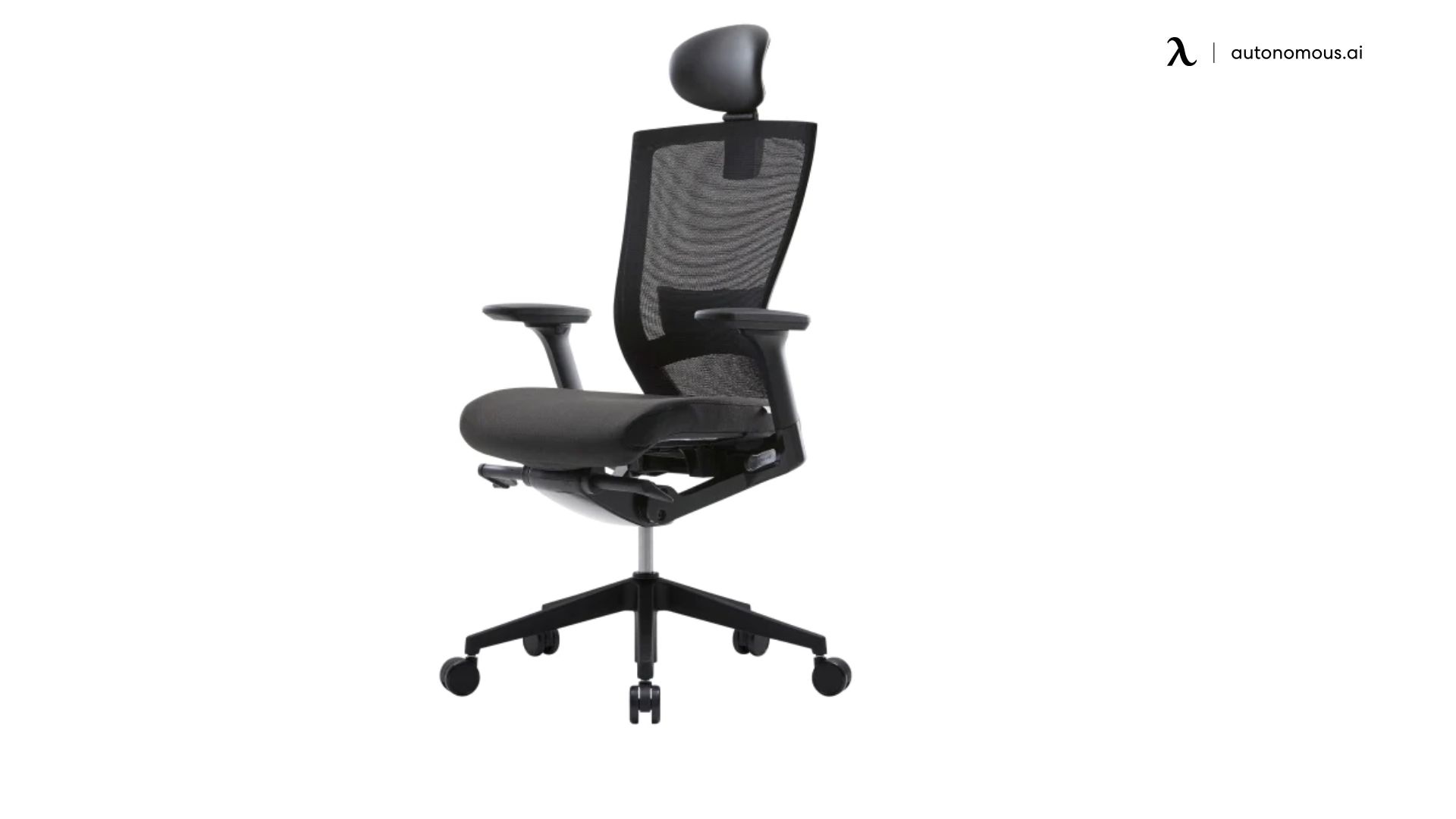
The SIDIZ T50 offers more than 10 adjustment points across headrest, lumbar support, armrest height, seat height, seat depth (forward tilt), and tilt strength. The S-curve back panel synchronizes with the spine's natural curve. Mesh back provides airflow; the seat is fabric. 275 lb capacity. 2 million units sold globally since 2013 across 62 countries.
The trade-off: build quality at the price point isn't on par with premium chairs from Herman Miller or Steelcase - armrests and adjustment levers feel less substantial. But the adjustment range is genuinely competitive at the under-$500 tier, and the synchro-tilt recline mechanism is smoother than most chairs in this range.
Best for: Users who want maximum adjustment flexibility at a mid-range price and don't mind slightly less refined construction.
6. Herman Miller Embody - premium pixelated support
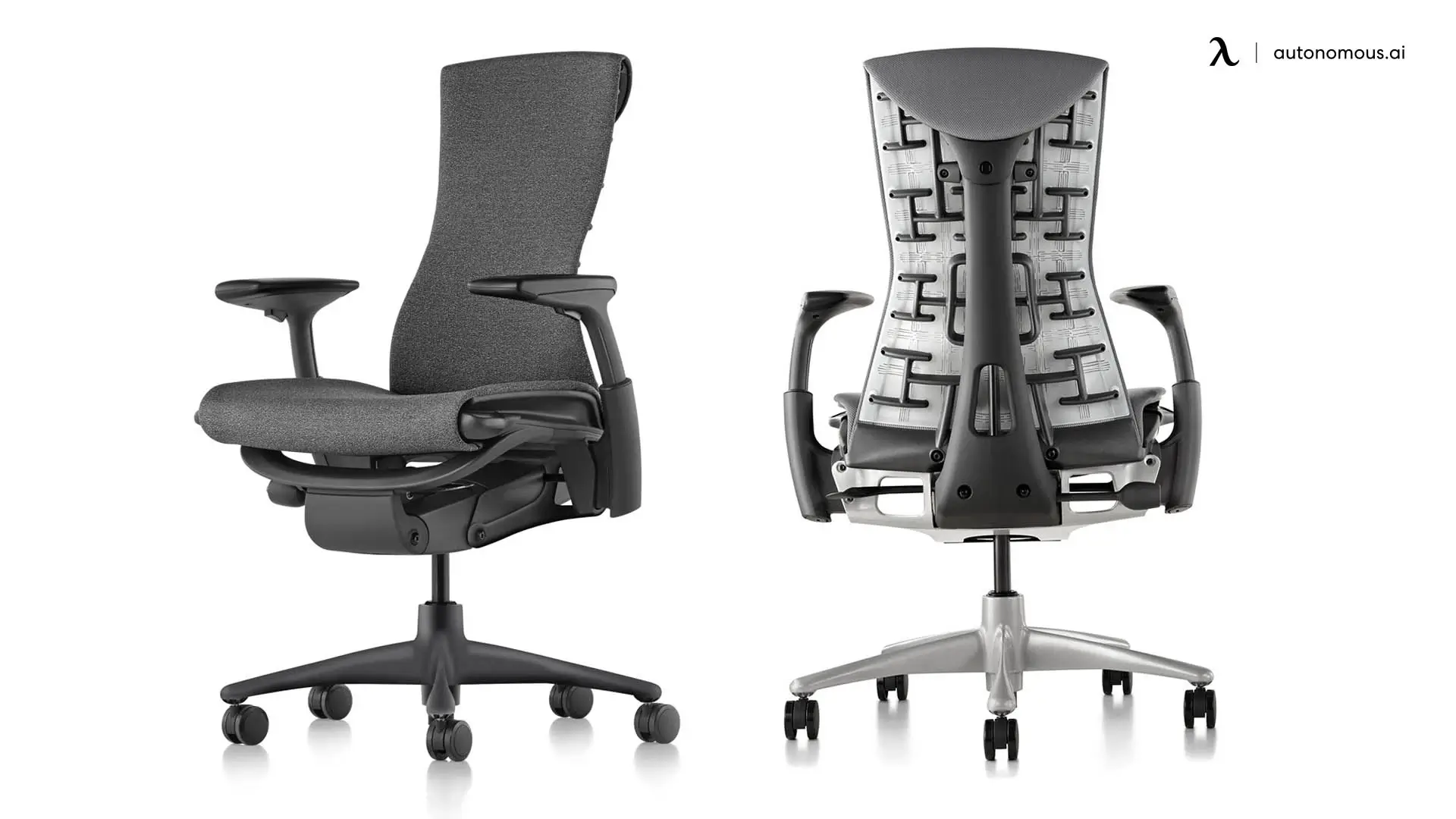
The Herman Miller Embody uses a pixelated support matrix instead of a single foam cushion - many small support points that each adjust independently to body movement. This distributes weight across more contact points than traditional foam can, which reduces concentrated pressure in the seated areas.
Suspension-based seat that flexes with movement rather than compressing in one spot. The pixelated layer rebalances support dynamically as you shift positions. 300 lb capacity. The chair is engineered for spinal alignment rather than hemorrhoid-specific relief, so the benefits come from the general pressure distribution rather than any targeted feature.
Best for: Buyers willing to spend $1,800+ for premium ergonomic engineering and lifetime daily-use durability.
7. Herman Miller Aeron - size-specific fit
The Aeron's Pellicle mesh distributes weight evenly across the seat and back. PostureFit SL lumbar support anchors the pelvis in a neutral position. Three size options (A, B, C) accommodate different body sizes precisely - matters more for hemorrhoid users because seat width and depth significantly affect pressure distribution. 350 lb capacity (Size C).
The trade-off: the lumbar is pre-set rather than vertically adjustable. PostureFit SL adjusts forward/back but not up/down. Users whose pressure relief depends on lumbar position above or below the standard height won't get the same fit.
Best for: Buyers who want a precisely-sized chair for their body and can choose between Sizes A, B, or C for optimal fit.
.webp)
8. Steelcase Leap V2 - 4D armrests and LiveBack
The Steelcase Leap V2's LiveBack technology lets the backrest mimic the spine's natural movement. 4D armrests adjust in width, height, depth, and pivot angle - useful for hemorrhoid users with uneven hips because asymmetric armrest positioning maintains spinal alignment without forcing symmetry. 400 lb capacity in the standard version.
Seat depth adjustment up to 4 inches accommodates different leg lengths. Adjustable lumbar firmness rather than just position. Premium price tier, but the 4D armrest movement and LiveBack flex are genuinely useful for users who shift positions throughout the day.
Best for: Premium buyers who want the most adjustable armrests in the category plus a high weight rating.
9. Sihoo Doro C300 - mid-range mesh
The Sihoo Doro C300 features full mesh construction across seat and back with a waterfall-shaped front edge that curves downward to reduce pressure behind the knees. Self-adaptive lumbar adjusts tension as you lean back or shift upright. 300 lb capacity.
The mesh surfaces address heat buildup well, and the waterfall edge improves circulation to the lower body. No seat depth adjustment is the main limitation - users with longer thighs may find the seat surface too short. Best paired with a coccyx-cutout cushion if specific tailbone relief is needed.
Best for: Mid-range buyers who want full mesh construction without spending $500+, and who don't need seat depth adjustment.
10. Branch Ergonomic Chair - budget-mid value pick
The Branch Ergonomic Chair pairs breathable mesh on the back with a foam seat that maintains shape better than most budget chairs in its tier. Standard ergonomic adjustments - height, tilt, armrest position, lumbar height. 300 lb capacity.
The Branch doesn't offer the depth of adjustment that the SIDIZ T50 or premium chairs provide, but it covers the basics - mesh back breathability, adjustable lumbar, decent foam - at a lower price point than Sihoo or Autonomous mid-range options. Better suited as a starter ergonomic chair than a long-term daily driver for severe symptoms.
Best for: Budget buyers who want mesh back breathability and basic ergonomic adjustability without spending $300+.
How to sit with hemorrhoids
The chair is half the work. How you sit in it matters as much:
Move every 20-30 minutes. Even the best chair can't prevent the static pressure that builds up from staying in one position. Stand, walk, or shift positions on a recurring timer.
Use a standing desk if possible. Alternating between sitting and standing throughout the day removes the sustained pressure that aggravates symptoms. A 30-minute sit / 30-minute stand cycle is a common starting pattern.
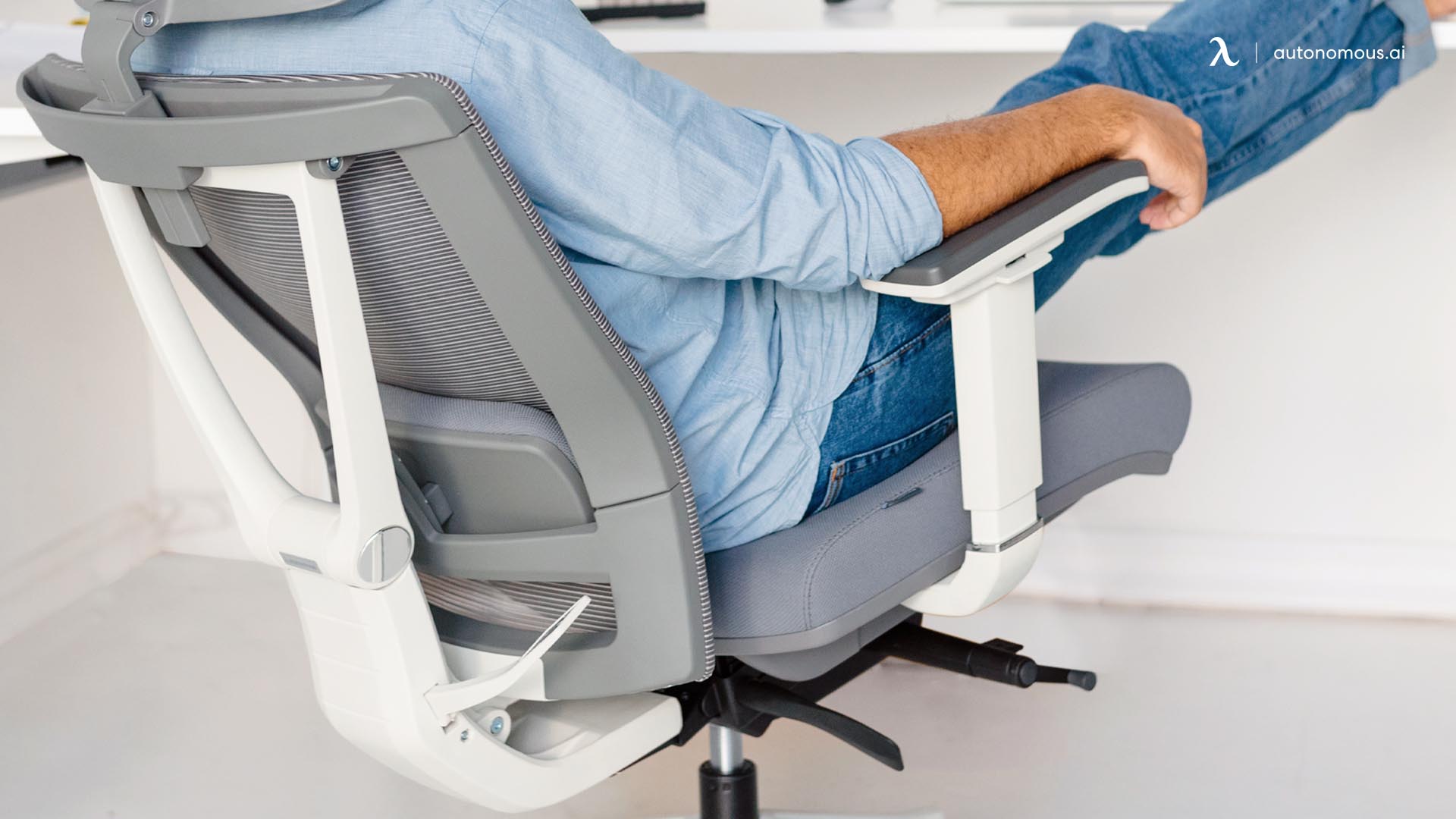
Position the lumbar support to maintain neutral spine. Slouching shifts weight onto the rectal area. A properly positioned lumbar (matched to your spine curve, not the chair's default) keeps the weight distributed correctly across the seat.
Keep feet flat on the floor. Dangling feet shift weight onto the back of the thighs and toward the rectal area. A footrest can help if the chair's lowest height still leaves your feet off the floor.
Avoid crossing legs. Crossing legs creates asymmetric pelvic loading and restricts circulation on one side. Sit with feet flat and hips level whenever possible.
Don't sit through pain. If symptoms are actively painful, stand up, walk, or lie down briefly. Forcing through symptoms makes them worse and slows recovery. Talk to a doctor if pain persists.
Frequently asked questions
What is the best office chair for hemorrhoids?
The best office chair for hemorrhoids has a breathable seat surface, adjustable seat depth, and lumbar support that maintains neutral spine. The Autonomous ErgoChair Mesh leads on breathability with German Ultra Air Mesh on both seat and back. The Autonomous ErgoChair Pro offers similar mesh breathability with added foam structure. Both share the 6" sliding lumbar range and adjustable seat depth that matter most for hemorrhoid relief.
What is the best thing to sit on for hemorrhoids?
The best thing to sit on for hemorrhoids is a breathable, pressure-distributing surface - a mesh-seat ergonomic chair, or a standard chair paired with a U-shaped coccyx cutout cushion. The mesh seat addresses heat buildup that intensifies symptoms. The U-shaped cushion removes direct pressure from the affected tissue while maintaining support under the sit bones and thighs. Donut cushions are not recommended - they can increase perimeter pressure and worsen symptoms.
Can sitting in an office chair cause hemorrhoids?
Sitting in an office chair doesn't cause hemorrhoids directly, but prolonged sitting in a poorly designed chair aggravates the conditions that lead to them. Poor lumbar support, non-breathable materials, and lack of seat depth adjustment all contribute to increased rectal pressure, restricted circulation, and tissue irritation. Sitting for 6+ hours daily without breaks or position changes is one of the recognized risk factors for hemorrhoid flare-ups.
Do ergonomic chairs help with hemorrhoids?
Ergonomic chairs help with hemorrhoid symptoms by redistributing body weight away from the rectal area, improving airflow to reduce heat buildup, and maintaining neutral spine alignment that prevents the slouching that increases pelvic pressure. They don't treat the underlying condition - they reduce the daily aggravation that keeps symptoms active.
Is a mesh office chair good for hemorrhoids?
A mesh office chair is well-suited for hemorrhoids because the breathable surface reduces heat and moisture buildup against the affected tissue. Heat is one of the recognized daily irritants for hemorrhoid symptoms; mesh construction keeps the seat surface closer to body temperature throughout the workday. The Autonomous ErgoChair Mesh uses German Ultra Air Mesh on both seat and back for maximum breathability.
Should I use a donut cushion for hemorrhoids?
Donut cushions are generally not recommended for hemorrhoids despite their common reputation. The ring shape can increase pressure around the perimeter of the affected area and reduce circulation in the surrounding tissue. Pelvic health specialists usually recommend U-shaped coccyx cutout cushions instead, which remove pressure from the tailbone area while maintaining full support under the sit bones.
How long can I sit at a desk if I have hemorrhoids?
Standard advice for active hemorrhoid symptoms is to limit sitting to 20-30 minute blocks before changing position. Standing breaks, short walks, or lying down briefly all help reduce the sustained pressure that aggravates symptoms. A standing desk that lets you alternate between sitting and standing throughout the day is one of the most effective adjustments for desk workers managing chronic symptoms.
Can a standing desk help with hemorrhoids?
A standing desk helps with hemorrhoids by reducing the sustained sitting pressure that aggravates symptoms. Alternating between sitting and standing throughout the day improves circulation, reduces heat buildup, and prevents the static pressure that develops from staying in one position for hours. A 30-minute sit / 30-minute stand pattern is a common starting cycle for desk workers managing hemorrhoid symptoms.
Is a kneeling chair good for hemorrhoids?
Kneeling chairs can reduce direct pressure on the rectal area by shifting weight to the shins, but they're not ideal for sustained desk work. The kneeling position concentrates load on the knees and shins, which most users can't tolerate for 6+ hour workdays. Better used as a position-variety chair rotated in for 30-60 minute blocks alongside a standard ergonomic chair.
Are saddle chairs good for hemorrhoids?
Saddle chairs can help with hemorrhoid symptoms by opening the hip angle and reducing concentrated pressure on the rectal area. The forward-tilted seat distributes weight differently than a flat office chair. The trade-off is a 2-4 week adaptation period and the need for a higher desk to maintain proper arm position. Saddle chairs are best as a rotation option, not the only chair.
Bottom line
The right chair for hemorrhoids reduces the daily aggravations - heat, concentrated pressure, slouching - without claiming to treat the condition itself. The Autonomous ErgoChair Mesh leads on breathability with full German Ultra Air Mesh seat and back. The Autonomous ErgoChair Pro offers similar mesh breathability with added foam structure. Both share 9-point adjustability, 6" sliding lumbar, and a lifetime warranty.
For users who can't or don't want to replace their current chair, a U-shaped coccyx cutout cushion at $30-$60 addresses tailbone pressure without changing the chair. Pair either approach with frequent position changes - ideally a standing desk that alternates sitting and standing - and talk to a doctor about the underlying condition. No chair is a substitute for medical care.