About Autonomous ergonomic chairs in Canada
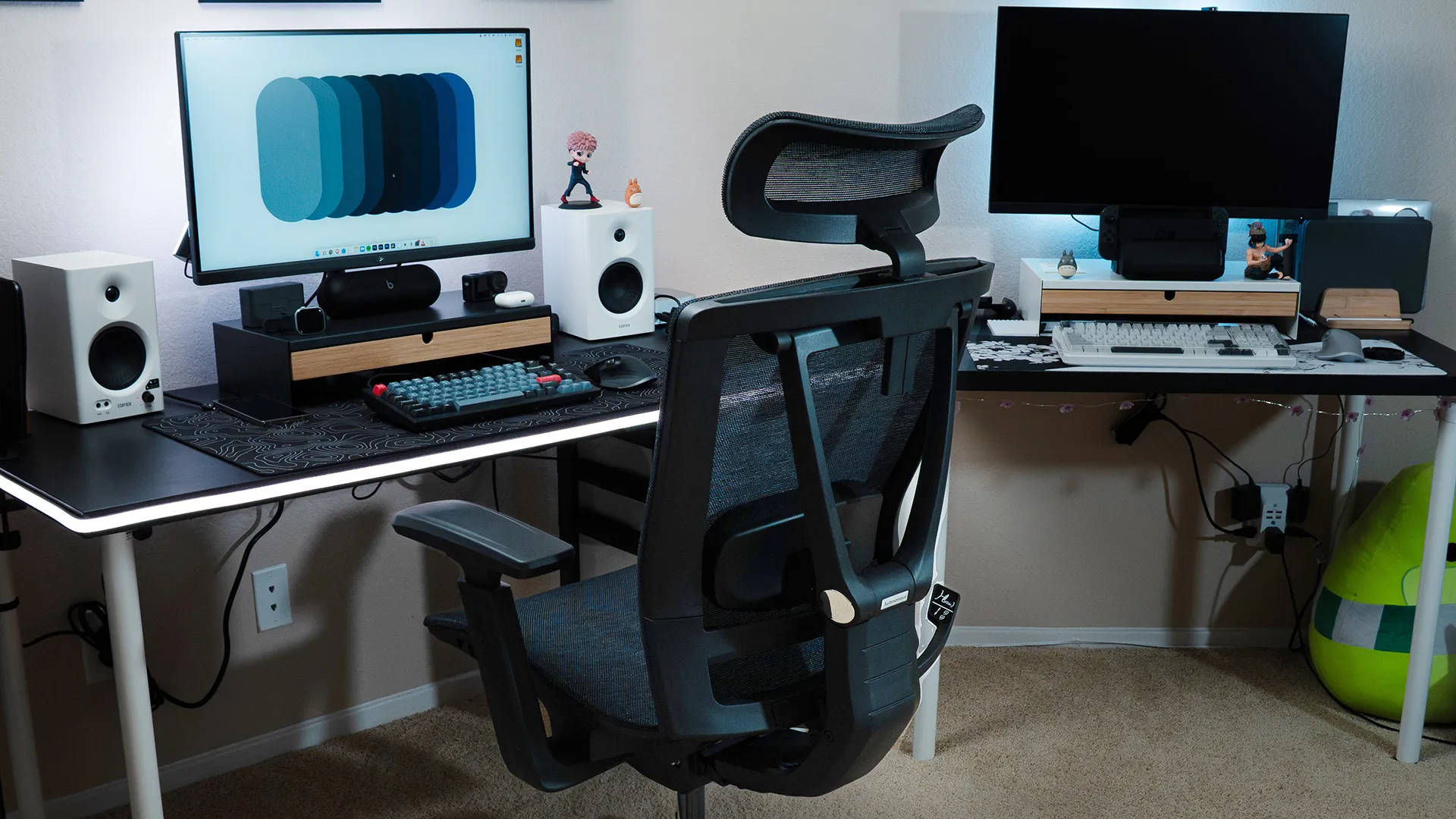
Most office chairs fail in one of three ways: the foam packs down and stops supporting you within a year, the gas cylinder sinks so the seat won't hold its height, or the mesh sags out of shape. We engineered against those three. Every chair is built to 100,000 load cycles: the seat, the tilt mechanism, and the gas lift tested together, not one part in isolation. The ErgoChair Ultra 2 goes furthest, with a reinforced aluminium 5-star base instead of nylon, and its CAD is open source on GitHub. The work behind our backrests is documented in our ergonomics research. You can read the design instead of trusting a spec sheet.
Who an Autonomous chair is for
Our office chairs are for people who sit for the long stretch: deep work, building, writing, coding, the sessions measured in hours rather than minutes. They are built for the eighth hour, not the first. The payoff over a long day is less load on your lower back and a posture you can hold without shifting around to get comfortable.
What to look for in an ergonomic office chair in Canada
A good ergonomic office chair earns the name through fit and build. Every Autonomous chair is a posture chair at heart and a reclining office chair too. Each one sets to your body with adjustable height, adjustable seat depth, and adjustable arms, and the Pro and Mesh add adjustable lumbar support with a pad that slides to the spot your lower back wants. The frames are heavy duty, cycle-tested to hold their height and shape for years, and the flagship models carry a big and tall office chair rating for larger builds. If you are a shorter person, the Ultra 2 sets its seat the lowest of the line. The comparison page lays the choices out side by side.
Last updated July 2026.
.jpg)
.webp)