8 Best Kids Desk Chairs: Compare Fit and Foot Support


The best kids desk chair should let your child reach the homework surface without dangling feet or sliding away from the backrest. A chair that goes low enough for a small desk may still be wrong for the family computer desk. These eight options cover both situations, from SIDIZ Ringo to simpler stationary chairs, with the fit details that matter before you buy.
How to choose the best kids desk chair for your setup
Choose the chair and desk as a pair: seat height, seat depth and foot support must work together. An age label cannot tell you whether your child's elbows will reach the desk comfortably or their knees will clear the seat edge.
Our own ErgoChair Pro illustrates why an adjustable adult chair is not automatically a kids chair. Its seat starts at 18.5 inches high and 19 inches deep. Those dimensions can leave a smaller child sitting forward without back support, even after you add a footrest.
| Check | What you want to see | What to do if it fails |
|---|---|---|
| Seat height | Forearms reach the work surface with relaxed shoulders. | Adjust both chair and desk where possible. |
| Seat depth | Back contact with clearance behind the knees. | Shorten the seat; do not buy extra depth to grow into. |
| Foot support | Both feet supported on the floor or a stable footrest. | Add support after setting the working height. |
| Desk clearance | The chair pulls close enough for writing. | Check arms, footrest, drawers and base together. |
| Caster behavior | You understand when the wheels hold and release. | Check the model’s locking mode and weight threshold. |
A useful shopping test is to record the height of a seat your child already finds comfortable, then measure your desk surface and the opening underneath it. These are reference points for comparing chairs, not a formula that replaces sitting in one.

8 best kids desk chair options at a glance
Start with your desk height and the adjustments your child needs. The options below are compared from published product information, not hands-on testing. Local stock and color availability vary.
| Chair | Consider it for | Key fit detail | Listed US price |
|---|---|---|---|
| SIDIZ Ringo | Defined growth settings and foot support | Manufacturer height guide: 3′6″–5′2″. | $286.10 |
| IKEA VIMUND | Adjustable depth and washable covers | 15–20⅛-inch seat height; ages 8+. | $119.99 |
| IKEA ÖRFJÄLL, child version | A simpler, compact chair | 13⅜-inch fixed seat depth; ages 8+. | $69.99 |
| Hinomi Zee V2 | More adjustments and flip-up arms | Confirm V2 footrest configuration. | $449 |
| VIVO DESK-V201G-CH | A low child-height workstation | 12.6–15.7-inch height range; no wheels. | $49.99 |
| Costway Double Backrest Study Chair | Short seat depth and a stationary base | 10–12½-inch adjustable seat depth. | $74.99 |
| Giantex Kids Desk Chair | A larger child who fits a deeper seat | 16-inch fixed seat depth. | $72.99, gray |
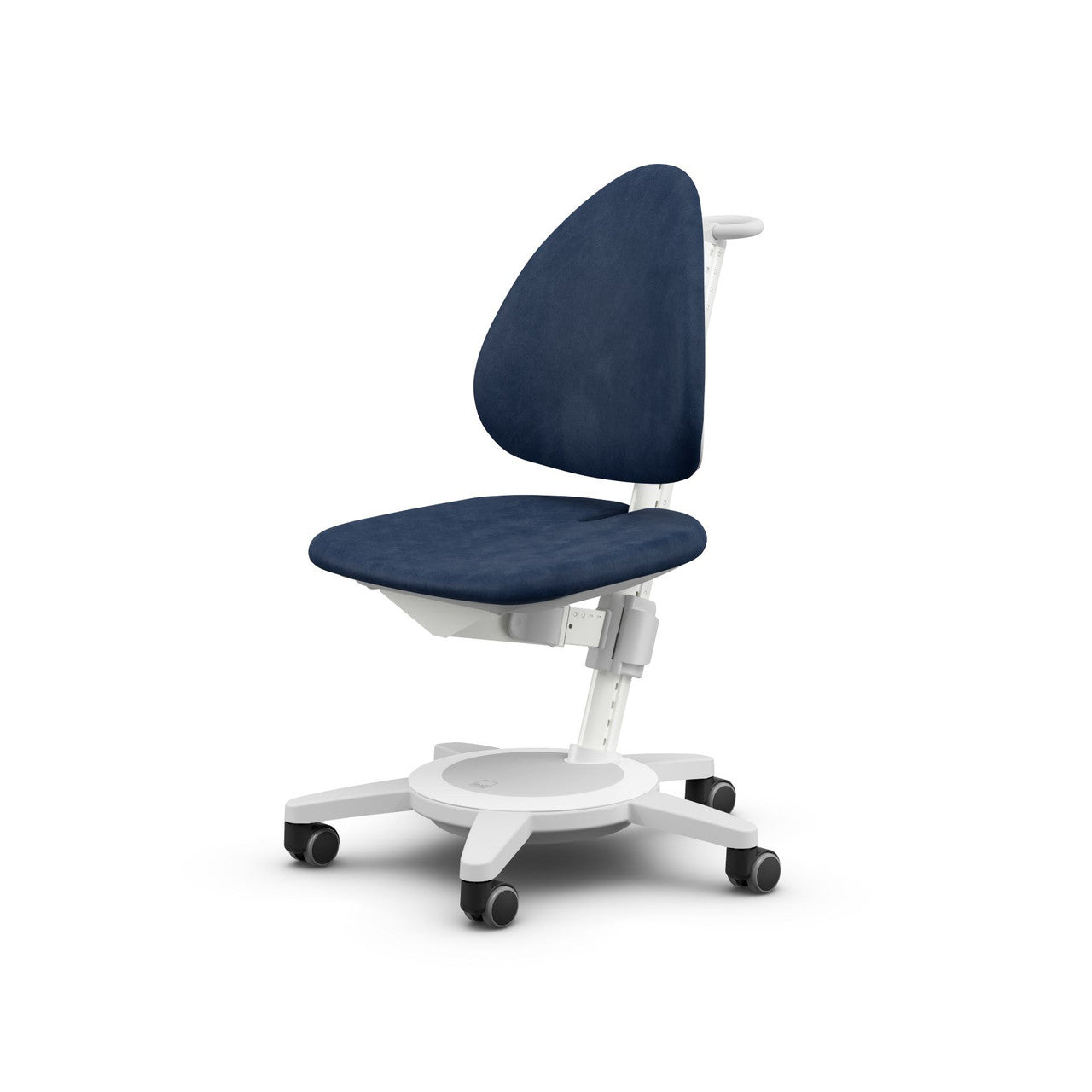
| moll Maximo | Independent fit adjustments | Allow for its 26.77-inch-wide base. | $765 |
Listed US prices change periodically. Color, shipping, tax and availability can affect the total.
1. SIDIZ Ringo: a clear growth system with a footrest
The SIDIZ Ringo is a useful starting point when you want defined growth settings rather than a chair labeled only by age. Its four settings cover a manufacturer-stated child-height range of 3 feet 6 inches to 5 feet 2 inches, with a detachable footrest.
The sit-lock casters are designed for users over 45 pounds. That threshold matters for a smaller child: do not assume the wheels will lock under their weight.
| Pros | Cons |
|---|---|
| Four growth settings plus seat-height adjustment. | The stated height range does not guarantee an individual fit. |
| Detachable footrest for children whose feet do not reach the floor. | Sit-lock operation requires a user over 45 lb. |

2. IKEA VIMUND: washable covers and adjustable seat depth
The IKEA VIMUND suits families who want seat-depth adjustment and covers they can remove and machine-wash. IKEA recommends it for children aged eight and older; its seat height adjusts from 15 to 20⅛ inches.
Its caster brake works in the opposite direction to Ringo's sit-lock system: it holds the empty chair and releases when someone sits down. Choose it knowing that it can roll while occupied.
| Pros | Cons |
|---|---|
| Adjustable seat depth and a built-in foot platform. | IKEA recommends it for ages eight and up. |
| Removable, machine-washable covers. | Casters release under seated weight rather than holding the child still. |

3. IKEA ÖRFJÄLL: a simpler chair for a smaller workstation
The children's IKEA ÖRFJÄLL is a simpler choice when a short, padded seat already fits your child. Its seat measures 13⅜ inches deep, and the sitting height adjusts from 15 to 19¼ inches. IKEA recommends this version for ages eight and older.
It does not offer the same adjustable-depth system or foot platform as VIMUND. If you raise it for a tall desk, plan for separate foot support. Make sure you are comparing the child's version, since the ÖRFJÄLL name also appears on other chairs.
| Pros | Cons |
|---|---|
| Compact seat with padded back support. | Seat depth is fixed. |
| Armless shape allows access to the desk edge. | No built-in foot platform; recommended for ages eight and up. |

4. Hinomi Zee V2: more adjustments and flip-up arms
The Hinomi Zee V2 is an option when adjustable seat depth, backrest height and flip-up armrests matter more than keeping the chair simple. Hinomi lists an adjustable, removable footrest for the V2; the older Zee has a different configuration.
Its wheels offer a free-rolling mode and a self-locking mode for children over 44.09 pounds. Match the version and included footrest to your order, since the manufacturer shows both generations in its product imagery.
| Pros | Cons |
|---|---|
| Adjustable depth and backrest, with flip-up arms. | More controls to set up and recheck. |
| Two caster modes; V2 includes an adjustable footrest. | Self-locking mode has a weight threshold; older Zee specifications differ. |

5. VIVO DESK-V201G-CH: a low chair without wheels
The VIVO DESK-V201G-CH is a practical option for a child-height desk when you want a chair without rolling casters. Its height range is 12.6 to 15.7 inches, and the seat measures 14 inches wide by 12 inches deep.
That low range is also its limitation. It may leave a child reaching upward at a standard adult desk. Its plastic seat is less cushioned than the padded chairs here, so let your child try that surface if possible.
| Pros | Cons |
|---|---|
| Low seat-height range and a stationary base. | The maximum height may be too low for an adult desk. |
| Short seat depth for a smaller workstation. | Unpadded plastic seating; fewer fit adjustments. |

6. Costway Double Backrest Study Chair: stationary seating with a footrest
This Costway study chair combines a stationary H-shaped base with adjustable foot supports. Its published seat-height range is 17 to 21½ inches, while the seat depth adjusts from 10 to 12½ inches.
The short adjustable seat can be useful for a child with shorter thighs who needs to sit high enough for a desk. It has no armrests, so forearm support must come from a properly positioned work surface. The split backrest alone is not evidence of a health benefit.
| Pros | Cons |
|---|---|
| Short adjustable seat depth with foot support. | The 17-inch minimum height may still require foot support. |
| Stationary base and no arms blocking the desk. | No arm pads for activities away from the desk. |

7. Giantex Kids Desk Chair: a mesh option for a larger child
This Giantex kids desk chair is worth considering for a larger child who fits a 16-inch-deep seat. It adjusts from 16 to 21 inches in seat height and has a mesh back, armrests and rolling casters.
This is closer to a small office chair than a highly adjustable children's growth chair. There is no built-in footrest or listed seat-depth adjustment. A high weight capacity does not make that fixed seat shallow enough for a younger child.
| Pros | Cons |
|---|---|
| Mesh back and a broad seat-height range. | Fixed 16-inch seat depth may be too long for smaller children. |
| Armrests and a removable seat cover. | No built-in footrest or stated sit-lock caster function. |

8. moll Maximo: independent adjustments for a growing child
The moll Maximo lets you adjust seat height, seat depth and backrest height independently. That flexibility makes it worth comparing when children of different proportions share a workstation. Seat and back covers are removable and washable.
Its TurnStop locks swiveling, which is separate from stopping the wheels. The US seller describes the braked casters as moving easily under load. Allow room for the 26.77-inch-wide base, especially under a desk with drawers or a narrow knee opening.
| Pros | Cons |
|---|---|
| Independent height, depth and backrest adjustments. | Wide base requires clearance beneath the desk. |
| Washable covers and a separate swivel lock. | Swivel locking does not immobilize the casters. |
Set up the chair before judging its comfort
A short trial at the actual homework desk tells you more than the product's age range. Have your child write, turn a page and reach their supplies while you check the setup.
- Check back contact and knee clearance. Start with your child sitting back. Shorten an adjustable seat if its front edge presses into the knees; NHFT's children's occupational therapy guidance suggests roughly two fingers of clearance.
- Match the work surface. Adjust height until the forearms rest comfortably without raised shoulders. If the desk is too high even at the chair's upper setting, changing the chair alone will not solve it.
- Support the feet. If raising the chair leaves feet dangling, position a stable footrest beneath them. A footrest solves unsupported feet; it does not shorten an oversized seat.
- Check the chair can move close enough. Look for armrests hitting the desktop, a foot platform touching a drawer, or a wide base catching the desk legs.
- Try the controls and caster mode. An adult should set and secure adjustments, then check that the wheels behave as described with the child seated.

For computer work, separate the screen and typing positions when necessary: a raised laptop screen is easier to use with an external keyboard placed within comfortable reach. Writing and drawing need their own setup; the page does not belong at monitor height.
Allow movement breaks during homework. If a child keeps shifting or perching, recheck the fit rather than assuming they need a chair that restricts movement. Persistent pain or difficulty sitting deserves advice from their healthcare professional.
When is a child ready for an adult office chair?
A child is ready to compare adult chairs when the seat, backrest and controls fit their body, not when they reach a particular birthday. Growing teens may find more suitable proportions among petite office chairs.
When comparing office chairs, apply the same fit test: comfortable working height, usable seat depth and foot support. Buying a larger chair early can mean paying for adjustments that still do not reach the child.

Frequently asked questions
What are the best study chairs for kids?
The best study chairs for kids fit both the child and the work surface. Start with adjustable height, a suitable seat depth and reliable foot support. For a low children's desk, consider a low stationary chair; for a taller desk, compare models that provide adjustable depth and a footrest.
What seat height should a kids desk chair have?
A kids desk chair should adjust to a height that lets your child reach the work surface with relaxed shoulders. If that setting leaves their feet dangling, add stable foot support. Compare the floor-to-seat measurement, rather than overall chair height, and check that the seat depth also fits.
Does the SIDIZ Ringo lock when a child sits down?
The SIDIZ Ringo's sit-lock casters are designed for seated users over 45 pounds. A lighter child may not activate that function. This differs from chairs whose wheels brake when empty and release under load, so check the operating direction as well as whether a product mentions locking wheels.
Should a kids desk chair have arms?
A kids desk chair can have arms if they support the forearms without raising the shoulders or preventing access to the desk. Armless and flip-up-arm designs can make close positioning easier. Test the chair at the actual work surface, especially when the desk has a drawer beneath the top.
Does my child need a chair with a footrest?
Your child needs foot support if their feet do not reach the floor at the correct working height. That support can be a built-in platform or a stable separate footrest. Before buying, also check seat depth: adding a footrest will not fix a cushion that presses behind the knees.
Are wobble stools or balance-ball chairs better for homework?
A wobble stool or balance-ball chair is not automatically a better homework seat. Start by finding a chair that fits and supporting regular movement breaks. Some children need individual seating advice; a pediatric occupational therapist can help when ordinary adjustments do not meet their needs or sitting remains difficult.
Choose the chair that fits today's homework setup
The best kids desk chair gives your child usable back support, comfortable access to the desk and a place for both feet. Shortlist by those needs first, then compare padding, covers and controls. Before keeping a chair, let your child try a real homework task at home and use the seller's return window if the fit is wrong.
References
Pediatric occupational therapy resources used for the fit and setup recommendations: