What Is Office Chair Butt and How Do You Fix It?

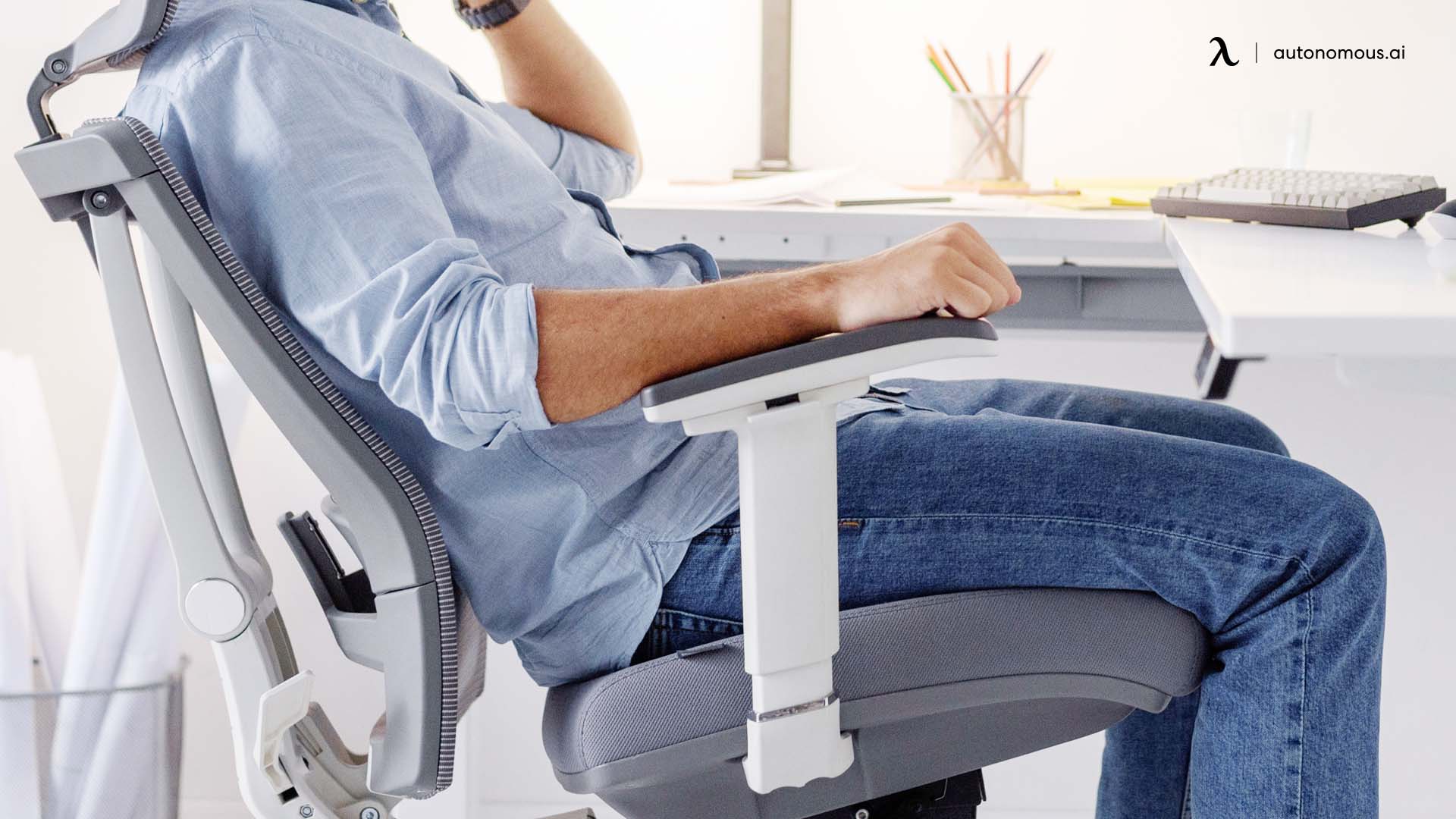
You saw the term on your feed, then you caught your reflection and wondered if it was happening to you. "Office chair butt" spreads fast on social media because it names something a lot of desk workers quietly notice: after months of long sitting, your backside looks and feels different. The good news is that the change is real, it's understood by physical therapists, and it's reversible. This guide explains what office chair butt is, whether it's a real condition, what it looks like, and the movement habits that undo it.
What Is Office Chair Butt?
Office chair butt is a slang term for the flattening, softening, and weakening of the glute muscles caused by long hours of sitting. It is not a formal medical diagnosis. The phrase became popular online, but it points to a documented process: when you sit for most of the day, your gluteal muscles do very little work, so they gradually lose tone and strength.
The clinical name for the underlying issue is gluteal amnesia, sometimes called "dead butt syndrome." Dead butt syndrome means the muscles of your rear end forget how to do their job - stabilizing the pelvis and keeping your body in alignment - because of inactivity. The casual name captures the visible side; the medical term captures the function you lose.
Is Office Chair Butt Real?
Yes, office chair butt is real, even though the name comes from social media rather than medicine. The term itself is informal, but the condition it describes - weak, underused glute muscles from prolonged sitting - is well documented in physical therapy and sports medicine.
Clinicians take it seriously because it affects more than appearance. Dead butt syndrome can even affect people who are physically fit, because they aren't always activating the right muscles during their activities. In other words, this isn't only about how much you exercise overall. It's about how long your glutes sit idle each day.
What Does Office Chair Butt Look Like?
Office chair butt usually looks like a flatter, softer, less defined backside than you had before. The change is rarely dramatic or sudden, and it shows up gradually over months of desk work. Because muscle is firmer and holds its shape better than fat, glutes that lose muscle tone start to look looser and less rounded.
A few common signs people describe include:
- A flatter, less rounded shape
- Softer, less firm muscle when you tense your glutes
- Less definition than you remember, even at the same body weight
It helps to know that office chair butt is more about function than looks. The clearest office chair butt example isn't a photo - it's the feeling of weaker hip power when you stand up from your chair, climb stairs, or walk uphill. If the muscle feels like it isn't "switching on," that's the real signal.
Symptoms Beyond Appearance
The symptoms of office chair butt often show up as discomfort in nearby joints, not just changes in shape. When your glutes weaken, other muscles take over work they weren't built for, and that shift causes strain elsewhere.
Common symptoms include:
- Numbness or a "pins and needles" feeling after long sitting
- Tight hips and hip flexors
- Lower back pain from muscles compensating for weak glutes
- Stiffness or reduced power when standing up or climbing stairs
Because everything in the body is connected, dead butt syndrome can cause discomfort far from the glutes themselves - tight hip flexors can trigger back pain, and weak glutes can lead to knee and foot problems. That chain reaction is why the issue is worth addressing early.
Why Office Chair Butt Happens
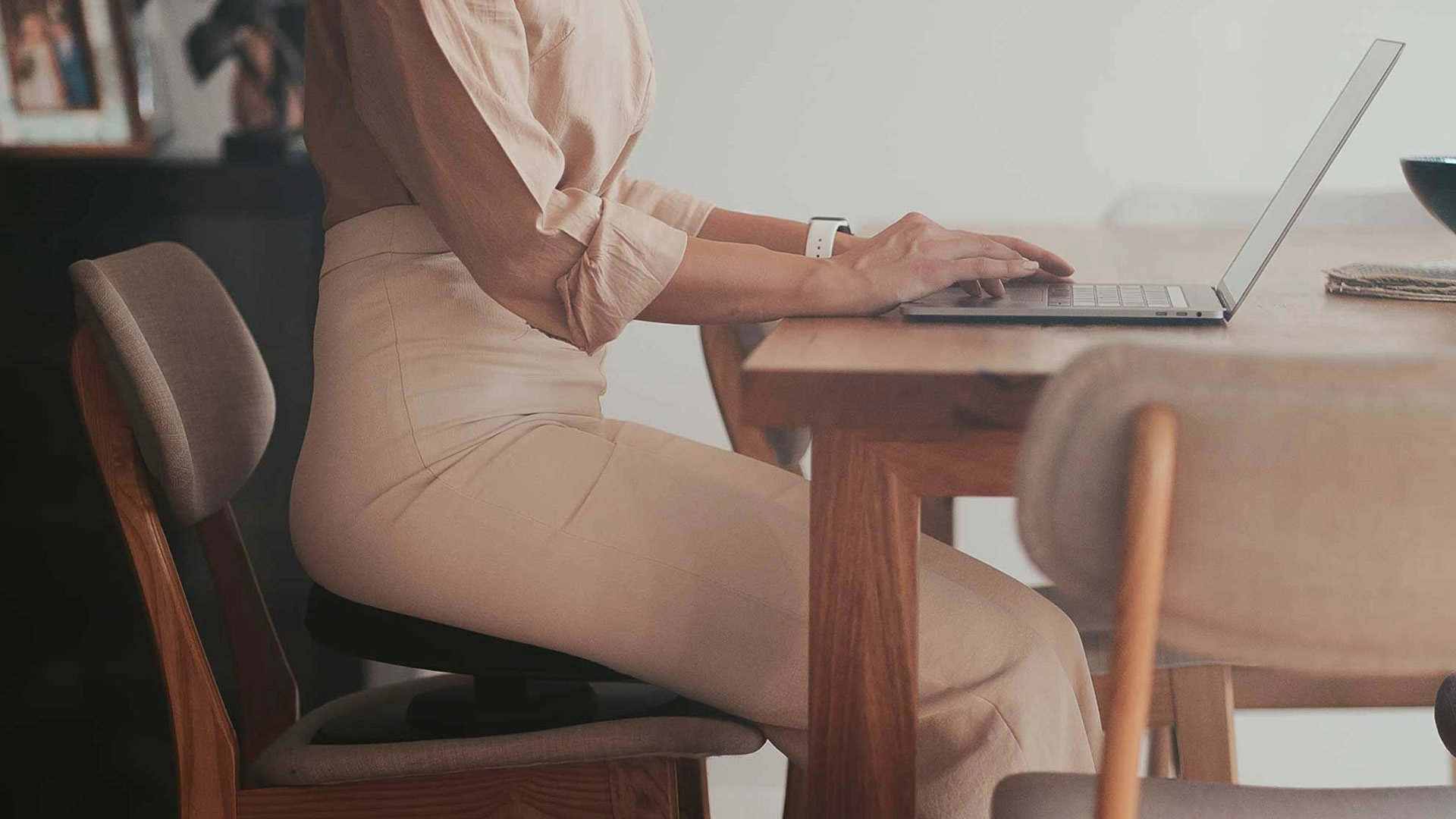
Office chair butt happens because sitting keeps your glutes inactive while shortening the muscles at the front of your hips, which throws your body's support system out of balance. Muscles follow a "use it or lose it" rule. When the glutes go unused for hours at a time, they lose strength and tone, and softer fat tissue becomes more noticeable in their place.
Occupational therapists describe this as atrophy of the gluteal muscle group: a lack of conditioning leads to weakness, so the area builds up fat tissue and appears flatter or saggier. Because fat tissue is softer and more pliable than muscle, it doesn't hold its shape as well - which is the visible part people notice.
There's also a mechanical side. Long sitting shortens your hip flexors and lengthens your glutes, so the glutes stop firing properly and muscles like your hamstrings and lower back pick up the slack. That's why the problem so often shows up as hip tightness and back strain rather than just a change in shape.
Is It Your Chair's Fault?
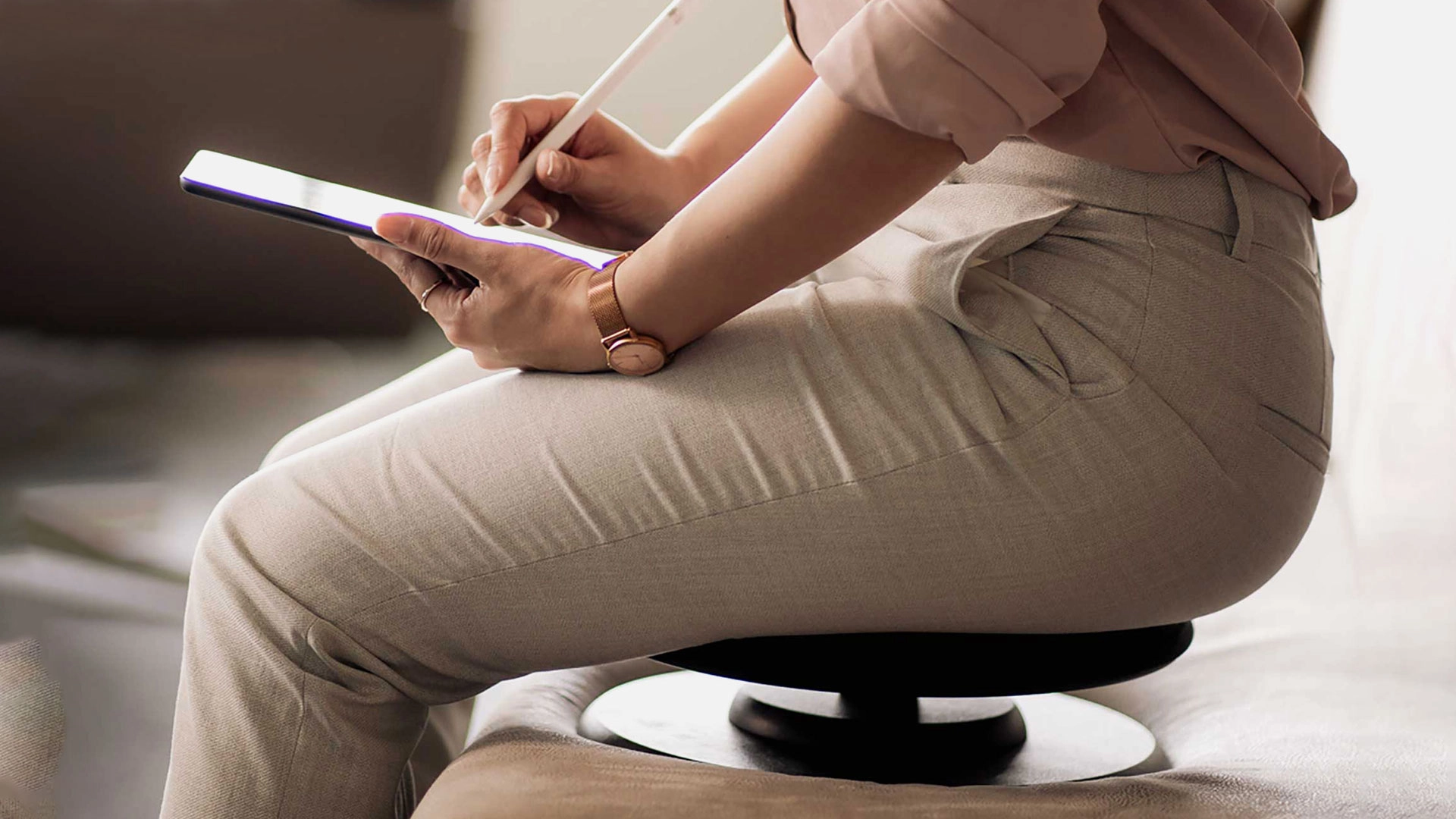
No, your chair is not the main cause of office chair butt - how long you sit without moving is the real problem. The name puts the blame on furniture, but the research points at inactivity instead.
As one occupational therapist puts it, it's not the chair that's the trouble - it's how much you're using it, and sitting too long without breaks isn't good for anything. A better chair can encourage movement and support good posture, but no chair replaces the need to get up and use your glutes. Keep that order in mind: movement first, equipment second.
How to Prevent and Reverse Office Chair Butt
You prevent and reverse office chair butt by moving more often, activating your glutes during the day, and breaking up long stretches of sitting. Muscle responds quickly once you start using it again, so consistent small actions matter more than any single fix.
Move on a schedule. Stand up every 30 to 60 minutes, even for a minute. A good rule of thumb is to get up and move every 30 to 90 minutes as your job allows. A short walk to refill your water counts.
Activate your glutes with simple exercises. You don't need equipment. A few that target the area directly:
Exercise | How it helps | Do it |
Glute bridges | Wakes up and strengthens the main glute muscle | 10–15 reps, a few times a day |
Clamshells | Targets the side glute that stabilizes your hips | 10–15 reps per side |
Seated glute squeezes | Fires the muscle without leaving your chair | 10 seconds on, 10 seconds off, 1–2 minutes |
Glute bridges double as one of the most recommended moves for lower back pain, since stronger glutes take pressure off your spine. If you'd rather stay in your seat, a set of seated leg exercises keeps the surrounding muscles active, and loosening tight hips with a few seated stretches helps the glutes switch back on.
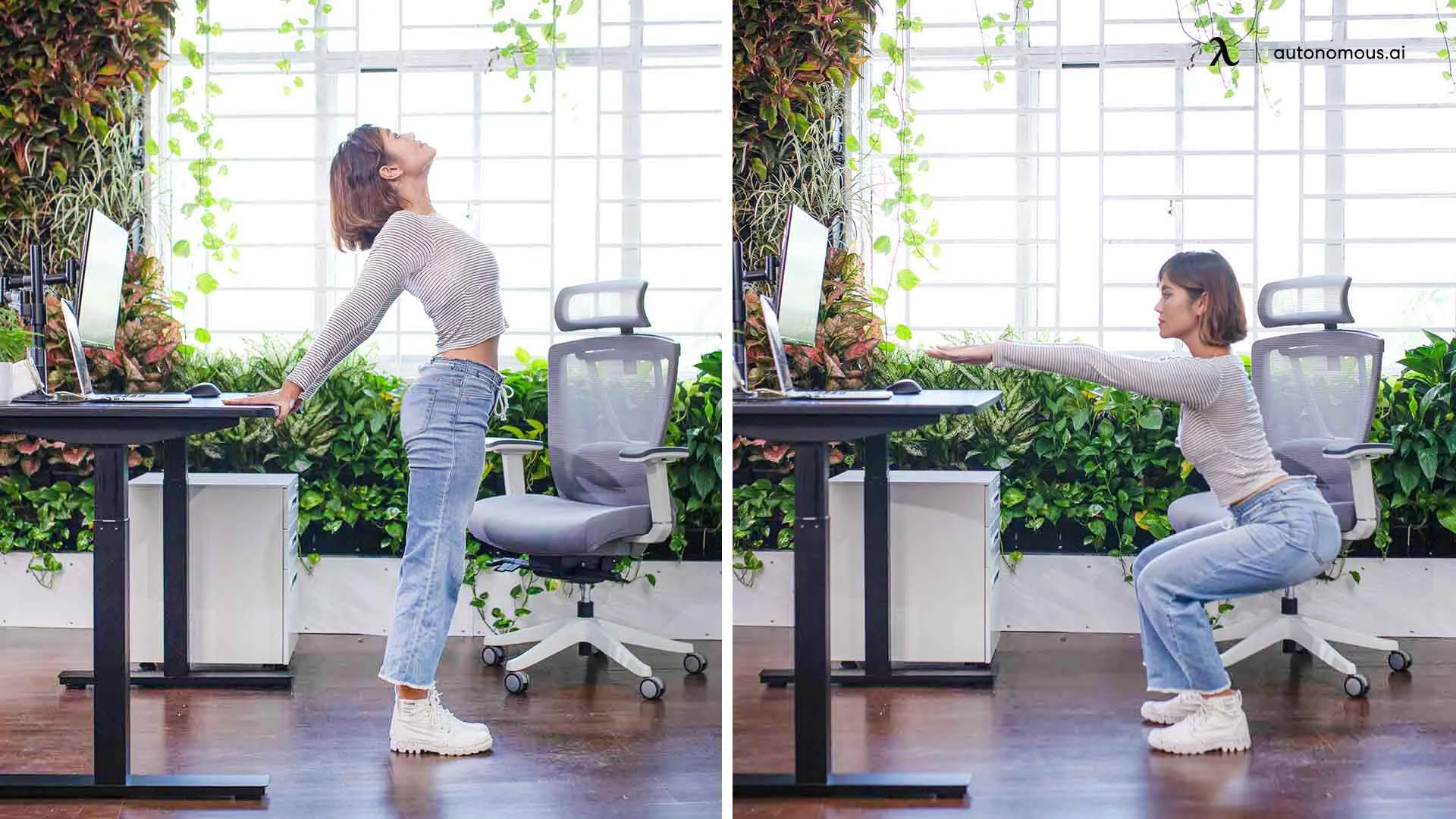
Alternate sitting and standing. Switching positions through the day keeps your hips from locking into one posture. A sit-stand desk lets you change position in seconds without stopping work - the point is to break up static sitting, not to stand all day, since staying in one position too long strains the body either way.
Choose a chair that supports movement. A chair won't fix weak glutes, but one that lets you shift and recline freely makes it easier to avoid locking into a single posture. Chairs built to move with you, like the ErgoChair Ultra 2, flex as you lean rather than holding you rigid. Treat it as support for good habits, not a substitute for them.
.webp)
Weak glutes can also refer pain into the hips and buttocks, and gentle exercises for sciatica-related buttock pain can ease that strain. If symptoms like persistent hip or lower back pain don't improve with movement, it's worth checking in with a physical therapist or doctor for a proper assessment.
Frequently Asked Questions
What is office chair butt?
Office chair butt is an informal term for the flattening and weakening of the glute muscles caused by long hours of sitting. It is not a medical diagnosis, but it describes a real process that physical therapists call gluteal amnesia. The muscles lose tone because they go unused for most of the day.
Is office chair butt real?
Yes, office chair butt is real, though the name comes from social media rather than medicine. The underlying condition - weak, underused glutes from prolonged sitting - is documented in physical therapy and sports medicine. Experts treat it as a functional problem, not just a cosmetic one.
What does office chair butt look like?
Office chair butt looks like a flatter, softer, and less defined backside than before. The change happens gradually over months of desk work rather than suddenly. It's caused by loss of muscle tone, which makes the area hold its shape less well.
Is office chair butt a medical condition?
Office chair butt is not a formal medical condition, but it overlaps with one called gluteal amnesia or dead butt syndrome. That condition involves the glute muscles becoming weak or inactive from prolonged sitting. Left unaddressed, it can contribute to hip and lower back problems.
What are the symptoms of office chair butt?
The main symptoms of office chair butt are a flatter shape, numbness after sitting, tight hips, and lower back discomfort. These happen because weak glutes force other muscles to compensate. You may also notice less power when standing up or climbing stairs.
How long does it take to get office chair butt?
Office chair butt develops gradually over weeks to months of prolonged daily sitting, not overnight. The more hours you sit without breaks, the faster muscle tone declines. The exact timing depends on your overall activity level and how often you move during the day.
Can office chair butt be reversed?
Yes, office chair butt can be reversed because muscle responds quickly once you start using it again. Regular glute activation and daily movement rebuild tone and strength, often noticeably within weeks. Consistency matters more than intensity.
What exercises fix office chair butt?
The best exercises for office chair butt are glute bridges, clamshells, and seated glute squeezes. These target the glute muscles directly and need no equipment. Doing a few sets throughout the day helps reactivate muscles that sitting has switched off.
Does a standing desk help with office chair butt?
A standing desk can help with office chair butt by making it easy to break up long stretches of sitting. The benefit comes from alternating between sitting and standing, not from standing all day. Changing position regularly keeps your hips and glutes more active.
Is it my office chair's fault?
No, your office chair is not the main cause of office chair butt - long, uninterrupted sitting is. A supportive chair can encourage movement and better posture, but it can't replace getting up and using your glutes. Movement is the fix; the chair is support.
Does a better chair prevent office chair butt?
A better chair alone does not prevent office chair butt, but a movement-friendly one can help. Chairs that let you shift, recline, and change posture make it easier to avoid staying locked in one position. Pair a good chair with regular movement for the real benefit.
The Bottom Line
Office chair butt is a real, reversible result of sitting too long without moving - not a permanent change and not really your chair's fault. The fix is straightforward: get up often, activate your glutes with a few simple exercises, and break up static sitting by alternating between sitting and standing. Better equipment can support those habits, but the movement is what brings your glutes back. Start with one small change today, and your body will follow.
References
- Cleveland Clinic - "What Is Office Chair Butt (and How To Avoid It)"
https://health.clevelandclinic.org/office-chair-butt - Michigan Medicine (University of Michigan) - "Dead Butt Syndrome: 5 Things to Know"
https://www.michiganmedicine.org/health-lab/are-you-risk-dead-butt-syndrome