Why Are Office Chairs So Expensive? What You Pay For

Search "office chair" and you'll find one for $45 and another that looks nearly identical for $1,500. That gap is the reason people ask why office chairs are so expensive, and the honest answer is that some of the price buys real engineering while some of it just buys a logo. This guide breaks down what actually drives office chair prices, why certain designer chairs cost as much as a used car, and how to tell which part of a premium price tag is worth paying.
What Actually Drives Office Chair Prices
Office chair prices are set mostly by four things: the depth of the adjustment system, the durability of the materials, the length of the warranty, and the brand behind it. The first three are functional and justify a higher price for anyone sitting long hours. The fourth, brand, is where prices climb without a matching jump in what the chair does for your body. Here is how each factor adds cost.
1. Adjustment Mechanisms
Adjustment mechanisms are the single biggest driver of an office chair's price. A chair with one height lever is cheap to build, but a chair with a sliding lumbar system, synchro-tilt, seat-depth adjustment, and multi-directional armrests has dozens of engineered moving parts. Each mechanism adds manufacturing and quality-control cost, which is why a fully adjustable ergonomic chair costs several times more than a fixed one.
2. Materials and Construction
Materials are the second-largest cost, because durable components cost far more than the stamped steel and basic foam in a budget chair. Suspension mesh that resists sagging for years, aluminum bases rated for heavy daily loads, and gas cylinders certified to a higher safety class all raise the price, but they are also what keeps the chair from failing after a year or two of daily use.
3. Warranty Length
Warranty length adds to the price because it reflects how long the maker expects the chair to last. A company offering a 12-year or lifetime warranty is pricing in the cost of repairing or replacing the chair over that span, which it can only afford to do if the chair is built to survive it. A long warranty is both a cost and a signal of durability.
4. Brand
Brand is the least predictable price factor, because two chairs with similar engineering can differ by hundreds of dollars based mainly on the name. Established makers price in decades of reputation, design history, and showroom presence on top of the chair's actual function. This is the part of a premium price that buys status rather than better back support, and it's where overpaying is easiest.
Why Is the Eames Chair So Expensive?
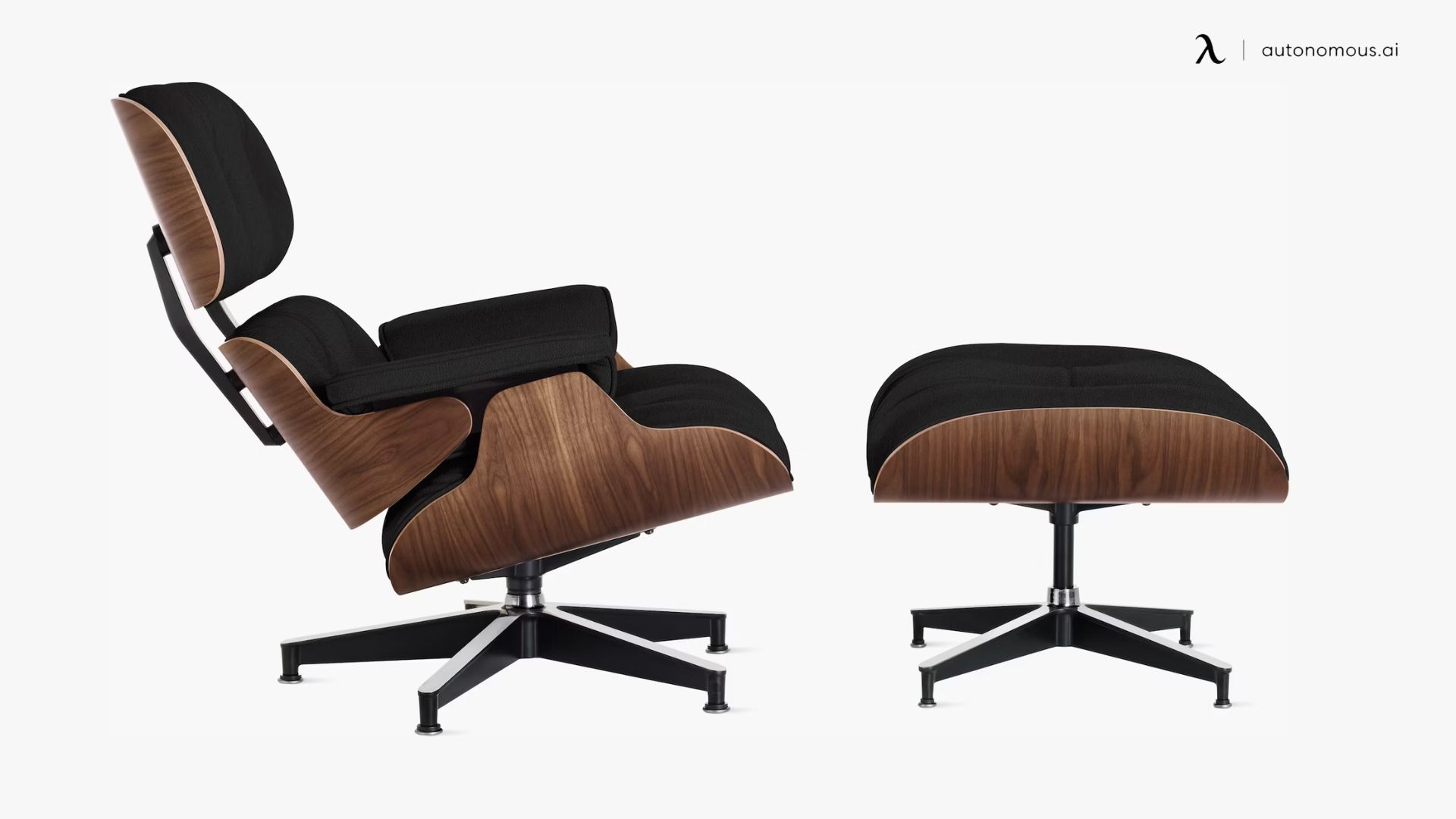
The Eames Lounge Chair is expensive because most of its price reflects design heritage and licensed manufacturing rather than ergonomic function. Designed by Charles and Ray Eames in 1956, it is a recognized piece of industrial design history and sits in the permanent collection of the Museum of Modern Art. An authentic Eames Lounge Chair and ottoman, built by the licensed manufacturer Herman Miller, typically costs several thousand dollars.
That price buys molded plywood shells, leather upholstery, and the assurance of an authentic licensed build. What it does not buy is modern task-chair ergonomics. The Eames Lounge Chair was designed as a comfortable lounge seat, not a chair for eight hours of typing, so it has no adjustable lumbar support, no seat-height adjustment, and no tilt mechanism tuned for desk work. It is a genuine design icon, but a large share of its cost is the icon status itself, not features that reduce back strain during a workday.
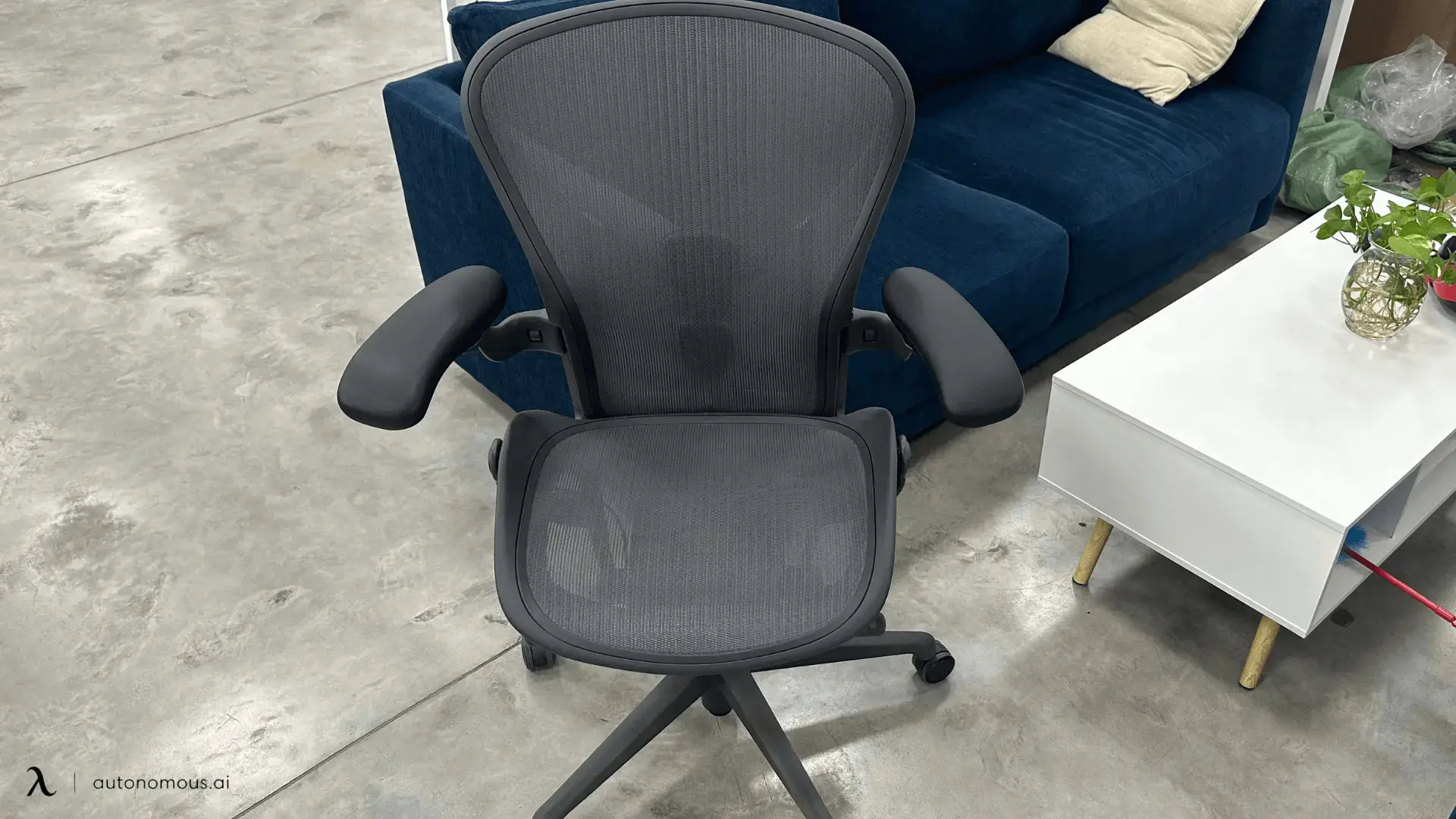
The same logic applies to premium task chairs from Herman Miller and Steelcase. Their engineering is genuinely strong, but part of what you pay reflects a decades-old reputation. That is worth understanding before deciding how much chair you actually need.
Where the Premium Is Justified, and Where It's Just the Logo
The justified part of a premium office chair price is the adjustment system, the material durability, and the warranty. The unjustified part, for most buyers, is the brand markup that adds cost without adding function. Separating the two is the key to not overpaying.
Here is a practical way to read a price tag. If a chair costs more because it has a sliding lumbar system that fits your exact spine height, a synchro-tilt that keeps your posture aligned when you recline, and a mesh that stays taut for years, that money is buying something your back will feel every day. Those are the features health and ergonomics sources consistently tie to reduced sitting strain, and they are worth paying for if you sit long hours.
If a chair costs more mainly because it carries a heritage design name, a celebrity-office reputation, or a premium showroom presence, that money is buying status. Status is a legitimate thing to want, and there is nothing wrong with buying a design icon because you love the design. But it is worth being honest with yourself about which one you are paying for, because the ergonomic benefit of a $1,800 branded chair over a well-engineered $500 chair is often small, while the price difference is not.
The clearest test: compare the actual spec sheets, not the prices. Look at the number of adjustment points, the lumbar mechanism type, the weight capacity, and the warranty length. When two chairs match closely on those and differ by a thousand dollars, you have found the brand tax.
Are Expensive Office Chairs Worth It?
Expensive office chairs are worth it when the price buys adjustability and durability you will use, and not worth it when the price mostly buys a brand name. For someone sitting six or more hours a day, investing in genuine ergonomic features pays off in reduced back and neck strain over time. For lighter use, or when the premium is mostly brand markup, a mid-range chair delivers most of the benefit at a fraction of the cost.
The long-term math matters here. A well-built office chair with a long warranty that lasts ten years can cost less per year than a cheap chair replaced every two or three years. That is a real argument for spending more than the rock-bottom price. It is not, however, an argument for spending the absolute most, since the durability curve flattens well before the top of the market. The sweet spot for most desk workers is a chair with full adjustability and a long warranty in the mid-range, not the premium designer tier.
How to Get Premium Ergonomics Without the Premium Price
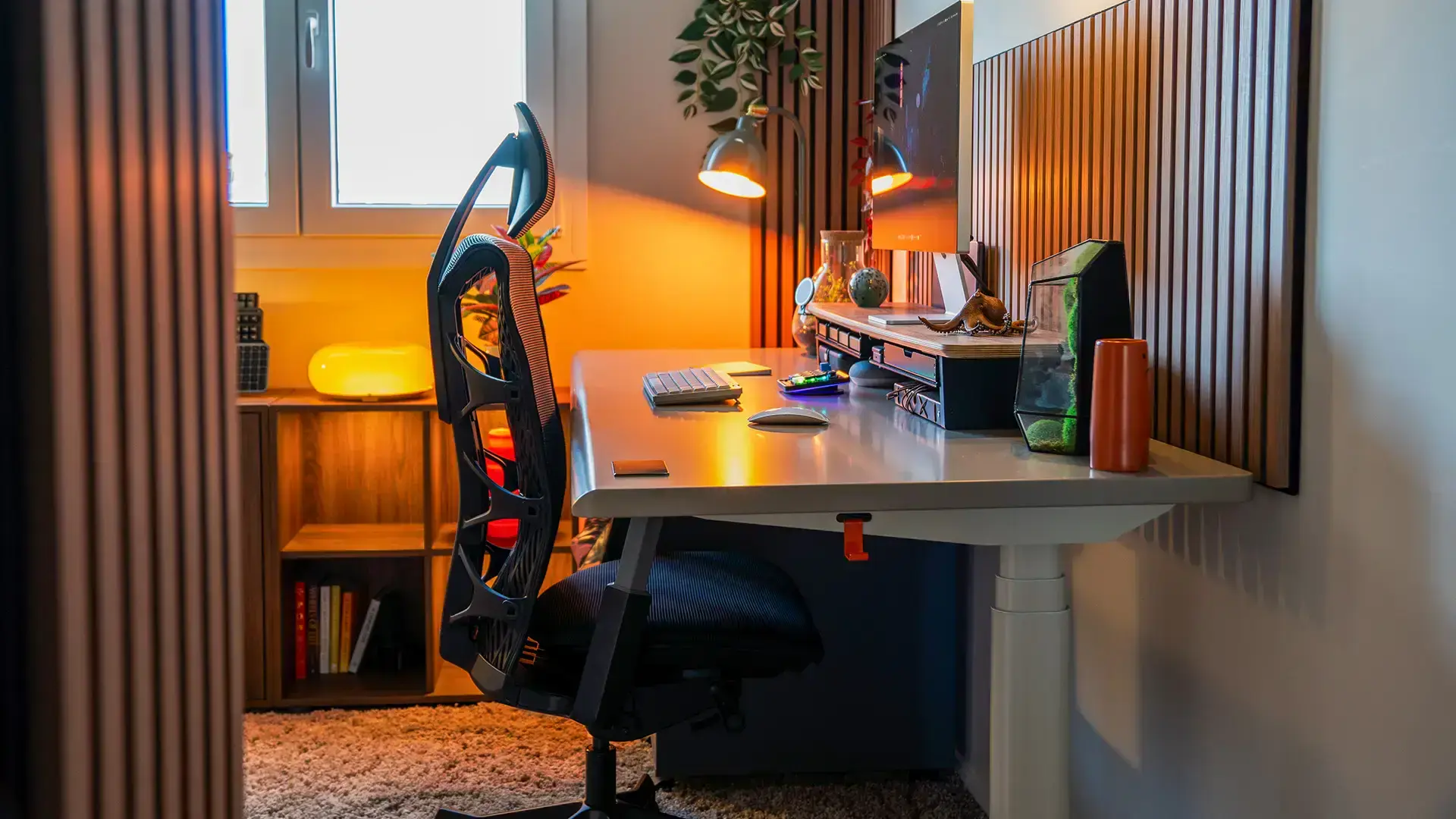
The way to avoid overpaying is to buy the engineering, not the logo, by choosing a chair with premium-tier adjustability and warranty at a mid-range price. This is the category Autonomous builds in, which is why its chairs are a useful reference point for what the justified part of a premium price actually costs to deliver.
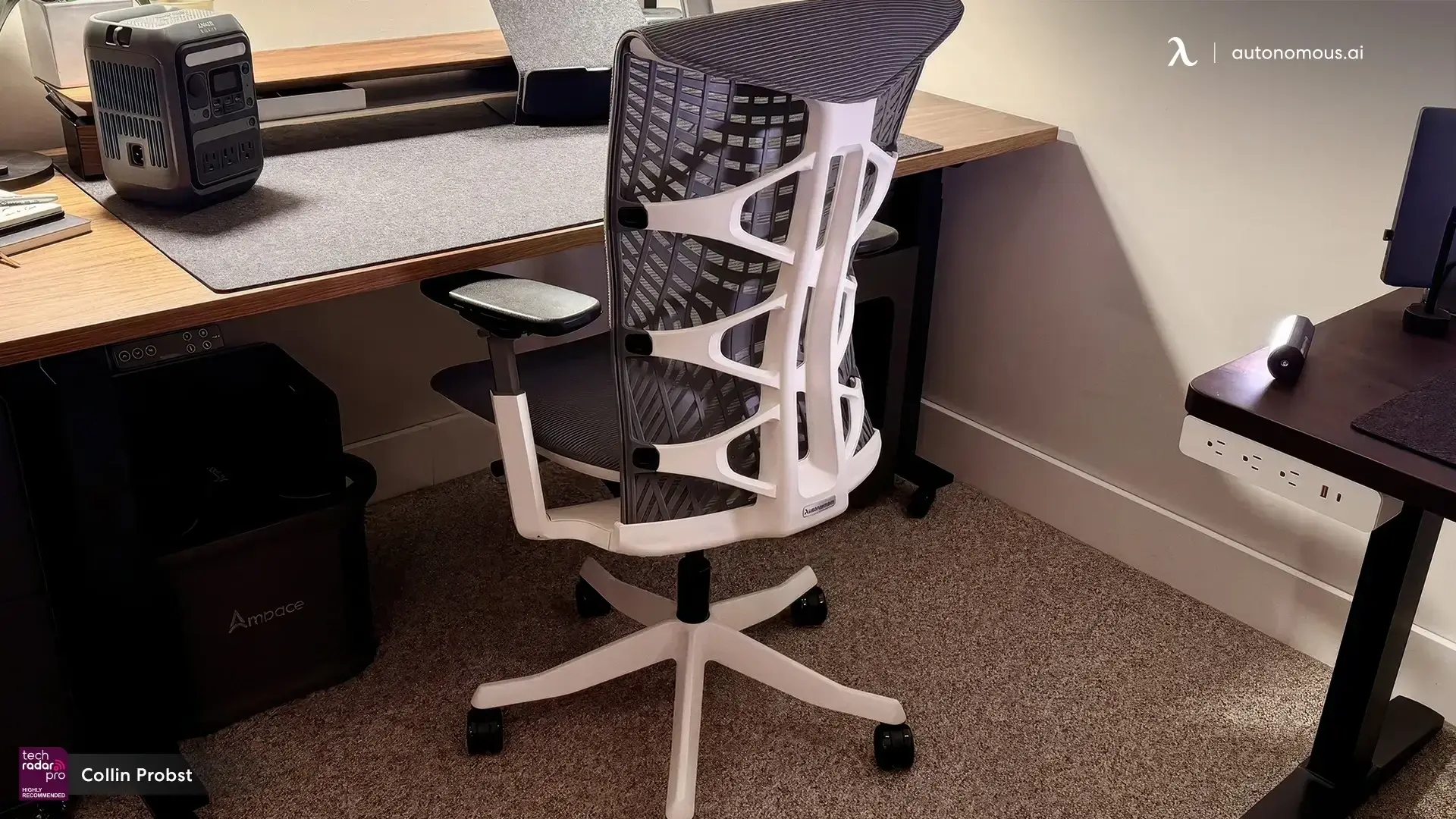
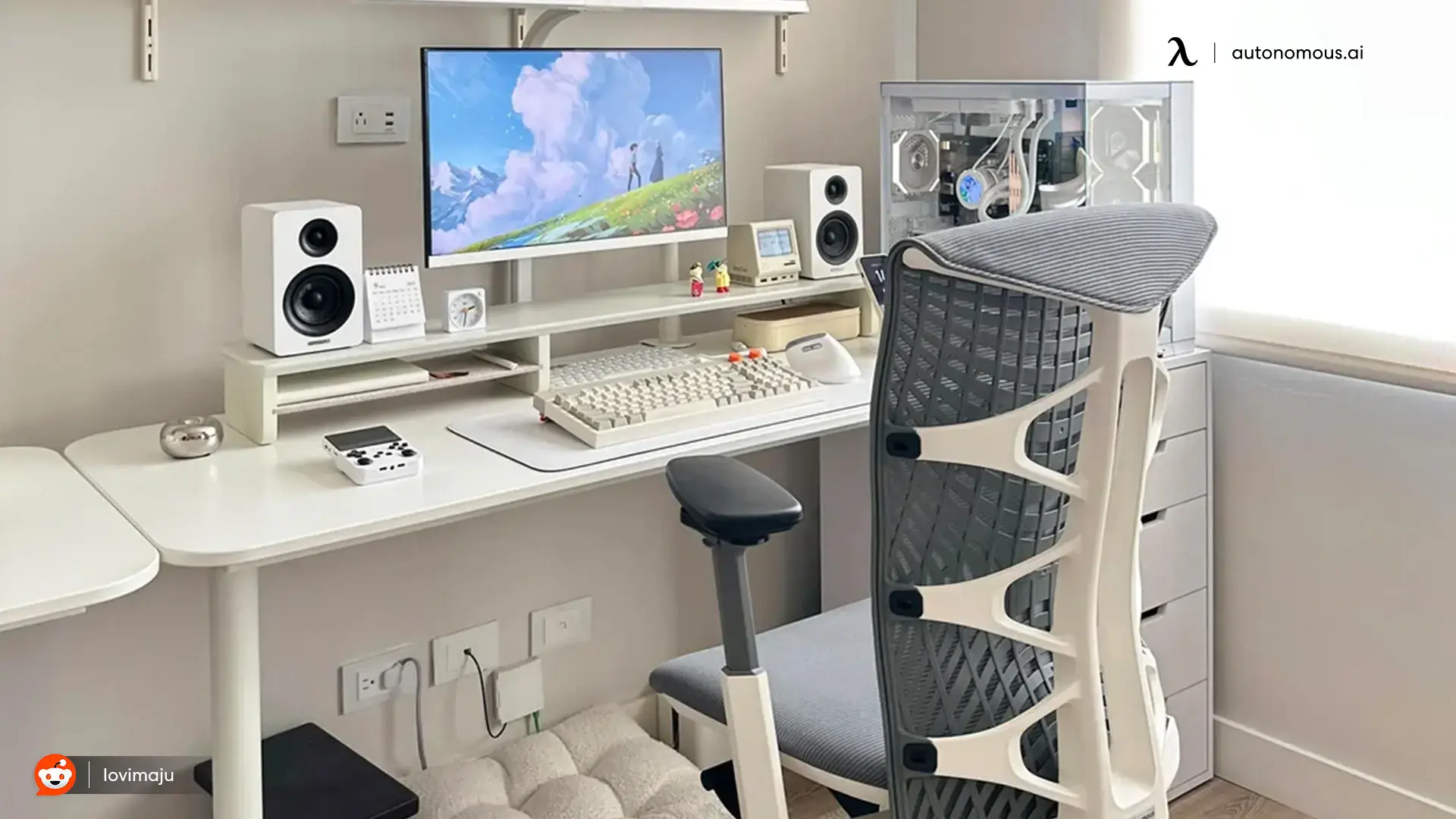
The ErgoChair Pro is the clearest example. It offers nine independent adjustment points, a sliding lumbar cushion that positions to your exact spine height, and a synchro-tilt mechanism, all backed by a lifetime warranty. Those are the same functional features that justify the price of chairs costing three to four times as much. TechRadar's review called it a chair with "a plethora of adjustability, a high comfort level, and a great overall look," and reported that switching to it relieved back pain from a previous cheaper chair. The one honest tradeoff: reviewers note the seat padding is firm rather than plush, which suits posture but not everyone's preference.
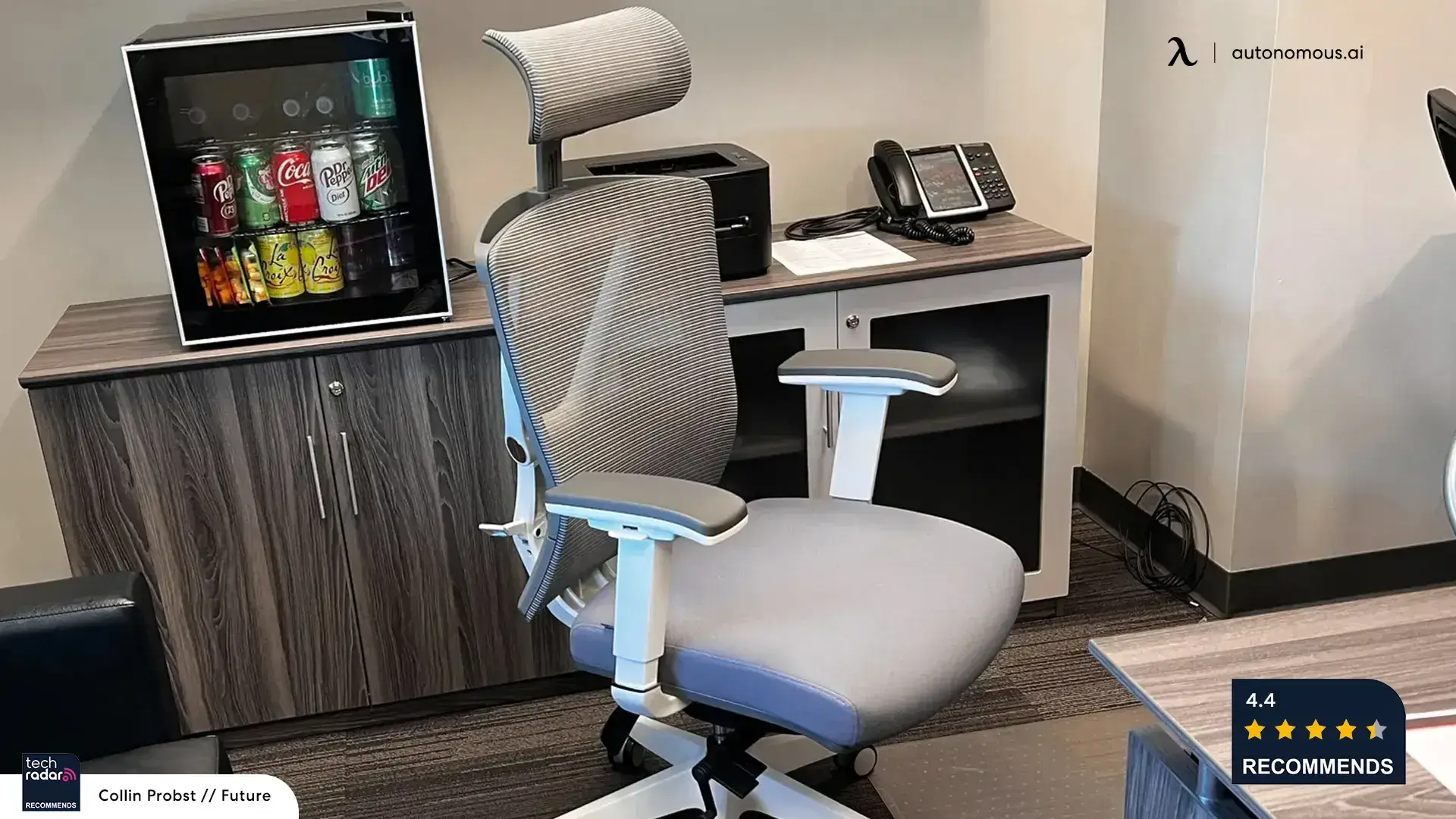
For anyone who runs warm or sits especially long hours, the ErgoChair Mesh adds a fully breathable Ultra Air Mesh seat and a finer tension-adjustment dial, also under a lifetime warranty. And the ErgoChair Ultra 2 uses a flexing frame that tracks your movement automatically rather than a manual lumbar dial, which PC Gamer described as making "all the difference" for all-day comfort.
None of these carry a headrest on the base model except where noted, and none pretend to be a designer heirloom. What they offer is the functional half of a premium chair, the half your back actually feels, without the brand markup on top.
Chair | Adjustment System | Weight Capacity | Warranty | Approx. Price |
Autonomous ErgoChair Pro | 9-point, sliding lumbar, synchro-tilt | 300 lbs | Lifetime | ~$499 |
Autonomous ErgoChair Mesh | 9-point, sliding lumbar, fine tension dial | 300 lbs | Lifetime | ~$499 |
Autonomous ErgoChair Ultra 2 | Flex-frame, seat depth, 4D arms | 320 lbs | Lifetime | ~$449 |
Steelcase Leap | Adjustable lumbar, LiveBack, 4D arms | 400 lbs | 12-year | ~$1,000+ |
Herman Miller Aeron | PostureFit SL, tilt, size-specific | 350 lbs | 12-year | ~$1,400+ |
Herman Miller Eames Lounge Chair | None (lounge design, not a task chair) | n/a | Varies | ~$6,000+ |
Prices change periodically and vary by configuration and sale. Check the current listing before buying. Competitor prices are approximate and shown for comparison.
.webp)
.jpg)
Frequently Asked Questions
Why are office chairs so expensive?
Office chairs are expensive mainly because of their adjustment mechanisms, material durability, warranty length, and brand. The first three are functional and improve comfort and lifespan, while brand markup adds cost without adding function. A chair with many engineered adjustment points and a long warranty genuinely costs more to build than a basic fixed chair.
Why is the Eames chair so expensive?
The Eames Lounge Chair is expensive because its price mostly reflects design heritage and licensed manufacturing rather than modern ergonomics. Designed in 1956 and held in the Museum of Modern Art's permanent collection, an authentic Herman Miller build uses molded plywood and leather, but lacks the adjustable lumbar and tilt features of a task chair built for desk work.
Why are ergonomic chairs so expensive?
Ergonomic chairs cost more than basic chairs because their adjustability requires dozens of engineered moving parts, each adding manufacturing and quality-control cost. Sliding lumbar systems, synchro-tilt mechanisms, seat-depth adjustment, and multi-directional armrests are complex to build and are the main reason ergonomic models carry higher prices than fixed office chairs.
Are expensive office chairs worth it?
Expensive office chairs are worth it when the price buys adjustability and durability you will actually use, especially for people sitting six or more hours a day. They are less worth it when the premium is mostly brand markup, in which case a mid-range chair with full adjustability delivers most of the benefit for far less money.
How much should I spend on an office chair?
Most desk workers get the best value from a mid-range chair between roughly $300 and $600, which typically includes full adjustability and a long warranty. Spending less often means losing the lumbar and tilt adjustments that matter most for long sessions, while spending into the premium designer tier mostly adds brand cost rather than function.
How long do office chairs last?
A well-built office chair with a long warranty can last ten years or more, while cheaper models often need replacing every two to three years. This is why a durable chair with a lengthy warranty can cost less per year of use than a budget chair, even though its upfront price is higher.
Is a designer chair better for your back than a mid-range one?
A designer chair is not automatically better for your back than a well-engineered mid-range one, since back support comes from adjustable lumbar, tilt, and seat-depth features rather than from the brand name. When a designer chair and a mid-range chair match closely on those functional specs, the price difference is largely brand, not ergonomic benefit.
The Bottom Line
Office chairs are expensive for two very different reasons, and telling them apart is what saves you money. Part of the price buys real engineering, the adjustment systems, durable materials, and long warranties that your back will feel every day you sit. The rest often buys brand heritage, which is a fine thing to pay for if you want it, but not something that improves how the chair supports you.
The practical move is to compare spec sheets instead of price tags. Find a chair with full adjustability, a mesh or material built to last, and a warranty that signals the maker stands behind it, then check whether you are paying for those features or for a name. For most people who sit long hours, a well-engineered mid-range chair delivers the comfort of a premium one without the premium price. Buy the engineering, and skip the tax.