Most Expensive Office Chairs: Worth the Investment?

Table of Contents
Expensive office chairs often command premium prices for good reason. From ergonomic innovations to signature designs by renowned furniture makers, these office chairs represent significant investments in workplace comfort and long-term health. But what truly separates a $1,500 chair from a $300 one?
The answer lies in materials, engineering, and thoughtful design details that aren't immediately obvious. In this guide, we'll explore what makes luxury office seating genuinely expensive — and whether those features justify the cost for your specific needs.
What Makes Office Chairs So Expensive?
The price gap between affordable office chairs and luxury office seating stems from several foundational factors. Understanding these elements helps explain why some chairs cost as much as a used car.
- Materials and Construction
Premium chairs use aerospace-grade aluminum for bases, medical-grade polymers for frames, and specialized mesh fabrics that took years to develop. High-end office chair brands source components from specialized suppliers: German-made gas cylinders that maintain their lift for 15+ years, Italian casters that glide silently across any surface, and foam compounds that resist compression far longer than standard polyurethane.
The chair materials themselves often undergo years of development to achieve the perfect balance of breathability, elasticity, and durability, qualities that cheaper fabrics simply cannot match.
- Engineering and Ergonomic Innovation
Luxury office chair brands invest heavily in biomechanical research. These companies spend years studying how the spine moves throughout the workday, translating those insights into mechanisms that support natural and proper sitting posture without requiring constant manual adjustment.
The most expensive office chairs often feature proprietary adjustment systems, synchronized tilts, dynamic lumbar support, or weight-responsive recline mechanisms. These aren't marketing gimmicks; they're patented innovations resulting from substantial research and development investments that smaller manufacturers cannot justify.
- Design Heritage and Craftsmanship
Some expensive chair brands carry decades of design legacy. When you purchase certain models, you're acquiring a piece created by legendary industrial designers whose work appears in museums. These aren't simply functional objects but considered works of applied art.
The manufacturing process reflects this philosophy: hand-finished components, precision tolerances measured in fractions of millimeters, and quality control standards that reject entire batches for minor aesthetic imperfections that most consumers would never notice.
- Warranty and Longevity
Most expensive office chairs in the world come with 12-15 year warranties, with some offering lifetime guarantees on structural components. This commitment reflects genuine confidence in durability. Manufacturers maintain replacement parts for decades, meaning a super expensive office chair purchased today can be serviced 20 years from now, an impossibility with budget alternatives that often lack serviceable components entirely.
10 Expensive Office Chairs
The market for expensive office chairs spans a wide range—from $900 models to pieces exceeding $6,000. What separates these tiers isn't arbitrary pricing but distinct approaches to engineering, materials, and manufacturing. Some luxury office chair brands prioritize automated ergonomics, while others focus on artisan craftsmanship or thermal management systems.
The following examples represent different philosophies within high-end office chair brands, each justifying its price through specific technical innovations rather than general claims of quality.
1. Herman Miller Aeron Chair
The Pellicle Mesh Revolution
The Aeron's defining feature isn't immediately obvious until you sit in it for hours. Its proprietary Pellicle mesh suspension system eliminates the need for traditional foam padding entirely. Instead, the woven elastomeric material distributes weight across eight different tension zones, each calibrated to support specific body regions.
This engineering approach solved a problem that had plagued office seating for decades: heat buildup and pressure points from compressed foam. The mesh breathes naturally, adapting to body contours without the material degradation that affects cushioned chairs after years of use.
What separates the Aeron from chairs with similar price tags is its resistance to material breakdown. The mesh maintains tension for over a decade of daily use — evidenced by thriving second-hand markets where 10-year-old models still command significant prices. The 12-year warranty isn't marketing; it reflects genuine durability expectations. Those accustomed to plush padding may initially find the mesh too firm, though this perception typically fades within the first week of consistent use.
.webp)
2. Vitra Grand Executive Highback Chair
Automotive-Grade Upholstery Craft
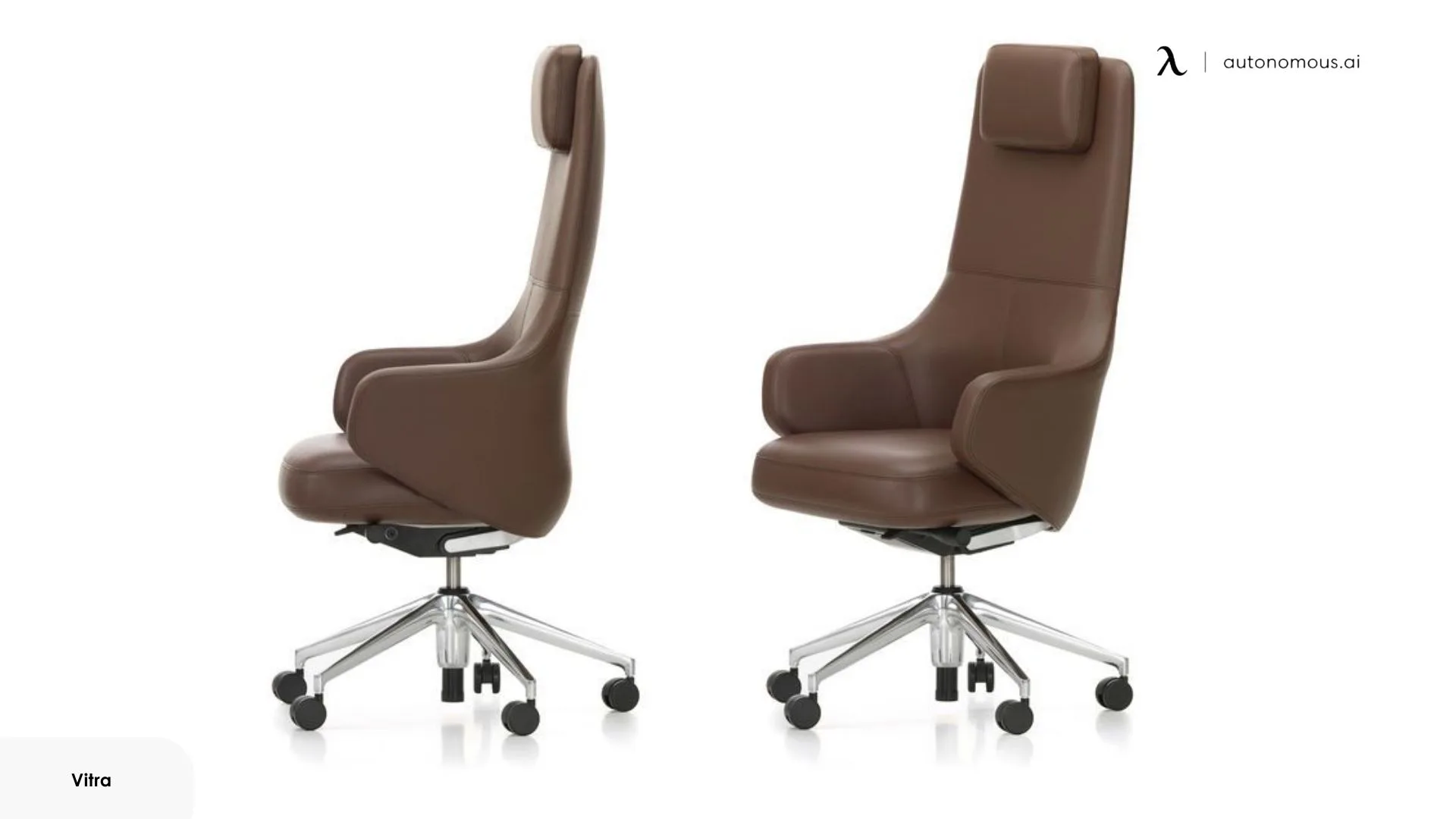
This chair approaches luxury from a fundamentally different angle than ergonomic-focused designs. The Grand Executive employs upholstery techniques borrowed from high-end automotive interiors — specifically the hand-stitched decorative seams that create its voluminous, sculptural form. Each seam isn't merely aesthetic; it shapes the leather into three-dimensional curves that cradle the body without mechanical adjustments.
The FlowMotion mechanism beneath operates almost invisibly, allowing the chair to recline responsively to body weight without knobs or levers. At this price point, you're paying for the marriage of Italian leather craftsmanship and Swiss precision engineering, where the chair's presence in a room matters as much as its functional performance.
The leather develops a patina over time rather than cracking — a characteristic of full-grain hides that improves aesthetically with age. Assembly arrives largely complete, requiring minimal setup beyond attaching the base. The chair's considerable weight (approaching 60 pounds) and visual footprint make it better suited to dedicated executive and modern home offices than open-plan environments where its formality might feel out of place.
3. Arper Aston Direction Chair
Polyurethane Shell Architecture
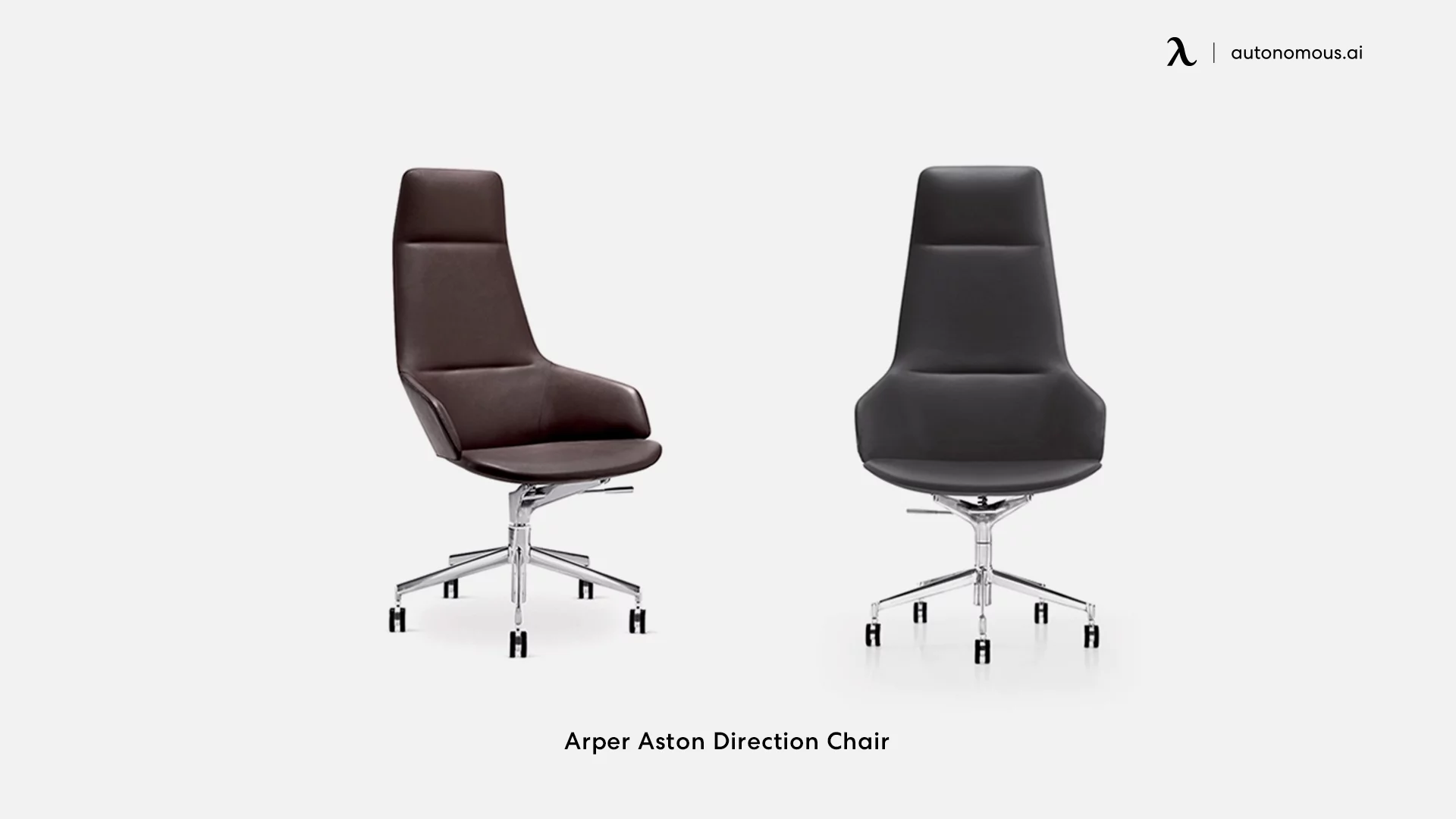
Polyurethane shell construction serves a dual purpose that most office chairs separate into distinct components. The Aston's molded shell functions simultaneously as the aesthetic surface and the structural framework, with designer Jean-Marie Massaud eliminating the traditional separation between padding, frame, and upholstery. The synchro mechanism hides completely within the shell's cavity, creating seamless lines from every angle.
What you see is pure form, yet the engineering complexity rivals chairs with exposed adjustment systems. This seamless fusion of structure and aesthetics aligns with the design philosophy behind an executive office chair, where visual clarity, material expression, and presence within a space are considered essential parts of the seating experience.
The shell provides continuous body contact that feels distinctly different from mesh alternatives — some find this reassuring, others miss the flexibility of woven materials. Offices that purchased Astons in 2015 report the design still reads as contemporary, an unusual quality in office furniture where trends shift noticeably within five-year cycles. The upholstered shell retains heat more than breathable mesh, a consideration for warm environments. The fixed armrests integrate elegantly into the design but don't accommodate users who need height or width adjustment.
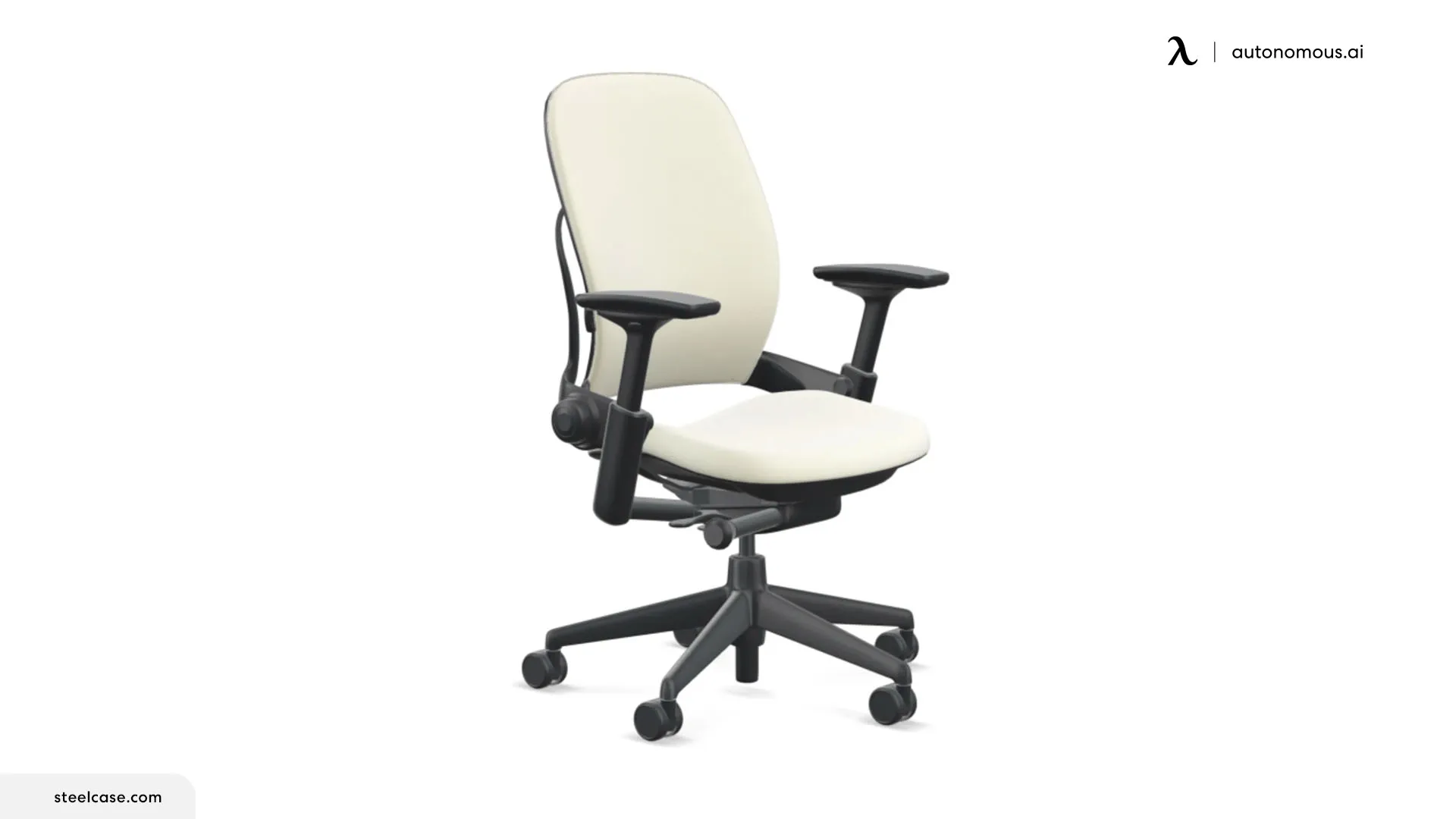
4. Steelcase Leap V2
LiveBack Spine Mimicry
The Leap's signature innovation lies in its dynamic backrest that changes shape as you move. Unlike static lumbar support that pushes against one fixed point, the LiveBack system uses flexible slats that independently adjust to your spine's changing curvature throughout the day. When you lean back, the upper and lower back sections move at different rates, maintaining contact without creating pressure points. This biomechanical approach required extensive motion-capture studies of how people actually sit, not how ergonomic textbooks suggest they should sit. The result is a chair that accommodates fidgeting, slouching, and posture shifts rather than forcing a single "correct" position.
The adaptability genuinely stands out across different body types — the adjustable seat depth makes a tangible difference for those under 5'6" or over 6'2", while taller users appreciate how the back extends to support shoulder blades. This makes it a strong consideration as one of the best office chairs for posture across diverse body proportions. The LiveBack mechanism does produce subtle creaking during movement, noticeable in quiet environments. The standard fabric shows wear patterns after about five years of consistent use, though the frame and mechanisms remain structurally solid well beyond that timeframe.
5. Haworth Very Office Chair
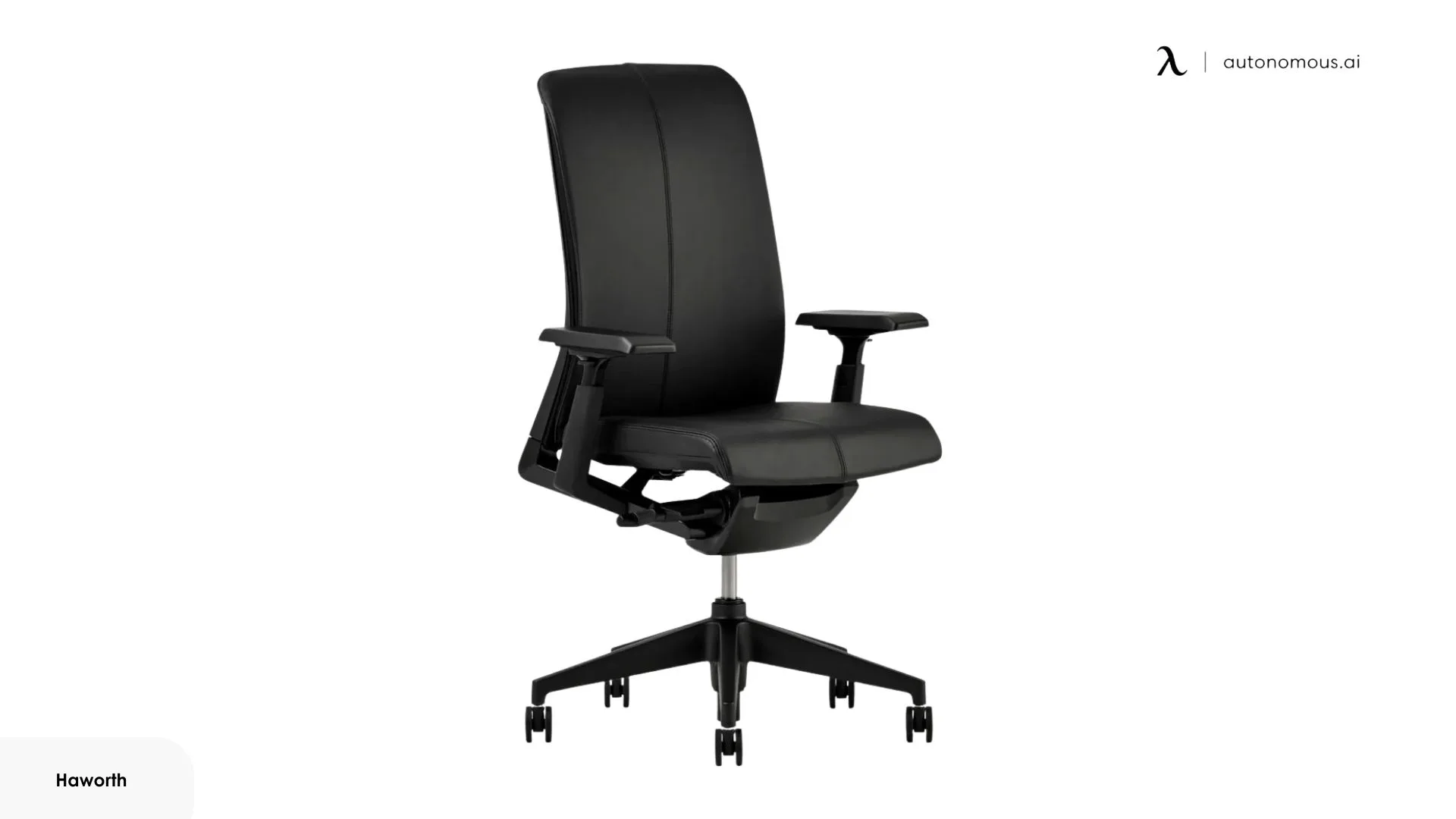
Tri-Panel Back Geometry
Three independent back panels replace the unified backrest found in conventional office chairs. Each section — upper back, lumbar, pelvis — pivots on its own axis, responding differently to pressure applied at different heights. This segmented construction allows your upper back to recline while your lumbar region remains upright, or vice versa, depending on your task — a level of adaptive support that becomes increasingly important when evaluating an office chair for long hours.
The engineering complexity lies in creating smooth transitions between panels; users shouldn't feel distinct edges where sections meet. Haworth's solution involved extensive prototyping of hinge mechanisms and varied foam densities to create what feels like continuous support despite the mechanical divisions.
The panel independence proves valuable when alternating between postures, leaning forward for focused computer work versus reclining during phone calls. Initial adjustment requires more time than simpler chairs to dial in the three sections to your preference. The gaps between panels accumulate dust more readily than seamless designs, requiring occasional cleaning attention.
6. Humanscale Freedom Headrest Chair
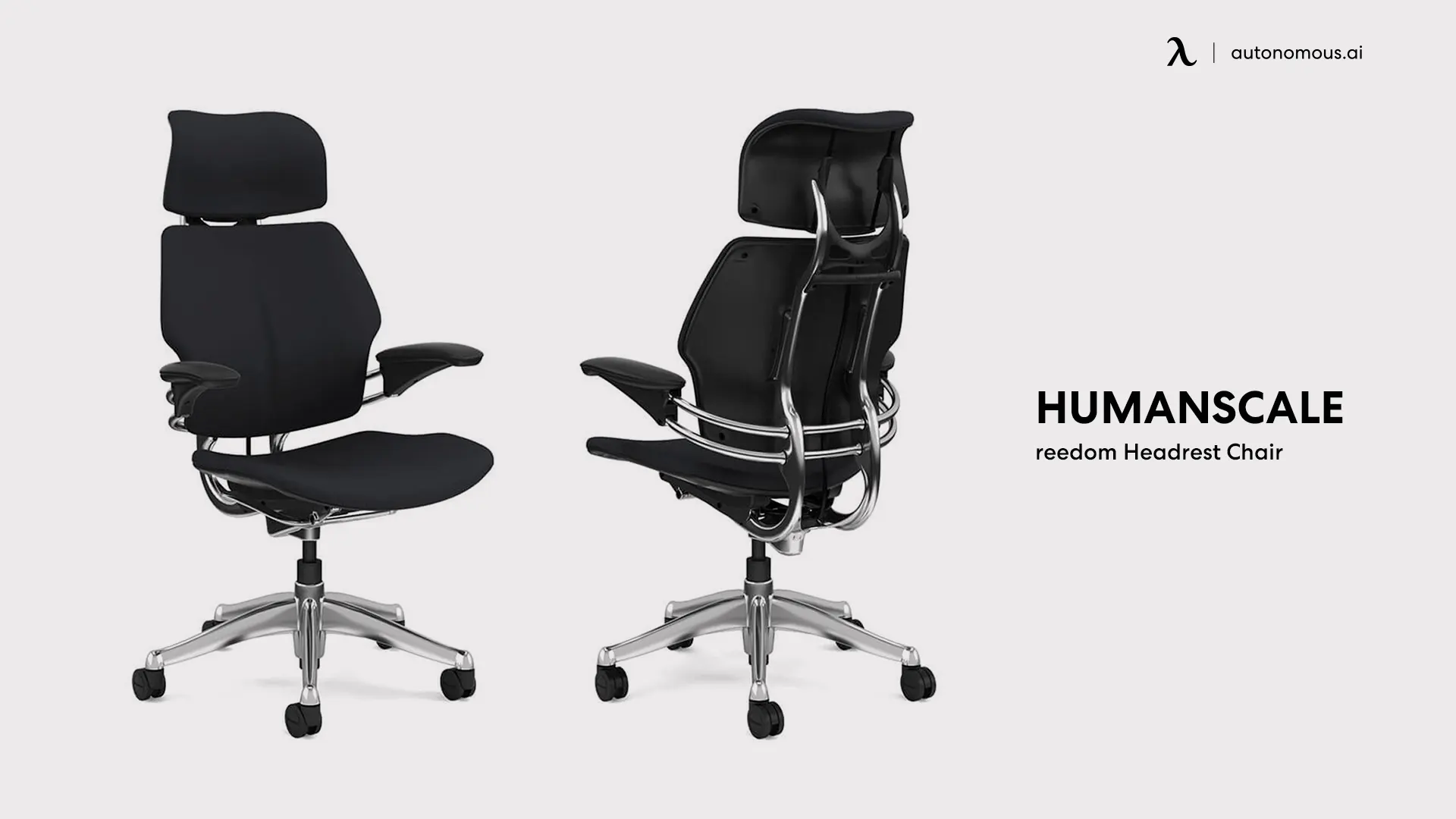
Weight-Responsive Auto-Recline
Body weight becomes the adjustment mechanism in the Freedom's counterbalance system. With no knobs, no levers, the chair automatically calibrates recline tension based on whoever sits in it, accommodating users ranging from 100 to 300 pounds through the same spring assembly. The headrest adds another layer of automatic response, pivoting independently to track head angle during recline without pushing forward when upright. This "invisible ergonomics" philosophy required engineering precision typically reserved for medical equipment: the mechanism needed to respond accurately to weight differences of just 10-15 pounds while maintaining consistent performance across its entire range, while maintaining consistent performance across its entire range, similar to the design principles found in an ergonomic chair for back pain.
The automatic calibration works seamlessly for most users, though those at the extreme ends of the weight spectrum may find the tension slightly off. The chair's gel armrests provide a softer surface than hard plastic, though they can feel sticky in humid conditions. Without manual controls, shared workspace environments pose challenges — each new user must allow the chair time to recalibrate to their weight. The aluminum frame contributes to a premium feel but also adds weight, making the chair less mobile than composite alternatives.
7. Mavix M9
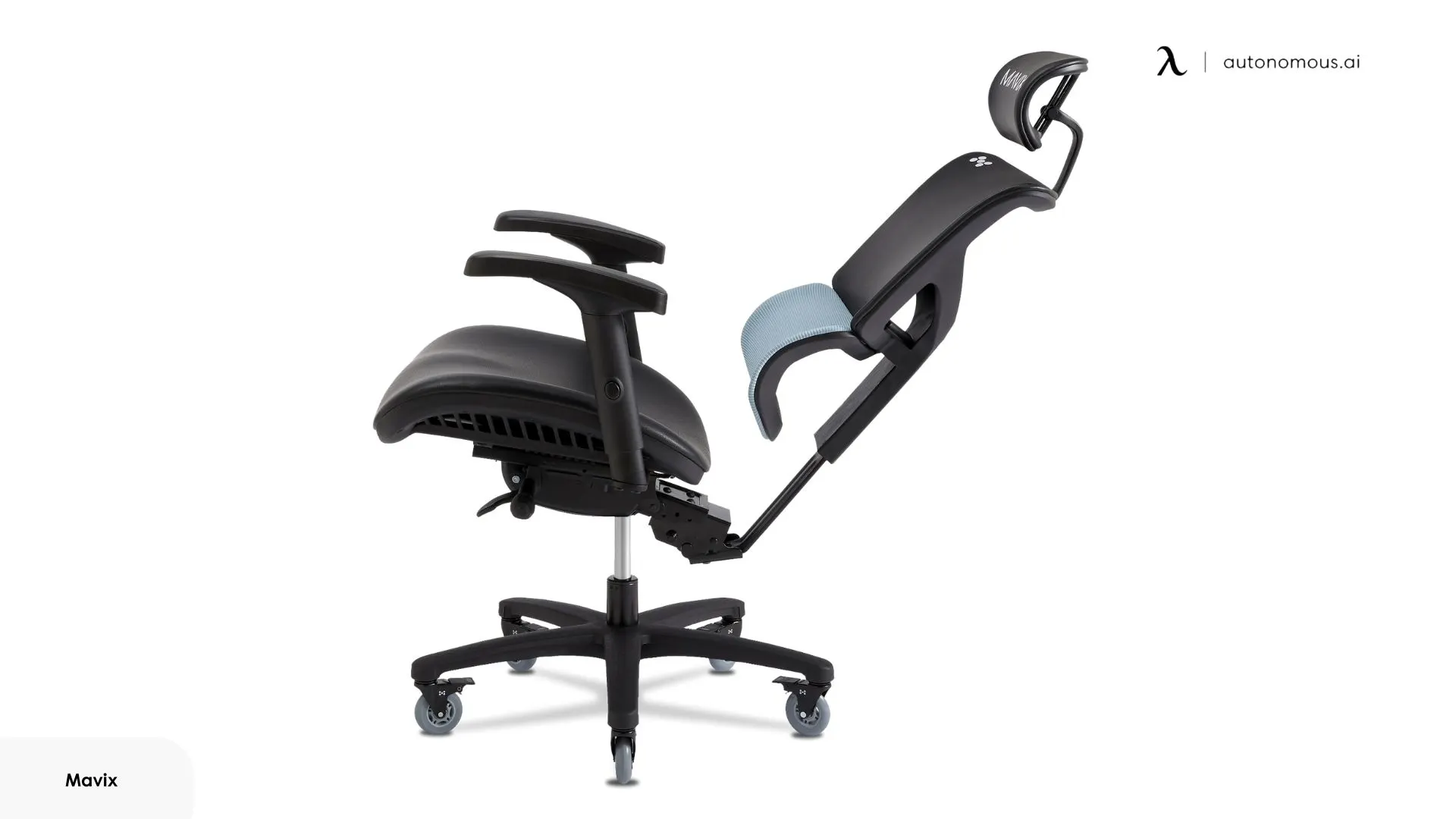
Gaming-Derived Cooling Technology
Professional esports seating requirements drove an unexpected innovation: embedded cooling gel layers that actively regulate surface temperature. The M9's seat cushion and backrest contain phase-change gel that absorbs and dissipates body heat, maintaining surface temperature several degrees below body heat even after hours of continuous contact. This technology addresses a problem most office chair manufacturers ignore — thermal fatigue from prolonged sitting. The engineering challenge involved encapsulating gel in a durable polymer matrix that wouldn't leak, migrate, or degrade under repeated compression cycles. Standard foam and mesh simply allow heat to pass through; this system actively manages it.
The cooling effect is immediately perceptible and maintains effectiveness even after hours of continuous use, a meaningful advantage in warm climates or offices with inconsistent air conditioning. The chair's aesthetic leans decidedly toward gaming culture with angular lines and bold color accents, which may not suit traditional corporate environments. The lumbar support adjusts via a dial system that offers precise positioning, though reaching the dial requires leaning forward or standing.
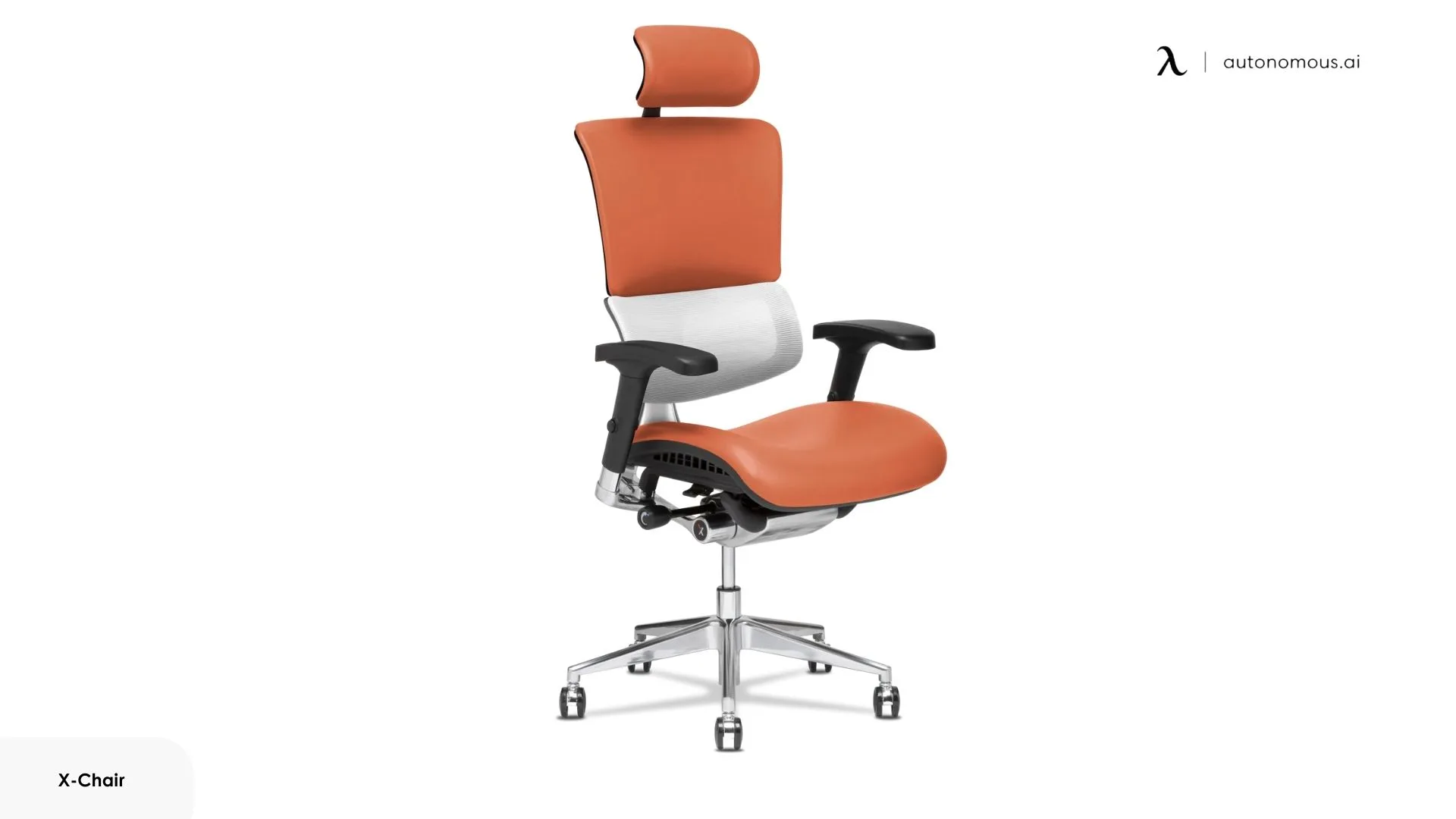
8. X-Tech Executive
Dynamic Variable Lumbar (DVL) Support
The X-Tech Executive centers on its proprietary DVL technology, which actively adjusts lumbar support in real-time as you shift positions throughout the day. Unlike static lumbar pads that maintain fixed pressure regardless of posture, the DVL system uses a flexible support mechanism that follows spinal movement — providing firmer support when leaning back, gentler pressure when sitting upright, and lateral flexibility during side-to-side shifts.
Beyond the mechanical innovation, the chair offers modular thermal add-ons: either a heat-and-massage unit or a cooling-and-massage system that retrofits into the backrest. These aren't afterthought accessories but integrated modules with heating elements or cooling fans positioned according to ergonomic mapping.
The chair offers substantial adjustability across armrests, seat depth, and tilt tension, though the sheer number of options can feel overwhelming during initial setup. Build quality feels robust with minimal flex in the frame, and the chair arrives largely pre-assembled.
9. Eames Executive Chair
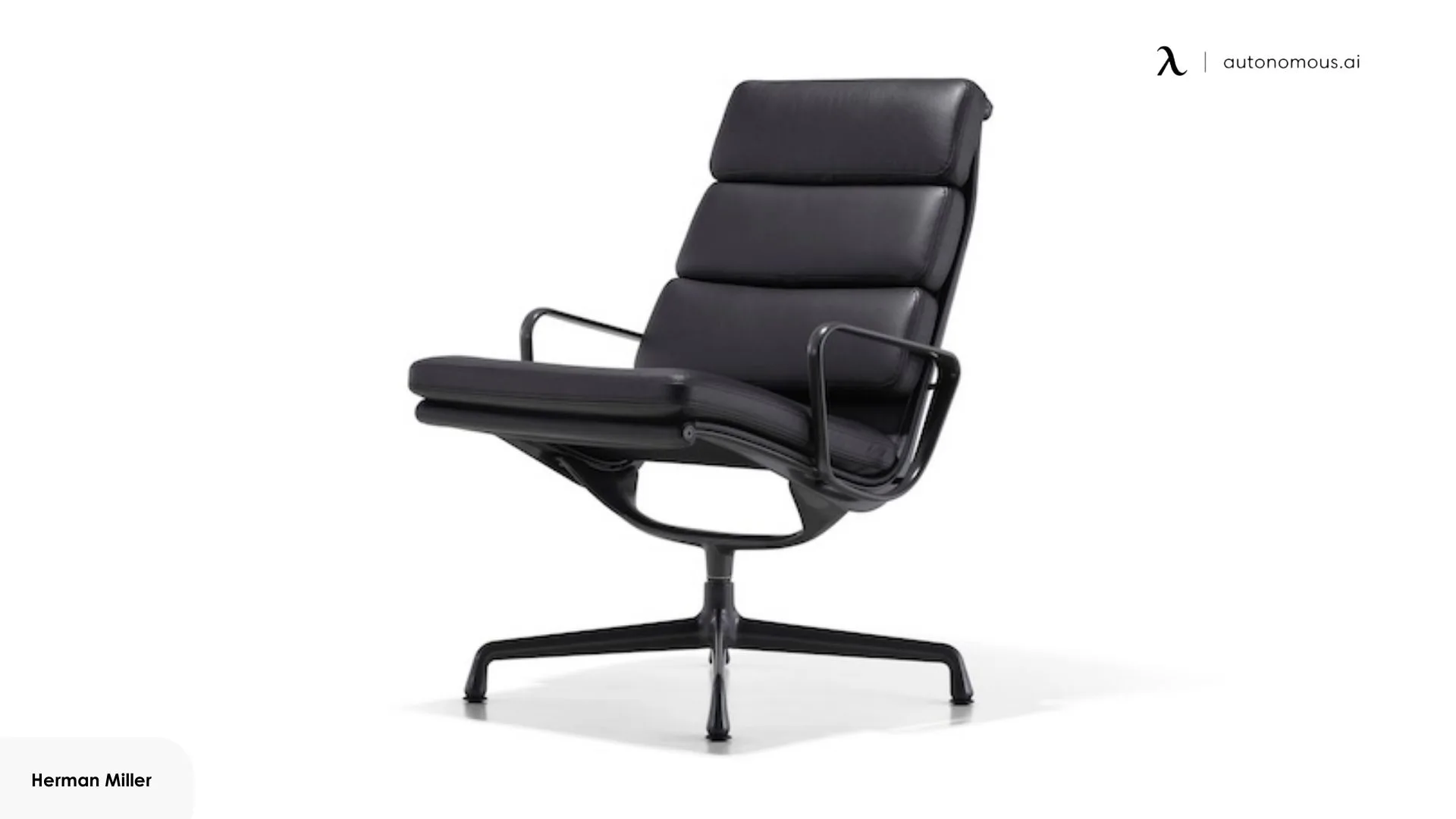
Segmented Cushion Architecture
Triple-stitched seams using contrast thread transform structural necessities into decorative focal points across the Grand Executive's surface. The upholstery process reverses conventional manufacturing: leather panels are hand-cut and stitched together before application to the foam substrate, rather than stretching pre-cut material over completed forms. This approach creates sharper creases and more defined edges, resulting in tailored precision that references high-end luggage construction. Full-grain leather shows natural texture variations across the surface — characteristics that lower-tier manufacturers eliminate through sanding and coating processes.
The contrast stitching becomes more pronounced as the leather develops patina over years of use. The chair's substantial weight and formal presence suit private offices better than open collaborative spaces. The aesthetic places it among modern office chairs that prioritize design heritage alongside function.
At this price tier, a significant portion of the cost reflects design lineage and manufacturing location rather than purely functional advantages. The recline mechanism operates smoothly, though it lacks multiple locking positions. The leather requires periodic conditioning, and lighter colors show wear more readily than darker tones.
10. Marc Newson Task Chair
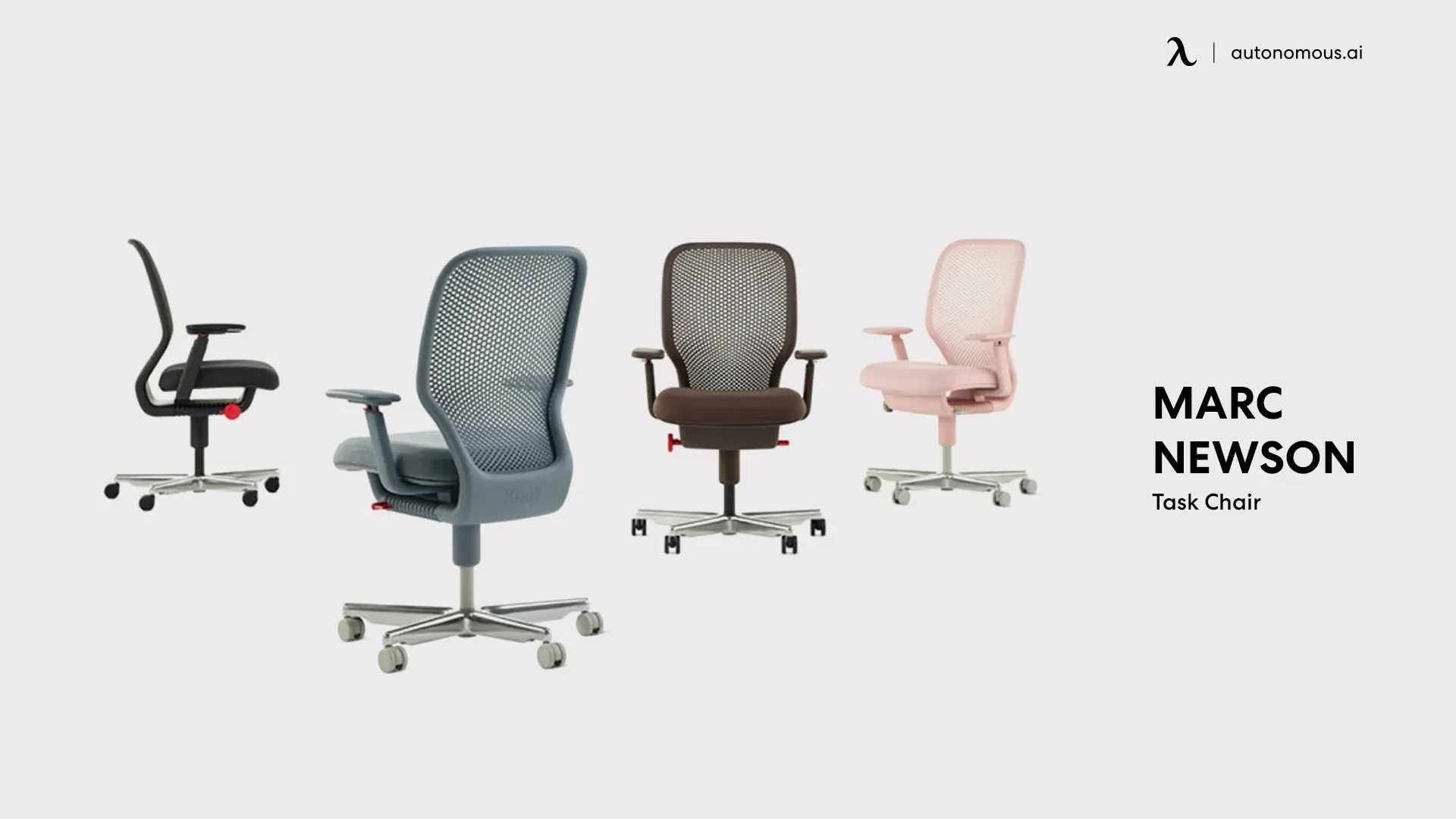
Cantilever Flex Engineering
This expensive office chair signature lies in its cantilevered seat pan that flexes independently from the backrest. The seat itself functions as a spring, flexing in response to weight shifts without requiring hinges, levers, or adjustment points. This demanded engineering of a polymer composite with contradictory properties: rigid enough to support body weight across its span yet flexible enough to provide meaningful give. The elastic mesh back compounds this approach, using varying material densities to create firm lumbar support while allowing shoulder blade movement, all within what appears visually uniform.
The cantilever creates subtle rocking that some find pleasant while others perceive as instability, since the chair doesn't lock into fixed positions. The minimalist design intentionally limits adjustability: no seat depth control, no separate lumbar adjustment, non-pivoting armrests. This simplicity appeals to those overwhelmed by excessive options, though it means the chair either fits your body proportions naturally or it doesn't. The mesh maintains tension over time without sagging, though the frame's powder-coated finish chips if contacted during moves.
Value Alternatives to Expensive Office Chairs — Autonomous ErgoChair Ultra 2
The chairs above demonstrate various approaches to premium seating, each commanding higher prices through specific engineering choices, materials, or manufacturing processes. However, technological advances and direct-to-consumer models have made it possible to access many of these features at significantly lower price points.
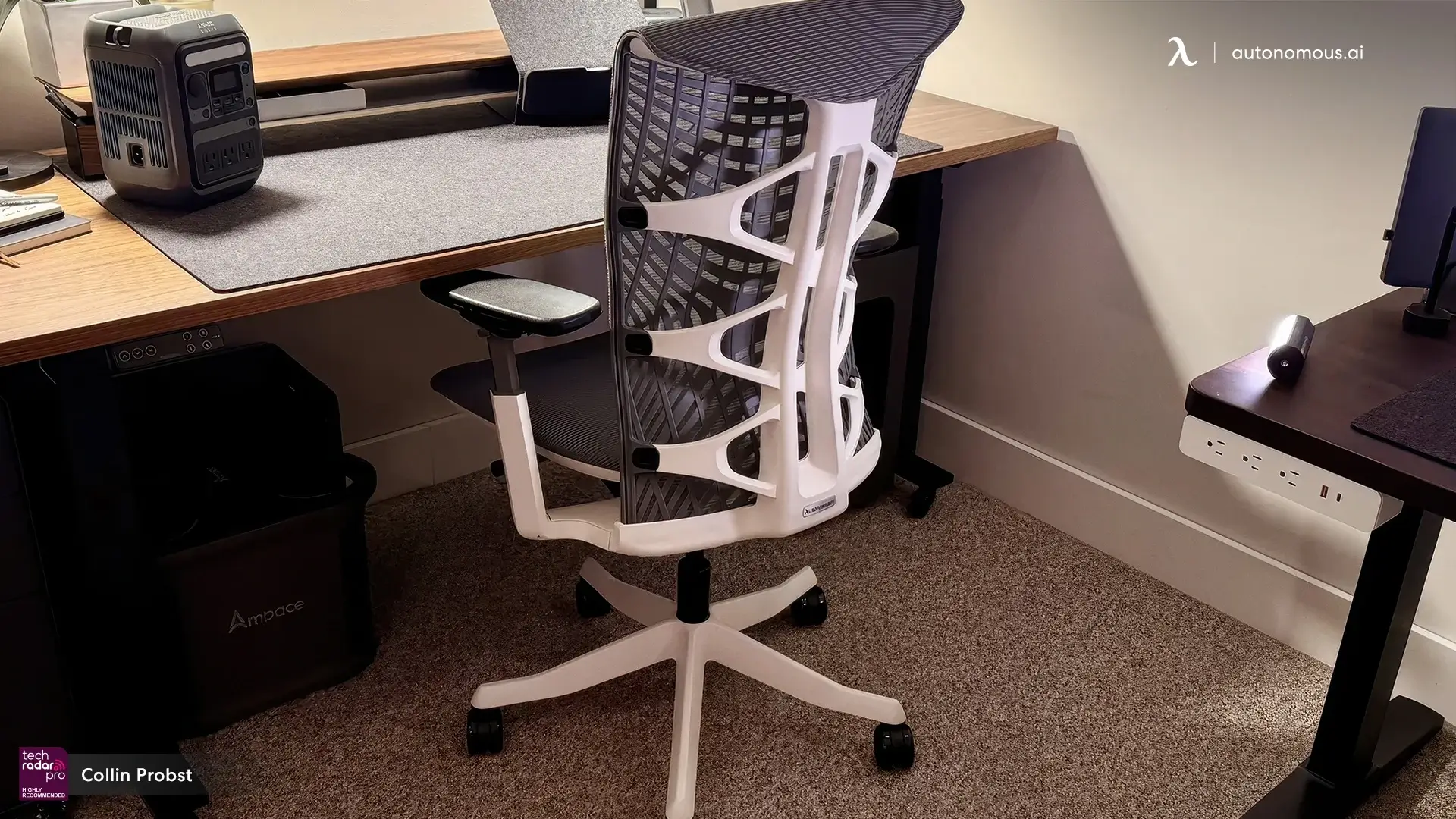
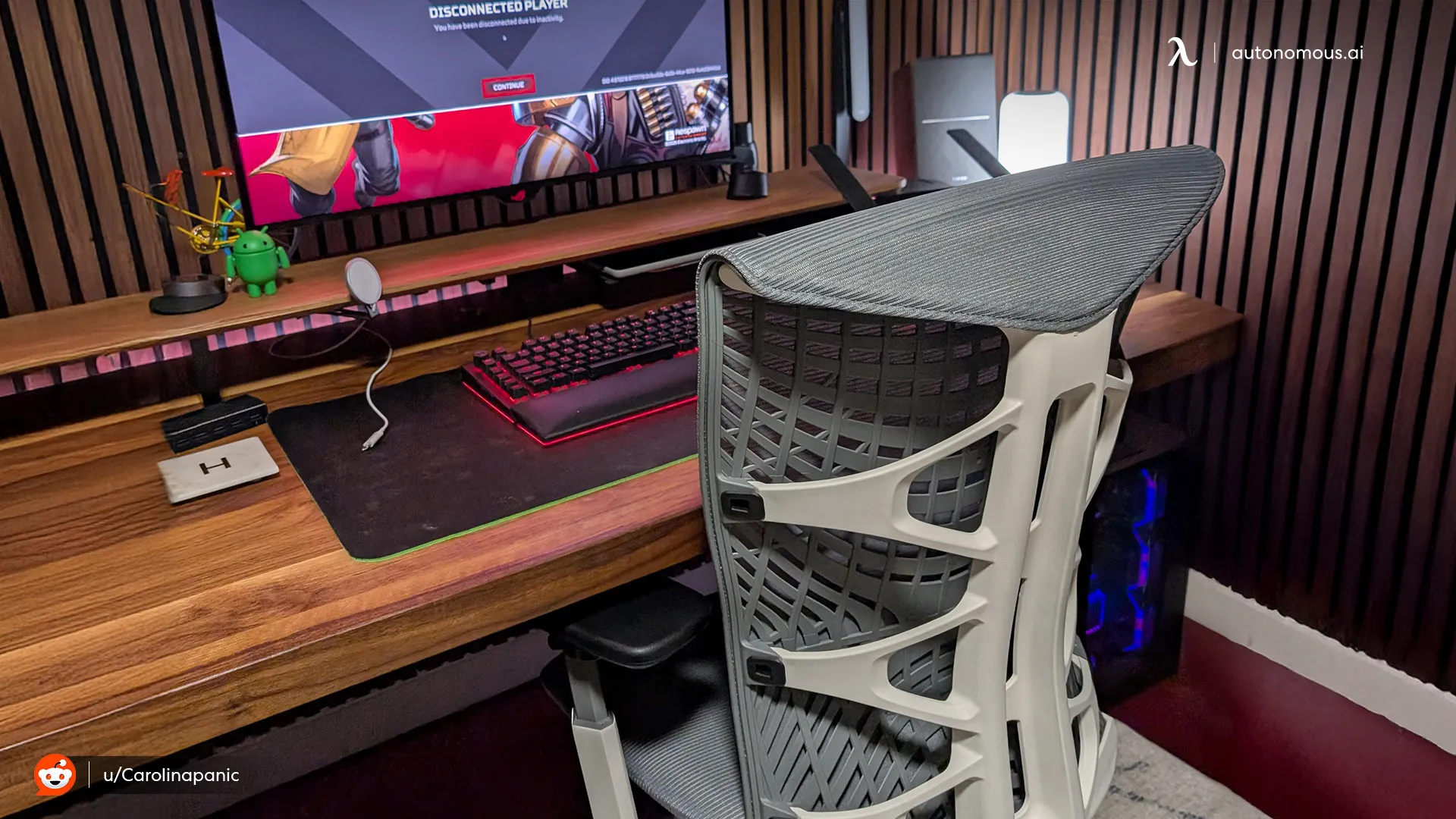
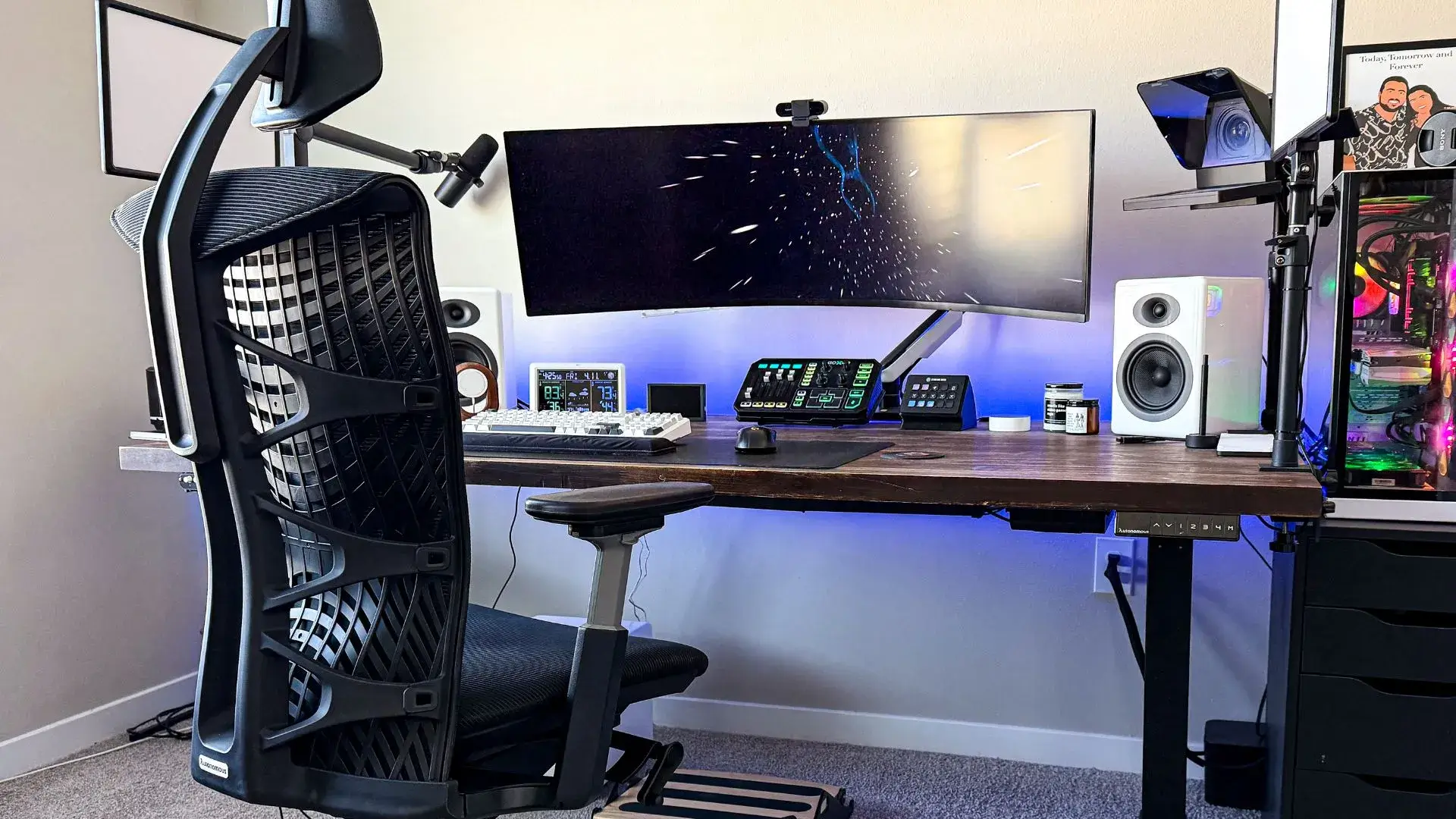
Endurance cycling saddles influenced an unexpected aspect of the Autonomous ErgoChair Ultra 2's design: its four-layer seat construction. The system stacks breathable mesh, memory foam, TPE, and a spring matrix containing 62 nodes with 186 individual struts. Rather than simply cushioning weight, the spring layer flexes in response to micro-movements, encouraging the subtle position shifts that reduce static spinal load. This active sitting approach mirrors concepts found in chairs costing significantly more, though executed through different materials.
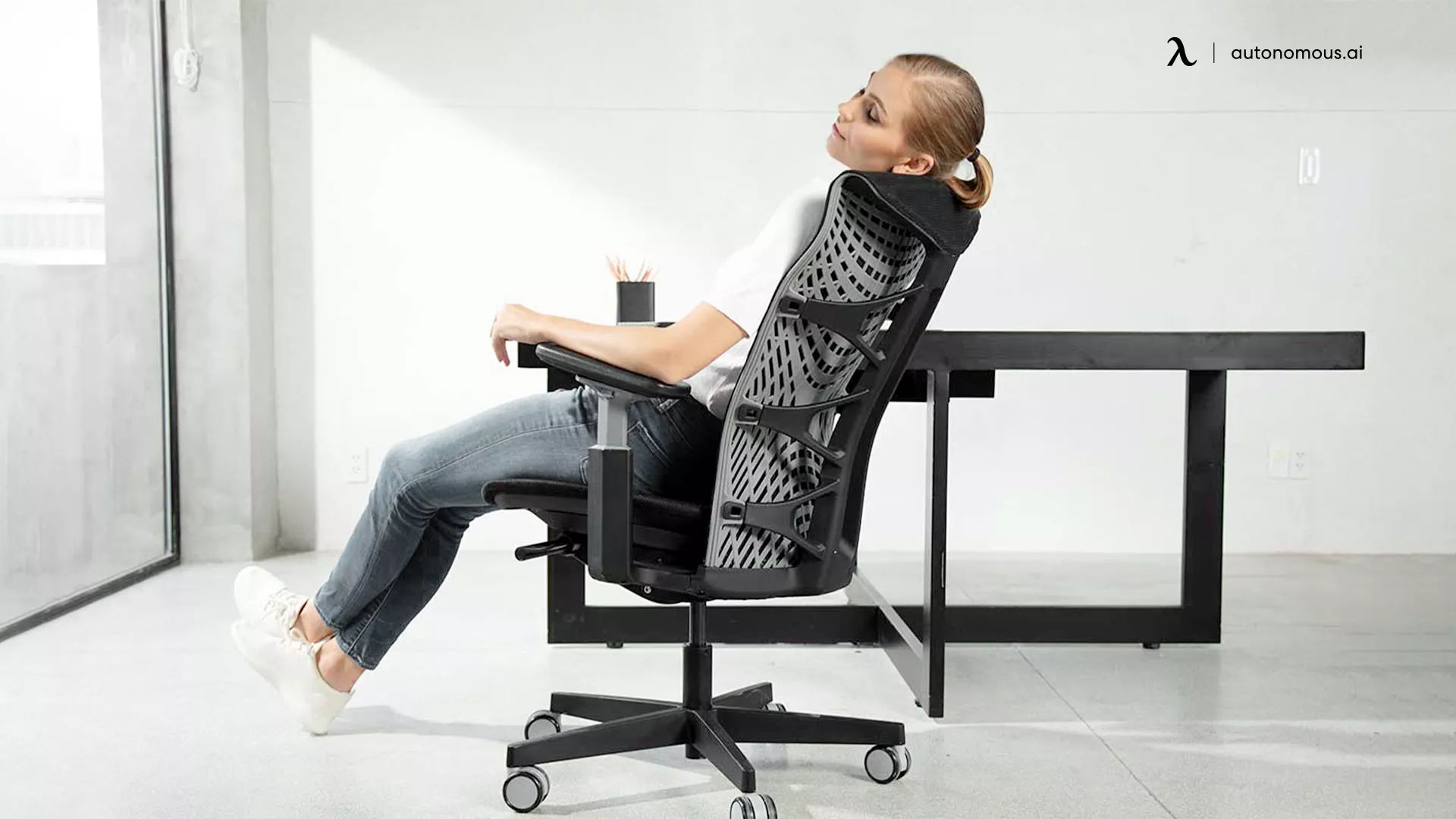
The backrest's flexible ribs allow posture changes while maintaining spinal contact, addressing the same challenge that premium dynamic backs solve through more complex mechanisms. A visible X-shaped lumbar support applies lower back pressure without restricting shoulders — a balance that expensive office chairs achieve through multiple adjustment points.
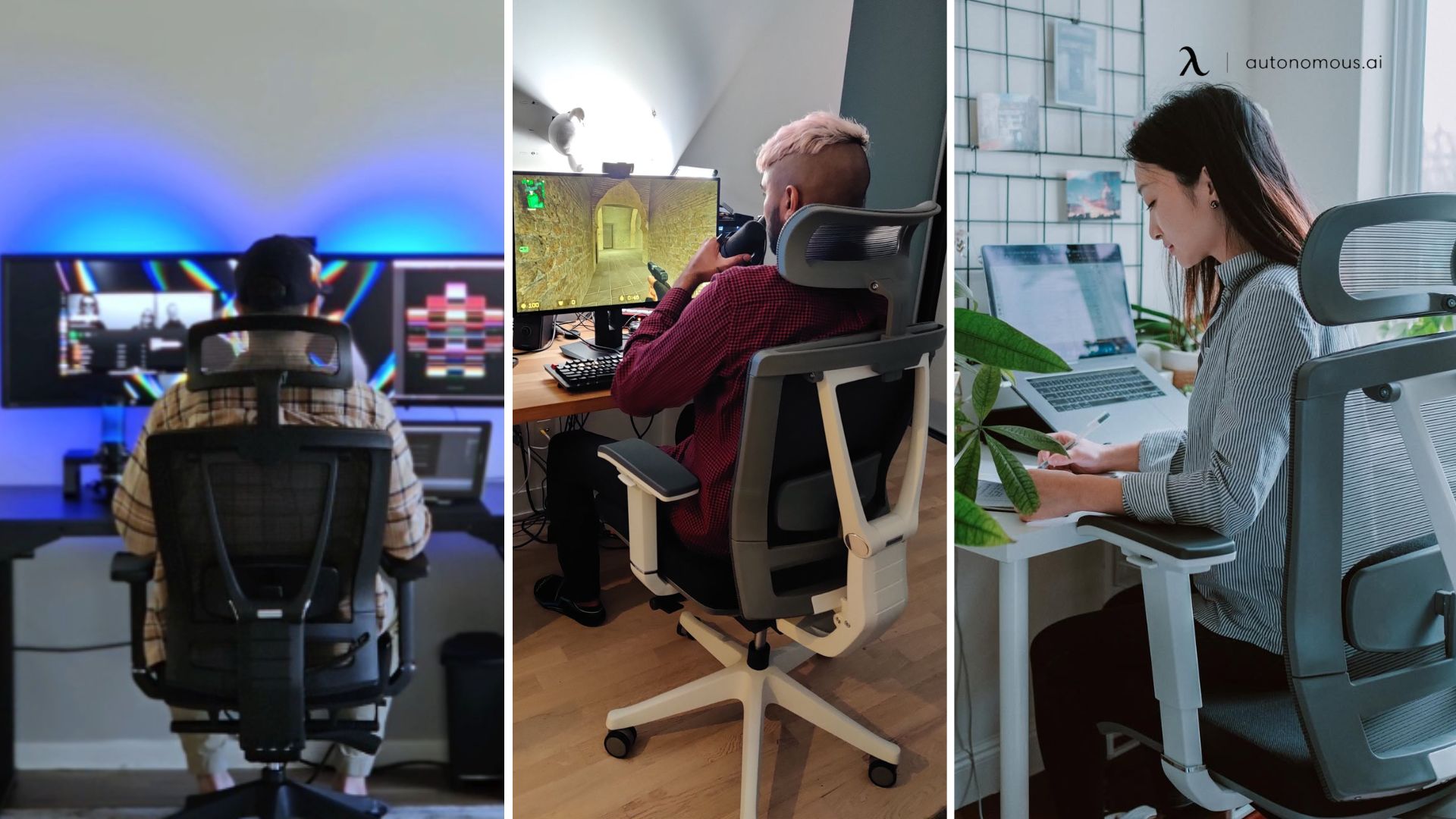
At this price tier, this mesh chair includes adjustment points typically reserved for higher price tiers: seat height, depth, and tilt; armrest height, angle, and position; lumbar depth; and backrest recline with tension control. The compromises appear in materials and support infrastructure rather than missing features. Its mesh performs well but lacks the engineering pedigree of fabrics developed specifically for premium brands. For those who prioritize functional performance over brand heritage, the chair delivers similar adjustability to models costing two to three times more.

FAQs
Are expensive office chairs worth it?
Expensive office chairs are worth it for people who sit long hours and want better comfort, posture support, and durability. Higher-quality materials and ergonomic design often mean fewer replacements and less physical strain over time.
Why are expensive office chairs so expensive?
Expensive office chairs cost more because they use premium materials, advanced ergonomic engineering, and long-lasting components. Research, testing, and extended warranties also contribute to higher prices.
What is the most expensive office chair?
The most expensive production office chairs range from $5,000 to $6,500, with models representing the upper tier of functional seating. Chairs exceeding these prices typically cross into art furniture territory where collectibility and design provenance drive pricing beyond ergonomic function.
Are expensive office chairs better for your back?
Expensive office chairs often provide better spinal support through adjustable lumbar systems and dynamic backrests. These features help reduce pressure on the lower back and encourage healthier sitting posture.
What is the best expensive office chair for long hours?
The best expensive office chair for long hours offers adjustable lumbar support, seat depth control, and a responsive recline system. Comfort depends on body type, so a chair with multiple customization options tends to work best.
Is a $1,000 office chair really better than a $300 chair?
A $1,000 office chair often includes better ergonomics, stronger materials, and longer warranties than a $300 option. While not always necessary for everyone, it can provide better long-term comfort and durability.
How long do expensive office chairs last?
Most expensive office chairs last 10–15 years or more with proper use. Premium components like reinforced frames, high reveal mesh, and commercial-grade mechanisms are built to withstand daily wear.
Do expensive office chairs help with posture?
Yes, expensive office chairs are designed to promote healthier posture through adaptive backrests and customizable adjustments. They support natural spinal curves and reduce slouching over extended periods.
Are luxury office chairs a good investment for home offices?
Luxury office chairs can be a smart investment for home offices if you work remotely and sit for extended periods. Higher durability and ergonomic support often justify the upfront cost.
Why is Herman Miller's chair so expensive?
Chairs from Herman Miller are expensive due to ergonomic research, patented designs, and long-lasting materials. Their extended warranties and reputation for durability also contribute to higher prices.
Conclusion
Expensive office chairs justify their pricing through distinct innovations — proprietary materials, precision engineering, artisan craftsmanship, or decades of biomechanical research. Whether its self-calibrating mechanisms, phase-change cooling systems, or hand-stitched leather that develops character over time, each approach serves different priorities. Some emphasize automated ergonomics that require no manual adjustment, while others offer extensive customization for users who want granular control.
The decision ultimately depends on what aspects matter most: brand heritage, specific ergonomic needs, aesthetic presence, or pure functional performance. Understanding the engineering and design philosophy behind these price points helps clarify whether the premium aligns with your actual workspace requirements. Not every expensive feature translates to meaningful benefit for every user, but knowing what you're paying for makes the investment decision considerably clearer.