How to Succeed in Your New Year Fitness Resolutions 2026


Table of Contents
As the New Year approaches, many of us start thinking about our New Year fitness resolution. It's the perfect time to commit to healthier habits and set personal fitness goals. While it’s easy to feel motivated at the start, sticking to those resolutions can be tough. But don’t worry, this year can be different!
But don’t worry! With the right mindset and a few practical tips, this can be the year you really follow through and make lasting change. Let’s explore how you can turn your fitness goals into reality.
Why New Year Fitness Resolutions Matter
As the New Year approaches, the idea of setting a New Year fitness resolution feels natural. Whether it's a New Year resolution to lose weight or simply to get healthier, these resolutions offer more than just an opportunity to get in shape, they can have a profound positive impact on both your physical and mental well-being.
One key benefit of committing to fitness is the psychological boost it provides. Exercise is proven to reduce stress and anxiety, improve mood, and increase overall confidence. Every small achievement, whether it’s sticking to a New Year’s resolution workout plan or reaching a fitness milestone, reinforces that sense of accomplishment, motivating you to keep going and stay consistent with your exercise New Year's resolutions.
But the benefits don’t stop there. Regular physical activity improves long-term health by boosting cardiovascular health, increasing energy levels, and enhancing mobility. It also plays a major role in preventing chronic illnesses like diabetes and hypertension, ensuring that your health and fitness New Year's resolution goes beyond short-term goals to positively affect your overall quality of life.
Of course, sticking to your New Year fitness resolution isn’t always easy. Life gets busy, motivation wanes, and sometimes, goals feel overwhelming. But the key is to embrace the journey, even when challenges arise. Ultimately, understanding why exercise New Year’s resolutions matter helps you stay committed. With realistic goals and a focus on long-term health, you can turn this New Year’s resolution into a lasting change that positively impacts your mind and body.

How to Set Realistic Fitness Goals for the New Year
The New Year is the perfect time to set a New Year fitness resolution. But while it's easy to get excited about fitness goals, the key to success lies in setting realistic fitness goals that are tailored to your lifestyle and capabilities. Let's break down how you can set yourself up for a win by starting with the right foundation.
1. Understand What’s Realistic
Before committing to your New Year fitness resolution, take a deeper look at where you stand right now. The key to success is understanding what’s realistic for you, not just what sounds good on paper. This means honestly assessing your current fitness level, available time, and any specific obstacles you may face (e.g., work schedule, injuries, or lack of motivation).
- If you're a beginner, don’t dive straight into ambitious plans like daily intense workouts or extreme diets. Instead, start with something achievable and sustainable, such as walking 20 minutes every day or building a routine around just 3 workout sessions a week. This approach lets you gradually increase intensity over time without overwhelming your body or risking burnout.
- For those with more experience, focus on honing specific skills or increasing intensity without aiming for perfection. For example, instead of a vague New Year resolution to lose weight, try focusing on a measurable target like "reduce body fat by 2% in 3 months" or "add 5 pounds to my deadlift in 6 weeks."
By defining where you are today, you’ll be able to set a goal that’s challenging, but realistic, allowing you to steadily progress while avoiding frustration.
2. Use the S.M.A.R.T. Framework
A great way to make your goals realistic is by using the S.M.A.R.T. framework, a proven method for setting clear, actionable goals:
- Specific: Define exactly what you want to achieve. For example, "I want to lose 5 pounds" is more specific than just saying "I want to get fit."
- Measurable: Break your goal into measurable actions, like "exercise 4 times a week" or "cut out sugary snacks." You can also track active calories burned each day to monitor your overall energy expenditure and ensure you’re making progress toward your fitness resolution. This helps quantify the effort and results, making it easier to stay on track.
- Achievable: Your goal should challenge you, but still be attainable. If your New Year fitness resolution is to lose 20 pounds in one month, that may not be realistic. Aim for something like “lose 2 pounds per month” instead.
- Relevant: Ensure your goal aligns with what you truly want, whether it’s improving health and fitness or training for a specific event like a 5K run.
- Time-bound: Set a clear timeline for achieving your goal. For example, "I want to complete my first 5K race in three months."
This approach makes it easier to track progress and stay focused on specific outcomes, setting you up for long-term success.

3. Break Down Long-Term Goals into Smaller Milestones
Achieving a big goal, like losing 30 pounds or running a marathon, can feel overwhelming if you only focus on the end result. Instead, break your long-term fitness goals into smaller, digestible milestones. This isn't just about creating checkpoints, it’s about strategically building momentum in a way that keeps you engaged and focused.
How to break it down:
- Create a monthly focus:
Instead of fixating on the long-term end result, break your fitness resolution into smaller, manageable monthly goals. For example, if you’re working towards weight loss, aim to lose 2–3 pounds each month. This helps reduce the pressure of trying to reach a large target all at once and keeps your focus on consistent progress.
To stay on track, incorporate exercises that fit your schedule, such as upper body chair exercises, which can be done while seated, or chair exercises for belly fat that target key areas in a low-impact way. If you're looking to improve lower body strength, chair leg exercises are an excellent option to build strength and stay active throughout the month, even on days when you're short on time.
- Set shorter time frames:
For a New Year fitness resolution to increase strength, instead of aiming to "bench press 100 pounds by the end of the year," aim to increase the weight by 5 pounds every 2 weeks. These small improvements, combined over time, will lead to big progress without overwhelming you.
- Visualize the journey:
Create a fitness map, a visual representation of your milestones. If your goal is to get stronger, list exercises you want to improve in and set clear targets for each (e.g., “Add 10 pounds to my squat every 2 weeks” or “Increase push-ups by 5 each month”). This creates clarity on how you’ll progress toward your ultimate goal.
By creating realistic milestones, you can not only stay motivated but also learn from each step, making your ultimate fitness goal feel more achievable.
4. Track Your Progress
Tracking isn’t just about counting reps or watching the scale. It’s about understanding the subtle changes happening within your body and mindset. Effective tracking should give you insights into what’s working, what needs improvement, and how far you’ve come, allowing you to tweak your approach as you go.
- Track your effort, not just output:
While logging how many miles you run or how many active calories you should burn per day is important, tracking your effort level (e.g., how challenging a workout feels, how quickly you recover) adds a layer of depth. This helps you understand your fitness journey from a holistic perspective. For example, rate your workouts on a scale from 1-10 for how challenging they felt.
Over time, you’ll notice you can push yourself harder or recover faster, even if the numbers don’t drastically change.
- Use apps with real-time feedback:
For something more interactive, consider using fitness trackers or apps that give you live data. These tools don’t just measure calories burned, they track heart rate variability, sleep quality, and stress levels, which provide a broader view of your overall health. If you're looking for a more tailored experience, a workout app for women can help you focus on your specific fitness needs.
This helps you see the bigger picture, especially when you're aiming for a New Year fitness resolution that focuses on well-being rather than just physical appearance.
- Celebrate the small wins:
In addition to your fitness metrics, track mental progress too. How are you feeling after workouts? Is your mood improving? Are you handling stress better? These "soft" wins, such as feeling more energetic or better able to manage stress, are just as important as the physical changes you track.
Effective tracking connects the dots between your effort and outcomes, ensuring you’re always in tune with your fitness journey.
5. Adapt and Adjust Your Goals as Needed
A flexible mindset is a must for sticking to a New Year fitness resolution. As you progress, you’ll encounter barriers, whether it’s hitting a plateau, adjusting to a new schedule, or experiencing life changes. Rather than abandoning your goals altogether, adjust them to ensure continued growth while staying motivated.
How to adapt goals for sustained progress:
- Assess your current pace:
If you’ve set a goal to run a 5K in 6 weeks, but after 3 weeks you’re struggling to hit your target distance, it’s time to reevaluate. Instead of doubling down and risking injury or burnout, adjust the timeframe. Stretching out your goal to 8 weeks could give you the extra time needed to make gradual progress without feeling defeated.
- Evaluate your motivation levels:
Fitness goals should excite you, but if you’re noticing a dip in motivation or a lack of enthusiasm, it’s time for a gut check. Are you still inspired by your original New Year fitness resolution, or has your focus shifted? Maybe strength training now excites you more than cardio, or perhaps building muscle resonates more with your current mindset than simply cutting calories. Shifting focus based on your evolving interests and needs can reignite passion, making your fitness journey feel fresh and purposeful again. Your goal should adapt with you, not the other way around.
- Reframe setbacks as learning:
Setbacks are inevitable, whether it’s a missed workout, a stalled progress goal, or unforeseen life events. Instead of letting these moments define your journey, shift your perspective.
If your goal, like weight loss or increasing endurance, is stagnating, consider setbacks as feedback rather than failures. Ask yourself: Did I need more rest days? Should I revise my diet to support my training better? The key is to adapt based on the lessons setbacks offer.
Adapting your goals isn’t about failure, it’s about maintaining realistic expectations and adjusting for long-term success. Flexibility allows you to stay focused without burning out or getting frustrated.

6. Stay Accountable and Get Support
Accountability can be a game-changer when sticking to your fitness resolutions. While self-motivation is important, having external support can keep you more consistent and committed. Whether it’s a friend, a fitness community, or even a coach, staying connected to others who are working toward similar goals boosts motivation and keeps you on track.
- Join group challenges or fitness classes:
Being part of a fitness community can provide friendly competition and the support you need when your motivation dips. If you’re working toward a New Year fitness resolution to lose weight, a fitness challenge with friends or a boot camp can help you stay committed while sharing victories and struggles.
- Find an accountability buddy:
Partner with someone who has similar fitness goals. Whether it's a friend who wants to build muscle or someone who’s focused on cardio endurance, supporting each other helps you stay on track and celebrate progress together.
- Track goals together:
Use apps or shared fitness journals to hold each other accountable. Regular check-ins help both of you stay on the same page and make adjustments if needed.
Having someone or a group to check in with, share updates, and celebrate successes together creates a sense of community that propels you toward your fitness goals.
Maximizing Your Fitness Journey: Advanced Tips for Success
Now that you've set your New Year fitness resolution, it’s time to focus on advanced strategies that will take your efforts to the next level. Whether you're aiming for weight loss, muscle gain, or overall health improvement, these strategies will help you maximize your results and ensure consistent progress.
- Cultivate a Growth-Oriented Mindset
The mental aspect of fitness is often underestimated. Mindset plays a significant role in sustaining your journey. Instead of focusing solely on outcomes, shift your attention to the process. Embrace the idea that each workout is growth—whether it’s a tough session or an easy one.
A growth-oriented mindset allows you to stay motivated by celebrating the small wins, like learning a new exercise technique or feeling stronger with each set. This makes fitness less of a task and more of a continuous improvement journey.
- Use the Power of Nutrition to Fuel Your Fitness
When pursuing a New Year fitness resolution, focusing on nutrition can be a game-changer. Start by tailoring your meal plans to support your specific fitness goals, whether it’s for weight loss, muscle gain, or overall health.
For instance, if you’re trying to lose fat, incorporate lean proteins and healthy fats into your meals while reducing simple carbs. On the other hand, if you’re focused on muscle building, ensure you’re getting enough protein to repair muscle fibers and maintain muscle growth. Proper nutrition ensures that your body is nourished for optimal performance, making it easier to stick to your fitness goals.
- Take Advantage of Active Recovery
Many people focus solely on intense workouts, but rest is just as crucial to your success. Active recovery. light activities that promote healing and circulation, helps maintain consistency in your fitness routine without overloading your muscles.
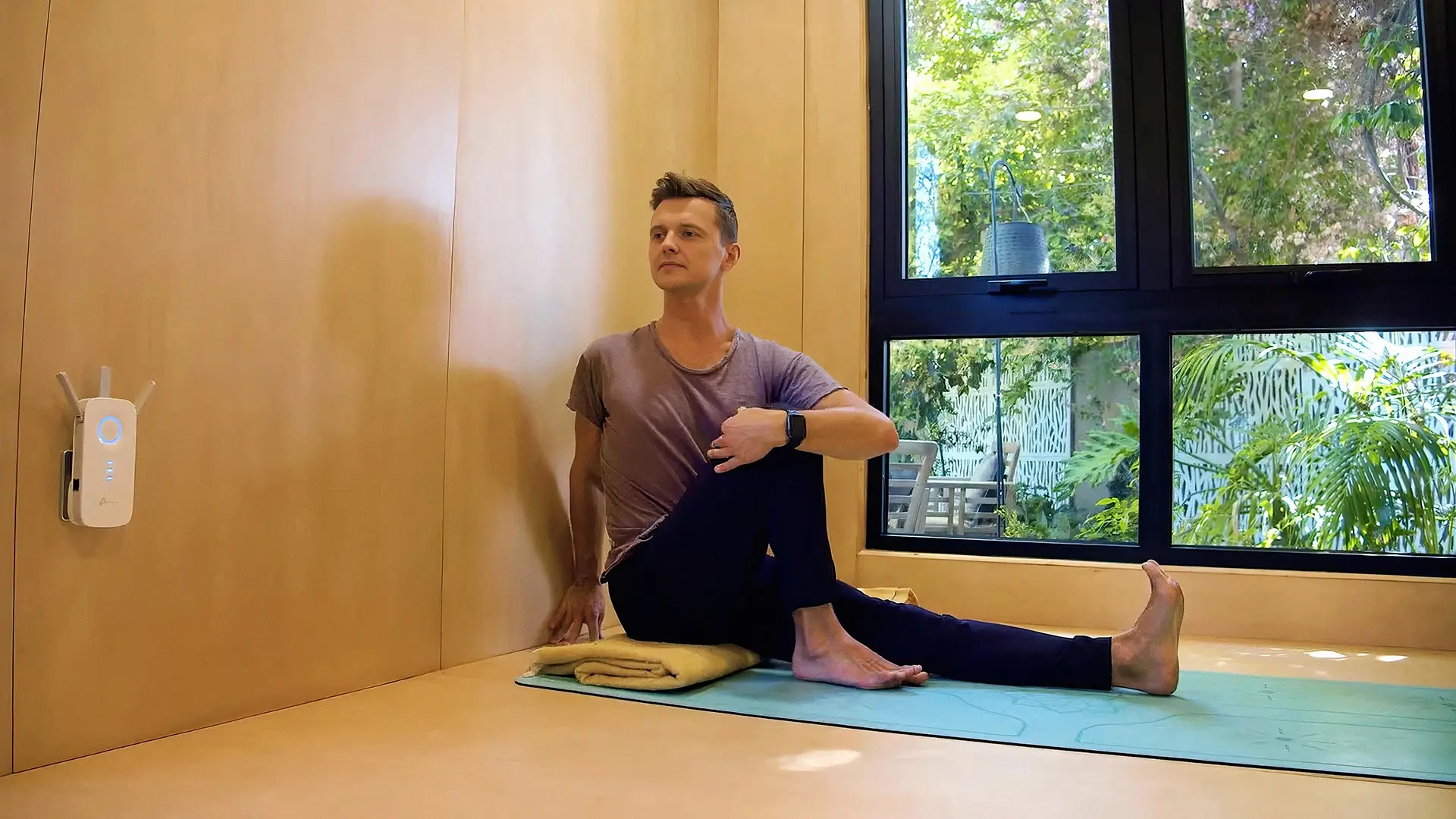
Incorporating activities like yoga, stretching, or even an easy indoor walking workout can accelerate recovery while helping you feel less fatigued for your next session. For example, seated back stretches can be a great way to relieve tension during your workday, and practicing yoga poses for back pain relief can provide added flexibility and comfort.
- Commit to Long-Term Habits, Not Quick Fixes
Fitness is about long-term commitment, not short-term results. Quick fixes, like fad diets or extreme workout regimens, often lead to burnout or regaining weight once the plan ends. To build sustainable success, focus on forming lasting habits rather than relying on fast results.
For example, rather than committing to an intense 30-day challenge, aim to establish a weekly routine that works with your lifestyle. Commit to exercise 3–4 times a week consistently for a year, rather than pushing yourself too hard at the start and risking burnout. These habits, developed over time, lead to lasting results.
- Mix Up Your Routine to Keep Things Engaging
If you’ve been following the same fitness routine for months, it’s time to mix things up. Variety not only keeps you engaged but also helps you break through plateaus. If you’ve been focusing on strength training and feel bored, try incorporating HIIT or endurance running into your schedule. If you’re always doing the same yoga routine, try adding Pilates or swimming.
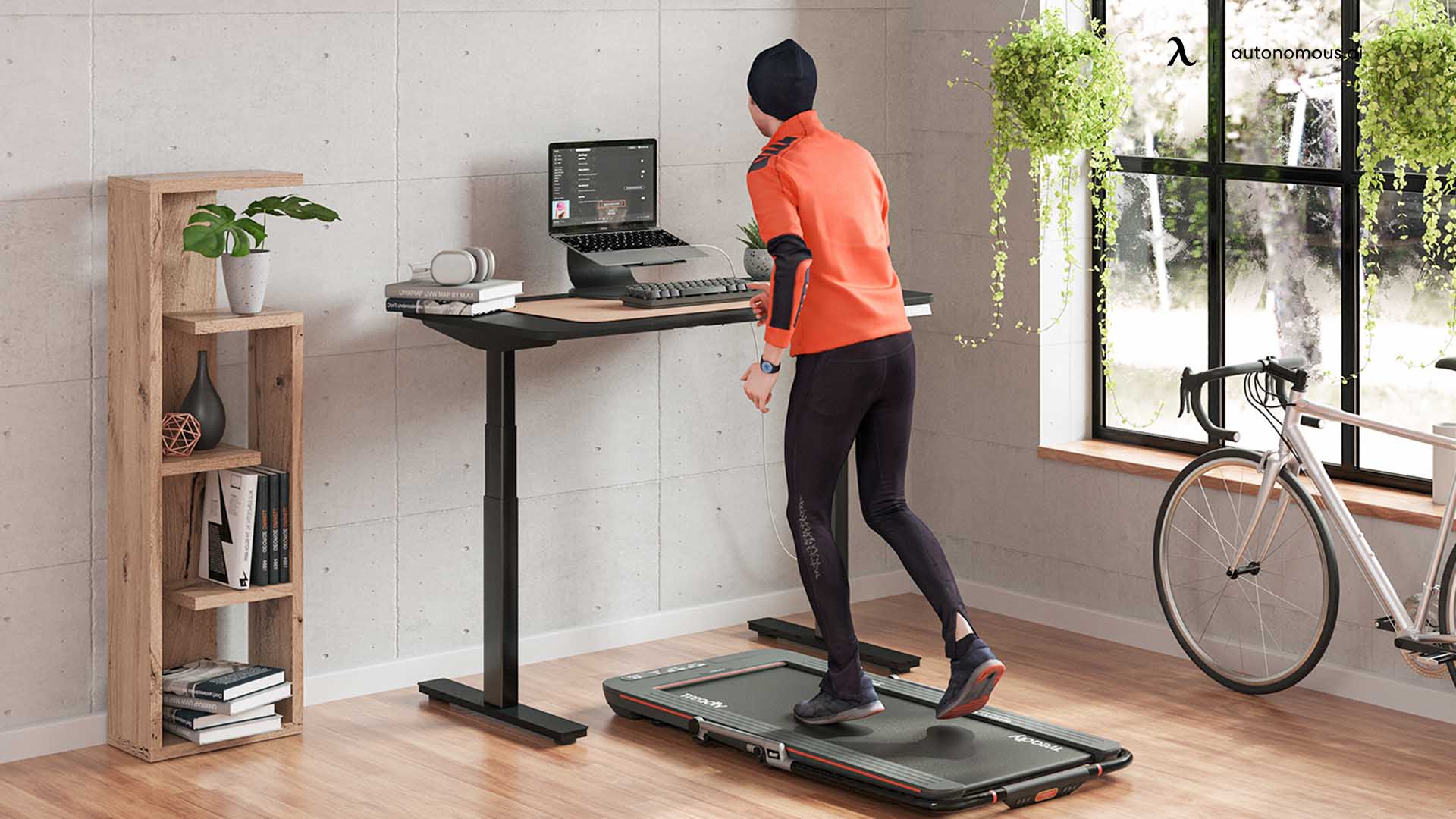
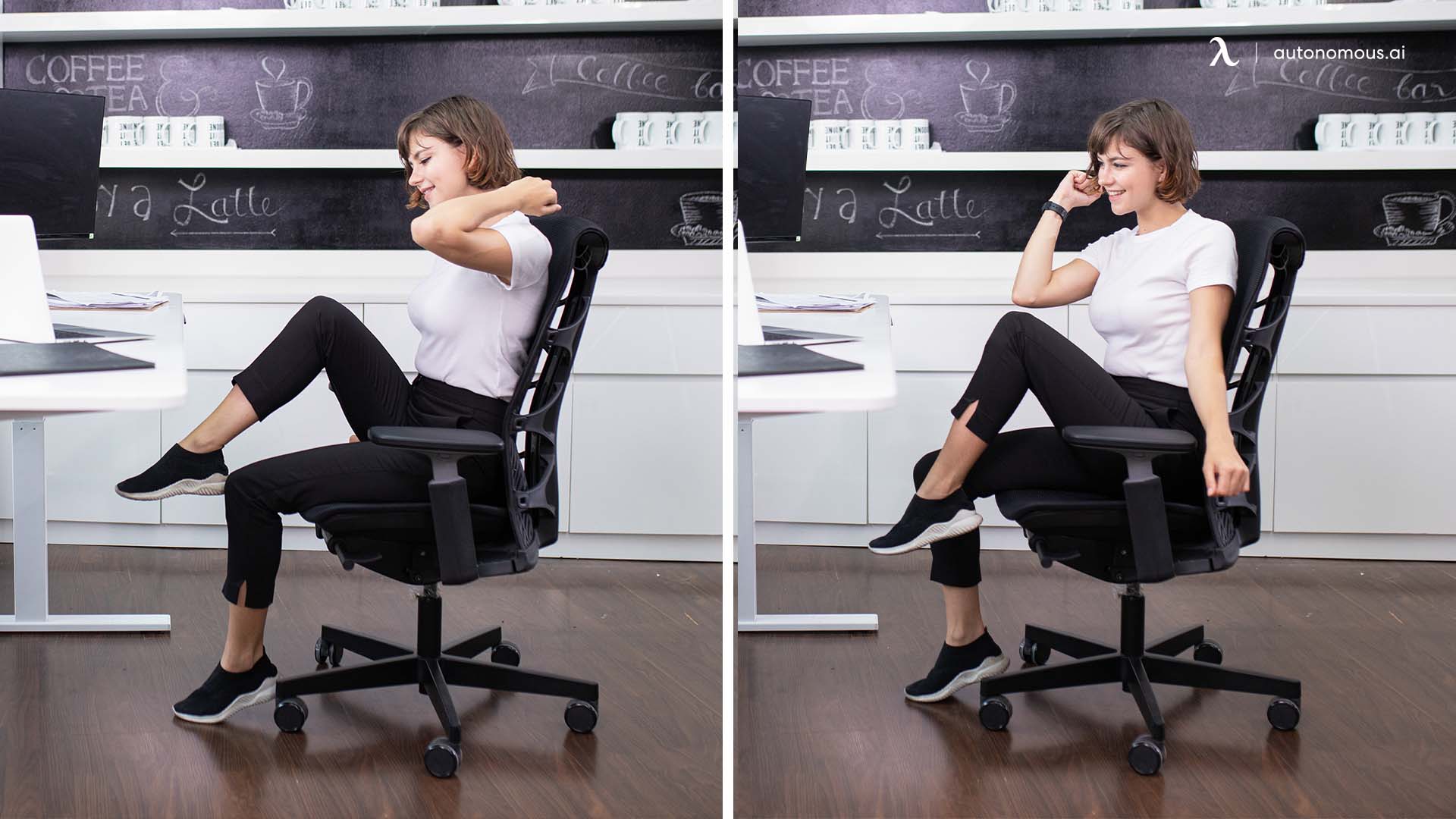
For those who work at a desk, mixing up your routine can also mean incorporating standing desk exercises to break up prolonged sitting. Simple movements at your desk can keep you active throughout the day. If you prefer sitting, office chair exercises are a great way to stay engaged without leaving your chair, helping to improve posture and relieve tension while working.
By incorporating these strategies into your New Year fitness resolution, you’ll set yourself up for steady progress and lasting success. Stay consistent, stay motivated, and make fitness a part of your lifestyle.
Overcoming Common Fitness Challenges
Even the best-laid fitness plans can face challenges, but with the right mindset and strategies, you can keep your New Year fitness resolution on track.
- Lack of Time:
One of the most common challenges people face is finding time for workouts. To stay on track, prioritize your fitness like any other important task. Schedule workouts in advance, just like meetings or appointments, and treat them as non-negotiable. If you’re short on time, opt for shorter, more intense workouts like HIIT (High-Intensity Interval Training), which delivers great results in less time.
- Motivation Slumps:
It’s normal to hit periods where your motivation wanes. The key is to build intrinsic motivation, remind yourself why you started. Is it to feel healthier, gain strength, or reach a personal milestone? Break your big goals into smaller wins that feel rewarding. When motivation dips, focus on consistency rather than perfection.
- Unrealistic Expectations:
A major cause of frustration is setting goals that are too ambitious for your current fitness level. Revisit your goals and make sure they’re realistic and aligned with your progress. Instead of aiming for a drastic transformation, focus on sustainable, long-term changes.
Set smaller, time-bound milestones, such as losing 1–2 pounds per month or increasing your strength by 5% each month. The journey will feel more rewarding when you acknowledge the small wins along the way.
- Injuries or Discomfort:
Injuries are a common setback, but they don’t have to stop your progress entirely. The key is smart recovery. If you experience discomfort, listen to your body and take appropriate rest days. Consider incorporating active recovery activities such as stretching, foam rolling, or yoga to maintain mobility.
By addressing these challenges head-on with a flexible mindset and practical strategies, you can continue making steady progress and achieve your New Year fitness resolution without getting discouraged.
FAQs
What is a New Year fitness resolution?
A New Year fitness resolution is a personal commitment to improve your physical health or exercise habits at the start of the year, such as exercising regularly or losing weight. It helps set a clear direction for fitness improvements throughout the year.
How can I set a realistic New Year fitness resolution that I can actually stick to?
Start by making your goals specific and measurable, such as "work out 3 times a week" or "lose 5 pounds in a month." Setting achievable milestones ensures long-term success and avoids overwhelming yourself with unrealistic expectations.
What’s the best way to stay motivated for a New Year fitness resolution after the first month?
To maintain motivation, track small wins regularly, change up your routine, and set short-term goals that keep things exciting. Having an accountability partner can also make a big difference in staying on track.
How do I know if my New Year fitness resolution is too ambitious?
If your resolution feels overwhelming or you’re constantly struggling to meet your targets, it might be too ambitious. Scale back to smaller, more achievable goals—like working out for 20 minutes daily instead of aiming for 1-hour sessions.
What are common mistakes people make with their New Year fitness resolution?
Common mistakes include setting vague or unrealistic goals, neglecting recovery time, and not tracking progress. These can lead to frustration and burnout, which can derail your fitness efforts.
How do I stay consistent with my fitness routine throughout the year?
Staying consistent means creating habits. Start by scheduling your workouts at the same time each day, and try habit stacking, pairing your workouts with something you already do regularly, like having coffee in the morning.
What should I do if I feel like giving up on my New Year fitness resolution?
Instead of giving up, reassess your goals and adjust them to be more manageable. Focus on why you started and make smaller, incremental changes. A slight shift in approach can reignite your motivation.
What are some effective fitness resolutions for beginners?
For beginners, start with simple goals like walking for 30 minutes daily, committing to 3 workouts a week, or focusing on building strength with bodyweight exercises. These goals are realistic, manageable, and lead to sustainable progress.
How do I track my progress toward my New Year fitness resolution?
Track your progress using fitness apps or journals, noting key metrics like the number of workouts per week, improvements in stamina, or body measurements. Tracking both physical changes and habits keeps you engaged and motivated.
Conclusion: Stay Committed to Your Fitness Journey
Achieving your New Year fitness resolution is a rewarding journey, and it all begins with setting realistic goals and implementing strategies that work for you. By focusing on consistent progress, breaking down big goals into smaller milestones, and adjusting your approach as needed, you’ll stay motivated and on track.
Remember, fitness is a marathon, not a sprint, so embrace the process, celebrate small wins, and adjust your path as you grow stronger. If you’re working from home, consider setting a New Year resolution for work that encourages a healthy balance between productivity and physical well-being. For those with limited space or a budget, creating a home gym can provide the convenience and flexibility needed to stay active.