Orthopedic Chair vs Ergonomic Chair: Key Differences

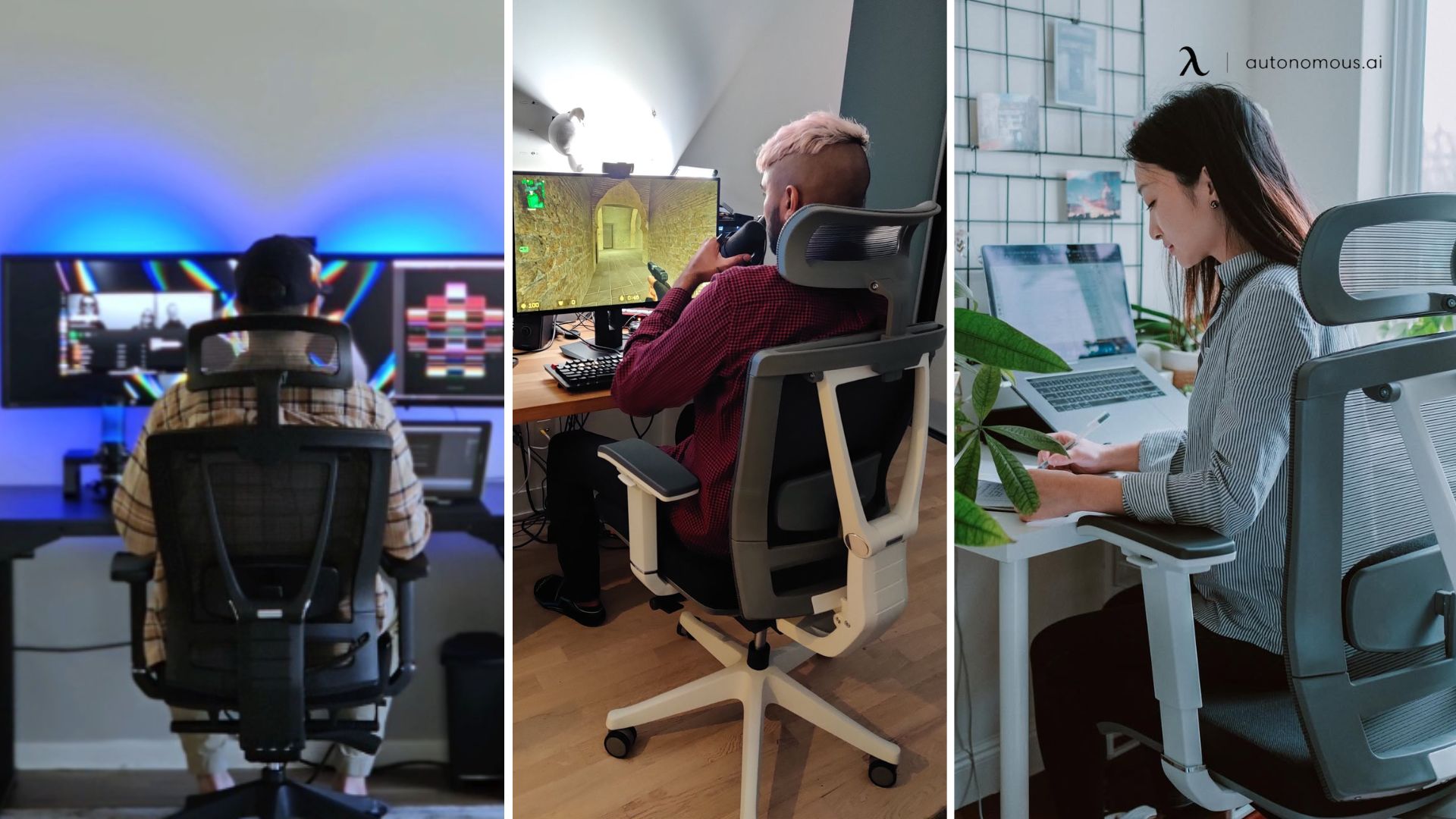
An ergonomic chair prevents pain by letting you adjust the seat, back, and arms to fit your body and move freely. An orthopedic chair relieves existing pain with firmer, more structured support for conditions like chronic back pain or sciatica. If you are healthy and sit for long hours, an ergonomic chair is usually enough. If you have a diagnosed or recurring issue, an orthopedic-style chair may serve you better.
What Is an Ergonomic Chair?
An ergonomic chair is designed to support your body's natural posture and reduce strain during long periods of sitting. Its main job is prevention. Instead of forcing you into one position, it adjusts to you, so you can shift and move through the day without building up tension.
Common ergonomic features include:
- Adjustable seat height and depth
- Adjustable lumbar support
- Recline and tilt so you can change posture
- Height- and width-adjustable armrests
- Breathable mesh or cushioned seating
Ergonomic chairs suit most desk workers, students, and gamers who want to stay comfortable and avoid pain before it starts.
What Is an Orthopedic Chair?
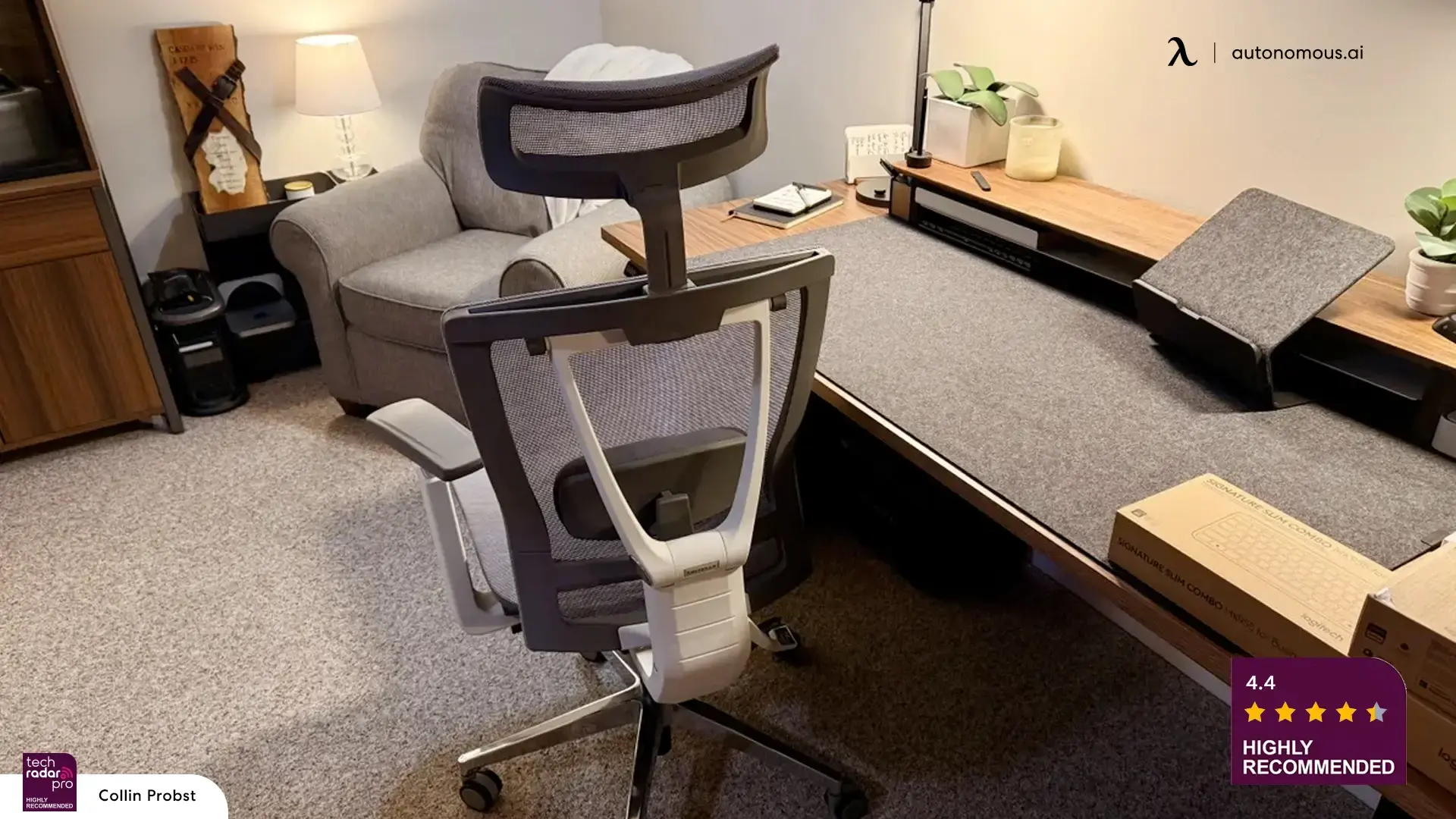
An orthopedic chair is designed to relieve or manage an existing musculoskeletal problem, such as chronic lower back pain, sciatica, or hip discomfort. It usually offers firmer, more structured support than a standard chair, with the goal of keeping the spine aligned and reducing strain on painful areas.
Here is the part most articles skip: "orthopedic office chair" is not a regulated medical category. There is no official standard a chair must meet to be called orthopedic, so the label is often a marketing term rather than a medical guarantee. In practice, the chairs sold as orthopedic are high-support ergonomic chairs, sometimes recommended by a doctor or physical therapist for a specific condition. That is why a well-adjusted ergonomic chair and an orthopedic chair can look nearly identical on paper.
Orthopedic vs Ergonomic Chair: Side by Side
The difference between orthopedic and ergonomic chair design comes down to purpose: prevention versus relief. This table shows how that plays out.
Feature | Ergonomic Chair | Orthopedic Chair |
Main goal | Prevent strain and discomfort | Relieve or manage existing pain |
Best for | General desk workers, long hours | People with back, hip, or joint conditions |
Adjustability | High and customizable | Structured, sometimes firmer and less adjustable |
Support feel | Adaptive, movement-friendly | Firmer, more corrective |
Medical input | Not needed | Sometimes recommended by a doctor |
In reality the two overlap heavily. Many chairs marketed as orthopedic are simply ergonomic chairs with firm, highly adjustable lumbar support.
Which Chair Should You Choose?
Choose based on how your back feels today, not on the label. Ask yourself three questions:
- Do you have ongoing back, hip, or neck pain?
- Has a doctor or physical therapist recommended specific support?
- Do you sit more than six hours a day?
If you answered yes to the first two, look for a firm, highly supportive chair (an orthopedic-style pick) and confirm any specific needs with your provider. If you are generally healthy but sit long hours, a good ergonomic chair with adjustable lumbar support will serve you well.
What Experts Actually Say About Chairs and Back Pain
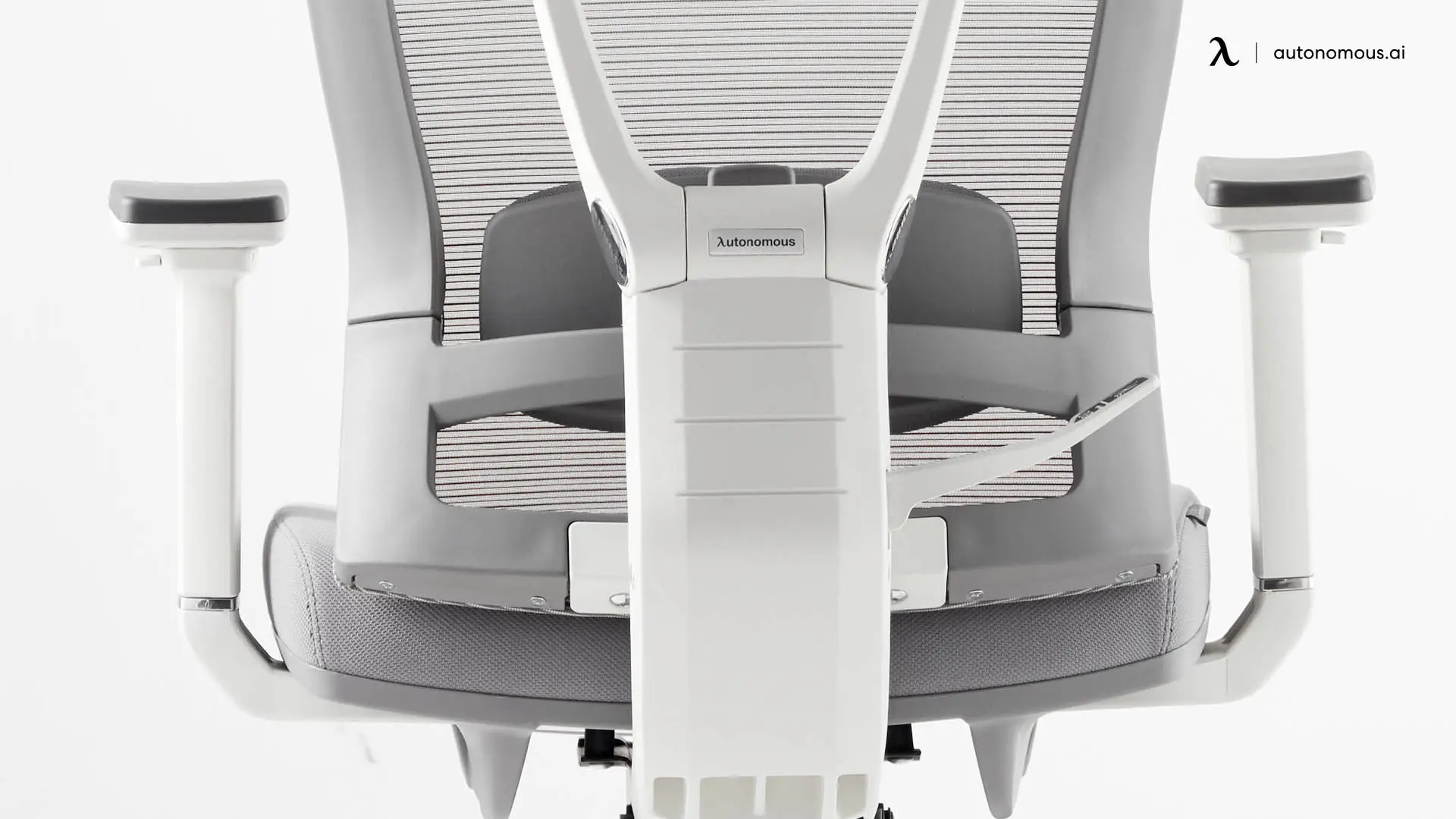
The most useful insight is that the label matters less than fit and movement. Orthopedic surgeons and ergonomists who test chairs professionally agree that no single chair is proven to treat back pain better than the rest. According to an orthopedic spine surgeon interviewed by CNN Underscored, what matters most is how well a chair fits your body and whether it lets you adjust and move throughout the day. He notes that the most common cause of back pain is sitting still for hours, and staying in any single posture too long strains the spine.
The features experts point to first are the same ones that define a good ergonomic chair. A spine surgeon consulted by Forbes recommends starting with adjustable lumbar support that matches your natural lower-back curve, a headrest, armrests set so your elbows rest near 90 degrees, and a recline of about 100 to 110 degrees. His bigger point: even with the best chair, sitting for long periods is hard on the spine, so keep moving.
The takeaway: whether a chair is called orthopedic or ergonomic, prioritize adjustability, a lumbar system you can fit to your spine, and a design that encourages movement.
Where Autonomous Chairs Fit
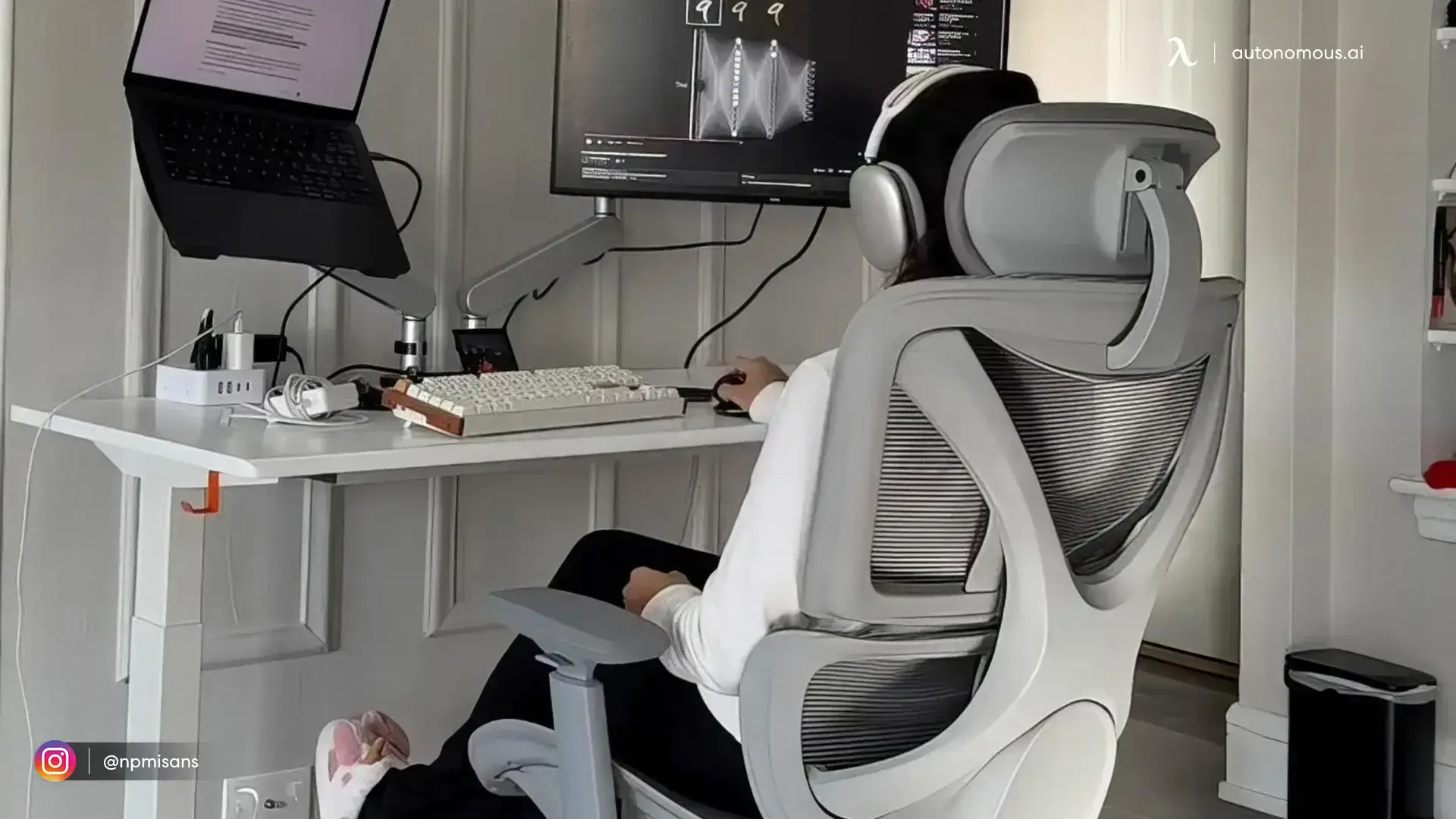
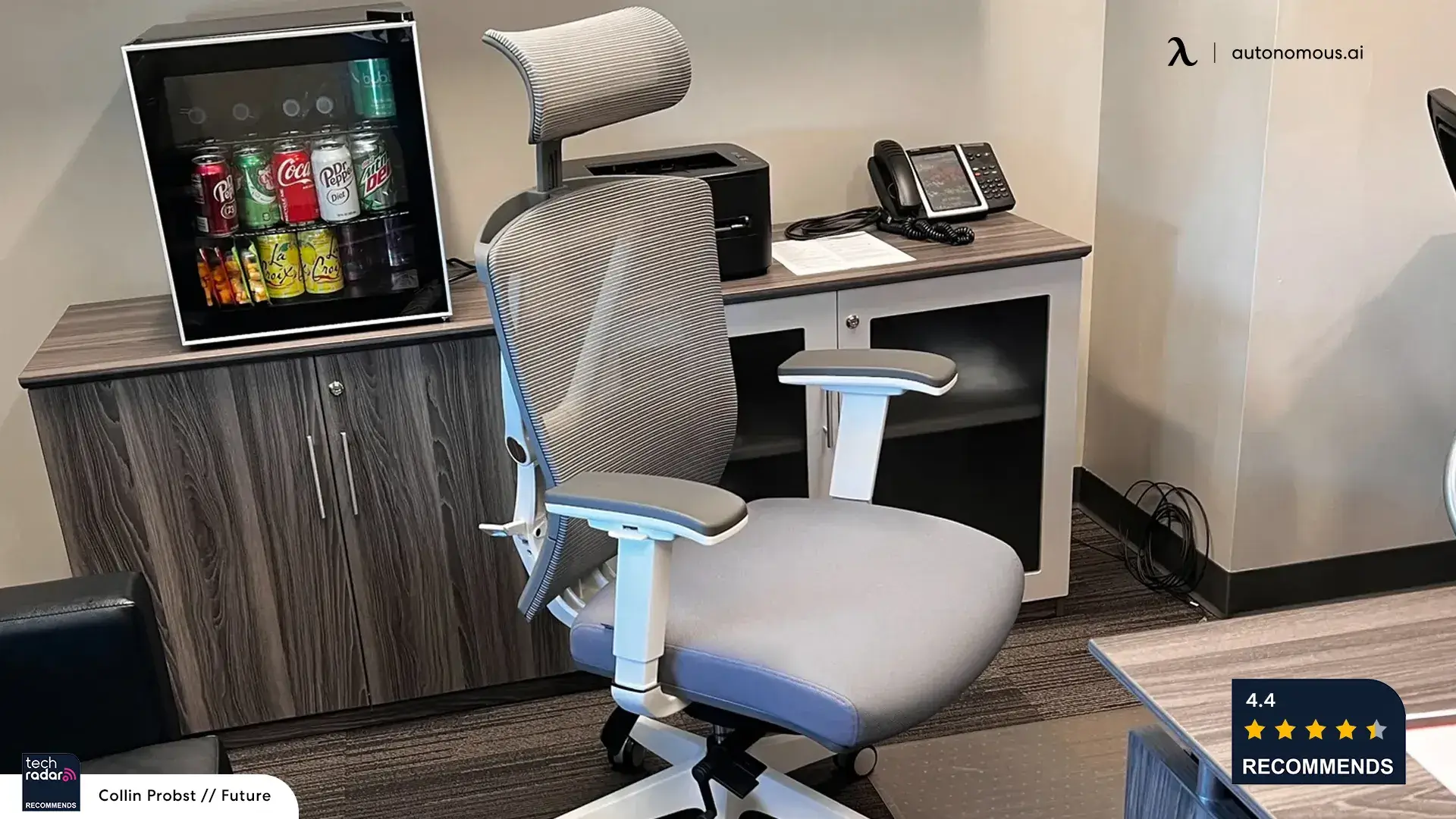
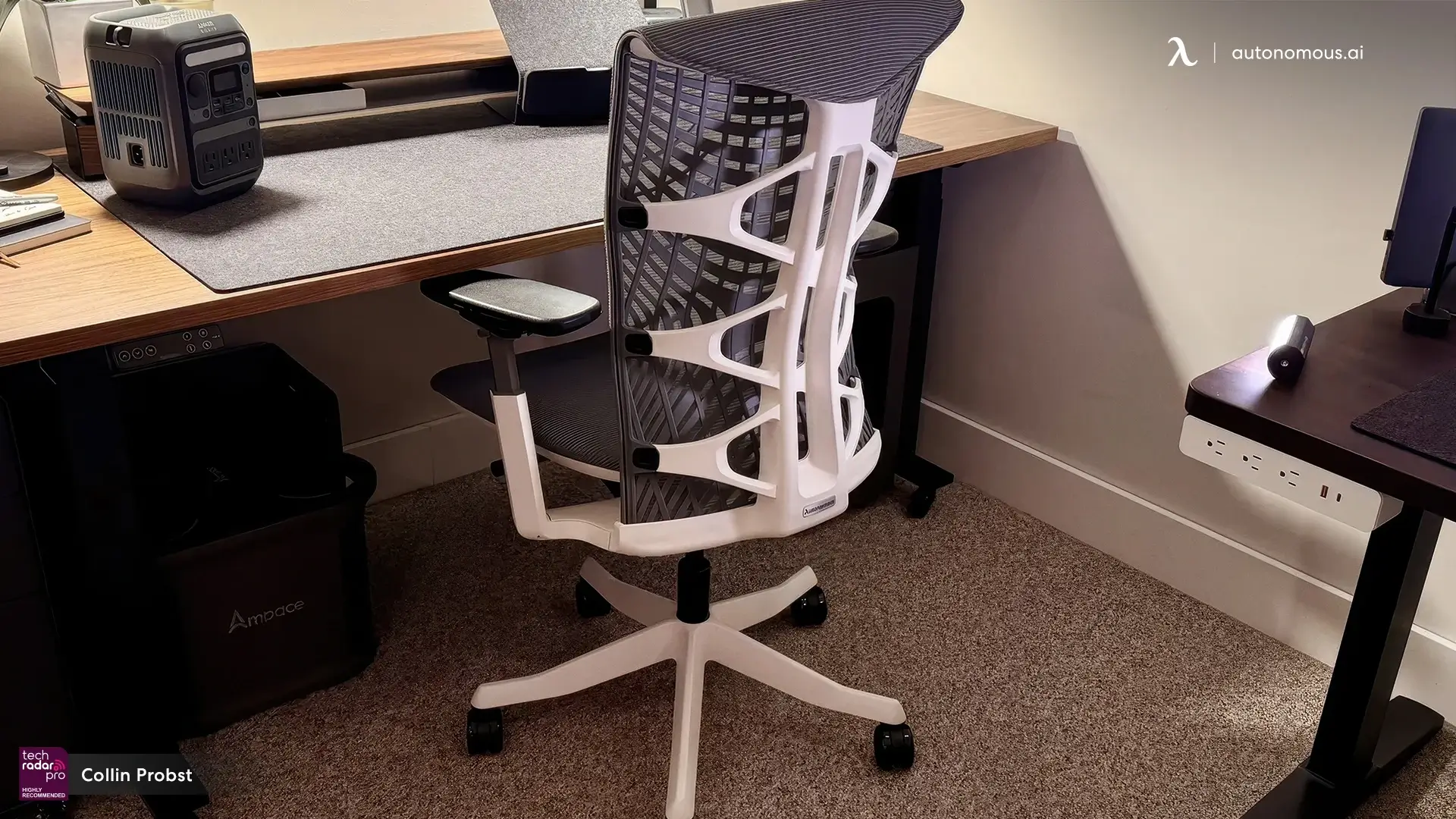
Autonomous chairs are ergonomic chairs with the kind of adjustable lumbar support that also suits people managing back pain. The ErgoChair Pro and ErgoChair Mesh both use a lumbar cushion that slides up and down to fit your lower-back curve, while the ErgoChair Ultra 2 takes a different approach with a lumbarless flexing backrest for people who find fixed lumbar pressure uncomfortable.
.jpg)
Our roundup of the best orthopedic office chairs for back pain compares specific models by pain type and budget.
Frequently Asked Questions
What is the difference between an ergonomic chair and an orthopedic chair?
An ergonomic chair is built to prevent discomfort through adjustability and movement, while an orthopedic chair is built to relieve or support an existing back problem with firmer, more targeted support. In practice the two overlap, because most orthopedic office chairs are highly supportive ergonomic chairs. The right choice depends on whether you are preventing pain or managing it.
Is an orthopedic chair better than an ergonomic chair?
Neither is better in general; they serve different needs. An orthopedic chair suits people with existing pain or a diagnosed condition, while an ergonomic chair suits healthy users who sit for long hours. Experts stress that fit and movement matter more than the label on the chair.
Is "orthopedic office chair" a real medical category?
No, "orthopedic office chair" is not a regulated medical category. Any chair can be marketed as orthopedic without meeting an official standard. Most chairs sold this way are firm, highly adjustable ergonomic chairs, sometimes recommended by a healthcare professional for a specific condition.
Can an ergonomic chair help with back pain?
Yes, an ergonomic chair can help with back pain, especially when the pain is posture-related or caused by long sitting. Adjustable lumbar support and recline let you keep your spine aligned and change position through the day. For a diagnosed condition like sciatica, ask your doctor whether firmer orthopedic-style support is a better fit.
Do I need a doctor's recommendation to buy an orthopedic chair?
No, you do not need a prescription to buy a chair marketed as orthopedic. However, if you have a diagnosed spinal condition, a doctor or physical therapist can point you to the specific features that will help most. That guidance is more valuable than the orthopedic label itself.
Are orthopedic chairs covered by insurance or FSA?
Sometimes. If a healthcare professional prescribes a chair for a medical condition, it may qualify for FSA reimbursement or partial insurance coverage. Always confirm eligibility and required documentation with your provider before buying.
Which chair is best for lower back pain?
The best chair for lower back pain is one with adjustable lumbar support you can match to your spine's curve, a supportive recline, and a seat depth that fits your legs. Whether it is labeled ergonomic or orthopedic matters less than that adjustability. Pairing it with regular movement gives the best results.
How do I sit correctly in either chair?
Sit fully back so your spine rests against the backrest and the lumbar support meets your lower-back curve. Keep your feet flat on the floor with knees near a 90-degree angle, and set armrests so your shoulders stay relaxed. Adjust the chair to you rather than adapting your posture to the chair.
The Bottom Line
The orthopedic vs ergonomic chair choice comes down to your body's current needs, not the marketing on the box. Ergonomic chairs prevent strain through adjustability; orthopedic chairs offer firmer support for existing pain. Since most orthopedic office chairs are really high-support ergonomic chairs, focus on what experts agree actually matters: a lumbar system you can fit to your spine, easy adjustment, and a design that keeps you moving. Get those right, and the label on the chair stops mattering.
References
- CNN Underscored - "The best office chairs for back pain, according to orthopedic surgeons" (features Dr. Alexander Crawford, orthopedic spine surgeon, Mount Sinai Health System).
- Forbes Vetted - "The Best Office Chairs For Back Pain" (features Dr. Ehsan Jazini, spine surgeon, VSI).