


The Best Dorm Desk Chairs for College Students 2026

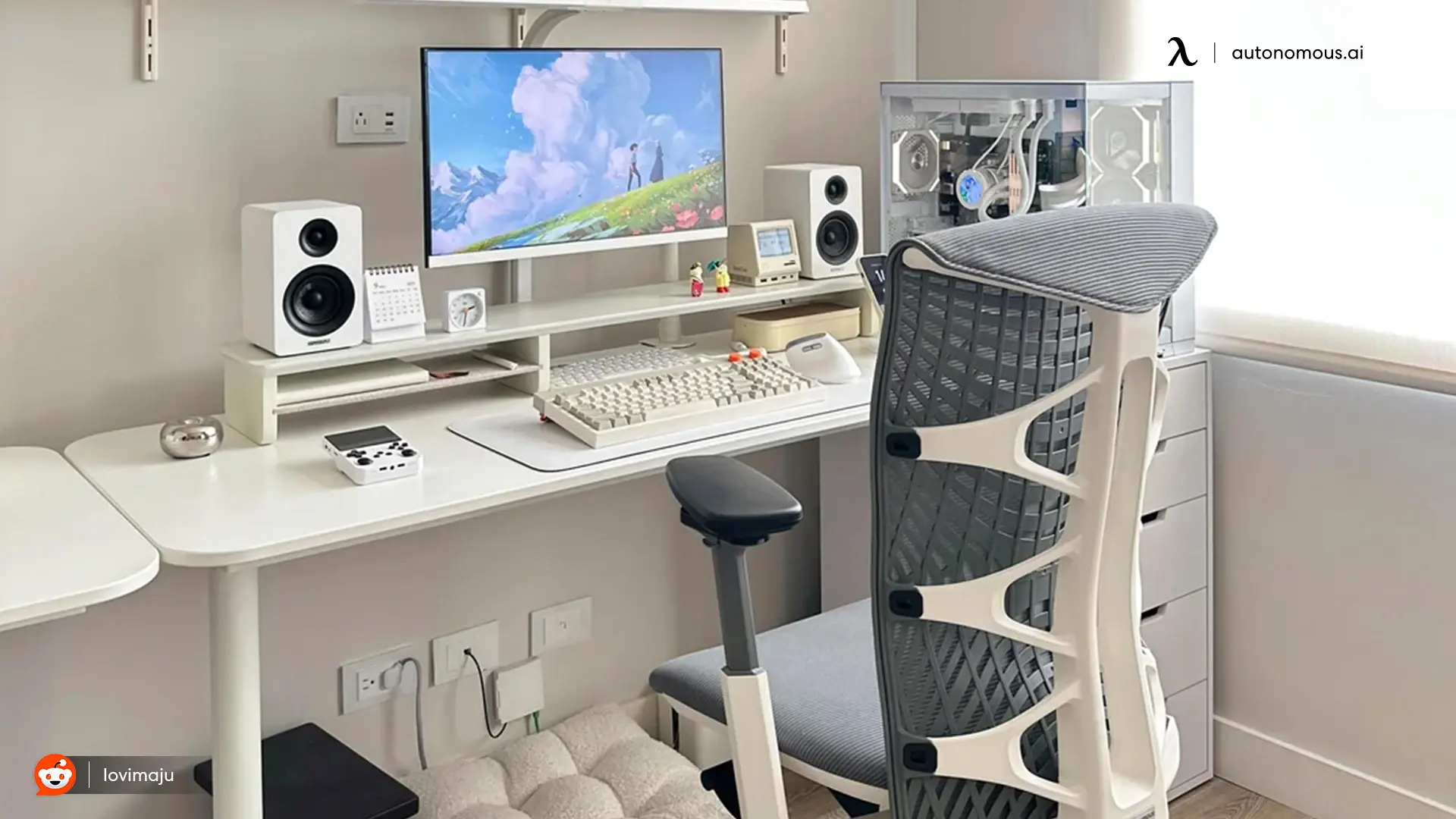
The chair you study in matters more than the one you sleep in, yet most dorm shopping stops at a bargain-bin task chair that wrecks your back by October. A good dorm room chair supports your posture through long study sessions, fits a tight room, and survives four years of daily use. This guide is written around dorm constraints rather than office ones: a desk height you cannot change, a shallow desktop, a room you move out of every May. It covers what to look for, why the cheap chairs flooding shopping results are a false economy, and nine desk chairs picked for student rooms.
The short version: for a real ergonomic chair that still fits a student budget, the Autonomous ErgoChair Core is the pick to start with, with breathable and fully adjustable step-ups if you have more to spend.
Best dorm room office chairs at a glance
The best dorm desk chair for most students is the Autonomous ErgoChair Core, which fits a shallow dorm desk and a student budget at the same time. The table groups all nine picks by dorm situation rather than by generic ranking.
Chair | Best for | Key specs |
ErgoChair Core | Most dorms: shallow desks and tight budgets | Shaped X-frame lumbar, 242.5 lb, optional headrest, 2-yr frame |
ErgoChair Mesh | Stuffy dorms with room to spare | 9 adjustments, adjustable lumbar, 2:1 synchro-tilt, mesh back |
ErgoChair Pro | Tall students at a fixed-height dorm desk | 9-point adjust, sliding lumbar, headrest, 300 lb, lifetime frame |
ErgoChair Ultra 2 | Long library-style sessions in one room | Lumbarless flex-frame, open-cell mesh, lifetime frame |
Sihoo M57 | Shorter students on the tightest budget | Two-way dial lumbar, 3D armrests, mesh back |
Hbada P3 | Single-year rooms and sublets | 2D lumbar, adjustable headrest, 145 degree tilt, 300 lb, 3-yr warranty |
Nouhaus Ergo3D | Hard dorm floors and hot rooms | 4D armrests, self-adjusting lumbar, 135 degree recline, 275 lb, 3-yr warranty |
Boulies EP200 | Average-to-tall students who want one simple chair | Mesh or foam seat, 3D armrests, 265 lb, 2-yr warranty |
FlexiSpot C7 | Keeping the chair after graduation | Isolated adjustable lumbar, stable 3D armrests, 300 lb |
New buyers can stack the code BLOGFIRST5 for an extra 5 percent at checkout on any Autonomous chair.
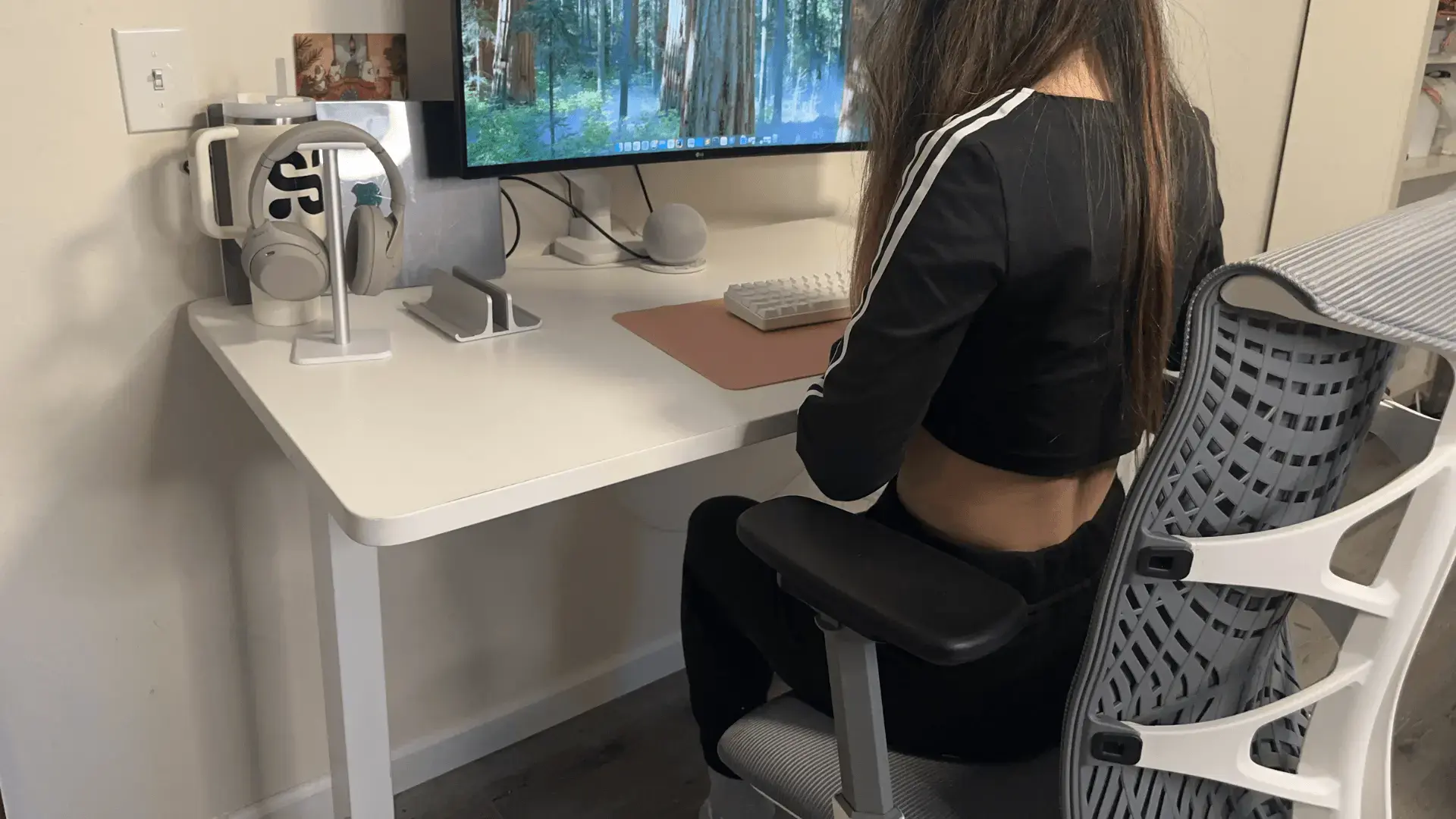
The best dorm desk chairs, reviewed
All nine are genuine ergonomic study chairs rather than the budget seats that dominate shopping results, so any of them will hold up over a degree. They differ mainly in support style, breathability, and price.
1. Autonomous ErgoChair Core
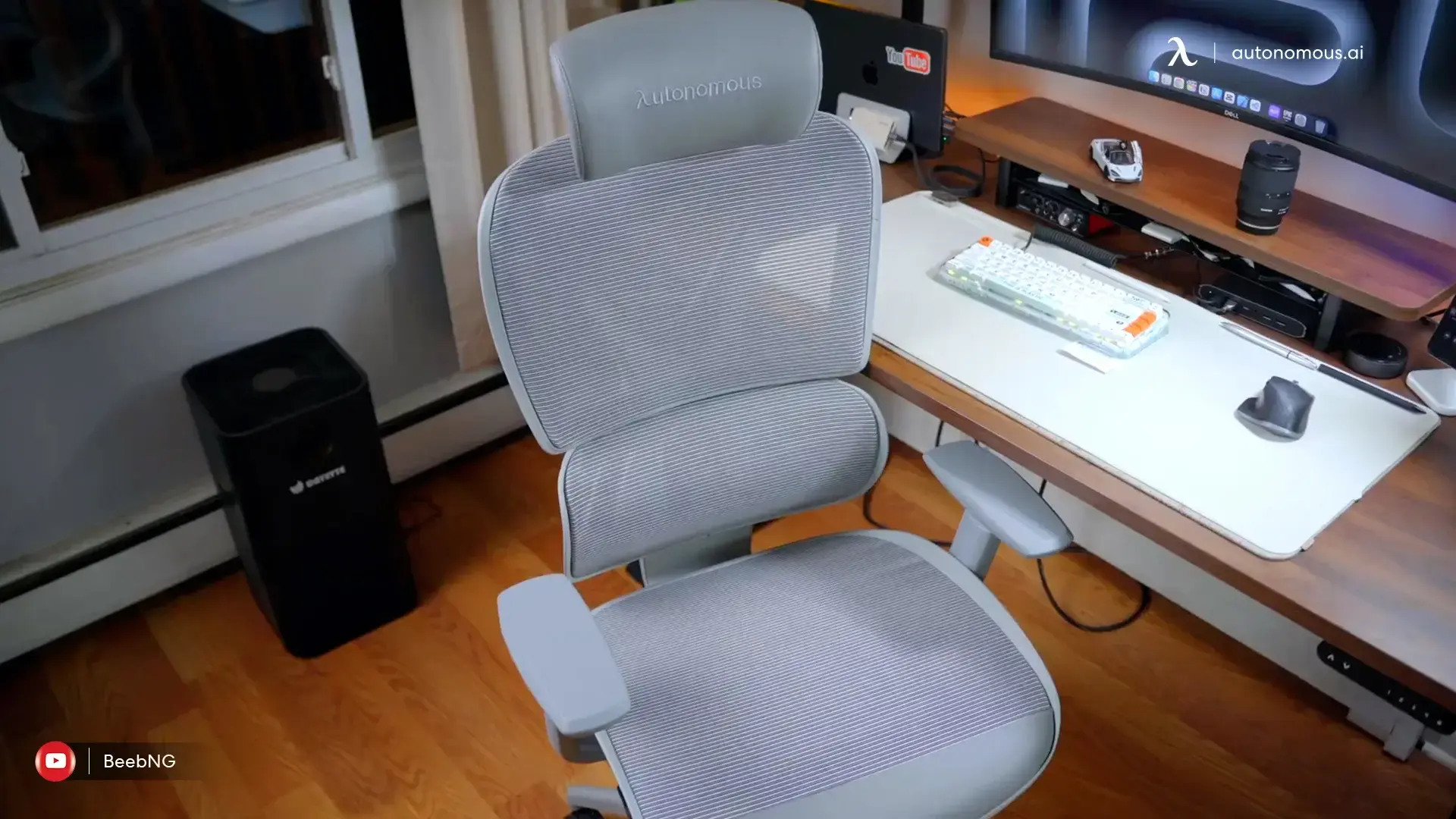
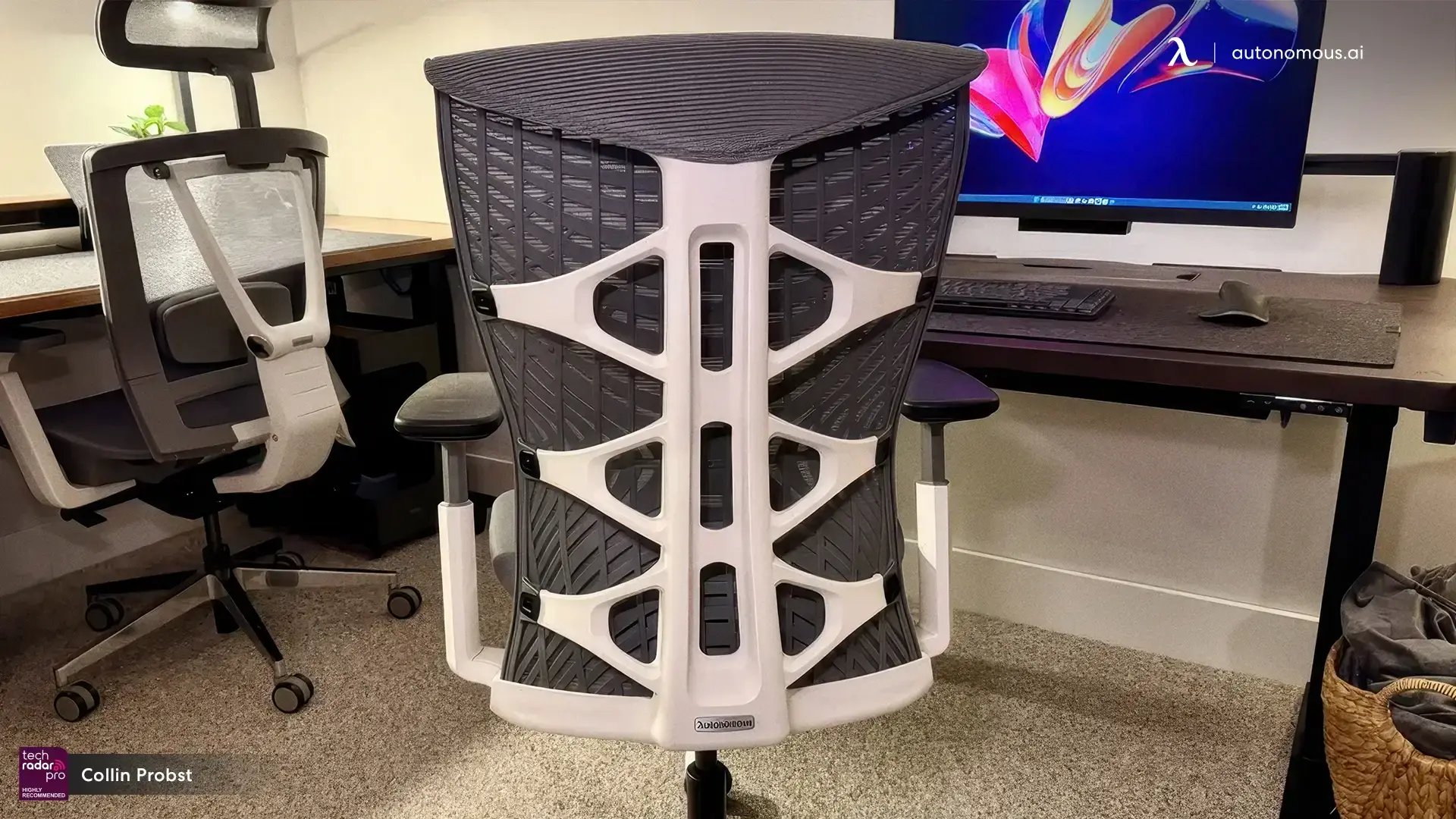
The Autonomous ErgoChair Core is the best dorm desk chair for most people, because it delivers real ergonomic support at close to budget-chair money. Its X-shaped frame holds the natural curve of your spine, covering the lumbar support that cheap chairs skip entirely.
What works:
- Shaped frame support that keeps your lower back aligned during long study sessions
- Adjustable seat height, seat depth, armrests, and tilt for a proper fit
- An optional headrest version if you want neck support
- A 242.5-pound capacity and a steel build that outlasts flimsy task chairs
- A compact profile that fits a tight dorm desk
- Breathable mesh that stays cool over long sessions
One trade-off: the Core's lumbar support is a fixed, shaped frame rather than a pad you slide up and down, so if you want to dial in the exact height, the Mesh or Pro fits better.
2. Autonomous ErgoChair Mesh
.jpg)
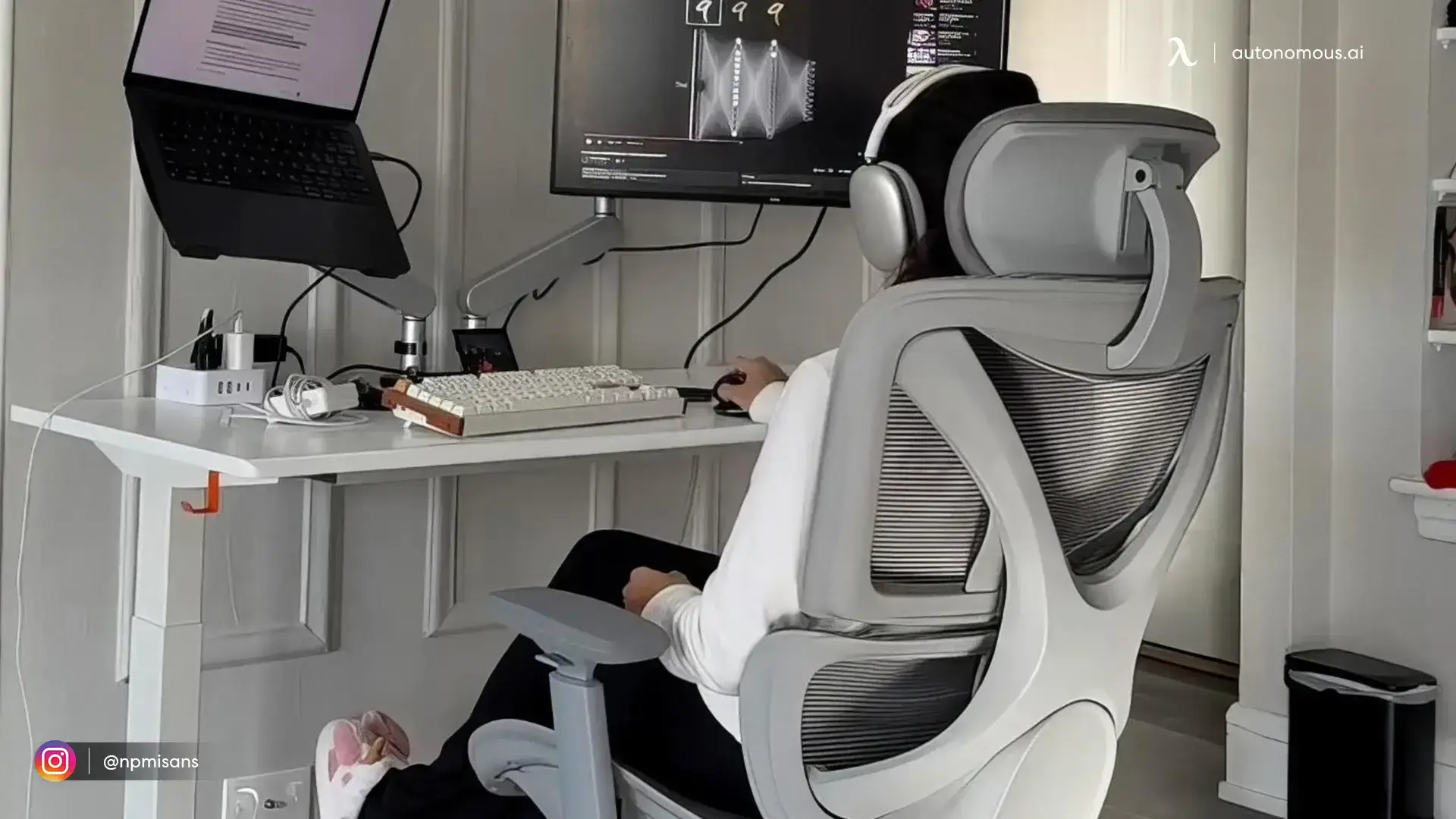
The Autonomous ErgoChair Mesh is the best pick for stuffy dorms, because its Ultra Air Mesh back vents heat over long sessions and pairs it with a fully adjustable lumbar cushion. It carries nine adjustment points and a 2-to-1 synchro-tilt that keeps the seat level as you recline, which reviewers at TechRadar called one of their favorite everyday chairs.
What works:
- A breathable mesh back that prevents the sticky discomfort of stuffy rooms
- An adjustable lumbar cushion that slides up and down to fit your spine
- Nine adjustment points covering height, depth, armrests, recline, and tilt tension
- A 2-to-1 synchro-tilt that keeps the seat level and eases lower-back strain
- A sturdy, durable build meant for daily use
One trade-off: it has a larger footprint and comes only in black and gray, so measure your space and check the recline clearance if your dorm is very small.
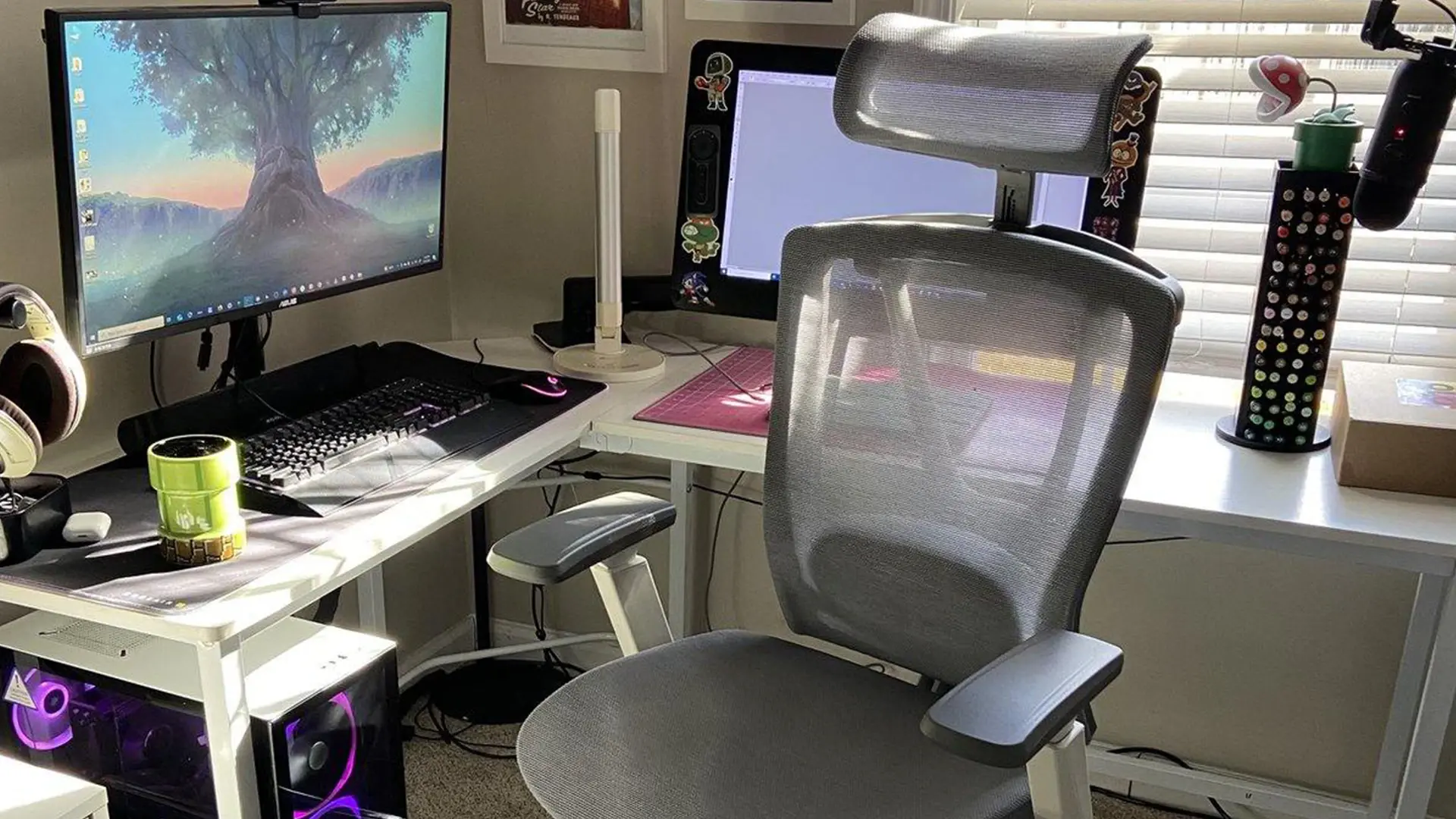
3. Autonomous ErgoChair Pro
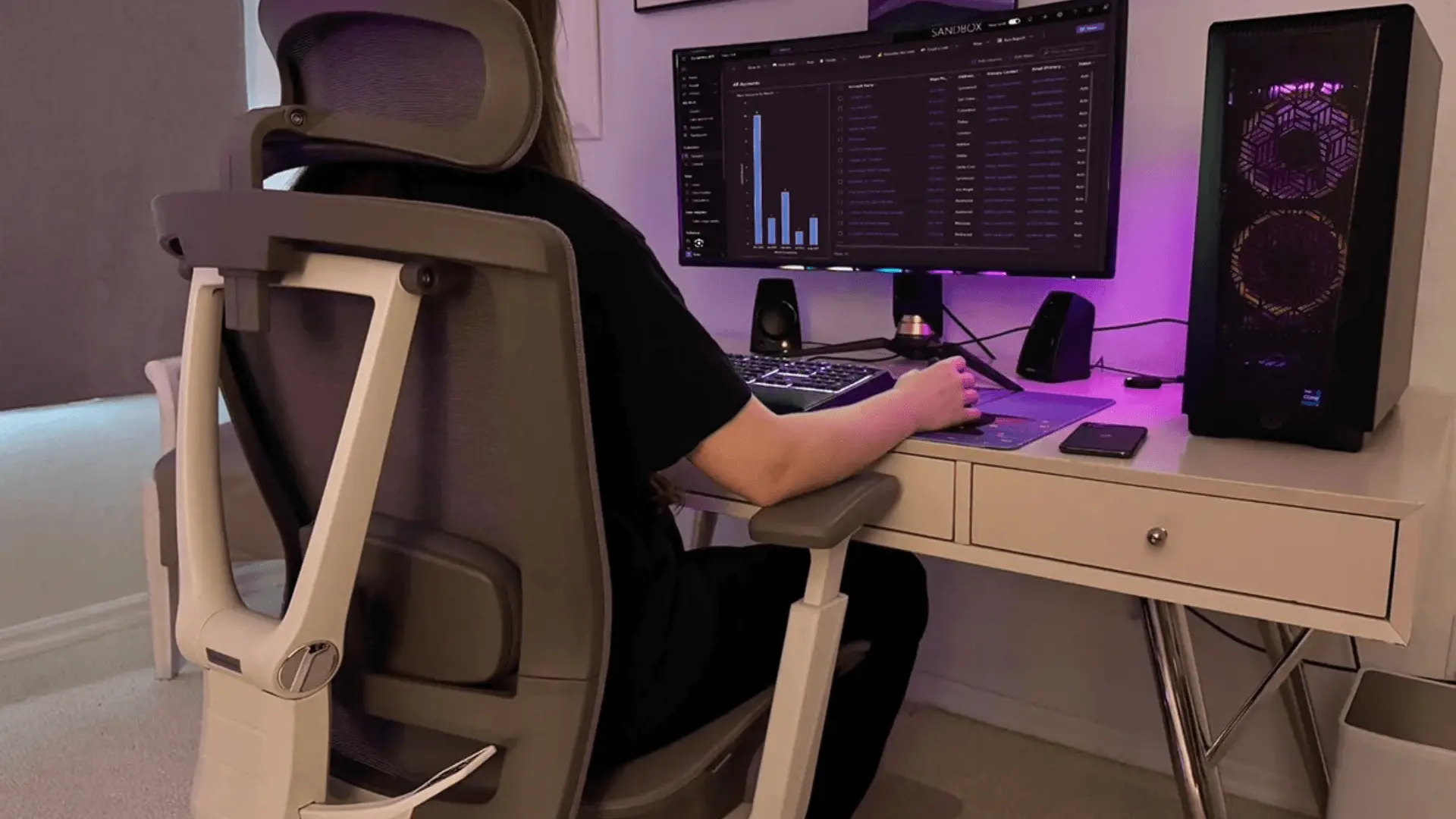
The Autonomous ErgoChair Pro is the best pick for a student who wants to fine-tune everything, with nine adjustment points and a lumbar pad that slides to the exact spot on your lower spine. It fits users up to around 6 foot 3, locks into five recline positions, and carries a lifetime frame warranty, so it comfortably outlasts a four-year degree.
What works:
- A sliding lumbar pad that positions support precisely where your back needs it
- Nine points of adjustment, including an adjustable headrest for neck support
- Five lockable recline positions that hold through your full weight
- A 300-pound capacity and a fit that suits taller students
- A lifetime frame warranty, the longest coverage alongside the Ultra 2
One trade-off: reviewers note the armrests and seat cushion are firmer than some rivals, so add a cushion if you want a plush seat.
4. Autonomous ErgoChair Ultra 2

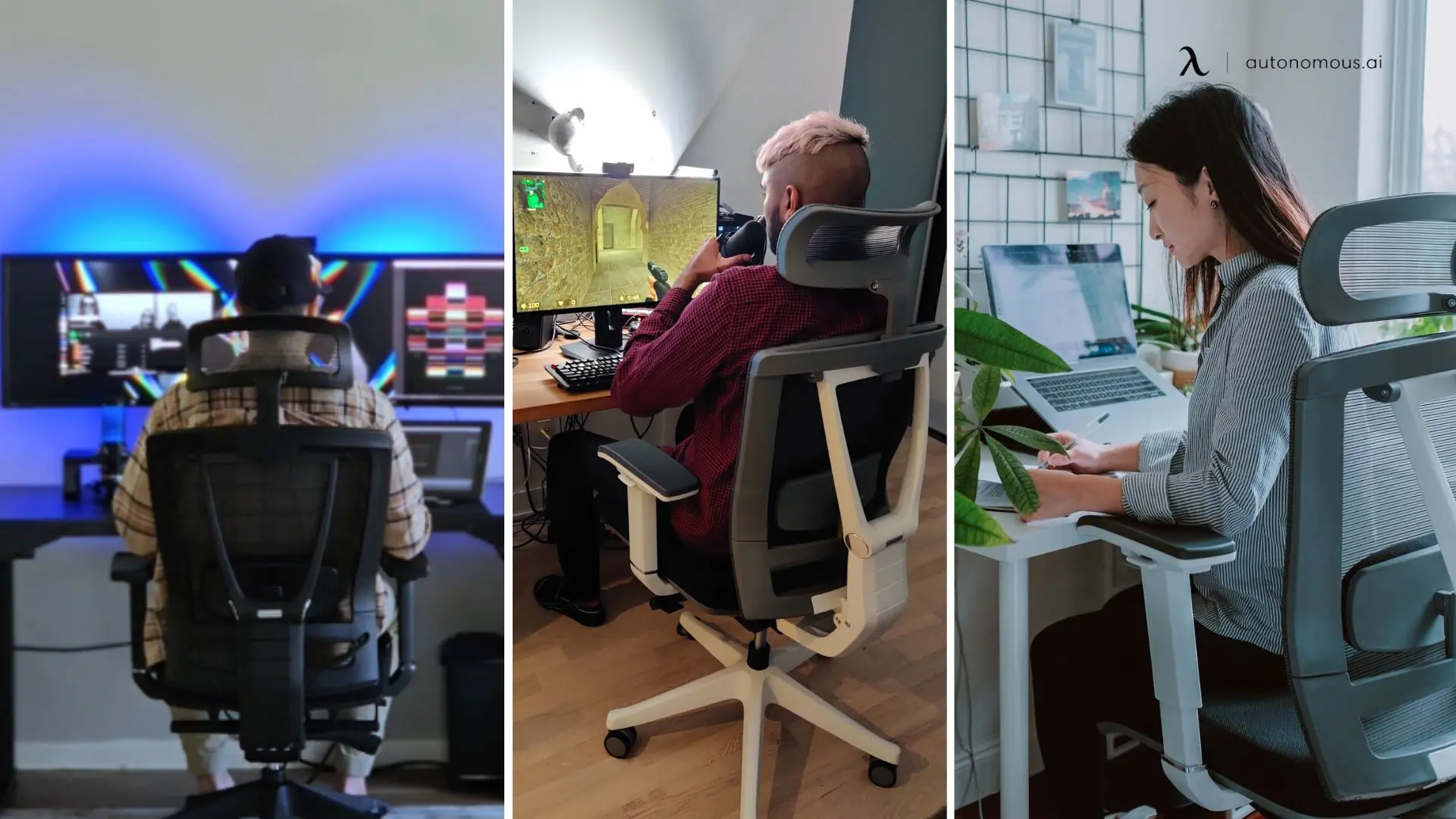
The Autonomous ErgoChair Ultra 2 is the best pick for all-day comfort without adjusting anything, because its flexible exoskeleton frame supports the whole spine instead of a single lumbar point. There is no lumbar dial to set: a flexible layer behind the mesh bends as you lean, which suits students who would rather sit down and work than tune a chair.
What works:
- A flex-frame that supports the entire spine and moves with you as you shift
- An open-cell mesh weave that keeps airflow going over 12-hour sessions
- A reinforced base and welded frame built to stay tight for years
- A smooth reclining mechanism rated for heavy repeated use
- A lifetime frame warranty for long-term peace of mind
One trade-off: the lumbarless design is a different feel that not everyone expects, so if you specifically want an adjustable lumbar pad, the Pro or Mesh is the better match.
5. Sihoo M57
The Sihoo M57 is the pick for a shorter student on the tightest budget who still wants genuine lumbar support, since its two-way lumbar pillow adjusts with a dial on the back of the seat. TechRadar's reviewer, who is six feet tall, found the chair better suited to shorter people, which makes it an unusually good fit for students who get swallowed by full-size office chairs.
What works:
- A dial-adjusted lumbar pillow that pushes into your lower back, a step above what budget chairs usually offer
- 3D armrests that pivot side to side and slide forward and back
- A breathable mesh back with a subtle weave that looks plain rather than gaming-loud
- A simple lever that unlocks the recline and locks it again at your chosen angle
- Light enough for one person to carry up a dorm stairwell
The trade-offs: TechRadar rated it functional but unspectacular, called the armrests average and narrow, and found assembly tedious at 30 to 45 minutes because the legs screw into the base individually. Taller students should look elsewhere.
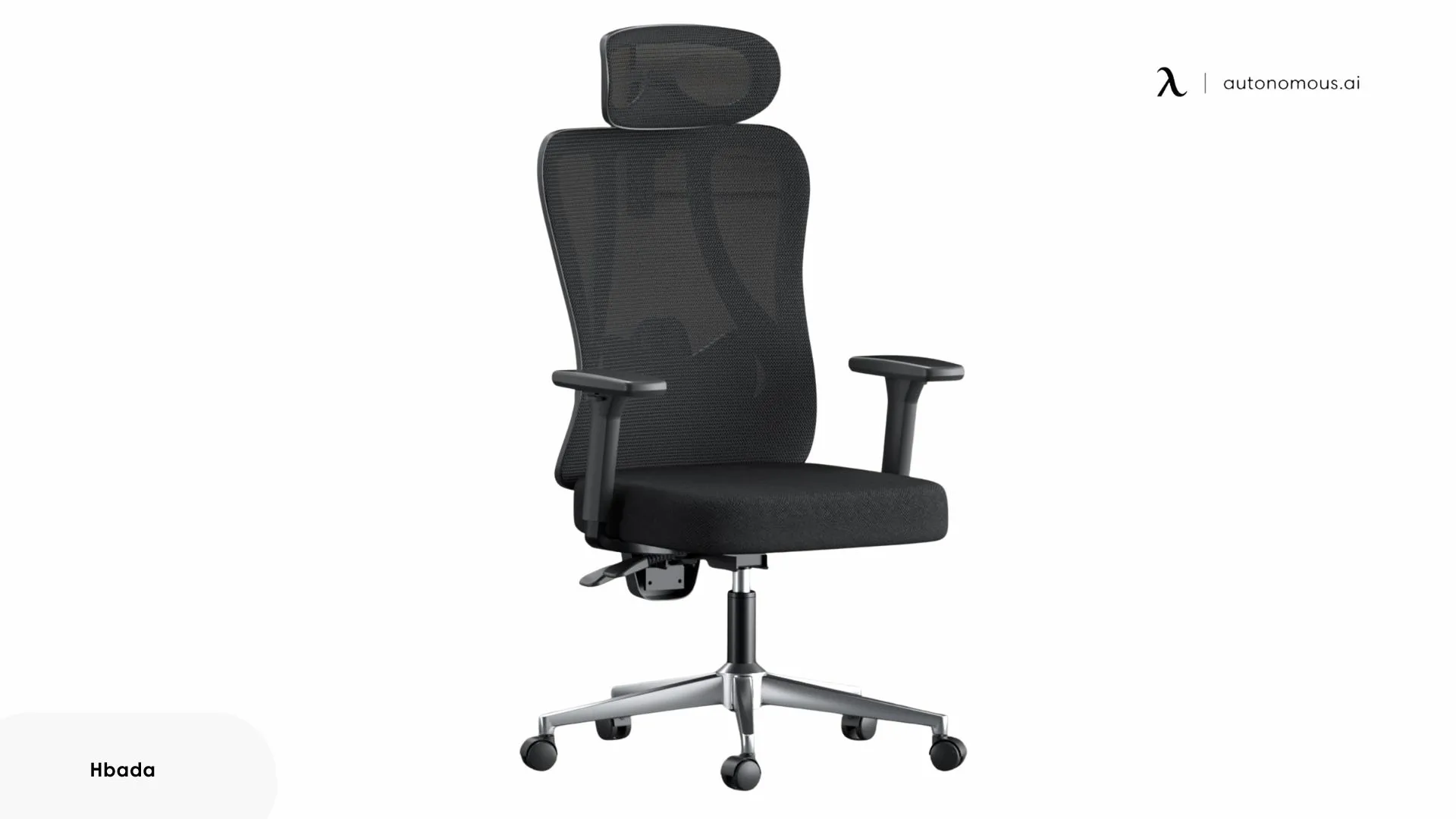
6. Hbada P3
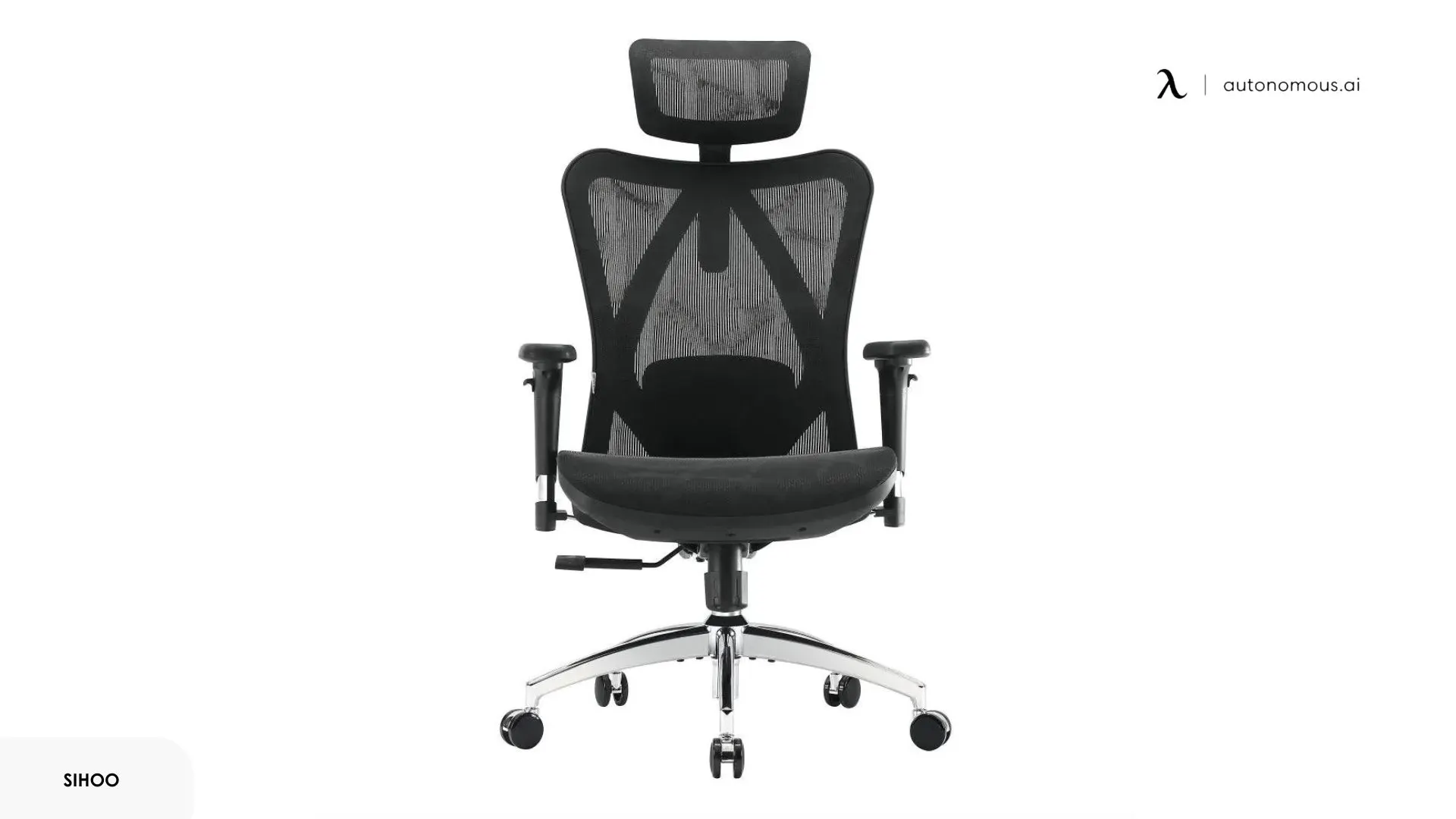
The Hbada P3 suits a single-year room or a summer sublet, where you want real adjustment without paying for a chair you plan to leave behind. It is the only chair here that pairs entry pricing with a three-year warranty, which is longer coverage than several chairs that cost more.
What works:
- A 2D lumbar support that moves about 1.8 inches vertically and rotates 45 degrees to meet your spine
- An adjustable headrest that lifts around 5 inches and rotates 30 degrees
- A 145 degree stepless tilt, so you can lock a recline anywhere in the range for reading
- A 300-pound capacity, higher than several pricier chairs in this list
- A three-year warranty with a 30-day return window, useful if the chair does not suit your desk
The trade-off: it is a budget chair built to a budget standard, so the materials and finish feel a tier below the rest of this list, and buyers report assembly taking longer than the instructions suggest.
7. Nouhaus Ergo3D
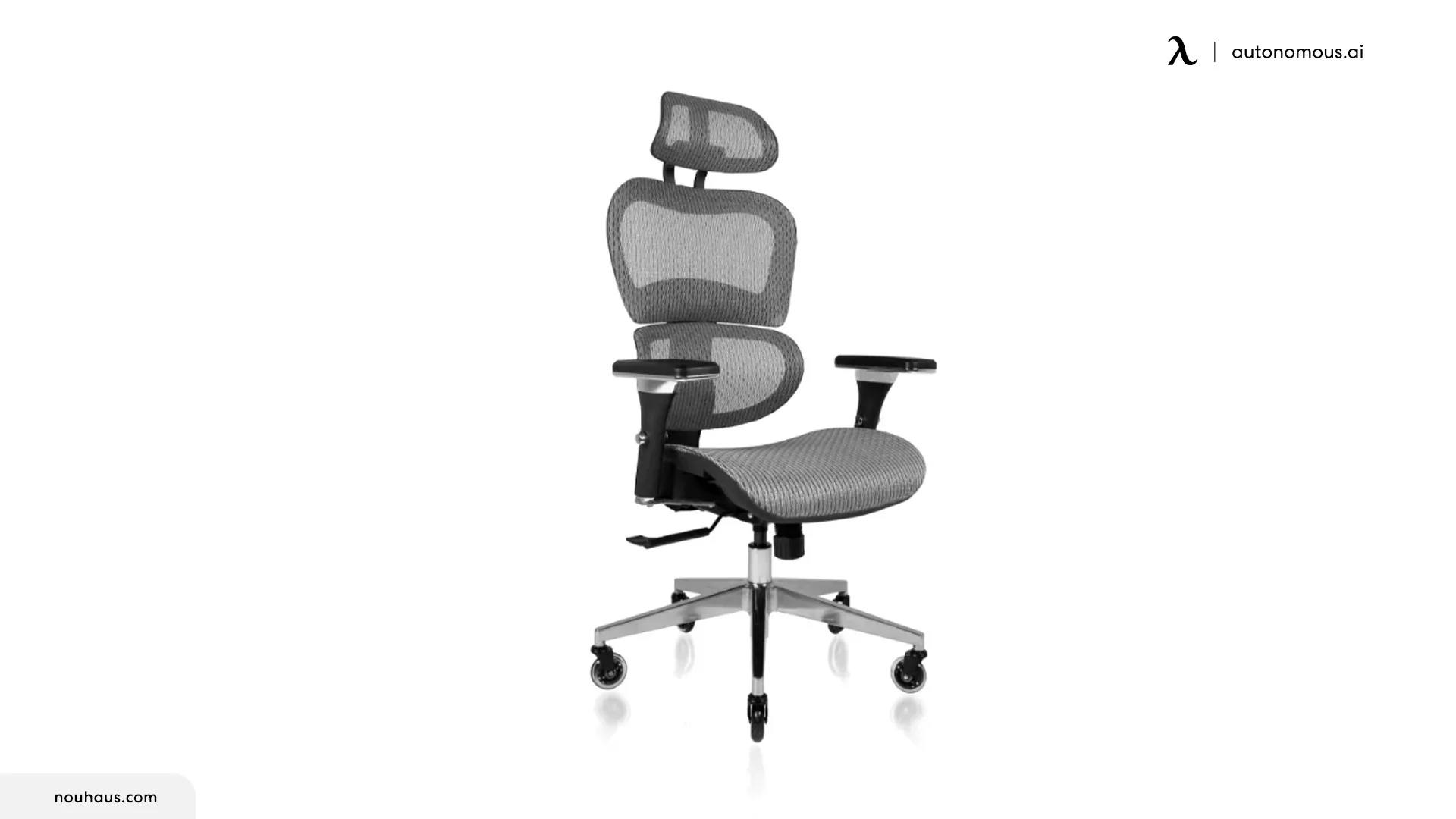
The Nouhaus Ergo3D is the pick for a dorm with hard floors and no air conditioning, because it ships with rollerblade-style wheels that roll quietly on tile or hardwood and an ElastoMesh back that does not leave mesh marks on your skin. Its Just-For-Me lumbar system shifts as you move rather than staying where you set it, which suits students who fidget through a study session.
What works:
- True 4D armrests that move up and down, forward and back, side to side, and pivot
- A self-adjusting lumbar system that responds as you shift position
- A 135 degree recline with a lock, so you can drop it back between study blocks
- ElastoMesh upholstery that ventilates without pressing marks into your back
- A five-point aluminum base with dual castors and included blade wheels for smooth, quiet movement
- A three-year warranty and an assembly process the maker breaks into eight steps
The trade-offs: the 275-pound capacity is the lowest here, the recommended height range starts at 5 foot 4 so it fits shorter students poorly, and at around 46 pounds it is a heavy chair to move each May.
8. Boulies EP200
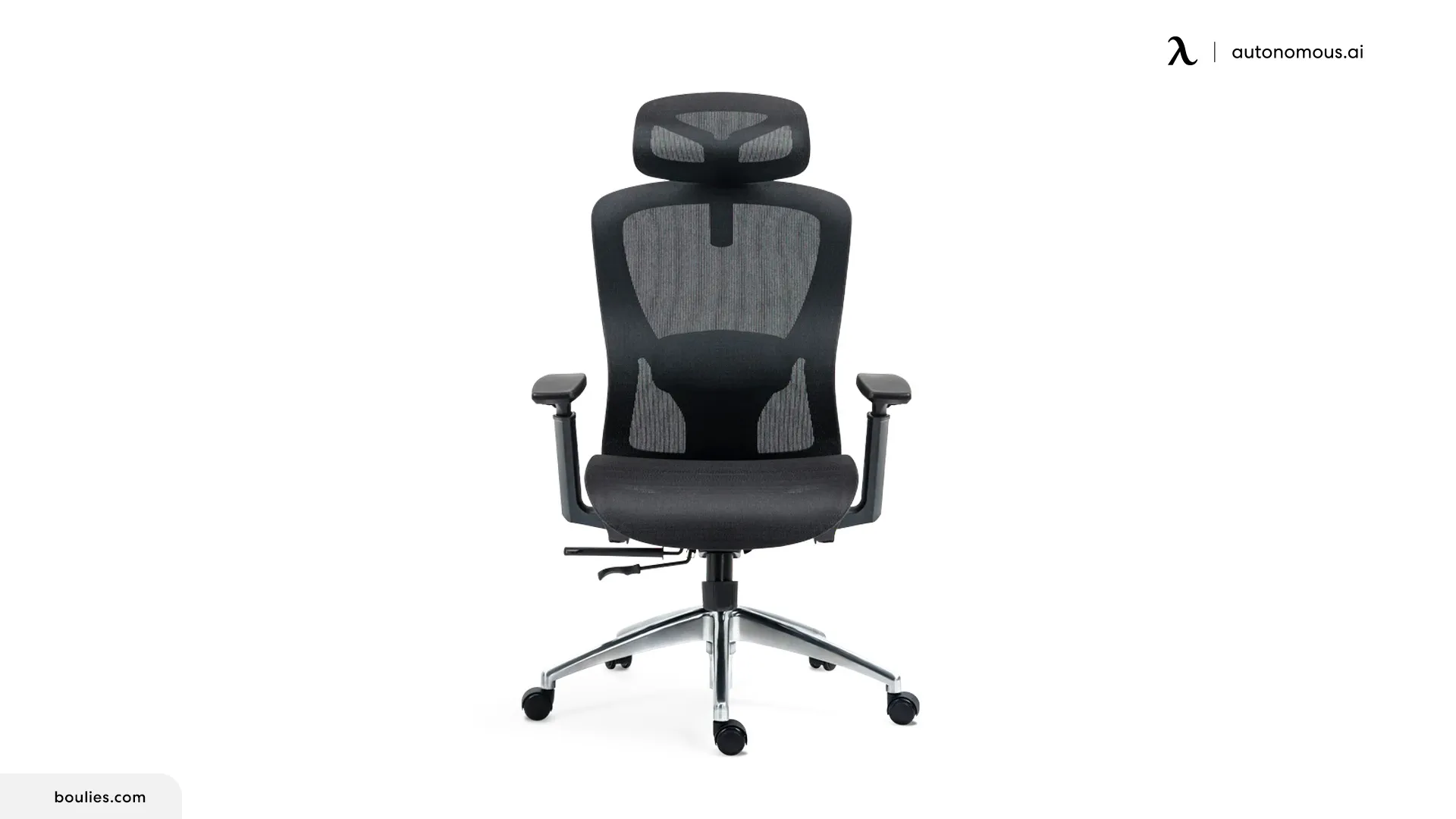
The Boulies EP200 fits an average-to-tall student who wants one simple, comfortable chair rather than a panel of levers. TechRadar's reviewer still used it as a daily driver a full year after testing, reporting no sagging in the mesh and no wear in the adjustment mechanisms, which is a useful durability signal at this price.
What works:
- A firm, supportive mesh seat that the reviewer described as neither too hard nor too soft after a year of daily use
- A choice of mesh or cold-cured foam seat, so you can pick breathability or padding
- 3D armrests that move up and down, forward and back, and inward and outward
- Around 20 minutes to assemble solo, the easiest build in this group and a real advantage on move-in day
- A wide 265-pound rated frame with a two-year warranty
The trade-offs: the lumbar support moves horizontally but not vertically, the headrest only slides up and down, and the recommended height range starts at about 5 foot 5, so shorter students will not get a proper fit.
9. FlexiSpot C7
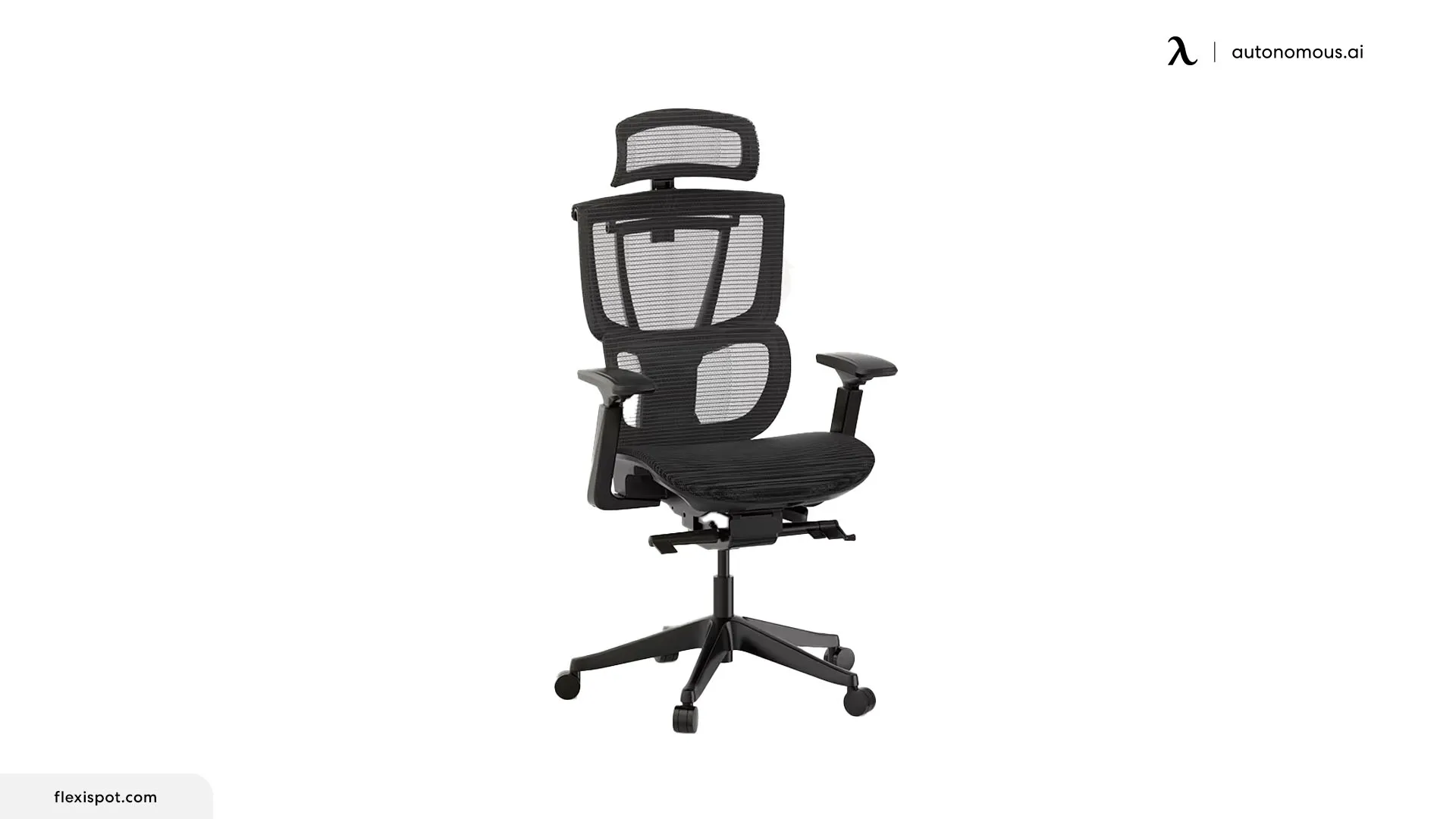
The FlexiSpot C7 is worth it if you plan to keep the chair well past graduation, since PCGamesN scored it 9 out of 10 and highlighted a lumbar section you can adjust in isolation, which is rare below the premium tier. Its reviewer, who has chronic back pain, reported finishing double-digit workdays without aches after setting it once.
What works:
- An isolated adjustable lumbar panel you can tune granularly, then leave alone
- Armrests that slide front to back, side to side, and pivot, and hold their position all day
- A 300-pound capacity with build quality the reviewer found free of wobble or play
- Mesh ventilation that handles hot rooms, with a firm rather than plush sit
- An adjustable neck rest you can pair with the lumbar setting
The trade-offs: assembly is the hardest here, with the reviewer saying some parts are heavy enough to need a second person, and the corporate look and higher price put it above what many students will spend.
What to look for in a dorm desk chair
A good dorm chair supports your lower back, adjusts to your body, fits your space, and stays cool over long sessions. Those four things separate a chair you can study in for hours from one that leaves you sore. Price matters, but it comes after fit, because a cheap chair that hurts is not a saving.
Here is what actually counts:
- Back support: look for lumbar support, either an adjustable pad or a frame shaped to hold the spine's natural curve. This is the single biggest factor in comfort over long study sessions.
- Adjustability: seat height is essential so your feet sit flat with knees near 90 degrees. Seat depth, armrests, and recline add fit for different body types.
- Motion footprint: in a small dorm, leave about 4 to 6 inches behind the chair so you can recline without hitting a bed or closet. A slim silhouette that still adjusts beats a bulky one.
- Breathability: dorms with weak climate control get stuffy, so a mesh back that vents heat keeps you focused on hot days.
- Durability: a steel base and tested tilt mechanism outlast the thin foam and nylon bases that give out within a year.
Ergonomics authorities like OSHA and the Cornell University Ergonomics Web make the same point: a neutral spine with feet supported and the screen near eye level is what reduces strain during long sitting.
Why cheap dorm chairs are a false economy
The armless, foldable, and ultra-cheap chairs that fill shopping results usually cost more over a semester, because they skip the support that makes long study sessions bearable. They look like a bargain up front, but the trade-offs land on your back and your wallet within months. We do not recommend this category for students, and it is worth knowing exactly why.
Here is what those budget chairs tend to get wrong:
- No real lumbar support, so your lower back flattens and aches during long sessions
- Armless designs that leave your shoulders and neck unsupported while you type
- A narrow or fixed seat height that fits neither taller nor shorter students well
- Thin foam that packs down and stops cushioning within a few months
- Lightweight nylon bases and low weight ratings that feel tippy on uneven dorm floors
- Very few reviews, so the durability is unproven
None of that means you have to spend a fortune. It means the useful comparison is cost per semester of comfortable studying, not the sticker price. A supportive chair that lasts four years is cheaper per year than replacing a flimsy one twice.
How to set up your dorm chair for long study sessions
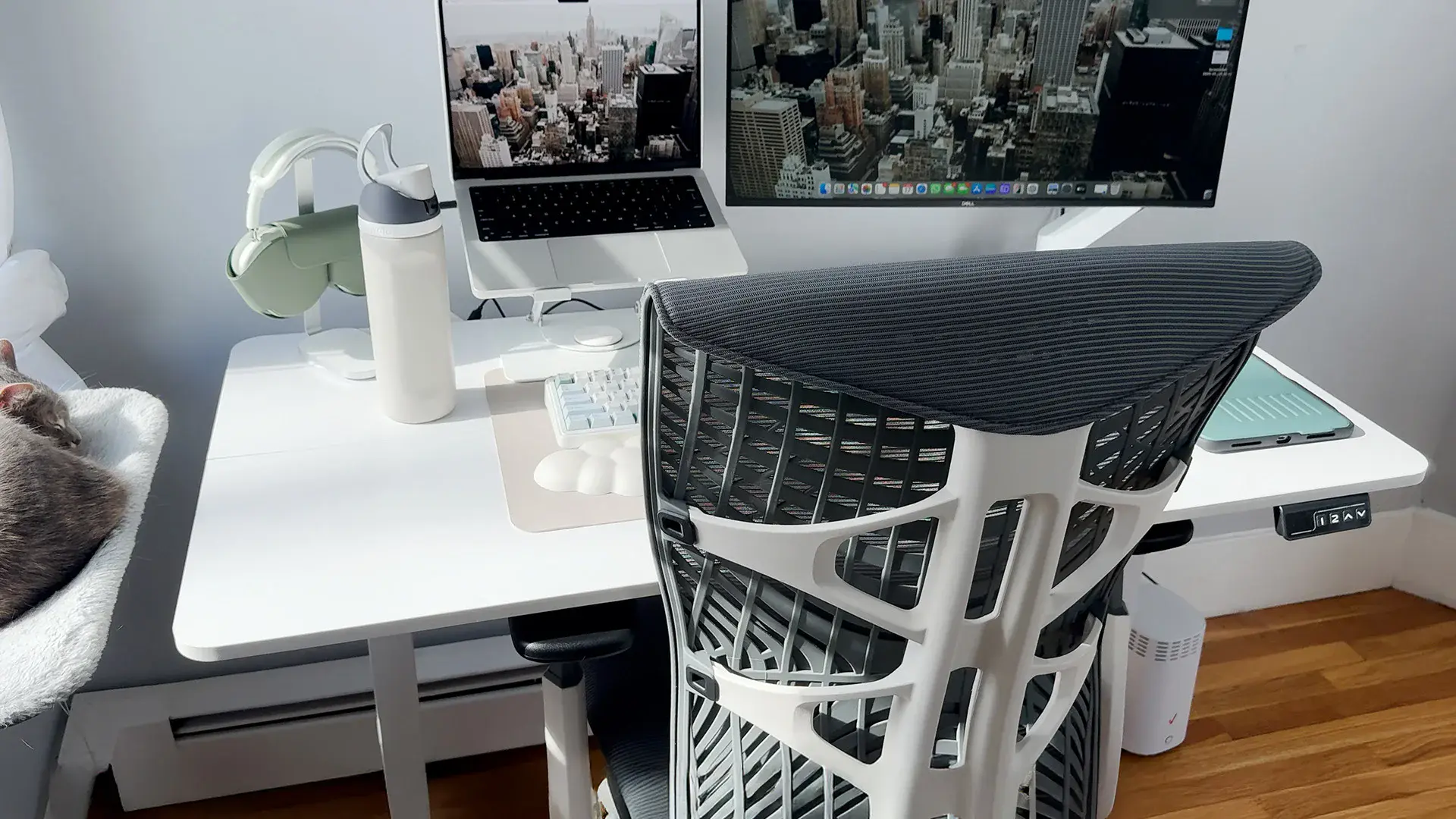
Set your chair so your feet rest flat, your knees sit near a 90-degree angle, and your lower back meets the support, because a well-fitted chair prevents most study-session aches. Fit matters as much as the chair you buy, and it takes only a few minutes.
- Set the seat height so your feet are flat and your thighs are roughly parallel to the floor. If you are shorter and the seat still sits high, add a footrest.
- Position the lumbar support, or sit fully back into a shaped frame, so it meets the curve of your lower spine.
- Leave 4 to 6 inches of clearance behind the chair so you can recline without hitting a wall or bed.
- Follow a movement rhythm like the Cornell 20-8-2 rule: about 20 minutes sitting, a short stand, and a couple of minutes moving to keep circulation up.
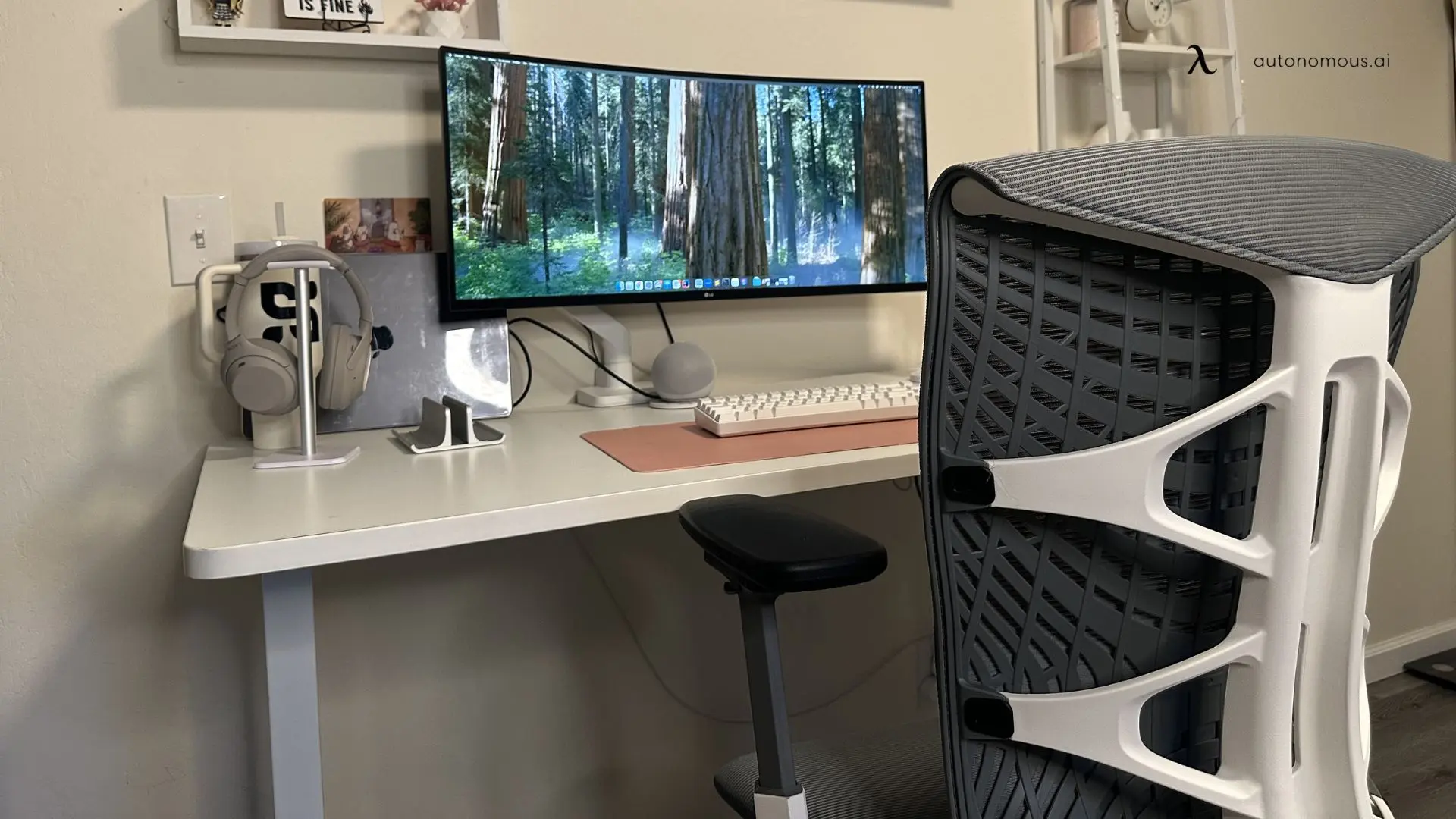
Pairing the chair with the right desk height helps too, so it is worth looking at study desks for students at the same time.
FAQs
What is the best dorm desk chair?
The best dorm desk chair for most students is the Autonomous ErgoChair Core, because it offers real ergonomic support at close to budget-chair prices. If your room gets hot, the breathable ErgoChair Mesh is a strong step up, and the Pro adds full adjustability. All three beat the unsupported task chairs that fill shopping results.
Are cheap dorm office chairs worth it?
Cheap dorm office chairs are rarely worth it for long study sessions, because they skip lumbar support, use thin foam that flattens within months, and sit on flimsy bases. They look like a bargain but often need replacing within a year. A supportive chair that lasts four years usually costs less per year than replacing a cheap one twice.
What is the best dorm room desk chair for a small space?
The best dorm room desk chair for a space-tight single or double is a slim ergonomic chair with a small motion footprint, like the ErgoChair Core or the Sihoo M57. Leave 4 to 6 inches of clearance behind it so you can recline, and measure before buying a larger chair such as the ErgoChair Mesh or the Nouhaus Ergo3D.
What are the best chairs for teenagers' study rooms?
The best chairs for teenagers' study rooms are adjustable ergonomic chairs that fit a growing body, such as the ErgoChair Core or Mesh. Prioritize a wide seat-height range and adjustable seat depth so the chair still fits in two years. Avoid gaming chairs with fixed bucket seats, which suit fewer body sizes over time.
Is a gaming chair or an ergonomic chair better for students?
An ergonomic chair is usually better than a gaming chair for students who sit for more than a couple of hours. Gaming chairs look appealing but often have a fixed bucket shape and firm padding that causes back and leg discomfort over long sessions. An ergonomic chair with real lumbar support holds up better for daily studying.
What student computer chairs work for tall or short students?
Look for a chair with a wide seat-height range and adjustable seat depth, since fit depends on matching the seat to your legs. Taller students should check weight capacity and backrest height, like the ErgoChair Pro's fit up to about 6 foot 3. Shorter students should lower the seat fully and add a footrest if needed.
How much should a good dorm room office chair cost?
A good ergonomic dorm room office chair generally runs from around 300 dollars for a solid budget model up to about 500 for a fully adjustable one, with premium brands going higher. That is more than a big-box task chair, but it lasts far longer. Prices change often, so check current listings before buying.
The takeaway
The best dorm desk chairs are the ones that support your back, fit your space, and last the whole degree, not the cheapest seat in the shopping results. Start with the Autonomous ErgoChair Core for real ergonomic support on a student budget, step up to the Mesh for breathability or the Pro for full adjustability, or look at the FlexiSpot C7 if you want a chair that outlives the degree. Whatever you choose, fit it to your body and give your back the support that cheap chairs leave out.
References
- OSHA, Computer Workstations eTool on neutral postures and monitor placement.
- Cornell University Ergonomics Web on seated posture and the 20-8-2 movement rhythm.
- BIFMA ergonomics guidelines on office-chair dimensions and adjustability.
- TechRadar hands-on reviews of the Sihoo M57 and the Boulies EP200 Series, including a one-year follow-up.
- PCGamesN hands-on review of the FlexiSpot C7 ergonomic office chair.
- TechRadar and Tom's Guide hands-on reviews of the Autonomous ErgoChair Mesh, Pro, and Ultra 2.