The Best Ergonomic Study Chairs, Tested for Studying

.webp)
Studying asks something different from your body than office work does. You lean forward over a textbook, sit still through a long problem set, then slide back to read for an hour. Most chair advice is written for typing at a screen all day, which is why so many students end up in a chair that technically has lumbar support and still leaves them aching by the third hour. This guide looks at ergonomic study chairs through that lens: how each one holds up across the postures studying actually puts you in.
We have grouped the picks by study behaviour rather than by price bracket, since the deciding factor is usually how you study, not how much you spend.
Ergonomic study chairs at a glance
The best ergonomic study chair depends on how long your sessions run and how much you want to adjust. This table groups all twelve picks by study behaviour.
Chair | Best for |
Autonomous ErgoChair Pro | Multiple shorter sessions, full fine-tuning |
Autonomous ErgoChair Ultra 2 | Long, demanding sessions and pressure relief |
Branch Ergonomic Chair | Simple daily studying in small or shared rooms |
FlexiSpot BS11 Pro | Consistent daily routines at one desk |
Herman Miller Lino | Upright, forward-lean academic work |
IKEA Markus | Long reading sessions on a durable budget chair |
Branch Task Chair | Short study blocks in very tight spaces |
Hbada Ergonomic Chair | Lighter daily use on a smaller budget |
SIHOO Doro C300 | Long technical sessions with frequent shifting |
Staples Hyken | Writing and problem-solving, easy to buy locally |
Steelcase Amia | Multi-hour blocks with predictable support |
Autonomous ErgoChair Core | Moderate, consistent daily study routines |
New buyers can stack the code BLOGFIRST5 for an extra 5% at checkout on any Autonomous chair.
The best ergonomic study chairs, reviewed
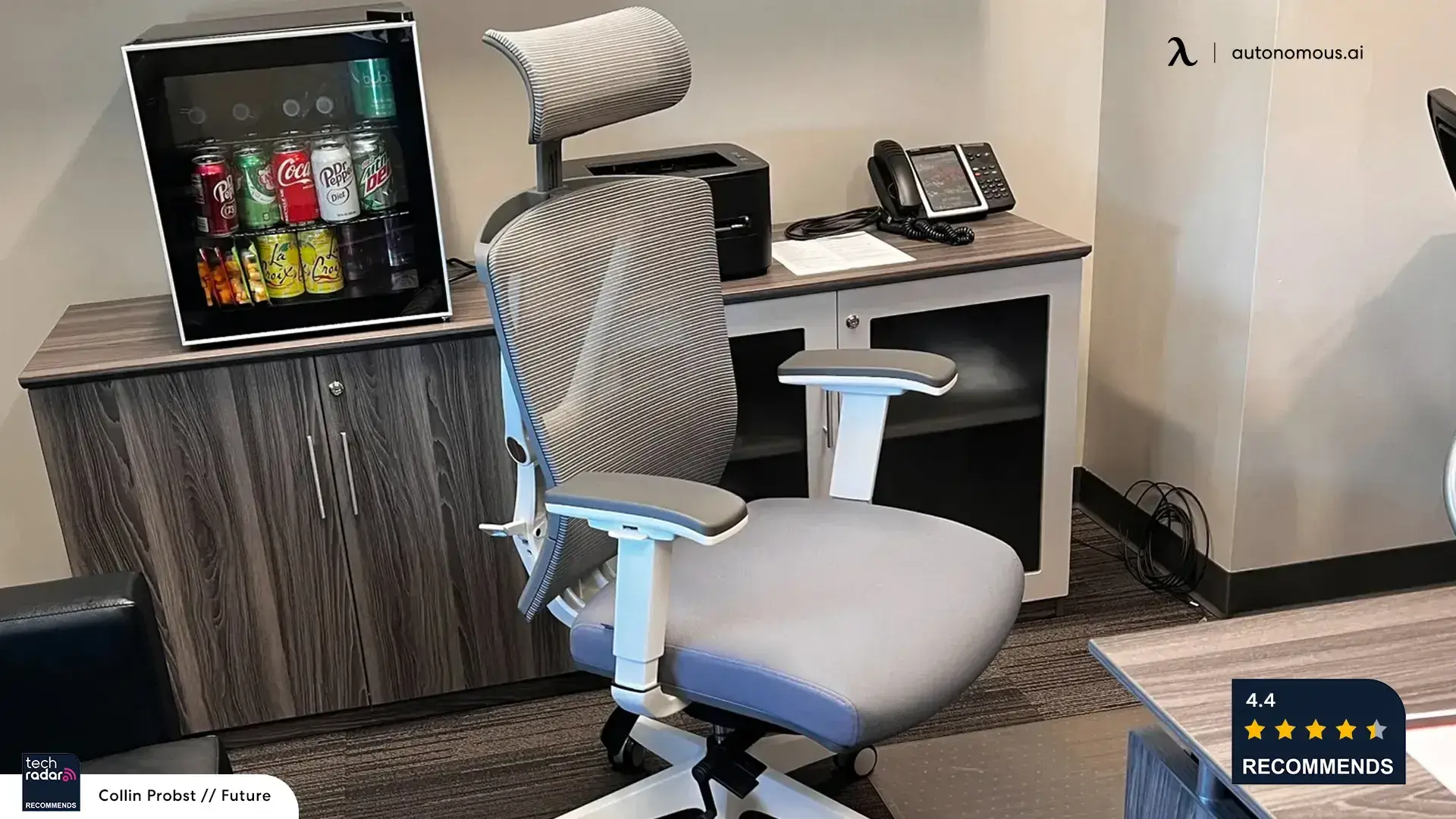
1. Autonomous ErgoChair Pro, a practical, adjustable chair we have seen work well for studying
Best for
Students who want an adjustable ergonomic study chair they can fine-tune as their study posture changes throughout the day.
How it performs in real study setups
We’ve seen the Autonomous ErgoChair Pro show up repeatedly in real student setups-bedrooms, shared apartments, and small home study corners. What stands out isn’t one standout feature, but how usable the adjustments are in day-to-day studying.
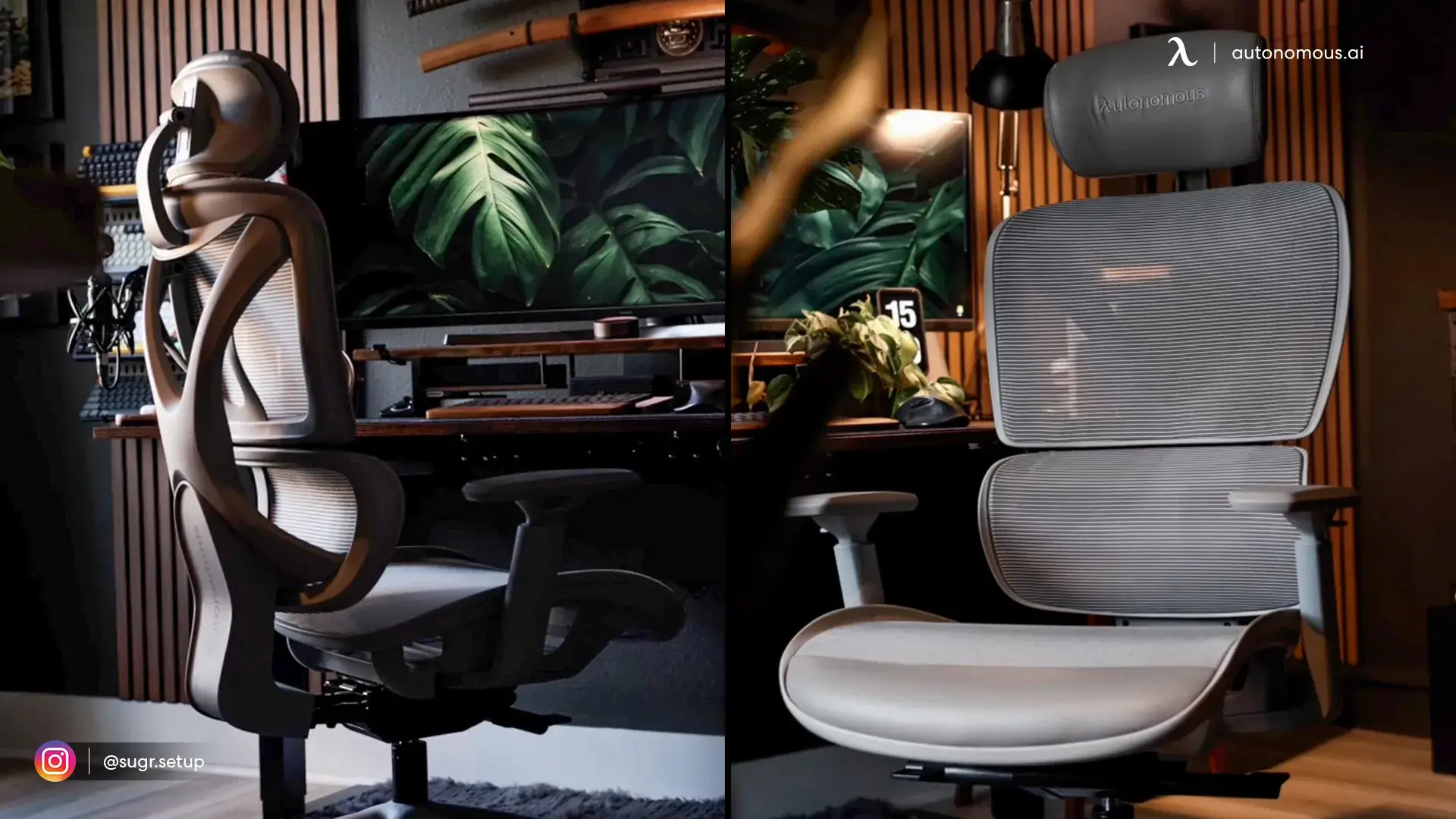
The seat height and depth ranges make it easy to get leg alignment right without awkward pressure behind the knees. That matters more than people expect during long reading sessions, where poor seat depth leads to constant shifting. The molded foam seat feels firm rather than plush, which we actually prefer for studying-it keeps posture alert instead of encouraging a relaxed slump.
The backrest and tilt system support upright and slightly reclined positions without forcing a dramatic posture change. When switching between reading, typing, and short breaks, the chair moves smoothly and quietly, which is important in shared spaces.
What works well for studying
- Seat depth adjustment helps reduce leg fatigue during long sessions
- Firm foam seat supports alert posture
- Back tilt allows small posture changes without disruption
- Armrest and headrest adjustments help manage neck and shoulder tension
- Stable base that doesn’t shift unexpectedly when repositioning
Practical limitations we noticed
- At close to 50 lbs, it’s solid but not something you’ll want to move often
- Armrests can sit high for very low desks, even at their lowest setting
- Foam retains more warmth than mesh during very long study blocks
Who we think it’s best for
If you’re looking for the best ergonomic study chair that gives you real control over fit and posture, the ErgoChair Pro is a dependable option. We’ve found it works best for students who study in multiple shorter sessions throughout the day and want a chair that adapts without constant readjustment.
As an ergonomic chair for study, it prioritizes function and flexibility over comfort gimmicks-and that’s usually the right tradeoff.
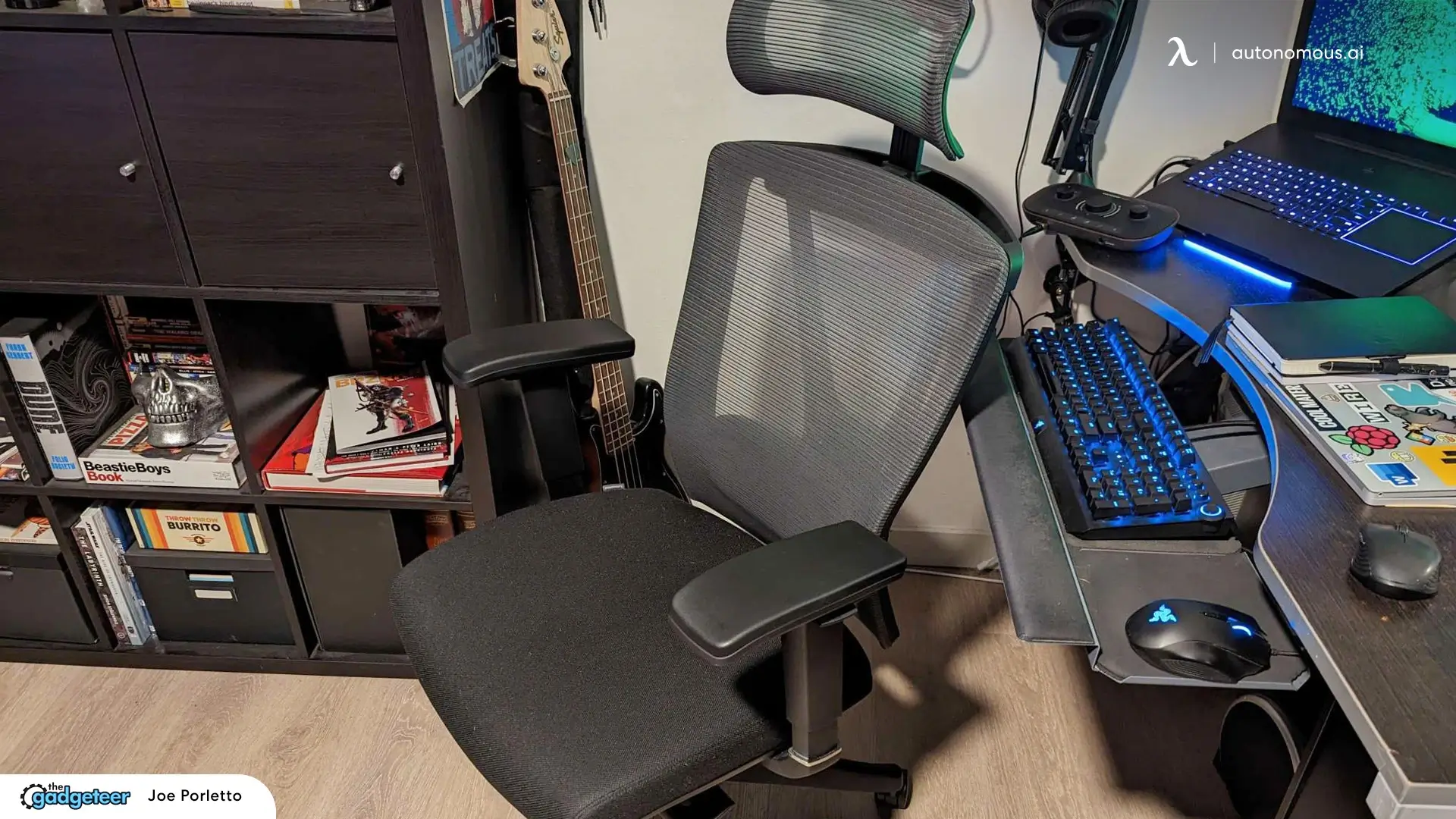
2. Autonomous ErgoChair Ultra 2, designed for longer, more demanding study sessions
Best for
Students who regularly study for several hours at a time and want pressure relief without sacrificing posture control.
How it performs in real study setups
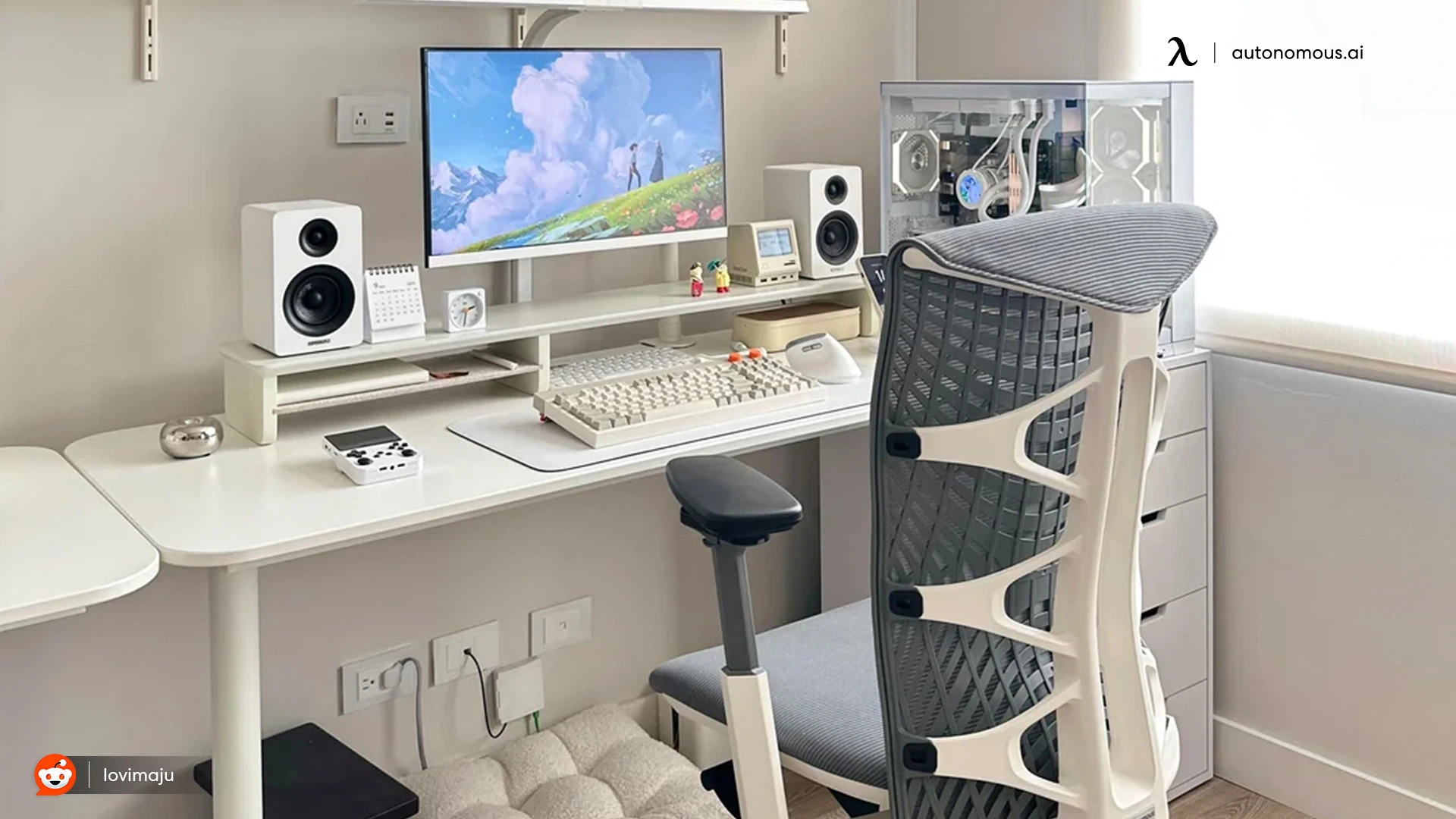
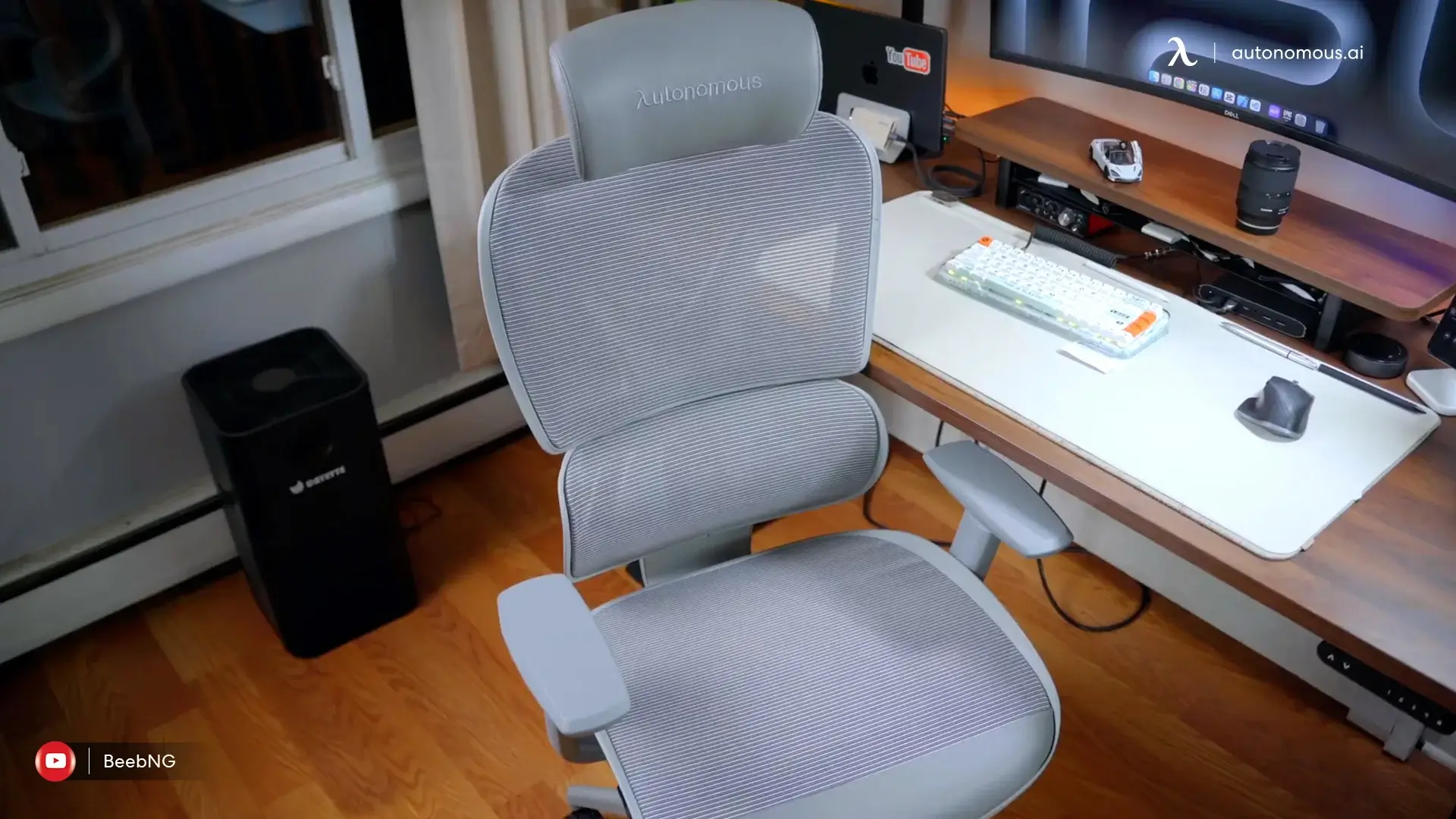
When we tested the Autonomous ErgoChair Ultra 2, the difference showed up most clearly during longer sessions. Instead of focusing only on lumbar support, this chair addresses seat pressure-one of the most common reasons students break focus.
The multi-layer seat distributes weight more evenly across the sit bones. In practice, that means fewer moments where you feel the need to stand up just to reset circulation. For students working through dense material-problem sets, exam prep, or long reading blocks-that makes a noticeable difference.
The adaptive backrest also feels more forgiving than rigid designs. As posture shifts between forward-leaning and upright, the flexible structure supports the spine without creating pressure points. The lumbar support is present, but it doesn’t dominate the experience or restrict shoulder movement.
What works well for studying
- Pressure-reducing seat supports longer sessions without discomfort
- Highly breathable mesh keeps temperature stable
- Backrest flexes naturally as posture changes
- Lumbar support encourages alignment without locking the torso
- Wider tilt range supports both focused and relaxed study positions
Practical limitations we noticed
- Seat depth may feel short for very tall users
- Firm support can feel unfamiliar to those used to soft cushions
- Armrests sit relatively low at minimum height for thicker desks
Who we think it’s best for
For students looking for a best ergonomic study chair for endurance, the ErgoChair Ultra 2 stands out. We see it working best for people who already know they’ll be sitting for hours and want a chair that reduces pressure buildup while still supporting active posture.
As an ergonomic study chair for students, it’s better suited to deep, uninterrupted work than casual or occasional studying.
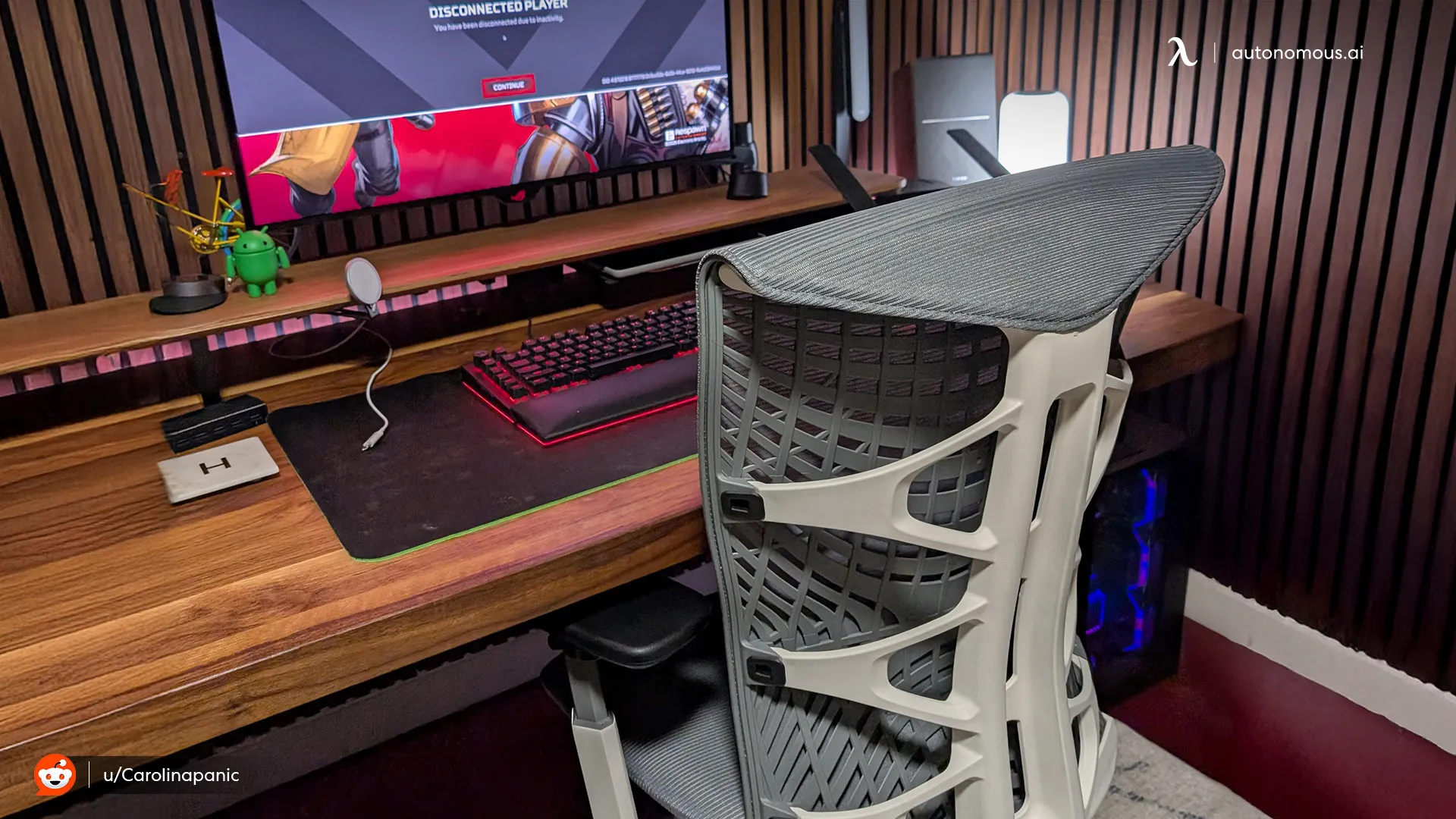
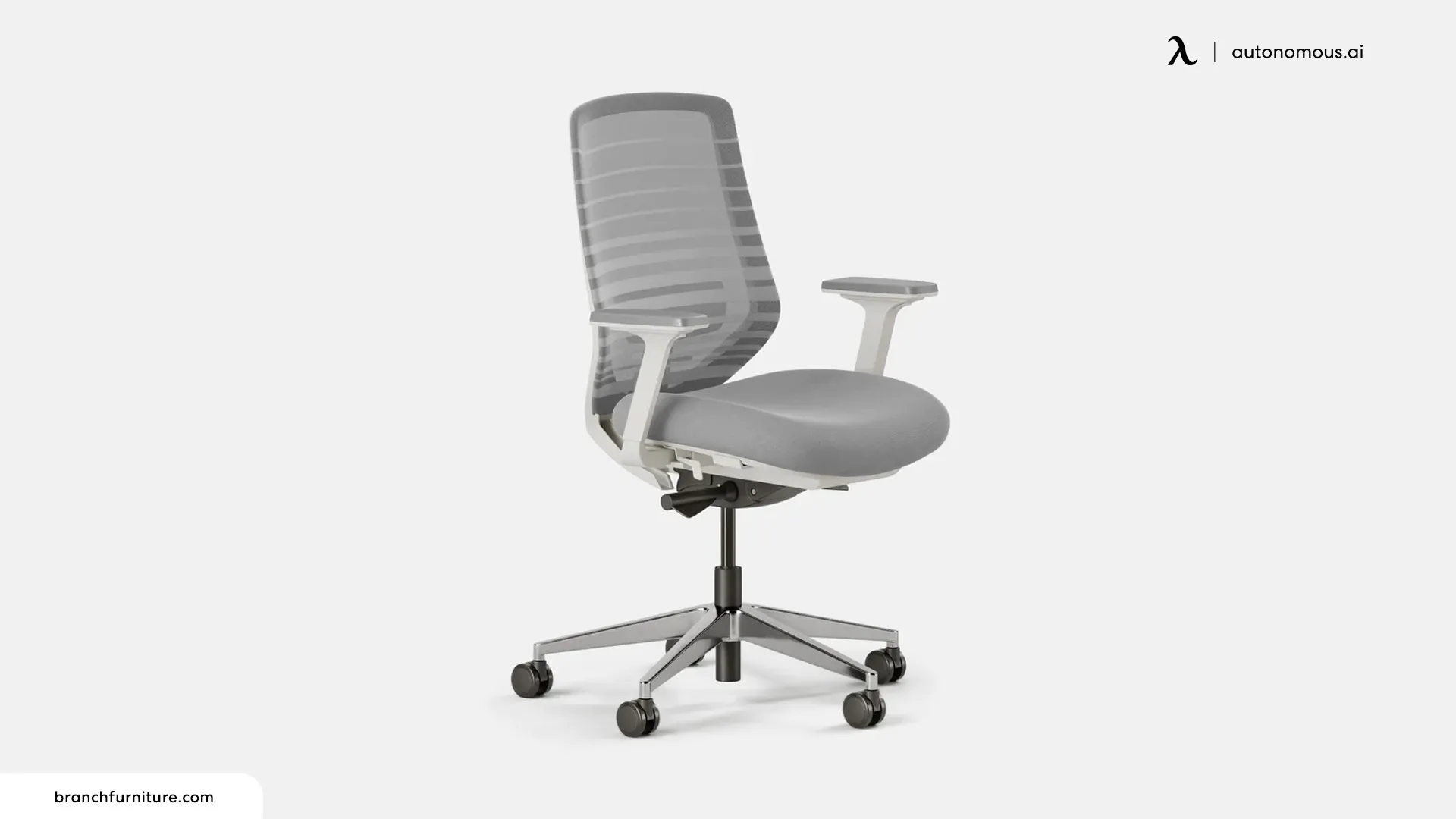
3. Branch Ergonomic Chair, simple, quiet, and easy to live with
Best for
Students who want a clean, no-drama ergonomic study chair that works well in small or shared spaces.
How it performs in real study setups
We’ve found the Branch Ergonomic Chair appealing precisely because it doesn’t try to do too much. In study setups, that’s often a strength. The chair stays quiet, visually light, and predictable-qualities that matter more than flashy features when you’re studying daily.
The seat and back support upright posture well for reading and typing. Adjustments are limited compared to more complex chairs, but the core fit is solid once dialed in. For many students, that “set it once and forget it” behavior actually improves consistency.
It also fits comfortably under smaller desks without dominating the room, which is something we always look for in real study environments.
What works well for studying
- Stable upright posture without aggressive lumbar
- Quiet movement, good for shared housing
- Compact footprint for smaller rooms
- Easy assembly and low maintenance
Practical limitations we noticed
- Fewer adjustment options than fully ergonomic chairs
- Not ideal for very long, uninterrupted sessions
- Seat firmness may feel basic to some users
Who we think it’s best for
If you want an ergonomic chair for study that stays out of the way and doesn’t demand attention, the Branch Ergonomic Chair is a sensible choice. We see it working best for students who value simplicity, aesthetics, and reliability over fine-tuned customization.
4. FlexiSpot BS11 Pro, a balanced mid-range study chair
Best for
Students looking for a mid-range ergonomic study chair that balances comfort and structure.
How it performs in real study setups
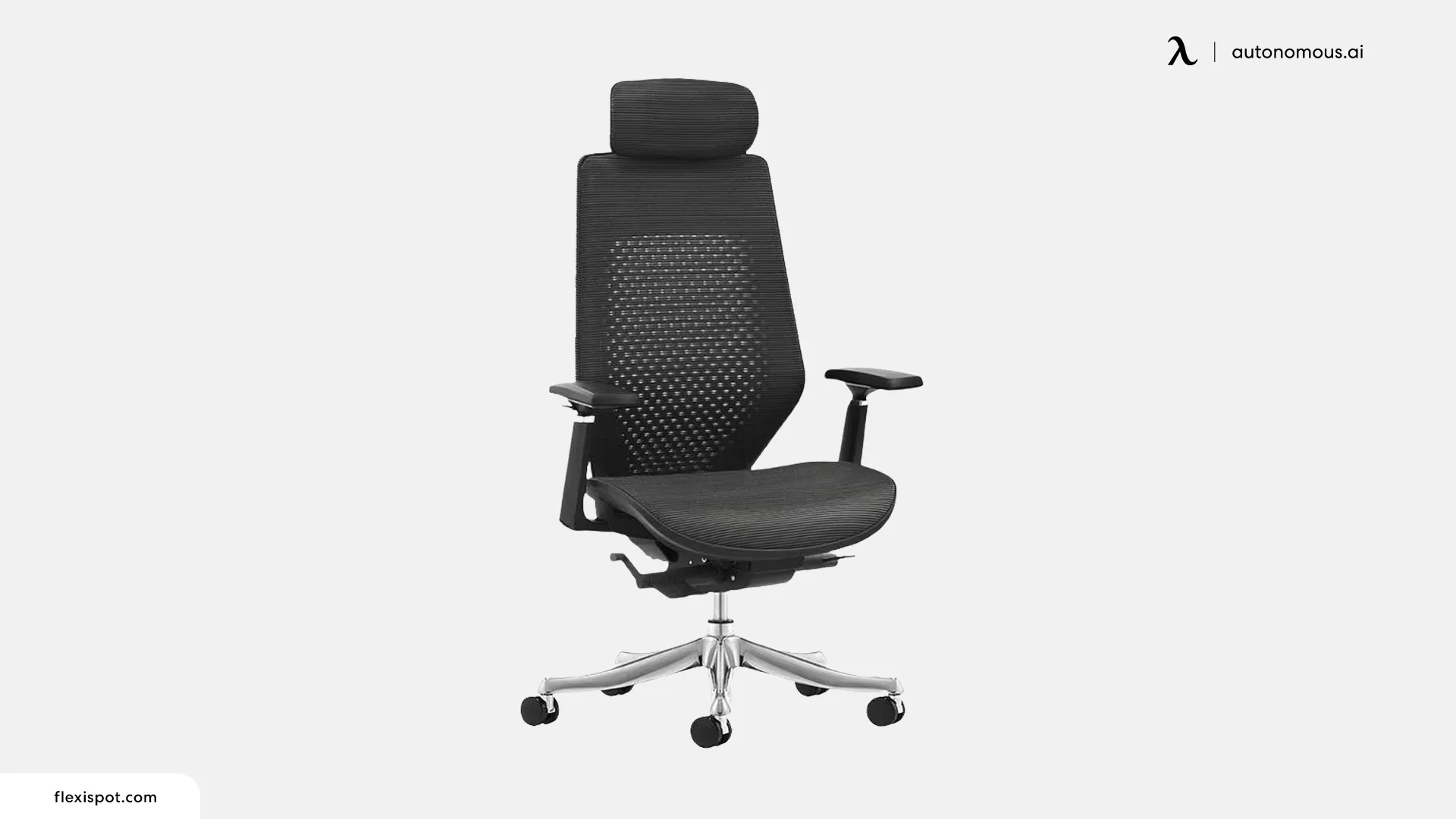
The FlexiSpot BS11 Pro sits comfortably between budget and premium options. In practice, it offers enough adjustability to support good study posture without overwhelming users with controls.
The seat depth and back support feel well proportioned for desk-based studying. During longer sessions, the chair encourages upright posture without forcing it, which helps maintain focus during reading and writing tasks.
We’ve seen it work particularly well in consistent daily routines, where users study at the same desk height and don’t need constant readjustment.
What works well for studying
- Supportive seat for upright posture
- Balanced lumbar support without stiffness
- Stable base and smooth tilt
- Good value for regular daily use
Practical limitations we noticed
- Design is more functional than refined
- Adjustments feel less precise than premium chairs
- Bulkier than minimalist study chairs
Who we think it’s best for
For students who want a best ergonomic study chair without jumping into higher price tiers, the BS11 Pro is a reasonable middle ground. It’s an ergonomic study chair for students who value consistency and support over advanced features.
5. Herman Miller Lino, compact, upright, and purposeful
Best for
Students who want a compact premium ergonomic study chair with disciplined posture support.
How it performs in real study setups
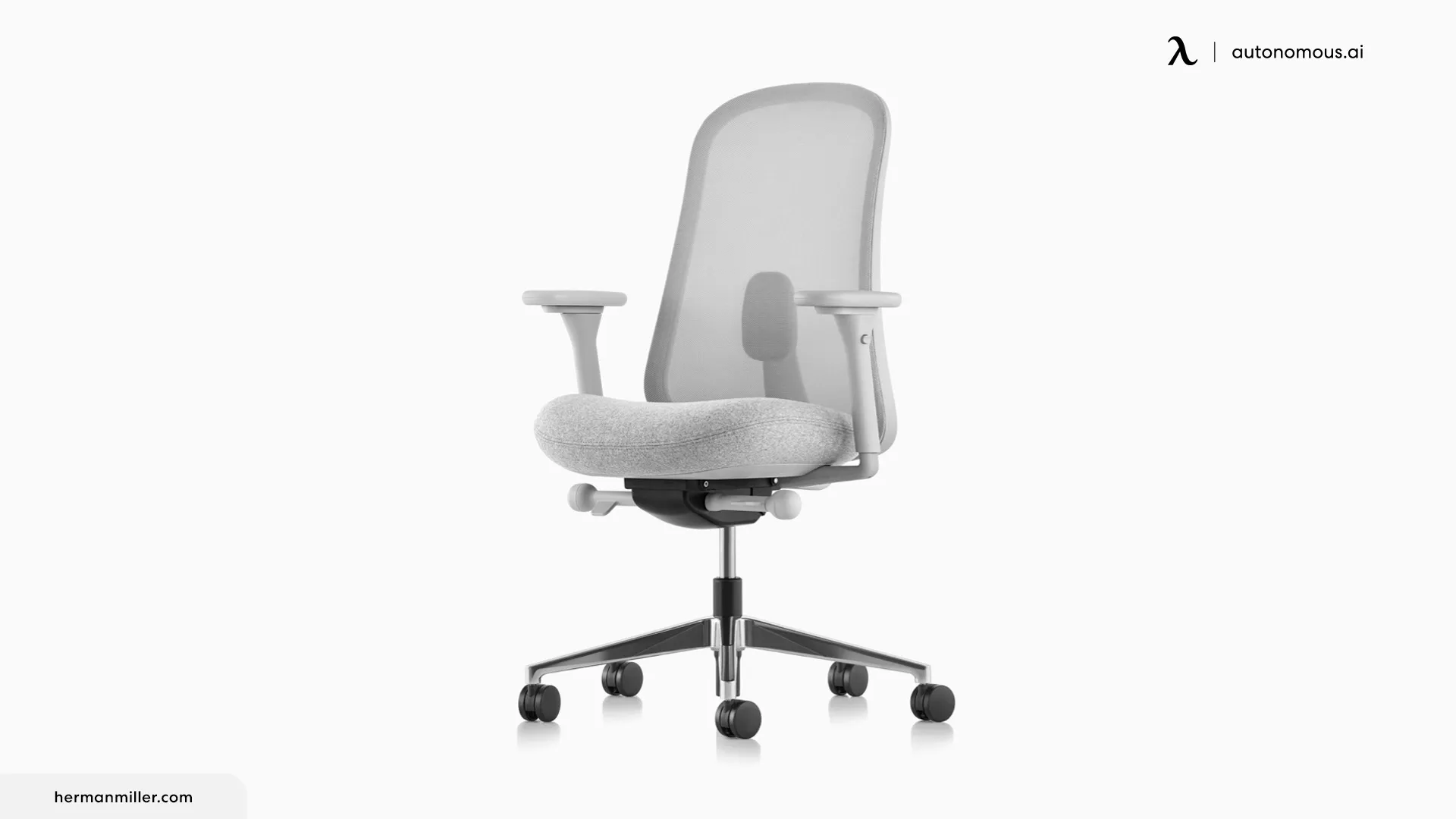
We’ve found the Herman Miller Lino works especially well in small study environments where space and posture discipline matter. The chair is visually lighter than many premium options and doesn’t overwhelm the room.
Its design favors upright and forward-lean postures, which suits reading, writing, and focused typing. Unlike deeply cushioned chairs, Lino encourages a consistent sitting position without feeling restrictive.
What works well for studying
- Strong upright posture support
- Compact design fits small rooms
- Smooth, quiet adjustments
- Durable build quality
Practical limitations we noticed
- Limited recline for relaxed positions
- Less forgiving for frequent posture changes
- Premium price for a relatively simple chair
Who we think it’s best for
For students who prefer structure and minimalism, the Lino is a strong ergonomic study chair choice. We see it working best for focused academic work where posture consistency matters more than comfort variation.
6. IKEA Markus - A Straightforward Chair That Gets the Basics Right
Best for
Students who want a simple, durable ergonomic study chair without dealing with complex adjustments.
How it performs in real study setups
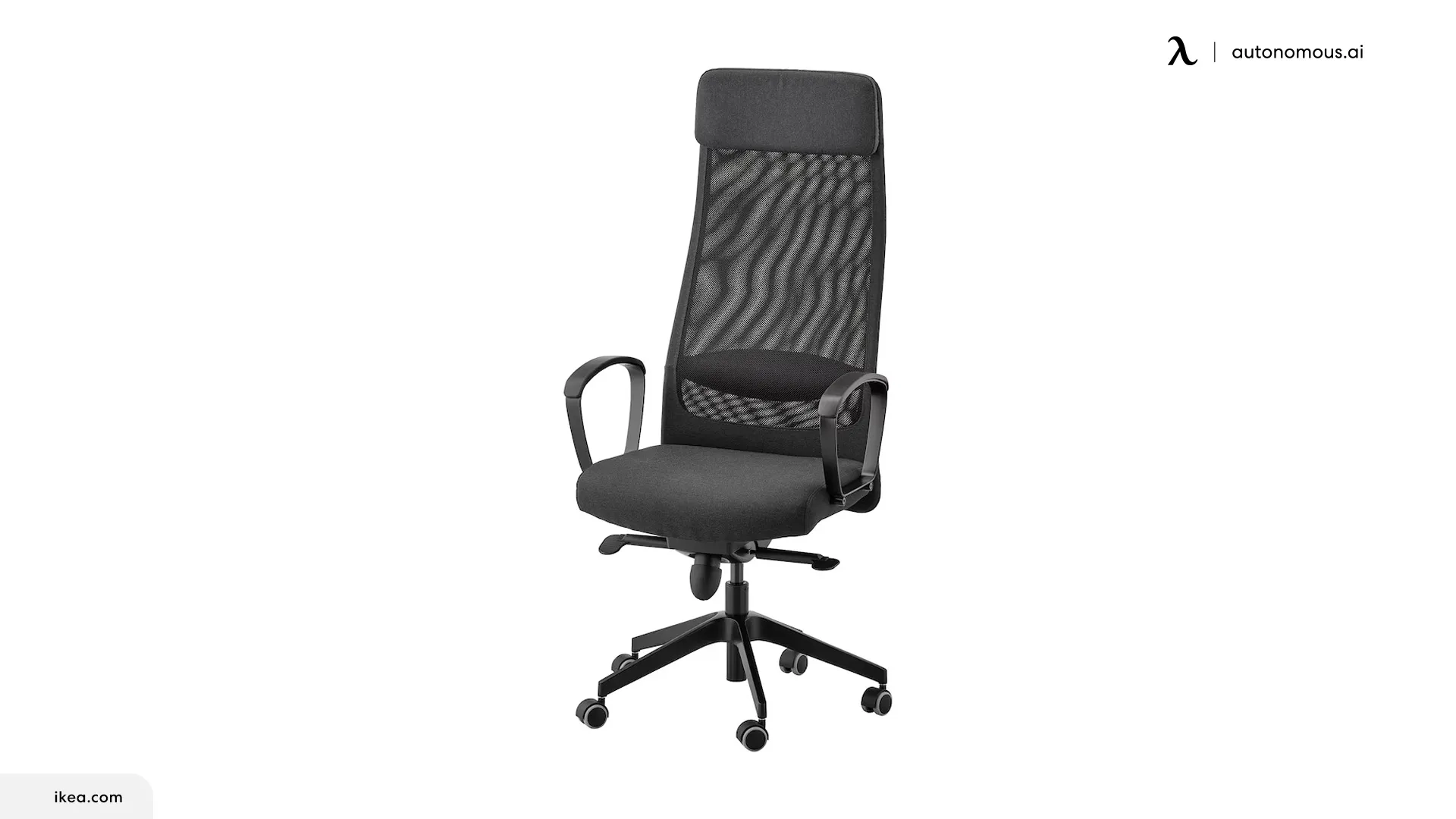
We’ve seen the IKEA Markus survive years of student use, which already says a lot. In real study setups, it works because it keeps things uncomplicated. You sit down, adjust the height, and start studying.
The tall backrest supports reading posture well, especially during longer sessions where the upper back tends to fatigue first. While it doesn’t offer advanced lumbar adjustment, the overall back shape is neutral enough for many body types.
What Markus lacks in customization, it makes up for in reliability. It doesn’t creak, wobble, or distract-qualities that matter more than features once you’re several hours into studying.
What works well for studying
- Tall back supports reading posture
- Stable, durable construction
- Quiet and distraction-free
- Easy to fit into dorms and shared spaces
Practical limitations we noticed
- Minimal adjustability
- Fixed armrests may interfere with some desks
- Not ideal for posture fine-tuning
Who we think it’s best for
If you want an ergonomic study chair that’s dependable and low-effort, Markus is a solid choice. We see it working best for students who don’t want to think about adjustments and just need a chair that holds up day after day.
7. Branch Task Chair, compact and functional for tight study spaces
Best for
Students working with very limited space or smaller desks.
How it performs in real study setups
The Branch Task Chair feels intentionally minimal, and in small study setups that’s a real advantage. We’ve found it slides easily under desks, doesn’t visually crowd the room, and stays out of the way when not in use.
Posture support is basic but adequate for short to moderate study sessions. It encourages upright sitting without deep recline, which helps maintain focus during reading and typing tasks.
This isn’t a chair for marathon sessions-but for students studying in compact rooms, it fills an important role.
What works well for studying
- Small footprint fits tight spaces
- Lightweight and easy to reposition
- Upright posture support
- Simple setup
Practical limitations we noticed
- Limited lumbar support
- Not designed for long study sessions
- Fewer ergonomic adjustments
Who we think it’s best for
As an ergonomic chair for study, the Branch Task Chair works best when space is the main constraint. We recommend it for students who study in shorter blocks and need something compact and unobtrusive.
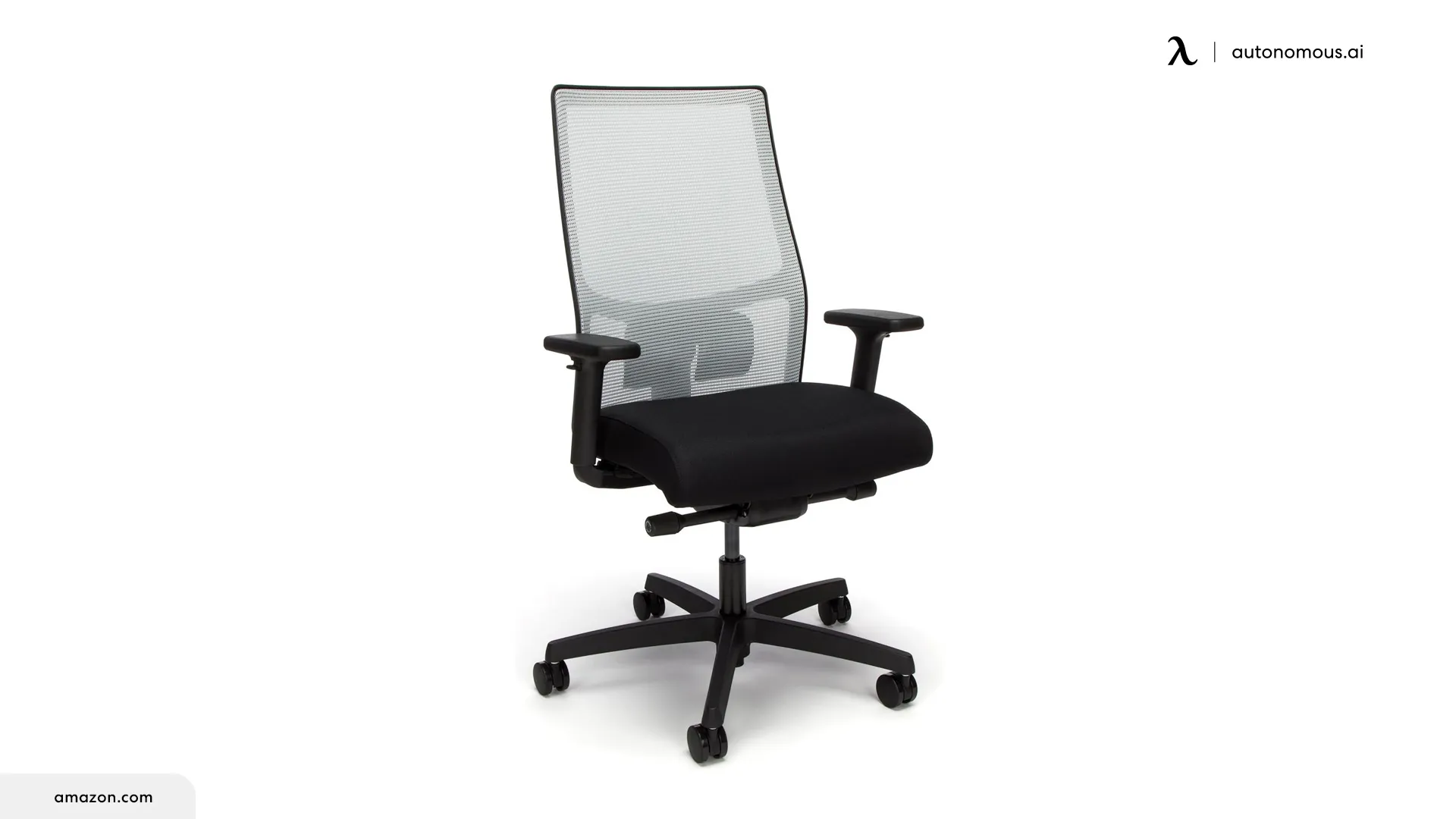
8. Hbada Ergonomic Chair, compact and budget-friendly, with trade-offs
Best for
Students who want a compact ergonomic study chair at a lower price point.
How it performs in real study setups
We’ve seen the Hbada Ergonomic Chair used frequently in apartments and bedrooms where space is limited. Its lighter build and smaller profile make it easy to move and fit into tight layouts.
The lumbar support is noticeable but can feel hit-or-miss depending on body type. For some students, it provides enough structure to support upright studying; for others, it feels less precise.
Where it performs best is in shorter daily study sessions, especially when users don’t need extensive adjustability.
What works well for studying
- Compact and lightweight
- Easy to assemble and move
- Decent upright support for the size
Practical limitations we noticed
- Lumbar support varies by user
- Less durable than heavier chairs
- Not ideal for extended sessions
Who we think it’s best for
If you’re on a tighter budget and need an ergonomic study chair that fits a small space, Hbada can work-with realistic expectations. We see it best suited for lighter use rather than all-day studying.
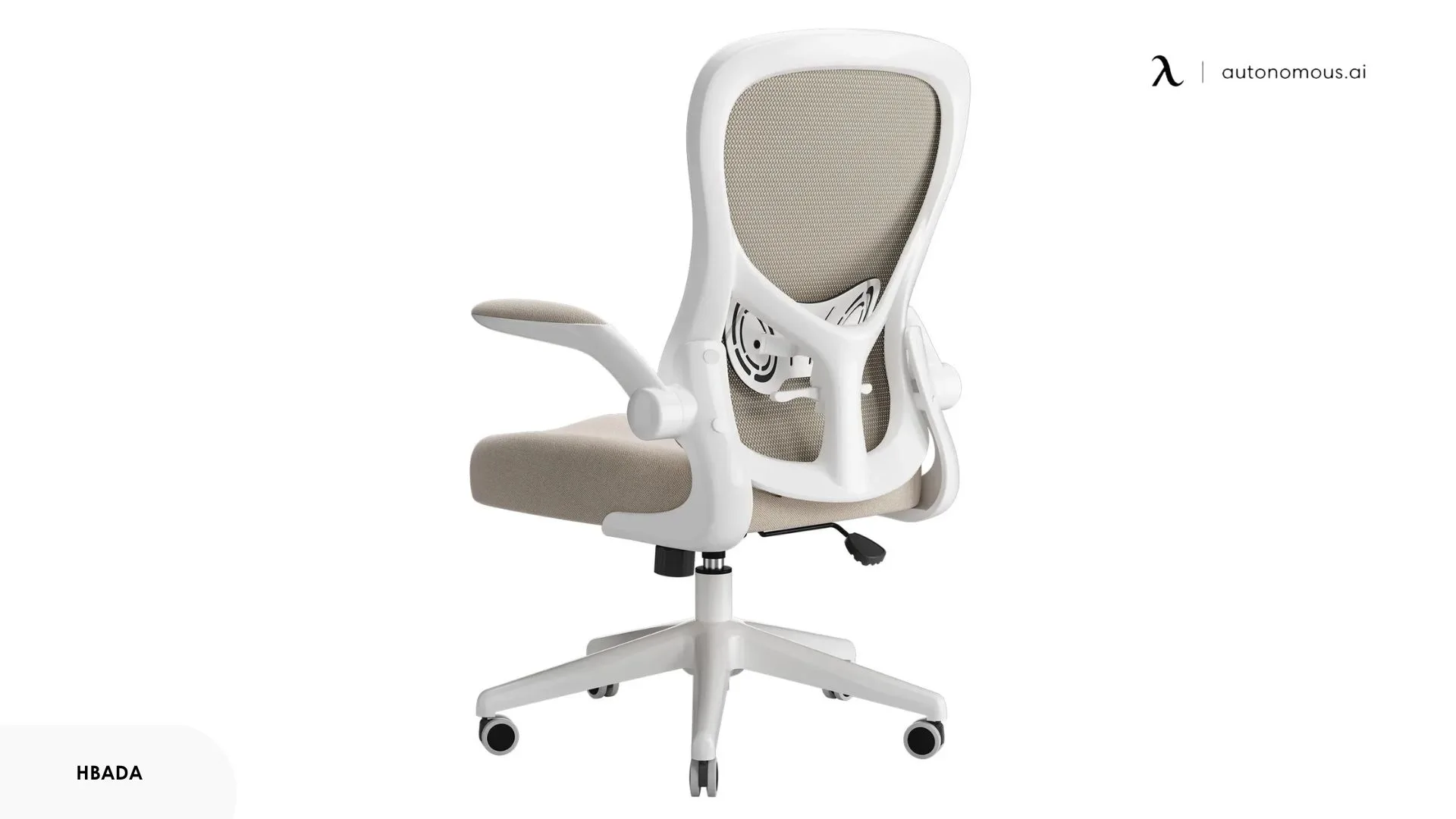
9. SIHOO Doro C300, dynamic lumbar that encourages movement
Best for
Students who want active lumbar support during longer study sessions.
How it performs in real study setups
The SIHOO Doro C300 stands out because of its dynamic lumbar system. We’ve noticed it responds more actively to posture changes than many chairs in this range, which helps reduce stiffness over time.
The breathable mesh high back keeps airflow high, which supports alertness during long focus periods. The chair feels especially well suited for technical or analytical study, where students tend to stay seated for extended stretches but still shift posture frequently.
It’s not the most refined chair aesthetically, but functionally it delivers where it matters.
What works well for studying
- Dynamic lumbar adapts to posture changes
- Breathable mesh supports long sessions
- Encourages movement without distraction
Practical limitations we noticed
- Visual design may feel bulky in small rooms
- Adjustments take time to dial in
- Build quality varies slightly by unit
Who we think it’s best for
As an ergonomic study chair for students, the Doro C300 works best for longer, focused sessions where lumbar fatigue is a concern. We see it as a strong functional option, especially for students who value support over aesthetics.
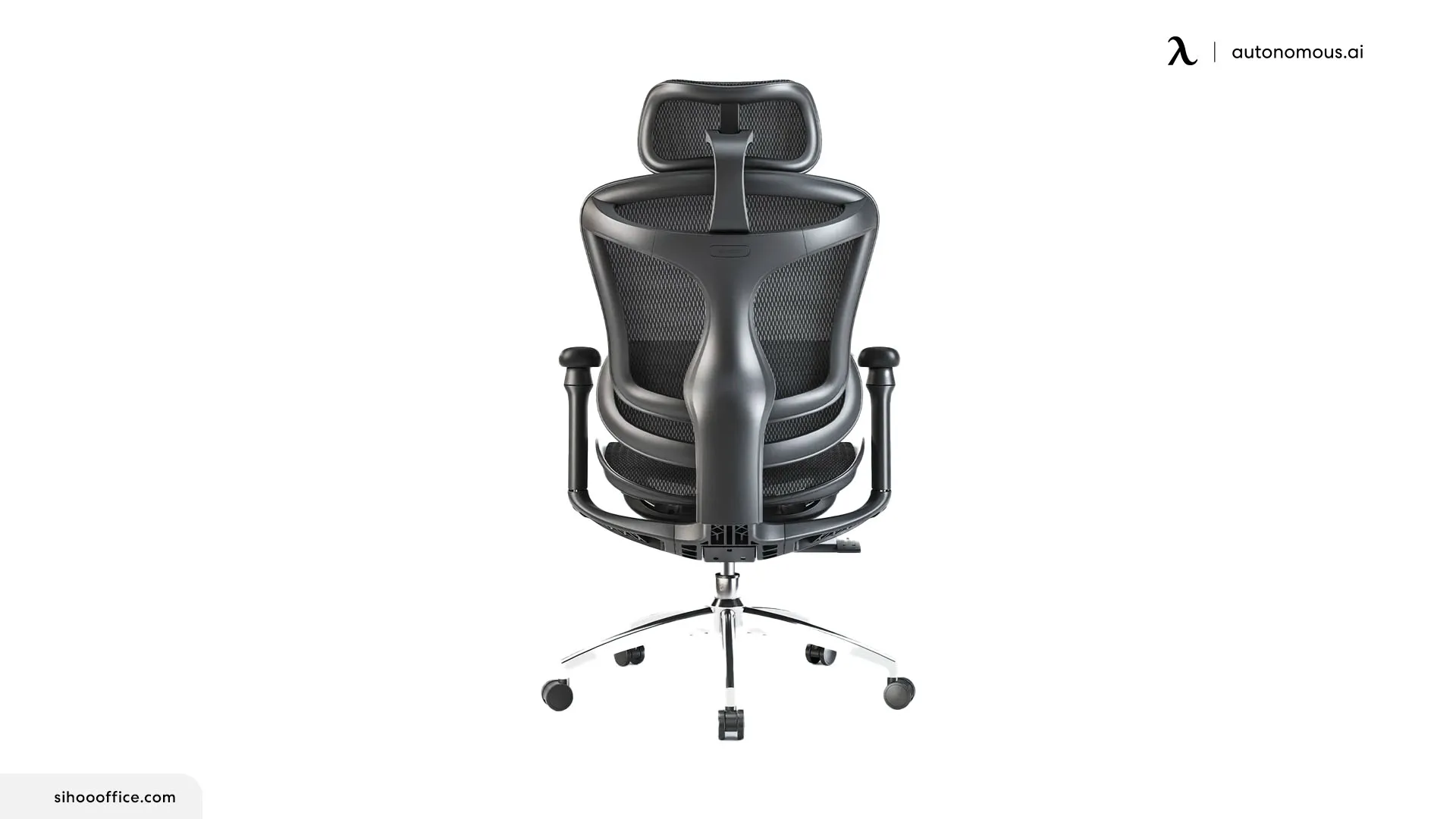
10. Staples Hyken, accessible ergonomics with a firm feel
Best for
Students who want an easily accessible ergonomic study chair from a physical retail store.
How it performs in real study setups
The Staples Hyken is widely available, and that convenience shows up often in student setups. We’ve noticed it delivers firm, upright support that works well for focused tasks like writing and problem-solving.
The mesh back helps prevent overheating, and the chair maintains posture well during shorter to medium study sessions. Seat depth can be limiting for some users, especially taller students, but for many, it’s manageable.
It’s not refined, but it’s dependable.
What works well for studying
- Firm support encourages alert posture
- Mesh back improves airflow
- Easy to try and return locally
Practical limitations we noticed
- Seat depth may feel shallow
- Armrests can interfere with desk clearance
- Limited long-term adjustability
Who we think it’s best for
If accessibility matters more than fine-tuned ergonomics, the Hyken is a serviceable ergonomic chair for study. We see it working best for moderate daily use rather than marathon sessions.
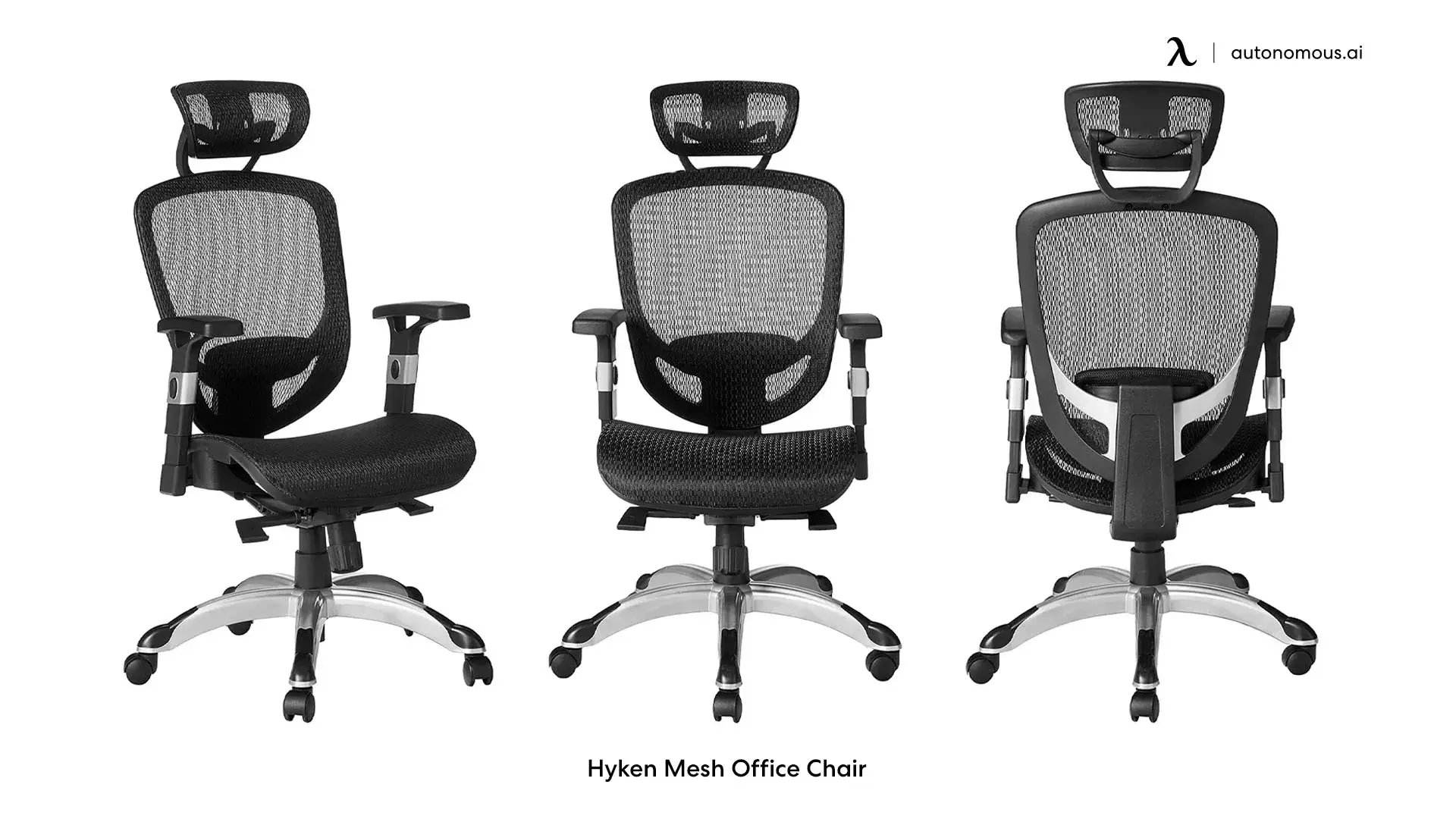
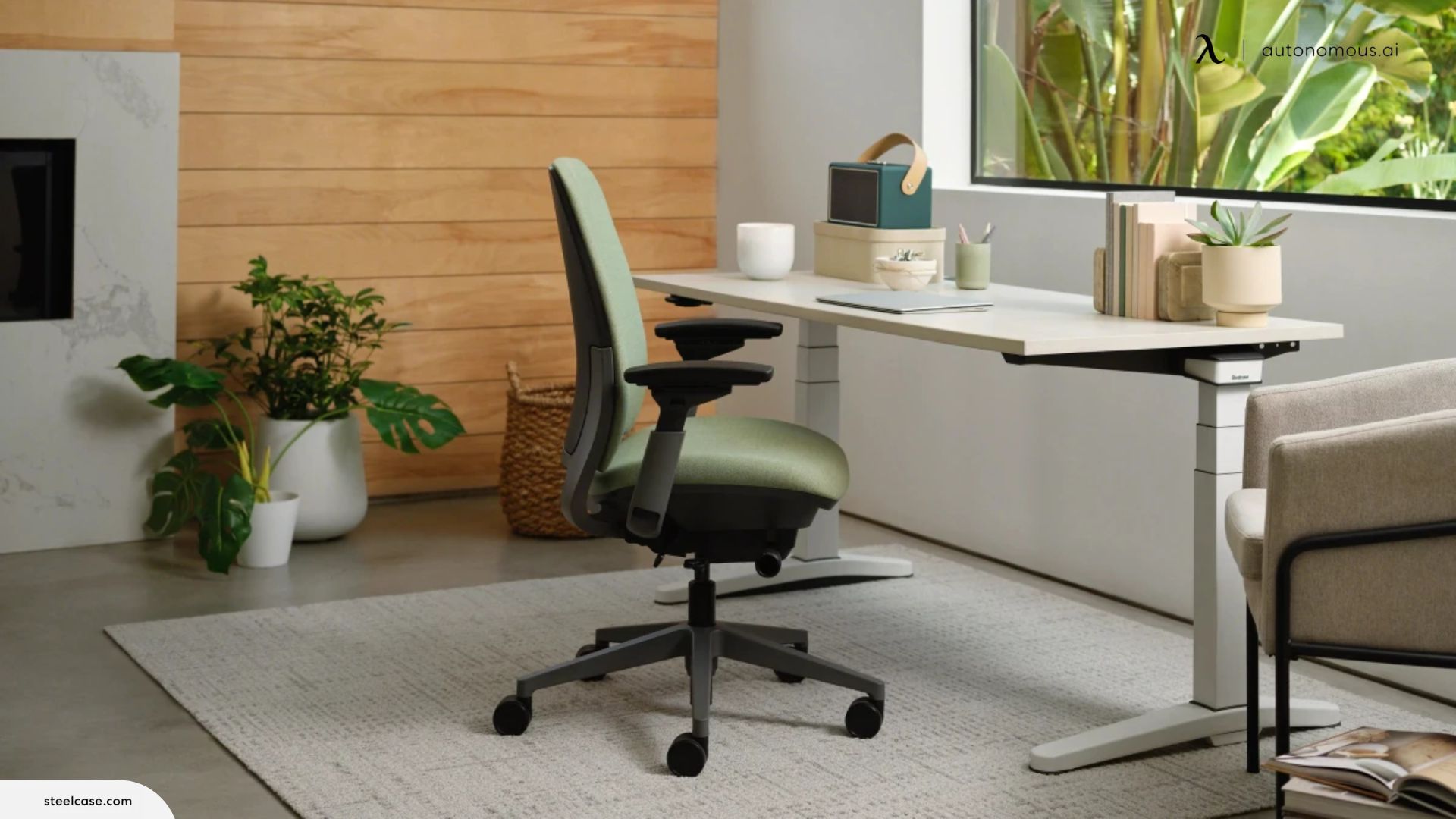
11. Steelcase Amia, consistent support without forcing posture
Best for
Students who want stable, predictable posture support during long study sessions.
How it performs in real study setups
We’ve consistently found the Steelcase Amia to be one of the most forgiving chairs for studying. It doesn’t try to correct posture aggressively. Instead, it supports you quietly and consistently, which matters during multi-hour reading or writing sessions.
The seat distributes weight well, and the back support feels neutral rather than directive. That makes it easier to stay focused without feeling constantly “adjusted” by the chair. We’ve seen it work well across different desk heights and study styles, which isn’t always the case with more opinionated designs.
What works well for studying
- Even seat support reduces pressure buildup
- Backrest supports upright posture without rigidity
- Quiet, smooth adjustments
- Works well for long, uninterrupted study blocks
Practical limitations we noticed
- Less breathable than full-mesh chairs
- Design feels utilitarian rather than compact
- Premium pricing compared to feature set
Who we think it’s best for
If consistency matters more than features, the Amia is a strong ergonomic study chair. We see it working best for students who study for long stretches and want support that stays out of the way.
12. Autonomous ErgoChair Core, simplified ergonomics for daily use
Best for
Students who want a streamlined ergonomic study chair without too many controls.
How it performs in real study setups
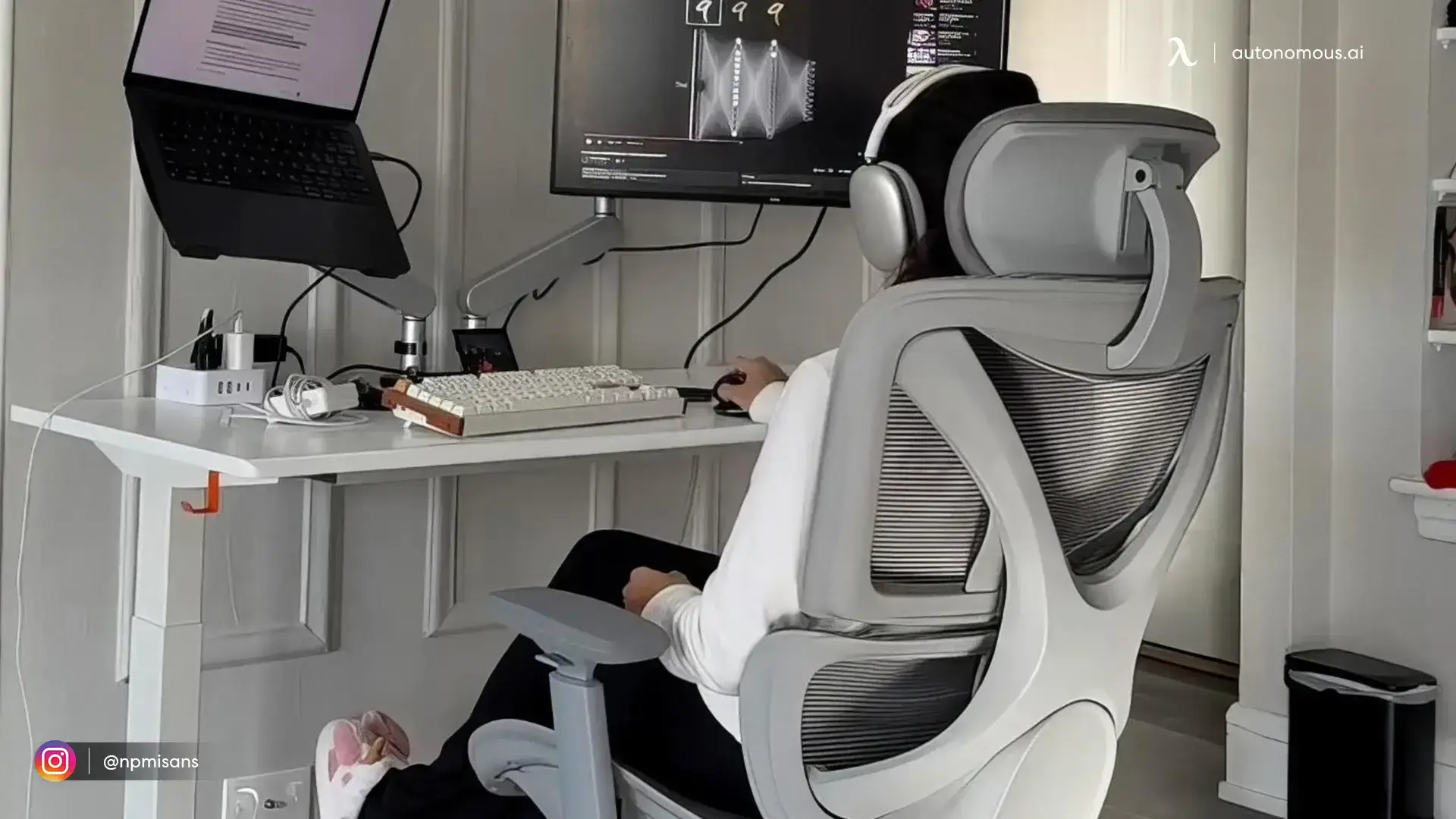
We’ve seen the Autonomous ErgoChair Core work well for students who don’t want to spend time dialing in adjustments. It offers basic ergonomic support in a simpler form factor.
The chair supports upright posture adequately for daily studying and fits easily into smaller rooms. While it lacks the depth of adjustment found in higher-end models, it’s also easier to live with.
What works well for studying
- Simple setup and adjustment
- Compact footprint
- Comfortable for moderate daily use
Practical limitations we noticed
- Limited customization
- Less supportive during very long sessions
- Fewer posture options
Who we think it’s best for
If you want an ergonomic study chair that’s easy and predictable, the ErgoChair Core makes sense. We see it best for consistent, moderate study routines rather than marathon sessions.
How to choose a study chair
Choose a study chair by matching it to your longest normal session, not your average one, since that is where a chair either holds up or starts to hurt. From what we have seen, the sequence below sorts most decisions quickly.
- Start with session length. Under an hour at a time, simple upright chairs are fine. Three hours or more, prioritise pressure distribution and breathability.
- Check seat depth against your legs. You want two to three fingers of clearance behind the knee with your back against the backrest, or you will slide forward while reading.
- Match the chair to your desk. Armrests that do not drop below your desk edge will hold you too far back, which is a common problem at fixed-height desks.
- Decide how much you want to adjust. Some students dial in a chair once and forget it, others move through positions all day. Buy for the habit you actually have.
- Set a movement rhythm. The Cornell 20-8-2 guideline, roughly 20 minutes sitting, 8 standing, 2 moving, does more for comfort than any single feature.
Ergonomics guidance from OSHA and the Cornell University Ergonomics Web points the same way: neutral spine, feet flat, screen near eye level, and regular position changes rather than one perfect posture held all day.
If you are shopping for a specific room rather than a study style, our roundup of dorm room office chairs sorts picks by room size, budget, and moving day instead. Pairing the chair with the right desk height matters too, which is where study desks for students come in.
.webp)
FAQs
What are the best ergonomic study chairs?
The best ergonomic study chairs match your session length and posture habits. For long, uninterrupted blocks we favour chairs with strong pressure distribution like the ErgoChair Ultra 2 or Steelcase Amia. For shorter, varied sessions, an adjustable chair such as the ErgoChair Pro gives you more control over fit.
Which chair is good for studying?
A chair is good for studying when it supports forward-leaning work as well as upright sitting, adjusts to your desk height, and stays comfortable while you sit still for hours. Look for adjustable seat depth, a firm rather than plush seat, and breathable material. Recline matters less than pressure relief for study sessions.
Are ergonomic chairs for students worth the money?
Ergonomic chairs for students are usually worth it if you study more than a couple of hours a day, since the cost spreads across four years of daily use. The gain is fewer breaks caused by discomfort and less back and neck strain. For occasional short sessions, a simpler chair is enough.
What is the difference between a study chair and a gaming chair?
Study chairs support the forward-leaning posture that reading and writing create, while gaming chairs use a fixed bucket shape built around reclined play. That shape suits fewer body sizes and often causes lower back and leg discomfort over long sessions. For daily studying, an ergonomic chair holds up better.
What should I look for in an ergonomic study chair for students?
Look for adjustable seat height and depth, support that meets your lower back when you sit fully back, breathable material, and armrests that drop below your desk edge. Quiet adjustment helps in shared housing. Fit matters more than feature count, so check the ranges against your own measurements before buying.
Do ergonomic chairs for studying help with back pain?
Ergonomic chairs for studying can reduce the strain that comes from long static sitting, mostly by supporting a neutral spine and spreading pressure off the sit bones. They are not a treatment. If back pain persists or worsens, it is worth speaking to a doctor or physiotherapist rather than relying on a chair alone.
The takeaway
The best ergonomic study chairs are the ones that suit how you actually study. If your sessions run long and unbroken, prioritise pressure relief and breathability. If you study in shorter bursts and shift position often, choose adjustability you will genuinely use. And if space is your real constraint, a compact chair that slides under the desk beats a feature-heavy one you cannot fit. Measure your desk, check the seat depth against your legs, and give any new chair a couple of weeks before judging it.
References
- OSHA, Computer Workstations eTool on neutral working postures and monitor placement.
- Cornell University Ergonomics Web on seated posture and the 20-8-2 movement rhythm.
- BIFMA ergonomics guidelines on office chair dimensions and adjustability.