Do You Need a Permit for a 10x12 Shed?

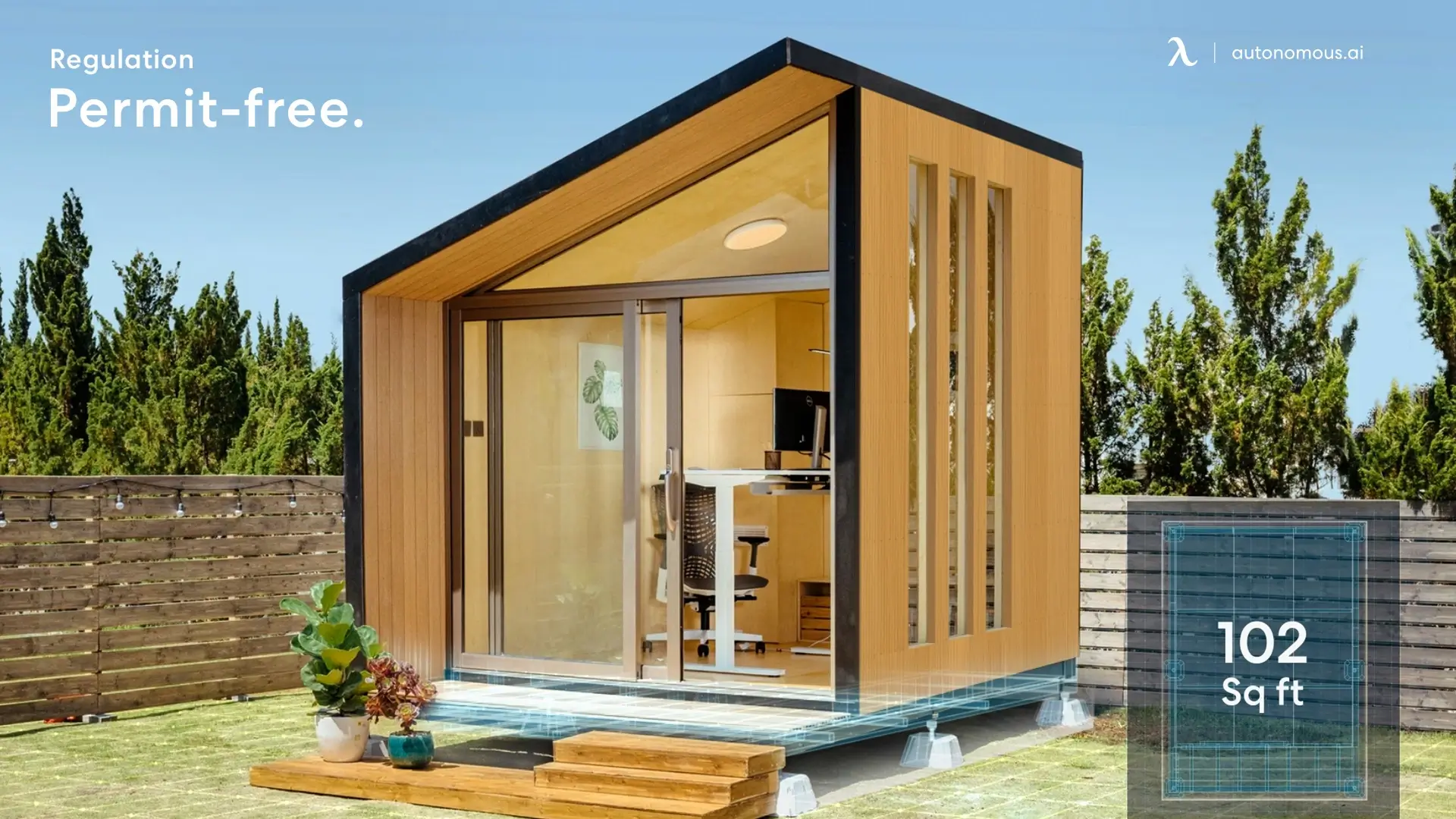
Quick answer: A 10x12 shed (120 sq ft) often requires a permit because it sits at or above common size limits used by many local building codes. Smaller sheds may be exempt, but rules still depend on your city’s size threshold, zoning regulations, and whether the shed includes utilities or a permanent foundation.
Table of Contents
- Do you need a permit for a 10x12 shed?
- What size shed needs a permit?
- What size shed does not require a permit?
- Do you need a permit for common shed sizes?
- What actually determines if a shed needs a permit?
- What happens if you build a shed without a permit?
- How to check if your shed needs a permit (fast)
- FAQs
- Conclusion
You picked a shed size that fits your space—maybe a 10x12 or 12x12—but now the real question is: do you need a permit to build it? The answer is not just about square footage. Local rules change based on size, height, and how the shed is installed.
This guide explains what size shed needs a permit, how common sizes like 10x10, 10x12, and 12x16 are treated, and what to check before you build so you avoid fines or delays.
Do you need a permit for a 10x12 shed?
In most cases, a 10x12 shed (120 sq ft) requires a permit because it sits at or above common size thresholds used by local building codes. Many cities set exemption limits between 100 and 120 square feet, which makes this size a borderline case.
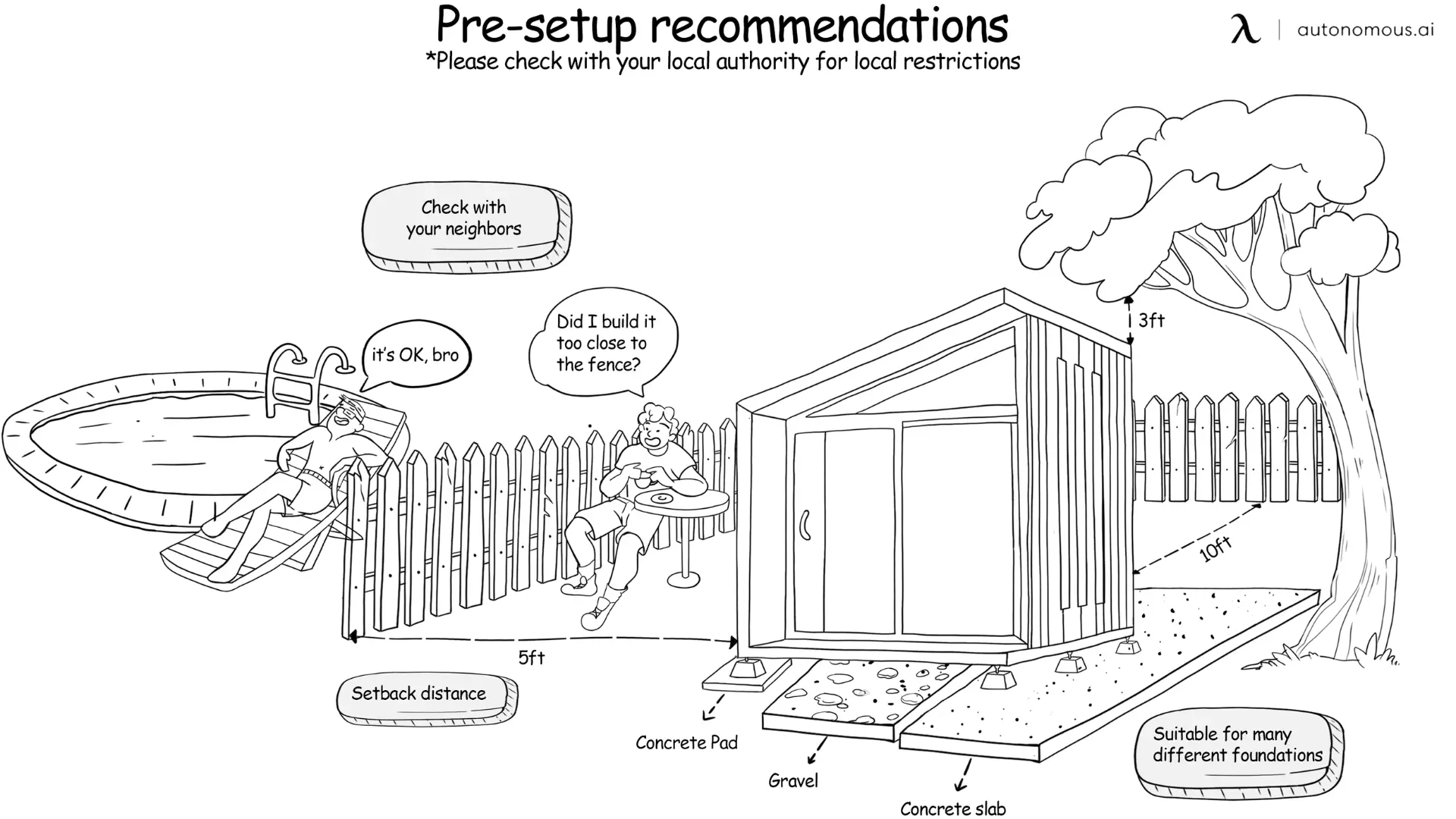
Even if a permit is not required, the shed must still follow zoning rules such as setback distance, height limits, and placement restrictions. Adding electricity or placing the shed on a permanent foundation usually triggers permit requirements regardless of size.
What size shed needs a permit?
A shed typically needs a permit when it exceeds your local size threshold or includes permanent installation or utilities. In most areas, this threshold falls between 100 and 200 square feet, but exact limits vary by city and county.
Other factors that trigger permits include:
- Permanent foundation (concrete slab or anchored base)
- Electrical or plumbing connections
- Height beyond local limits
- Placement near property lines
Size is the starting point, but not the only rule.
.webp)
What size shed does not require a permit?
A shed usually does not require a permit if it stays below the local size limit, does not include utilities, and is not permanently anchored. In many areas, this means keeping the structure under 100–120 square feet.
Even permit-exempt sheds must still follow zoning rules such as setback distances, height restrictions, and placement guidelines. Local codes still apply even when a permit is not required, similar to how rules can still affect an ADU without permit.
Do you need a permit for common shed sizes?
Permit requirements vary by size, but most common shed dimensions fall into predictable patterns.
Shed Size | Permit Likelihood | Why |
10x10 (100 sq ft) | Sometimes not required | Often below or near exemption threshold |
10x12 (120 sq ft) | Often required | Sits at common permit cutoff |
12x12 (144 sq ft) | Likely required | Exceeds most exemption limits |
10x16 (160 sq ft) | Usually required | Larger footprint triggers review |
12x16 (192 sq ft) | Almost always required | Well above typical thresholds |
What actually determines if a shed needs a permit?
A shed requires a permit based on three main factors: size, foundation, and utilities. Size determines whether the structure crosses local thresholds, while foundation type and utilities determine how the structure is classified.
Key factors include:
- Size: Larger sheds are more likely to require approval
- Foundation: Permanent or anchored sheds often need permits
- Utilities: Electricity or plumbing usually requires separate permits
- Zoning: Setbacks and placement rules apply in all cases
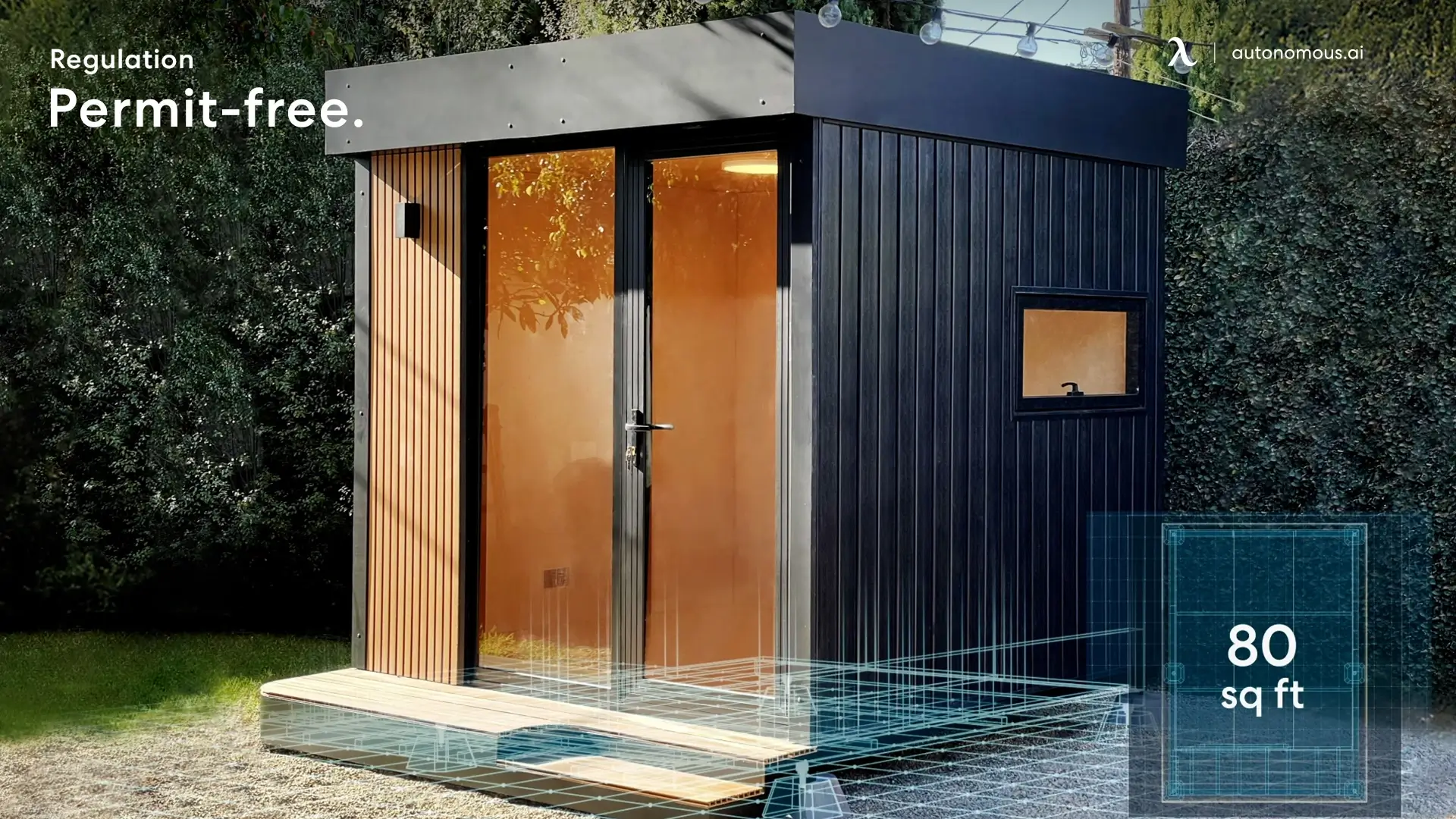
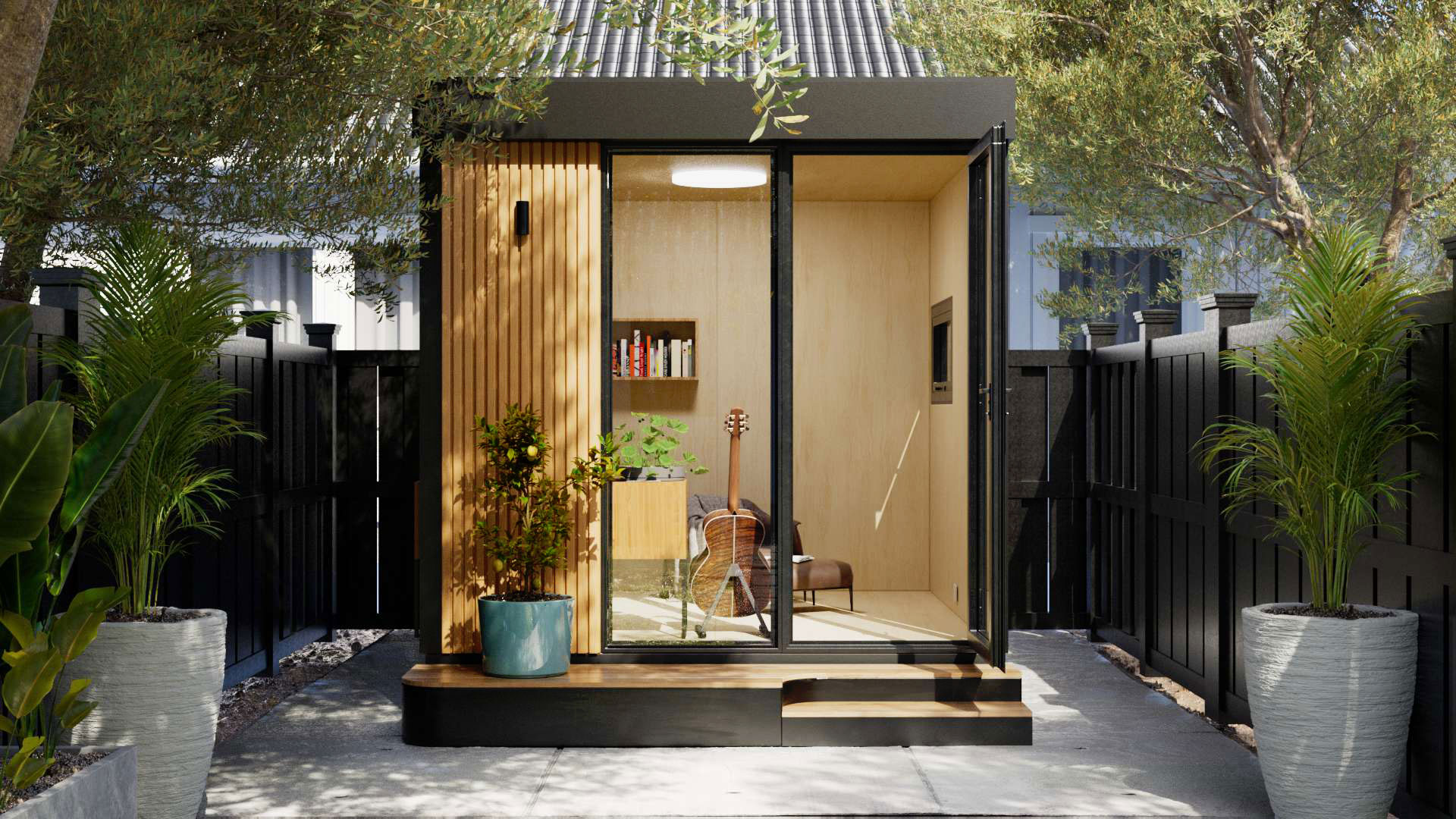
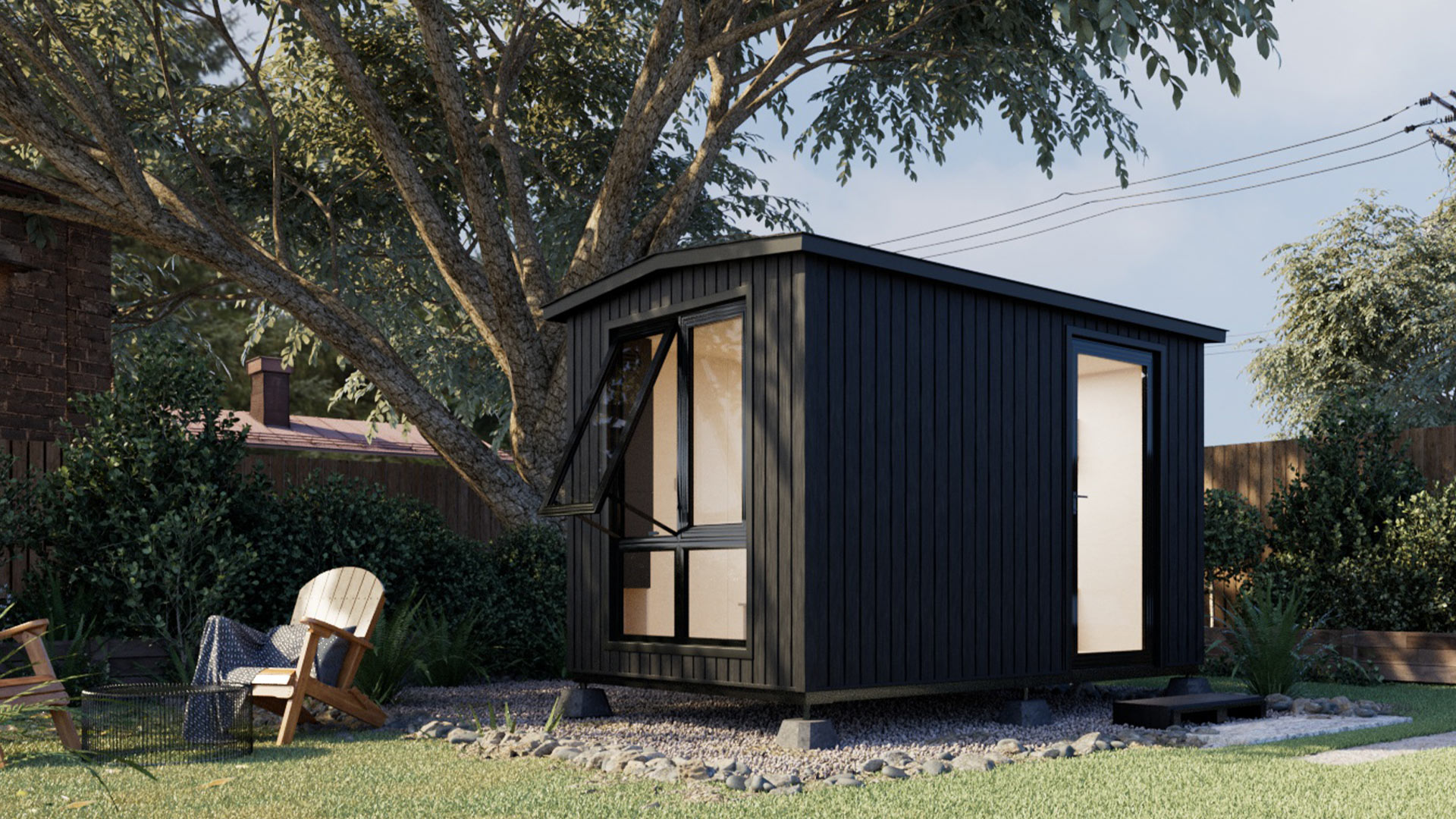
For example, a 10x12 she shed may sit close to common permit thresholds in some areas, especially if it includes power or a fixed base. Smaller backyard office units around 80 sq ft are often closer to exemption ranges, while larger setups such as a 10x12 home office shed are more likely to require permits depending on local code.
What happens if you build a shed without a permit?
Building a shed without a required permit can lead to fines, stop-work orders, or removal of the structure. In some cases, you may need to apply for a retroactive permit, which can be more expensive and time-consuming.
It can also create issues when selling your property, as unpermitted structures may need to be disclosed or corrected—similar to challenges seen with an unpermitted ADU. In some situations, resolving this may involve going through a process similar to how to get an ADU permit, depending on local requirements.
How to check if your shed needs a permit (fast)
The fastest way to check shed permit requirements is to confirm your local building rules before construction.
Steps to follow:
- Check your city or county building department website
- Look for size exemption thresholds
- Review zoning rules for setbacks and placement
- Confirm if utilities require additional permits
For a faster answer, you can use the shed permit checker by city and state to see rules specific to your location.
What shed size works best if you want to avoid permits?
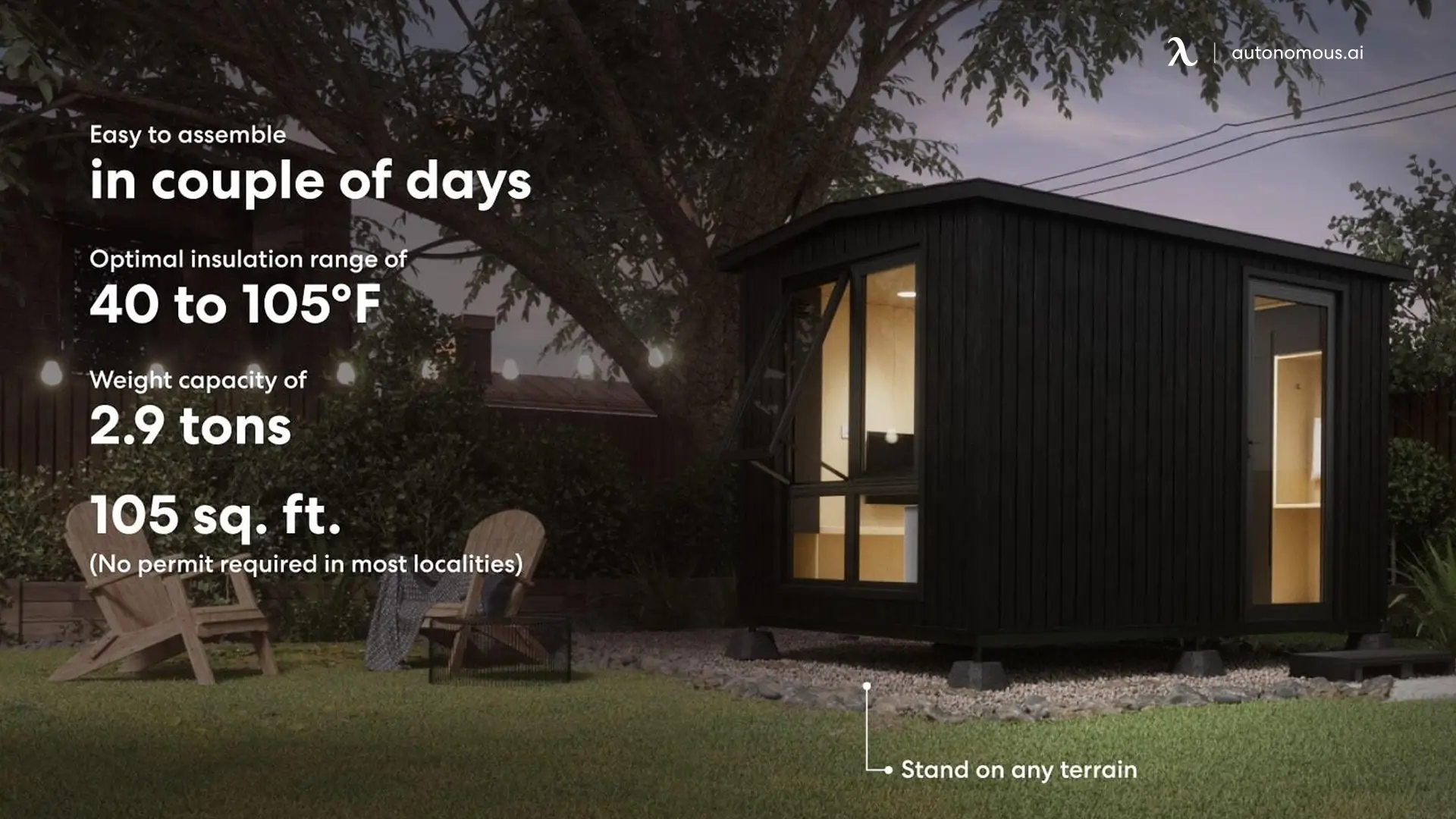
Smaller shed sizes are often easier to place without a permit, especially if they stay below common local thresholds and avoid permanent installation or utilities. In many areas, this means keeping the structure under 100–120 square feet.
For example, compact backyard office setups around 80 sq ft are often closer to permit-exempt ranges, while larger sheds above 100 sq ft are more likely to require approval depending on local rules.
If you’re planning a backyard workspace, choosing the right size upfront can help reduce permitting complexity while still giving you enough space to work comfortably.
.webp)
FAQs
Do I need a permit for a 10x10 shed?
A 10x10 shed (100 sq ft) may not require a permit if it falls below local size limits. However, it must still follow zoning rules such as setbacks, height restrictions, and placement guidelines.
Do I need a permit for a 10x12 shed?
A 10x12 shed (120 sq ft) often requires a permit because it sits at or above common size thresholds used by local building codes. Requirements vary by location, especially if the shed includes electricity or a permanent foundation.
Do I need a permit for a 12x12 shed?
A 12x12 shed (144 sq ft) typically requires a permit because it exceeds most size exemptions set by local regulations. Larger structures are more likely to trigger review and approval.
Do you need a permit for a 10x16 shed?
A 10x16 shed (160 sq ft) usually requires a permit due to its size and impact on zoning rules. Larger sheds often require approval regardless of foundation or utility setup.
Do you need a permit for a 12x16 shed?
A 12x16 shed (192 sq ft) almost always requires a permit because it exceeds typical exemption limits. It may also be subject to additional structural or zoning review.
How big of a shed requires a permit?
A shed typically requires a permit once it exceeds local size limits, which are often set between 100 and 200 square feet. Other factors such as utilities, foundation type, and placement can also trigger permit requirements.
What size shed does not require a permit?
A shed may not require a permit if it stays below local size thresholds, usually between 100 and 120 square feet, and does not include utilities or permanent anchoring. Zoning rules still apply in all cases.
What size shed needs a permit?
A shed generally needs a permit when it exceeds local size limits or includes features like electricity, plumbing, or a permanent foundation. Requirements vary by city and county.
Conclusion
Permit requirements for sheds are not based on size alone. While common sizes like 10x10, 10x12, and 12x12 give a general guideline, local rules determine whether a permit is needed. Factors such as foundation type, electrical setup, and placement on your property can all affect approval.
Before building, always confirm your local requirements to avoid delays or fines. If you’re unsure, use a shed permit checker by city and state to quickly see the exact rules that apply to your project.