How to Choose the Right Shed Size for Your Yard

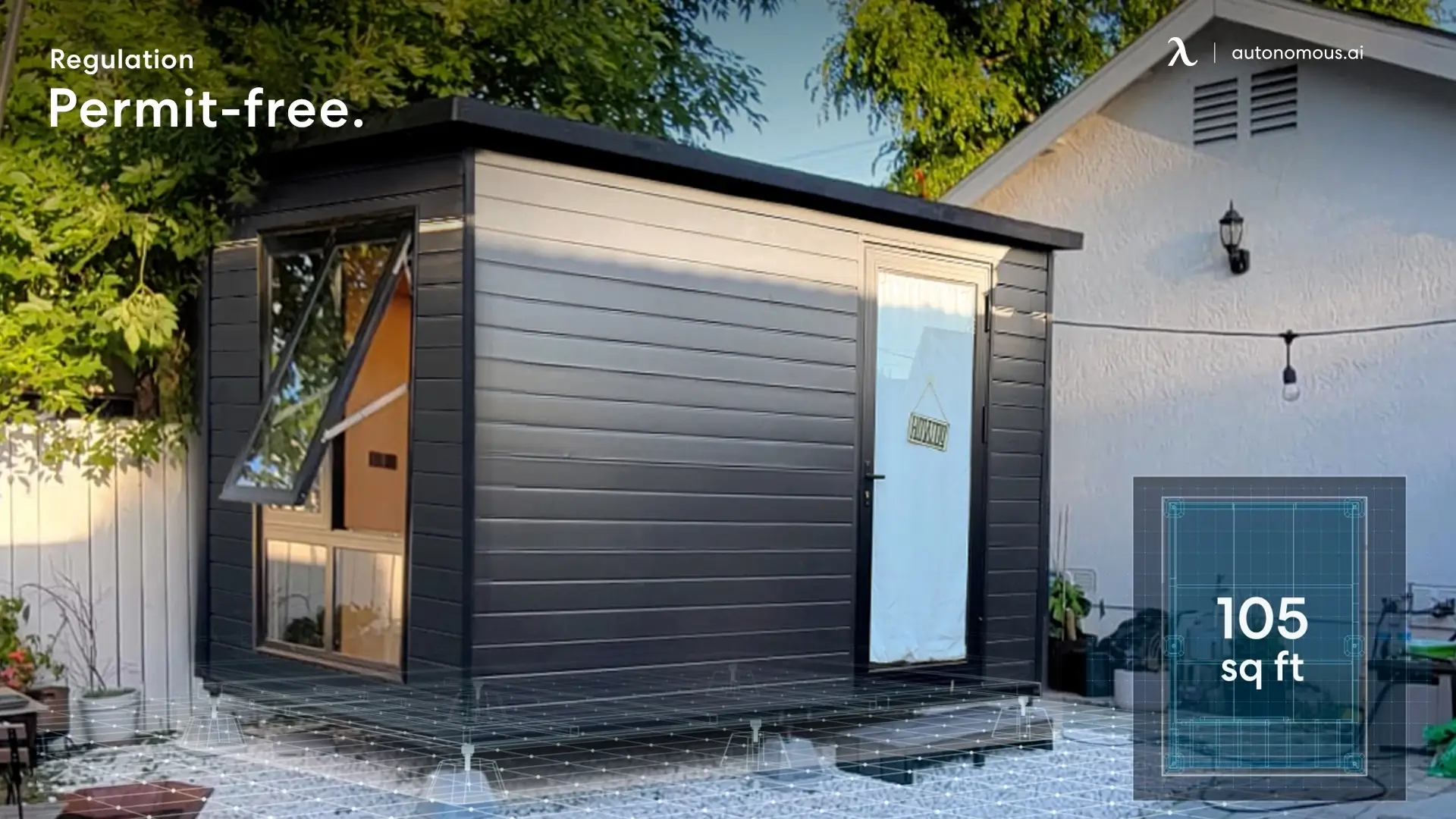
Table of Contents
- 1. Why Shed Sizing Matters More Than You Think
- 2. Common Shed Sizes: What Most People Actually Buy
- 3. Shed Dimensions That Matter Beyond Square Footage
- 4. What Size Shed Can You Build Without a Permit?
- 5. What Size Shed Do I Need?
- 6. Shed Size and Property Value: Does It Actually Help?
- 7. Prefab vs. Custom: Which Makes More Sense for Your Shed Size?
- 8. FAQs
- 9. Final Thoughts
Most people underestimate shed size until they actually start using it. Something that looks fine on paper can feel tight fast once you start storing tools, moving around, or trying to use it for more than basic storage. Go too big, though, and you can end up wasting yard space or running into local restrictions.
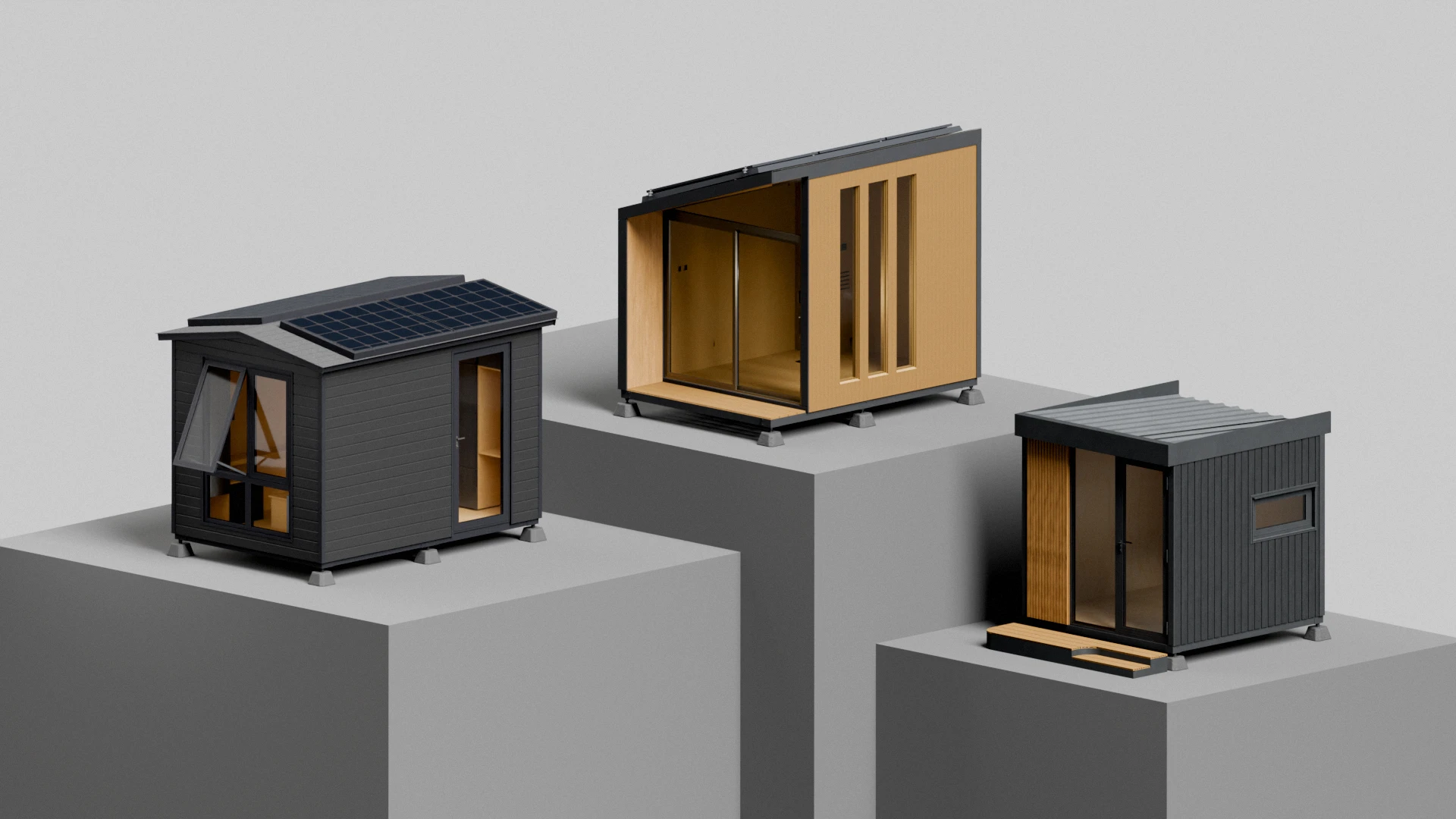
Choosing the right shed size is really about how you want the space to function. Storage is one thing. A workspace is another. If you’re already thinking beyond storage, it may be worth comparing your options to a backyard office pod before locking in a size.
1. Why Shed Sizing Matters More Than You Think
It’s easy to pick a size based on photos or a product listing and assume it will work. But shed dimensions affect a lot more than people expect. Too small, and the space becomes frustrating almost immediately. Too large, and you may run into setbacks, HOA rules, or permit issues that slow the whole project down. Getting the size right early saves time, money, and a lot of second-guessing later.
Sizing also affects what the structure can become over time. A 6×8 shed may be enough for tools and lawn equipment, but it won’t give you much flexibility beyond that. If there’s even a small chance you’ll want to turn the space into a workspace later, it helps to think ahead. A compact option like a mini pod may make more sense for small yards, while a dedicated work pod gives you a more complete backyard office setup. If you want something more open-ended, a studio shed can give you room to work, create, or adapt the space over time.
2. Common Shed Sizes: What Most People Actually Buy
Most people don’t need a custom size — they end up choosing from a few standard options that balance space, cost, and practicality. Here’s how those sizes actually feel in real use.
6×8 ft (48 sq ft): This is the smallest size most people consider. It works well for basic storage like a lawnmower, a few bins, and garden tools. If you have a smaller yard or just need extra space outside the house, this usually gets the job done without overthinking it.
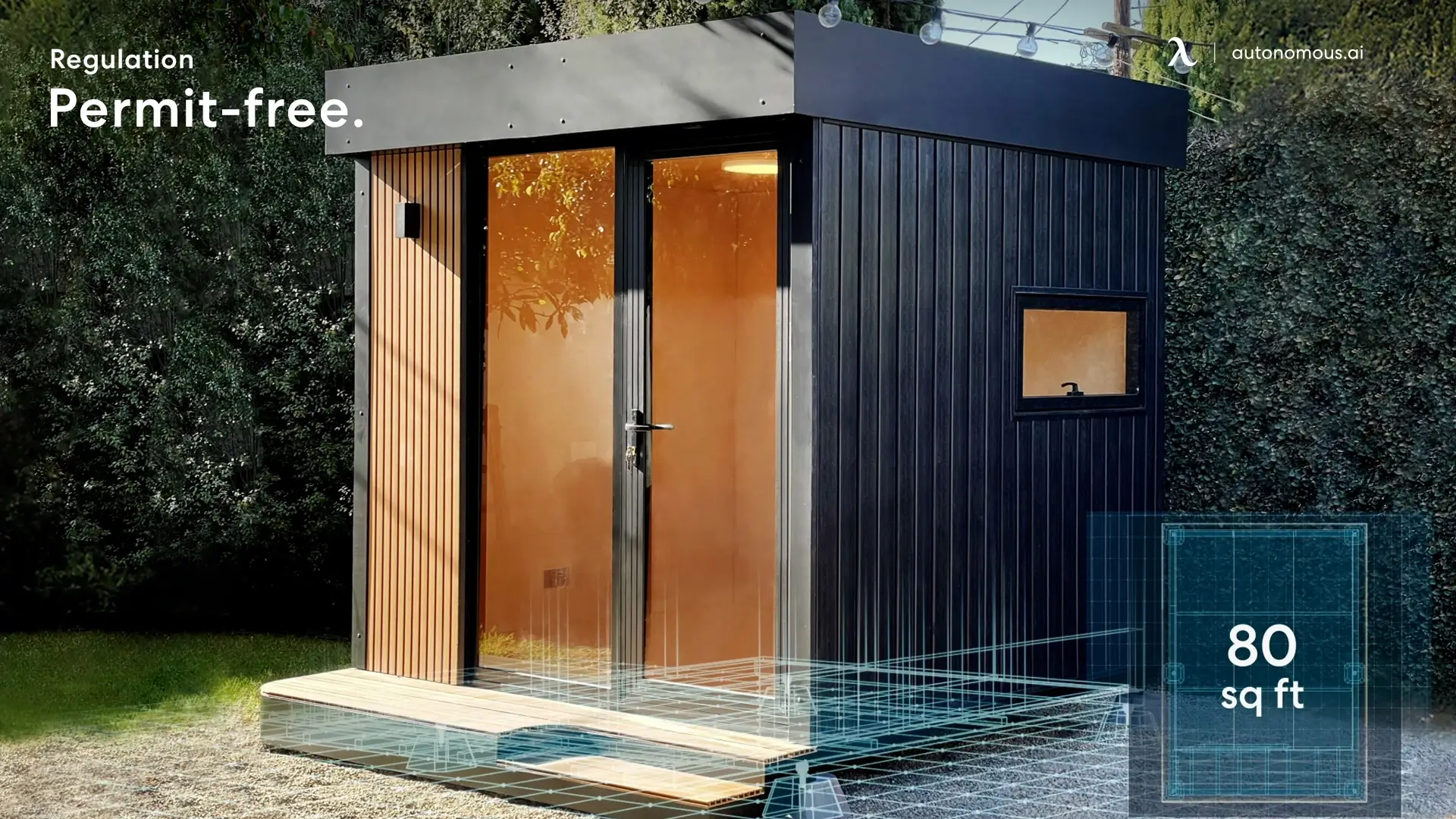
8×10 ft (80 sq ft): This is where things start to feel more usable. You can store bikes, tools, and still move around without feeling cramped. For most suburban homes, this is a comfortable middle ground — enough space to grow into without taking over your yard.
10×12 ft (120 sq ft): At this size, it stops feeling like storage and starts feeling like a space you can actually use. People often turn this into a small workspace or hobby area. If you’re thinking beyond storage, it helps to look at layouts like a 10×12 shed setup to understand how the space can work in practice.
12×16 ft (192 sq ft): This is where you’re getting close to a full room. You can fit a proper workbench, organize equipment, or even set it up as a small studio. For reference, it’s similar in scale to a 150 sq ft ADU, which gives you an idea of how livable this size can feel.
12×24 ft and larger: At this point, you’re no longer really choosing a “shed” — you’re building a structure. These are often used as offices, studios, or full backyard setups. If that’s your direction, it’s worth comparing it to something like a 200 sq ft ADU or even planning around proper home office dimensions.
For larger builds, especially anything approaching a full workspace, it’s also helpful to understand how layouts scale — for example, how a 500 sq ft ADU is structured if you’re thinking long term.
3. Shed Dimensions That Matter Beyond Square Footage
Shed size isn’t just about floor space. Height and door width can completely change how usable the shed feels day to day. Most sheds come with 7- to 8-foot sidewalls, which is enough for basic storage. But if you want the shed to feel comfortable as a workspace, 8-foot walls are usually the better choice, especially for taller users.
Door width matters more than people expect. A standard 36-inch door works for boxes, bins, and hand tools, but it can feel limiting fast. If you plan to move in bikes, lawn equipment, or anything bulky, double doors or wider openings make a big difference. For workshop-style sheds, wider barn-style doors can also improve access and make the structure feel less cramped.
4. What Size Shed Can You Build Without a Permit?
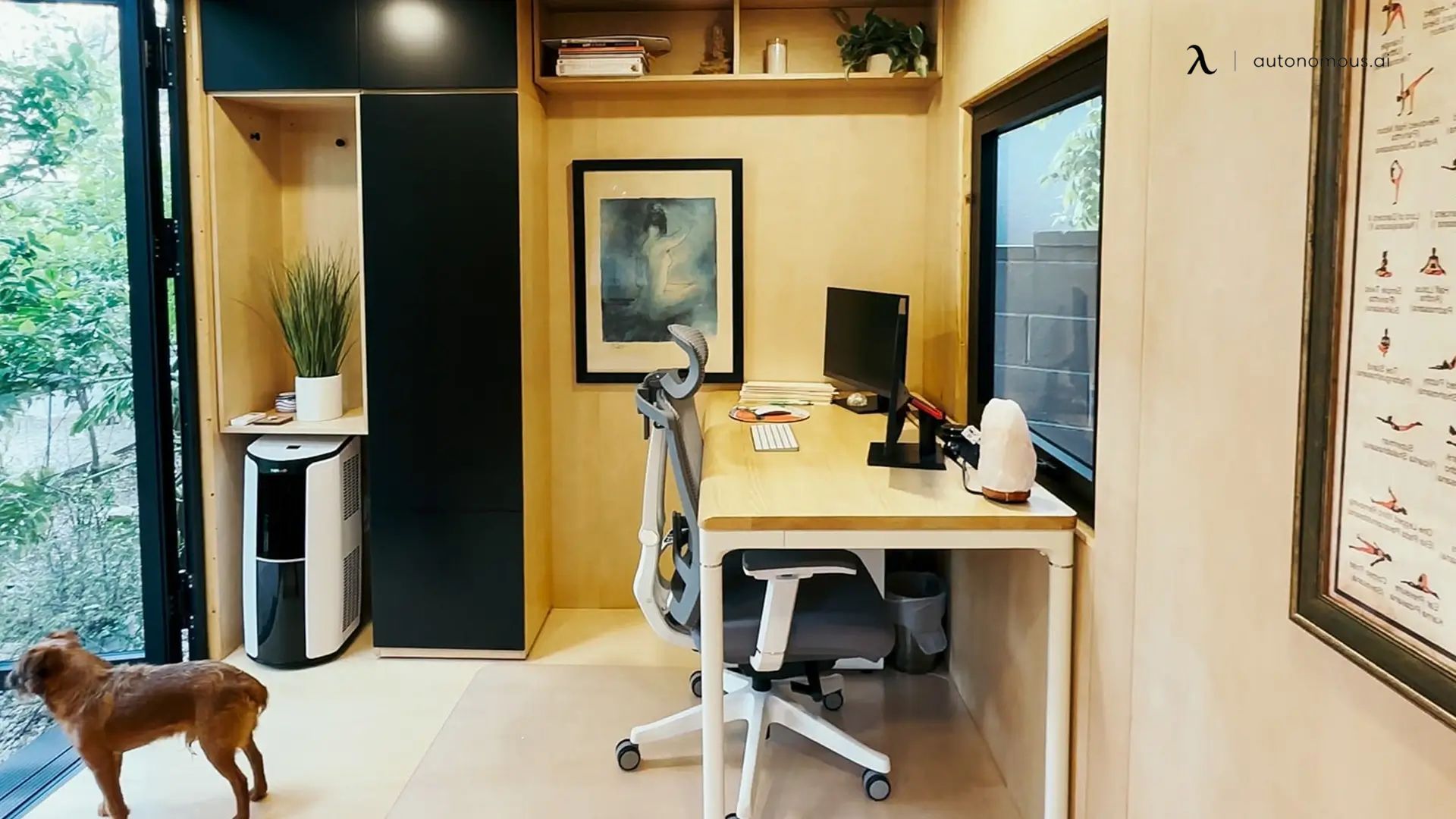
This is one of the most common questions, and the short answer is: it depends on your local rules. There’s no universal standard — each city or county sets its own limits, so what works in one area might not apply in another. If you’re unsure, it’s always worth reviewing a broader guide on how to get an ADU permit to understand how local regulations typically work.
Here are the general patterns most homeowners run into:
- Under 100–120 sq ft
This is the most common “no permit” range. Many areas allow small sheds without permits as long as they don’t include utilities or permanent foundations. Sizes like 8×10 or 10×10 usually fall into this category. But if you’re pushing the limits, it helps to check local examples like San Jose ADU permit rules or see what qualifies as an ADU without permit.
- Under 200 sq ft (sometimes allowed)
In some areas, especially less dense regions, you can go bigger without a permit. This opens up more flexible layouts like 10×16 or 12×16. That said, rules vary a lot — in places like California, going bigger without approval can quickly fall into unpermitted ADU territory, so always double-check.
- Utilities change everything
Even if your shed size is within limits, adding power can trigger permit requirements. If you’re planning to run electricity, it’s important to understand do you need a permit to run electricity to your shed before moving forward.
- Setback rules still apply
Size isn’t the only factor. Most areas require sheds to sit a certain distance from property lines, fences, or other structures. These rules can vary by region, so checking local guidelines — like San Bernardino County ADU permits, Riverside County ADU permit rules, or even garage conversion permit requirements in Los Angeles — gives you a more realistic picture of what’s allowed.
If you’re anywhere near the upper limits, it’s always safer to verify locally first. A quick check can save you from fines, forced removal, or having to redo the entire setup later.
5. What Size Shed Do I Need?
If you just want a quick answer: most homeowners land somewhere between 8×10 and 10×12. That range works well for typical storage without overwhelming your yard.
But the “right” size depends on what you’re actually doing with it.
- Light storage (tools, bins, seasonal stuff) → 6×8 or 8×8
- General use (tools + bikes + extra space) → 8×10 or 10×10
- Workspace or hobby use → 10×12 or larger
- Backyard office or multi-use → 10×12+
The biggest mistake people make is sizing for what they need today. Sheds fill up fast. If you’re even slightly unsure, going one size up usually saves you from outgrowing it within a year.

6. Shed Size and Property Value: Does It Actually Help?
A shed can add value to your property, but not in the simple “bigger is always better” way people assume. What matters more is whether the size feels useful, well-placed, and appropriate for the yard. A small shed that looks intentional and solves a real need can be more appealing than an oversized one that eats up outdoor space or feels out of place.
In most cases, a shed adds the most value when it improves function. That could mean extra storage, a hobby space, or a setup that makes the backyard feel more organized and usable. Once you start thinking beyond storage, the conversation shifts. Some homeowners begin comparing a shed to larger backyard options, like whether they can build a mother-in-law suite on their property or even build a second house on their property.
It also depends on how the structure fits with everything else on the lot. A shed that crowds the yard or creates layout issues can hurt more than help. That’s especially true if you already have one structure in place and are wondering how many sheds you can have on your property or whether having two sheds on one property still feels balanced and practical.
So yes, shed size can help property value, but only when it matches the yard, supports real use, and feels like a thoughtful addition instead of an afterthought.
7. Prefab vs. Custom: Which Makes More Sense for Your Shed Size?
If you already know the size you want, the next question is whether to buy prefab or build custom. For standard shed sizes, prefab is usually faster and easier. Custom makes more sense when your yard, layout, or intended use calls for something more specific.
| Factor | Prefab Shed | Custom Shed |
|---|---|---|
| Best for | Standard shed sizes like 6×8, 8×10, or 10×12 | Unusual dimensions or specialized layouts |
| Cost | Usually lower and more predictable | Usually higher depending on materials and labor |
| Build time | Faster to order and install | Longer planning and construction timeline |
| Size flexibility | Limited to preset models | Can be tailored to your exact yard and needs |
| Design options | More limited finishes and layouts | More control over doors, height, windows, and layout |
| Permit planning | Easier if staying within common size ranges | May require more planning depending on scope |
| Ideal use case | Storage, bikes, tools, simple backyard use | Workshop, office, studio, or multi-purpose shed |
For most people, prefab makes more sense when choosing a common shed size. It’s simpler, faster, and often cheaper. Custom is worth considering when you need the shed to do more than basic storage or when a standard size won’t fit your yard properly.
8. FAQs
What is the most common shed size?
The most common shed size is usually 8×10 feet. It’s big enough for tools, bikes, and basic yard equipment, but still compact enough to fit comfortably in most backyards. 10×12 feet is also very popular for homeowners who want a little extra room to move around or set up a work area.
What is a standard shed size?
Standard shed sizes usually come in common increments like 6×8, 8×10, 10×12, and 12×16. Among them, 8×10 and 10×12 are the easiest to find and the most practical for everyday backyard use.
What size shed can I build without a permit?
In many parts of the U.S., sheds under 100 to 120 square feet may not need a permit, but local rules vary a lot. Some areas allow more, some allow less, and setback rules can still apply even if the shed itself is permit-exempt. The safest move is always to check with your local building department first.
What size shed do I need for a riding mower?
For a riding mower, 8×10 feet is usually the minimum size that makes sense. If you also want space for tools or other equipment, 8×12 or 10×12 will feel much more practical. Door width matters too, so make sure the opening is wide enough to get the mower in and out easily.
What are typical outdoor shed dimensions?
Most outdoor sheds fall somewhere between 6×8 feet and 12×24 feet. For most homes, the most common range is 8×10 to 12×16, since that gives enough room for storage without overwhelming the yard.
What's the difference between a shed and an ADU?
A shed is usually built for storage, workspace, or general backyard use. An ADU is a legal living space with things like insulation, electrical, plumbing, and full code compliance. Once a shed starts being used more like a room than a utility structure, that distinction starts to matter.
Does shed size affect property value?
Yes, but the effect depends on whether the shed feels useful, well-built, and proportionate to the yard. A properly sized shed can make a property more functional and appealing. One that feels oversized, poorly placed, or unfinished can do the opposite.
9. Final Thoughts
The best shed size isn't the one that just fits what you need today - it's the one that still works two or five years from now when your storage needs grow or your work situation changes. Most homeowners who go back and think about it honestly say they wished they'd gone one size larger. The permit threshold concern is real, but it's also manageable: a slightly larger shed with a proper permit is almost always a better long-term investment than an undersized one that you'll outgrow quickly.