EngineeringOpen Source
Orders & Returns0Cart

Ergonomic chairs that adjust to you. 9 points of adjustment, flex-frame, 100,000-cycle tested. Pick the one your back wants.Ergonomic chairs that adjust to you. 9 points of adjustment, flex-frame, 100,000-cycle tested.

ErgoChair Pro
ErgoChair Pro
9 degrees of freedom. Sliding lumbar. Synchro-tilt. 22° recline. 3D armrests. 300 lbs capacity. Lifetime warranty.9 degrees of freedom. Sliding lumbar. 22° recline. Lifetime warranty.
research
$499
ErgoChair Ultra 2
ErgoChair Ultra 2
4-layer seat, flexing backrest. 62 pressure nodes. Synchro-tilt. 25° recline. 4D armrests. 320 lbs capacity. Lifetime warranty.4-layer seat, flexing backrest. Synchro-tilt. 25° recline. Lifetime warranty.
researchopen source
$449
ErgoChair Core
ErgoChair Core
Dual backrest chair. 3D armrests. 40° recline. PU touchpoints. 242.5 lbs capacity. 2-year warranty.Dual backrest chair. 40° recline. 2-year warranty.
$279
$299
BACK TO SCHOOL
ErgoChair Mesh
ErgoChair Mesh
9 degrees of freedom with air mesh. Synchro-tilt. 22° recline. 3D armrests. 300 lbs capacity. Lifetime warranty.9 degrees of freedom with air mesh. Synchro-tilt. 22° recline. 3D armrests. 300 lbs. Lifetime warranty.
$499
ErgoChair Ultra 2 Plus
62 pressure nodes. 4-layer seat. Synchro-tilt. 25° recline. 4D armrests. 330 lbs capacity. Lifetime warranty.
$499

Workshop Notes

Drops, build logs, and what broke this week. From the workshop floor.

© 2026 Autonomous · NYC · SF · Shenzhen · Saigon[email protected] · GitHub · X · Reddit ·
· Orders & Returns ·
Privacy ·
  • Reviews
  • Bulk Orders
  • VibeNew

FAQs

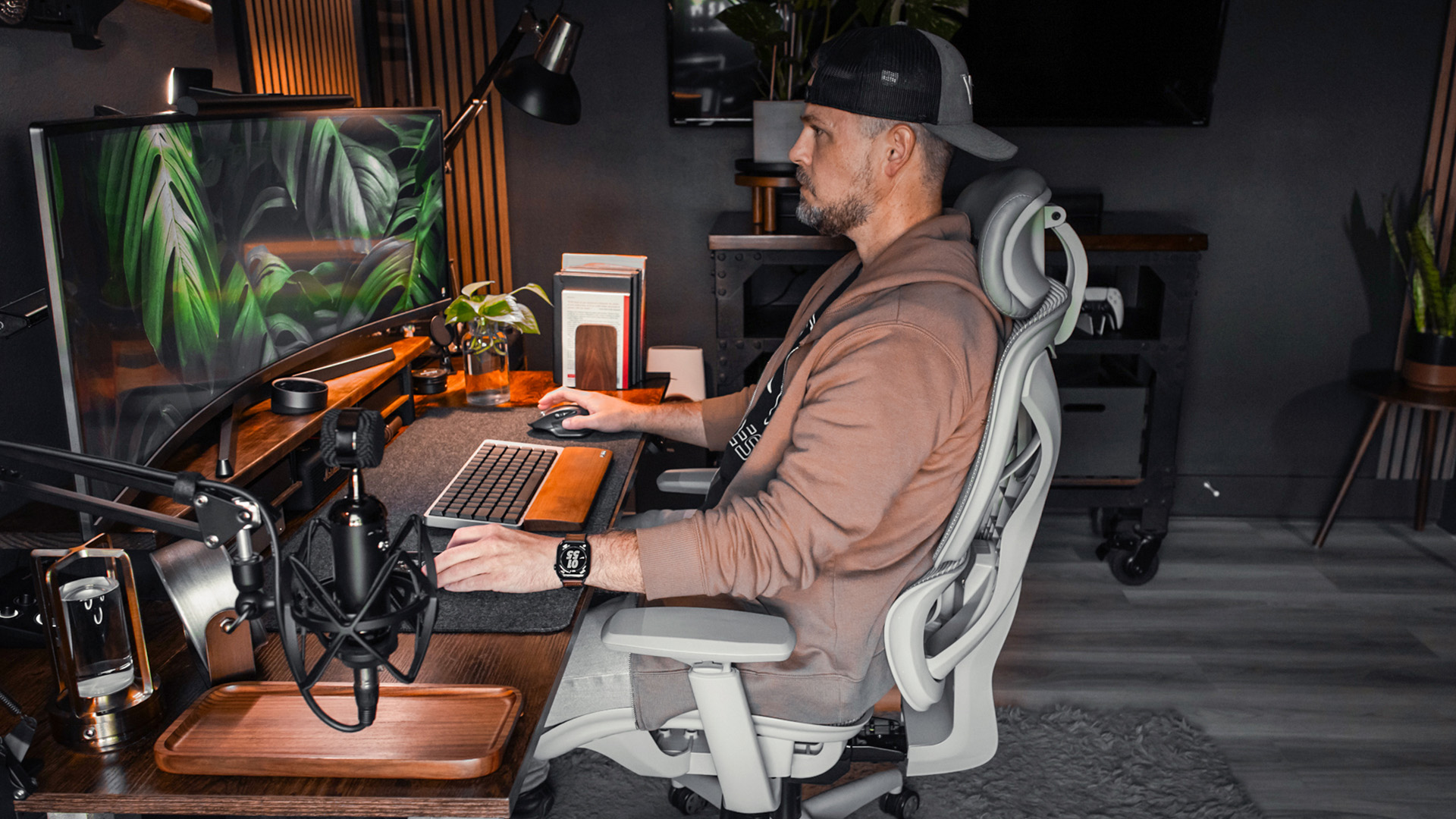
Pick by need. The Ultra 2 suits you if you shift position often and want support with nothing to set. The Pro fits you if you would rather tune one exact position and keep it. Choose the Mesh for a seat that breathes, the Ultra 2 Plus for a headrest, or the Core for solid support at the entry price.

Pick by need. The Ultra 2 suits you if you shift position often and want support with nothing to set. The Pro fits you if you would rather tune one exact position and keep it. Choose the Mesh for a seat that breathes, the Ultra 2 Plus for a headrest, or the Core for solid support at the entry price.

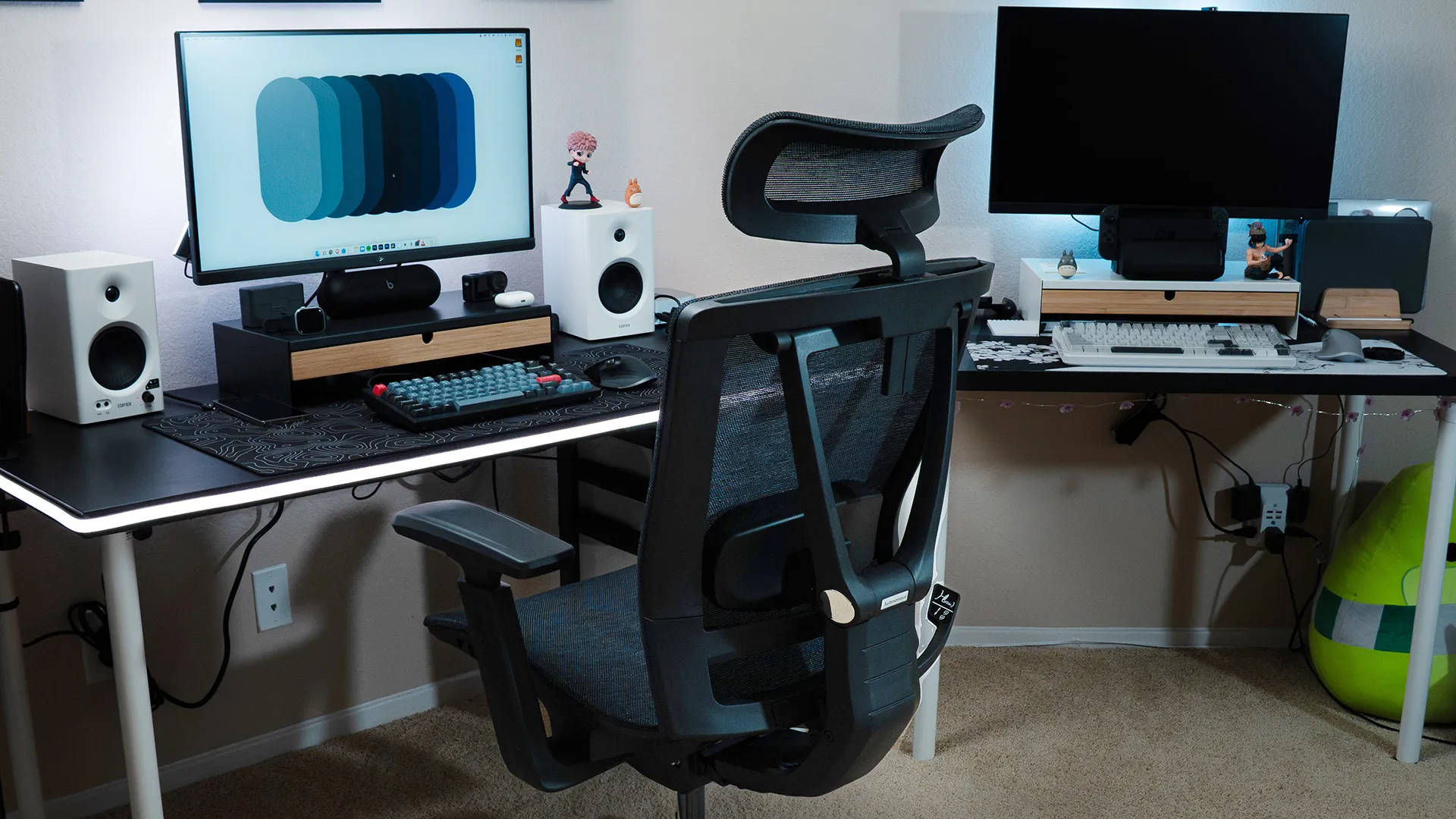
It comes down to the back. The Ultra 2 is lumbarless with an aluminium base, so its exoskeleton frame flexes to support your whole spine with nothing to set. The Pro has an adjustable lumbar pad you slide to your preferred spot. Both share Italian synchro-tilt, a mesh back, and a lifetime frame warranty.

The seat. Both are the same nine-point adjustable chair with a sliding lumbar pad, synchro-tilt, and a lifetime frame warranty. The Pro has a contoured foam seat, while the Mesh swaps in an air-mesh seat that breathes. Choose the Mesh if you run warm or sit in a hot room, the Pro if you prefer a firmer cushioned seat.

Set it from the ground up. Seat height first, feet flat with knees level to your hips. Then seat depth, two or three fingers between the seat edge and the back of your knees. Set the backrest and lumbar to meet the curve of your lower back, then the armrests so your shoulders relax and forearms rest level. Tune tilt tension last.

The ErgoChair Pro is the fit at six feet. It reaches a 6'3" range and has the tallest backrest in the line at 28 to 31 inches, so your shoulders and upper back stay supported. The seat raises to 22 inches and it rates to 300 lbs. The Ultra 2 works too, topping out at a 23-inch seat.

The Ultra 2 fits a smaller frame best, because it adjusts down the furthest in the line: an 18-inch seat, an 18-inch depth that won't catch behind your knees, and armrests from 7 inches. Add a footrest to keep your feet flat and the fit is locked in from your first sit.

At 200 lbs every Autonomous chair clears your weight, so pick on fit and budget instead. The Pro gives you a tune-once adjustable fit, the Ultra 2 flexes with you as you move, and the Core covers the basics at the entry price. Any of the three is a solid match.

The ErgoChair Pro is rated for 300 lbs, with a nine-point adjustable fit and the tallest backrest in the line. If you want headroom above 300, the Ultra 2 is built to 320 lbs. Both carry a lifetime frame warranty.

The ErgoChair Pro handles 250 lbs comfortably at its 300 lb rating, with room to spare and a fit you can tune to your body. If you prefer a seat that breathes, the Mesh shares the same 300 lb rating.

Heat. Over a long session the back of a foam-and-fabric chair traps body heat against your spine, and mesh vents it. The other reason is structure: mesh holds its shape over years of daily use, while foam-backed chairs eventually pack down. The seat is contoured foam on the Pro and four-layer construction on the Ultra 2, where pressure relief matters more than airflow.

The frame carries a lifetime warranty on the Ultra 2, Ultra 2 Plus, Pro, and Mesh, and a two-year warranty on the Core. The mechanism, casters, and upholstery have separate coverage. See the Warranty Policy for the full terms.

30 days in the US, 15 days in Canada and the EU. Try it in your workspace, if it doesn't fit, send back to us. Full terms are in the Trial & Return Policy.

Yes. All models qualify through Truemed. With a letter of medical necessity, the pre-tax saving works out to around 30%. See our HSA/FSA page for details.

10 to 15 minutes for one person. No special tools, everything needed ships in the box. Video walkthroughs are above on this page.

About Autonomous ergonomic chairs

Most office chairs fail in one of three ways: the foam packs down and stops supporting you within a year, the gas cylinder sinks so the seat won't hold its height, or the mesh sags out of shape. We engineered against those three. Every chair is built to 100,000 load cycles: the seat, the tilt mechanism, and the gas lift tested together, not one part in isolation. The ErgoChair Ultra 2 goes furthest, with a reinforced aluminium 5-star base instead of nylon, and its CAD is open source on GitHub. The work behind our backrests is documented in our ergonomics research. You can read the design instead of trusting a spec sheet.

Who an Autonomous chair is for

Our office chairs are for people who sit for the long stretch: deep work, building, writing, coding, the sessions measured in hours rather than minutes. They are built for the eighth hour, not the first. The payoff over a long day is less load on your lower back and a posture you can hold without shifting around to get comfortable.

What to look for in an ergonomic office chair

A good ergonomic office chair earns the name through fit and build. Every Autonomous chair is a posture chair at heart and a reclining office chair too, from the Pro's five locked recline points to the Core's deep, easy tilt for real breaks. Each one sets to your body with adjustable height, adjustable seat depth, and adjustable arms, and the Pro and Mesh add adjustable lumbar support with a pad that slides to the spot your lower back wants. The frames are heavy duty, cycle-tested to hold their height and shape for years, and the flagship models carry a big and tall office chair rating for larger builds. If you are a shorter person, the Ultra 2 sets its seat the lowest of the line. The comparison page lays the choices out side by side.

How we think about pricing

There are three rough tiers in the office chair market. Big-box chairs under $200 lean on thin padding and nylon bases that wear out fast. Premium ergonomic brands run $1,000 to $1,800, where the engineering is real but a share of the price is the name on the back. Autonomous holds the same engineering bar across everything in between. If you are shopping for an office chair under $300, the Core brings a dual backrest, breathable mesh, and multi-point adjustment into a bracket that usually ships bare, which is why buyers comparing the best office chairs around $300 keep landing on it. Move up to the $500 range and the flagship models add a lumbarless flex-frame or a nine-point sliding-lumbar fit, plus 3D or 4D armrests, so a $500 office chair here reads closer to the premium tier than the middle one. What you never pay for is the badge. We publish the recline range, the cycle count, and the weight rating instead of hiding them.

Last updated July 2026.