How Much Does an AI Robot Actually Cost You in 2026?

An AI robot can cost anywhere from about $20 for a toy to well over $150,000 for an industrial machine, so the honest answer is that it depends entirely on what kind you mean. A desk companion is a few hundred dollars, a robot dog is a few thousand, and a full-size humanoid is the price of a car or a house. This guide breaks the price down by type, shows what you get at each level, and covers what it costs to build your own.
How much does an AI robot cost
An AI robot costs from about $20 for a toy to over $150,000 for an industrial machine. Most consumer AI robots that see, hear, and talk land between $300 and $1,500, robot dogs start near $1,600, and humanoids begin around $20,000. Here is the full map, with real prices at each level.
| Type of AI robot | Typical price | Examples |
|---|---|---|
| Toy and entry robot | $20 to $200 | WowWee Dog-E ($80), simple companion pets |
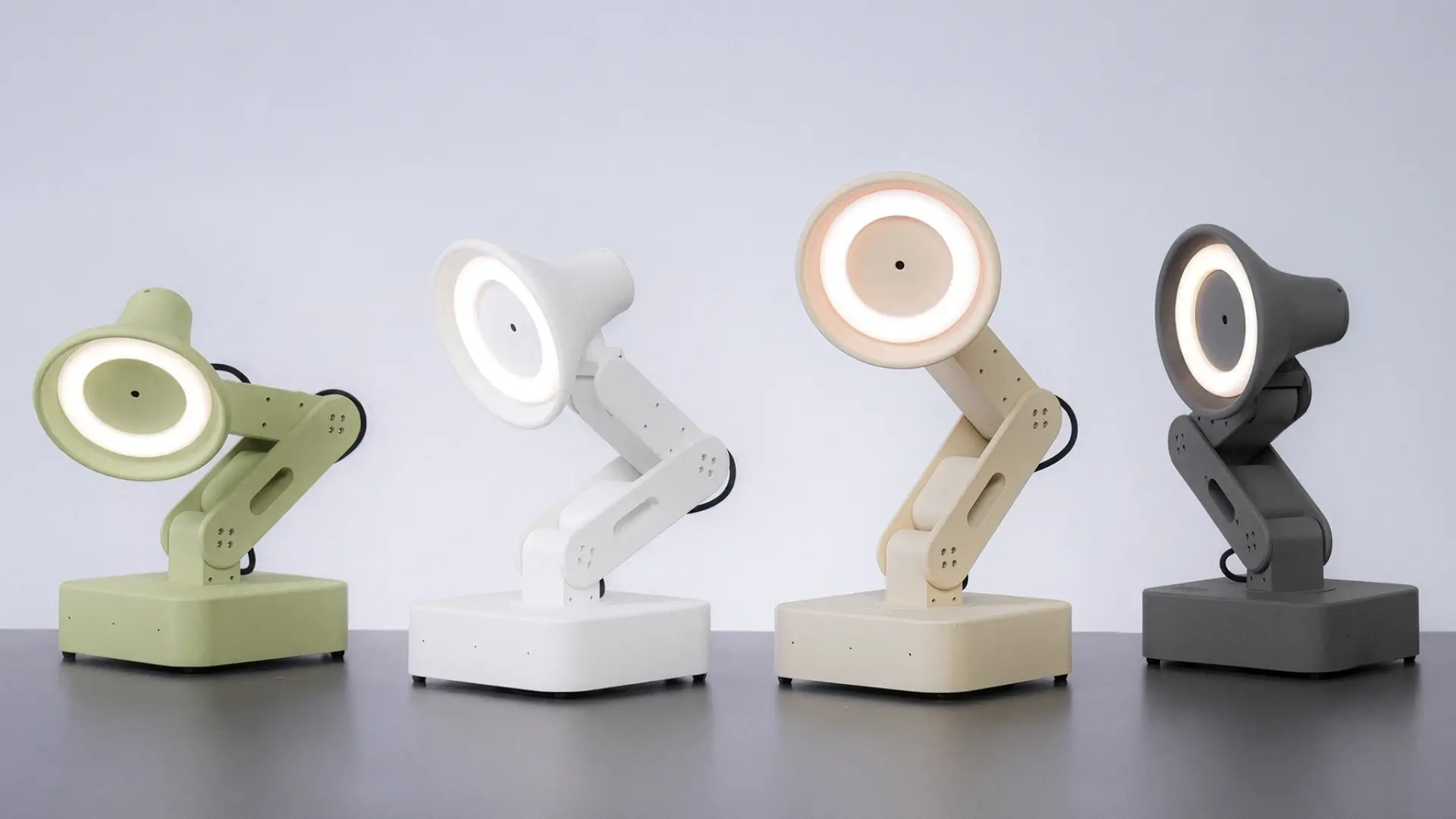
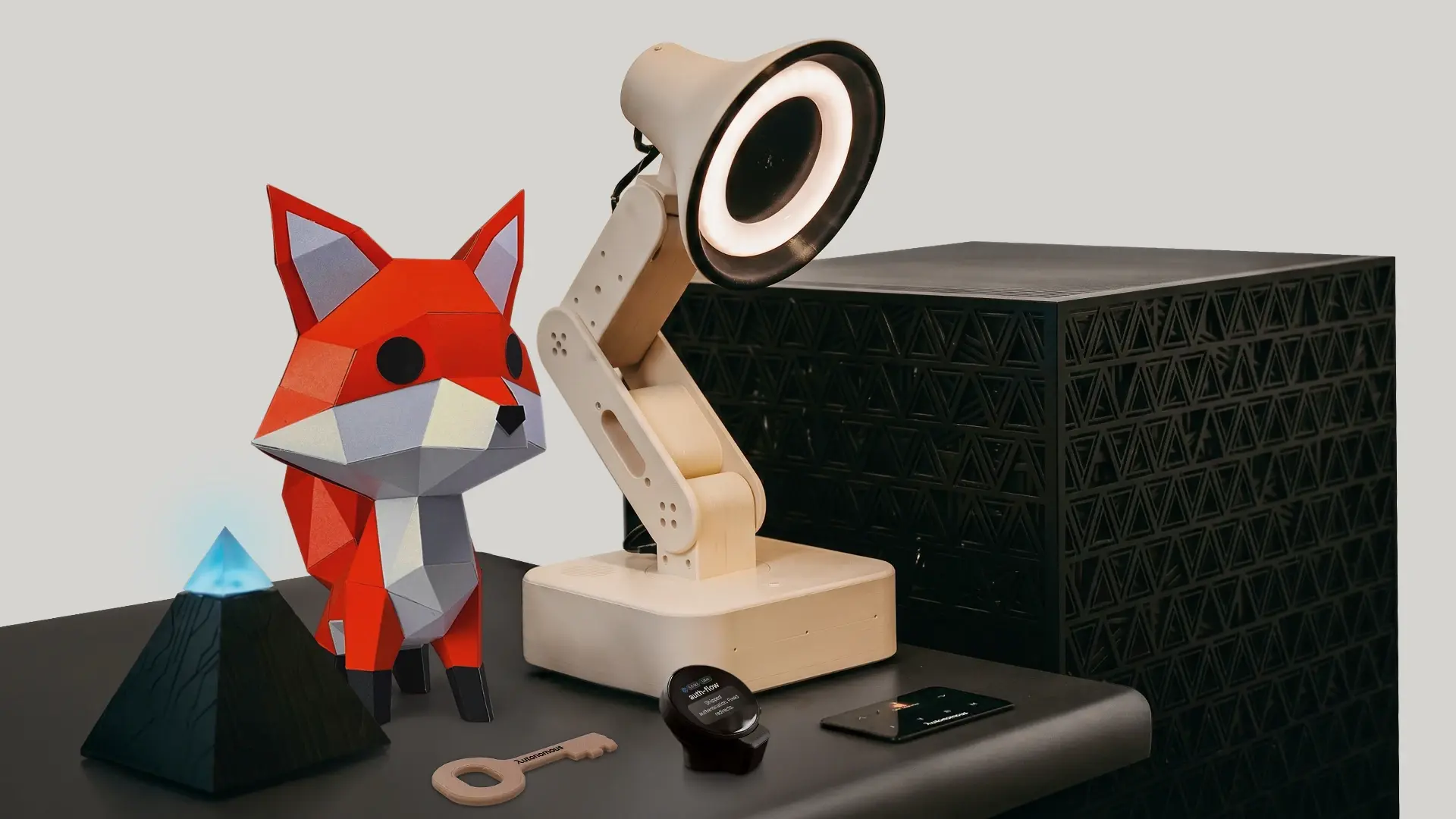
| Desk and companion robot | $300 to $1,500 | EMO, Reachy Mini ($399), Microduck ($399), Loona ($499), Autonomous Lamp ($499) |
| Premium companion | $1,500 to $3,000 | Ongo (~$1,499), Sony Aibo ($2,899) |
| Robot dog for developers | $1,600 to $4,500 | Unitree Go2 (from $1,600), Deep Robotics Lite3 ($2,890) |
| Entry humanoid | $5,000 to $20,000 | Unitree R1 ($5,900), education kits, Reachy 2 (~$20,000) |
| Business humanoid | $20,000 to $150,000 | Tesla Optimus, Figure, Apptronik |
| Industrial and inspection | $15,000 to $200,000+ | Boston Dynamics Spot ($75,000+), Agility Digit (~$250,000 pilots) |
The pattern is simple: the more a robot moves, senses, and thinks on its own, the more it costs. A robot that sits on your desk and talks is cheap. A robot that walks across a warehouse and makes its own decisions is not.
1. Toy and entry robots, $20 to $200
At this price you get a fun robot toy, not a real AI robot. These are things like WowWee's Dog-E, simple robot pets that react to touch and make sounds but do not truly see, think, or learn. They make good gifts and are fine for kids, but treat the very cheap AI-robot ads with caution, since the AI is usually thin.
2. Desk and companion robots, $300 to $1,500
This is the sweet spot for a real consumer AI robot, and where most home buyers should look. For a few hundred dollars you get an AI desk robot that sees, hears, talks, and in the better ones runs an agent that does small tasks, like the open Reachy Mini and Microduck at $399, or Loona at $499. It will not walk around, but it does the AI part for real.
3. Premium companions, $1,500 to $3,000
Spend more and you get a polished, big-brand companion. Sony's Aibo, around $2,899, is the clearest example, a robot dog with years of refinement that learns and forms a personality. You are paying for finish, brand, and a mature ecosystem rather than raw new capability, so this tier is about polish more than power.
4. Robot dogs for developers, $1,600 to $4,500
This is where robots start to truly walk. A Unitree Go2 from about $1,600, or a Deep Robotics quadruped, gives you a four-legged robot that climbs stairs, crosses rough ground, and navigates on its own. These are aimed at developers, researchers, and businesses, since a walking robot can do jobs a desk robot cannot touch.
5. Humanoid robots, $5,000 to $150,000
Humanoids are still mostly for business and research, and the price swings enormously. A low-cost model like Unitree's R1 starts near $5,900, while full-size humanoids from Figure, Tesla, or Apptronik run into the tens or hundreds of thousands, and are often rented rather than sold. At this level you are ordering through a sales team, not shopping.
6. Industrial robots, $15,000 and up
Industrial robots are the workhorses that run factories, from AI-driven arms to inspection robots like Boston Dynamics' Spot at about $75,000. Prices climb with capability, size, and support, and the full cost of owning one, with installation and maintenance, is higher still. These are bought by businesses, not individuals.
What makes one AI robot cost more than another
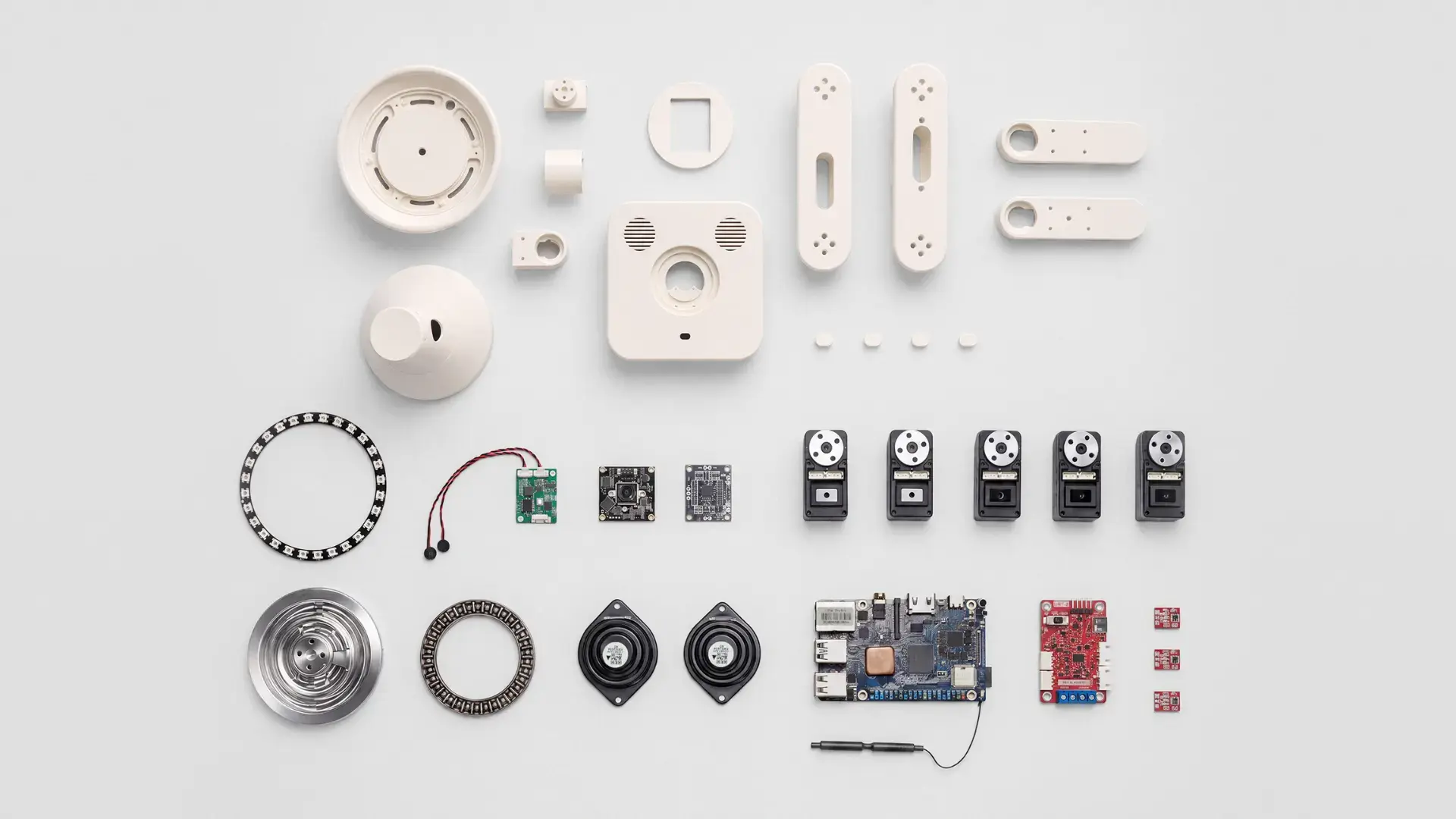
We build a consumer AI robot ourselves, so here is what drives the price from the inside: the motors are usually the single most expensive part, good sensors come next, and the onboard computer that runs the AI costs more than most people expect. A robot that only sits and talks can skip most of that, which is why the desk tier stays cheap while anything that walks climbs fast.
The price of an AI robot comes down to a few things, and legs are the biggest one. A robot that walks needs far more motors, sensors, and computing than one that stays put, which is why a desk companion costs a few hundred dollars and a walking robot costs a few thousand. Beyond movement, the things that push the price up are:
- How much it does on its own, since real autonomy needs better sensors and processors.
- The number and quality of its motors, which are often the most expensive parts.
- Its sensors, from a single camera on a cheap robot to lidar and depth cameras on a costly one.
- Build quality and support, since a robot meant for daily work costs more than a toy.
How much does it cost to build an AI robot
Building your own AI robot can cost as little as $100 or as much as a few thousand, depending on how much you buy versus make. The cheapest path is an open-source AI desk robot kit you assemble yourself, and prices there start low: a StackChan is around $99, a Petoi Bittle around $259, and open robots like the Reachy Mini or Microduck run about $399.
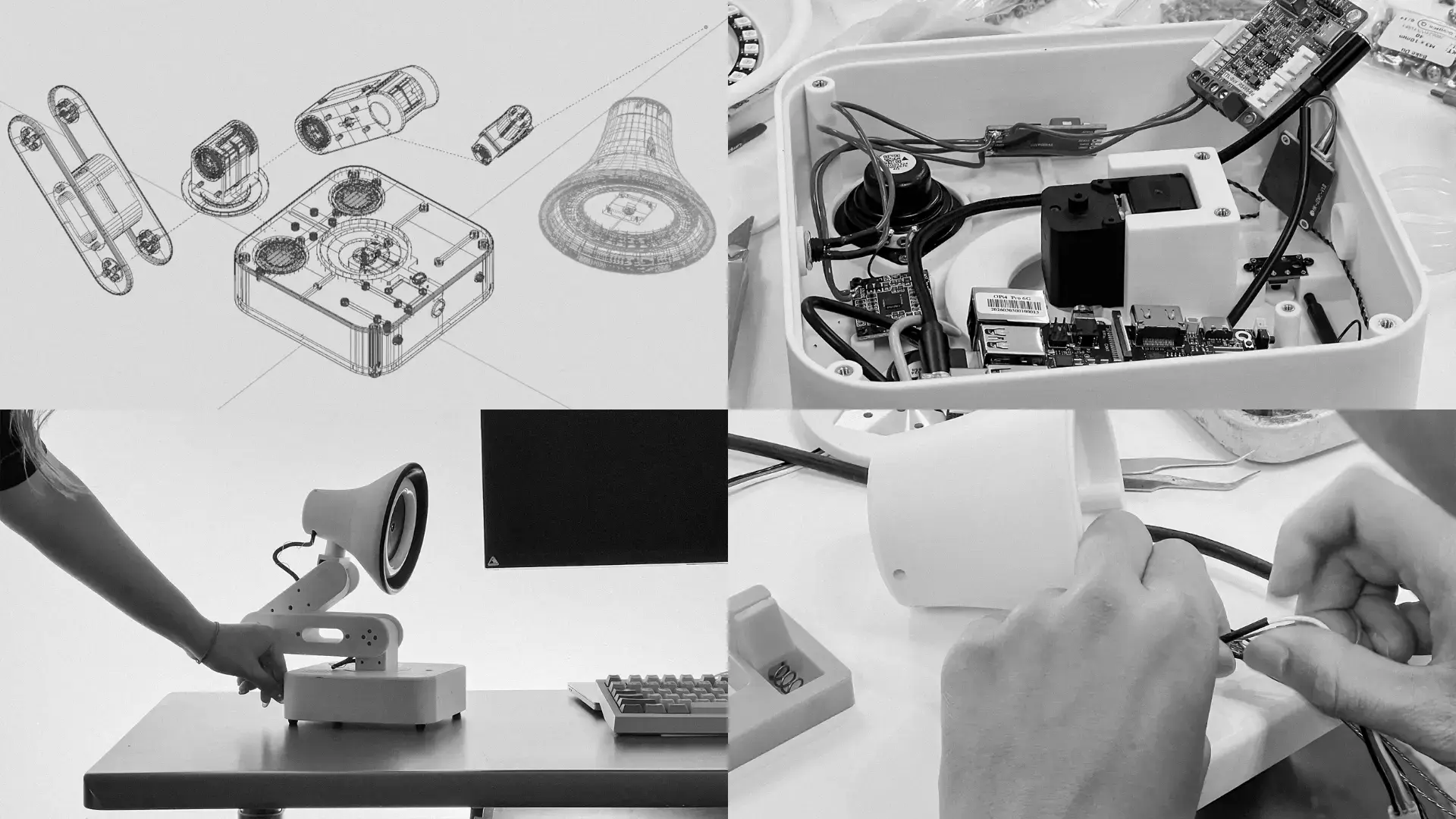
If you build fully from parts, you are buying a small computer like a Raspberry Pi, a set of motors, a camera, and a speaker, then wiring them together and adding the AI yourself. Parts for a simple desk robot land somewhere between $100 and $500, and the real cost is your time. You also pay for the AI itself, since most builds call a cloud model, and those fees add up with heavy use.
Building a full AI robot from scratch as a company is a different scale entirely. With custom hardware, trained AI models, sensors, and integration, a ground-up commercial build runs from roughly $250,000 into the millions, which is why most businesses buy a finished robot instead.
The costs the sticker price hides
The price on the page is rarely the price you pay, especially higher up the range. On top of the robot itself, plan for a few extra costs that catch people out:
- Shipping, freight, and import duty, which can add hundreds of dollars on a robot dog.
- Subscriptions, since some robots charge monthly for their AI features.
- Maintenance and repairs, which matter most on expensive walking robots.
- Setup and learning time, which is free in dollars but real in hours.
For a cheap desk robot none of this matters much. For a robot dog or a humanoid, it can add a lot, so it is worth asking before you buy.
FAQs
How much do AI robots cost on average?
Most consumer AI robots cost between $300 and $1,500, which covers desk companions that see, hear, and talk. Below that are toys under $200, and above it are robot dogs from about $1,600 and humanoids from $20,000 up. The average depends heavily on whether you want a companion, a walker, or a worker.
What is the cheapest AI robot?
The cheapest real AI robots are small desk companions and kits starting around $99 to $400, such as a StackChan kit or an open robot like the Reachy Mini or Microduck. Below $99 you mostly find simple toys, not genuine AI robots, so treat the very cheap viral ads with caution.
How much does it cost to build an AI robot?
Building an AI robot costs roughly $100 to $1,500. An open-source kit you assemble starts around $99 to $400, while building fully from parts means buying a small computer, motors, a camera, and a speaker, usually $100 to $500 for a desk robot. You also pay ongoing fees for the AI model it uses.
Why are some AI robots so expensive?
AI robots get expensive when they move and think on their own. Walking robots need many precise motors, rich sensors like lidar, and strong onboard computing, all of which cost a lot. A humanoid also carries heavy research, testing, and support costs, which is why prices climb into the tens or hundreds of thousands.
Conclusion
The cost of an AI robot is really a question about what you want it to do. If you want a companion on your desk that sees, listens, and helps, a few hundred dollars now buys a capable one. If you want a robot that walks or works, expect to pay thousands or far more. Decide the job first, match it to the right price band, and remember to add the shipping, subscriptions, and time that the sticker price leaves out.