The 5 Best Orthopedic Office Chairs 2026

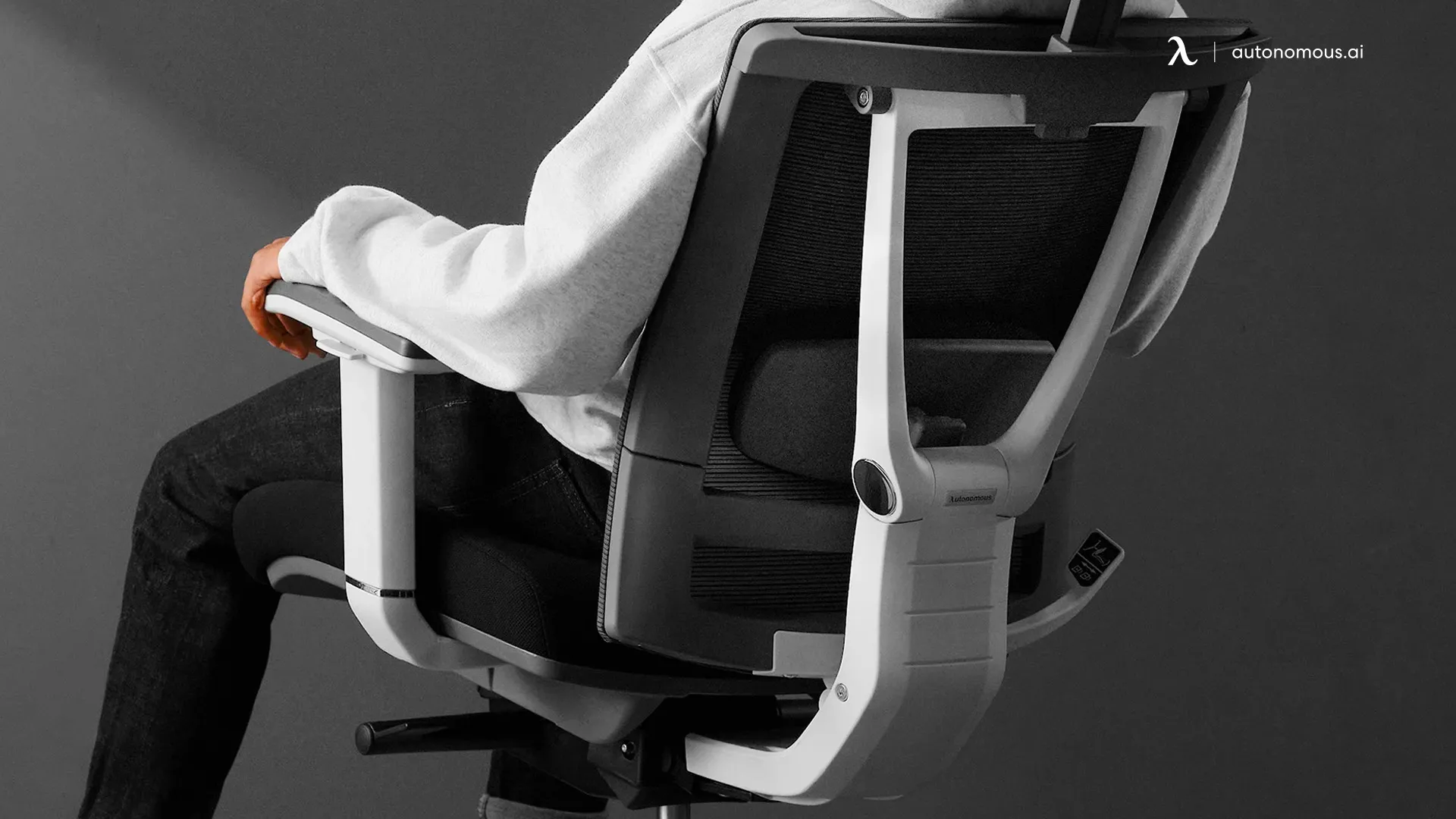
The best orthopedic office chair for most people is one with adjustable lumbar support you can fit to your lower-back curve, an adjustable seat depth, and a supportive recline. No chair cures back pain on its own - surgeons agree fit and movement matter more than any single model - but the right one takes real pressure off your spine during long hours of sitting. Among the picks below, the ErgoChair Pro is the best value for adjustable lumbar support, the Haworth Zody is the choice for detailed, personalized support, and the ErgoChair Ultra 2 is the best option for people who dislike fixed lumbar pressure.
Orthopedic Chair Comparison Table
Here is a quick-glance comparison of all five picks by support type, capacity, and price. All prices and specs change periodically, so check the product page before buying.
Chair | Best for | Lumbar support | Weight capacity | Price |
ErgoChair Pro | Value + adjustable lumbar | Adjustable cushion + tension | 300 lbs | $499 |
ErgoChair Mesh | Airflow + lumbar | Flexible sliding cushion | 300 lbs | $499 |
ErgoChair Ultra 2 | No fixed lumbar / movement | Lumbarless flex frame | 320 lbs | $449 |
LiberNovo Omni | Dynamic, feature-rich | Motorized (horizontal only) | 300 lbs | ~$1,099 |
Haworth Zody | Personalized, high capacity | Asymmetrical (independent sides) | 350 lbs | ~$916 |
What Makes a Chair "Orthopedic"?
An orthopedic office chair is a chair designed to relieve or manage existing back, hip, or joint pain through firm, targeted support. It is worth knowing that "orthopedic" is not a regulated medical label, so most chairs sold this way are simply high-support ergonomic chairs. The full breakdown of how orthopedic and ergonomic chairs differ covers where the two overlap. What matters for back pain is not the label but the support features, which we cover next.
What Experts Say Actually Matters
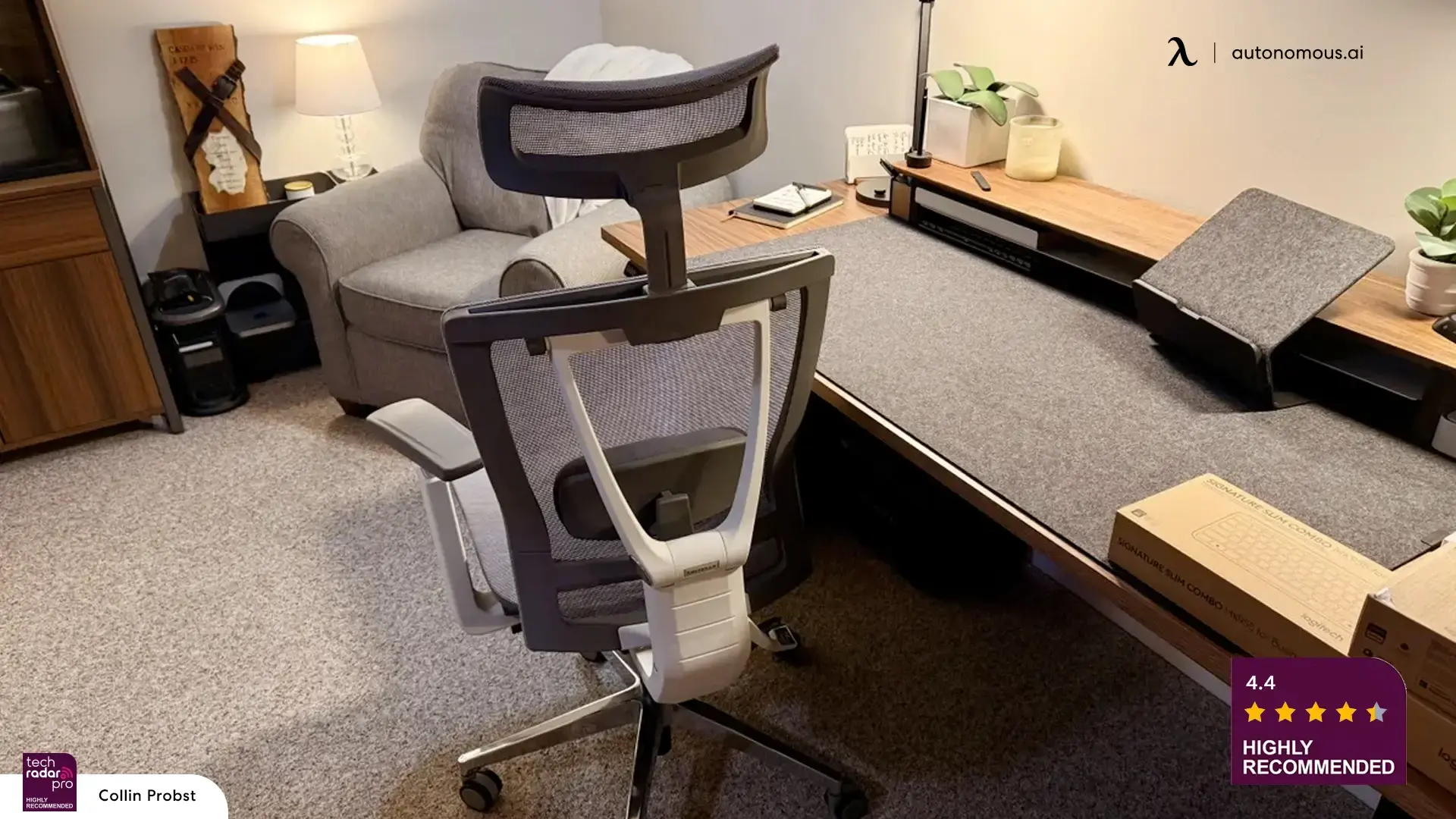
The single most important thing to know is that no chair treats back pain by itself. An orthopedic spine surgeon interviewed by CNN Underscored explained that no office chair has been shown to prevent or treat back pain better than another, and that what matters most is how well a chair fits your body and whether it lets you adjust and move through the day. He also noted that the most common cause of back pain is sitting still for hours at a time.
So the goal is a chair that fits your body and keeps you moving, not one that locks you into a "perfect" posture. With that in mind, here are the features to prioritize.
What to Look For in an Orthopedic Chair
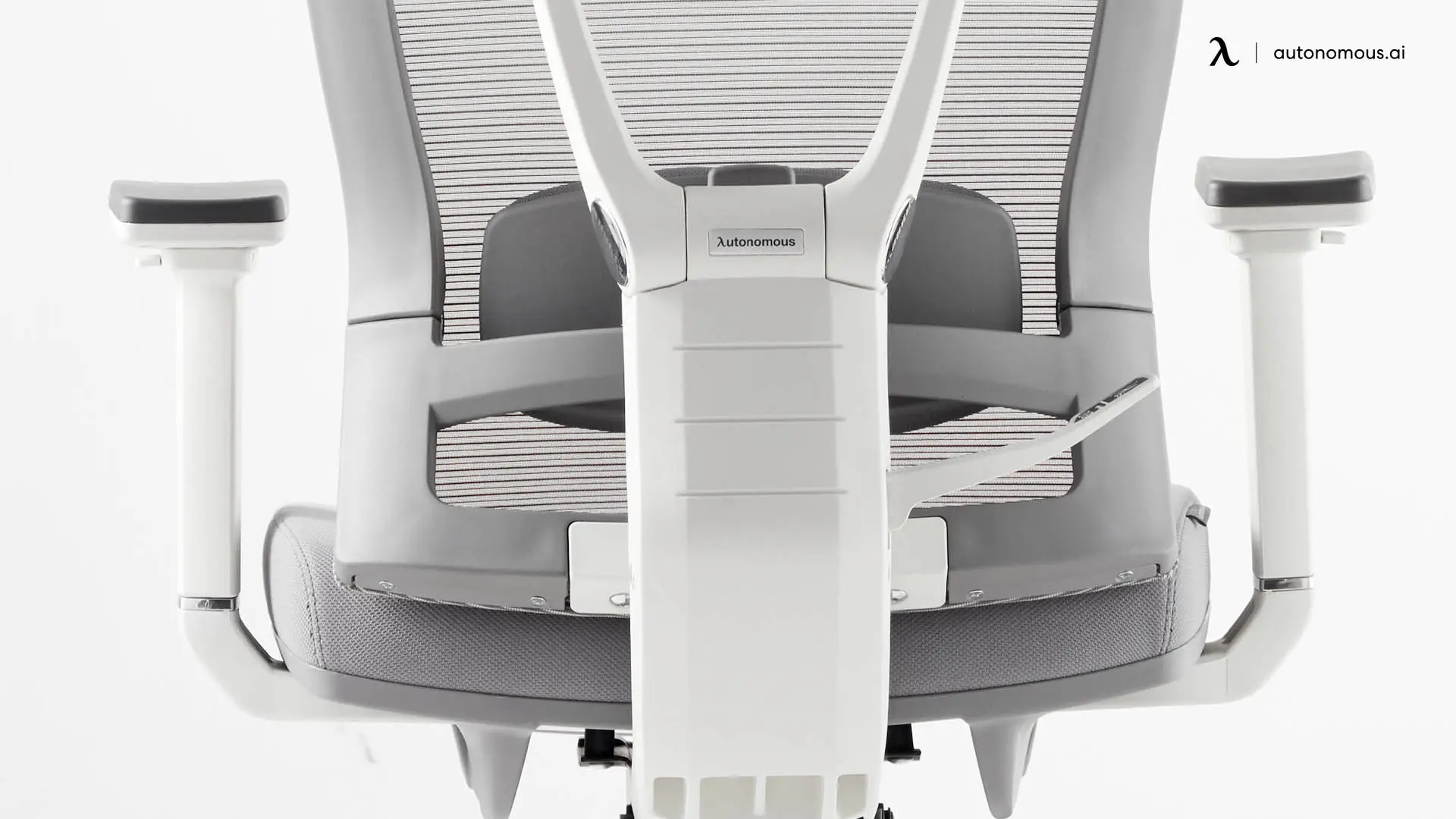
The most important feature in an orthopedic chair for back pain is adjustable lumbar support that matches your lower-back curve. A spine surgeon consulted by Forbes recommends starting there, then adding a headrest to keep the neck neutral, armrests set so the elbows rest near 90 degrees, and a recline of roughly 100 to 110 degrees. Use this checklist:
- Adjustable lumbar support. The top priority. It should move up and down, and ideally in and out, to fit your spine.
- Adjustable seat depth. Leaves two to three fingers between the seat edge and the back of your knees, so your thighs are supported without pressure.
- Recline and tilt lock. Lets you shift posture and take load off spinal discs through the day.
- Adjustable armrests. Support your shoulders and upper back; 3D or 4D arms adjust in height, width, and angle.
- Breathable, firm materials. Mesh keeps you cool; firm foam holds its shape instead of sagging.
If tailbone or nerve pain is your main issue, an orthopedic seat cushion adds relief on top of any chair.
The 5 Best Orthopedic Office Chairs for Back Pain
Below are the picks, starting with the strongest values and moving through premium and specialty options. Prices are in the comparison table above.
1. ErgoChair Pro - Best Value for Adjustable Lumbar
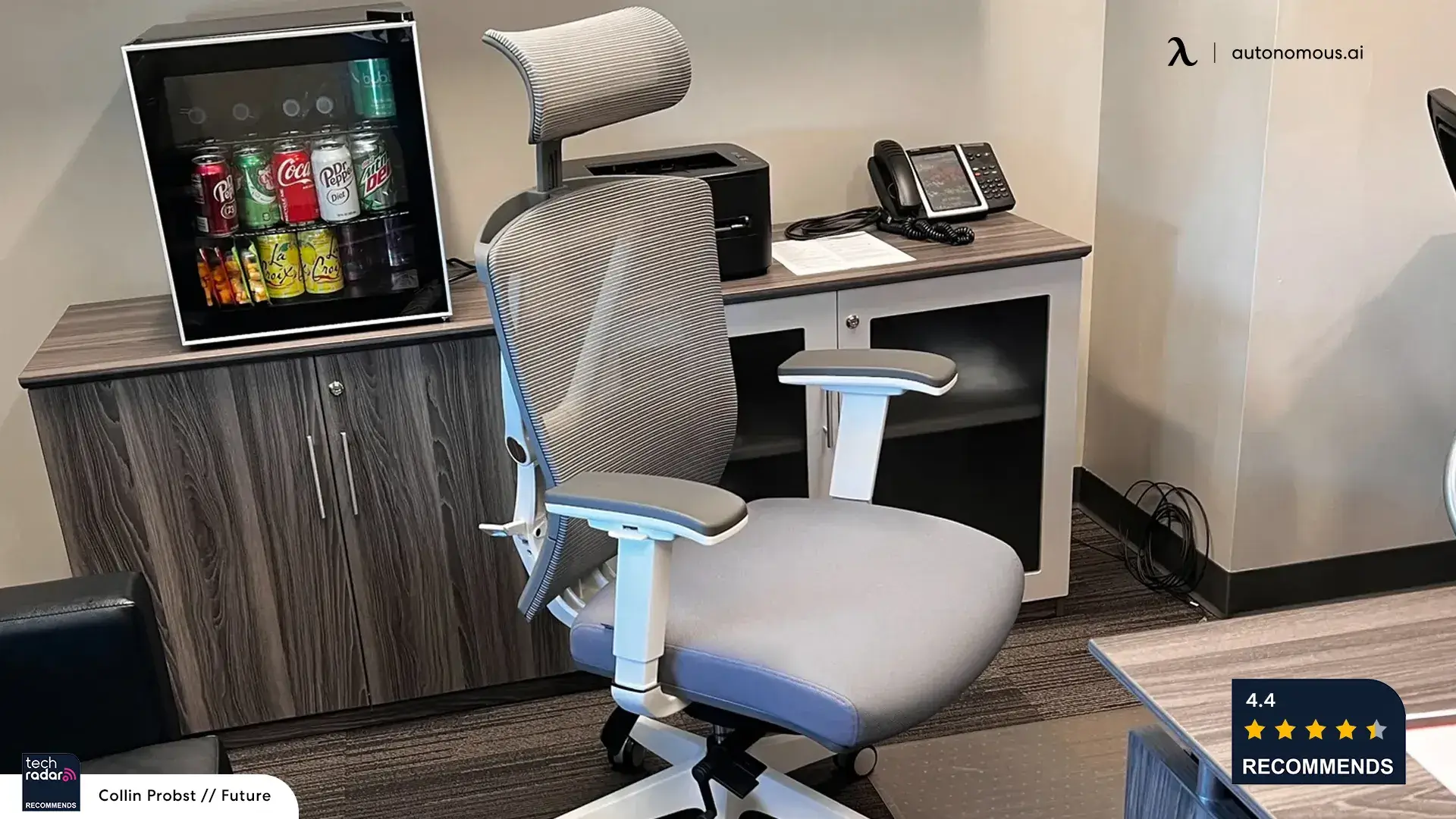
The ErgoChair Pro is a dependable everyday office chair for anyone who wants adjustable lumbar support at a mid-range price. It pairs an adjustable lumbar cushion with a tension crank, nine adjustment points, a synchro-tilt recline that keeps the seat level as the back leans, and a breathable woven mesh back, and it supports up to 300 lbs. For a reader with occasional to moderate lower-back stiffness, that combination covers the essentials without a premium spend.
Independent reviewers back up the everyday-support value but flag one caveat for long sessions. TechRadar called the Pro highly adjustable and comfortable enough that its reviewer kept it as a daily driver for over a year. Tom's Hardware agreed it "supports the back well" for most people, but noted the firm mesh seat is less comfortable over very long stretches and that the lumbar does not adjust for height - worth knowing if you are tall or need a fixed lumbar height. Best for small-to-average builds who sit long hours and want solid support on a budget.
2. ErgoChair Mesh - Best for Airflow Plus Lumbar Support
.jpg)
The ErgoChair Mesh is the pick if you run hot and still want real lumbar support. Its flexible Back Fit lumbar cushion slides up and down to follow your spine, its Ultra Air Mesh back is built to move air rather than trap it, and it offers nine adjustment points plus a 2:1 synchro-tilt recline, with a 300 lb capacity. For back pain specifically, the sliding lumbar is the part that earns its place here.
This is the Autonomous chair reviewers rate most highly for support. TechRadar gave it a "Recommended" award and singled out its "strong lumbar support with a flexible cushion," reporting that its tester sat in it for nine-plus hours with a supportive, pressure-point-free seat and that the integrated lumbar noticeably reduced lower-body strain. Its main drawback is the premium price. Best for hot rooms and anyone who wants breathability without giving up lumbar adjustment.
3. ErgoChair Ultra 2 - Best for People Who Dislike Fixed Lumbar

The ErgoChair Ultra 2 removes the lumbar dial entirely. Instead of a cushion pressing into one spot, the whole backrest flexes with your spine using a TPE layer behind the mesh, and a high-density, multi-layer seat spreads weight off your sit bones, with support up to 320 lbs and fine tension control for recline. If you have ever found a fixed lumbar pad uncomfortable, this movement-based approach is the one to try.
Reviewers rate the comfort highly for all-day sitting. TechRadar gave the Ultra 2 a "Recommended" award, describing it as super comfortable with phenomenal airflow and ergonomic support, and praised the tension control for dialing in exactly how the chair reclines. Its noted drawbacks are armrests that could adjust further and, for this article's purpose, no fixed lumbar module - so people who need firm, targeted lower-back support should choose the Pro or Mesh instead. Best for people who want support through movement rather than a set lumbar cushion.
4. LiberNovo Omni - Best Dynamic Chair for the Money
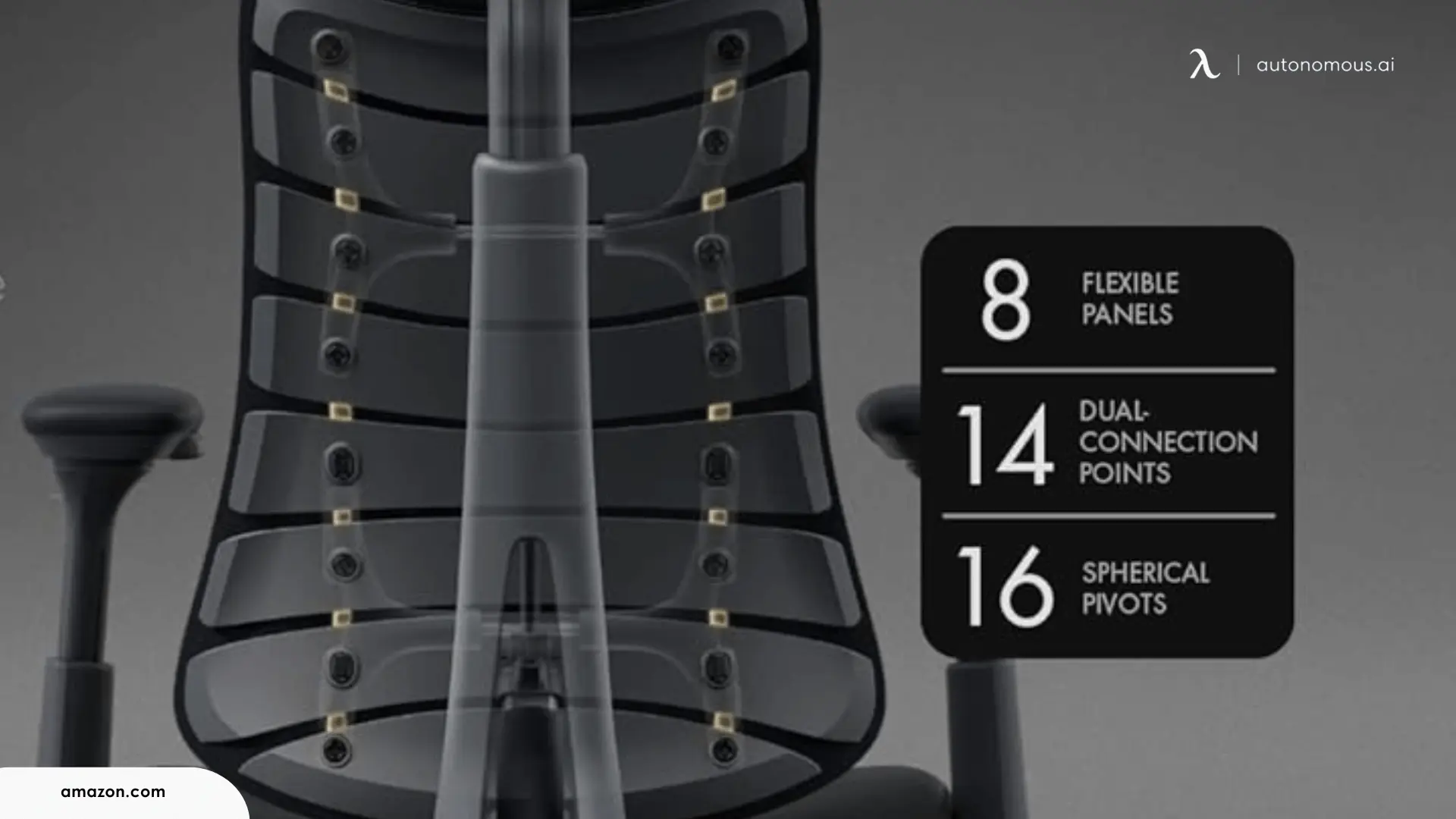
The LiberNovo Omni is a newer, motorized option for people who want high-end dynamic support at well below flagship prices. Its "Bionic FlexFit" backrest uses eight linked panels that move with your spine, a motorized lumbar system, and a five-minute "OmniStretch" back-stretch feature, along with a full 160-degree recline and 4D armrests. It began as a Kickstarter project that raised over $9 million, and it supports up to 300 lbs.
In hands-on testing, Tom's Hardware found the Omni very comfortable and praised its deep recline and stretch feature, calling it a strong value against $1,500 flagship chairs. Its reviewer also raised two honest cautions: the motorized lumbar adjusts only horizontally, not by height, and the electronics carry just a two-year warranty (versus five years on the frame), which leaves long-term durability unproven. Best for buyers who want a dynamic, feature-rich chair and accept some risk on a young brand.
5. Haworth Zody - Best for Personalized, Science-Backed Support
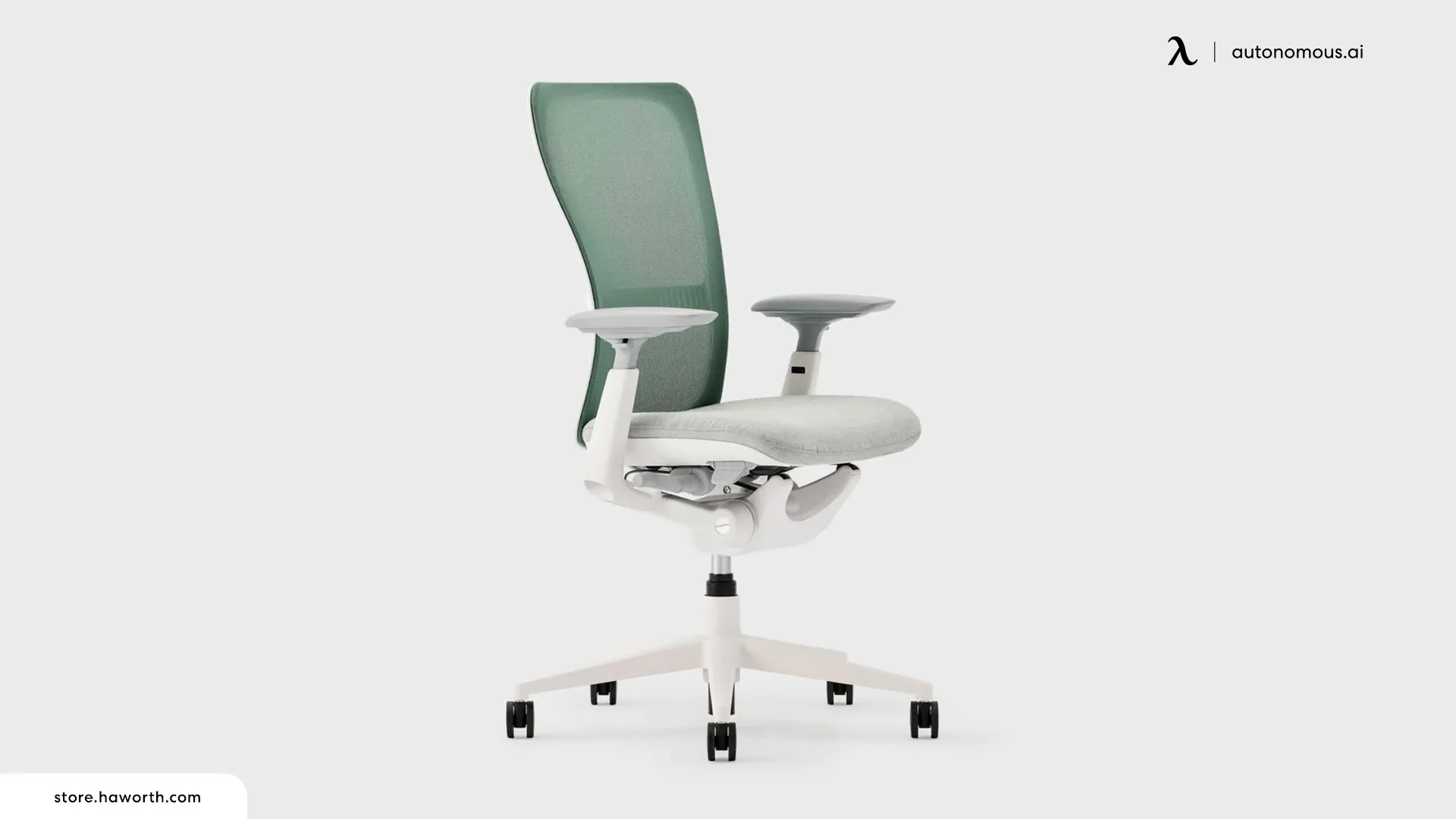
The Haworth Zody is a long-established ergonomic chair with unusually detailed back support, making it a strong orthopedic choice for people who want to fine-tune the fit. It was the first chair to offer asymmetrical lumbar support, meaning you can adjust the left and right sides of your lower back independently, and it adds pelvic support, a three-point tilt, 4D arms, and adjustable seat depth. It carries a 12-year warranty, supports up to 350 lbs, and holds GREENGUARD Gold and Cradle to Cradle certifications for low emissions and sustainability.
Pros: highly personalized lumbar support, very high weight capacity, long warranty, ships fully assembled. Cons: premium price, and the many adjustments take time to learn. Best for people who want research-backed, customizable support and a chair that will last many years. Notably, its 350 lb capacity is higher than any current Autonomous chair, so it is also a strong pick for larger users.
Matching a Chair to Your Specific Pain
The best orthopedic chair depends on where your pain actually is:
- Sciatica sends nerve pain down the leg, and chairs that relieve sciatica pressure focus on cushioning that spot.
- Tailbone pain sits at the base of the spine, where chairs made for tailbone pain help most.
- Pain that runs from the lower back into the hips calls for chairs for hip and lower-back pain.
- Pelvic and lower-back pain often traces to the SI joint, which chairs for SI joint pain address directly.
Tips for Managing Back Pain While Sitting
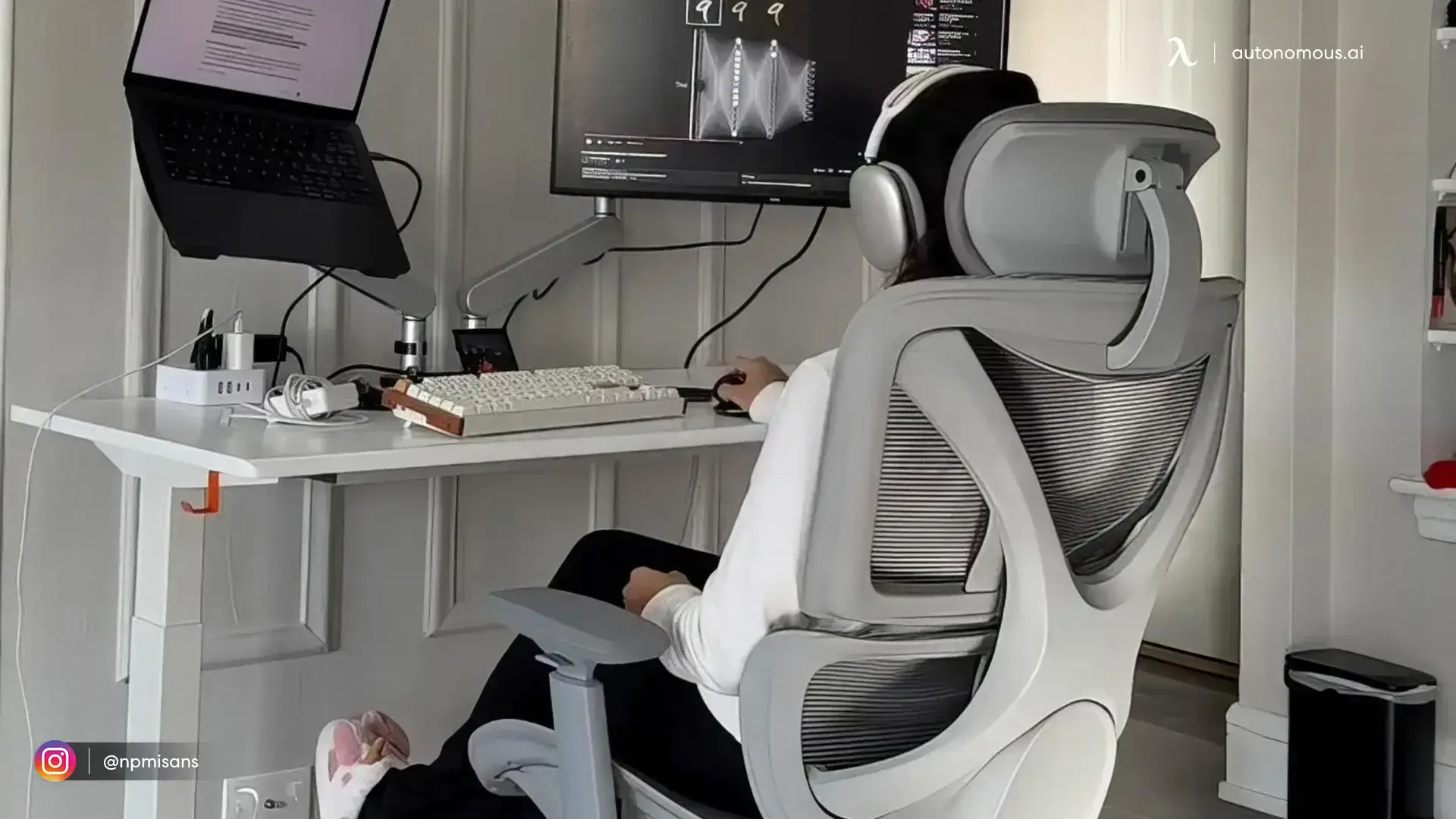
Even the best orthopedic chair works better alongside a few simple habits, because movement is what protects your spine. This is the same point the surgeons make: since sitting still for hours is a leading cause of back pain, no chair is a substitute for getting up and changing position regularly.
- Move every 30 to 60 minutes. Stand, stretch, or walk to reset circulation and take load off your discs.
- Alternate sitting and standing. A standing desk lets you switch positions without stopping work.
- Try active sitting. Small, ongoing movements keep your core and spine engaged - a habit known as active sitting.
- Set your posture. Sit fully back, keep feet flat with knees near 90 degrees, and set the monitor at eye level.
Frequently Asked Questions
What is an orthopedic office chair?
An orthopedic office chair is one designed to support the spine's natural curve and relieve pressure on the lower back, hips, and tailbone. It usually offers firm, adjustable support aimed at people managing existing pain. Because "orthopedic" is not a regulated term, most of these are high-support ergonomic chairs.
What is the best orthopedic chair for back pain?
The best orthopedic chair for back pain is one with adjustable lumbar support you can fit to your spine, an adjustable seat depth, and a supportive recline. Among the picks here, the ErgoChair Pro is the best value and the Haworth Zody offers the most personalized support. The right pick depends on your body and budget more than the brand.
Do orthopedic chairs really help with back pain?
Orthopedic chairs can reduce back pain by supporting proper posture and letting you adjust to your body. However, orthopedic surgeons note that no chair treats pain on its own; fit and regular movement matter more. A supportive chair works best combined with standing breaks and stretching.
What chair do chiropractors and doctors recommend?
Many recommend a highly adjustable chair with lumbar support you can match to your lower-back curve, adjustable seat depth, and a recline function. They rarely endorse a single brand, because the right chair depends on your body and condition. If you have a diagnosis, ask your provider which specific features to prioritize.
How much does a good orthopedic office chair cost?
A good orthopedic office chair ranges from around $300 for a solid adjustable model to well over $1,000 for premium chairs like the Haworth Zody or LiberNovo Omni. Mid-range chairs between $350 and $600 cover most people's needs. Higher price mainly buys durability, finer adjustments, and longer warranties.
Is an orthopedic chair worth it for home use?
An orthopedic chair is worth it for home use if you work or sit at a desk for several hours a day. The adjustability and lumbar support that reduce strain matter just as much at home as in an office. For occasional use, a well-adjusted ergonomic chair or a supportive seat cushion may be enough.
What is the best orthopedic chair for a small home office?
The best orthopedic chair for a small space is a compact, adjustable model without an oversized executive frame. A mid-back mesh chair like the ErgoChair Pro or Mesh fits tighter setups while keeping full lumbar adjustability. Measure your space and check the chair's overall dimensions before buying.
Can an orthopedic chair help with sciatica or tailbone pain?
Yes, an orthopedic chair with strong seat padding and adjustable lumbar support can relieve pressure linked to sciatica and tailbone pain. Pairing it with a cut-out or contoured seat cushion adds further relief. For targeted options, see the dedicated sciatica and tailbone guides linked above.
How long should you sit in an orthopedic chair each day?
Even in a supportive orthopedic chair, aim to stand or move every 30 to 60 minutes. Prolonged stillness, not just poor posture, is a leading cause of back pain. A good chair supports long sitting, but regular movement is what keeps your spine healthy.
What weight capacity do orthopedic chairs support?
Most orthopedic office chairs support around 300 lbs, with heavier-duty models rated higher. Among these picks, the Autonomous chairs support 300 to 320 lbs, while the Haworth Zody supports up to 350 lbs. Always check a chair's stated capacity and seat dimensions for a proper fit.
The Bottom Line
A good orthopedic office chair supports your spine, adjusts to your body, and encourages movement - and that combination, not the "orthopedic" label, is what actually eases back pain. For most people, an adjustable chair with real lumbar support in the $350 to $600 range covers the essentials, while premium chairs mainly add durability and finer adjustment. Whichever you choose, match it to where your pain is, set it up correctly, and get up to move regularly. That is what keeps your back feeling better through the workday.
References
- CNN Underscored - "The best office chairs for back pain, according to orthopedic surgeons" (features Dr. Alexander Crawford, orthopedic spine surgeon, Mount Sinai Health System). https://www.cnn.com/cnn-underscored/home/best-office-chairs-back-pain
- Forbes Vetted - "The Best Office Chairs For Back Pain" (features Dr. Ehsan Jazini, spine surgeon, VSI). https://www.forbes.com/sites/forbes-personal-shopper/article/best-office-chair-for-back-pain/
- Tom's Hardware - "Autonomous ErgoChair Pro Review: Comfortable, but that's it" by Matt Keith, May 2026. https://www.tomshardware.com/peripherals/gaming-chairs/autonomous-ergochair-pro-review
- TechRadar - "Autonomous ErgoChair Mesh office chair review" by Collin Probst, Feb. 2025. https://www.techradar.com/pro/this-might-just-be-one-of-my-favorite-everyday-chairs-for-every-workspace-ive-ever-reviewed
- TechRadar - "Autonomous ErgoChair Ultra 2 office chair review" by Collin Probst, Mar. 2025. https://www.techradar.com/pro/autonomous-ergochair-ultra-2-office-chair-review
- Tom's Hardware - "Libernovo Omni Review: Too good to be true?" by Sarah Jacobsson Purewal, Nov. 2025. https://www.tomshardware.com/peripherals/gaming-chairs/libernovo-omni-review