


How Much Does an Office Chair Cost? Price Guide 2026

.webp)
An office chair costs anywhere from $50 to over $1,000, with most quality ergonomic chairs landing between $150 and $800 depending on materials, adjustability, and brand. A budget mesh chair for occasional use starts around $50, a solid full-time ergonomic chair runs $250 to $500, and premium models from established brands climb past $1,000. This guide breaks down office chair costs by category so you can see what each price tier actually buys and where your money is best spent.
Which Features Affect the Price of Office Chairs?
Four things drive most of an office chair's price: adjustability features, materials, warranty length, and brand. Feature set is the biggest single driver, since chairs with adjustable lumbar support, multi-directional armrests, seat-depth adjustment, and synchro-tilt have many engineered moving parts that each add cost. Materials set the baseline, with higher-grade mesh and metal bases costing more than budget foam and plastic. Warranty length reflects how long the maker expects the chair to last, and brand adds cost that does not always match added function. For a fuller breakdown of what each factor buys and where the brand markup hides, see why office chairs are so expensive.
How Much Does an Office Chair Cost by Type?
Office chair prices break down into clear tiers by category, from $50 budget chairs to premium and specialized models exceeding $1,000. The table below shows the typical range for each type and who it fits best, followed by a closer look at each category.
Office Chair Type | Price Range | Best For |
Budget Office Chair | $50-$150 | Part-time users or students |
Mid-Range Office Chair | $150-$400 | Full-time workers on a mid-range budget |
Premium Office Chair | $450-$1,000+ | Professionals needing long-hour support |
Ergonomic Office Chair | $200-$800+ | Remote workers prioritizing posture |
Gaming Chair | $100-$500+ | Gamers and hybrid users |
Conference Room Chair | $100-$500 | Collaborative workspaces |
Specialized Office Chair | Starting at $200 | Creative or medical professionals |
Active Stool | $145-$180 | Standing desk users, active sitters |
Saddle & Kneeling Chair | $100-$600+ | Minimalists and posture-focused users |
Armless Desk Chair | $80-$250 | Small spaces or minimalist setups |
Prices change periodically and vary by brand, materials, and sales. Use these as general ranges rather than fixed figures.
1. Budget-Friendly Office Chairs ($50-$150)
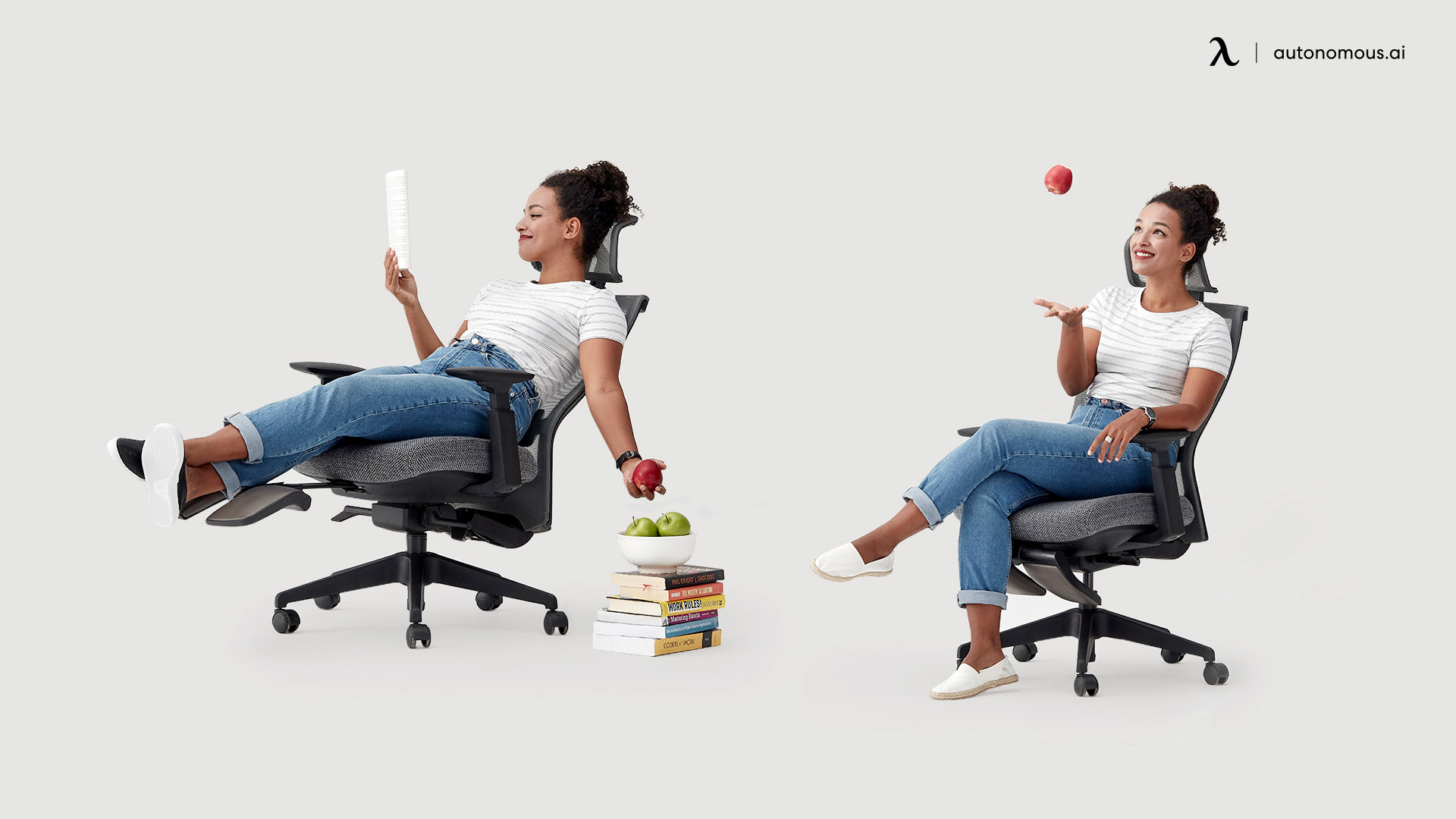
Budget office chairs cost $50 to $150 and offer basic support for short-term or occasional use. These are simple, functional chairs, usually entry-level mesh or compact fabric seats, that cover the essentials without extensive ergonomic features. They suit students, part-time work-from-home setups, and small home offices where affordability comes first.
2. Mid-Range Office Chairs ($150-$400)
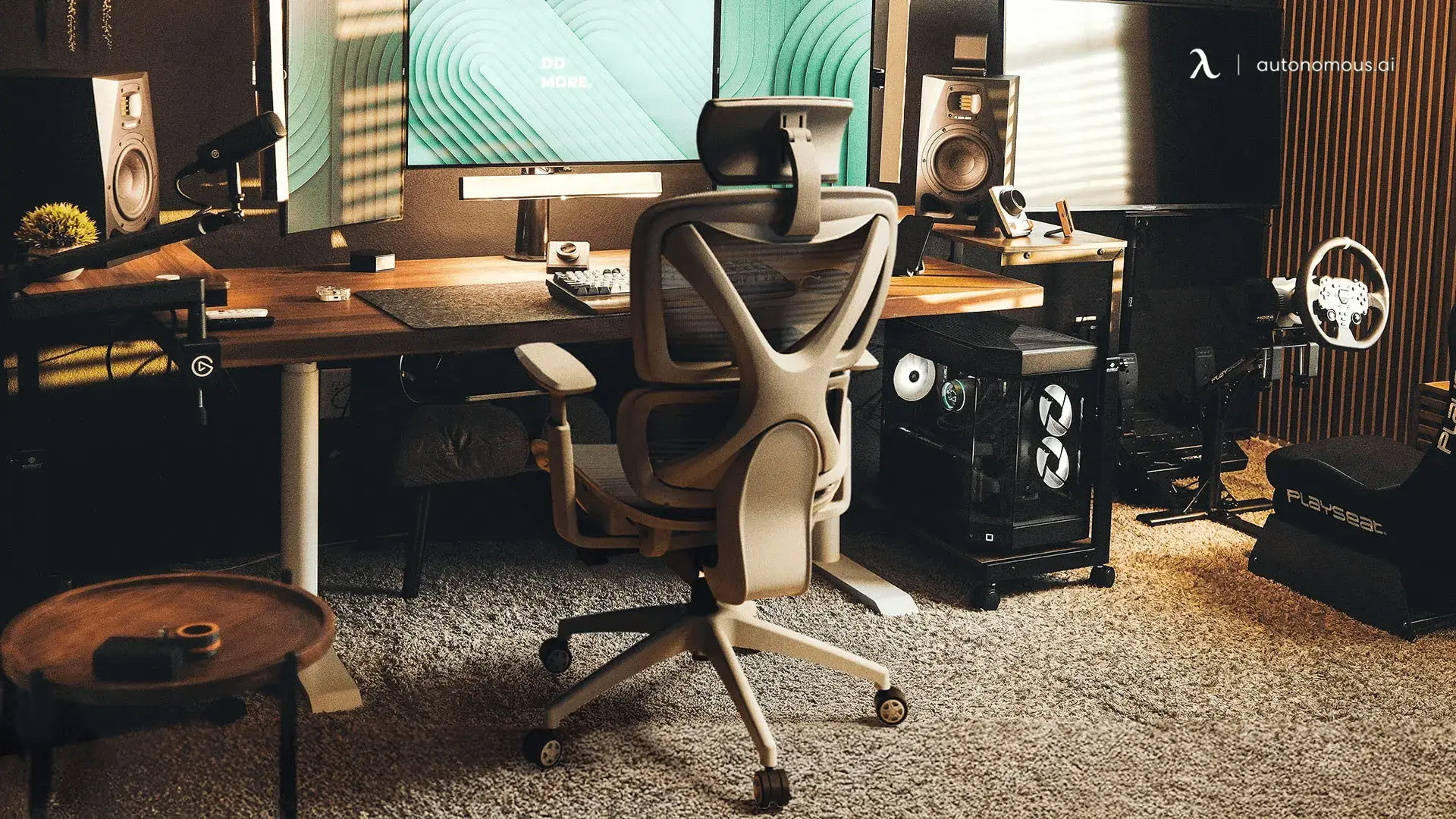
Mid-range office chairs cost $150 to $400 and balance performance with value. Chairs in this range often include adjustable lumbar support, seat-depth adjustment, and breathable mesh backs. This tier is popular with remote workers and small business owners who want real comfort without overspending, and it is where most full-time desk workers find their best value.
The ErgoChair Core fits here, bringing genuine ergonomic adjustability, a dual-backrest design, 3D armrests, and mesh breathability at the lower end of the mid-range. It covers the essentials for full-time sitting without stepping up to a premium price.
3. Premium Office Chairs ($450-$1,000+)
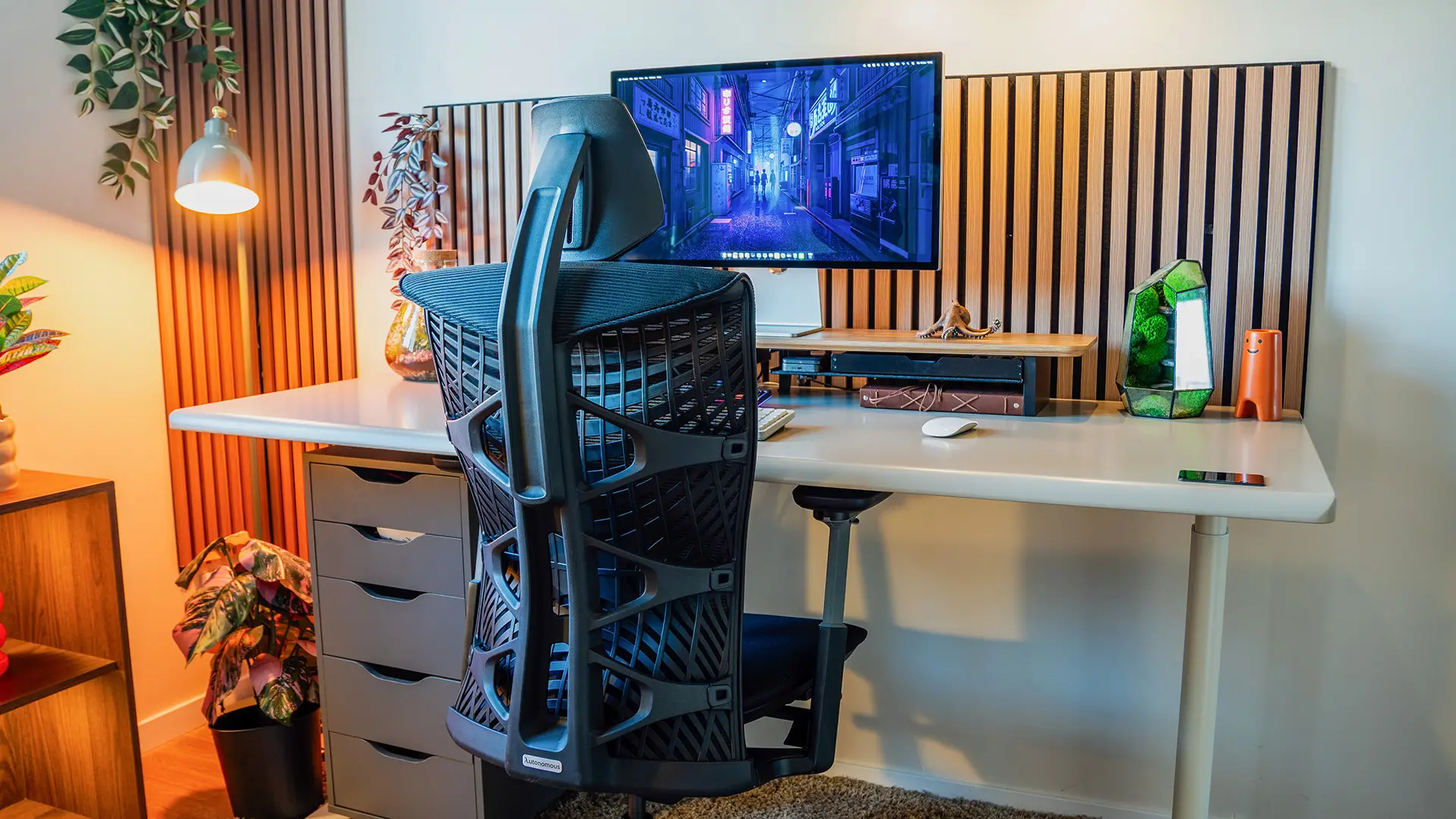
Premium office chairs cost $450 to over $1,000 and are built for long hours and demanding workdays. They feature top-tier ergonomics, refined materials, and details like synchronized tilt and headrest articulation, favored by executives, creatives, and anyone sitting extended hours. Established brands like Herman Miller and Steelcase anchor this tier, where much of the price reflects material quality and brand track record.
At the accessible end of the tier, the ErgoChair Ultra 2 Plus adds an adjustable headrest and a higher 330 lb capacity to the flexing-frame design, backed by a lifetime warranty, for people who want reclined neck support during long sessions.
4. Ergonomic Office Chairs ($200-$800+)
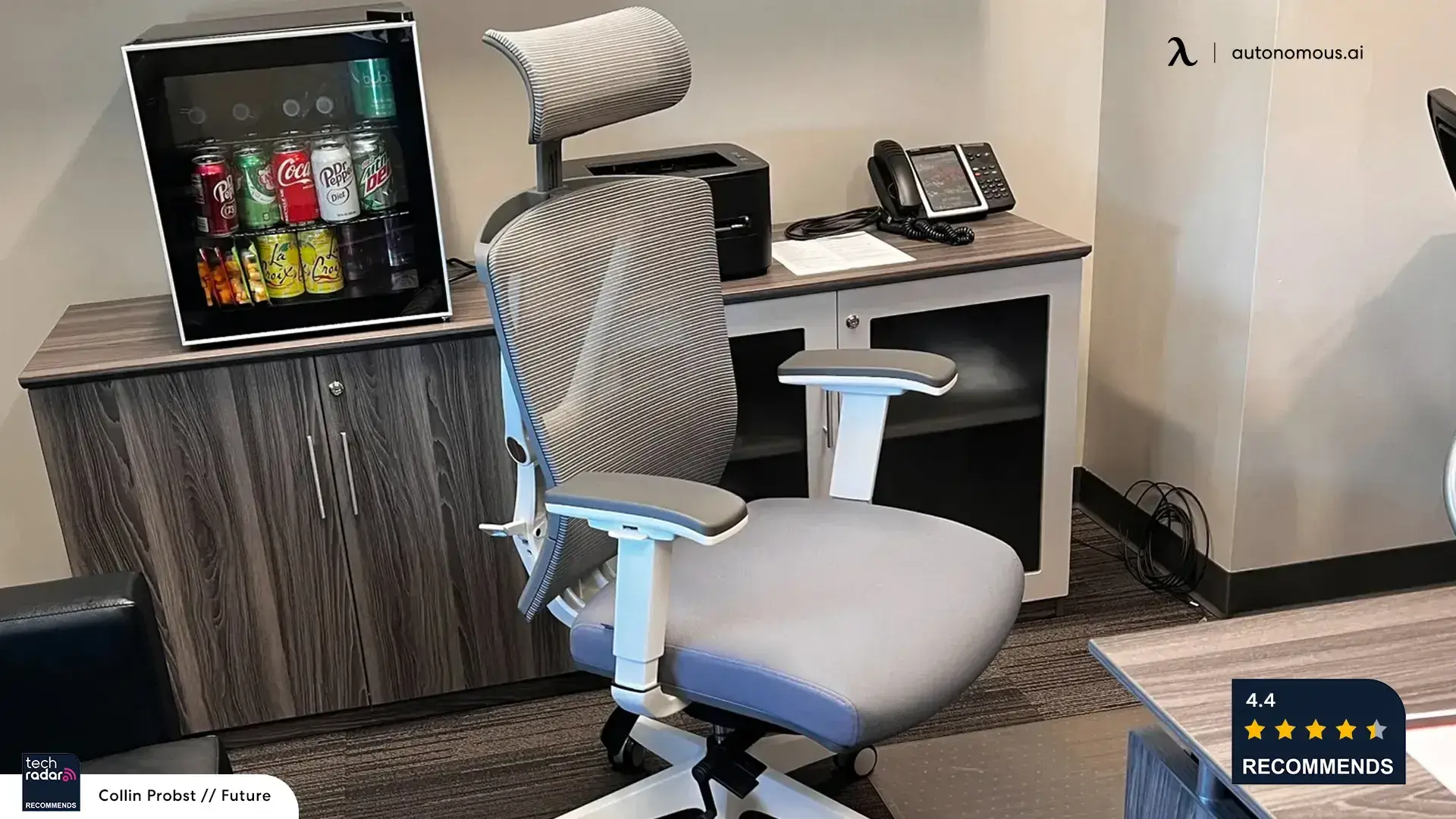
Ergonomic office chairs cost $200 to $800 or more and are built around posture and long-term health. They typically include adjustable seat depth, lumbar support, and dynamic movement features, making them the tier worth investing in if you sit for hours at a time. This is where most full-time desk workers get the best return, and where Autonomous concentrates its chair lineup.
The ErgoChair Pro offers nine adjustment points, a sliding lumbar cushion that positions to your spine height, an adjustable headrest, and a synchro-tilt that keeps your posture aligned as you recline.
The ErgoChair Ultra 2 takes a different approach, using a flexing frame that tracks your movement automatically instead of a manual lumbar dial, which suits people who shift posture often through the day.

And the ErgoChair Mesh pairs the same nine-point adjustability with a fully breathable air-mesh seat and a fine tension dial for anyone who runs warm during long sessions. All three carry a lifetime warranty.
.jpg)
5. Gaming Chairs ($100-$500+)
Gaming chairs cost $100 to $500 or more and usually mimic racing-style seats with bucket support and lumbar cushions. Some add reclining functions or footrests. If you are weighing one for work, it helps to understand the differences between a gaming chair and an office chair first, since gaming chairs often trade adjustability and breathability for aesthetics.
6. Conference Room Chairs ($100-$500)
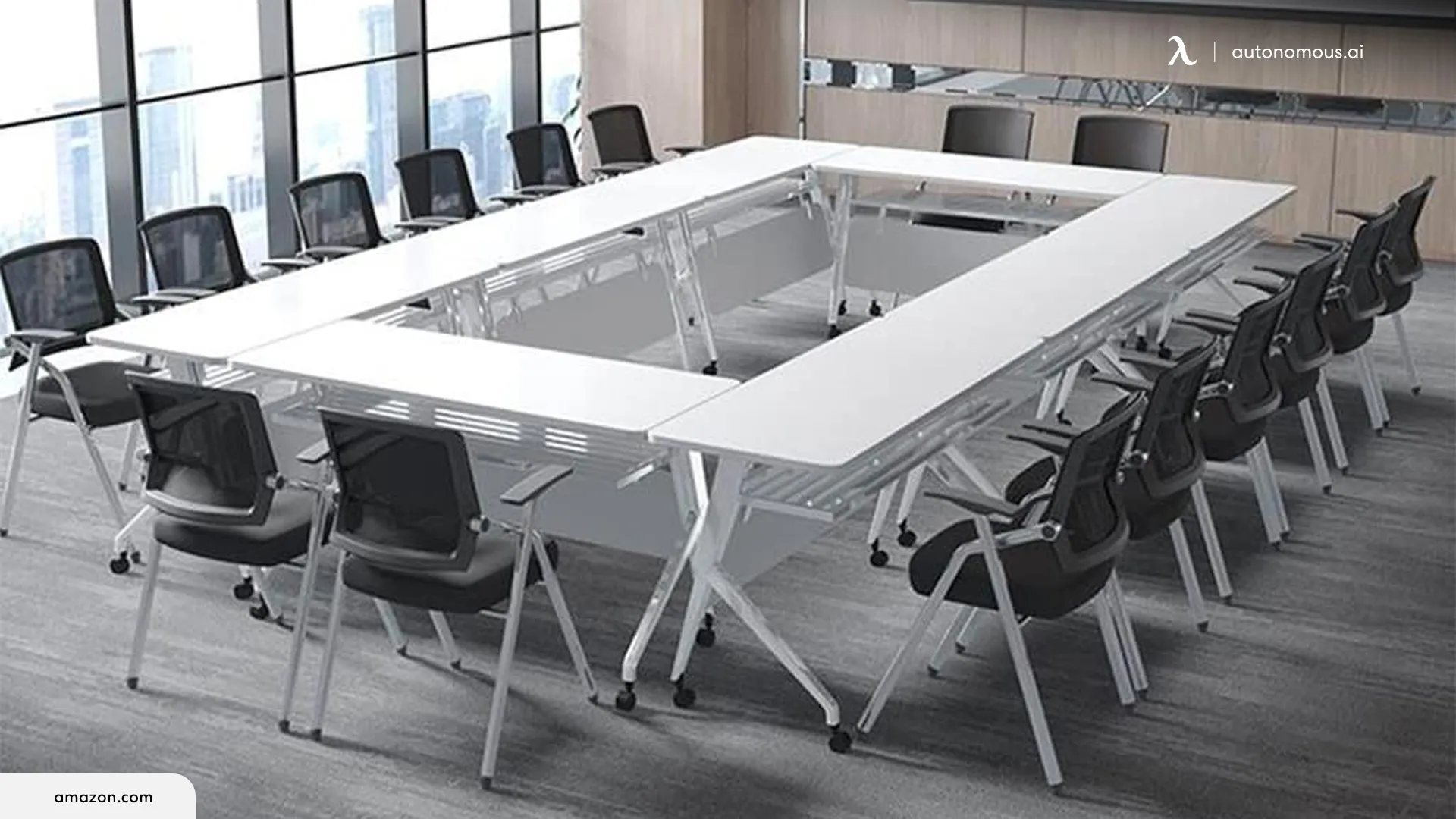
Conference room chairs cost $100 to $500 and prioritize a clean, uniform look with enough comfort for meetings. Executive versions cost more, especially when upholstered in premium materials. These work best for meeting spaces, coworking setups, and shared team environments where short to medium sitting sessions are the norm.
7. Specialized Chairs (Starting at $200)
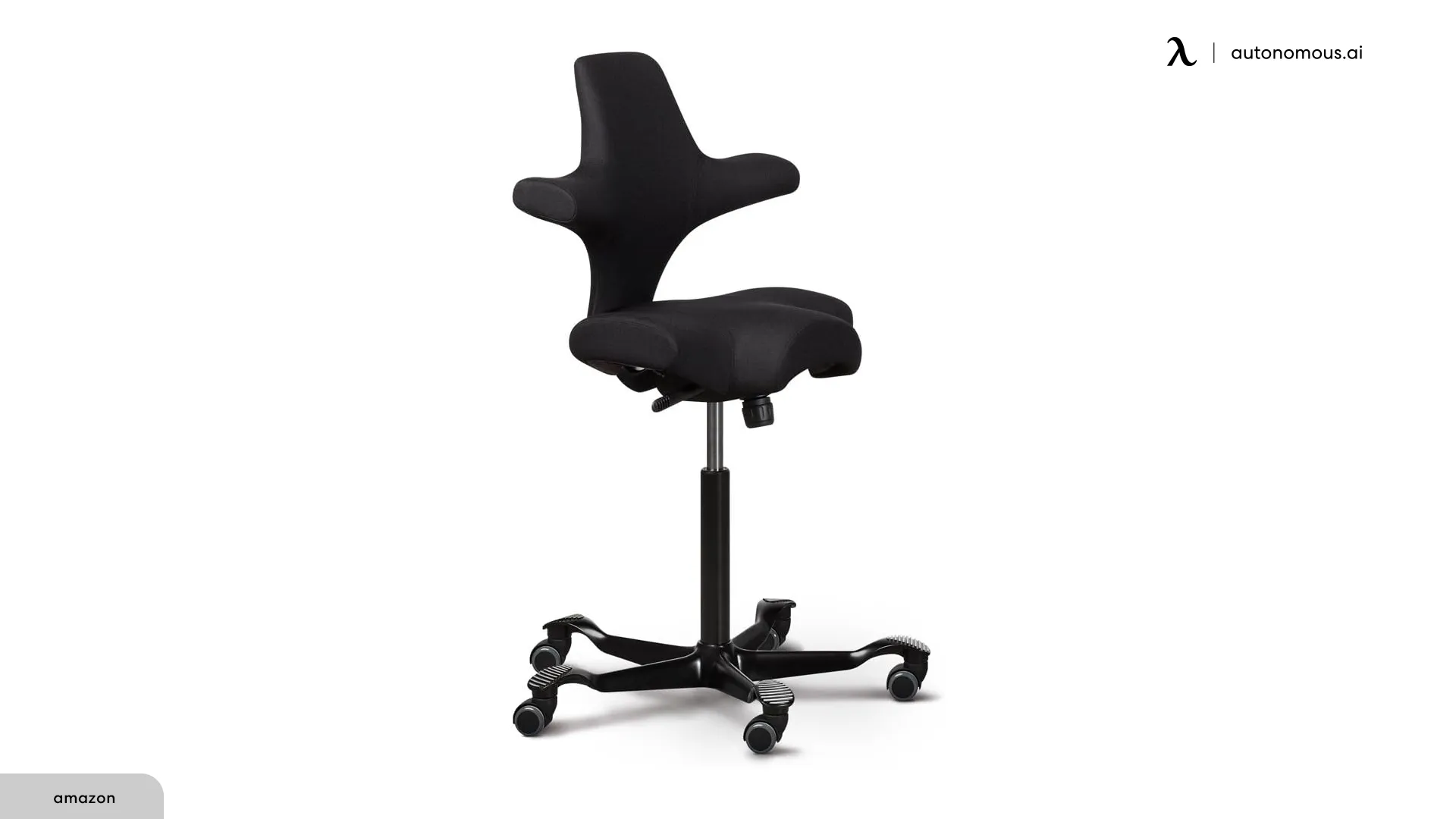
Specialized chairs start around $200 and cater to specific needs, from orthopedic models for medical use to saddle-style stools for active workspaces. They often feature unique structures reflected in their price. A saddle chair like the HAG Capisco suits designers, dentists, and anyone wanting a posture-friendly alternative to traditional seating.
8. Active Stools ($145-$180)
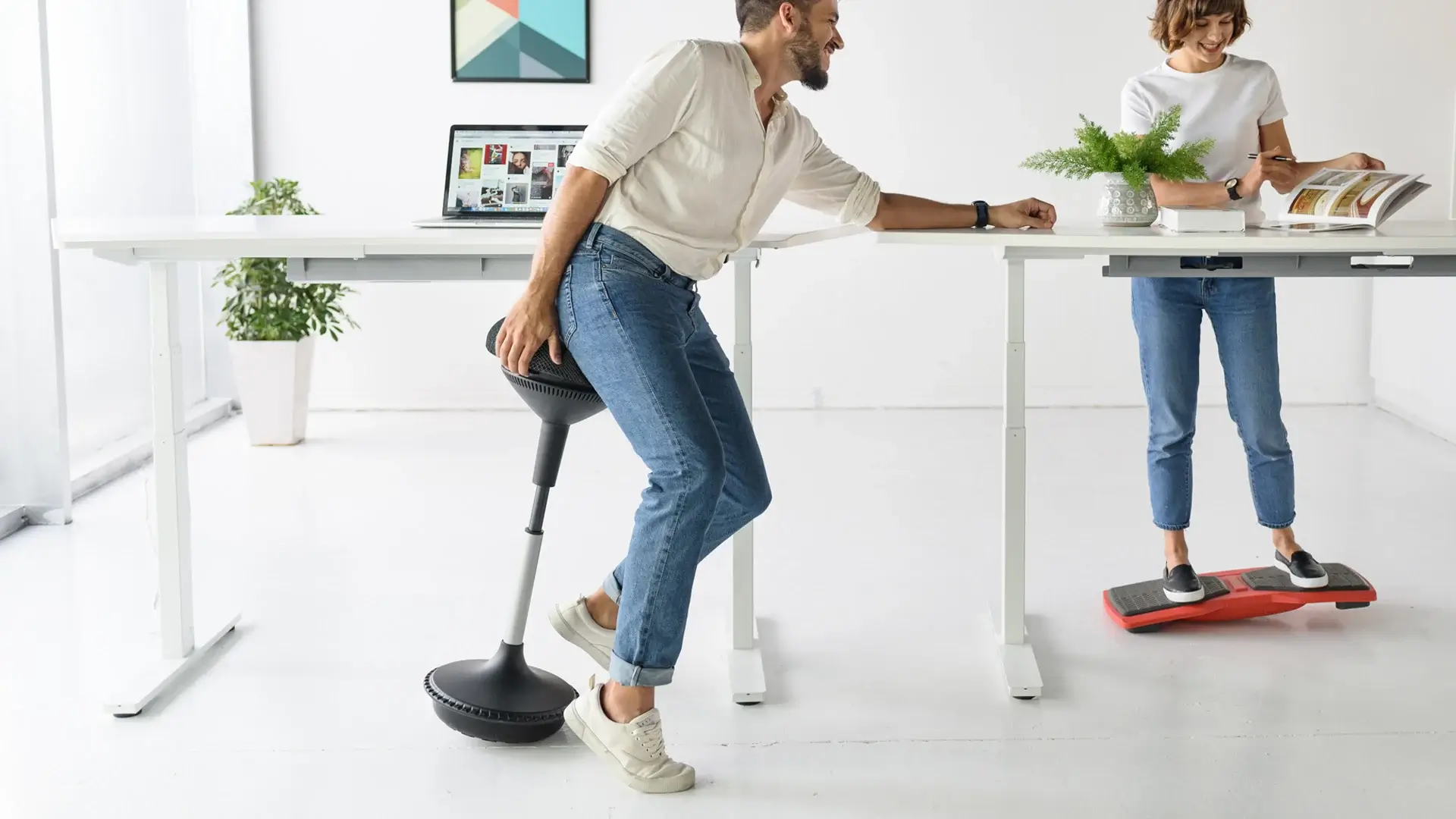
Active stools cost $145 to $180 and encourage micro-movements that engage your core throughout the day. Their height-adjustable range fits both standard and standing desks, allowing smooth transitions between sitting and perching. They suit standing desk users and active sitters who want to alternate between sitting and perching without slouching.
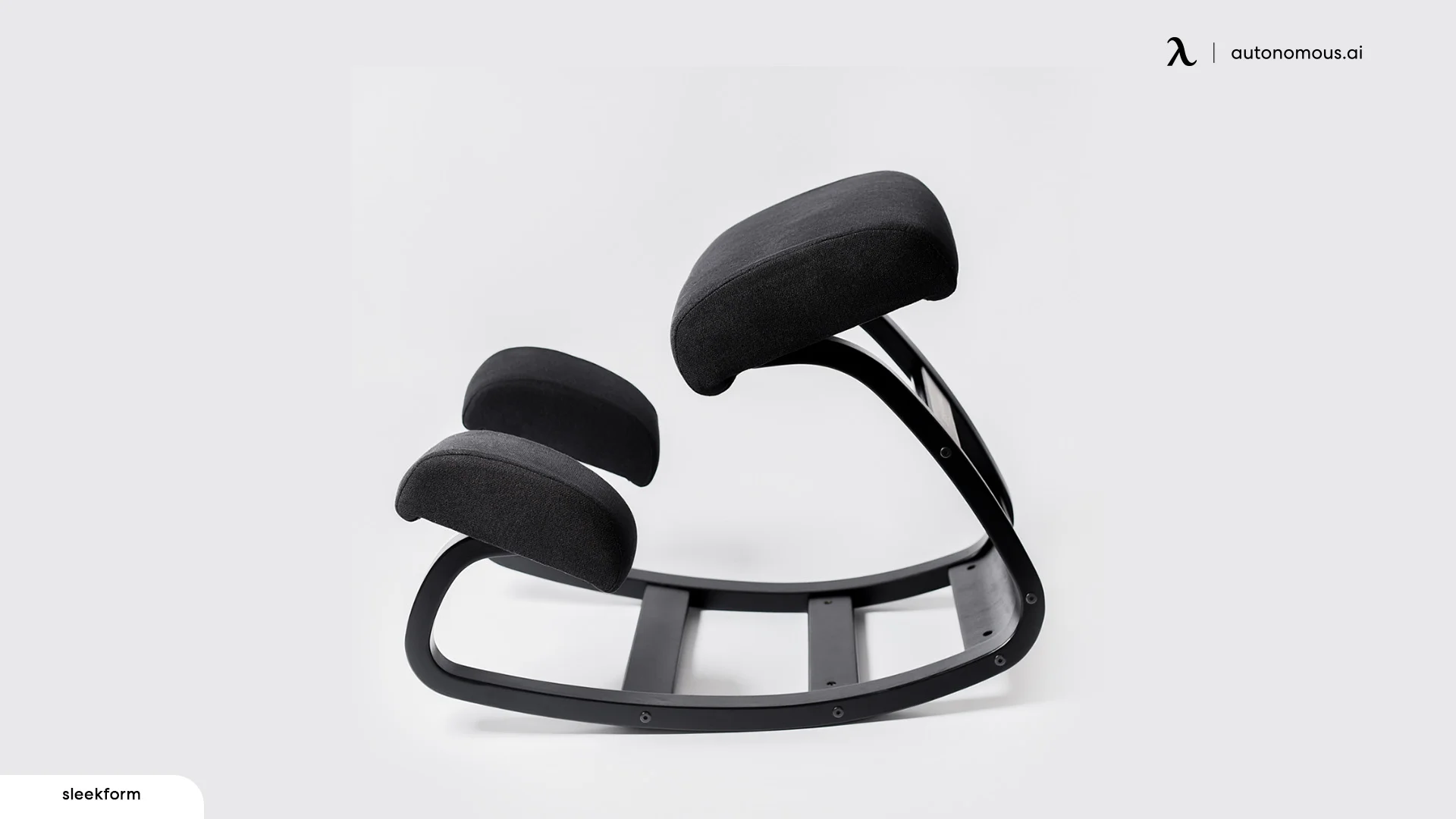
9. Saddle and Kneeling Chairs ($100-$600+)
Saddle and kneeling chairs cost $100 to over $600 and promote spinal alignment and core engagement through alternative seating positions. Prices vary with padding, comfort features, and frame materials. Both styles suit minimalists and posture-focused users who prefer movement over heavy cushioning.
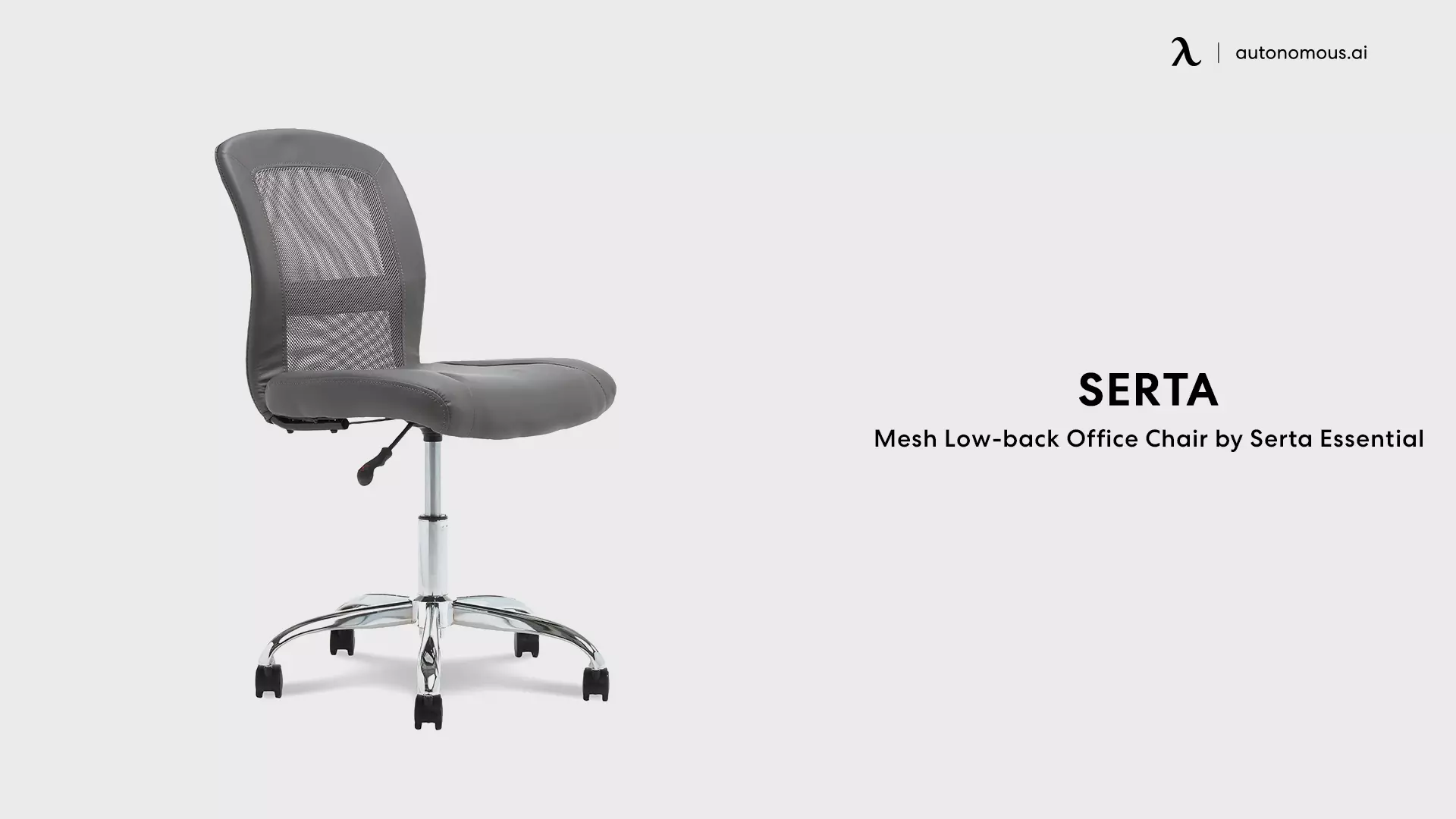
10. Armless Chairs ($80-$250)
Armless chairs cost $80 to $250 and save space while staying comfortable for many users. Whether they work for you depends on your sitting habits, since some people rely on armrests more than others. They fit tight spaces and minimalist setups where clean lines and mobility matter most.
Tips for Saving Money on Office Chairs
The best way to save on an office chair is to buy only the features you will use, time your purchase with major sales, and consider refreshing your current chair before replacing it. Four practical strategies:
- Know your essentials first. List your top three non-negotiables, whether that is lumbar support, adjustable armrests, or a footrest, and skip expensive extras that will not improve your daily comfort.
- Time your purchase with sales. The biggest discounts usually land during early-year clearance (January to February), back-to-school sales (July to September), and holiday events like Black Friday and Cyber Monday.
- Buy in bulk if you need several. Businesses and coworking spaces can lower the per-chair cost through volume discounts, and Autonomous offers bulk order pricing for orders of three or more units.
- Refresh what you have. A memory foam cushion, rollerblade-style casters, or new armrest pads can extend a worn chair's life for under $50.
Frequently Asked Questions
How much does an office chair cost on average?
The average office chair costs between $150 and $400 for a solid full-time chair, though the full range spans $50 for basic budget models to over $1,000 for premium and executive chairs. Ergonomic chairs with adjustable lumbar and seat depth typically start around $200 and rise with the number of adjustment features.
How much should I spend on a good office chair?
For a good office chair used full-time, plan to spend at least $150 to $400, and $400 to $800 if you want advanced ergonomics and premium materials. If you sit six or more hours a day, the higher end of that range usually pays off in comfort and durability over the chair's lifespan.
How much does a good ergonomic office chair cost?
A good ergonomic office chair costs between $250 and $850 depending on brand, materials, and features. Entry-level ergonomic models with basic support start around $200, while premium chairs with dynamic lumbar systems and full adjustability can exceed $1,000.
Is it worth buying an expensive office chair?
An expensive office chair is worth it if you sit for extended periods, since better adjustability, higher-grade materials, and longer warranties can reduce back pain and the need for replacements. For lighter use, a mid-range chair delivers most of the benefit, so the value depends on how many hours you actually sit.
Why do office chairs vary so much in price?
Office chairs vary in price mainly because of differences in adjustability, materials, warranty length, and brand. A fixed budget chair has few moving parts, while a premium chair has many engineered adjustments plus a longer warranty, which raises manufacturing cost. Brand reputation adds further cost that does not always reflect added function.
What is the difference between an office chair and a desk chair?
The terms are often used interchangeably, but a desk chair usually refers to simpler models for short-term use, while an office chair implies more adjustability and ergonomic support for full-time work. The price difference reflects that gap, with true ergonomic office chairs costing more than basic desk chairs.
How long should a good office chair last?
A good office chair should last seven to ten years or more with regular use, while budget models often need replacing every two to three years. This is why a durable chair with a long warranty can cost less per year of use than a cheap chair replaced frequently, even at a higher upfront price.
Conclusion
Office chair costs span a wide range, but the right amount to spend comes down to how many hours you sit and which features you will actually use. Budget chairs under $150 cover occasional use, the $150 to $500 range serves most full-time workers well, and premium models above that add refinements that matter most for long daily sessions.
Before buying, decide on your non-negotiable features and match them to the tier that covers them, rather than paying for a price bracket you do not need. A chair chosen this way becomes a genuine support system for your workday, not just a seat. If weight capacity or durability is a priority, a heavy-duty office chair may be the better match.