How To Soundproof Your Home Office: Effective Guides

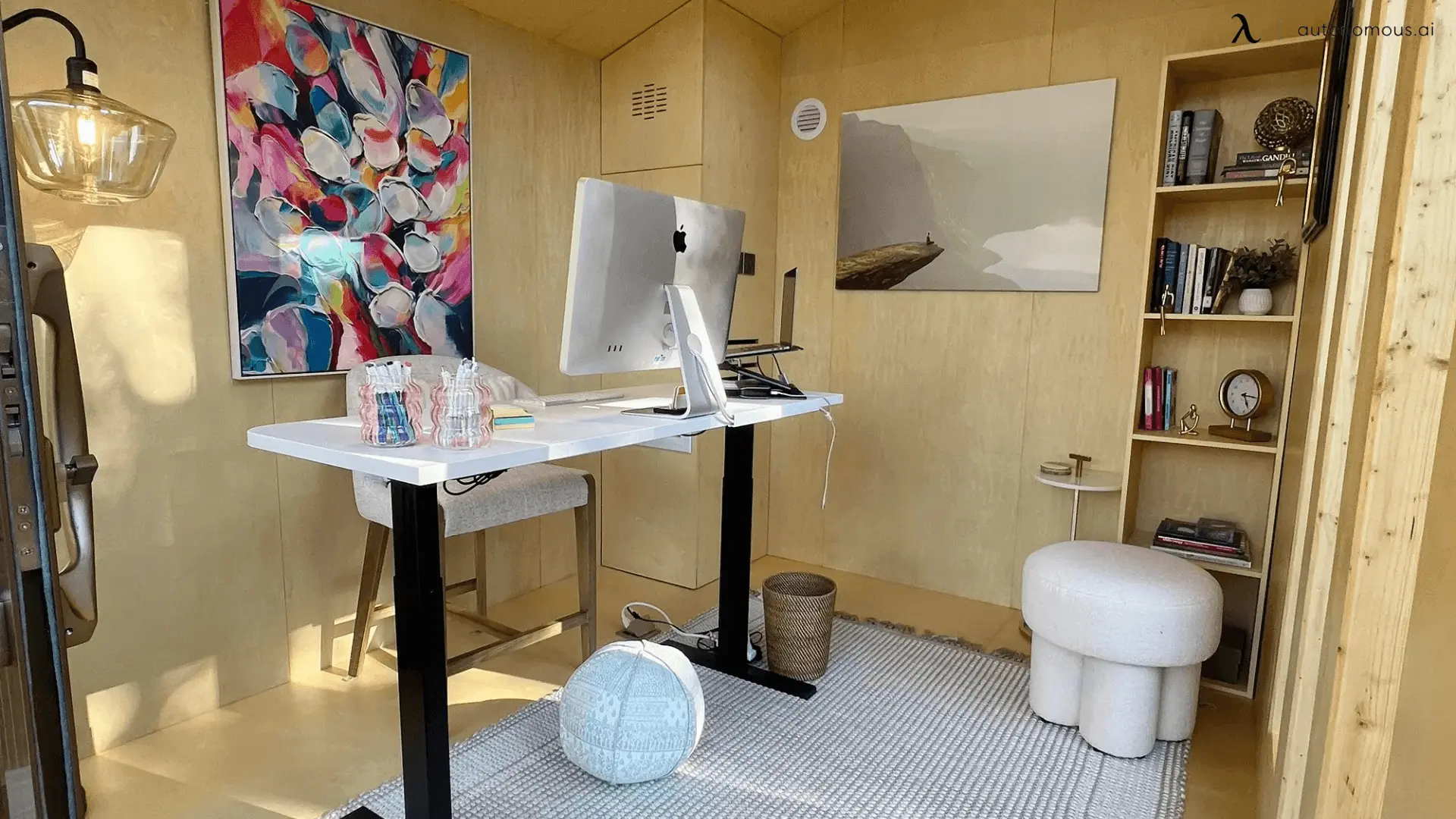
To soundproof a home office, find where the noise comes from, seal the gaps around doors and windows, add mass to the weak walls and door, and soften the hard surfaces inside the room. For remote workers, a quiet workspace is one of the hardest things to get right, with loud neighbors, traffic and children running around.
The steps below cover outside noise, inside noise, a DIY plan you can do in a weekend, and when an office pod makes more sense, whether you work in an apartment, a house, or any space where noise is a problem.
Finding The Source Of The Noise: Inside Or Outside?
Before trying any soundproofing home office ideas, identify where the noise is coming from in your home office setup.
The source of the noise will determine the best approach for reducing it.
Outside Noise
- Traffic: Cars, buses, and trucks can be a constant nuisance if you live near a busy street.
- Construction Noise: Neighbors or nearby projects can lead to hammering, drilling, and other loud sounds during working hours.
- Street Noise: People talking, dogs barking, or other urban noises can penetrate your home if your windows or walls aren't properly insulated.
Inside Noise
- Family Members/Roommates: Noise from other rooms, kids playing, or conversations can disrupt your workflow.
- Appliances: The hum of refrigerators, HVAC systems, and other equipment may add background noise to your workday.
- Echoes: Hard surfaces, like wooden floors or glass walls, can cause sound to bounce around, making it feel noisier than it actually is.
By identifying whether the noise is from outside or inside, you can tailor your soundproof home office ideas and methods.
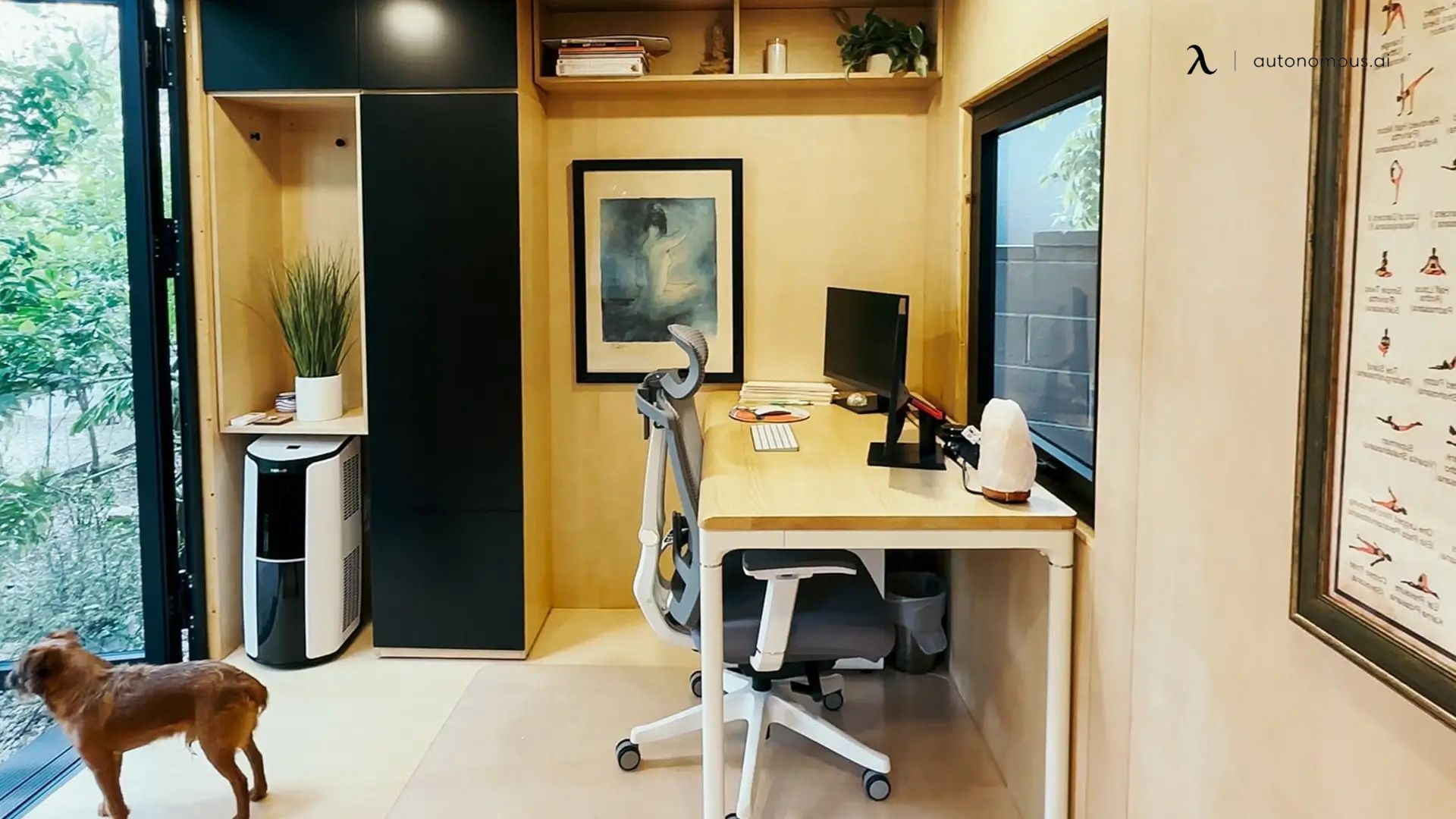
How To Soundproof Home Office From Outside Noise
Outside noise comes in mostly through windows, gaps and thin walls, so those are the places to fix first. Below are soundproof home office ideas that range from budget-friendly options to more permanent solutions:
1. Upgrade Your Windows
Windows are one of the most common sources of noise infiltration, especially if they’re single-glazed. Double-glazed windows are an effective way to reduce external sounds. They create an insulating barrier between the inside and outside, cutting sound transmission.
For a cheaper fix, consider window inserts: acrylic or glass panels that fit over existing windows and add an extra layer of soundproofing.
Pro Tip: If replacing windows isn’t feasible, consider applying acoustic window film to the glass. It helps reduce sound vibrations and adds some noise insulation.
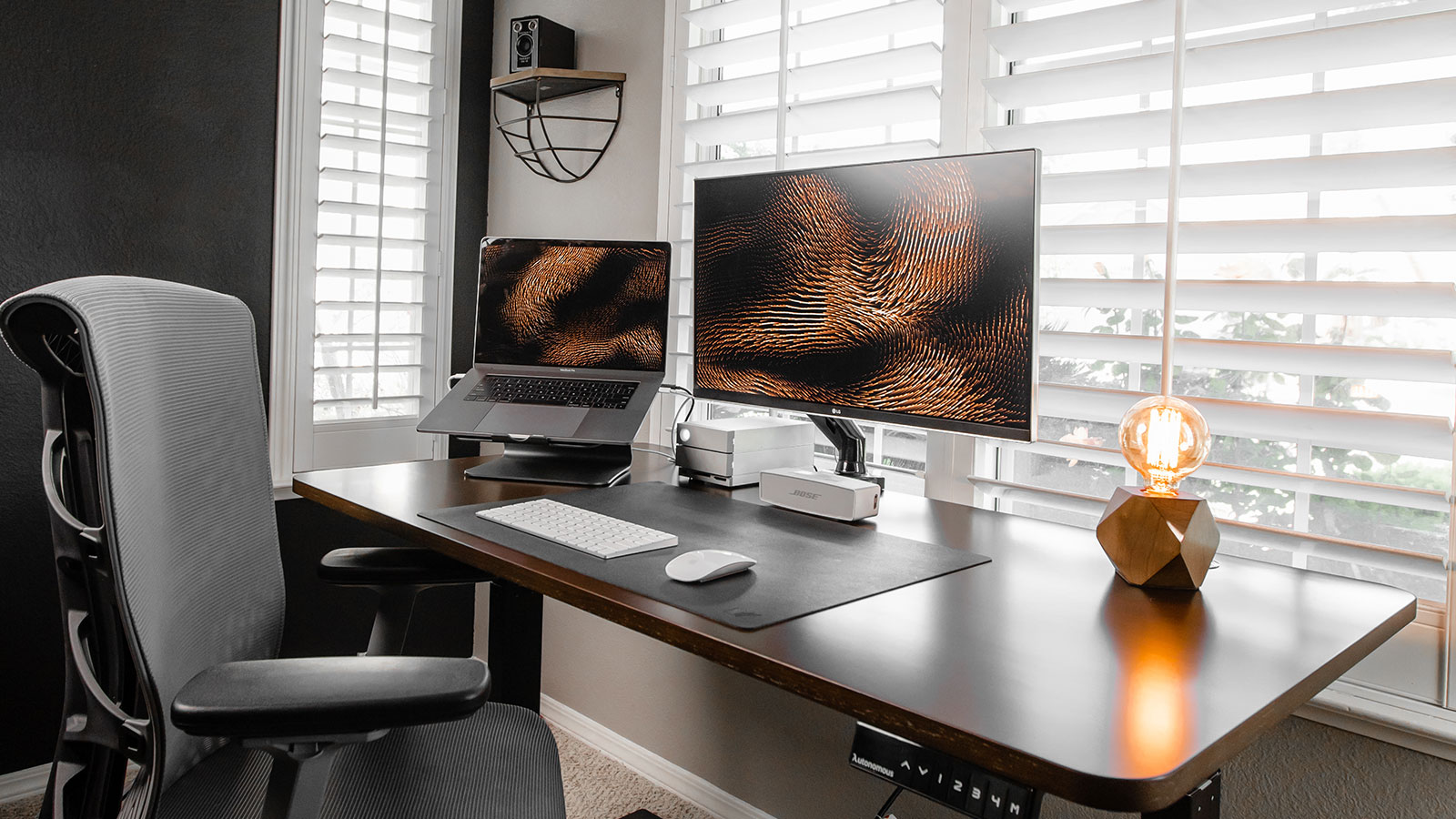
2. Install Heavy Curtains Or Soundproof Blinds
Thick, heavy curtains are one of the easiest and most affordable solutions for blocking outside noise. Choose curtains made of dense materials like velvet or soundproofing fabrics.
Soundproof blinds can also be effective in reducing outside sounds. These blinds are thicker and can be rolled down or adjusted depending on your need for sound isolation.
Pro Tip: Make sure the curtains cover the entire window frame and reach the floor to minimize sound leakage from the edges.
3. Seal Gaps Around Doors And Windows
Air leaks are common culprits when it comes to letting noise into a room. Seal all gaps and cracks with weatherstripping and caulking around windows and doorframes.
This simple method can reduce the amount of external noise entering your home office, particularly from busy streets or construction sites.
Pro Tip: If your door has a large gap at the bottom, install a door sweep to further reduce noise.
4. Soundproofing The Walls
Sound can easily travel through the walls, especially if you live in a townhome, apartment, or a house with thin walls. Acoustic foam panels or soundproof wallpaper absorb sound and stop it from bouncing off the walls, which makes the room feel quieter.
To block noise coming through the wall, add mass: install mass-loaded vinyl (MLV) or an extra layer of soundproof drywall.
Pro Tip: If you can’t install soundproof drywall, try soundproof paint that contains microspheres to reduce sound transmission.
5. Create An Outdoor Sound Barrier
If your noise source is coming from outdoors (like street traffic or construction), you can build an outdoor barrier to block the sound before it enters your space.
Planting tall hedges or installing a privacy fence can help create a physical barrier that reduces the amount of external noise entering your home office. For more effective noise-blocking, consider soundproofing outdoor panels that you can attach to fences or walls.
Pro Tip: Adding greenery like trees or shrubs not only improves privacy but also absorbs sound, making your environment quieter.
How To Soundproof Your Home Office From Inside Noise
Inside noise is mostly echo, appliance hum, footsteps and voices from other rooms, and soft surfaces plus a few barriers handle most of it. Addressing internal distractions will make it easier to focus.
Here are some effective ways to soundproof your home office from internal noise:
1. Use Acoustic Panels And Foam
Acoustic panels reduce internal noise and work especially well on echo or reflected sound.
Installing foam panels or fabric-wrapped panels on your walls and ceiling helps absorb sound and prevent it from bouncing around the room. This is especially useful if your office has hard surfaces like wood floors or glass windows that amplify noise.
For a more complete setup, add bass traps in the corners of the room, which absorb low-frequency sound waves.
Pro Tip: Position the panels at reflection points, the first places sound bounces off, such as the area between your desk and the wall.
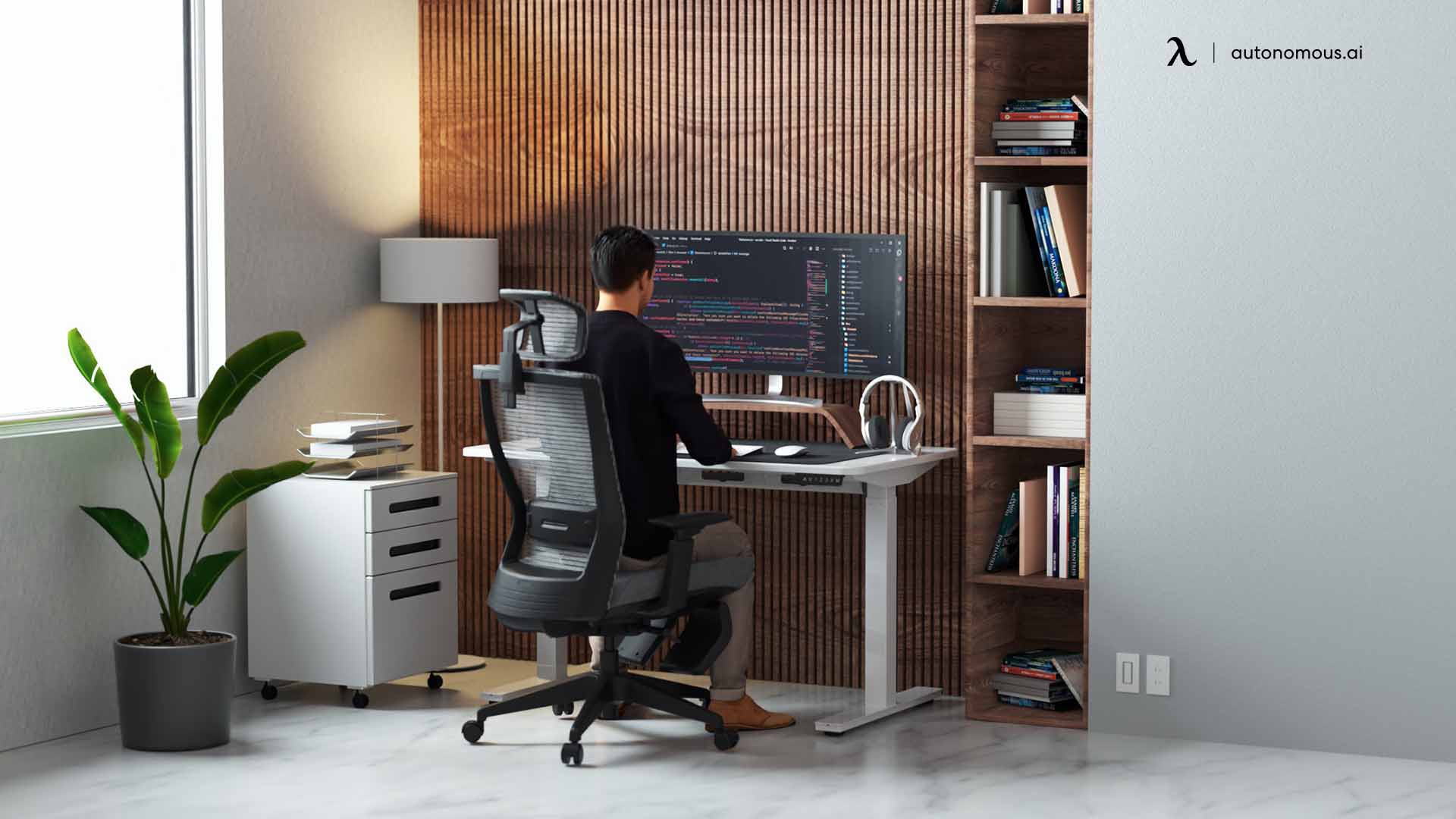
2. Add Soft Furnishings
Soft furnishings like upholstered chairs, sofas, and thick rugs absorb sound and cut the reverberation that hard surfaces create. Consider adding:
- Upholstered fabric office chairs and couches: These absorb sound and provide comfort.
- Thick rugs: Placing a plush rug on the floor will help dampen the sound of footsteps and movement.
Pro Tip: Adding a plush area rug under your desk setup can not only improve acoustics but also create a more cozy and inviting workspace.

3. Soundproof The Floor
Floors can amplify noise, particularly if you have hard flooring like wood or tile. Adding carpets, rugs, or rubber mats to your office floor will help absorb sound and reduce echoes.
If you’re dealing with noise from below, consider installing acoustic underlays underneath carpeting to block vibrations and reduce sound transmission.
Pro Tip: If you have a lot of foot traffic near your desk, anti-fatigue mats can help with comfort and soundproofing by providing cushioning to absorb impact noise.
4. Use Noise-Canceling Equipment
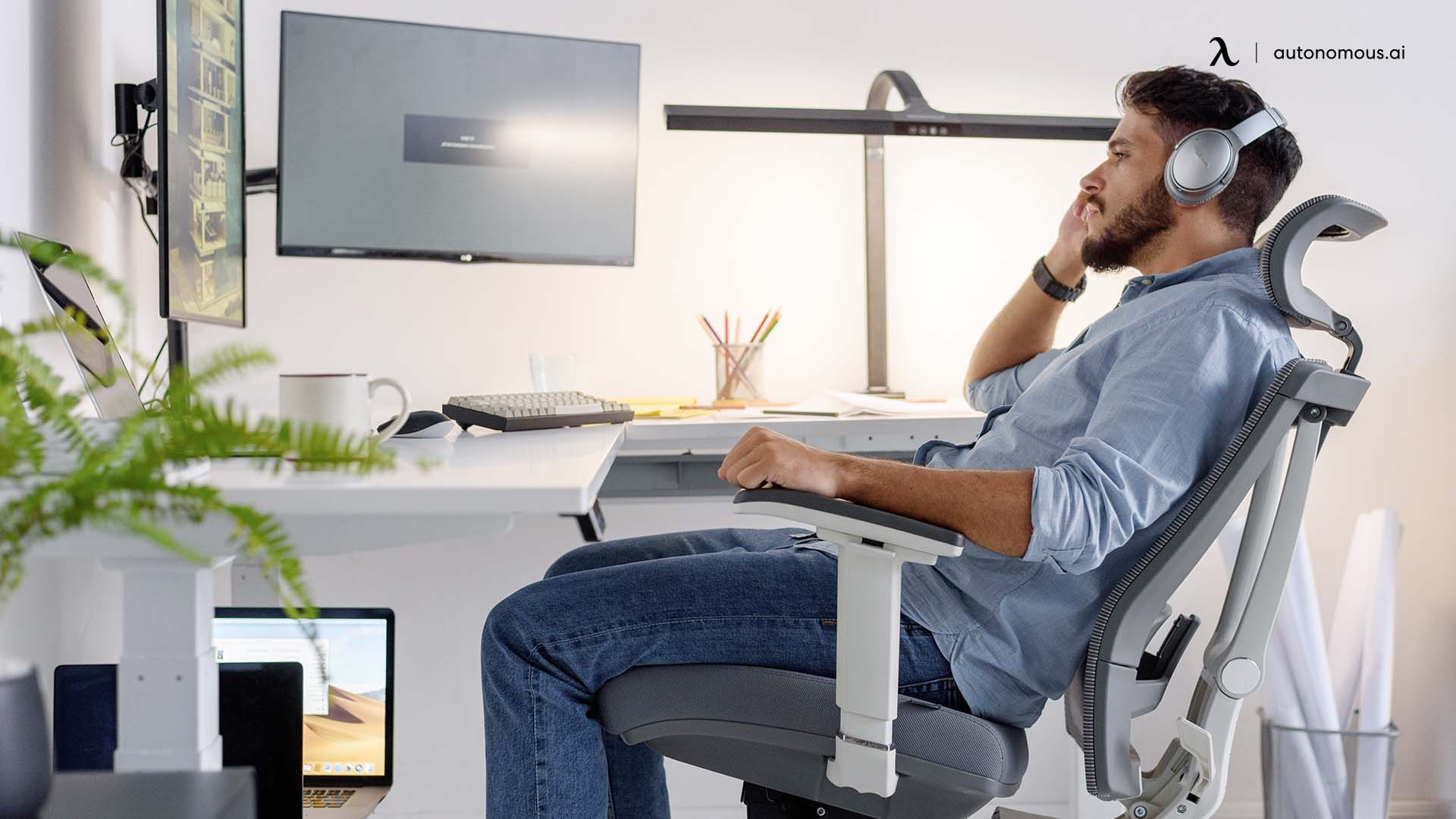
For persistent internal noise, noise-canceling equipment like white noise machines or noise-canceling headphones can help a lot.
A white noise machine can help mask other sounds around you, and good noise-canceling headphones can block out nearby chatter or household noises, allowing you to focus.
Pro Tip: Choose over-ear noise-canceling headphones if you need the most isolation during calls or deep work sessions.
5. Divide The Room With Soundproofing Dividers
If you don’t have a private room, soundproof room dividers or partitions are a good option. These acoustic partitions help to contain noise and reduce sound transmission between different areas of the room. They are especially useful in open-plan offices where sound can easily travel across the space.
Pro Tip: Use freestanding acoustic screens that can be moved or adjusted depending on your space layout, giving you flexibility in managing sound.
6. Soundproof Paint
Soundproof paint is a thick paint with microspheres or fillers that can slightly dampen sound and echo. Its effect is small compared with sealing gaps or adding mass, so treat it as a finishing touch rather than the main fix.
It is easiest to use while you are building or repainting your home office.
DIY Soundproof A Home Office: A Step-by-Step Guide
A DIY plan of seals, panels, a door fix and heavy furniture handles most home office noise for little money.
DIY soundproofing a home office is cheap and can be tailored to your space. Whether you’re trying to block out traffic noise, household chatter, or the hum of appliances, here’s a simple, step-by-step guide on how to soundproof your home office and create a quieter place to work.
Step 1: Weatherstripping For Quick Wins
One of the easiest ways to DIY a soundproof home office is by sealing gaps. Weatherstripping around doors and windows is inexpensive, simple to apply, and effective. By blocking small air leaks, you'll stop unwanted sounds from sneaking in. It's a small step that makes a big difference.
Pro Tip: Check areas like door frames, window edges, and electrical outlets for hidden gaps that might be allowing sound to sneak in.
Step 2: DIY Acoustic Panels
While professional acoustic panels can be pricey, you can make your own DIY acoustic panels for a fraction of the cost.
All you need is some foam, fabric, and wooden frames. Cut the foam to size, stretch the fabric over it, and staple or glue it into the frame. Hang them on your walls to reduce sound reflection and minimize internal noise.
Pro Tip: Choose fabric with a tight weave for better sound absorption, and go for neutral colors to match your office décor.
Step 3: Soundproofing Your Door: The Low-Cost Fix
Your door might be the weak point in your soundproofing strategy. If replacing it isn’t an option, a door sweep is a quick, cost-effective way to seal gaps at the bottom. Combine this with weatherstripping along the edges to seal the door all the way around.
Pro Tip: If your door is hollow, consider filling it with foam or insulation for added noise blockage.
Step 4: Use Bookshelves As A Barrier
Bookshelves store books and also block some noise. Heavy bookshelves placed along a shared wall absorb sound and reduce noise transfer between rooms. Fill the shelves with books or dense objects to add mass.
Pro Tip: For the most effect, place a bookshelf with a solid back against the wall that faces the most external noise (like the side of the house that faces the street).

Considering an Office Pod When Room Fixes Are Not Enough
A soundproof office pod is worth a look when sealing and panels still leave you hearing the household, or when the household can still hear your calls. A pod is a separate room with its own walls, door and ventilation, so it adds the mass and distance a shared wall lacks. It cuts noise; it does not erase it, so compare each maker's sound figure and what it measures.
A soundproof pod for home can be a backyard room or a booth inside the house. Here’s what each one offers:
- Less noise, not silence: Insulated walls and a closing door cut traffic, construction and household noise, though low rumble is the hardest sound for any wall to stop.
- Treated inside: Some pods line the walls with felt or panels to cut echo; a bare plywood interior may still need a rug and a panel or two.
- Placement: A pod in the backyard or side yard works as an outdoor office pod, away from household noise; an indoor booth stands inside a room.
- Privacy and focus: A door you can close gives you a quiet zone for calls and deep work.
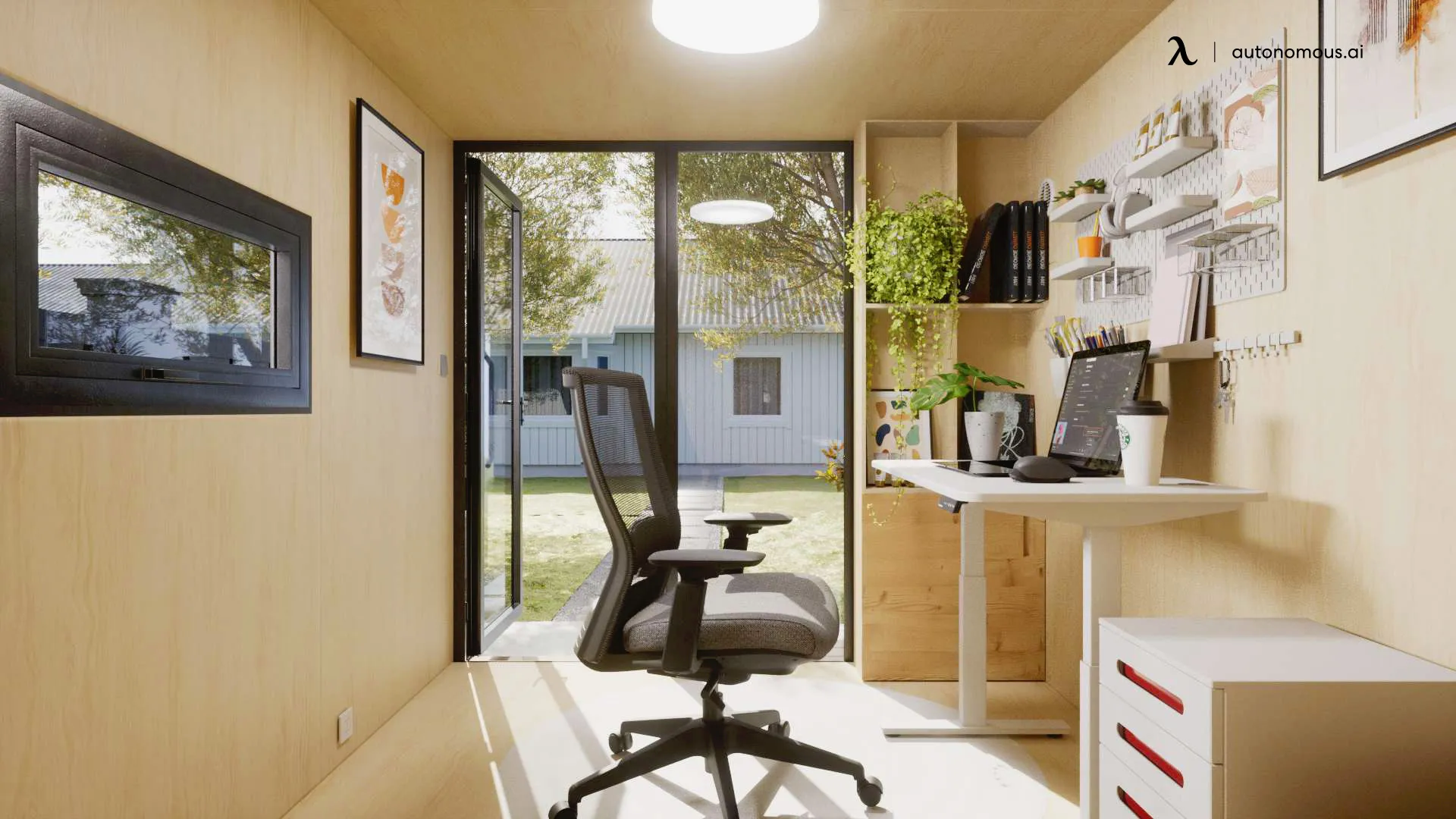
WorkPod for a Full Backyard Office
WorkPod is the 102 sq ft Autonomous backyard office, with six insulated layers, a full-height glass door plus three side windows, and a 45-100°F comfort range. Autonomous says it stays below the permit threshold in most US cities and installs in 1 to 2 days.
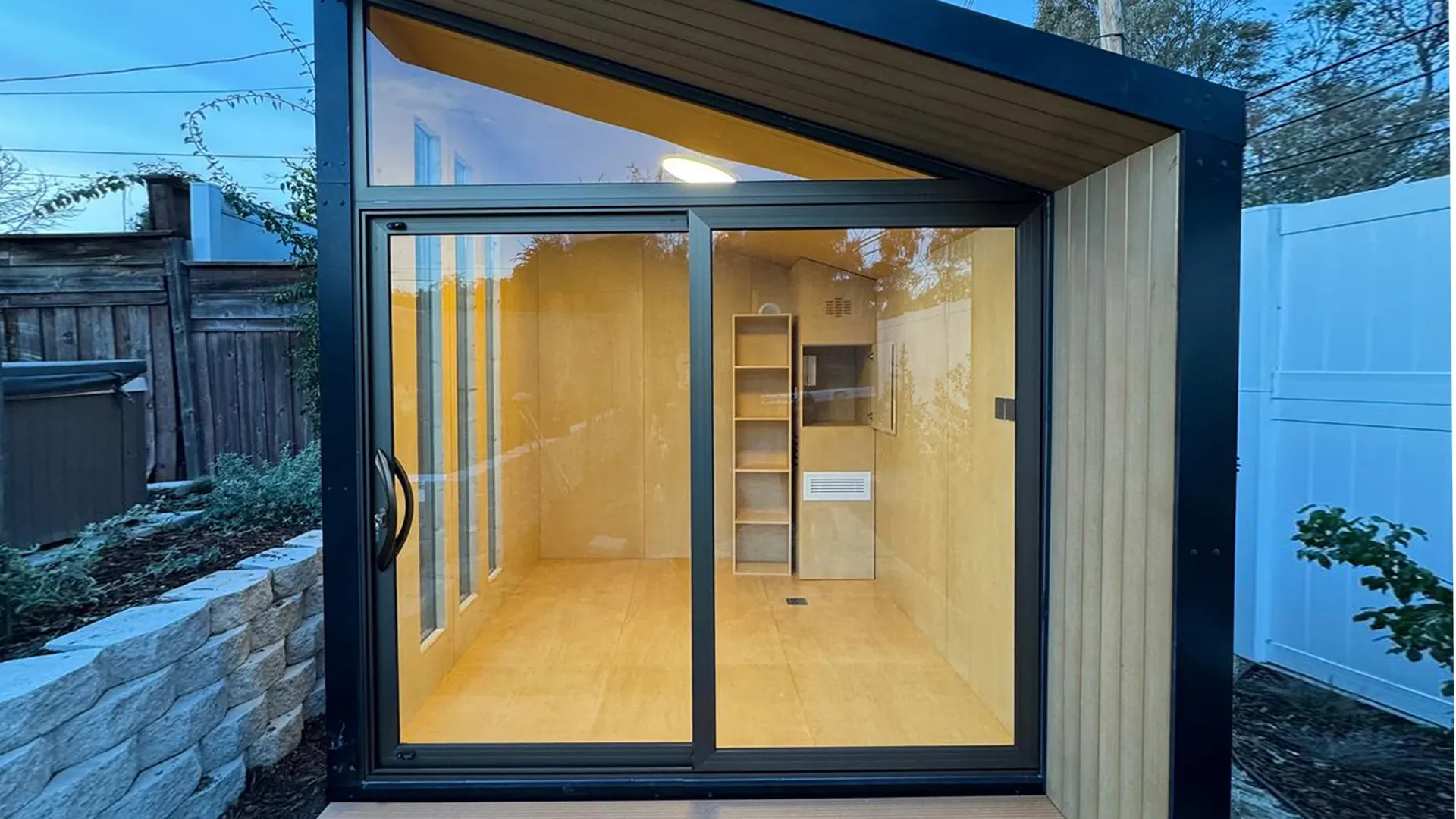
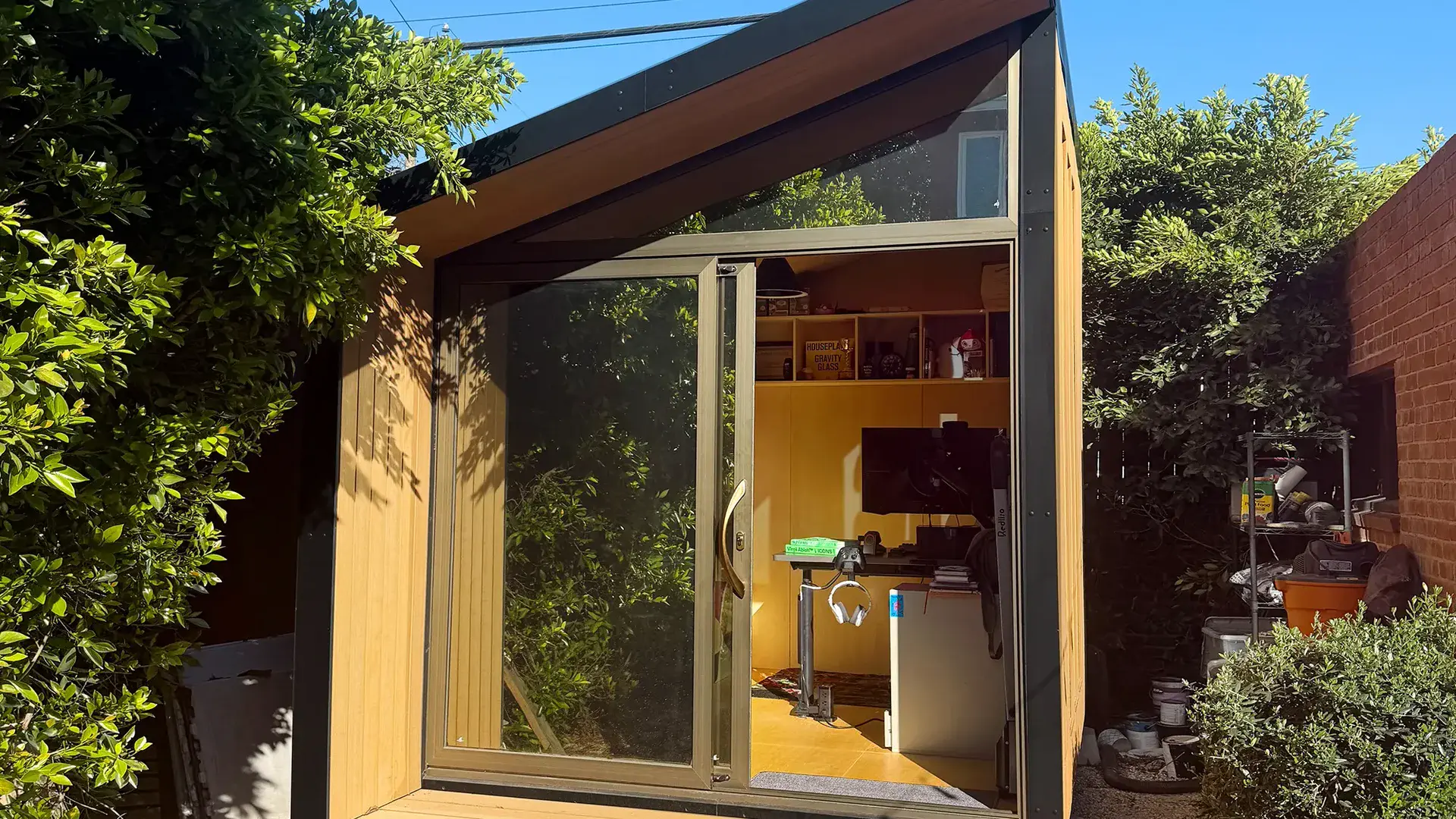
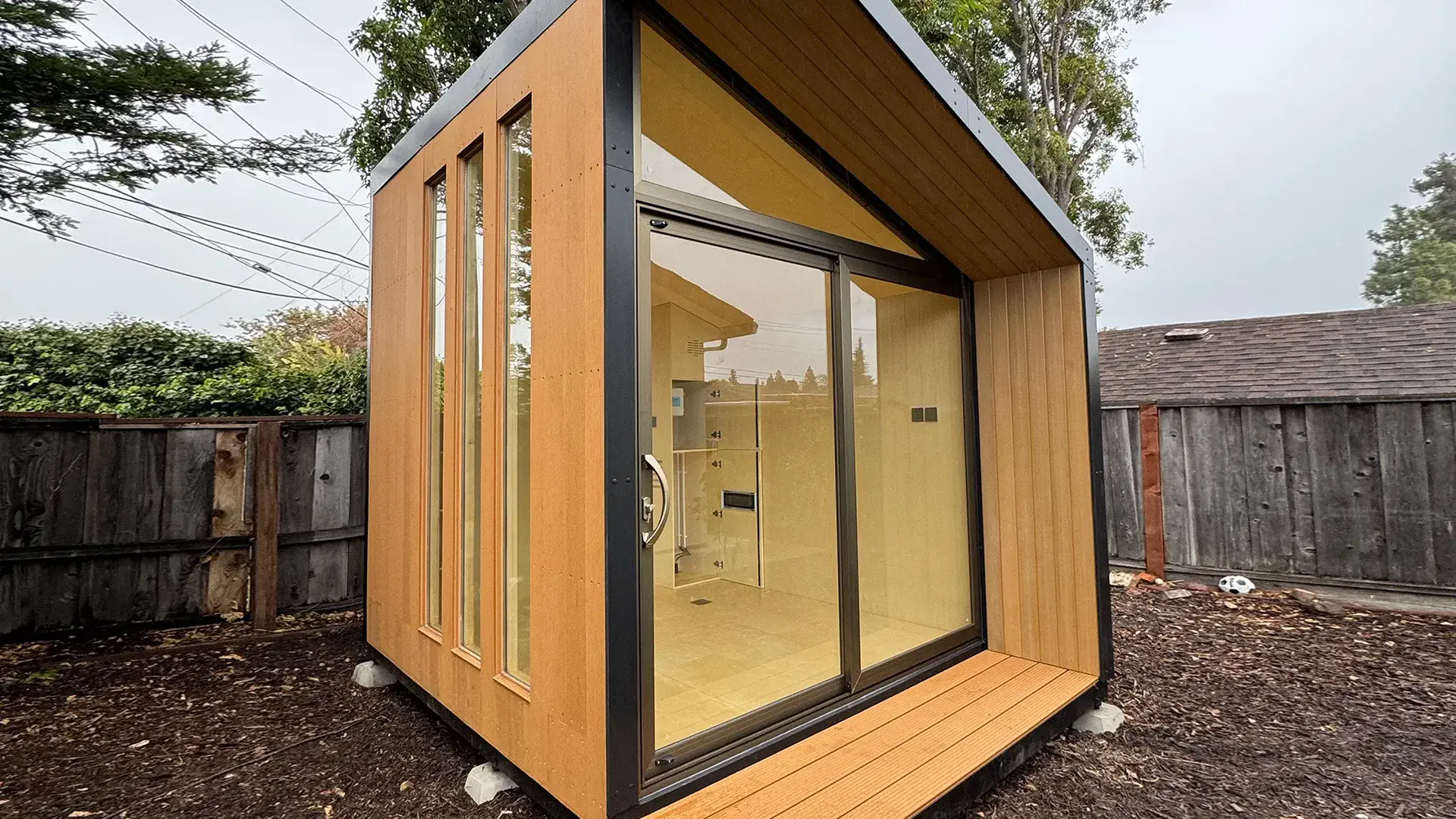
It suits a full-time remote worker who wants a door between work and home. Autonomous does not publish a dB figure, so judge it as an insulated room rather than a sound booth.

StudioPod for a Room You Use Beyond Work
StudioPod is a 105 sq ft backyard room with six insulated layers, a glass door plus two windows, five outlets and four lights. Autonomous pitches it as a backyard room for any use, so it suits people who want one quiet room for work and other uses.

MetroPod for a Small Yard
MetroPod is the 80 sq ft option for small metro yards, with metal siding over five insulated layers, a glass door plus one window, and a 65-90°F comfort range. It suits a small yard where a larger pod will not fit; furniture is not included.

Spaceship for an Indoor Quiet Room
Spaceship is the Autonomous option for people who cannot use the yard: a one-person pod that stands inside a room. Its five-layer wall and 10 mm glass door with a full seal give 30 dB of speech reduction, a figure Autonomous marks as preliminary, and two 8-inch roof vents bring in fresh air all the time.
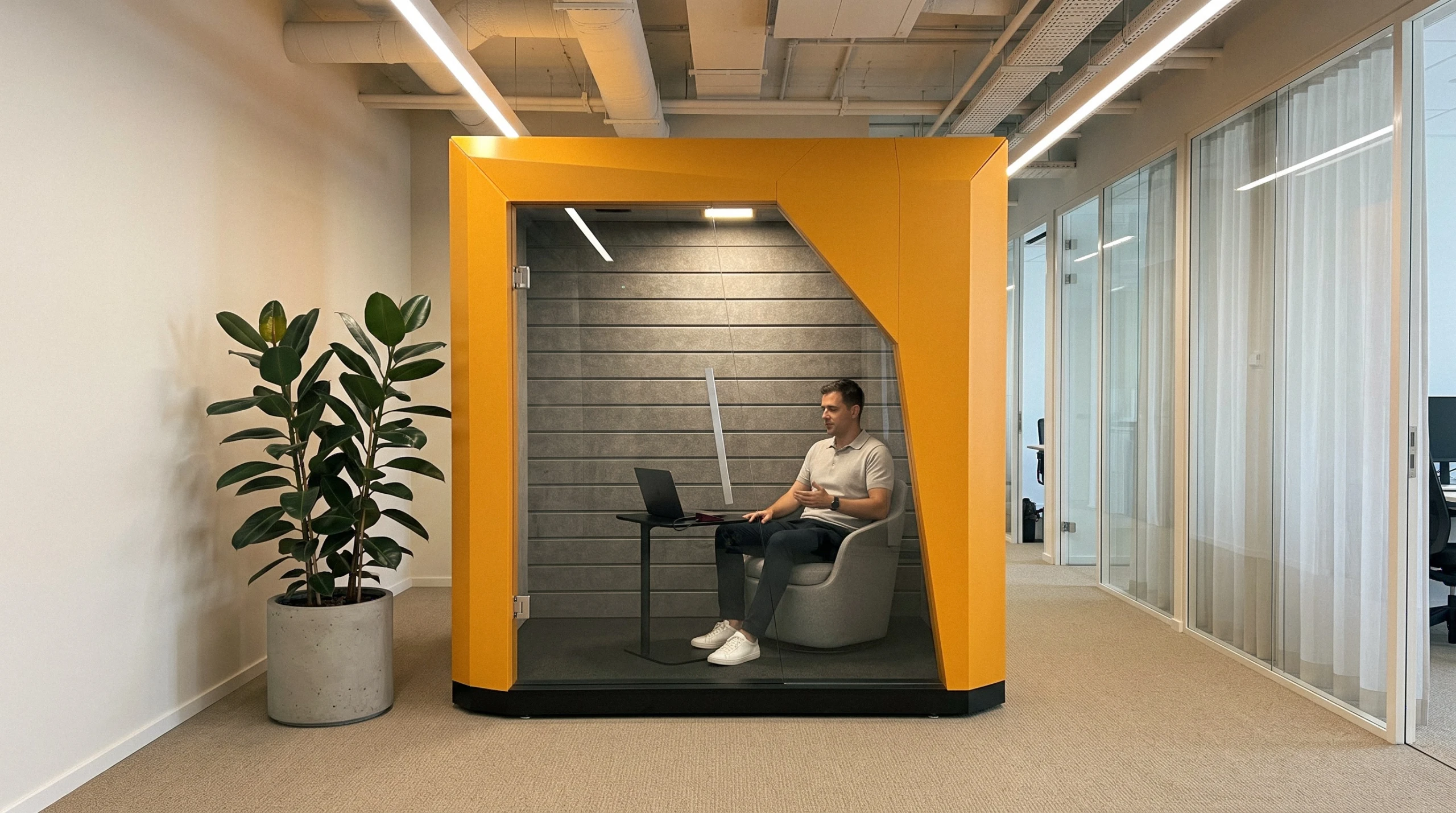
Measure before you order. The pod is 8'2" wide, 5'6" deep and 7'9" tall outside and weighs about 950 lb, so check your ceiling height first; Autonomous does not list how much clearance the roof vents or on-site assembly need. It arrives flat-packed by freight, two people assemble it on site in a day, and the chair and table are sold separately.

FAQs
How to make a room 100% soundproof?
No room is 100% soundproof, but you can get close by combining methods. Use double-glazed windows, a solid-core door with seals, and acoustic panels on walls and ceilings, then add mass-loaded vinyl or soundproof insulation inside the walls to block more sound.
How much does it cost to soundproof a 12x12 room?
DIY fixes such as weatherstripping, a door sweep, acoustic foam and heavy curtains usually cost a few hundred dollars for a 12x12 room. Professional work with soundproof drywall, new windows or a solid-core door can reach several thousand dollars, depending on materials and labor.
How do you soundproof an open-plan office?
Soundproof an open-plan office with ceiling baffles or suspended panels to absorb sound from above, acoustic dividers between desk groups, and doors between sections. For private calls, add enclosed soundproof office pods or phone booths so conversations leave the open floor.
How do you soundproof an office for privacy?
For privacy, stop speech from leaving the room: seal the door with a sweep and weatherstripping, add mass to the shared wall, and fill gaps around outlets. A white noise machine outside the door masks what still leaks through.
How to cancel out noise when working from home?
Mask ambient noise with a white noise machine or a fan, and wear noise-canceling headphones for calls and deep work. Then seal gaps in doors and windows and add soundproof curtains or acoustic panels to cut noise from other rooms or outside.
How do I reduce noise between shared walls?
Reduce noise through a shared wall by adding mass and absorption. Hang acoustic panels or fabric-covered wall panels on the shared wall, place a heavy bookshelf against it, and seal cracks and seams with acoustic sealant so sound cannot leak through gaps.
How can I soundproof my home office?
Start by finding the noise source: outside (street traffic, construction) or inside (family members, appliances). Then seal gaps around doors and windows, add acoustic panels to walls and ceilings, and add soft furnishings like rugs and upholstered furniture to absorb sound.
Conclusion
A soundproof home office cuts distractions and makes calls easier. Whether you’re struggling with external noise like street traffic or internal disruptions from your household, there are soundproofing methods to suit your needs and budget.
From DIY solutions like sealing gaps and adding acoustic panels to more permanent options like double-glazed windows and solid-core doors, you have plenty of tools to create a quieter workspace.
If room fixes still are not enough, a backyard office shed puts insulated walls and distance between you and the house, and an indoor pod gives you a closed door inside it.
Apply the fixes that match your noise source first, and your home office will be a quieter place for deep work.