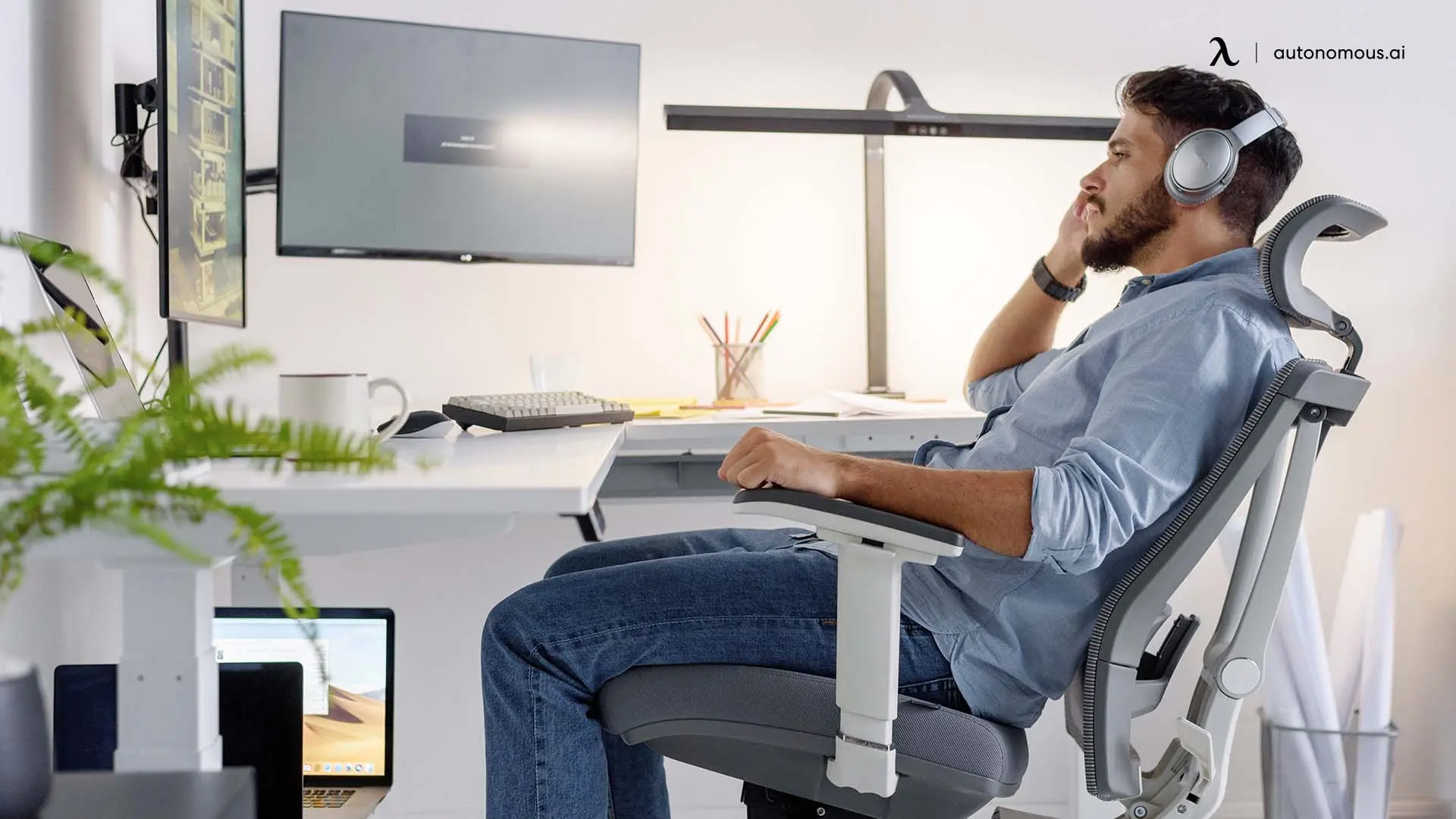
Best Office Chairs and Cushions for Buttock Pain 2026

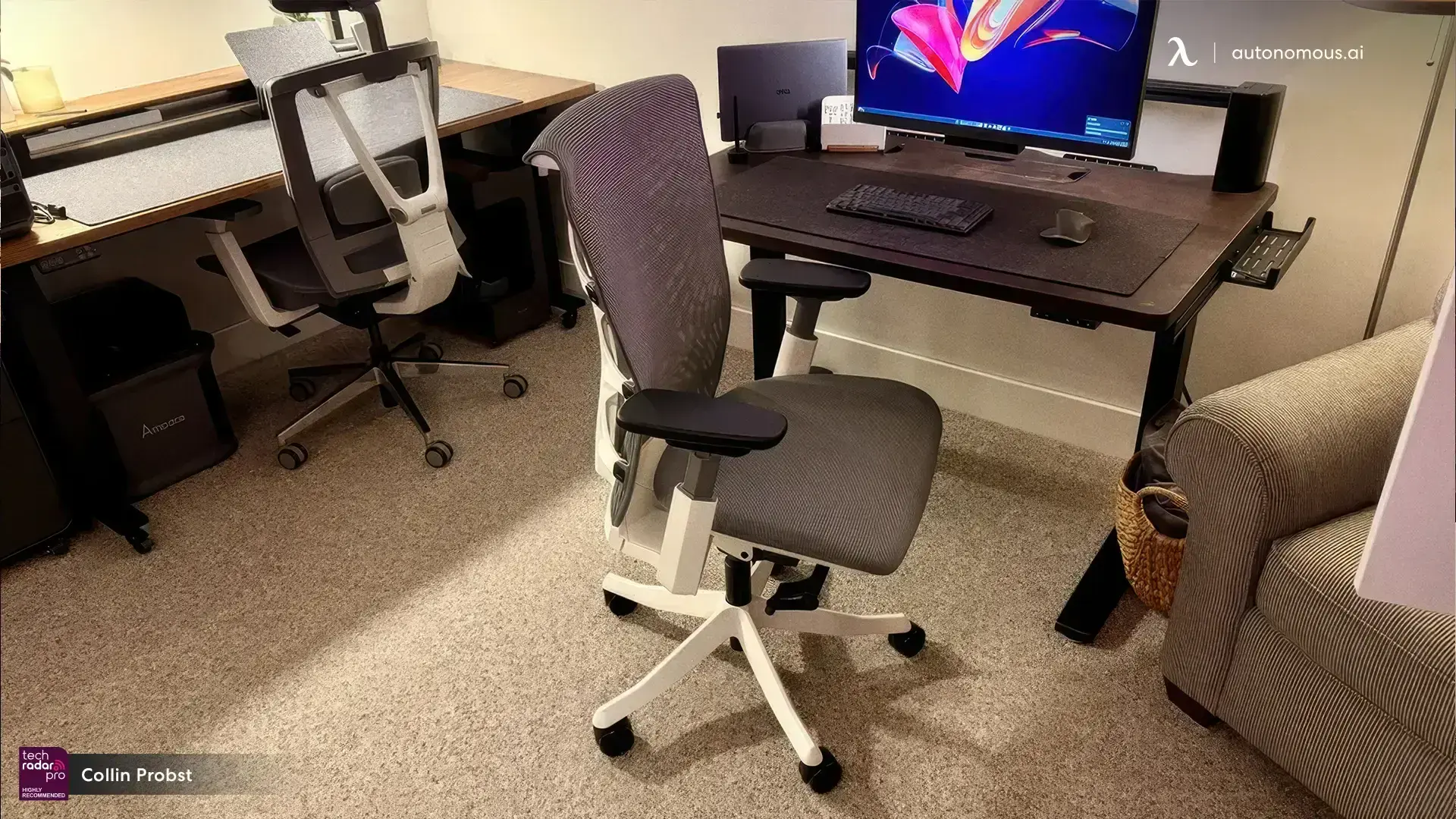
Buttock pain from sitting usually comes down to pressure: hours of body weight pressing your sit bones and glutes into a hard or poorly shaped seat, with nowhere for that pressure to spread. The fix is either a chair built to spread that load in the first place or a cushion that redistributes it, and often a combination of both. This guide covers the best office chairs for buttock pain, the seat cushions that ease it, and how to tell which one your setup actually needs, so you can stop the ache before it turns into a daily problem.
What Causes Buttock Pain From Sitting
Buttock pain caused by sitting comes mainly from sustained pressure on the sit bones (the ischial tuberosities), reduced blood flow to the glute muscles, and poor posture that shifts your weight onto soft tissue instead of your skeleton. When you sit for hours, the seat concentrates your body weight onto a small area at the base of your pelvis, and without cushioning or movement, that pressure irritates the tissue, muscles, and nerves around your buttocks.
A few common contributors:
- Hard or flat seats press your sit bones into an unyielding surface, concentrating pressure instead of spreading it across a wider area.
- Prolonged sitting without breaks reduces blood flow to the glute muscles, which can cause aching, numbness, or a pins-and-needles feeling. Sustained inactivity can also weaken and flatten the glutes over time, an effect sometimes called office chair butt.
- Poor posture shifts your weight backward onto your tailbone or unevenly onto one side, overloading soft tissue that isn't built to bear it.
- Piriformis or sciatic irritation can refer pain into the buttocks, especially if a tight muscle presses on the sciatic nerve. If your pain radiates down a leg, that points toward a nerve involvement rather than simple pressure.
If your buttock pain is severe, persistent for more than a couple of weeks, or paired with numbness or shooting leg pain, see a doctor or physical therapist before assuming a cushion or chair will resolve it. Seating helps with pressure-related discomfort, not underlying medical conditions. For pain that traces to nerve irritation, targeted sciatica and buttock pain exercises may help alongside better seating.
Whether you need a chair, a cushion, or both comes down to your current setup and budget:
Option | Best For | Typical Cost | What It Solves |
Seat cushion | Adding relief to an existing chair | $30-$80 | Direct pressure on sit bones and tailbone |
Ergonomic chair | Full-day sitting and posture support | $250-$800+ | Pressure, posture, and long-term support |
Both together | Chronic pain or very long sessions | Combined | Maximum pressure relief plus posture |
Best Office Chairs for Buttock Pain
The best office chair for buttock pain spreads your weight across a well-shaped seat, keeps pressure off the sit bones with a waterfall front edge, and lets you shift position through the day so no single area stays loaded. A cushion treats the symptom; a chair with genuine spine support addresses the cause by holding your posture so your weight lands where it should. That posture support matters most in an office chair built for 8-hour days, where pressure has all day to build. The picks below all handle that, ordered from the most adjustable down.
1. Autonomous ErgoChair Pro - Best Overall for Pressure Relief
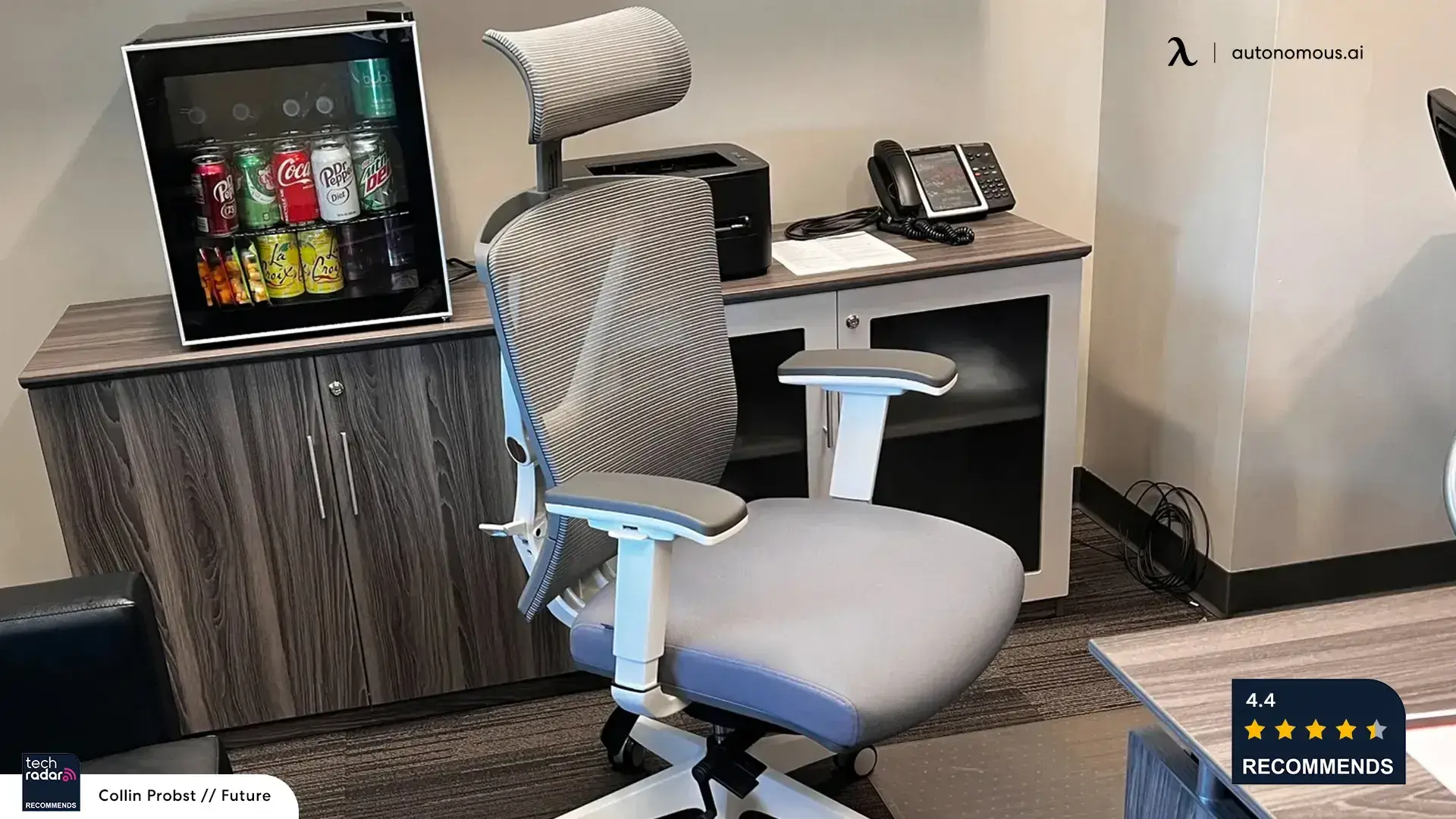
The ErgoChair Pro spreads sitting pressure the way a cushion can't, because it fixes the posture that concentrates weight on your buttocks in the first place. Its sliding lumbar support holds your spine in a natural curve so you sit back on your pelvis rather than slumping onto your tailbone and sit bones, and the waterfall seat edge keeps the front of the seat from cutting into the backs of your thighs and pushing weight rearward. Together, those keep pressure off the exact spots where buttock pain starts.
Across a long day, the ability to move is what keeps the ache from building. The chair reclines through 22 degrees with five lockable positions, letting you shift your weight off your sit bones for stretches at a time, while the breathable mesh seat avoids the heat and moisture buildup that makes long sitting worse. It supports up to 300 lbs and carries a lifetime warranty, the longest on this list. For anyone whose buttock pain comes from full workdays at a desk, this is the most complete fix, and it pairs well with a cushion if you want extra padding on top.
- Best for: Full-day desk sitting where posture is driving the pain.
- Keep in mind: The mesh seat is firm out of the box and takes a short break-in, though that firmness is what prevents bottoming out.
- Capacity: 300 lbs
- Warranty: Lifetime
2. Autonomous ErgoChair Ultra 2 - Best for Constant Movement
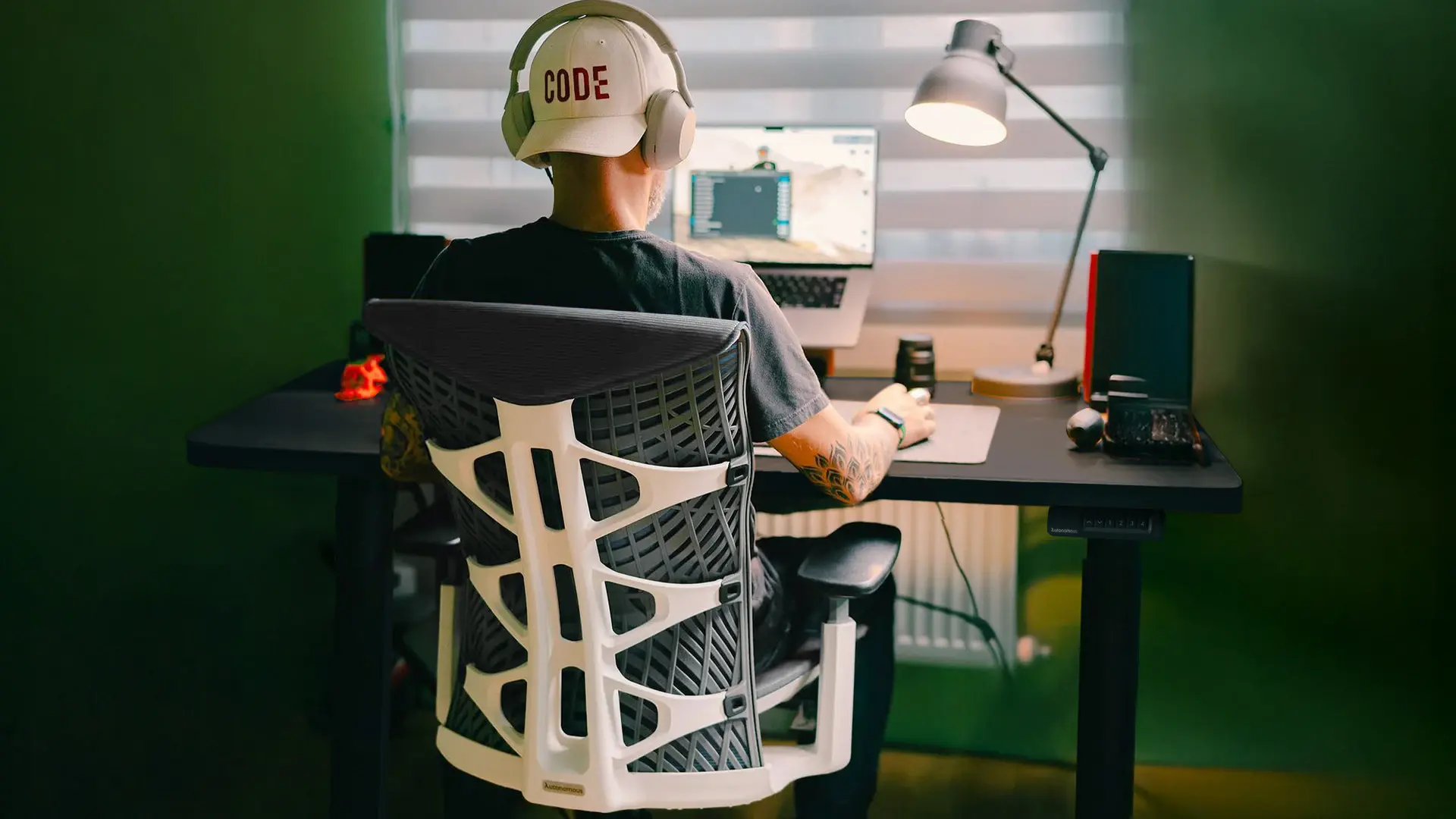
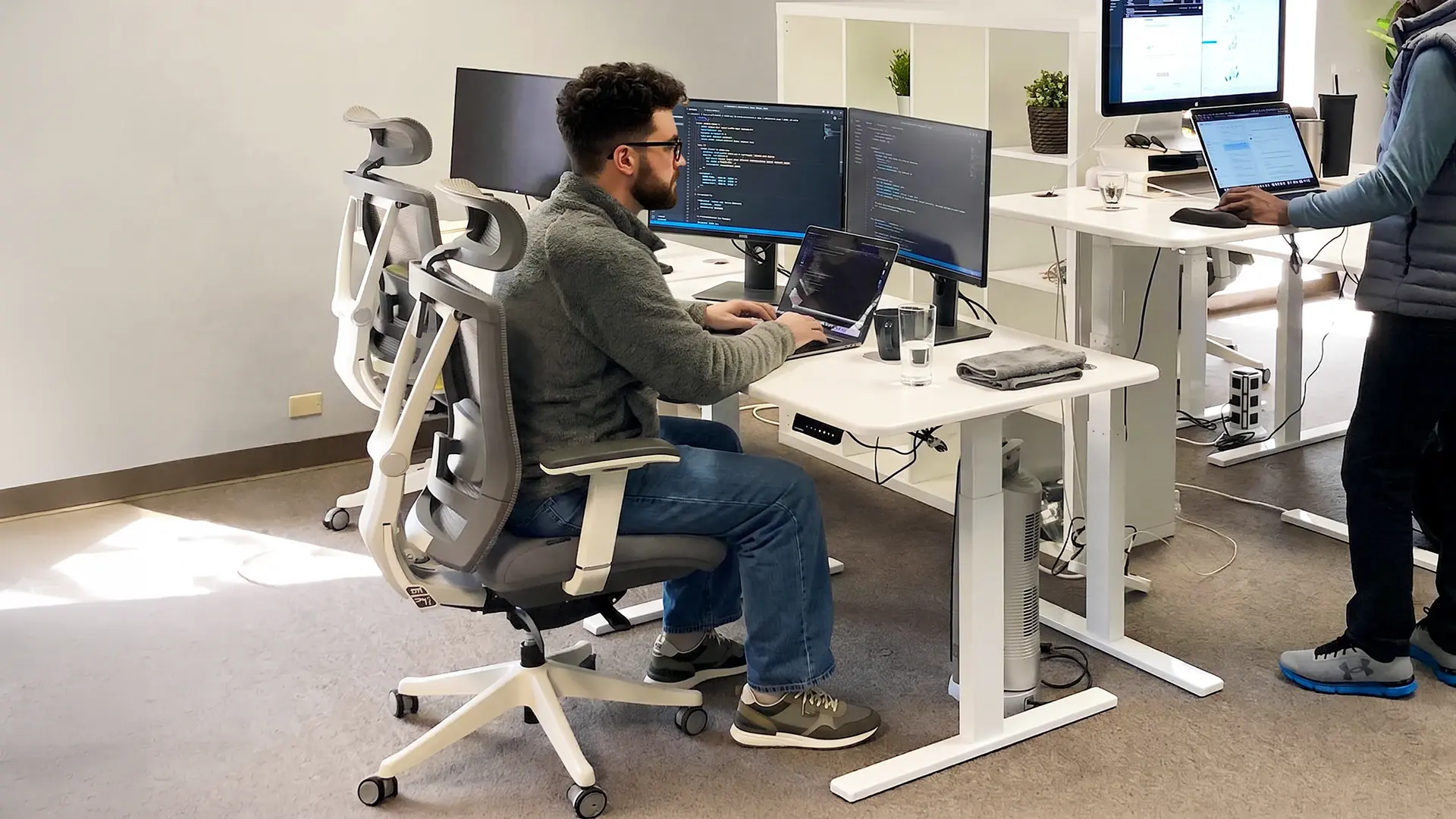
The ErgoChair Ultra 2 keeps pressure moving off your buttocks by flexing with you instead of holding you in one fixed position. Its frameless backrest bends as you lean and shift, so your weight is constantly redistributing rather than pressing the same spot for hours, which is one of the underlying drivers of sitting-related buttock pain. For people who fidget and change position often, that constant motion works with you rather than against you.
The seat is spacious and the mesh runs cool, and the chair reclines smoothly to let you unload your sit bones when they start to ache. It supports up to 320 lbs, the highest here, and carries a lifetime warranty. The tradeoff is that its continuous, free-moving recline can feel less locked-down than the Pro's fixed positions, so if you prefer a firmly set posture for focused work, the Pro suits you better.
- Best for: People who shift position often and want a seat that moves with them.
- Keep in mind: The free-flexing recline feels less locked-in than fixed-position chairs, which not everyone prefers.
- Capacity: 320 lbs
- Warranty: Lifetime
3. Autonomous ErgoChair Core - Best Value for Pressure Distribution
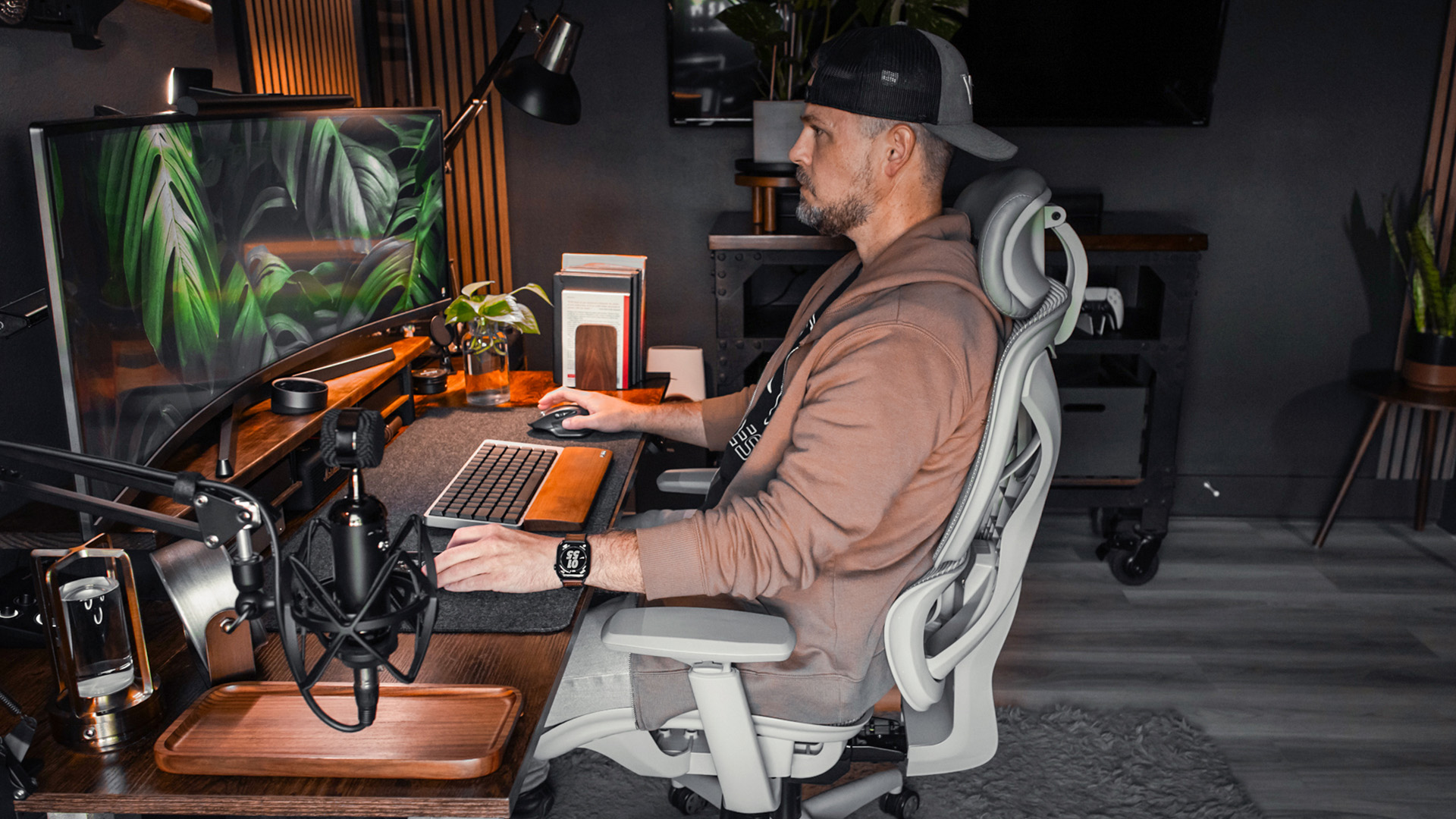
The ErgoChair Core spreads weight across its seat and back through a dual-backrest design that tracks your spine's S-curve, keeping you off your tailbone at a lower price than the Pro or Ultra 2. Its X-shaped frame distributes body weight between the upper and lower backrest rather than letting it pool at the base of your pelvis, which is where buttock and tailbone pressure collects.
It offers a deep recline to unload your sit bones during breaks, 3D armrests, and breathable mesh, covering the essentials for pressure relief without the premium price. The tradeoffs are a lower 242.5 lb weight capacity and a 2-year warranty rather than the lifetime coverage on the other two Autonomous chairs. For a first serious chair aimed at easing buttock pain on a budget, it delivers the core pressure-distribution features that matter.
- Best for: Budget-conscious buyers who want real pressure distribution.
- Keep in mind: The 242.5 lb capacity and 2-year warranty are lower than the Pro and Ultra 2.
- Capacity: 242.5 lbs
- Warranty: 2-year
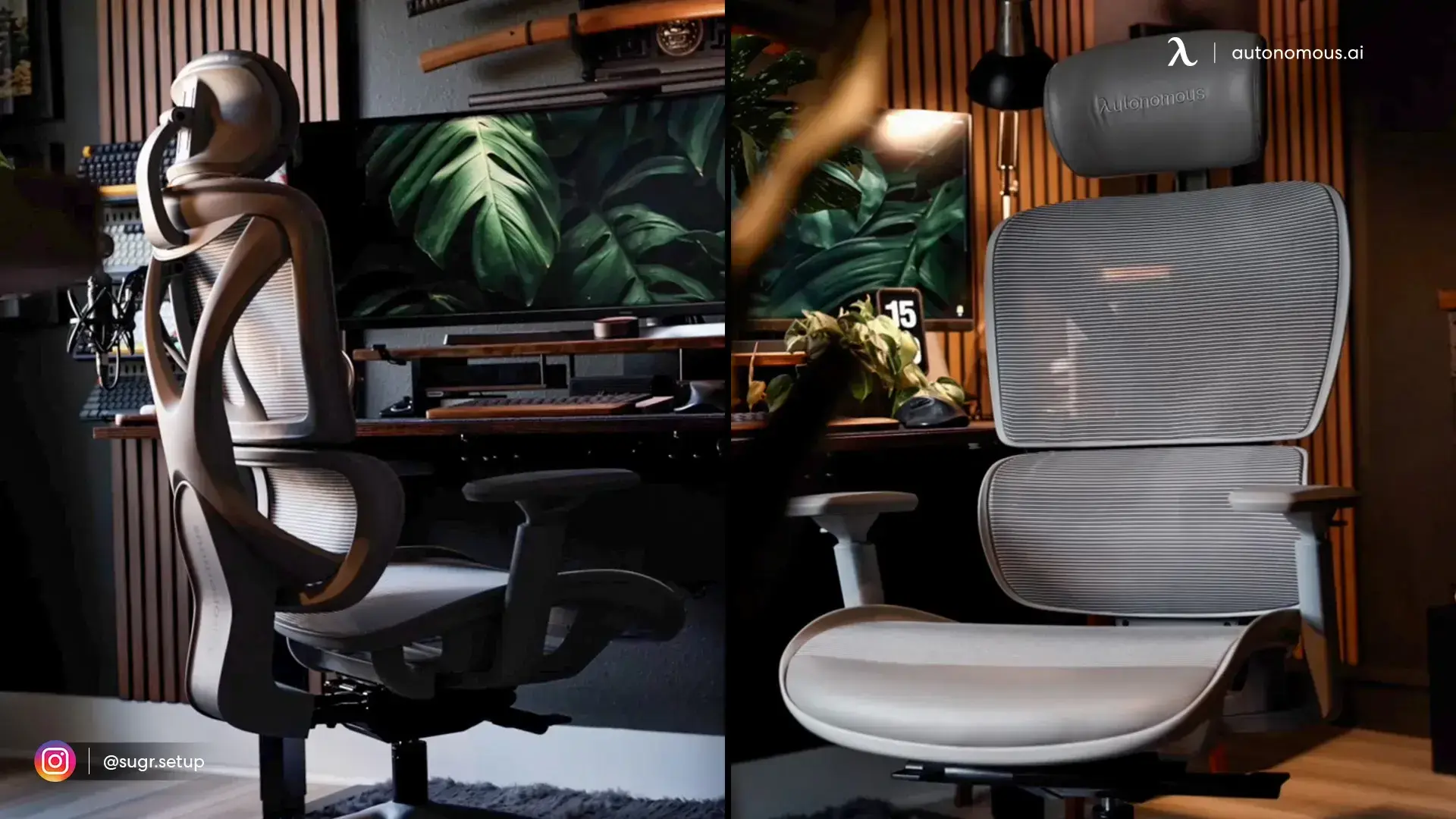
4. Herman Miller Embody - Best Pressure-Dispersing Seat
The Herman Miller Embody spreads your body weight across a matrix of interconnected pixels in the seat and back, so instead of your sit bones pressing into firm foam, the load disperses across a wider surface that flexes as you move. Reviewers who sit in it all day describe the sensation as feeling lighter in the seat, because the reduced pressure under the pelvis is exactly what the pixel system is built to do. That pressure distribution, paired with a back shaped to mimic the spine with a central column and flexible ribs, is what makes it a standout for glute and sit-bone discomfort.
The design also encourages the small, constant shifts that keep blood flowing during long sitting, rather than locking you into one position where pressure builds. Its armrests are among the best-engineered on any chair, adjusting through a curve that lets you tuck your elbows close or spread them wide, and it arrives fully assembled. Two honest caveats: the lumbar lets you adjust the amount of curve but not its height, and comfort is genuinely personal here, with a minority of testers unable to dial in a fit that worked for them. At around $2,200 it's several times the cost of the Autonomous picks, which chase the same pressure-distribution goal for far less.
- Best for: Buyers who want a pressure-dispersing seat and have a premium budget.
- Keep in mind: The lumbar adjusts in firmness but not height, and at roughly $2,200 it's several times the price of the value picks here.
- Capacity: 300 lbs
- Warranty: 12-year
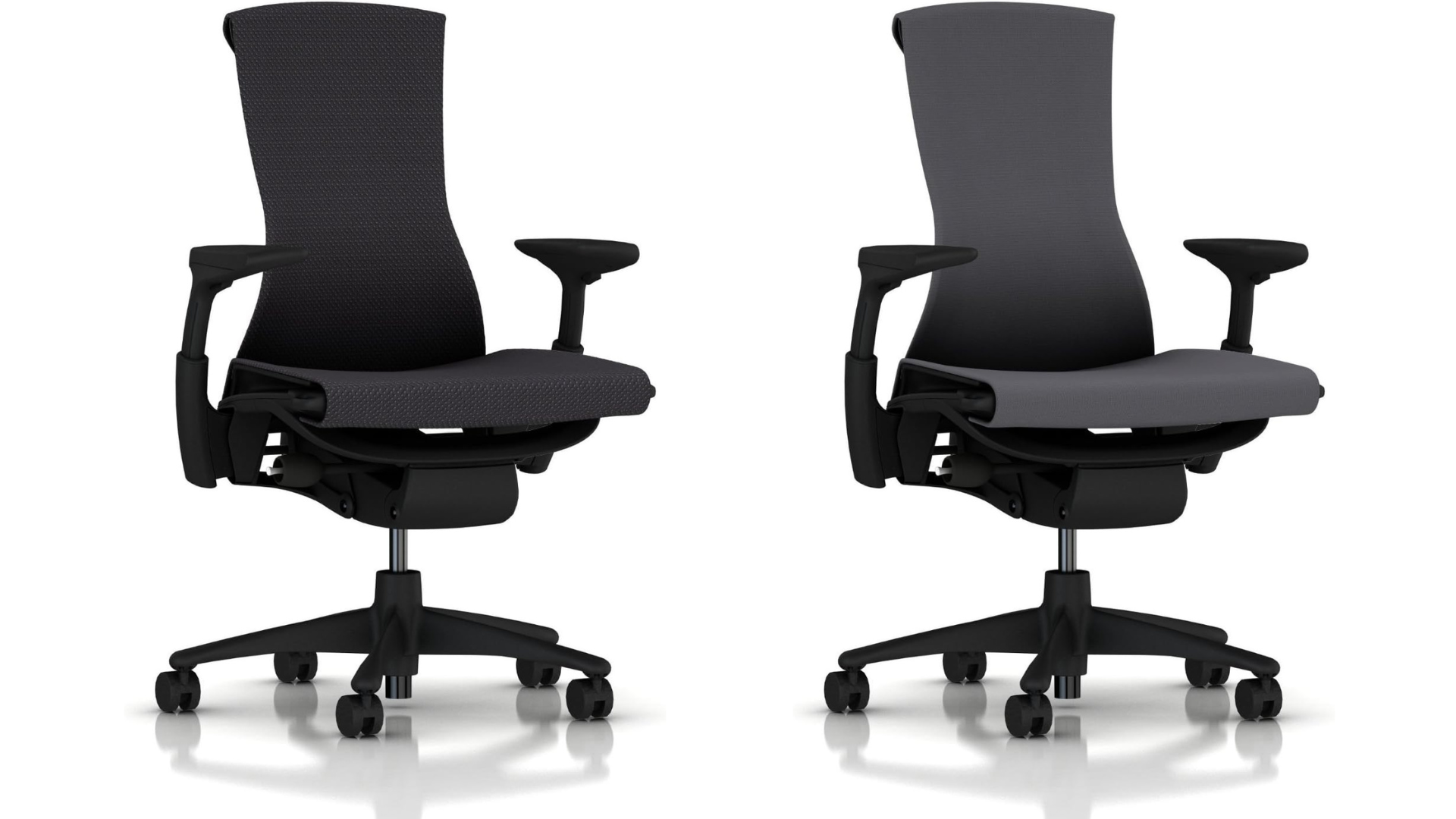
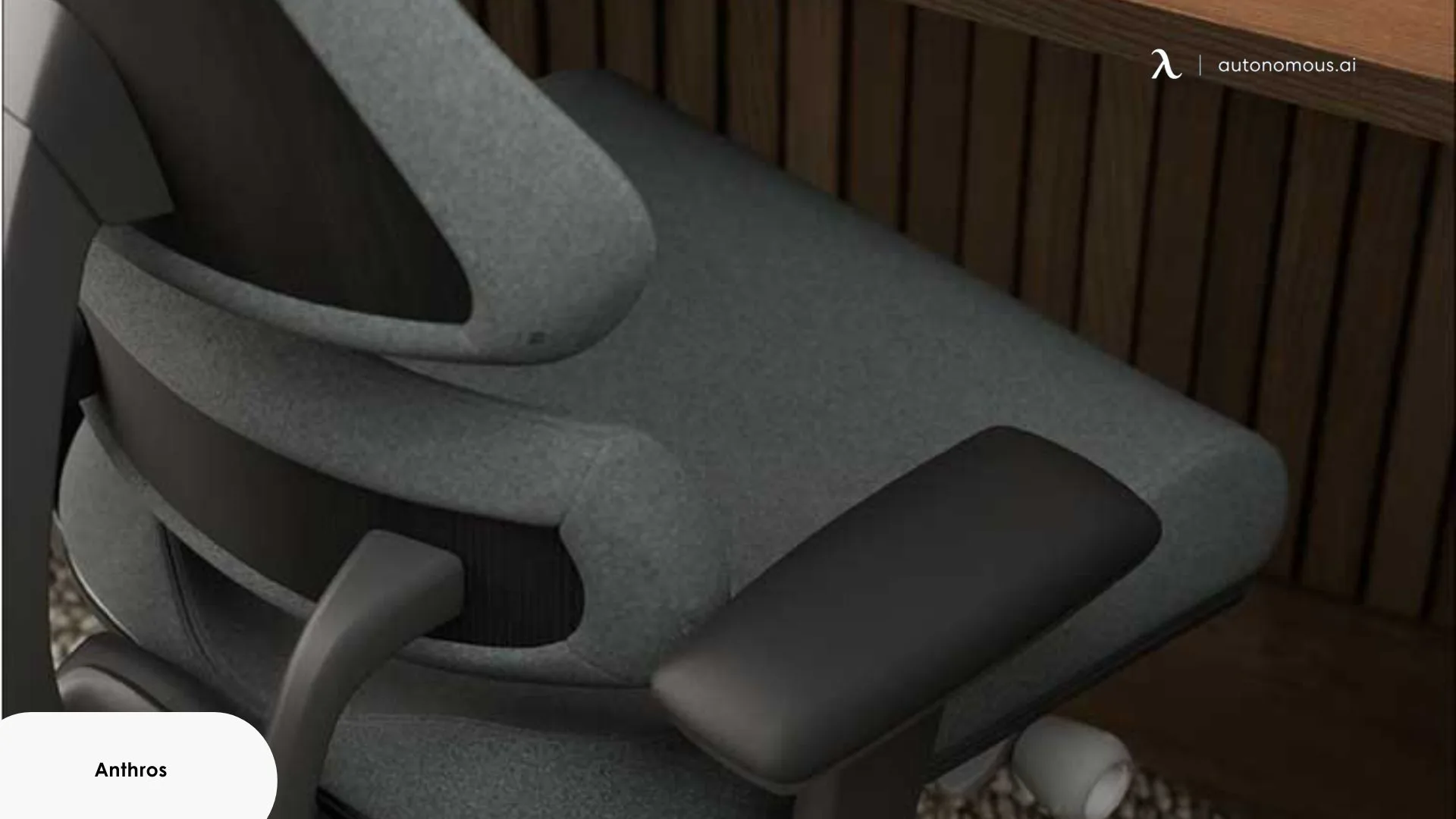
5. Anthros - Best for Measured Pressure Relief
The Anthros chair borrows its seat design from medical wheelchair seating, using shaped cavities under the sit-bone zones so your pelvis settles in rather than bottoming out onto a flat surface, paired with a low-friction layer that reduces the shearing pressure that irritates soft tissue. The result, in long-session owner testing, is marathon work or gaming without the tailbone flare-ups that other chairs produce, which is why it's the most clinically focused pick here for severe or persistent buttock and sciatic pain.
Its back is two separate panels: an adjustable lower lumbar that runs from gentle to firm, and a triangular upper-back support that nests behind your shoulder blades to keep you stacked upright. A shallow locked recline holds you in a task-ready posture for focused work, while a deeper tilt shifts pressure off the pelvis onto the back pads when your sit bones need a break. The honest tradeoffs: at around $1,950 it's the priciest chair here by a wide margin, the finish prioritizes durability over showroom polish, and it currently ships without a headrest. For someone who has already tried cushions and standard chairs and still fights tailbone or sciatic fatigue, it's the specialist option, and its modular, repairable build is designed to last.
- Best for: Severe or persistent buttock and sciatic pain that hasn't responded to other seating.
- Keep in mind: At around $1,950 it's by far the priciest option, ships without a headrest, and favors function over cosmetic polish.
- Capacity: 300 lbs
- Warranty: 12-year
Best Seat Cushions for Buttock Pain
If a new chair isn't in the budget, the best seat cushion for buttock pain distributes your weight away from the sit bones and tailbone, usually through a contoured shape, a pressure-relieving cut-out, or a material that adapts to your body. Cushions fall into four clear types, and matching the type to your pain matters more than the brand.
1. Memory Foam Cushions - Best All-Purpose Choice
Memory foam cushions conform to your body and hold their shape, spreading weight evenly across the seat rather than letting it concentrate on the sit bones. They suit general buttock aching and long sitting sessions, and they're the most common all-purpose option for anyone who isn't sure which type they need.
Best for: General glute aching over long sitting sessions.
2. Gel or Gel-Foam Cushions - Best for Heat and Extra Pressure Relief
Gel or gel-foam cushions add a gel layer over foam that absorbs impact and stays cooler than foam alone. The gel spreads pressure off the sit bones while the cooler surface helps if you overheat during long sessions, making this the type to reach for in warm rooms or if plain foam feels too hot.
Best for: People who overheat or need firmer sit-bone pressure relief.
3. Coccyx Cut-Out Cushions - Best for Tailbone-Specific Pain
Coccyx cut-out cushions have a U-shaped or wedge cut-out at the back that suspends the tailbone so it bears no direct pressure. These target tailbone-specific pain more than general glute pain, so they're the right pick if your ache sits at the very base of your spine. For that specific issue, our guide to tailbone pain from sitting at a desk covers coccyx cushions in more depth.
Best for: Pain centered on the tailbone rather than the glutes.
4. Seat Wedges - Best for Posture-Driven Pain
Seat wedges tilt your pelvis slightly forward to improve posture and shift weight off the sit bones toward the thighs. That forward tilt encourages you to sit upright on your pelvis rather than slumping back onto your tailbone, so this type helps most when poor posture is what's driving your pain.
Best for: Buttock pain caused mainly by slouching or posture.
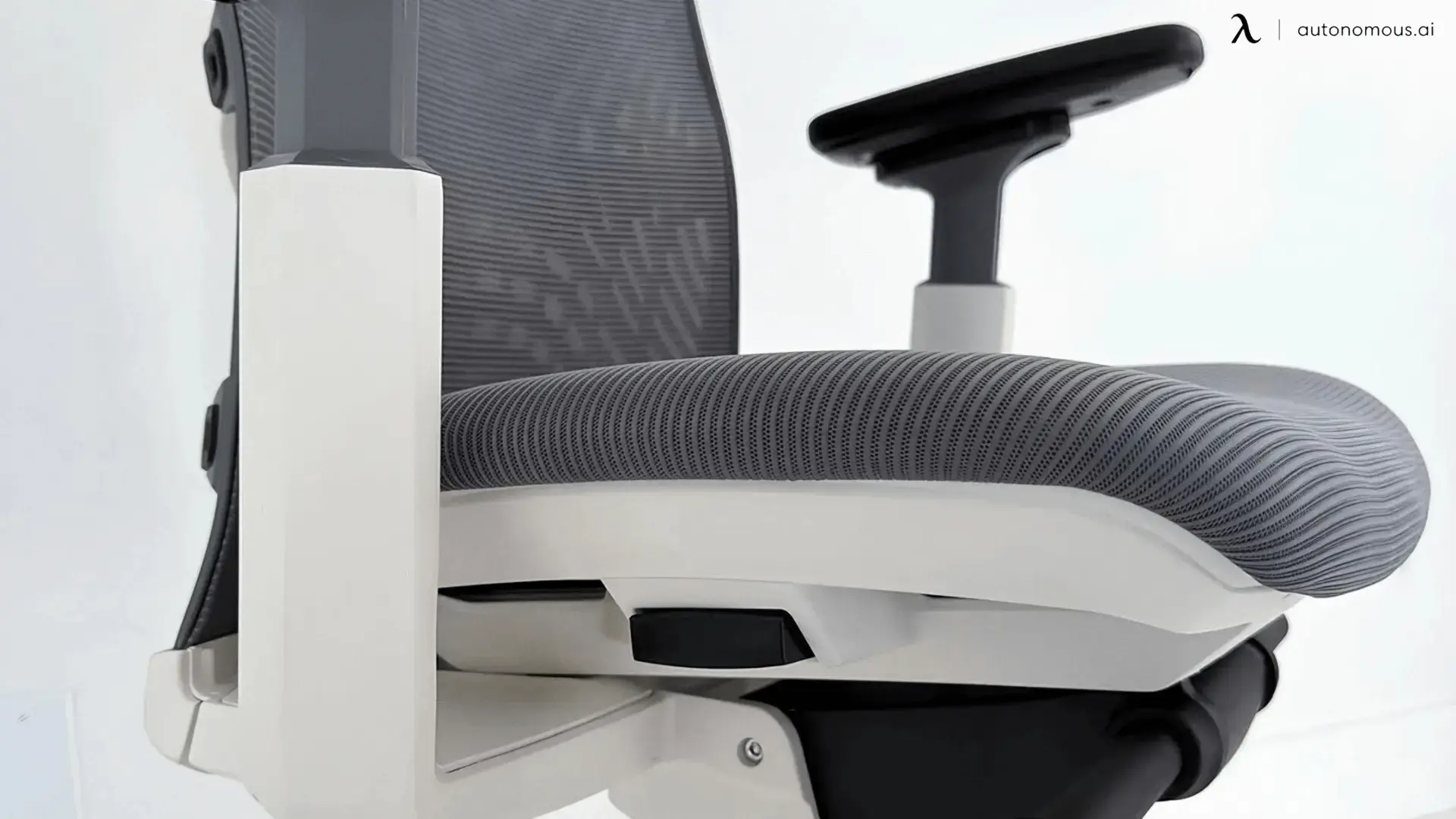
When choosing any of these, look for a cushion firm enough that you don't bottom out onto the chair beneath, a non-slip base, and a removable, washable cover. A cushion that's too soft compresses flat under your weight within minutes and stops relieving pressure, which is the most common reason a cheap cushion disappoints. If your chair's own seat is the weak point, a chair with a thick cushion seat can remove the need for a separate pad altogether.
How to Set Up Your Seat to Prevent Buttock Pain
Even the best chair or cushion won't help if your setup pushes your weight onto the wrong spots, so a few adjustments make a real difference. Set your seat height so your feet rest flat on the floor with your knees level with or slightly below your hips, which keeps your weight on your sit bones rather than sliding back onto your tailbone. Sit fully back so your lower back meets the chair's lumbar support instead of perching on the front edge.
And build in movement: stand, stretch, or walk for a minute every 30 minutes to restore blood flow to the glutes, since even a perfect seat concentrates pressure if you never leave it. Alternating with a standing desk through the day takes the load off entirely for stretches at a time.
Frequently Asked Questions
What is the best seat cushion for buttock pain?
The best seat cushion for buttock pain is one that redistributes weight away from the sit bones, typically a firm memory foam or gel cushion for general glute aching, or a cut-out cushion for tailbone-specific pain. The key is firmness that doesn't compress flat under your weight, since an overly soft cushion stops relieving pressure within minutes of sitting down.
What is the best office chair for buttock pain?
The best office chair for buttock pain has a well-contoured seat, a waterfall front edge that keeps pressure off the thighs, and adjustability that supports upright posture so your weight rests on your pelvis rather than your tailbone. Chairs like the Autonomous ErgoChair Pro combine those features with a breathable seat and recline, addressing the cause rather than just cushioning the symptom.
What causes buttock pain from sitting?
Buttock pain from sitting is caused mainly by sustained pressure on the sit bones, reduced blood flow to the glute muscles during long sitting, and poor posture that shifts weight onto soft tissue. Hard seats, sitting without breaks, and slouching all concentrate pressure on a small area, which irritates the muscles and nerves around the buttocks over time.
Do seat cushions really help with buttock pain?
Seat cushions genuinely help with buttock pain when the pain comes from pressure on a hard or flat seat, because they spread your weight over a wider area and relieve the sit bones. They're less effective when the pain stems from an underlying posture problem or nerve irritation, in which case a supportive chair or professional care addresses the root cause better.
Is a cushion or a new chair better for buttock pain?
A cushion is the better choice if you already have a decent chair with a seat that's simply too hard, since it's a fast, low-cost fix. A new ergonomic chair is better if your current chair lacks support entirely or you sit eight or more hours a day, because it corrects the posture and pressure distribution that cause the pain in the first place.
How do I stop my buttocks from hurting when I sit all day?
To stop buttock pain during all-day sitting, use a chair or cushion that distributes pressure off your sit bones, set your seat height so your feet are flat and weight rests on your pelvis, and take a movement break every 30 minutes to restore circulation. Combining a supportive seat with regular movement addresses both the pressure and the reduced blood flow that cause the ache.
Can sitting too long cause permanent buttock pain?
Sitting too long usually causes temporary buttock pain that eases once you improve your seating and movement habits, but chronic untreated pressure can lead to persistent soft-tissue irritation. If pain lasts more than a couple of weeks, worsens, or radiates down a leg, see a healthcare professional, since that pattern can signal nerve involvement rather than simple pressure.
Final Words
Buttock pain from sitting is a pressure problem at its core, and the fix follows from that: spread the load, support your posture, and keep moving. A firm, well-shaped seat cushion is the quickest relief if your chair's seat is the weak point, while an ergonomic chair like the ErgoChair Pro addresses the posture and pressure distribution that cause the ache in the first place. For chronic or long-session pain, using both together gives you the most relief.
Whichever route you take, pair it with the habits that matter most: correct seat height, weight resting on your sit bones rather than your tailbone, and a movement break every half hour. If you're still comparing models, our roundup of the most popular office chairs this year is a useful starting point. And if your pain is severe, ongoing, or radiating into a leg, treat that as a signal to check in with a doctor or physical therapist rather than relying on seating alone.