5 Best ADHD Office Chairs for Adults 2026
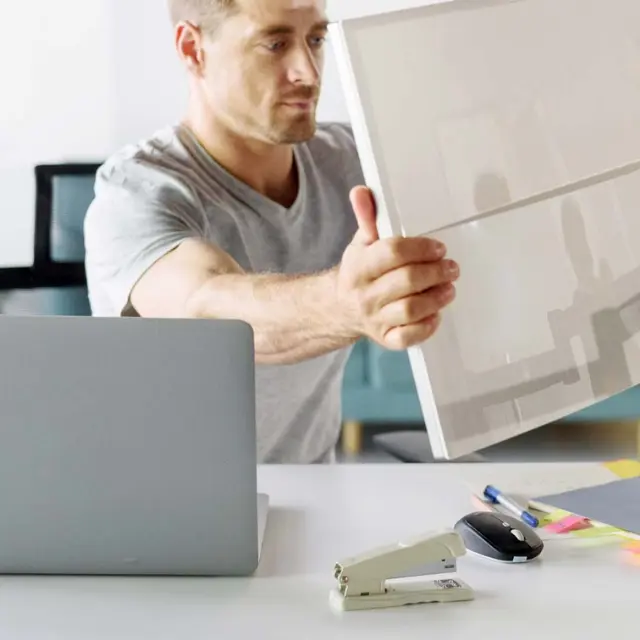
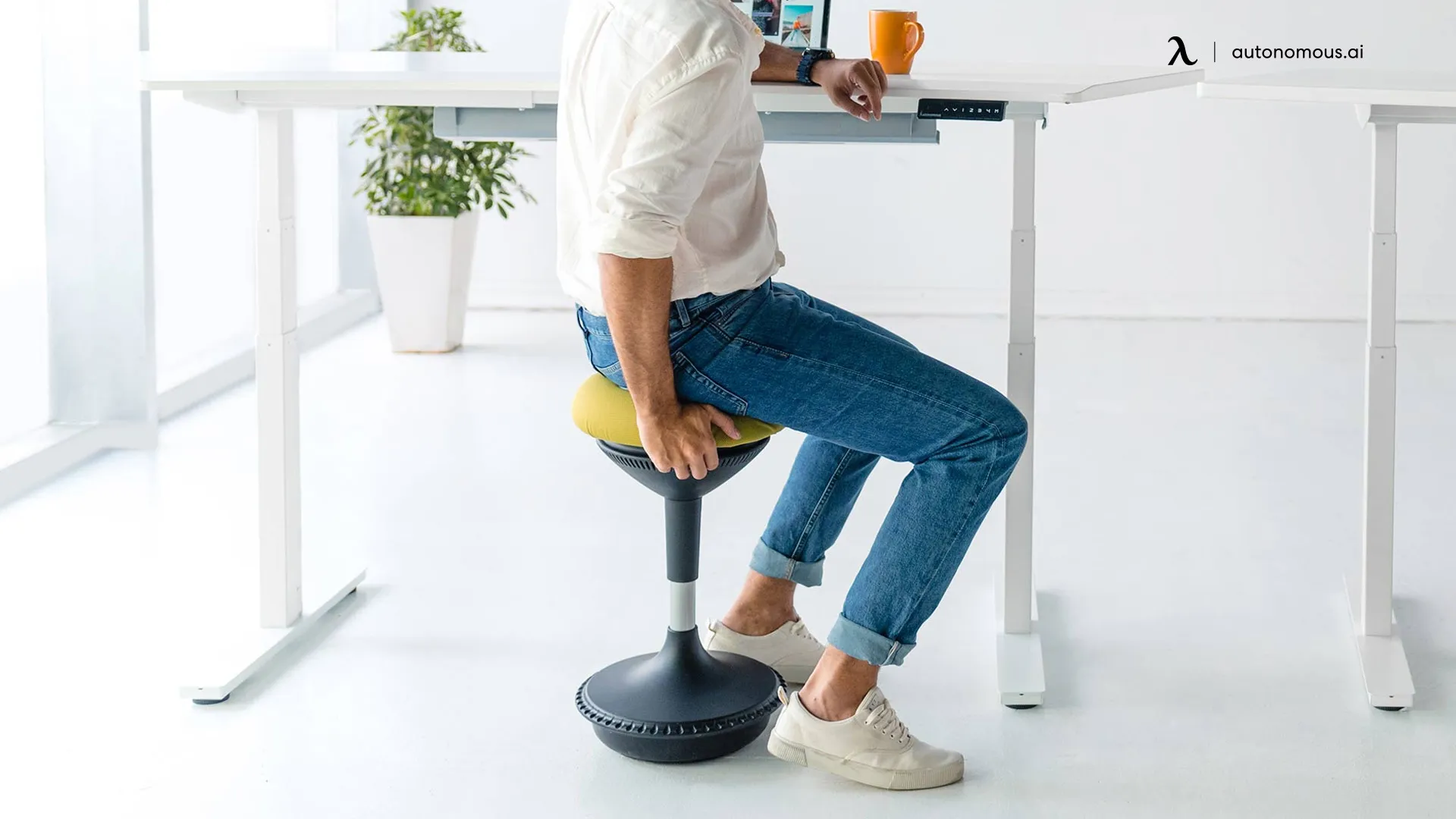
If you have ever swapped chairs three times before lunch, you already know why an ADHD office chair is worth thinking about. For a brain that focuses better while the body moves, the wrong chair fights you all day and the right one gets out of the way. This roundup covers five chairs that suit how people with ADHD actually sit, what each one is good and bad at, and how to match one to your own habits instead of buying on hype.
Can a chair actually help with ADHD?
A chair cannot treat ADHD, but one that lets you move, perch, and shift without losing support can make it easier to stay at your desk and focused. The reason is movement. Research from UC Davis Health found that for people with ADHD, more physical movement during a task lined up with better performance, so seating that works with restlessness tends to beat seating that tries to lock it out. Think of an ADHD office chair as a tool that removes friction, not a treatment, and keep your expectations there.
What makes a chair ADHD-friendly?
An ADHD-friendly chair is one that supports constant movement and position changes instead of forcing a single upright posture. A few features matter more than the marketing:
- Range of motion. Recline, tilt, rock, or swivel, so you can change position without leaving the chair.
- Easy, reachable adjustments. If changing the height or tilt takes effort, you will not do it.
- Support for the positions you actually use. A wide, flat seat for cross-legged sitting, or a seat you can perch on the edge of.
- A footrest or open base. Somewhere to tuck or prop your feet when they will not stay on the floor.
For the full picture of why those positions happen in the first place, see our breakdown of why people with ADHD sit the way they do.
The best ADHD office chairs at a glance
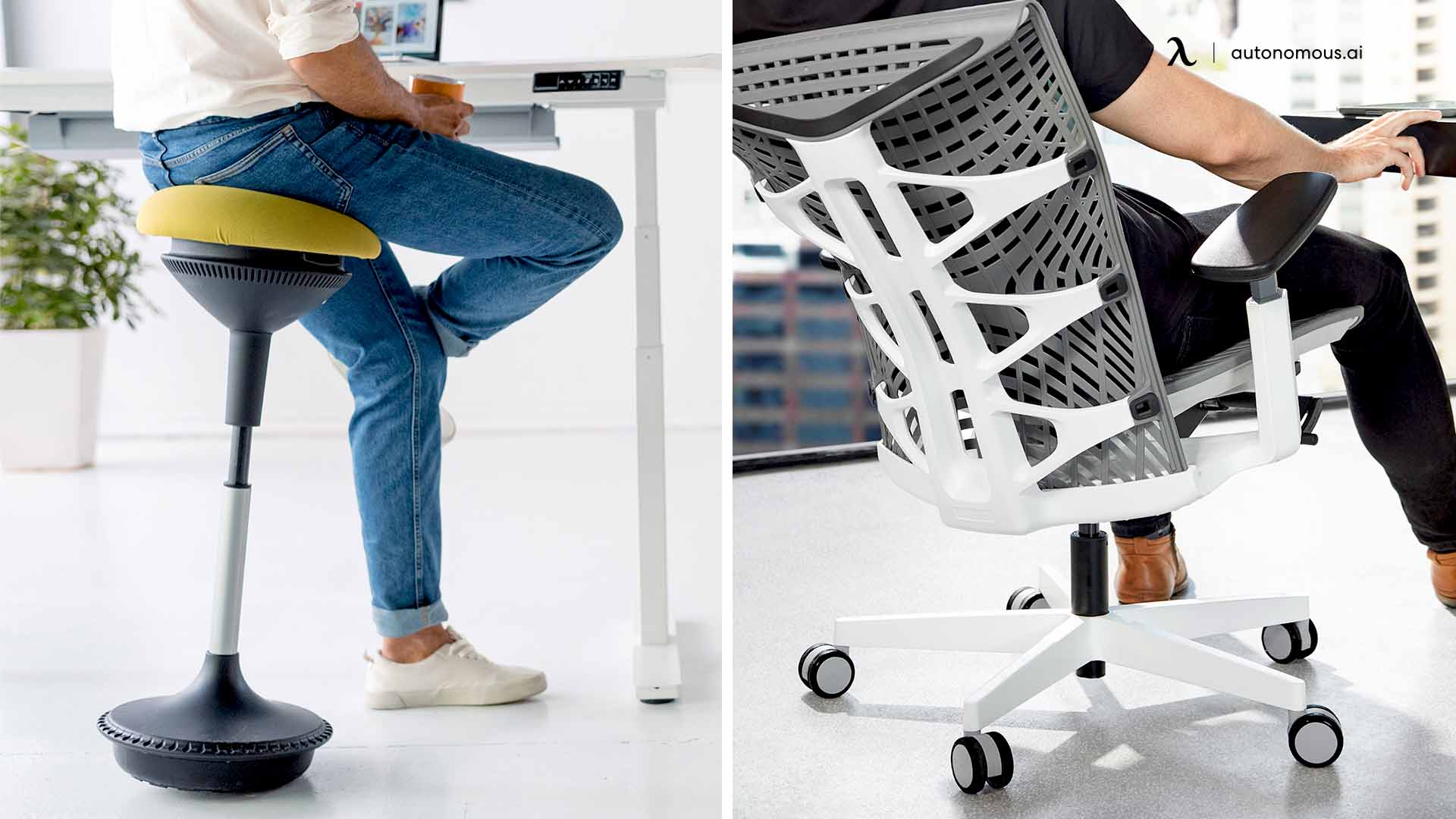
The five ADHD office chairs below cover the main movement styles, from fidget-friendly cross-legged chairs to full ergonomic task chairs. Prices change periodically, so treat the figures as a current snapshot.
| Chair | Type | Movement level | Best for | Price |
|---|---|---|---|---|
| Pipersong Meditation Chair | Cross-legged / fidget | High | Can't keep feet on the floor | Check retailer |
| Autonomous ErgoChair Pro | Ergonomic task chair | Moderate | Long workdays with movement | $499 |
| Varier Variable Balans | Kneeling / rocking | Moderate to high | Rocking to stay alert | $479 |
| Gaiam Classic Balance Ball Chair | Balance ball | High | Cheap active sitting | $69.98 |
| Newtral Freedom-X | Multi-posture task chair | Moderate | Support plus movement | $399 |
The best ADHD office chairs for adults
1. Pipersong Meditation Chair: best for restless feet
The Pipersong is the cross-legged fidget chair most people picture when they hear ADHD chair, and it feels less like an office chair than a little platform you rearrange around yourself. The seat is wide and flat, with a separate footstool on its own caster and a backrest you can spin to the front to hug or straddle. Sit down and your first instinct is to pull a foot up, and the flat seat actually lets you do it: criss-cross sitting works here instead of your knees hanging off a contoured edge. Because the footstool rolls, you can prop both feet up, tuck one under, or shove it aside and perch on the front, all without standing. For a body that cannot stay in one shape, that is the whole appeal, you reset your posture every ten minutes and the chair just follows.
The flip side is support. There is no real lumbar shaping and the backrest is a flat pad, so the moment you want to lean back and settle into a long stretch, it does not hold your spine the way a task chair would, and the build feels light for what it costs. It earns its place for short, fidgety work blocks and gives way to a proper ergonomic chair over a full day. If cross-legged is your default, a dedicated cross-legged office chair is the category to compare it against.
| Pros | Cons |
|---|---|
| Wide flat seat makes real cross-legged sitting work | Minimal lumbar support |
| Footstool rolls, so you reposition without standing | Build feels light for the price |
| Backrest spins to hug or straddle | Not built for a full eight-hour day |

2. Autonomous ErgoChair Pro: best for long workdays with movement
The ErgoChair Pro is the pick if you want to fidget and recline all day but still have your back supported when you finally settle. It carries a 22 degree recline with five lock positions, a synchro-tilt that keeps the seat level as you lean, a seat that slides for depth, and a lumbar that moves through a 6-inch range. The move that matters for a restless body is the seat slide: push it so the front edge sits just behind your knees, and owners say it becomes far easier to shift around through the day and to stand up after a long stretch. Lock the recline at a middle point and you can rock between upright and leaned-back without the chair flopping loose under you, which scratches the urge to move while you keep working.
Over long sessions the mesh is the quiet win, owners report it stays cool instead of trapping heat on a warm afternoon. Seat height runs 18.5 to 22 inches and it holds up to 300 pounds. The honest catch owners raise is the armrests: they only lock for height, so they swing out of place when you grab the chair to scoot in, and you have to nudge them back. For an eight-hour day of moving and settling, that is a small price next to a chair that actually supports you.
- Recline: 22 degrees, five lock positions
- Seat height: 18.5 to 22 inches
- Seat depth: 19 to 21.5 inches, slides
- Lumbar: 6-inch height slide
- Weight capacity: 300 pounds
| Pros | Cons |
|---|---|
| Reclines and locks so you rock without flopping | Armrests lock only for height and swing out of place |
| Seat slides for easy repositioning and standing | Seat is not wide enough for full cross-legged sitting |
| Mesh stays cool over long sessions | Premium price |
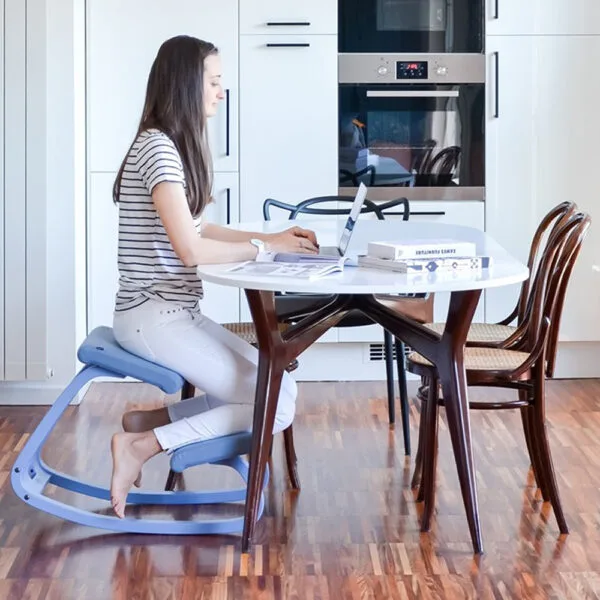
3. Varier Variable Balans: best for rocking to stay alert
The Variable Balans is a kneeling chair that rocks, and the rocking is the whole experience: it never quite lets you go still. Instead of wheels it sits on two curved wooden runners, so you half-kneel with your shins resting on the lower pads and the whole frame tips forward and back as you move. Sit in it and you notice your body starts making small rocks almost on its own, which is exactly what a restless system seems to want, and your hips open up past the folded right angle a normal chair forces. Your hands stay on the keyboard while your legs keep a slow, quiet motion going underneath.
The cost of that is support and stamina. There is no backrest at all, some of your weight sits on your shins, and after an hour or two the shin pressure makes itself known, so most people run it as a second chair for part of the day rather than their only one. Getting in and out is a small production too. It sits in the same family as other kneeling chairs, which share the same strengths and limits.
| Pros | Cons |
|---|---|
| Rocks continuously to keep you in motion | No backrest at all |
| Opens the hip angle past a folded 90 degrees | Shin pressure builds after an hour or two |
| Solid wood build | Awkward to get in and out of |
4. Gaiam Classic Balance Ball Chair: best cheap active sitting
The Gaiam ball chair is the cheapest way to find out whether active sitting helps you, and you feel your core switch on within a minute of sitting down. It is an exercise ball dropped into a wheeled frame with a low back ring, so you perch on the ball and it never stops making tiny corrections under you. You bounce a little, you shift constantly, and for a fidgety body that low-grade motion scratches the itch for almost no money. It is the easiest first step if you are not yet sure movement is what helps you focus.
Treat the back ring as a reminder, not a backrest, because it barely supports you. The ball also loses air slowly and needs reinflating, and a long day of precision work gets tiring since nothing holds your spine for you. It is a cheap way in and a poor all-day chair. The broader pros and cons of a ball office chair are worth reading before you commit to one full-time.
| Pros | Cons |
|---|---|
| Cheapest way to try active sitting | Back ring is a reminder, not real support |
| Constant core engagement and micro-movement | Ball can deflate and needs reinflating |
| Light and easy to move | Tiring for long precision work |

5. Newtral Freedom-X: best for support plus movement
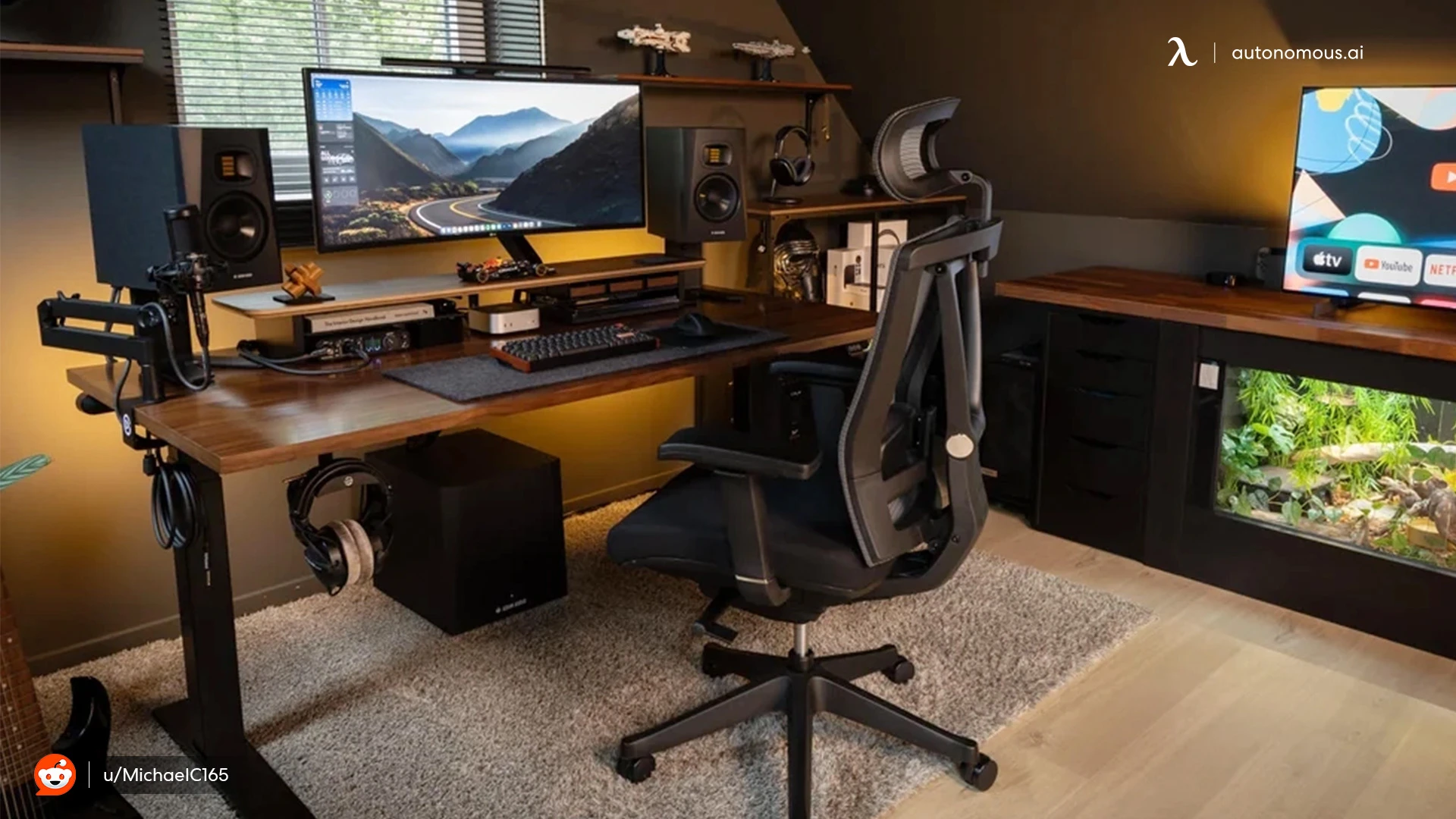
The Newtral Freedom-X is the one that looks like an ordinary task chair, so its movement is in how it behaves rather than how it looks. Where most chairs snap the recline to a few fixed stops, this one follows your back continuously as you lean and shift, so changing position feels smooth instead of clicking through gears. Sit in it in a shared office and nobody reads it as an ADHD chair, which is the point for anyone who does not want a meditation stool next to the standing desks. You get real back support and the freedom to keep moving in the same seat.
The trade-offs are price and pedigree: it sits at the premium end, and the brand is newer with a shorter track record than the established names here. If you want movement without a chair that announces itself, it is the middle ground between a gimmick chair and a plain one.
| Pros | Cons |
|---|---|
| Recline follows your back continuously | Premium price |
| Looks like a normal office chair | Newer brand, shorter track record |
| Real back support with freedom to move | Less active than a stool or ball |

How to choose the right ADHD chair for you
The right ADHD chair is the one that matches how you already sit, not the one with the most gimmicks. The viral cross-legged and ball chairs are genuinely fun and good for movement, but they trade away the support you need for a long focus block, so the choice usually comes down to how your day actually runs. A simple way to decide:
- Short, fidgety bursts and lots of position changes: a cross-legged or kneeling chair earns its place.
- Long focus blocks and real deadlines: a movement-friendly ergonomic chair holds up better over eight hours.
- Not sure movement helps you yet: start with active sitting before spending more on a chair.
- Testing on a budget: a wobble chair or a cheap ball is the easiest way in.
- Already have a chair you like: add chair bands or a footrest to get movement without replacing it.
Whatever you pick, a good ergonomic office chair for ADHD is one that moves with you rather than against you, and the best test is a two-week trial at your own desk.

FAQs
What is the best type of chair for ADHD?
The best type of chair for ADHD is one that lets you move, because movement helps an ADHD brain focus. Cross-legged, kneeling, saddle, and movement-friendly ergonomic chairs all work. The right one depends on whether you fidget in short bursts or need support for long focus blocks at a desk.
Are there office chairs designed specifically for ADHD?
There are chairs marketed as ADHD chairs, usually cross-legged or meditation styles like the Pipersong, but no chair is a medical device. What makes an office chair ADHD-friendly is movement and easy adjustment, not a label. Many standard ergonomic and active-sitting chairs serve people with ADHD just as well.
Are balance ball chairs good for people with ADHD?
Balance ball chairs are good for people with ADHD who want cheap active sitting, since the constant micro-adjustments keep the body in motion and the core engaged. They are a low-cost way to test whether movement helps your focus. They lack back support, though, so most people use them part of the day rather than all of it.
Can movement in a chair actually improve focus?
Movement in a chair can improve focus for many people with ADHD. Research from UC Davis Health found that more physical movement during a task lined up with better cognitive performance in people with ADHD. A chair that allows rocking, reclining, or perching works with that pattern instead of forcing stillness that tends to backfire.
What is a sensory chair and how does it help ADHD?
A sensory chair provides pressure, motion, or texture that gives the body steady feedback, which can help an ADHD or autistic nervous system feel regulated and settled. Rocking chairs, ball chairs, and chairs with fidget elements all count. The input helps some people stay calm and focused, though effects vary from person to person.
What should I look for when buying an ADHD-friendly chair?
Look for range of motion, easy reachable adjustments, support for the positions you actually use, and somewhere to rest or tuck your feet. Match those to your day: short fidgety sessions favor cross-legged or kneeling chairs, while long focus blocks favor a movement-friendly ergonomic chair. A two-week trial at your desk tells you more than any spec.
Why is it called an ADHD chair?
A chair gets called an ADHD chair when its design supports the restless movement and unusual sitting positions common with ADHD, such as cross-legged or perched sitting. The name is marketing, not a medical category. The useful question is whether a chair lets you move and adjust freely, which is what actually helps focus.
Final thoughts
The best ADHD office chair is the one that lets your body do what it was going to do anyway, which is move. There is no single winner here, because a fidgety student on a budget and a developer doing ten-hour days need different things. Match the chair to how you sit, give it a real trial, and pair it with movement habits rather than expecting the chair to do all the work. Sit supported while you move, and the restlessness stops being a problem to solve.
This article is educational and is not medical advice. A chair can support focus, but it does not treat ADHD, and a diagnosis comes from a qualified clinician.
References
- UC Davis Health. "Does fidgeting help people with ADHD focus?" health.ucdavis.edu
- Understood.org. "Sensory seeking and sensory avoiding: What you need to know." understood.org
- CHADD (Children and Adults with Attention-Deficit/Hyperactivity Disorder). "About ADHD." chadd.org