Chair Bands for ADHD: Do They Really Work?

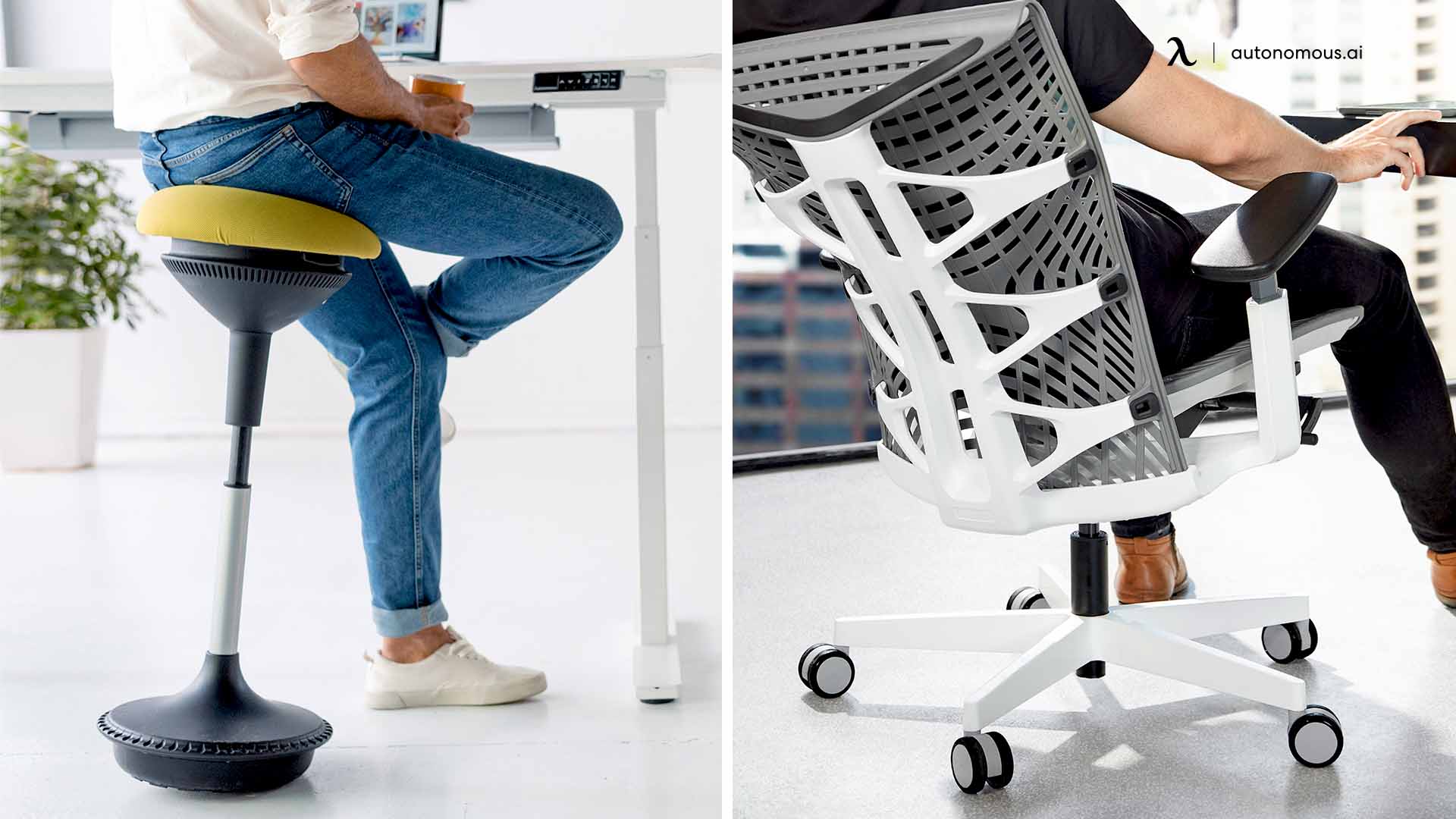
Table of Contents
Watching a child with ADHD struggle to stay seated and focused can be heartbreaking for parents and teachers alike. The constant fidgeting, chair tipping, and restless energy aren't signs of defiance, they're the brain's way of seeking the movement it needs to concentrate.
Chair bands for ADHD offer a simple yet effective solution that's gaining recognition in classrooms and homes nationwide. These elastic resistance bands attach to chair legs, allowing children to bounce their feet and release energy while staying seated and engaged. The result? Calmer bodies, sharper focus, and a learning environment that works with, not against, how ADHD brains function best.
What Are Chair Bands for ADHD?
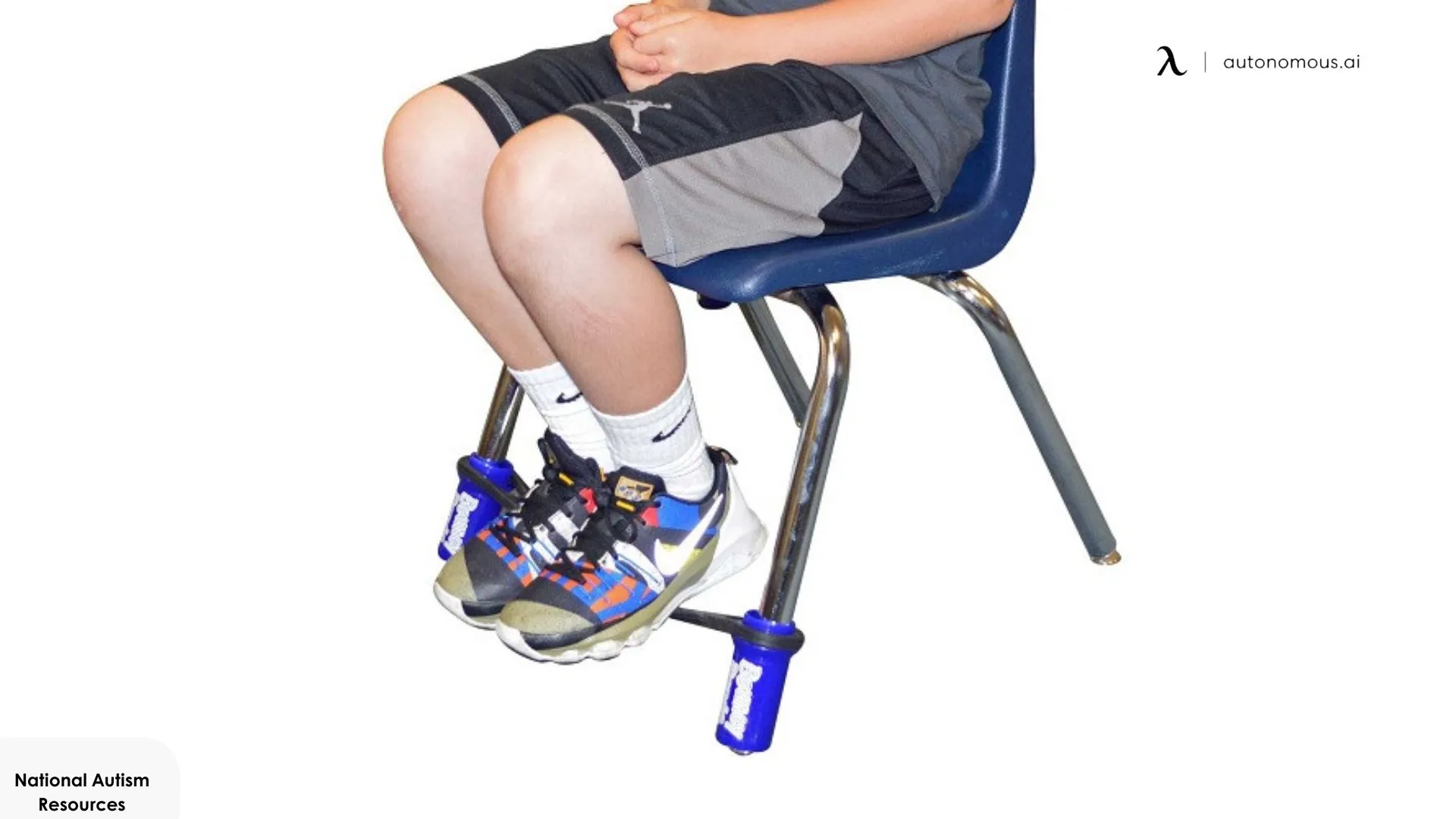
Chair bands for ADHD are stretchy resistance bands that attach to the front legs of a chair, creating a flexible footrest that children can push, bounce, and fidget with while seated. Think of them as a quiet outlet for restless energy, similar to how adults might tap their feet during a long meeting, but designed specifically to help ADHD students stay focused without disrupting the classroom.
These bands are typically made from durable latex or latex-free rubber material, stretched horizontally between chair legs at ankle height. When a child pushes against the band with their feet, it provides gentle resistance and proprioceptive feedback, sensory input that helps the brain regulate attention and calm the body's need for movement. This works across different types of ADHD, whether a child primarily struggles with inattention, hyperactivity, or both.
What makes chair rubber bands for ADHD different from other fidget tools?
Unlike fidget spinners or stress balls that require hand manipulation and can become distracting, chair bands work below desk level. Children can bounce their feet continuously while keeping their hands free for writing, typing, or participating in class activities. The movement is silent, socially acceptable, and doesn't draw attention away from learning. For students who naturally adopt ADHD sitting positions to stay comfortable and focused, chair bands offer structure to that movement need.
Chair bands also differ from sensory cushions or wobble chairs for ADHD because they're affordable, portable, and work with any standard classroom chair. Teachers don't need special seating—just elastic bands that cost less than a pizza and can transform an ordinary chair into a focus-friendly workspace. While chair bands are designed primarily for children, adults with ADHD who face ADHD problems at work often apply similar movement principles in their own workspaces.
How Chair Bands Help Children with ADHD
1. The Science Behind Movement and Focus
Children with ADHD aren't being difficult when they fidget, their brains are actually seeking the stimulation they need to concentrate. Research shows that ADHD brains have lower levels of dopamine and norepinephrine, neurotransmitters that help regulate attention and impulse control. Movement naturally boosts these chemicals, which explains why kids with ADHD often focus better when they're allowed to move.
Studies at institutions like UC Davis and Florida State University have confirmed what many parents and teachers observe: fidgeting isn't a distraction, it's how ADHD brains stay engaged. Research shows children with ADHD can move up to 25% more during challenging tasks, and this movement directly helps them perform better.
This is where proprioceptive input comes in. Proprioception is your body's awareness of where it is in space—the sensory feedback you get from pushing, pulling, or pressing against resistance. When children bounce their feet against chair bands, they're activating this sensory system, which helps regulate their nervous system and improve self-control. The gentle, repetitive motion provides just enough stimulation to keep the brain engaged without becoming a distraction.

2. Key Benefits of Chair Bands
- Keeps movement productive, not disruptive
Chair bands channel excess energy into a controlled, quiet activity. Children can bounce their feet as much as they need while their upper body remains still and ready to engage with lessons. There's no noise, no visual distraction for classmates, and no need for the child to leave their seat. This form of active sitting keeps the body engaged without disrupting the learning process.
- Improves attention span and task completion
When restless energy has an outlet, children can dedicate more mental resources to the task at hand. Many teachers report that students using chair bands complete assignments faster and with fewer reminders to stay on task. The movement satisfies the brain's need for stimulation, freeing up attention for learning.
- Reduces anxiety and emotional regulation challenges
ADHD often comes with heightened anxiety, especially in structured environments like classrooms where sitting still is expected. The rhythmic bouncing motion can be naturally calming, similar to how rocking or swinging soothes a stressed nervous system. Children feel less trapped and more in control of their bodies.
- Works for the whole classroom
One of the most practical benefits? Chair bands don't single out ADHD students. When every chair has a band, all children benefit from the option to move—and neurotypical kids often use them too during prolonged sitting sessions. This inclusive approach removes stigma while creating a more flexible learning environment for everyone.
Who Can Benefit from Chair Bands?
While chair bands are often associated with ADHD, their benefits extend to any child who needs movement to stay focused and regulated. The beauty of these simple tools is that they address a fundamental need that many children share—the need to move while learning.
- Children with ADHD
They are the primary users, as we've discussed. For these kids, chair bands provide the constant, low-level movement that helps their brains maintain attention during seated activities. The fidgeting outlet means fewer disruptions, better focus, and a calmer classroom experience.
- Kids with autism or sensory processing disorder (SPD)
They often crave proprioceptive input even more intensely than children with ADHD. Chair bands for autism can be particularly effective because they offer predictable, repetitive sensory feedback that helps with self-regulation. Many autistic children find the resistance and bounce soothing, especially during potentially overwhelming situations like circle time or independent work periods. For children with SPD who are sensory seekers, these bands provide the input their nervous systems crave without requiring them to leave their workspace.
- Students with high energy levels
Whether diagnosed with anything or not, they benefit from having somewhere to direct that energy. The child who's naturally active, the one who just finished recess and is still wound up, or the student who gets restless during long lessons can all use sensory chair bands for kids as a pressure release valve. Teachers often notice that the whole class settles better when everyone has access to movement options.
- Any child who struggles to sit still:
This includes children who are simply young and still developing the ability to regulate their bodies, those going through growth spurts that make sitting uncomfortable, or kids who are anxious or stressed and use movement to self-soothe. You don't need a diagnosis to benefit from the option to move.
- A note about adults:
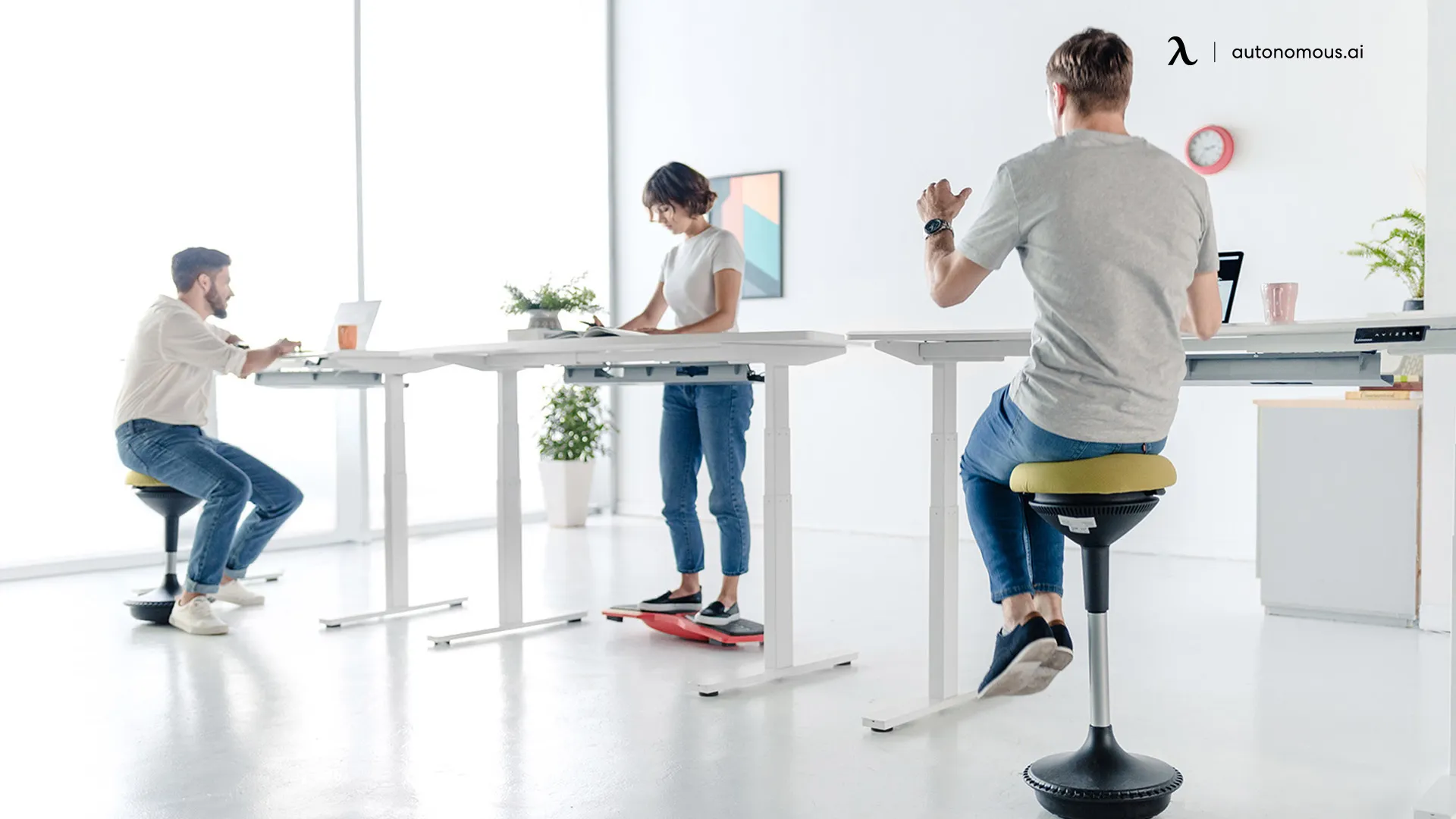
While chair bands are designed primarily for children and classroom chairs, adults with ADHD can benefit from similar principles. Many adults find that under-desk foot swings, standing desks, or other workspace modifications provide the same kind of movement outlet in professional settings.
How to Use Chair Bands for ADHD Effectively
1. Installation and Setup
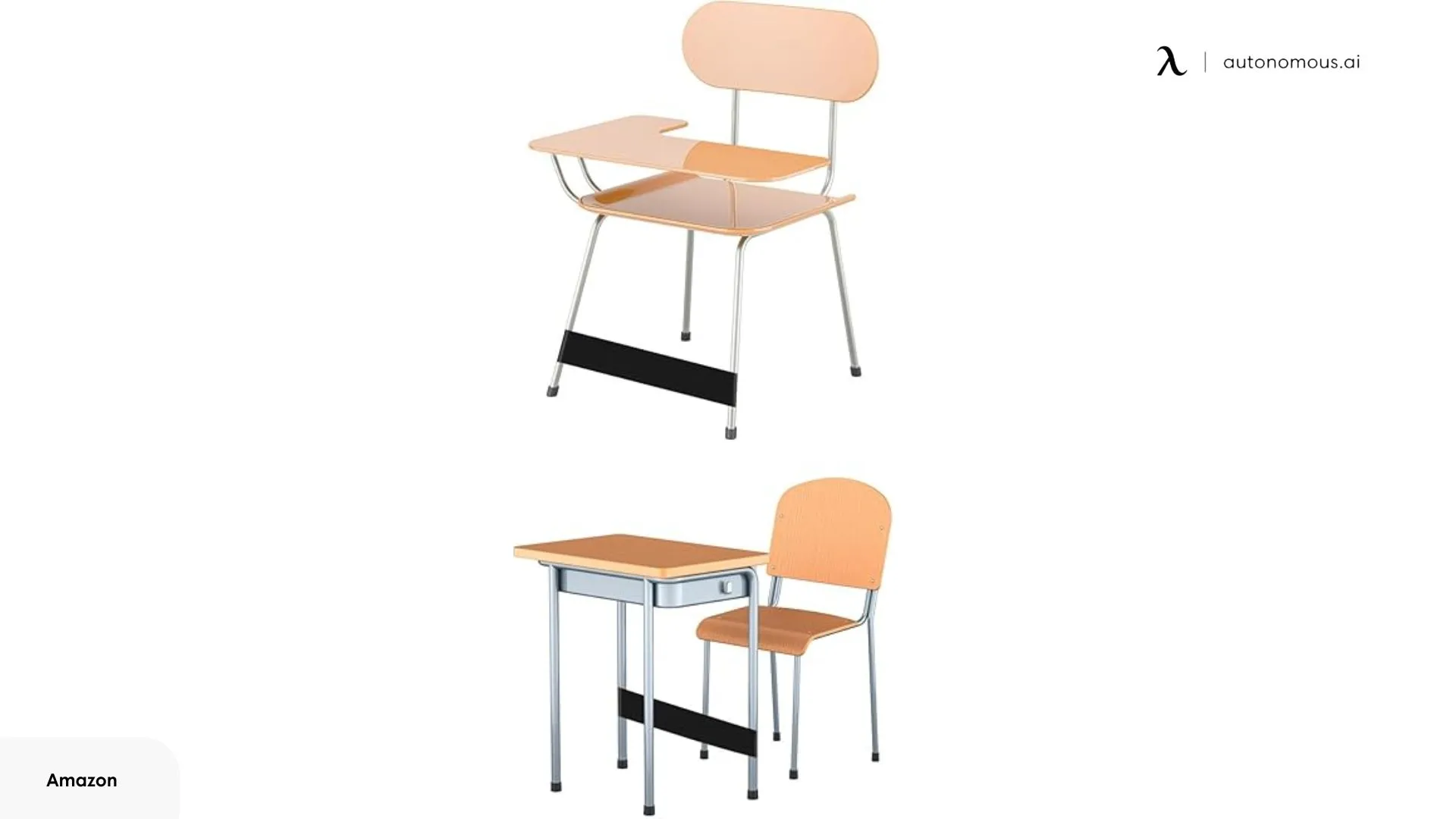
Setting up chair bands for ADHD students takes less than a minute, but doing it correctly makes all the difference in how well they work. The bands should stretch horizontally between the two front legs of the chair, positioned at a height where the child's feet can comfortably rest and push against them while seated.
Basic positioning:
- Stretch the band horizontally between the two front legs of the chair
- Position at a height where the child's feet can comfortably rest and push while seated
- For elementary-aged children, start about 6-8 inches from the floor
- Lower for younger children with smaller feet; higher for older students with longer legs
Proper tension:
- The band should provide resistance when pushed, but not be difficult to move
- Think of it like a gentle exercise band—there should be give, but also pushback
- Avoid over-stretching, which can cause the band to snap or wear out faster
Getting the height right:
- The child should be able to rest their feet on the band naturally
- No reaching down or scrunching up their legs
- Some experimentation is normal—adjust after a day or two if needed
Safety checks:
- Ensure the band is securely attached to both chair legs
- Check periodically that it hasn't loosened
- Replace bands that show fraying or loss of elasticity
2. Best Practices for Parents and Teachers
The key to success with the best chair bands for ADHD is treating them as a tool, not a reward or privilege. When you introduce chair bands to children, keep the explanation simple and matter-of-fact: "This band gives your feet something to do while you're working. You can push on it, bounce it, or rest your feet on it, whatever helps you focus." This framing removes any stigma and helps children see the band as helpful rather than marking them as different.
Set clear expectations about appropriate use. chair rubber bands for ADHD are for feet only, not for hands, not for kicking off shoes and flinging across the room, not for excessive bouncing that rocks the whole desk. Most children naturally use them appropriately once they understand the purpose, but gentle reminders may be needed initially.
Combine chair bands with other focus strategies for best results. They work beautifully alongside brain breaks, flexible seating options, fidget tools for hands, and clear routines. Chair bands for ADHD students are most effective when they're part of a broader approach to supporting different learning needs, not a standalone solution.

Chair Bands vs. Other Fidget Tools for ADHD
The best chair bands for ADHD are just one option in a growing toolkit of fidget and movement solutions. Here's how they compare:
Fidget Tool | Best For | Key Advantages | Limitations | Ideal Use |
Chair Bands | Seated work (writing/typing) | Hands free, quiet, under-desk; works below desk level; affordable | Foot-only, needs a chair | Classwork, homework, tests |
Fidget Spinners / Hand Fidgets | Listening, waiting periods | Portable; variety of textures and types; easy to carry | Uses hands, can distract | Lectures, waiting rooms |
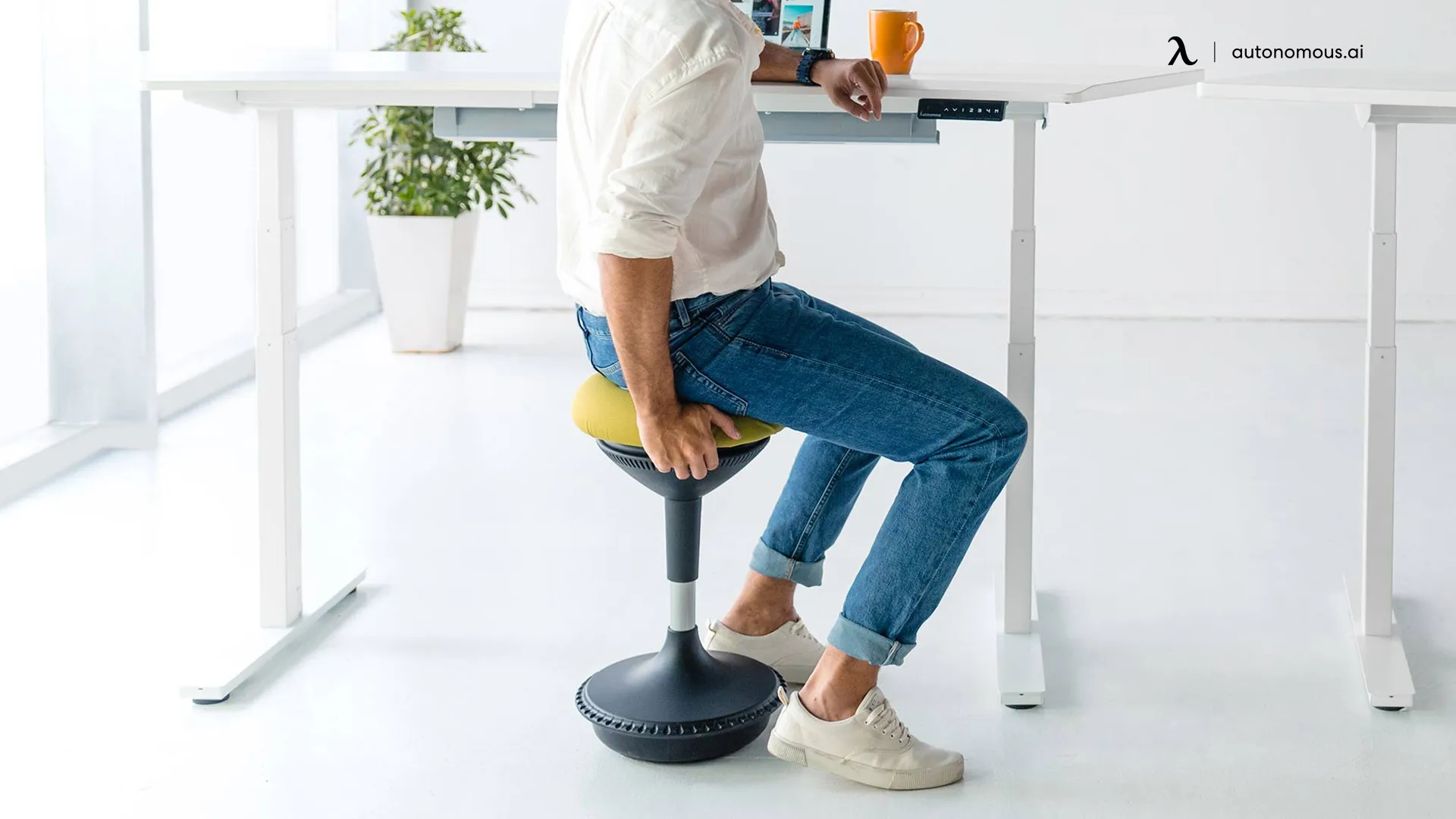
Wobble Cushions / Balance Balls | Bigger movement needs | Whole-body movement | More noticeable, needs space | Home study, active learners |
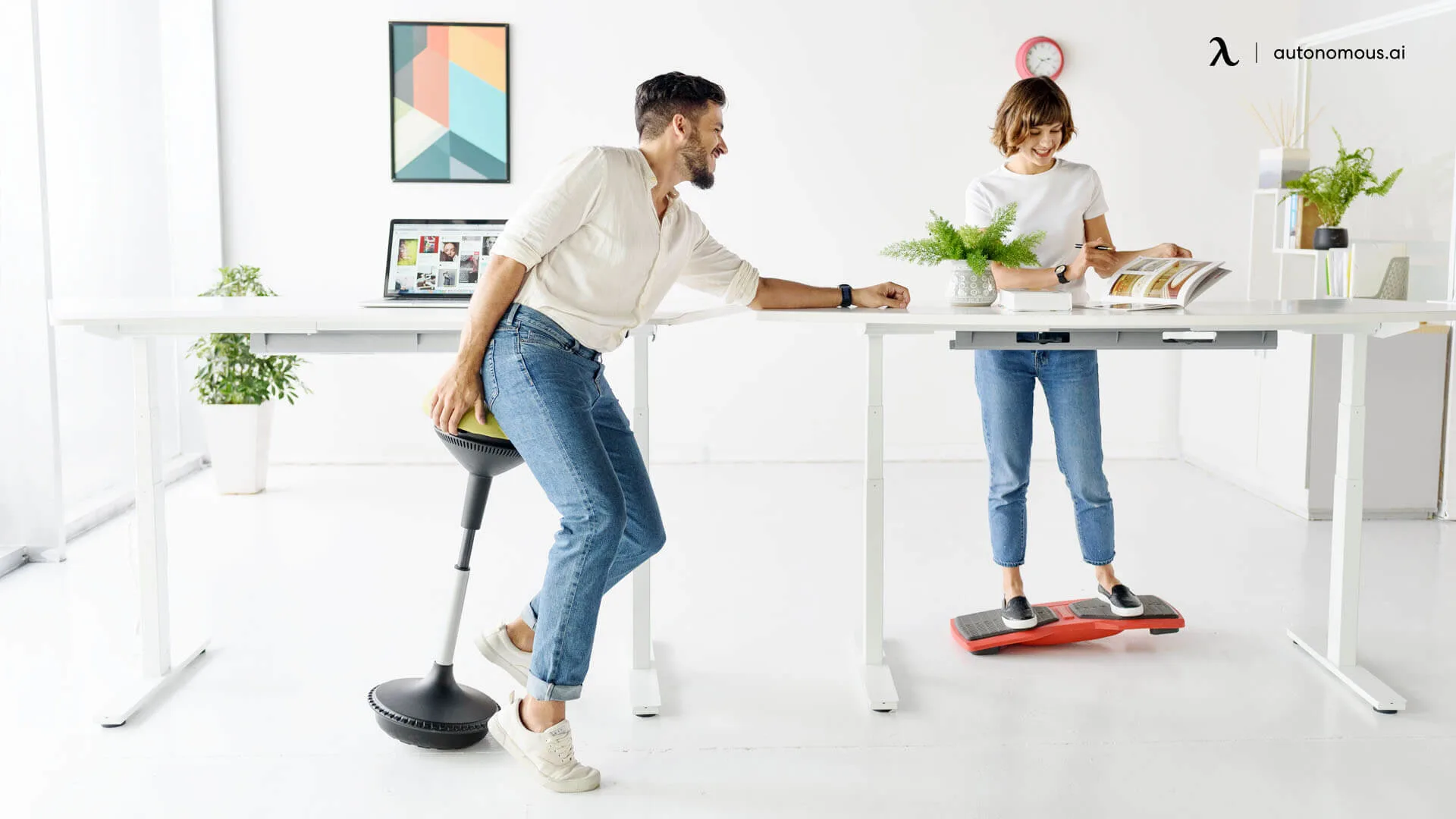
Standing Desks | Flexible workspaces | Switch sit/stand, more movement | Expensive; not practical for most classrooms; requires dedicated space | Home offices, older students/adults |
The most effective approach often combines multiple options. A child might use chair bands during morning desk work, an active chair during independent reading, and a hand fidget during group discussions.
While chair bands are designed for children's classroom chairs, adults with ADHD typically find standing desks or under-desk movement devices more practical for professional environments. Pairing movement solutions with ADHD headphones for noise control and ADHD desk chairs designed for active sitting offer similar benefits—freedom to move while staying engaged—in a workspace-appropriate format.
What to Look for When Choosing Chair Bands for ADHD
Not all chair bands for ADHD students are created equal. When you're selecting the best chair bands for ADHD, focus on features that directly impact how well they'll support your child's focus and last through daily classroom use.
- Material quality matters for sensory needs
Look for durable, high-quality rubber or latex that provides consistent resistance. Cheap bands lose their elasticity quickly, which means they won't satisfy pushback children with ADHD need for proprioceptive input.
If your child has latex allergies or sensitivities, latex-free options made from synthetic rubber or fabric-covered elastic work just as well. The material should feel smooth against skin—some children go barefoot or wear thin socks, so rough or scratchy textures can become a distraction rather than a help.
- Size and adjustability determine long-term use
Chair rubber bands for ADHD need to fit the specific chairs your child uses, whether that's standard classroom chairs, kitchen table chairs at home, or smaller preschool furniture. Adjustable bands with velcro straps or multiple loop sizes offer the most flexibility and can adapt as your child grows.
- Resistance level affects engagement
The amount of pushback a chair band for ADHD adults provides determines how satisfying it feels to use. For younger children or those who are just starting with chair bands, medium resistance works best, enough feedback to be noticeable, but not so much that it's tiring. Older students or those who crave intense proprioceptive input may prefer firmer resistance. The key is finding a level that invites movement without requiring so much effort that it becomes its own distraction.
- Durability for daily classroom life
Chair bands for ADHD students get used constantly—hundreds of bounces and pushes every single day. Look for reinforced stitching at attachment points, thick rubber that won't snap easily, and bands specifically marketed as "heavy-duty" or "classroom-grade."
- Safety features you shouldn't skip
Secure attachment mechanisms are essential. Bands that slip off chair legs mid-use disrupt focus and create safety hazards. Look for non-slip grips, reinforced loops, or attachment systems designed to stay put. Avoid chair rubber bands for ADHD with small detachable parts that could become choking hazards for younger children.

FAQs
Do chair bands for ADHD work for focus?
Chair bands for ADHD can help some kids stay more on-task by giving their bodies a controlled way to move while working. Results vary by child and setting, so it’s best to trial them and watch whether focus improves or distraction increases.
How do chair bands for ADHD help with fidgeting?
Chair bands for ADHD channel “busy feet” into a single, low-disruption movement under the desk, so the student can keep learning without leaving their seat. This often reduces chair tipping, tapping, and constant getting up because the movement has a place to go.
How do you use chair bands for ADHD correctly?
Stretch the chair band horizontally between the two front chair legs at a height where the child’s feet naturally rest and can push comfortably. Start around 6–8 inches from the floor for many elementary kids, then adjust after a day or two based on comfort and use.
Where should chair bands for ADHD go on the chair legs?
Most chair bands for ADHD are placed on the front legs so the student can press with both feet during desk work. Keep the band snug and level so it doesn’t slide and stays easy to reach without “scrunching” legs.
What size chair bands for ADHD should I get?
Chair bands for ADHD should match the distance between chair legs (or desk legs) so the band has gentle resistance without being overstretched. Many brands separate options by chair/desk size (elementary chairs vs standard desks vs older-student chairs), so measure the width between legs before choosing.
Are chair bands for ADHD good for autism or sensory needs too?
Chair bands (sensory chair bands) can also help some kids with autism or sensory processing needs because the steady foot pressure can feel organized and calming. Like with ADHD, the best indicator is a short trial to see if it supports regulation without becoming a toy.
Are chair bands for ADHD latex-free?
Some chair bands for ADHD are latex-free, but many are made from latex or rubber blends—so check materials if allergies or sensitivities are a concern. If you’re unsure, choose explicitly labeled “latex-free” classroom-grade options.
How much do chair bands for ADHD cost?
Chair bands for ADHD typically cost $10-$30 for a pack of 2-5 bands, making them one of the most affordable fidget tools available. Quality classroom-grade bands may cost slightly more but last longer with intensive daily use.
What if chair bands for ADHD become distracting or keep slipping?
If chair bands for ADHD turn into a distraction, reset expectations (“tool, not toy”), limit use to work blocks, and try a different resistance level. If they slip, adjust height/tension and prioritize bands with more secure attachments; also re-check fit to the chair leg width.
Can adults with ADHD use chair bands?
Yes, adults with ADHD can use chair bands on home office or dining chairs, though most office chairs with wheels make installation less practical. Many adults prefer under-desk footrests, standing desks, or balance boards for professional workspace movement needs.
Conclusion
Chair bands for ADHD won't solve every challenge, but for many children, they offer a simple, affordable way to channel restless energy into productive focus. The science is clear: movement helps ADHD brains concentrate, and when that movement happens quietly below desk level, everyone benefits—the child stays engaged, classmates aren't distracted, and learning continues without interruption.
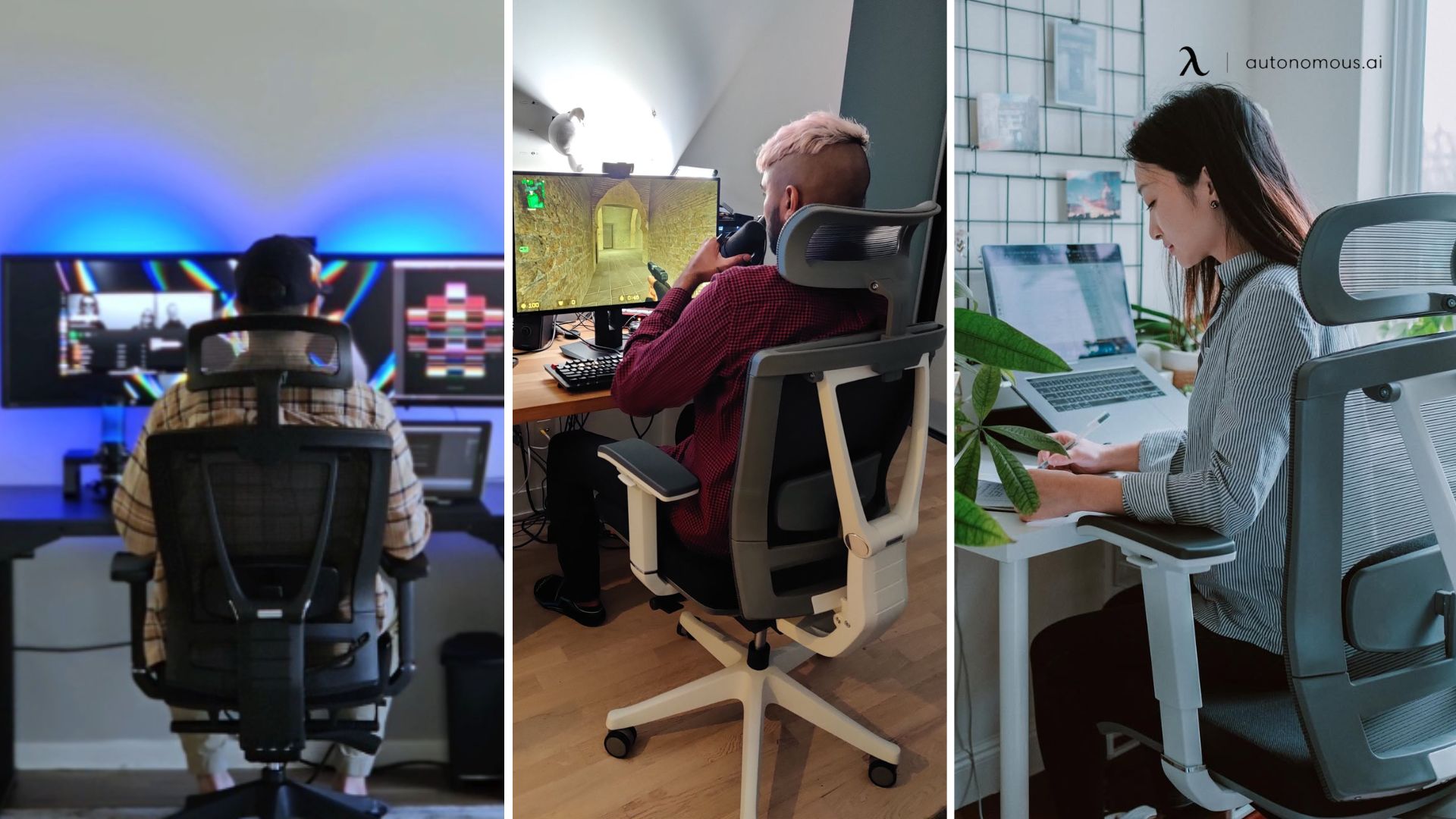
For families looking beyond the classroom, creating ADHD-friendly environments at home matters too. Ergonomic chairs that support active sitting, adjustable standing desks that offer movement flexibility, and thoughtful ADHD office design can make a real difference for children and adults.
Small changes in how we approach sitting, working, and learning can create spaces where focus comes naturally, not through force, but through understanding what ADHD brains actually need to thrive.