Office Chair Tilt Mechanism Repair (Complete Guide)

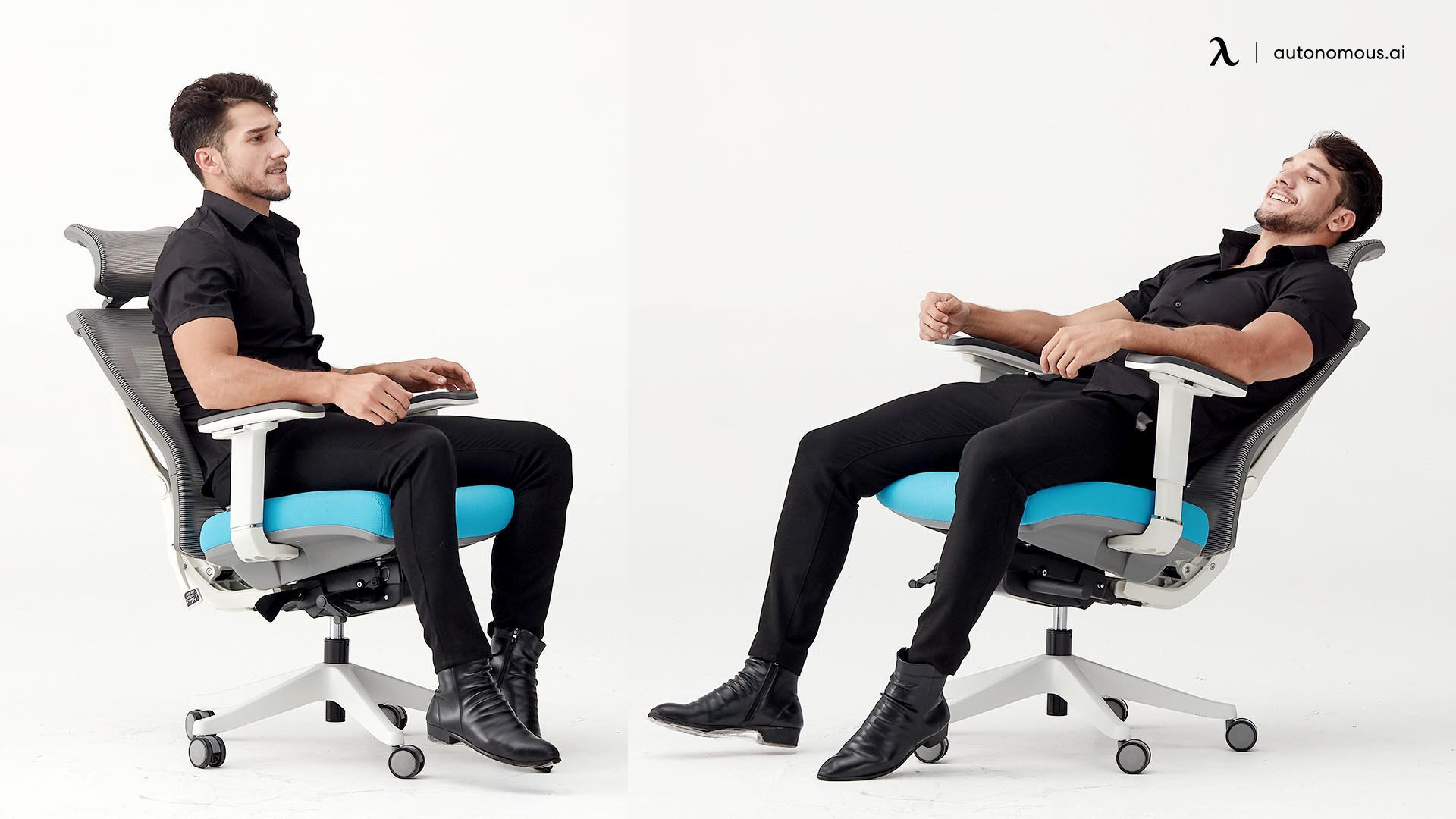
Table of Contents
This office chair tilt mechanism repair guide will tell you everything you need to know to get your office chair working as usual within a few minutes.
Computer chairs have been designed to provide the user with the utmost comfort possible. They’re easy to use and include several mechanical features that allow them to be adjustable in different ways. However, these mechanisms may fail from time to time when you don’t provide enough maintenance nor repair them whenever they start failing.
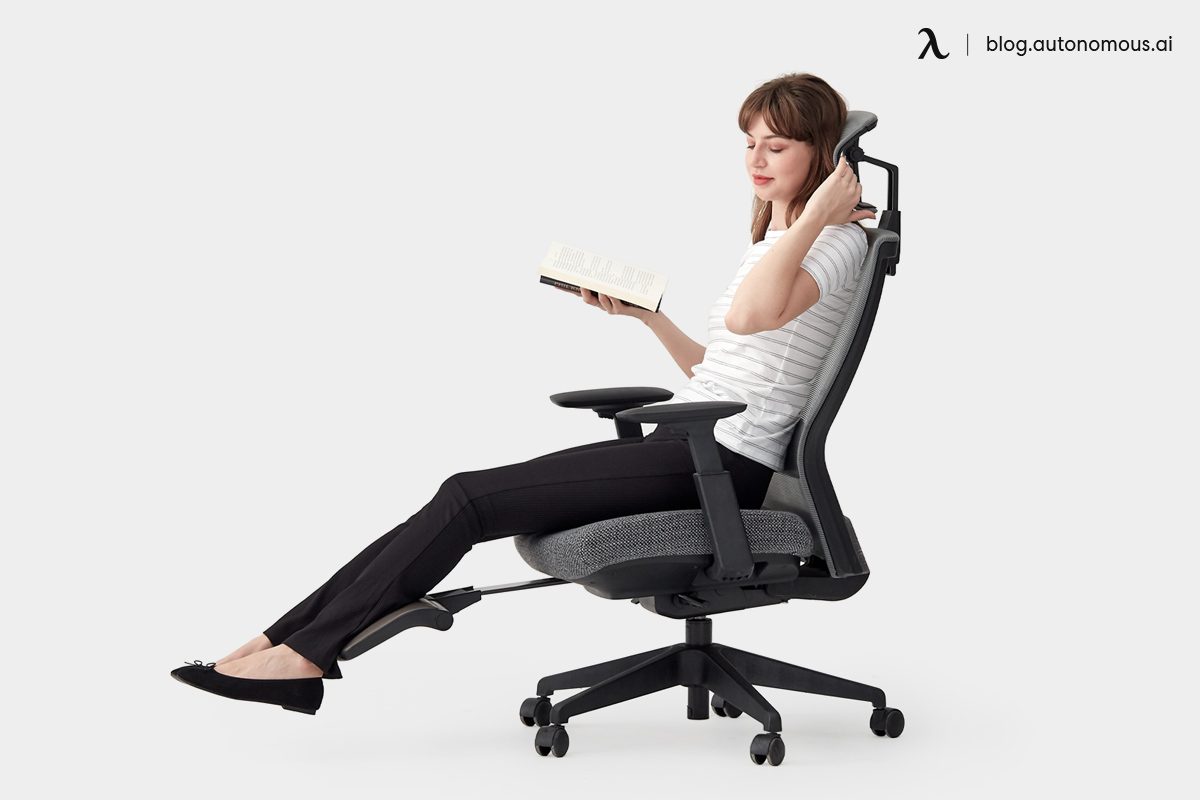
Whenever your office chair doesn't lean back, it causes you to be uncomfortable, and, in the worst case, it can also lead you to develop certain injuries.
There are many reasons why the tilt tension is not working on your chair. This office chair tilt mechanism repair guide will describe how to fix an office chair tilt among some of the most common causes so you can prevent the failure from happening in the future again.
Why is the Tilt Tension Not Working on My Chair?
Typically, there are two main reasons why your office chair won’t lean back.
1. Problems with the tension knob
The first identifiable problem comes from the tension adjustment. If there is something wrong with it, your chair won't move at all, no matter how hard you try. Hence, the excessive tension will make it impossible for your body to wait to recline the chair.
Additionally, you should know that if your office chair’s tension knob is too high, your chair will be unable to recline – plus, it will impair the tilt mechanism. This situation doesn’t mean that your office chair is broken, but it makes it impossible to use the recline feature.
2. Problems with the lever or spring
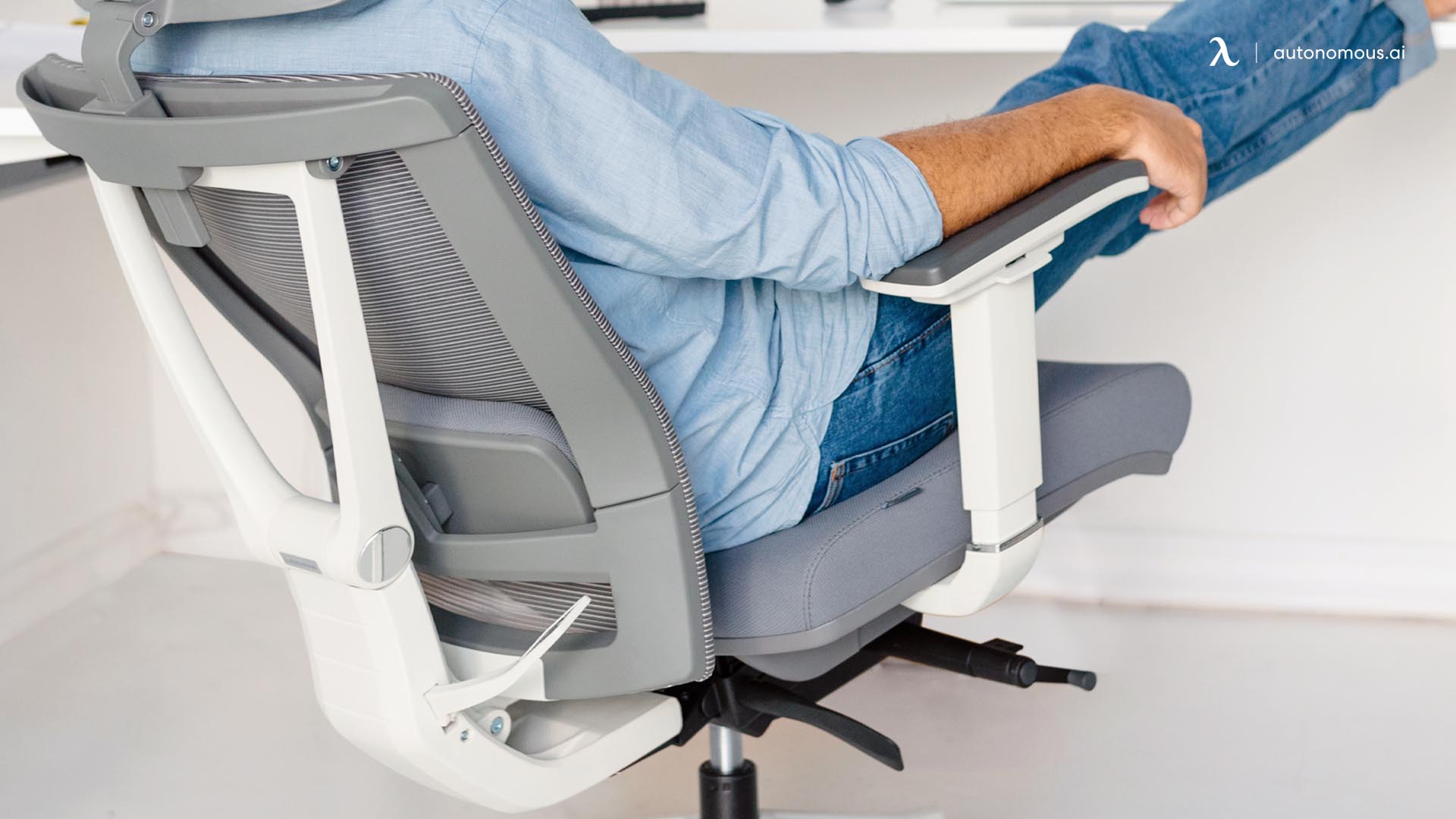
Another common reason for your chair to start failing is a faulty lever. If there's something wrong with the lever, you may find it quite challenging to lock your chair into any position. Hence, replacing the lever lock seems like the most reasonable idea.
Additionally, you should know that the problem may also be caused by a faulty spring. If there is zero tension, perhaps it is time to replace the spring – you can identify if this is your problem by trying to release the recline lever lock.
How to Fix Your Office Chair’s Tilt Mechanism
Now that we know the potential problems that may happen in your reclining chair's tilt mechanism let's get into the solutions.
Both problems require you to look into the tilt engine and replace the corresponding faulty parts. You may have to replace the whole tilt mechanism or get a new desk chair in the worst outcome.
Here are the steps you need to follow to learn how to fix office chair tilt. You can also learn about forwarding tilt office chairs.
1. Find and read the office chair’s instruction manual
It is quite common for brands to place the tilt mechanism in different areas. Therefore, the first step is to get familiar with your chair’s structure, and the best way to do so is by finding and reading the office chair’s instruction manual.
The instruction manual should be able to provide you with clear details about the different parts that compose your office chair. This way, you can also prevent causing even more damage to the chair while repairing it.

2. Test the recline
The next step is to identify the cause of the problem. You need to test the recline of the office chair to be sure of what’s happening. Hence, sit on your office chair as per usual and try to use the tilt mechanism. Try to feel what’s exactly happening with your chair.
As we’ve mentioned, there can be three main problems:
- Firstly, it could be due to a lever problem as it may make it quite challenging to lock your chair’s recline to the position you want.
- On the other hand, a damaged spring will result in zero tension whenever you try to unlock the lever. The “popping” noise you hear is not related to the tilt mechanism.
- Last but not least, any problem with the tension knob will make it impossible to move the chair, no matter how hard you try.
Once you’ve found out the most likely scenario for your case, you can jump straight to the solution and get the problem solved as soon as possible.
3. Readjust the tension knob
When the tension knob is set too high, it will make it impossible to move the chair. That doesn't mean the office chair tilt broken, though. All you need to do is move the tension knob anticlockwise until it reaches the desired tension level. Don't let it become too loose, as applying too much weight to the mechanism will end up causing even more damage.
2. Repair or replace the lever
If you’ve found that the lever has gotten stuck in a certain position or moves freely even when it is supposed to be locked, perhaps you need to replace it.
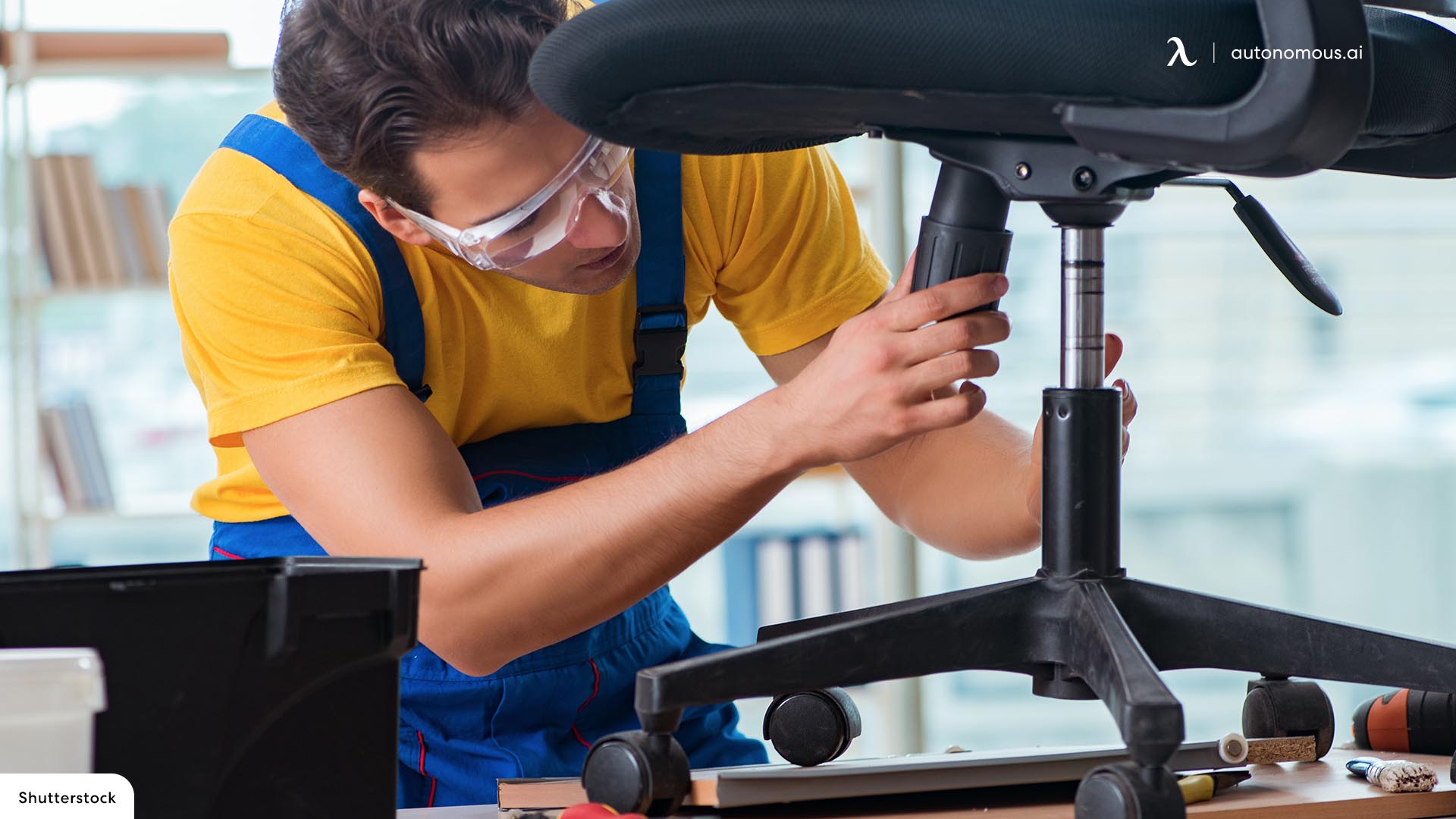
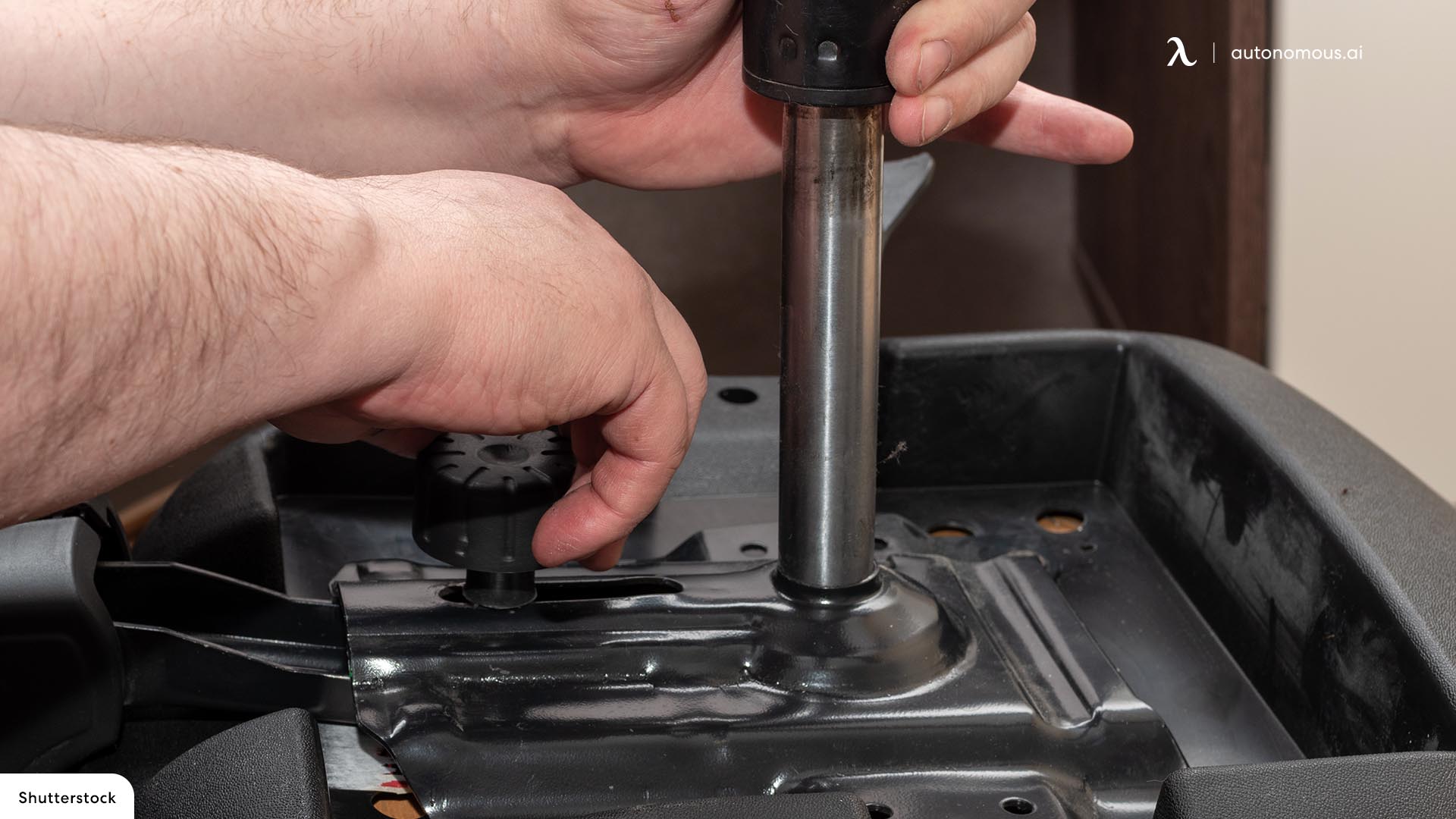
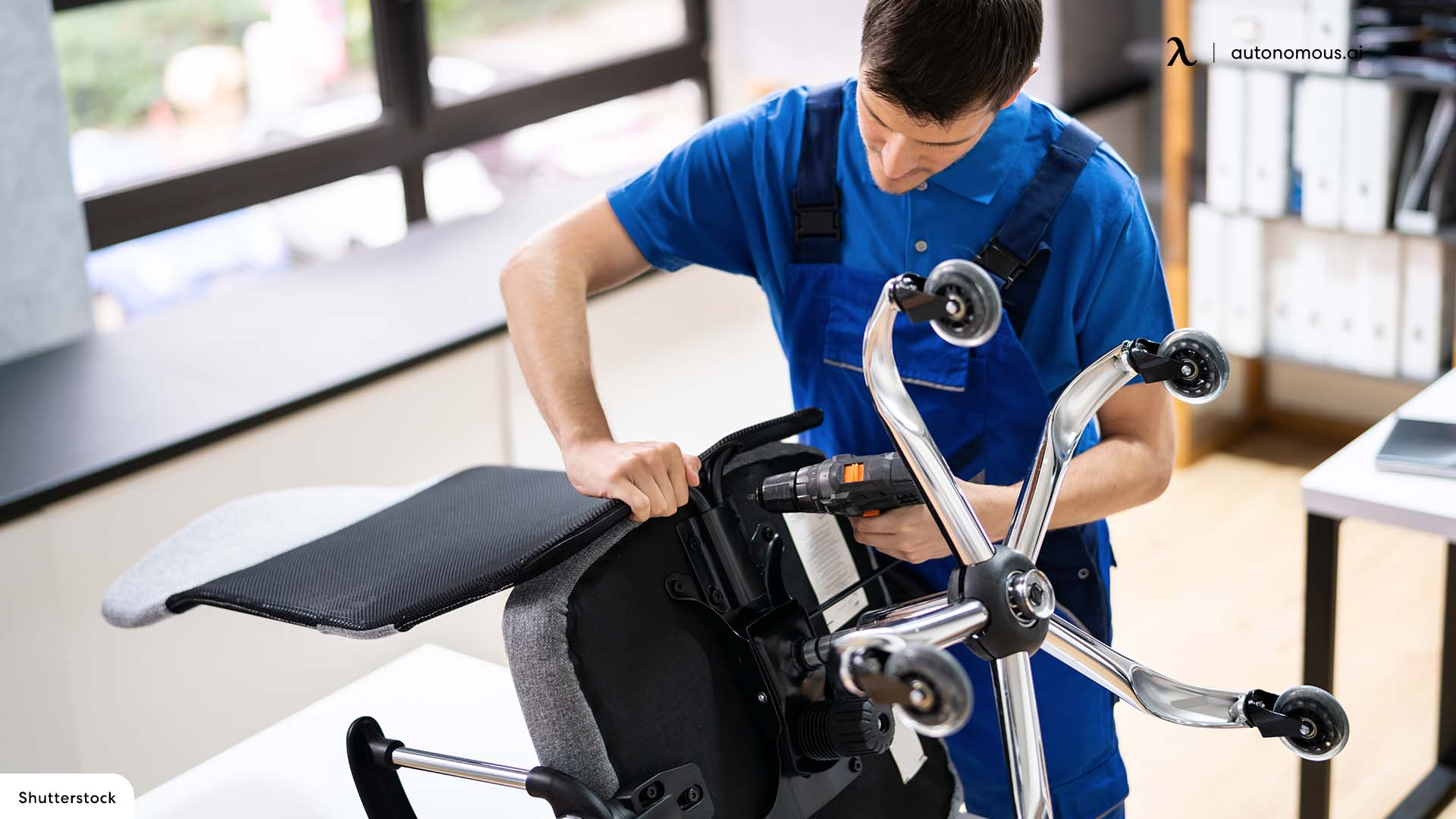
You can start by unbolting the bolts and detaching the seat from the mechanism. This way, you'll be able to access it. Next up, start examining the lever and try to find a crack or a dent. If you find a problem, you can simply replace the lever, and the problem will likely be solved.
If the lever is dislodged, you can use a screwdriver to put the lever into the correct position. Make sure that the lever is only dislodged and not damaged – otherwise, you may need to replace it.
Remember to lubricate the components with an appropriate lubricant, so the mechanism works smoothly. Then, reassemble your chair.
3. Replace the spring
The spring can also be the cause of your faulty recline mechanism. In this case, the first step is to identify if your chair has a linear or a radial spring. You can do it by disassembling your chair to access the recliner spring. You can solve the problem by replacing it. This way, your tilt-back office chair will start working normally.
FAQs
Why won’t my office chair tilt back?
The most common causes are an overly tight tension knob, a faulty tilt lever, or a worn-out spring. These issues prevent the recline mechanism from engaging properly.
Can a broken tilt mechanism be fixed, or do I need a new chair?
In many cases, the tilt mechanism can be repaired by adjusting the tension knob or replacing a lever or spring. If the tilt plate itself is cracked or bent, replacing the entire mechanism—or the chair—may be more practical.
How do I know if the tension knob is the problem?
If the chair feels completely rigid and won’t recline at all, the tension knob is likely set too tight. Turning it counterclockwise usually restores movement if the mechanism isn’t damaged.
What happens if the tilt lever stops working?
A faulty tilt lever can prevent the chair from locking or unlocking recline positions. This often happens due to wear, misalignment, or internal damage and may require repair or replacement.
Why does my chair make noise when I try to recline?
Clicking or popping sounds are often caused by a loose or worn spring, not the tilt mechanism itself. Lubrication or spring replacement usually resolves the issue.
Is it safe to use an office chair with a broken tilt mechanism?
Using a chair with a broken tilt mechanism can lead to poor posture and increased strain on your back. In some cases, it may also be unsafe if the chair suddenly reclines or fails under weight.
Can I replace the tilt mechanism myself?
Yes, most tilt mechanism types can be replaced with basic tools if you follow the manufacturer’s instructions. However, compatibility matters, so ensure the replacement matches your chair’s mounting pattern and weight rating.
How long does an office chair tilt mechanism last?
With regular use, a tilt mechanism typically lasts several years. Lack of maintenance, excessive weight, or frequent forceful reclining can shorten its lifespan.
What tools do I need to repair an office chair tilt mechanism?
Common tools include a wrench, screwdriver, and lubricant. Spring or lever replacement may require additional tools depending on the chair’s design.
When should I stop repairing and replace the chair?
If multiple components are failing or replacement parts are hard to find, replacing the chair may be more cost-effective. Structural damage to the tilt plate is usually a clear sign to upgrade.



Conclusion
An office chair tilt mechanism plays a key role in comfort, posture, and long-term health. When your chair stops reclining properly, the issue is often tied to a simple fix—such as adjusting the tension knob, repairing the lever, or replacing a worn spring.
By identifying the root cause early and performing basic maintenance, you can restore your chair’s functionality and extend its lifespan. If repairs become frequent or parts are no longer reliable, investing in a new ergonomic chair may be the smarter long-term solution.