12 Creative Office Layout Ideas For A Productive Workspace

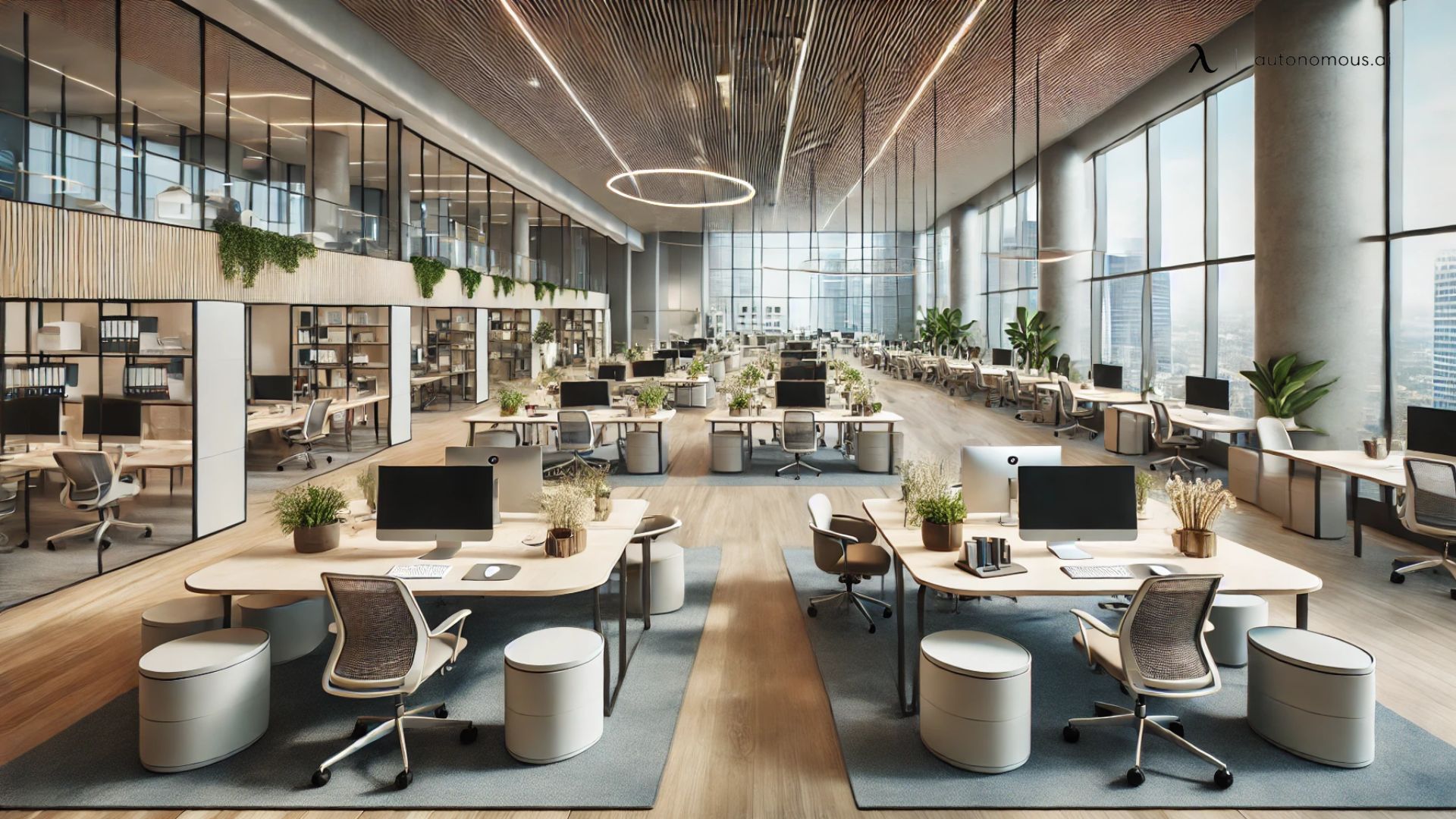
Table of Contents
- Office Layout Ideas for Modern Workplaces
- 1. Cellular Office Layout
- 2. Open Office Layout
- 3. Coworking Office Layout
- 4. Hybrid Office Layout
- 5. Traditional Office Layout
- 6. Low Partition Office Layout
- 7. Activity-Based Office Layout
- 8. Team-Based (Pod) Office Layout
- 9. Executive Office Layout
- 10. Hot Desking Office Layout
- 11. Agile Office Layout
- 12. Zoned Office Layout
- FAQs
- Wrap Up
Reasons for changing an office layout vary across organizations, but the goal is often the same: to create a workspace that better supports how people work. A well-planned office layout can improve focus, collaboration, and overall efficiency.
Refreshing the workspace can also boost employee morale and create a stronger impression on clients. The right layout design, paired with essential workspace furniture, including a standing desk and an ergonomic office chair, helps establish a more productive workplace.
Office Layout Ideas for Modern Workplaces
More goes into setting up an office than putting together a few desks or building a few cubicles. Here are different types of office layouts you can incorporate for your company! Browse through your options to see which one best matches your needs.
1. Cellular Office Layout
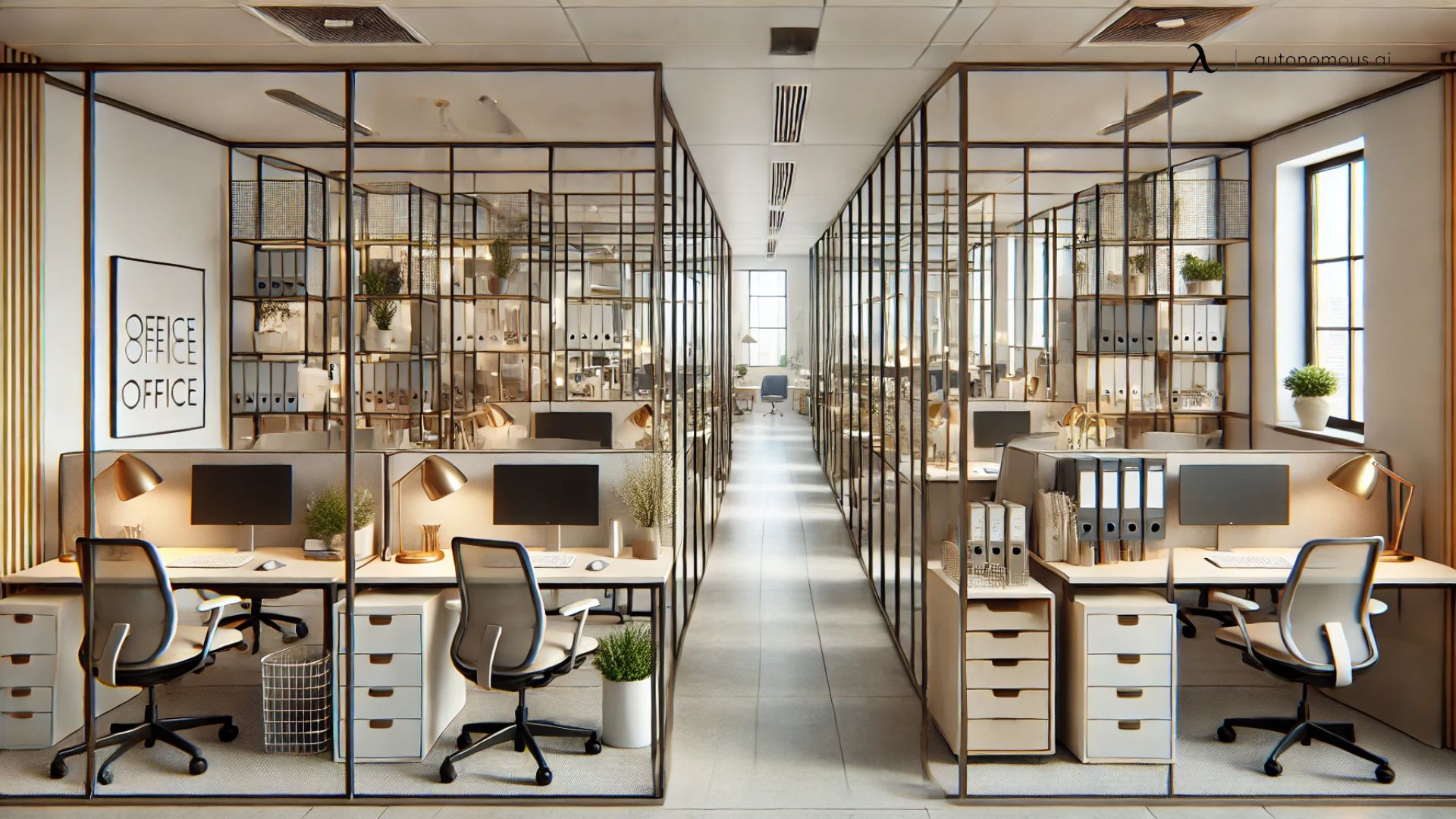
A cellular office layout divides the floor into individual cubicles using ceiling-height partitions, windows, or doors, giving employees a high level of privacy and focus.
In offices with natural light, applying principles from a feng shui office layout with window can further improve balance, comfort, and productivity without sacrificing structure.
This layout works especially well for companies with multiple operational teams that require minimal distractions and clear organization.
Pros | Cons |
More privacy | Hinders employee communications |
More personalization of workstations | Unsuitable for claustrophobic employees |
Cost-efficient | Visual barriers for superiors |
2. Open Office Layout
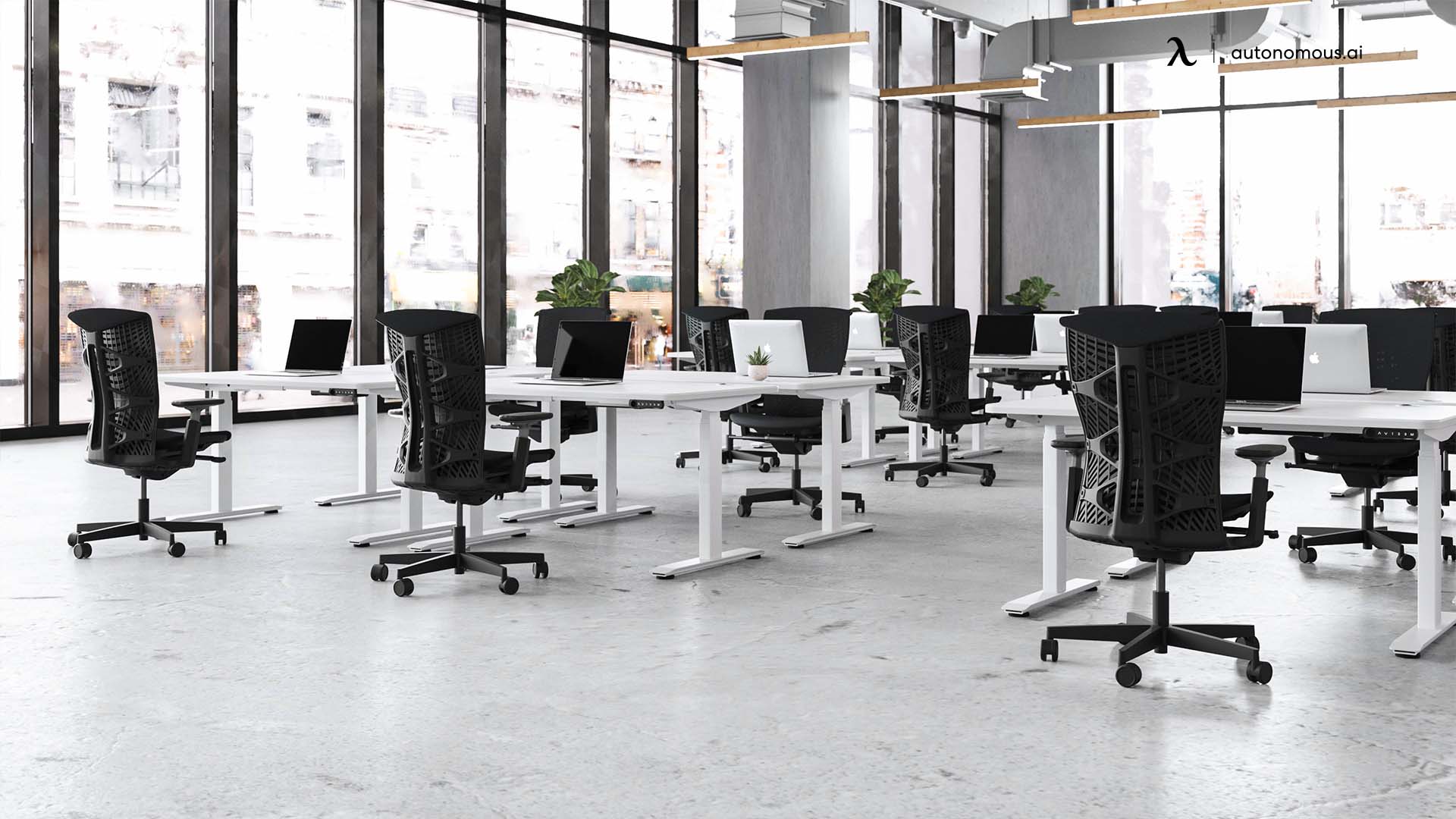
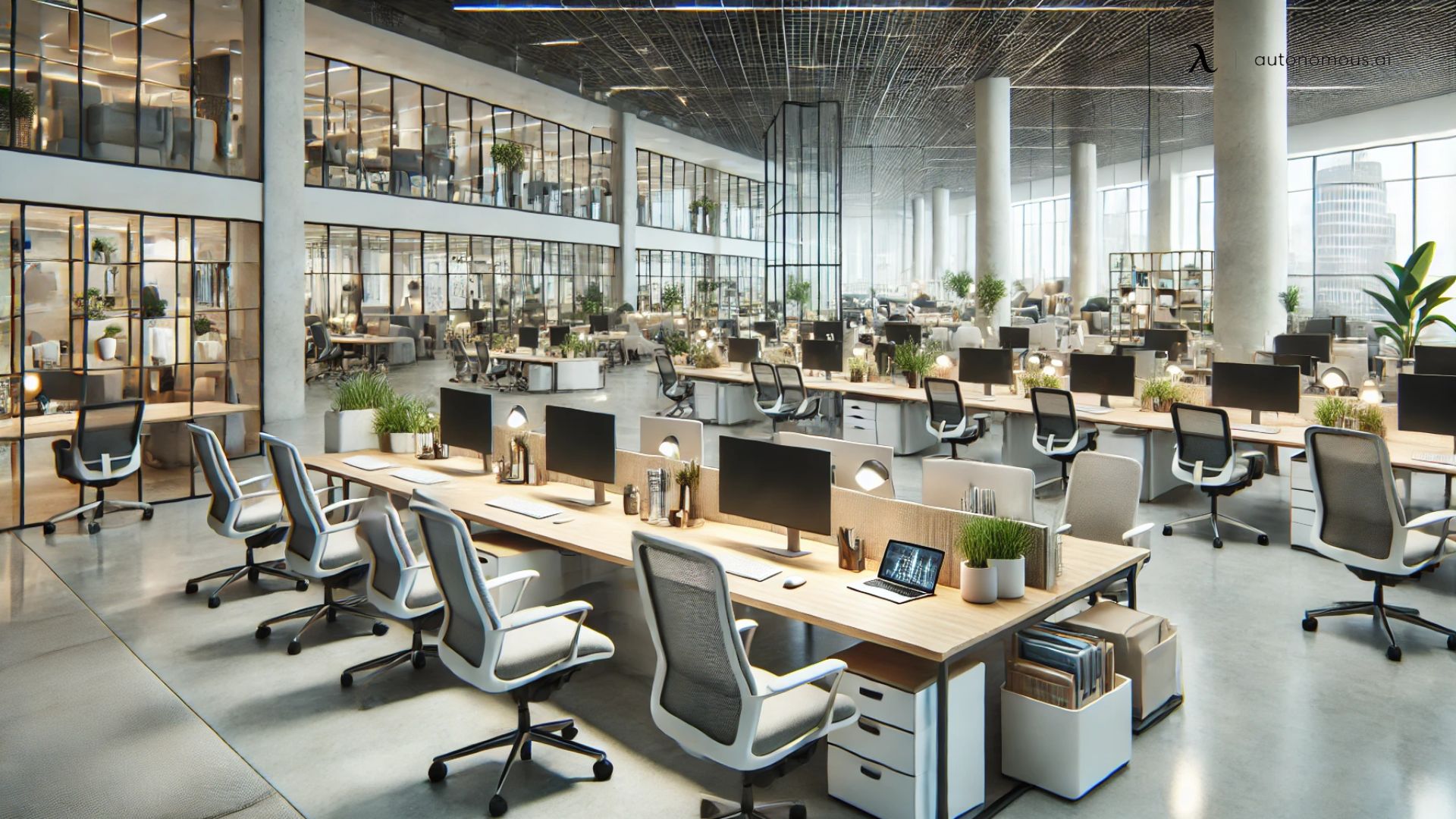
An open office layout removes most physical barriers to create a shared workspace that encourages transparency and collaboration. Many companies draw inspiration from modern open office design ideas and pair them with an open ceiling to enhance openness, natural light flow, and visual spaciousness.
Pros | Cons |
Cost and space-efficient | Less privacy |
Promotes communication and collaboration | Many distractions |
Flexible | It makes employees anxious about supervision |
3. Coworking Office Layout
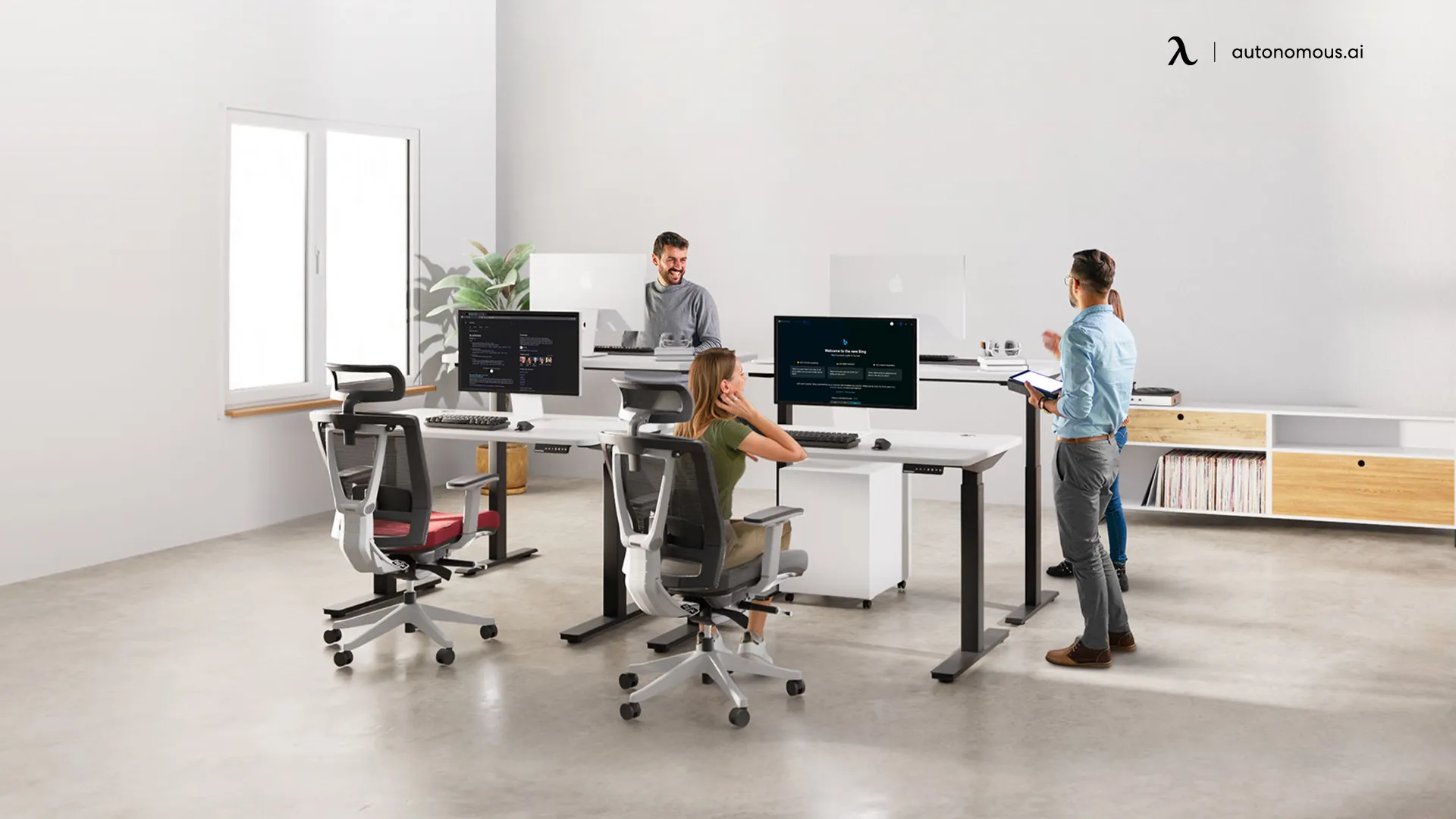
A coworking office layout is a flexible, shared workspace where seating is typically unassigned and available on a first-come, first-served basis. Employees or members can choose where to work based on their needs, making this layout ideal for entrepreneurs, startups, and freelancers who value social interaction and collaboration.
Many modern coworking offices enhance the experience by adding amenities, such as a coworking space with gym, which supports wellness while maintaining a productive, community-driven environment.
Pros | Cons |
Flexible, cost and saving-efficient | Many distractions |
Best for start-ups and freelancers | Lack of personalization for workstations |
More networking prospects |
4. Hybrid Office Layout
A hybrid work model gives employers a lot of freedom in designing the space as they wish. As a result, a hybrid work schedule option is one of the most versatile on this list.
A combination office plan gives you the benefit of enjoying both an open and a cellular layout. So you can segregate the area as individual cubicles but use less space to do so.
Also, in the hybrid work from home layout, people do not rely on doors or windows for separation. Instead, they prefer to use standard bulk office furniture order facilities, including tables, couches, and chairs, creating an open office illusion.
Pros | Cons |
Improves productivity | Many distractions |
Ensures smooth communication | Establishing a standard operating system may prove difficult. |
5. Traditional Office Layout
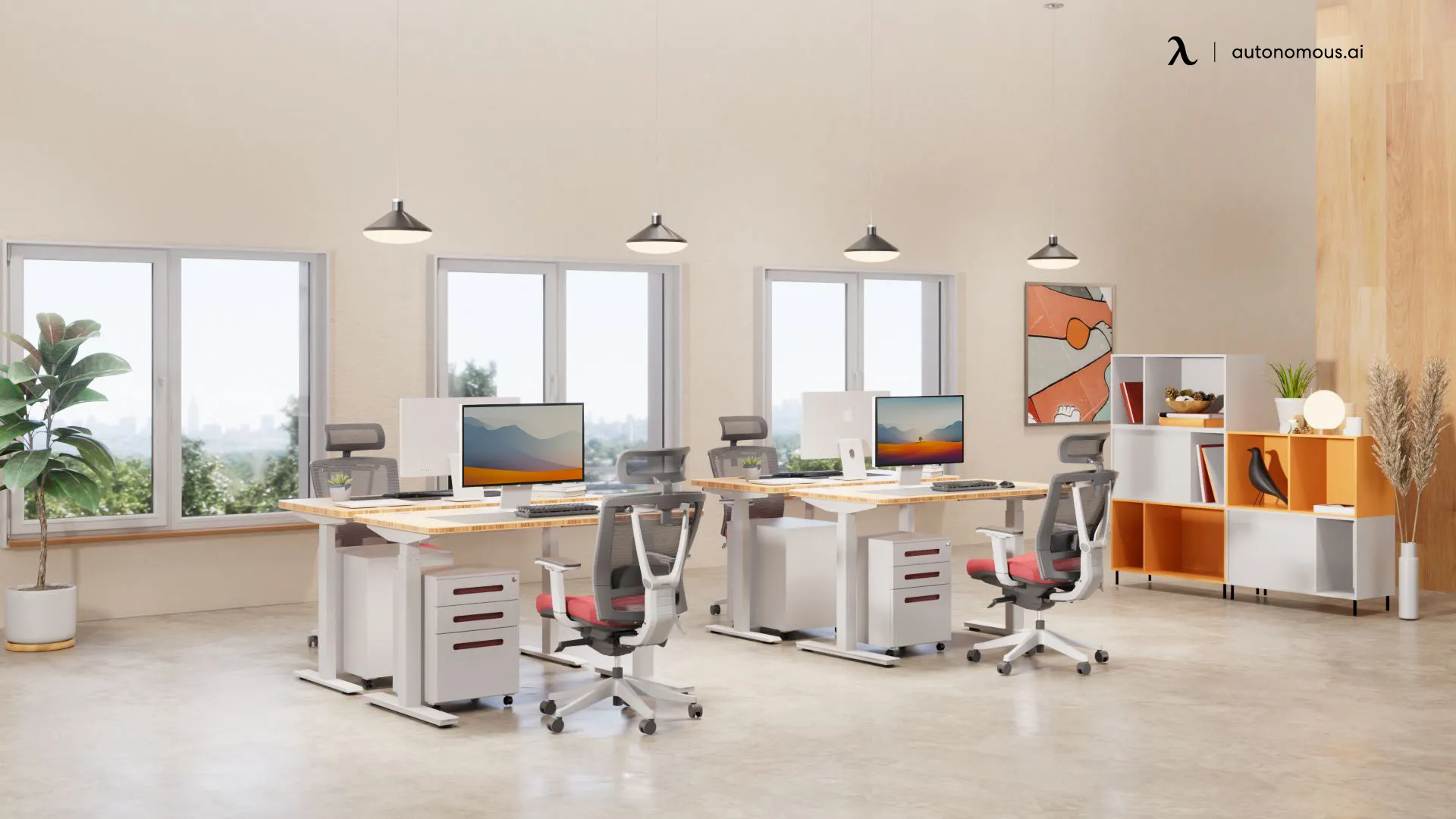
A traditional office layout is one of the oldest styles of office planning, typically featuring permanent or semi-permanent private offices alongside dedicated meeting rooms.
These layouts often include an open reception area for clients and follow a structured, predictable setup that suits organizations with formal workflows. Traditional offices also tend to support a full range of operational needs, making it easier to plan for long-term use and standard office must haves across the workplace.
Pros | Cons |
Additional amenities | Strict oversight and management |
Structured environment | Possibly monotonous |
Personalized workspaces | More expensive |
6. Low Partition Office Layout
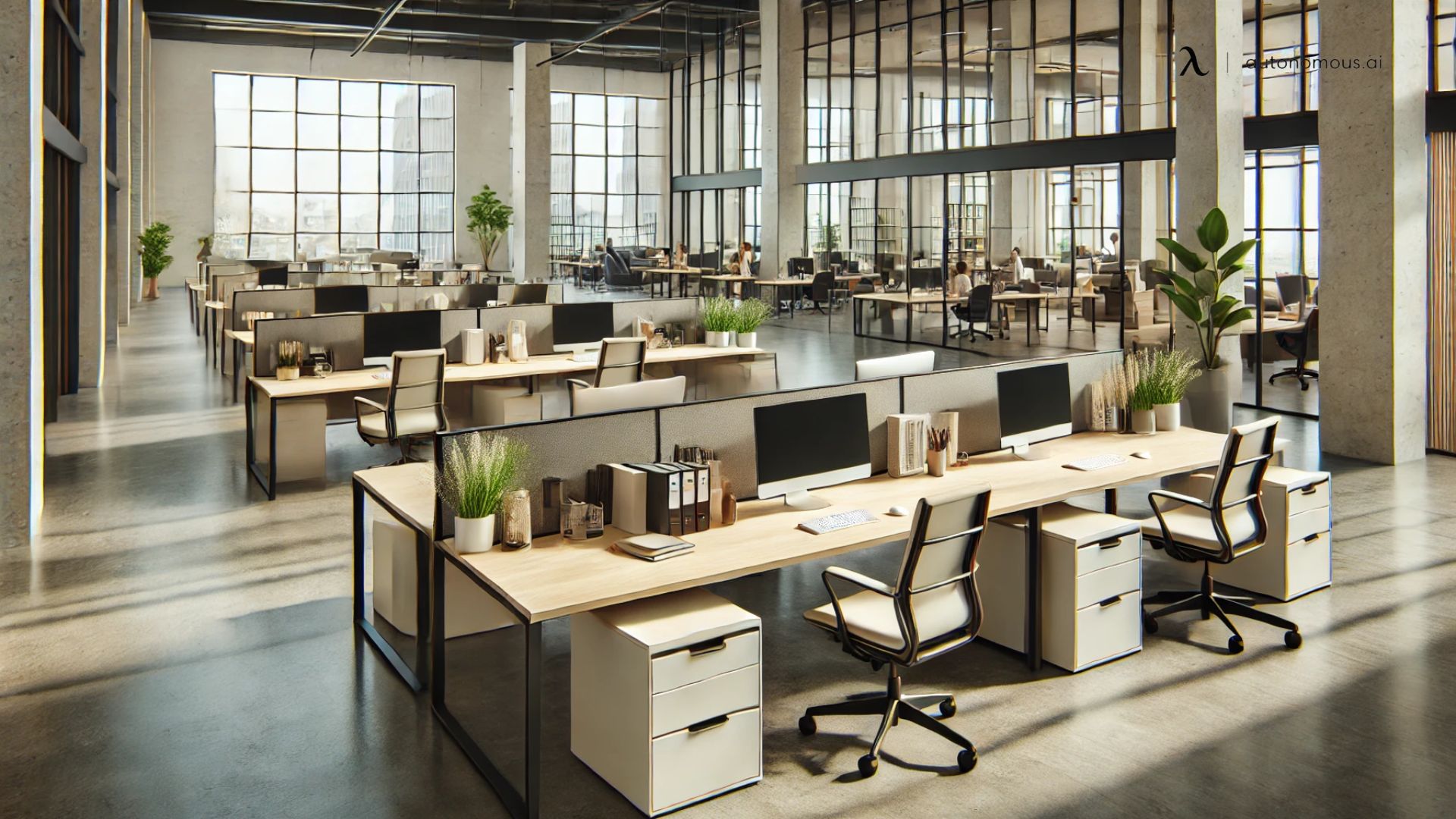
A low partition office layout takes inspiration from traditional cubicles but uses shorter walls, allowing for more interaction and collaboration while still defining individual work areas.
This office style may also include meeting rooms or separate offices for added privacy, though the lower walls do little to block noise. It works well for teams that need independence while staying easily connected. Low partition layouts are especially effective in compact spaces, such as a 10x12 office layout, where efficient use of space matters.
They also adapt well to a small office 10x10 office layout, balancing openness with structure in limited square footage. Like a coworking office space layout, this approach blends elements of both cubicle and open office designs, making it a practical option for teams seeking balance.
Pros | Cons |
More private | May get noisy |
Promotes communication | Not private enough |
Cost-efficient | Many distractions |
7. Activity-Based Office Layout
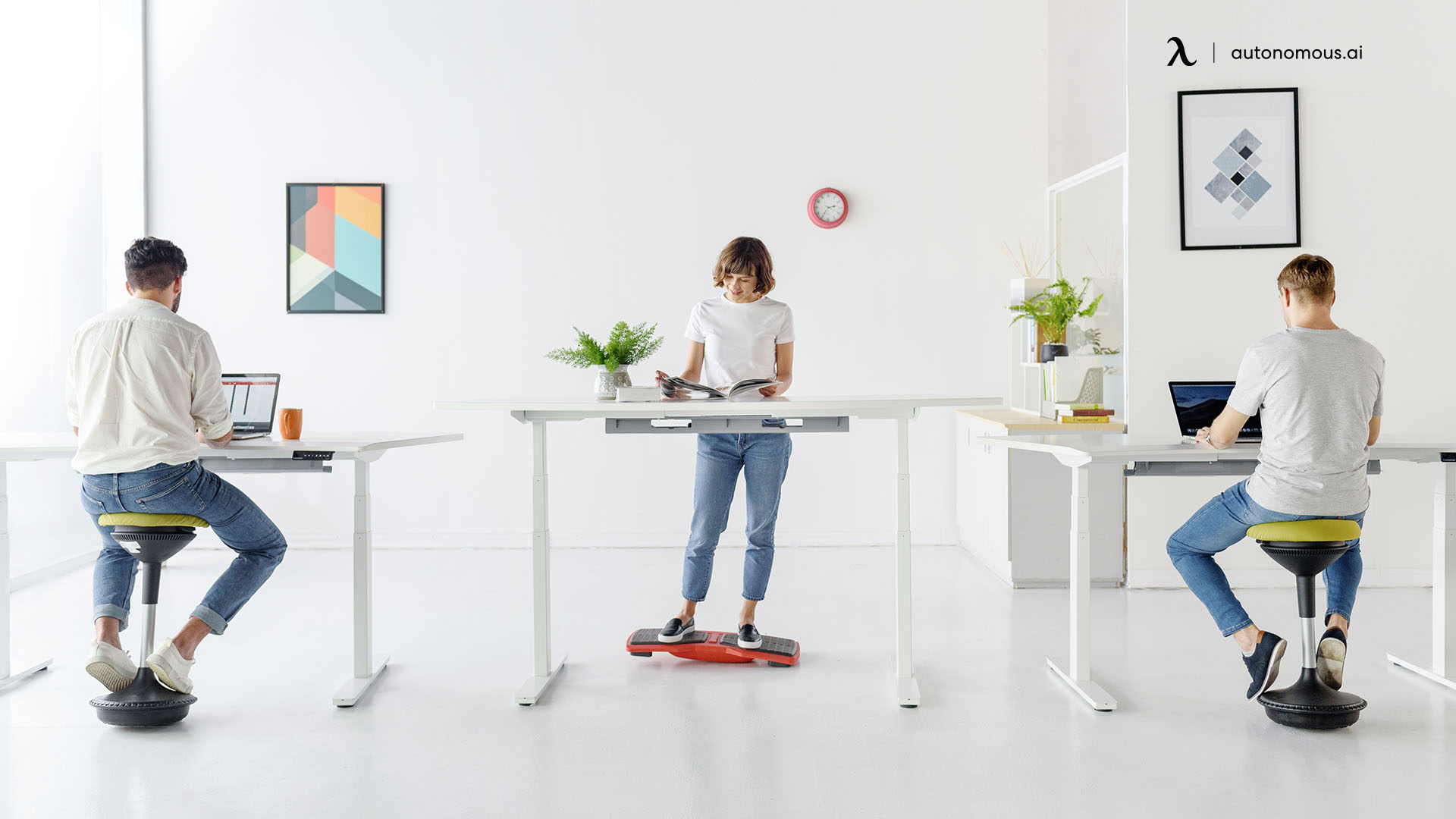
An activity-based office layout (ABW) organizes the office into zones designed for specific tasks, such as focused work, collaboration, meetings, or calls, rather than assigning fixed desks.
This approach works well even in smaller teams, as shown in a small 3 person office layout or a 2 person small office layout, making it suitable for hybrid teams and knowledge-based work.
Pros | Cons |
Supports different work styles | Requires strong employee buy-in |
Reduces wasted desk space | Higher upfront planning cost |
Improves focus and productivity | Can feel disorienting without clear rules |
8. Team-Based (Pod) Office Layout
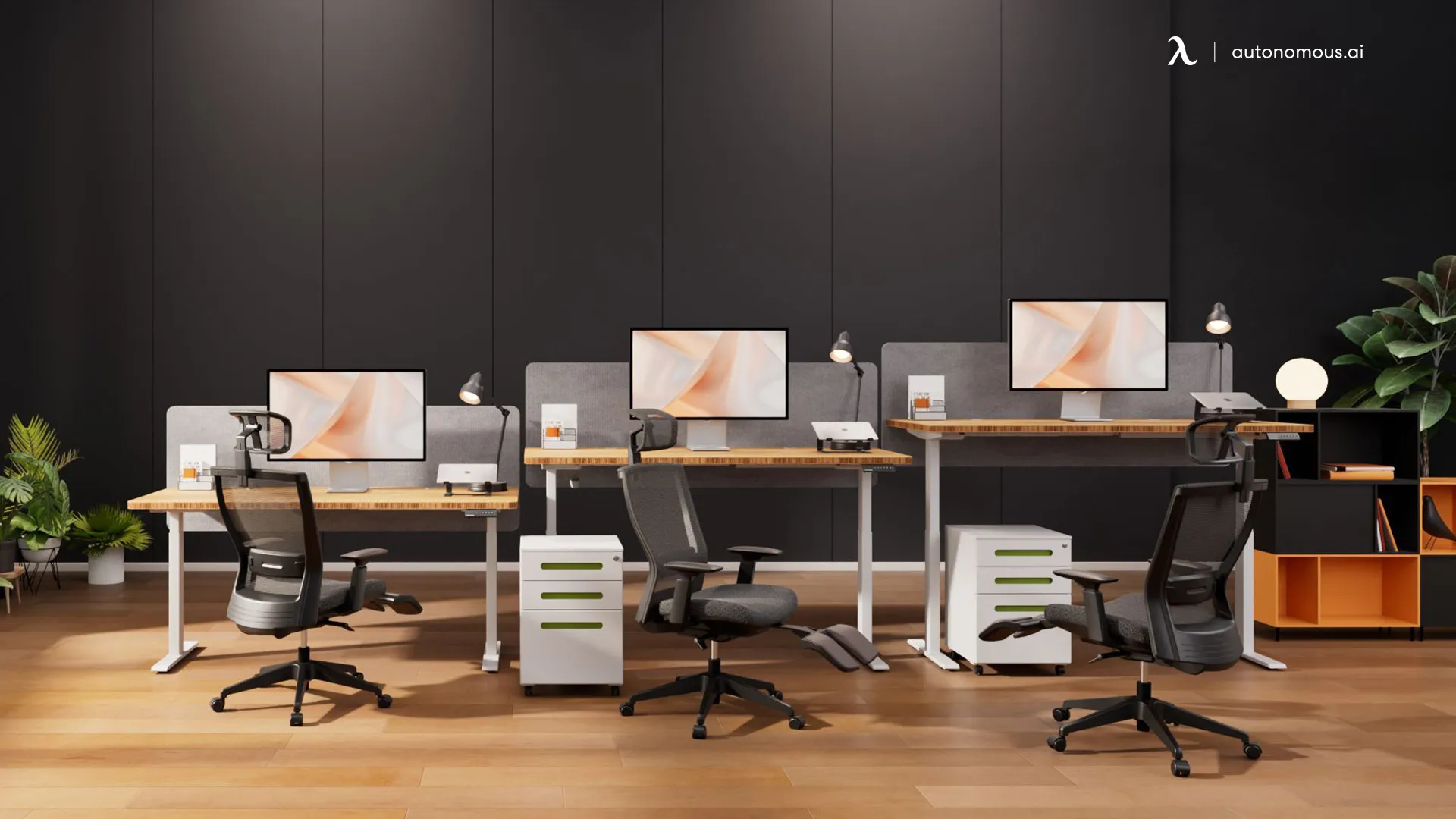
A team-based office layout groups employees by department or function into shared pods or clusters, helping teams collaborate faster and communicate more efficiently.
Desk configuration plays an important role in these shared spaces. Using a feng shui office layout L-shaped desk helps maintain balance and workflow within each pod.
For teams that need additional surface area, practical L-shaped desk organization ideas improve efficiency without overcrowding the workspace. Larger pods may also benefit from a U-shaped desk setup to support shared access and coordination.
Pros | Cons |
Strengthens team collaboration | Limits cross-team interaction |
Faster decision-making | Less flexible during restructuring |
Clear ownership of space | Noise can increase within pods |
9. Executive Office Layout
An executive office layout emphasizes privacy, authority, and professionalism. It typically features private leadership offices, formal meeting rooms, and controlled access areas to support confidential work.
Design choices often draw from refined executive office ideas that balance function with appearance. In larger workplaces, adjacent spaces can be adapted using bonus room office ideas to support meetings or focused tasks.
For added flexibility, some organizations also incorporate flex room office ideas to accommodate changing leadership or operational needs.
Pros | Cons |
High privacy and confidentiality | Consumes more floor space |
Reinforces leadership structure | Reduces transparency |
Professional client-facing image | Higher build-out cost |
10. Hot Desking Office Layout
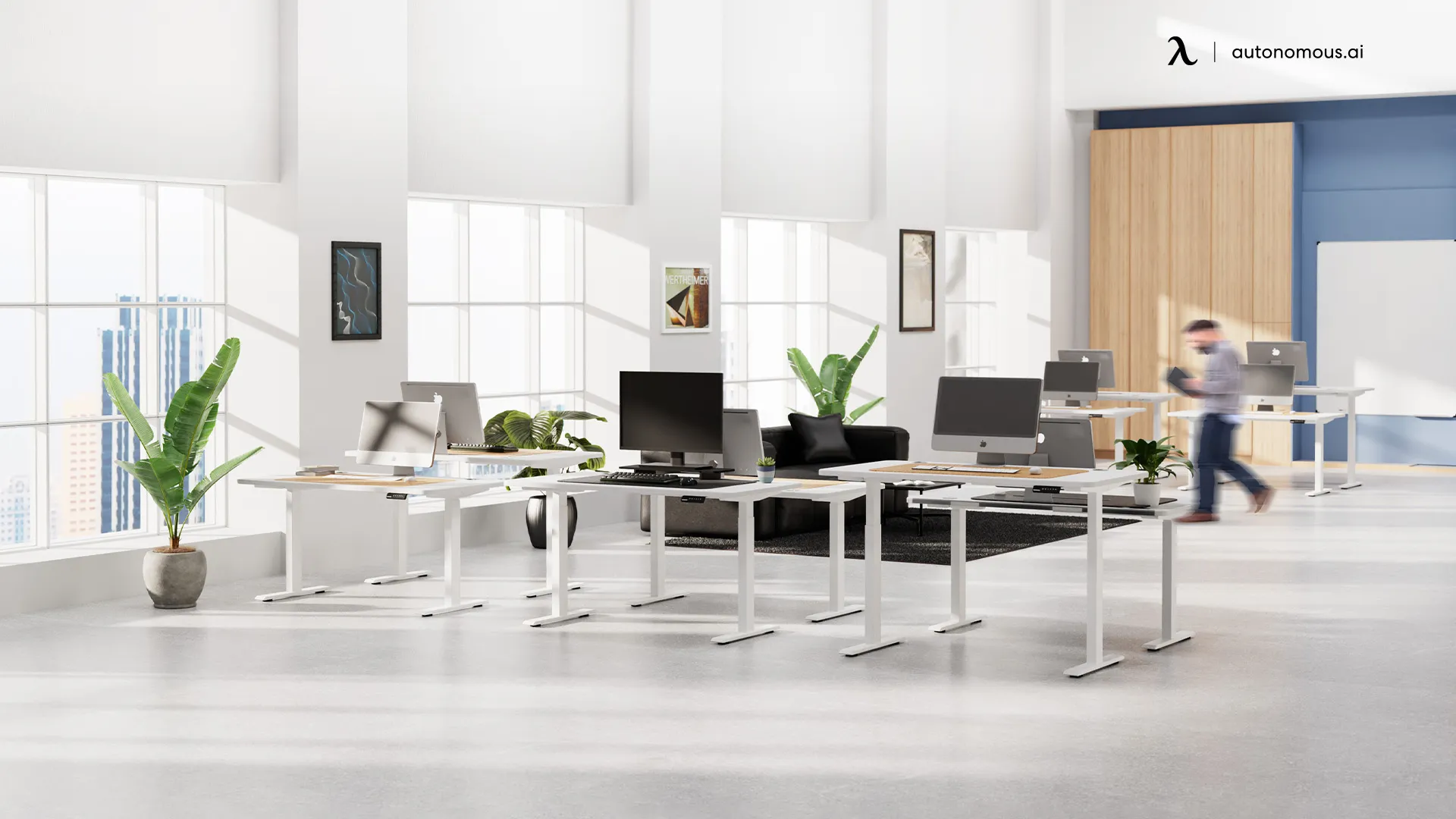
A hot desking office layout removes assigned seating, allowing employees to choose any available desk when they arrive. This makes it a space-efficient option for hybrid or rotating teams where attendance varies.
Because desks are shared, a clean and consistent environment matters. Applying minimalist office decor helps keep shared desks clutter-free and easy to reset between users.
Hot desking also works best with efficient workstation planning. A well-planned small office desk setup supports quick transitions, while broader office design ideas for small business help maintain functionality at scale.
Pros | Cons |
Maximizes space efficiency | No personal workspace |
Reduces real estate costs | Can frustrate daily users |
Supports hybrid work models | Requires strong desk management |
11. Agile Office Layout
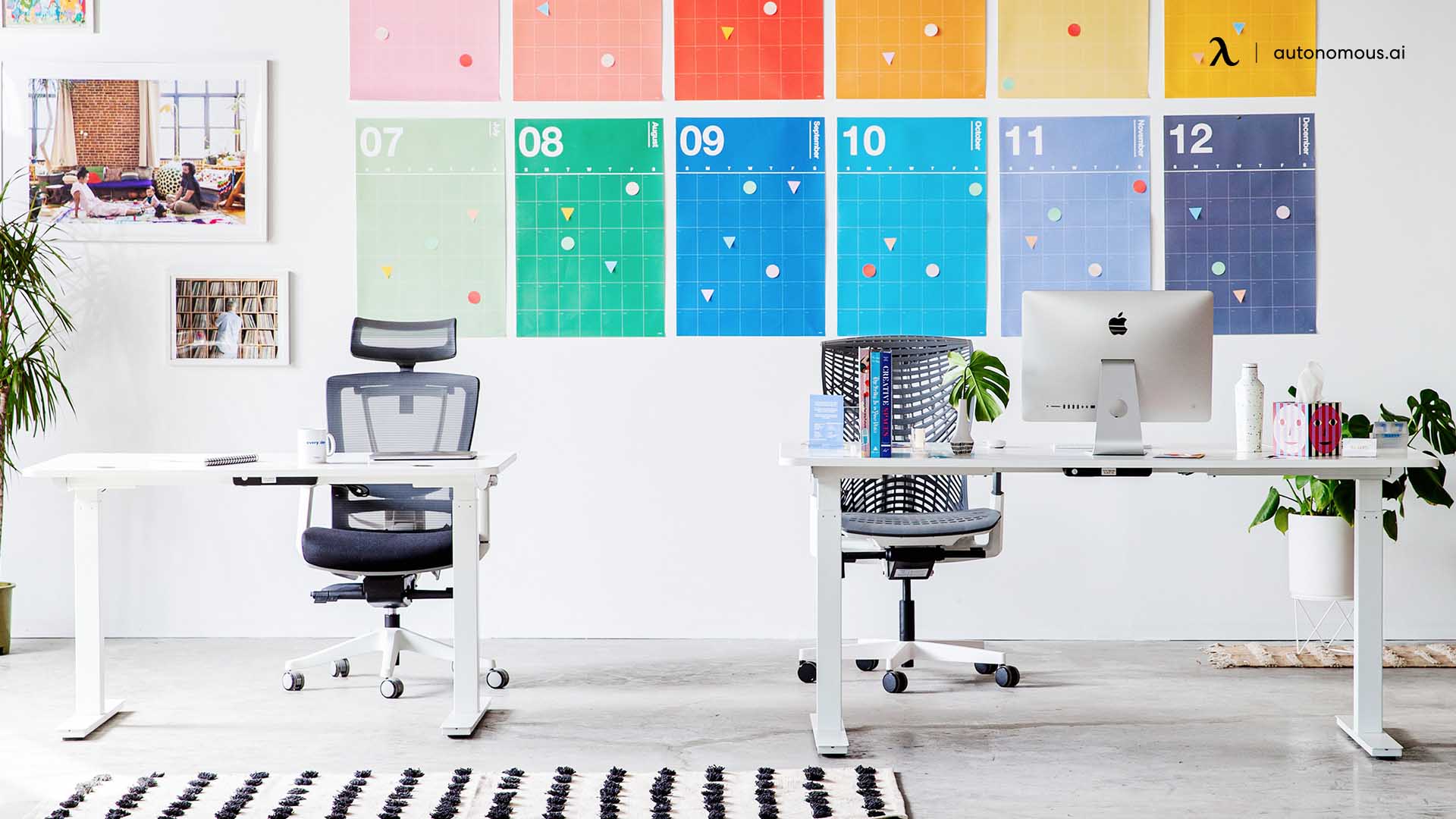
An agile office layout is built for rapid collaboration, iteration, and change. Modular furniture and flexible spaces allow teams to reconfigure the office quickly as project needs evolve.
Many agile workplaces rely on modular office cubicles to create adaptable team zones without permanent walls. Flexible modular workstations further support fast transitions between individual and group work.
To scale effectively, organizations often invest in office modular furniture that can be rearranged as teams and workflows change. This layout is especially popular among tech companies, product teams, and creative agencies operating in short cycles.
Pros | Cons |
Highly flexible and adaptable | Can feel chaotic without structure |
Encourages innovation | Requires frequent reconfiguration |
Supports fast-moving teams | Less suitable for routine work |
12. Zoned Office Layout
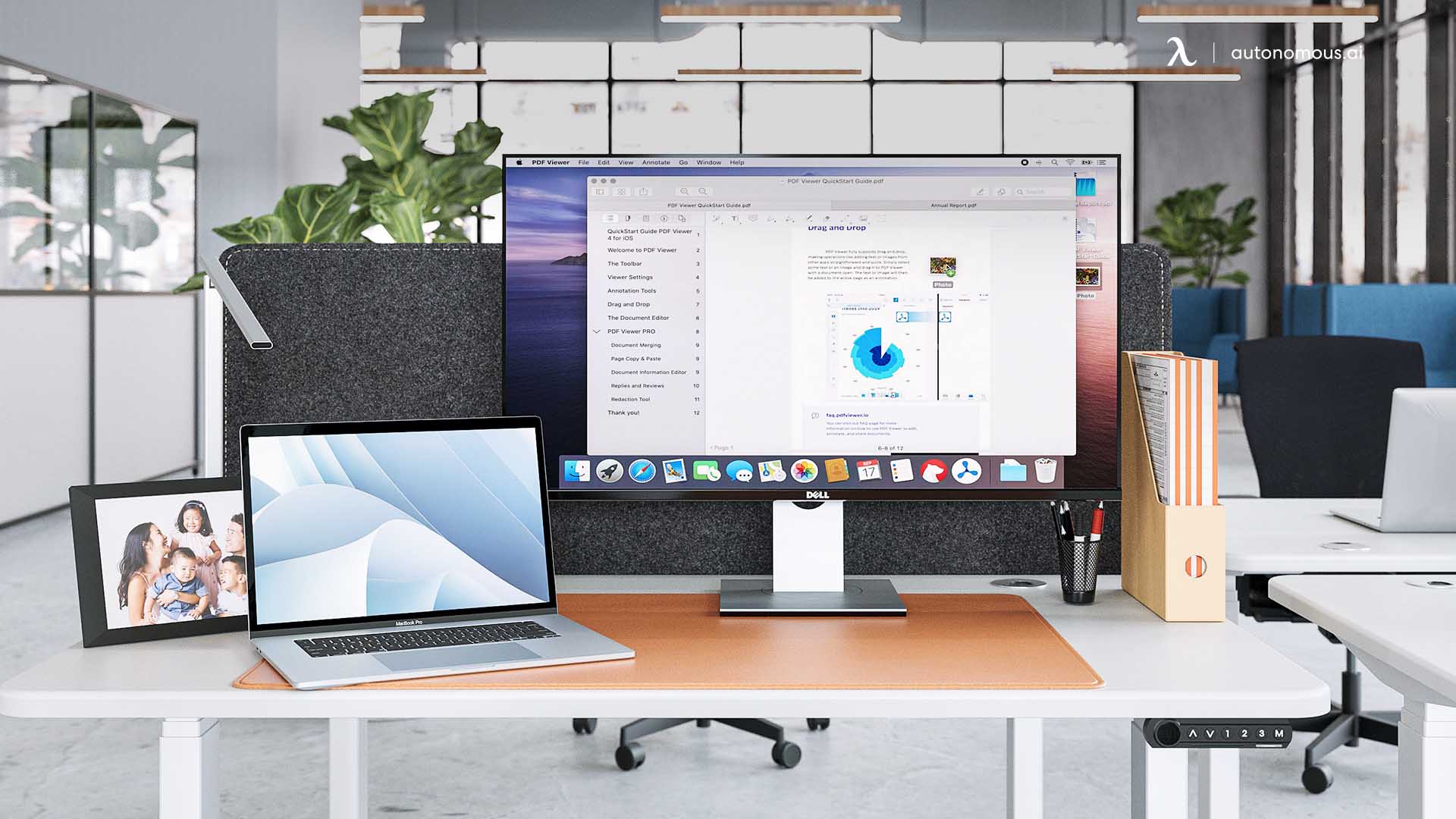
A zoned office layout divides the workplace into clearly defined areas based on function—quiet zones, collaboration zones, meeting zones, and social spaces.
Unlike activity-based layouts, zoning often keeps assigned desks while still controlling noise and movement across the office. To simplify this planning phase, many office managers use a flowchart generator to visually map out team workflows and seating arrangements before committing to a physical layout. Open office floor plans, for example, have been popular for years.
Pros | Cons |
Better noise management | Requires clear signage and rules |
Improves workflow efficiency | Less flexible than ABW |
Easier to scale in large offices | Initial planning is critical |
FAQs
What is the best office layout for productivity?
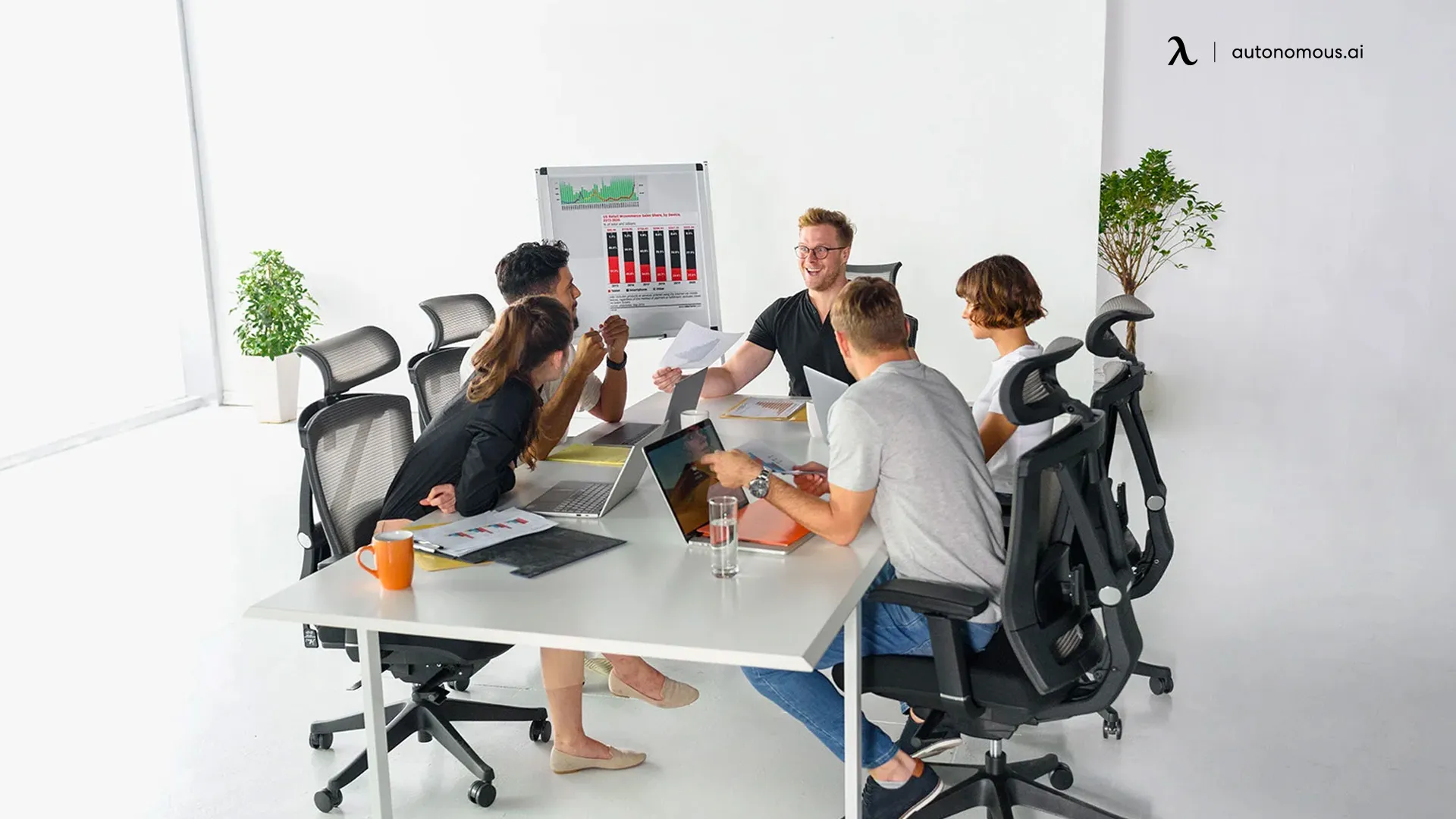
The best office layout for productivity balances focus and collaboration. Hybrid, activity-based, and zoned office layouts perform well because they reduce distractions while still supporting teamwork.
What office layout works best for collaboration?
Open office, team-based (pod), and coworking layouts work best for collaboration. These layouts remove physical barriers and encourage faster communication between employees.
Is an open office layout still effective?
An open office layout is effective for communication and transparency but can reduce focus if noise is not managed. It works best when paired with quiet rooms or focus zones.
How much office space is needed per employee?
Most modern offices allocate 100–150 square feet per employee. This includes individual workstations, shared spaces, and circulation areas.
What office layout is best for small businesses?
Hybrid, low-partition, and team-based layouts work well for small office dimensions. These layouts maximize space efficiency while maintaining collaboration and flexibility.
What is the difference between open office and cubicle layout?
An open office layout has minimal partitions and emphasizes collaboration, while a cubicle or cellular layout uses enclosed workstations for privacy. Open offices save space, whereas cubicles support focus and confidentiality.
Are coworking office layouts suitable for companies?
Coworking office layouts are suitable for startups, remote-first teams, and companies with flexible staffing. They promote networking but may lack privacy for focused work.
What office layout reduces noise and distractions?
Zoned, cellular, and hybrid office layouts reduce noise by separating quiet work areas from collaborative spaces. Acoustic panels and enclosed rooms further improve sound control.
How do you choose the right office layout?
Choosing the right office layout depends on team size, work style, privacy needs, and future growth. The best layouts align physical space with how employees actually work.
Wrap Up
Employees spend a significant portion of their day in the office, so creating a space that supports comfort, focus, and efficiency is essential. The right office layout can improve productivity while reinforcing a professional work environment.
Choosing a layout works best when paired with high quality furniture that supports long-term daily use. For consistency and scalability, many businesses also rely on office furniture packages to simplify planning and setup.
Understanding how to arrange office furniture helps maximize space efficiency and workflow, while knowing the office furniture cost per square foot allows for better budgeting as your workspace grows.