Office Moving Tips: A Complete Office Moving Checklist for Businesses

Table of Contents
- 1. How to Prepare for an Office Move
- 2. Office Moving Checklist: Planning Phase (8–12 Weeks Before)
- 3. Business Office Move Checklist: Design & Coordination (6–8 Weeks Before)
- 4. Office Moving To-Do List: Preparation Phase (4–6 Weeks Before)
- 5. Corporate Office Moving Checklist: IT, Security & Compliance
- 6. Office Moving Checklist: Move Week Execution
- 7. Office Moving Checklist After the Move
- 8. Office Moving Checklist Template (Reusable Format)
- 9. Practical Office Moving Tips to Reduce Stress
- 10. Common Office Moving Mistakes to Avoid
- 11. Final Thoughts
Relocating an office is one of the most disruptive events a business can experience. Unlike a home move, an office relocation affects employees, clients, technology systems, and daily operations all at once. Without proper planning, even a small office move can lead to lost productivity, damaged equipment, or extended downtime.
This guide walks you through how to prepare for an office move using clear, actionable office moving tips, a detailed office moving checklist, and a structured office moving to-do list. Whether you’re managing a small business relocation or coordinating a large corporate move, this article doubles as a business office move checklist and a scalable corporate office moving checklist.
1. How to Prepare for an Office Move
Preparation is the most critical phase of any office relocation. The earlier you start planning, the more control you’ll have over cost, timing, and disruption.
Begin by defining:
- Your target move date and desired completion window
- The scope of the move (entire office vs phased relocation)
- Who is responsible for decision-making and coordination
Assigning a single internal move lead—or a small move committee—helps avoid confusion. This person should act as the main point of contact for movers, IT providers, vendors, and employees.
Early preparation also includes reviewing your current office setup and deciding what should move, what should be replaced, and what no longer serves the business. An office move is often the best opportunity to eliminate unused furniture, outdated equipment, and unnecessary storage.

2. Office Moving Checklist: Planning Phase (8–12 Weeks Before)
This stage focuses on strategy and logistics. Treat it as the foundation of your office moving checklist.
Space & Lease Planning
- Confirm lease end date for your current office
- Verify move-in readiness of the new location
- Review floor plans, square footage, and capacity needs
Budget & Vendors
- Establish a moving budget, including contingencies
- Research and book professional office movers, such as Three Movers
- Identify specialty vendors (IT, furniture installers, disposal services)
Inventory & Assessment
- Audit all furniture, office equipment, and shared resources
- Identify items to move, donate, recycle, or discard
- Document high-value or sensitive assets
At this stage, decisions made will affect cost and efficiency later. Clear inventory records prevent surprises on moving day.
3. Business Office Move Checklist: Design & Coordination (6–8 Weeks Before)
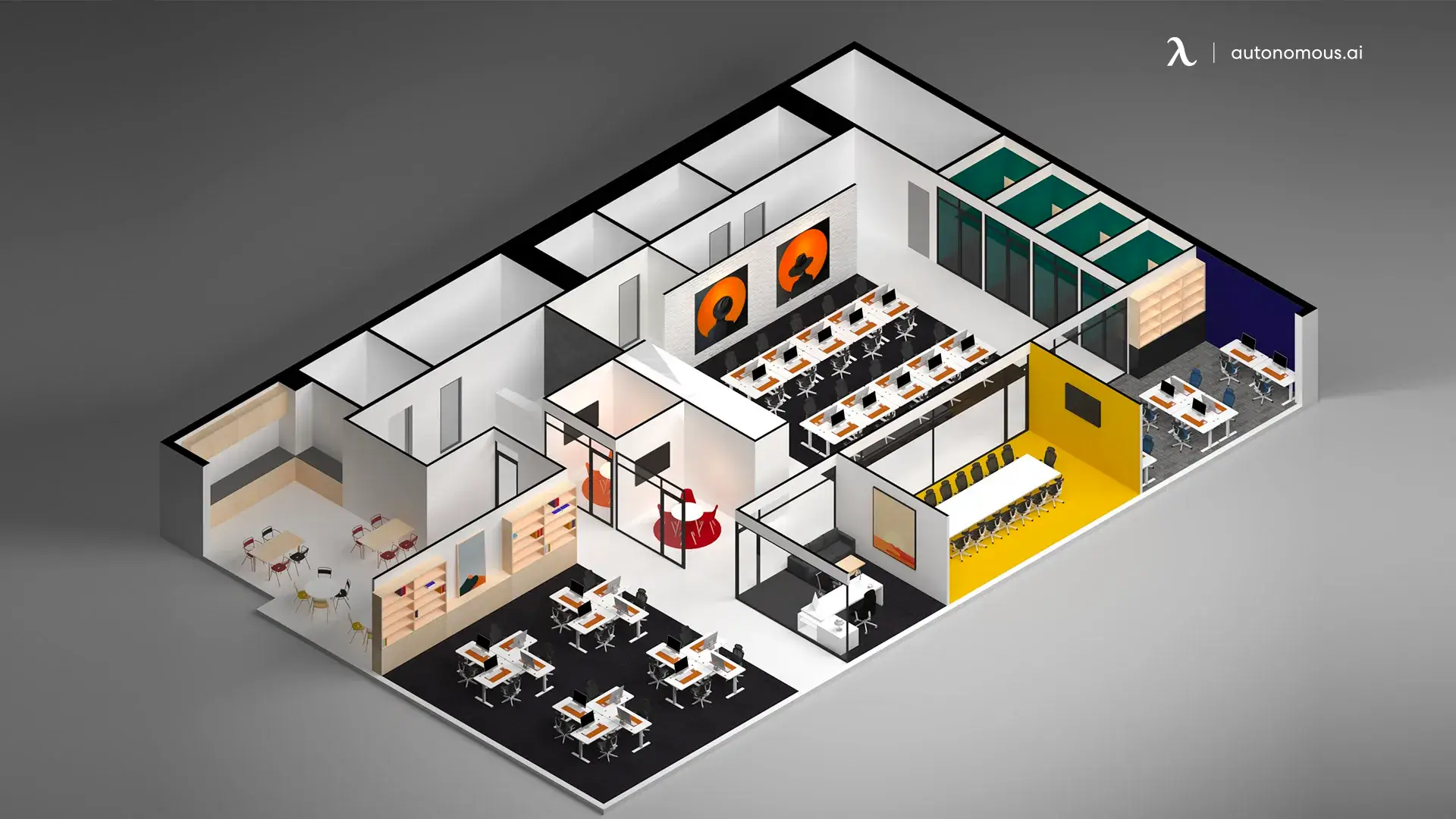
With the move confirmed, focus shifts to layout planning and internal coordination.
Office Layout & Seating
- Finalize seating plans and departmental zones
- Assign desks, meeting or conference rooms, and shared workspaces
- Confirm storage needs and accessibility requirements
IT & Infrastructure
- Coordinate internet installation at the new office
- Plan server relocation or cloud transitions
- Review power outlets, data ports, and Wi-Fi coverage
Employee Communication
- Announce the move date and timeline
- Share expectations for packing and labeling
- Provide FAQs about parking, access, and work-from-home arrangements
Clear communication during this phase reduces uncertainty and resistance, especially for larger teams.

4. Office Moving To-Do List: Preparation Phase (4–6 Weeks Before)
This phase turns planning into action and forms a critical part of your office moving to-do list.
Packing Strategy
- Order boxes, labels, and packing materials
- Assign packing responsibilities by team or department
- Pack non-essential items first
Labeling System
- Label boxes by department, employee, and destination area
- Use color-coding for floors or zones
- Mark fragile and high-priority equipment clearly
Operational Continuity
- Identify systems that must remain active until the last day
- Plan temporary remote work if needed
- Prepare data backups and redundancy systems
By now, the move should feel structured rather than overwhelming.
5. Corporate Office Moving Checklist: IT, Security & Compliance
For larger businesses, the corporate office moving checklist must address technical and regulatory risks.
IT & Data Security
- Back up all servers, files, and cloud systems
- Document equipment serial numbers
- Secure sensitive devices separately
Access & Safety
- Arrange new access badges or keycards
- Update alarm systems and security protocols
- Review emergency exits and safety signage
Compliance
- Confirm ADA requirements at the new office
- Update fire safety and evacuation plans
- Ensure industry-specific compliance standards are met
Skipping these steps can create costly post-move issues that are harder to fix later.
6. Office Moving Checklist: Move Week Execution
This is the most visible phase of the move and the one most people remember.
Before Movers Arrive
- Confirm move-day schedule and contact list
- Ensure all boxes are labeled and staged
- Secure confidential files and devices
During the Move
- Supervise loading and unloading
- Track inventory as items leave and arrive
- Direct movers using floor plans
Immediate Setup
- Prioritize IT equipment and shared resources
- Assemble essential furniture first
- Test internet, phones, and printers
The goal is to restore basic operations as quickly as possible.

7. Office Moving Checklist After the Move
An office move doesn’t end when boxes are unloaded. The post-move phase ensures the space actually works.
Workspace Setup
- Arrange desks, chairs, and monitors
- Adjust seating for comfort and ergonomics
- Set up meeting rooms and shared spaces
Systems Testing
- Verify internet speed and stability
- Test all hardware and software
- Resolve connectivity or power issues
Administrative Updates
Update business address on:
- Website and Google listings
- Invoices and contracts
- Vendor and client records
A structured walkthrough helps catch small issues before they become daily frustrations.

8. Office Moving Checklist Template (Reusable Format)
Phase | Task |
Planning | Confirm move date |
Assign move coordinator | |
Set moving budget | |
Logistics | Hire professional movers |
Finalize office floor plan | |
Arrange IT services and internet | |
Communication | Notify employees of move details |
Inform clients and business partners | |
Share packing and labeling instructions | |
Execution | Pack and label all equipment |
Supervise move day logistics | |
Test systems at the new office |
9. Practical Office Moving Tips to Reduce Stress
These office moving tips come from common pain points businesses face during relocation:
- Move in phases if possible to avoid full shutdown
- Keep an “essentials box” for each department
- Pack cables and accessories with their devices
- Schedule the move outside peak business hours
- Photograph cable setups before disassembly
Small details often save the most time.
10. Common Office Moving Mistakes to Avoid
Even with a checklist, certain mistakes appear frequently:
- Underestimating IT setup time
- Forgetting to update official business addresses
- Poor labeling systems
- Moving unnecessary or outdated equipment
- Lack of employee communication
Avoiding these mistakes keeps morale and productivity intact.
11. Final Thoughts
An office move is not just a logistics project—it’s an operational transition. With a clear office moving checklist, a structured business office move checklist, and realistic preparation, businesses can relocate without unnecessary disruption.
Whether you’re managing a small team or coordinating a large corporate office moving checklist, success comes from planning early, communicating clearly, and breaking the move into manageable phases.
A well-executed office move sets the stage for better workflows, improved collaboration, and a more functional workspace long after the boxes are unpacked.