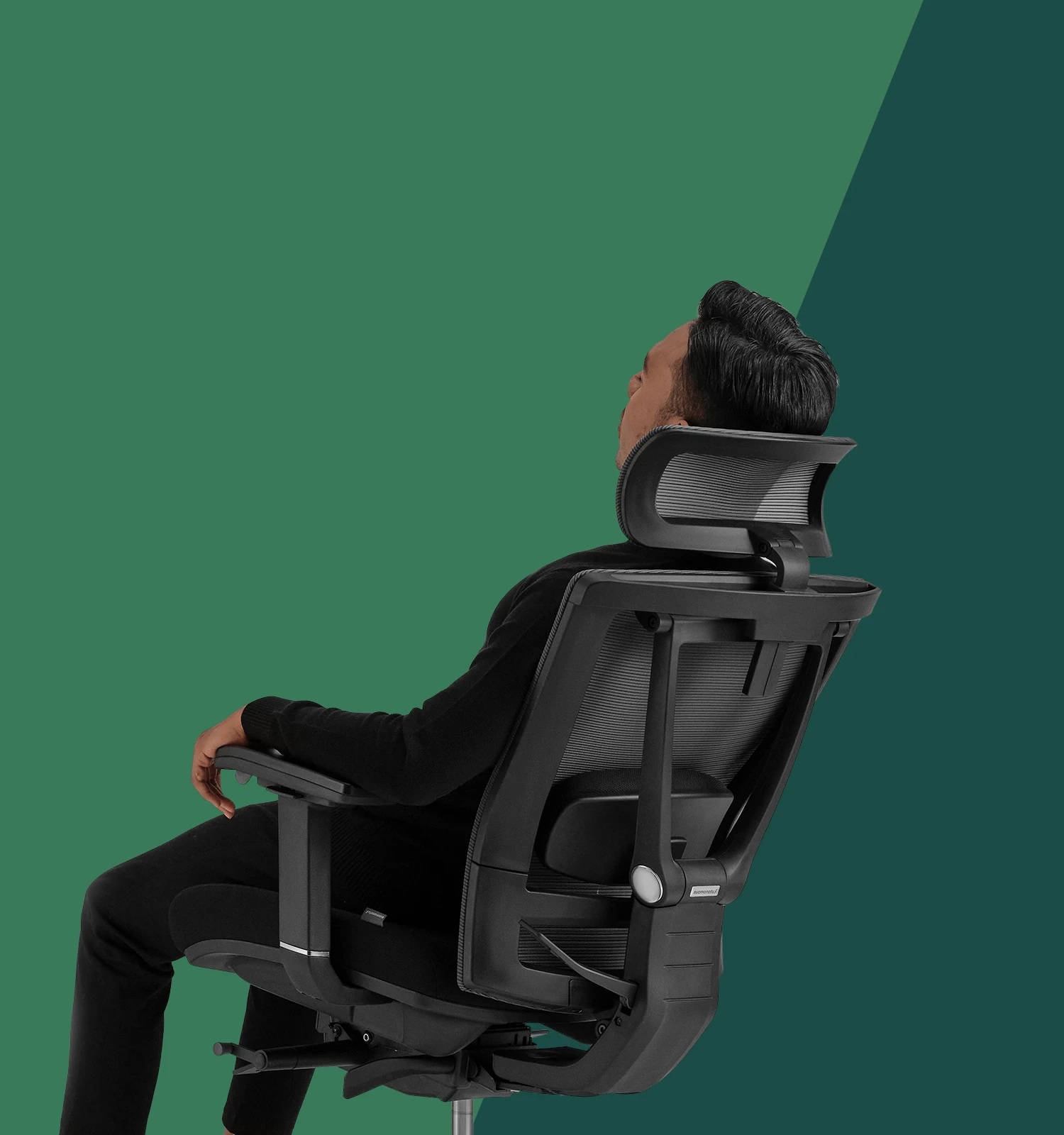
ErgoChair Pro
Black Friday price.
Built for 12-hour sessions.
10 Things You Should Know About Sitting Indian Style


Indian style sitting means sitting with your shins crossed and each foot tucked under the opposite knee, on the floor or on a chair seat. Is sitting Indian style bad for you? We found no major health source that calls the pose harmful in itself. What the sources do say: MedlinePlus lists regular leg crossing as a cause of peroneal nerve trouble, and the NHS asks adults to break up long periods of sitting.
Below are 10 things worth knowing, from what the name means and why many people now say "criss-cross" to nerve pressure, pregnancy and floor versus chair.
Even the best chair for sitting all day gets tiring if you never change position, and folding your legs onto the seat is one of the easiest changes to make. It works best as one position in a rotation that also includes feet flat on the floor and some time at an ergonomic desk you can raise to standing height.
10 Things to Know About Sitting Indian Style
The ten points below cover what the pose is, where the name comes from, and the few health questions with a sourced answer.
1. What Is Indian Style Sitting?
Sitting Indian style is sitting with your hips on the surface, knees dropped out to the sides and shins crossed in front, so each foot rests under the opposite knee. When children sit down Indian style on a classroom rug for reading time, teachers often call it "criss-cross applesauce".
The same position goes by several names, which is why searches for its meaning turn up such mixed results:
- Cross-legged or criss-cross, the plain English terms.
- Criss-cross applesauce, the classroom version.
- Sukhasana, or easy pose, in a yoga class.
- Sitting pretzel style, another informal name people search for.
Legs crossed Indian style is a floor-style pose, while many people at a desk cross one knee over the other instead. Point 7 covers what is known about leg crossing and nerve pressure.
2. Doing Yoga
In yoga, the Indian style position is called Sukhasana, from the Sanskrit sukha (easy) and asana (posture). The Art of Living's instructions set it up in four moves:
- Sit on the floor, or on a block, bolster or folded towel if your hips are tight.
- Cross one shin in front of the other so each foot lands under the opposite knee.
- Let the little-toe edges of your feet rest on the floor and keep your pelvis neutral.
- Stack your head over your pelvis and rest your hands on your knees.
Two of those details matter outside a yoga class too: the raised seat for tight hips and the head stacked over the pelvis. They are what let you hold the pose upright instead of slumping. The same page lists knee and hip injury as reasons to skip it.
Sitting cross-legged on a chair isn't harmful in itself. How long you hold the position matters more than the position.
3. The Origin of Sitting Indian Style
No source we found settles where the cross-legged pose or the phrase "Indian style" began, so this section sticks to what is documented about the name and the yoga poses.
A teacher sheet from the Smithsonian's National Museum of the American Indian puts "sitting Indian style" next to "Indian Princess" as phrases that "perpetuate negative stereotypes and implies a monolithic culture." The same sheet notes there is "no one 'Indian' language, culture, or way of thinking," so there is no single Native American sitting style behind the phrase.
The yoga thread is separate. The cross-legged seat in yoga is Sukhasana. The lotus position, Padmasana, is a different and harder pose with the feet placed on the opposite thighs; Art of Living rates it intermediate to advanced and says it "requires good hip mobility and flexibility." Calling everyday cross-legged sitting "the lotus position" mixes up the two.
4. Is the Indian Style Sitting Position Offensive?
The position is not offensive, but the name can be. The museum sheet quoted above asks teachers to drop "sitting Indian style," and its general advice is simple: "When in doubt, ask what term someone prefers!"
Swapping the phrase costs nothing, because the alternatives are already in common use:
- Cross-legged or criss-cross in everyday speech.
- Criss-cross applesauce with young children.
- Easy pose or Sukhasana in a yoga setting.
We keep the phrase in this article's title because it is what many people still type into a search bar, and someone looking for it should land on an answer that also explains the name.
5. Is Sitting Indian Style in a Chair Bad for You?
We found no health source that says sitting Indian style in a chair is bad for you; the sourced advice is about time spent sitting, not this pose. NHS guidance for adults is to "reduce time spent sitting or lying down and break up long periods of not moving with some activity." Crossing your legs is a change of position, but it is still sitting.
A chair adds two catches the floor does not have. Your feet leave the ground, so the seat alone holds your balance, and a chair that rolls or tilts can shift as you move. With your knees out wide, armrests may also press into your thighs.
A plain rule of thumb: if your back rounds, your knees ache or you start leaning on one armrest, put your feet down or stand for a minute. That works the same on the floor and in an office chair.

6. Does Sitting Indian Style Cause Musculoskeletal Problems?
We found no NHS or major clinic guidance that names cross-legged sitting as a cause of joint disease. The cautions that exist come from yoga teaching and are aimed at people whose knees or hips are already a problem.
Art of Living lists knee and hip injury as a precaution for easy pose. For lotus, which bends the knees much further, it lists recent ankle or knee injury, chronic ankle or knee issues and weak knees.
Is sitting Indian style bad for your back? We found no NHS or clinic source that answers that for this pose. The practical step is the one Art of Living gives for tight hips: sit on a block, bolster or folded towel. If your back or knees still ache, change position rather than push the knees down.
7. Can the Indian Sitting Position Cause Nerve Damage?
MedlinePlus lists "crossing the legs regularly" among the common causes of common peroneal nerve dysfunction. It does not say which kind of leg crossing, so the cross-legged pose is a reasonable thing to watch rather than a proven cause. This nerve supplies movement and sensation to the lower leg, foot and toes.
The everyday version is pins and needles. The NHS explains it happens when you sit or sleep on part of your body and the blood supply to the nerves is cut off, and that it usually lasts only a few minutes. What to do depends on what you notice:
- Tingling that fades soon after you uncross your legs: change position more often.
- Pins and needles that keep coming back or last a long time: the NHS says to see a GP.
- Numbness on the top of the foot, a foot that drops, or toes that drag or slap when you walk: these are the signs MedlinePlus describes for peroneal nerve dysfunction, so see a doctor.
8. Is Sitting Indian Style Bad for Pregnant Women?
We found no NHS guidance that mentions sitting cross-legged in pregnancy, either for or against. The NHS advice that comes closest is about pelvic pain.
For pregnancy-related pelvic girdle pain (PGP), also called symphysis pubis dysfunction (SPD), the NHS advises avoiding "sitting or standing for long periods" and keeping "your knees together when getting in and out of the car." If sitting Indian style brings on pelvic pain, stop and mention it to your midwife or doctor. Art of Living also lists pregnancy with back pain or swollen knees as a reason to skip the harder lotus pose.
9. Sitting Cross-legged in a Chair Versus the Floor: Which Is Better?
The floor is the steadier surface for the pose, while a chair works if the seat is wide and firm and the armrests stay out of the way. Here is how the two compare:
| Surface | What helps | Common catch |
|---|---|---|
| Floor | A folded towel or cushion under the hips; a wall behind you | No back support; tight hips leave the knees higher than the hips |
| Office chair | A firm seat, armrests that go up or out of the way | Feet off the floor; a rolling base; arms pressing on the knees |
| Floor chair | A backrest at floor height | Hard to get up from; seat may be too narrow for crossed legs |
If you like the floor version but want something to lean on, a floor gaming chair adds a backrest at ground level. For the desk version, chairs without wheels stay put while you shift your weight onto a folded leg.
Check the seat before the brand. Sit cross-legged on the floor, measure from the outside of one knee to the outside of the other, and compare that with the seat width on the chair's spec sheet. Some chairs are built around this, and cross-legged office chairs with arms differ mostly in how wide the seat is and how high the arms sit.
On a standard ergonomic chair, seat depth and armrests decide how the pose feels. The ErgoChair Ultra 2 has a seat depth of 18" to 20.5" and 4D armrests that sit 7" to 11" above the seat, so you can raise them clear of crossed knees. It has no footrest; when you come out of the pose, your feet go back to the floor.
The video above walks through the Ultra 2's adjustments, including the armrests you would move out of the way before folding your legs onto the seat.
10. The Benefits of Sitting Indian Style
The benefits of sitting Indian style are practical rather than medical, and the pose does not fix posture on its own:
- It gives your legs a different position without leaving your desk, which breaks up a long stretch of sitting with feet flat.
- It needs no equipment beyond a folded towel if your hips are tight.
- It is the beginner seated pose in yoga, so it is a natural place to start if you want to try breathing or meditation practice.
It is still sitting. It does not replace standing up and moving, which is what the NHS advice on long sitting actually asks for.
Tips on Being Comfortable at Work Using Indian Style
At a desk, the pose works best as one stop in a rotation, not a new default. A simple routine:
- Switch between feet flat on the floor and sitting Indian style, and move on when your legs tingle or your back starts to round.
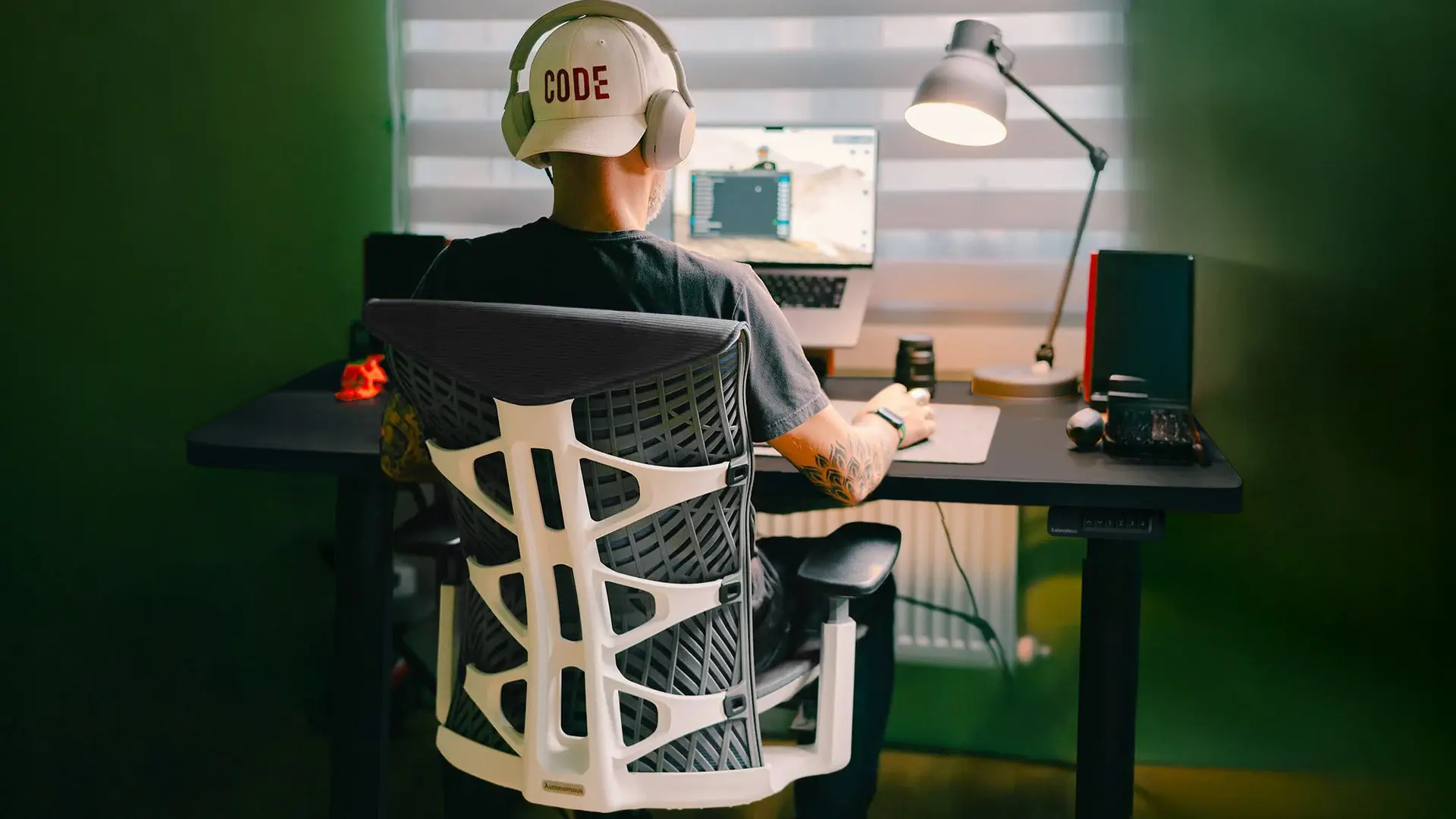
- Stand for part of the day. A height-adjustable desk lets you do it without stopping work.
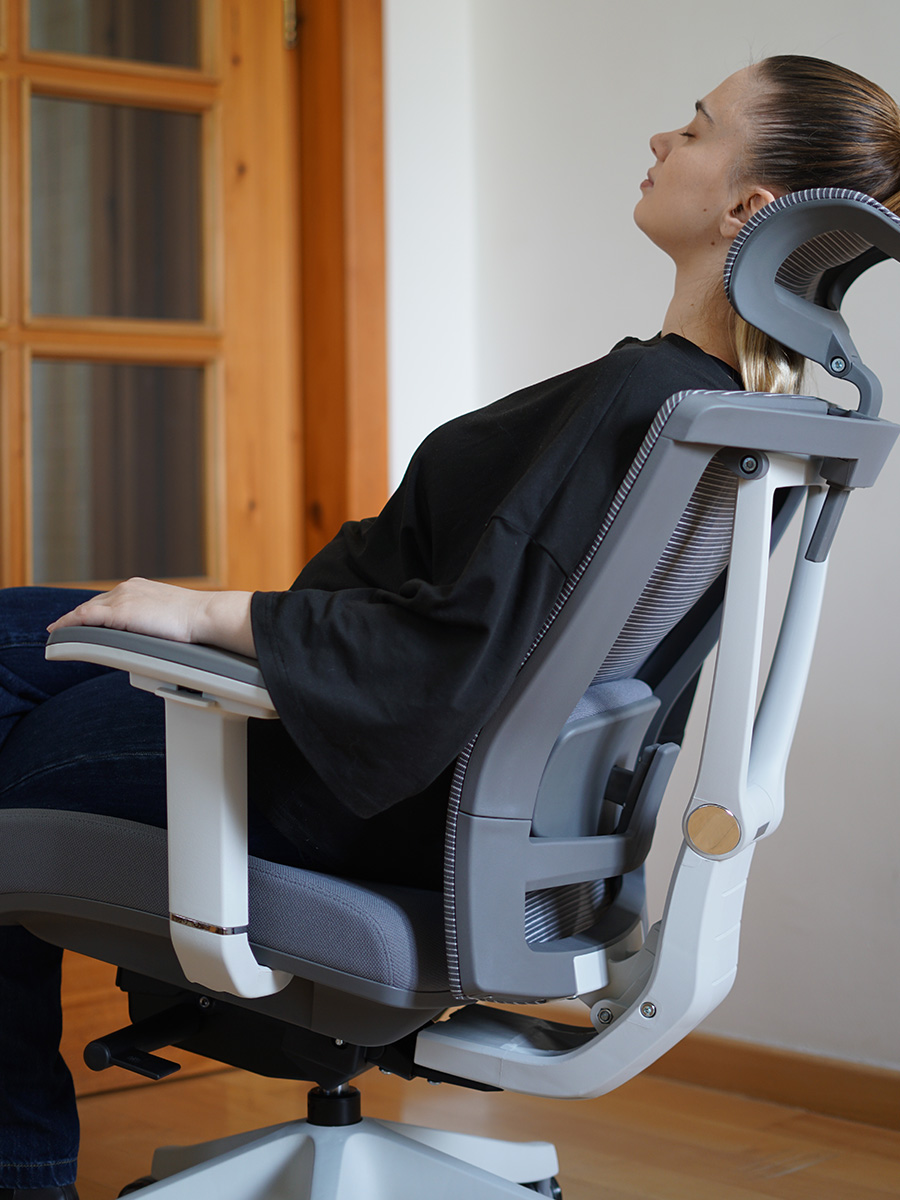
- Lean back now and then. A reclining ergonomic chair moves some of your weight onto the backrest.
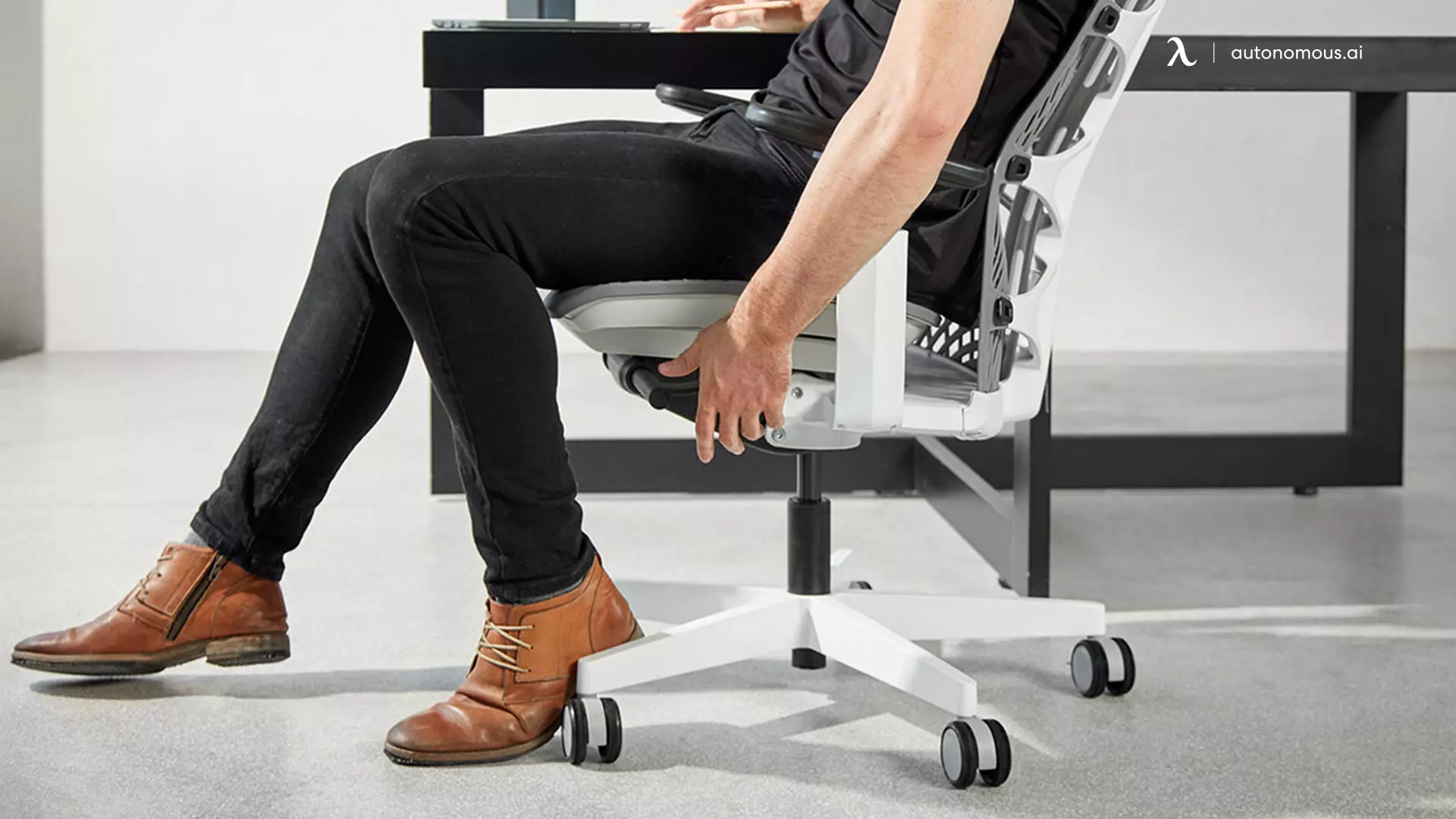
Whatever chair you use, set it up for feet-on-the-floor sitting first. Sitting cross-legged is the break, so the chair should still fit you when you uncross your legs.
FAQs
Is sitting Indian style bad for your back?
We found no major health source that says sitting Indian style is bad for your back. If your back rounds or aches, change position, or sit on a folded towel or cushion, the tip yoga instructions give for tight hips.
What is another name for sitting Indian style?
The common alternatives are cross-legged, criss-cross, and criss-cross applesauce for children. In yoga the pose is called Sukhasana or easy pose. Many people prefer these terms because "sitting Indian style" is seen as a stereotype of Native Americans.
Why does my foot go numb when I sit cross-legged?
Your foot goes numb because the position presses on a nerve or cuts the blood supply to it. The NHS says this kind of pins and needles usually lasts a few minutes. If it keeps coming back or your foot feels weak, see a doctor.
How long can you sit cross-legged?
There is no set safe time for sitting cross-legged. Change position when your legs tingle, your knees ache or your back starts to round. NHS guidance is to break up long periods of sitting with some activity, whatever position you sit in.
Is the lotus position the same as sitting Indian style?
No, the lotus position is a different pose. In lotus (Padmasana) each foot rests on the opposite thigh, which needs far more hip mobility. In Indian style sitting, or easy pose, each foot rests on the floor under the opposite knee.
What does sitting pretzel style mean?
Sitting pretzel style is another informal name for sitting cross-legged, with the shins crossed and the knees out to the sides. It describes the same position as criss-cross applesauce, easy pose and Indian style sitting.
Conclusion
Indian style sitting, or plain cross-legged sitting, is a reasonable way to sit on the floor or in a chair. Keep the spells short, raise your hips if they are tight, and treat a numb foot as a signal to move rather than something to push through.
The name is the part that has changed. "Criss-cross" or "easy pose" says the same thing without the stereotype, and the pose works the same either way.
References
- MedlinePlus: Common peroneal nerve dysfunction
- NHS: Pins and needles
- NHS: Physical activity guidelines for adults aged 19 to 64
- NHS: Pelvic pain in pregnancy
- National Museum of the American Indian: The Impact of Words and Tips for Using Appropriate Terminology
- Art of Living: Easy Pose (Sukhasana)
- Art of Living: Lotus Pose
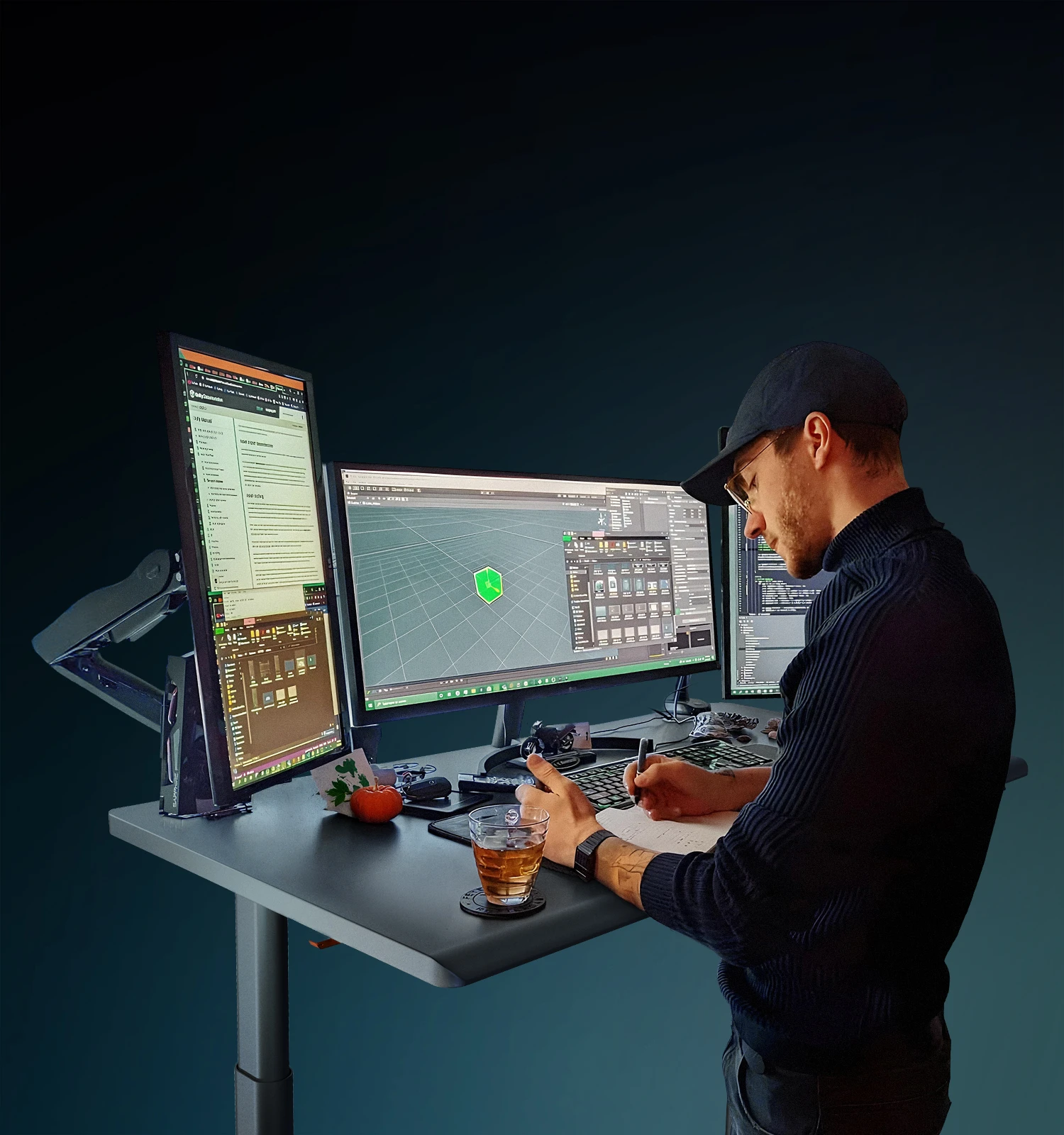
Desk Pro
Black Friday price.
So 12 hours isn’t 12 hours sitting.