


The Best Budget Office Chairs of 2026

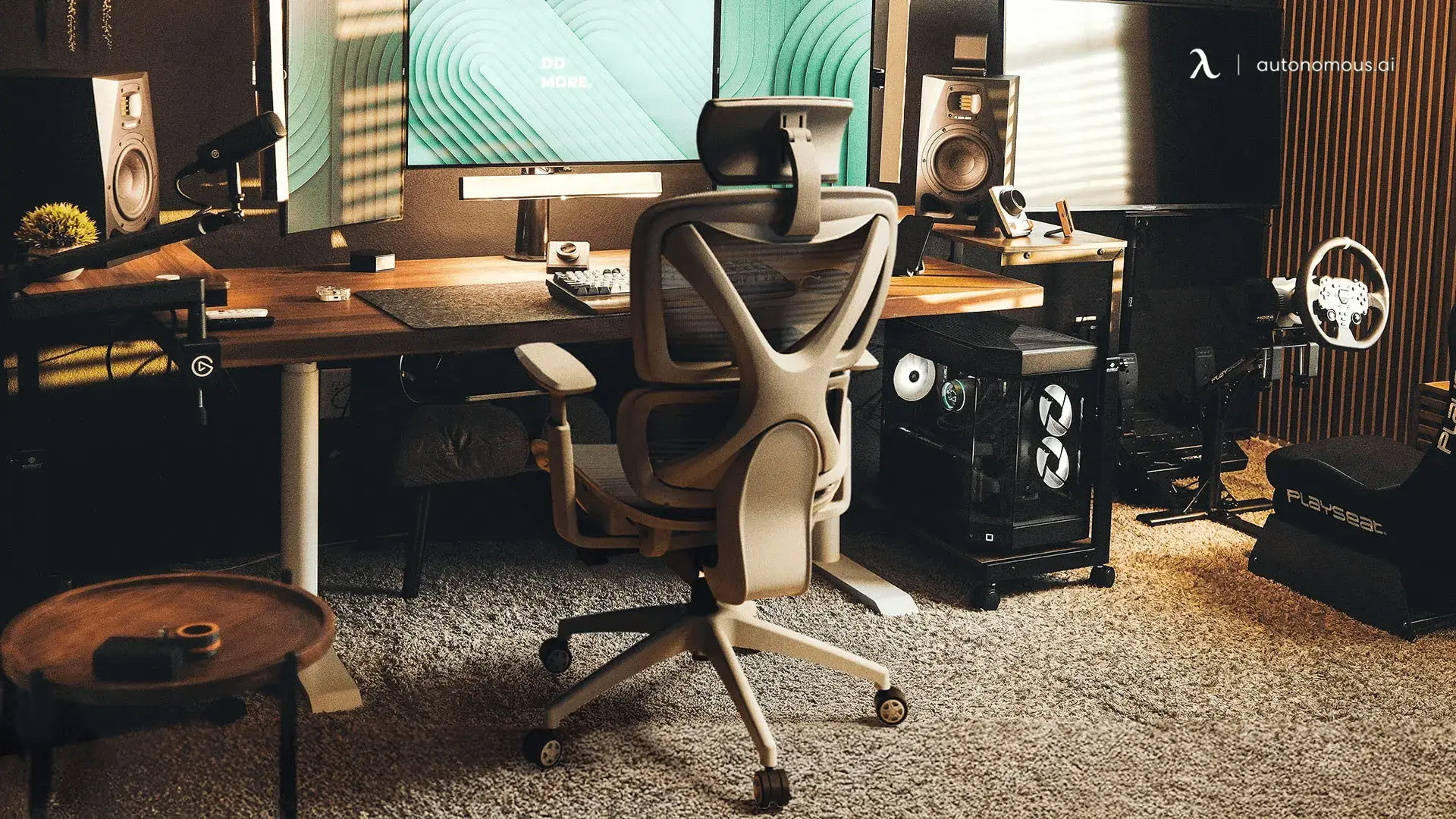
A budget chair is not one thing. At $60 you are buying a seat that does not actively work against you. At $150 you start getting a locking tilt and a mesh back that breathes. At $250 an adjustable lumbar appears, and somewhere around $300 the warranty stops being decorative.
Knowing which of those tiers you are actually shopping in is most of the decision, and it is the part most roundups skip. This guide covers the full budget range, with detailed picks at the under-$100 end where the traps are thickest, and an honest account of what each step up buys you.
The Budget Ladder at a Glance
Tier | What you get | What is still missing | Best for |
Under $100 | Mesh back, basic tilt, height adjustment | Adjustable lumbar, durable foam, real warranty | 2 to 4 hours a day |
$100 to $200 | Locking tilt, better mesh, sometimes a headrest | Positionable lumbar, arm adjustment beyond height | 4 to 6 hours a day |
$200 to $300 | Adjustable lumbar, 3D arms, multi-year warranty | Premium materials, 10-year-plus warranties | 6 to 8 hours a day |
Most people asking for the best budget office chairs are shopping the first two rows. If you sit all day, the third row is where the value maths actually turns, and we cover why further down.
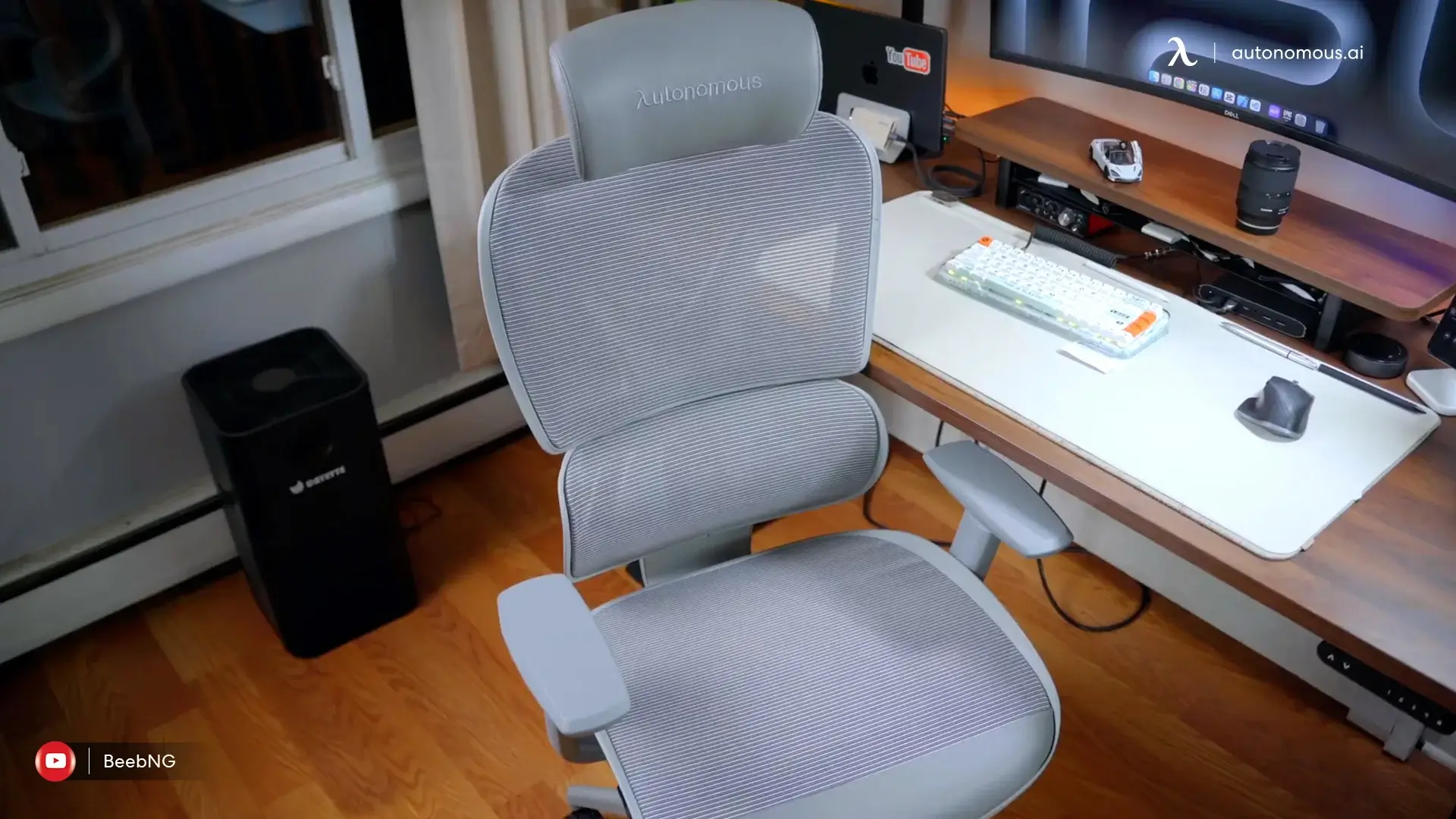
The Best Budget Office Chairs
Ranked by what each one is actually best at, not by price. The top five span the full budget range, because the best budget office chair for most people is not the cheapest one on the page.
Sihoo M18 | Flash Furniture | Staples Hyken | Furmax | Hbada | |
Price | ~$130-170 | ~$75 | ~$150 | ~$60 | ~$130 |
Best for | Best overall | Best under $100 | Long hours | Tightest budget | Small rooms |
Back | Mesh | Ventilated mesh | Mesh | Mesh and PU | Mesh |
Seat | Foam | Foam | Mesh | Thin foam | Foam |
Lumbar | Adjustable | Mesh curve only | Fixed support | None | Fixed contour |
Arms | 2D | Fixed | Basic | Fixed | Flip-up |
Headrest | Yes | No | Yes | No | No |
Watch for | 2D arms only | No lumbar adjustment | Firm seat edge | Foam compresses | 250 lb limit |
1. Sihoo M18: Best Budget Office Chair Overall
Sit down and the M18 feels like more chair than its price. The mesh back carries an adjustable lumbar you can slide to meet your lower back, plus a headrest, two things almost nothing else under $200 offers, so your spine and neck get actual support instead of a flat panel. Lean back and the tilt lock holds you at a set angle rather than springing you upright.
The specs also tell you where it gives. The arms are 2D and move only up and down, so at a taller desk your shoulders creep up because you cannot pull the pads in or forward. The seat uses budget foam, so expect it firm early and softer after a year of daily use. For the money it is the most complete ergonomic package in the budget market, which is why it is the one to beat.
Pros
- Adjustable lumbar, rare below $200
- Adjustable headrest
- Roughly 330 lb capacity, high for the price
- Tilt lock holds a set angle
- Frequently discounted well below list
Cons
- Arms adjust in height only, not depth or width
- Budget foam softens within a year of daily use
Who it's for: Anyone who wants genuine ergonomic adjustability without crossing $200.
Who should skip it: Taller users who need to pull the armrests forward to reach a high desk.
Specs: Mesh back, adjustable lumbar and headrest, 2D arms, tilt lock, ~330 lb, ~$130-170
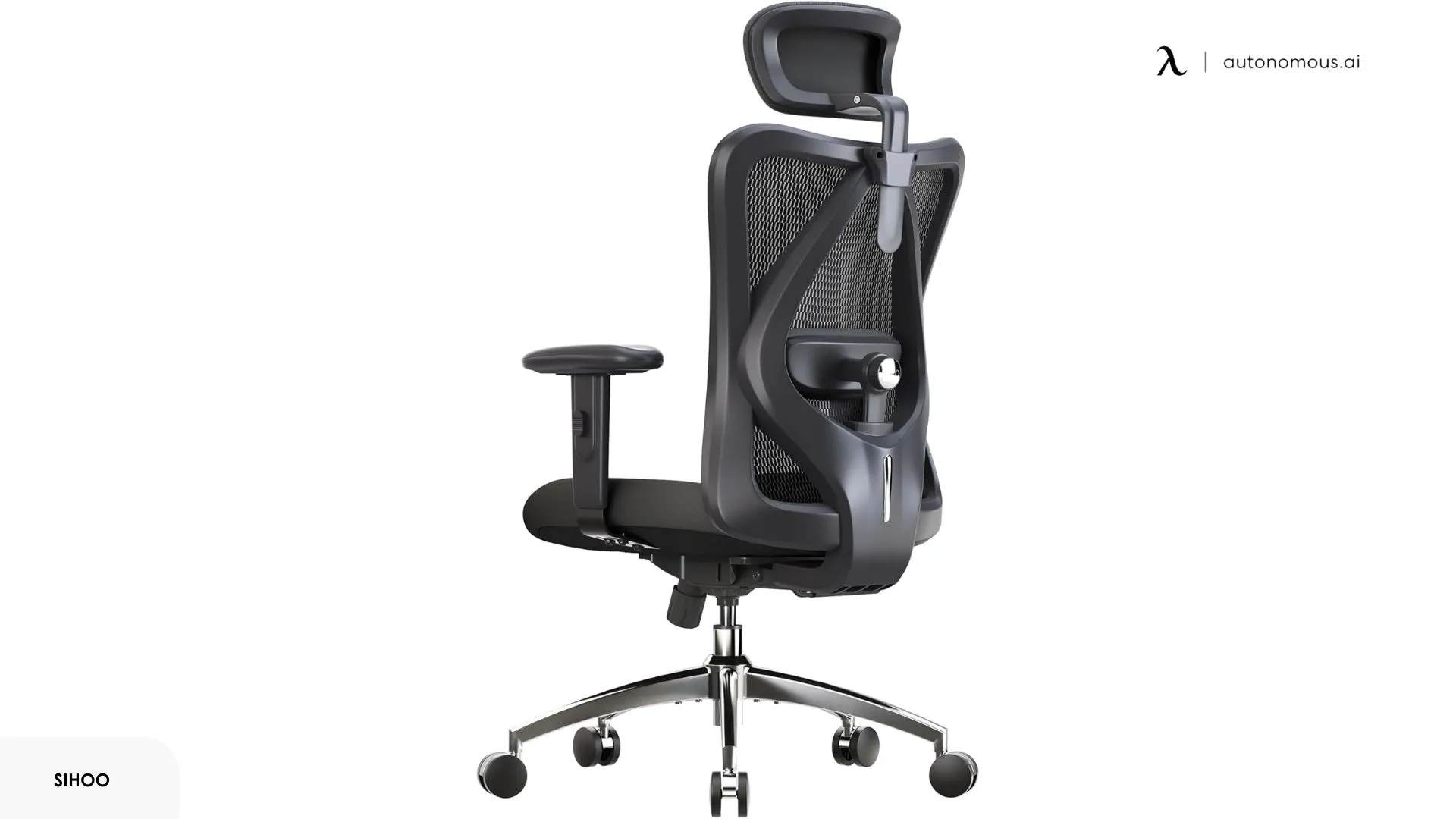
2. Flash Furniture Mid-Back Mesh: Best Under $100
Under $100 the trade is always support for breathability, and this one leans into breathability well. The open mesh back keeps you cool through a summer afternoon where a padded seat would leave you damp, and the tilt lock lets you set a recline angle instead of bouncing, which is unusual at this price.
What the spec sheet warns you about is everything it leaves out. There is no adjustable lumbar, only the mesh curve, and the arms are fixed, so you cannot dial in arm height or support. That makes it a genuinely good pick for a few hours a day or a second desk, and a chair you will start to feel by hour six of a full workday.
Pros
- Genuinely breathable mesh back
- Tilt lock at a price where most chairs free-rock
- Light and easy to move between rooms
- Simple assembly
Cons
- No adjustable lumbar, only the fixed mesh curve
- Fixed arms with no height adjustment
- Thin seat foam
Who it's for: Two to four hours a day, a second desk, or a room that runs warm.
Who should skip it: Anyone sitting a full workday in it.
Specs: Ventilated mesh back, tilt lock, fixed arms, ~$75
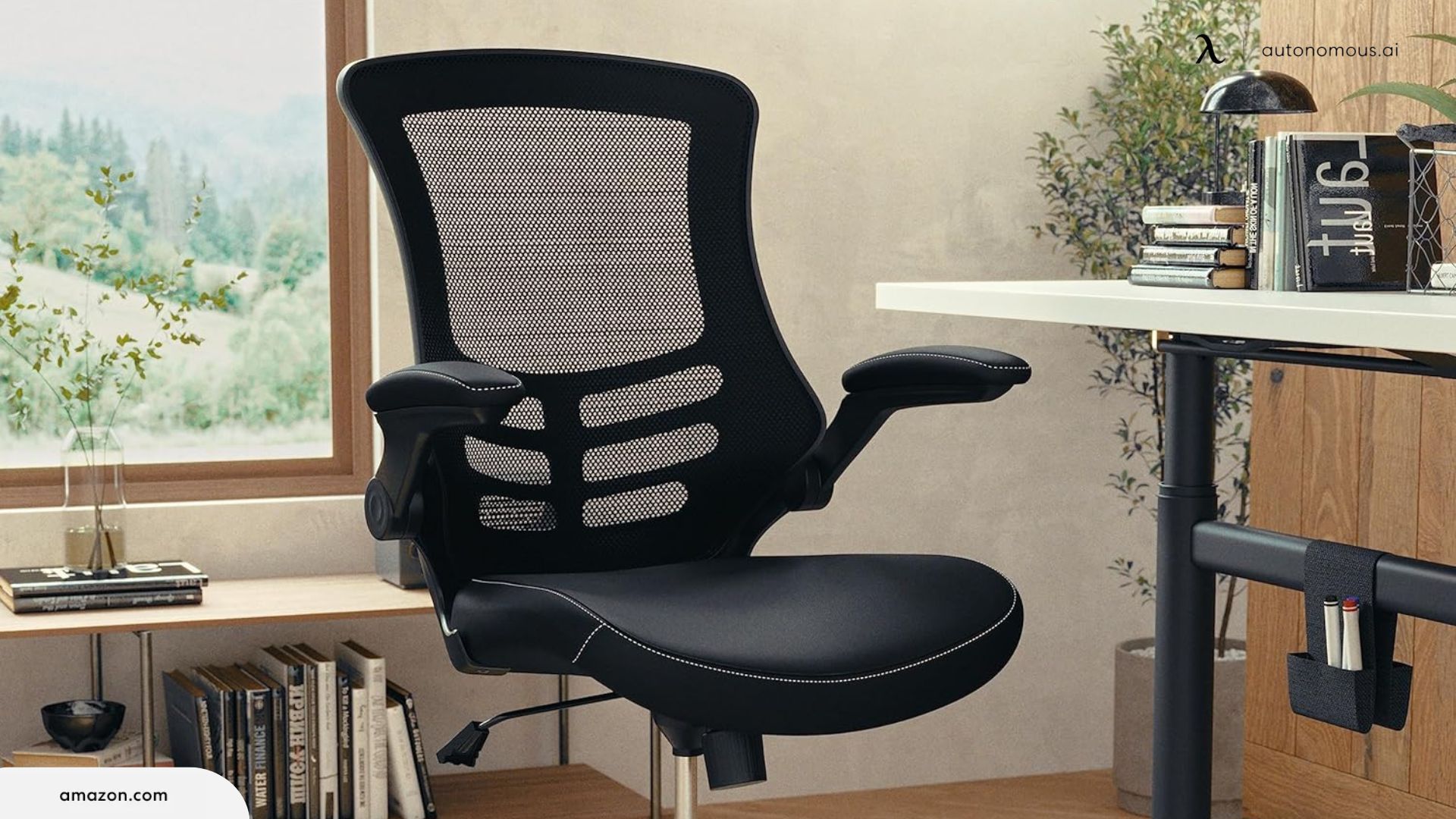
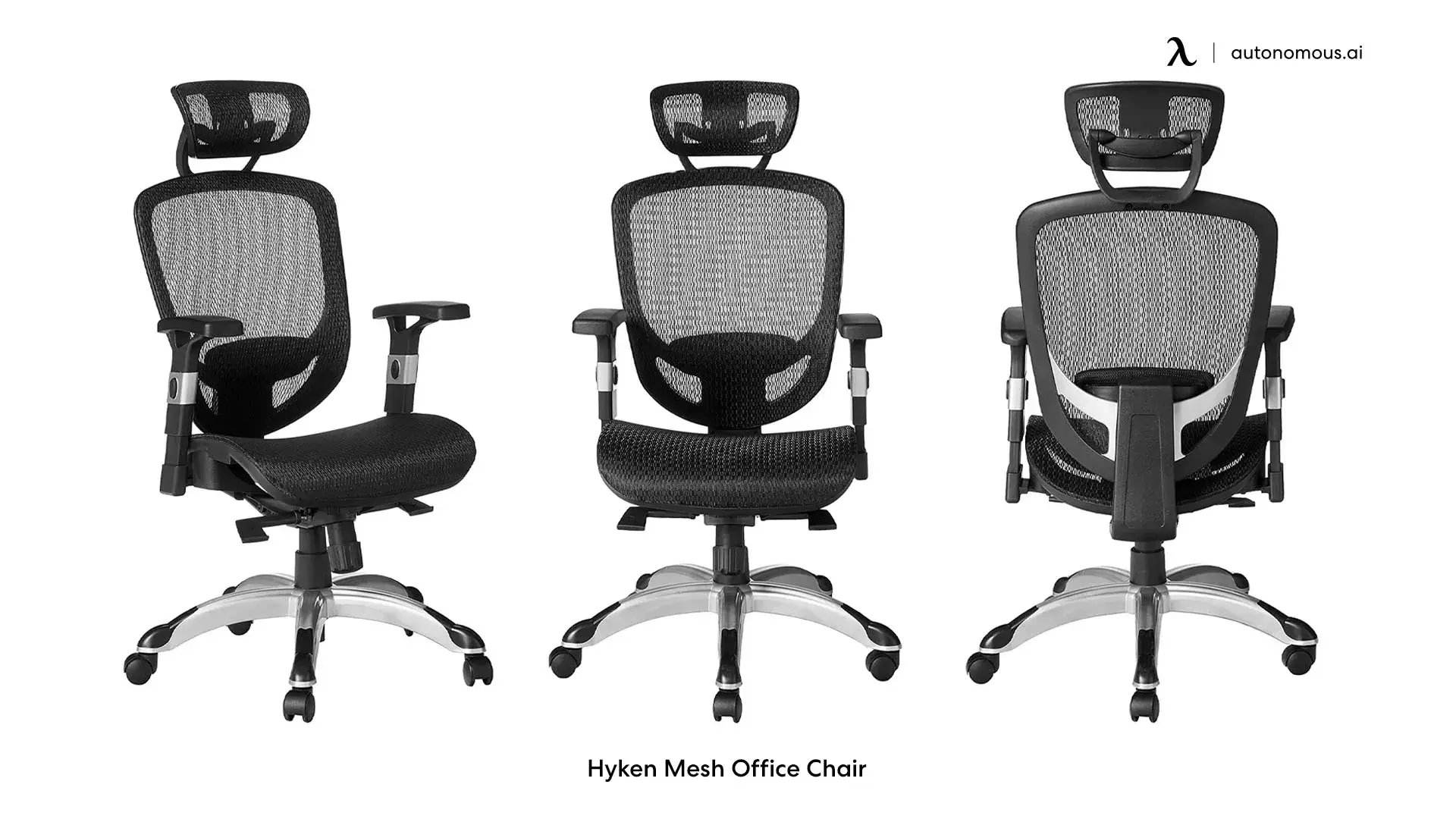
3. Staples Hyken: Best for Long Hours Under $200
The Hyken is built for the person who sits all day on a budget, and the all-mesh seat is the reason. A mesh seat breathes where foam traps heat, so you stay cooler across an eight-hour stretch, and you get a headrest and lumbar at a price where most chairs give you neither. The recline is generous and locks where you leave it.
The specs flag the catch. The firm mesh seat edge can press on the thighs for some bodies, and the arms and lumbar are basic rather than finely adjustable, so tall or particular sitters may want more range. For most people it is the most chair you can get for long days under $200.
Pros
- All-mesh seat and back, unusual at this price
- Headrest and lumbar support included
- Generous recline with a lock
- Stays cool across long sessions
Cons
- Firm mesh seat edge can press the thighs
- Lumbar and arms are basic rather than finely adjustable
- Availability and pricing fluctuate
Who it's for: All-day sitters on a budget, especially in warm rooms.
Who should skip it: Anyone who prefers a cushioned seat over a mesh one.
Specs: Mesh seat and back, adjustable headrest, lumbar support, locking tilt, ~$150
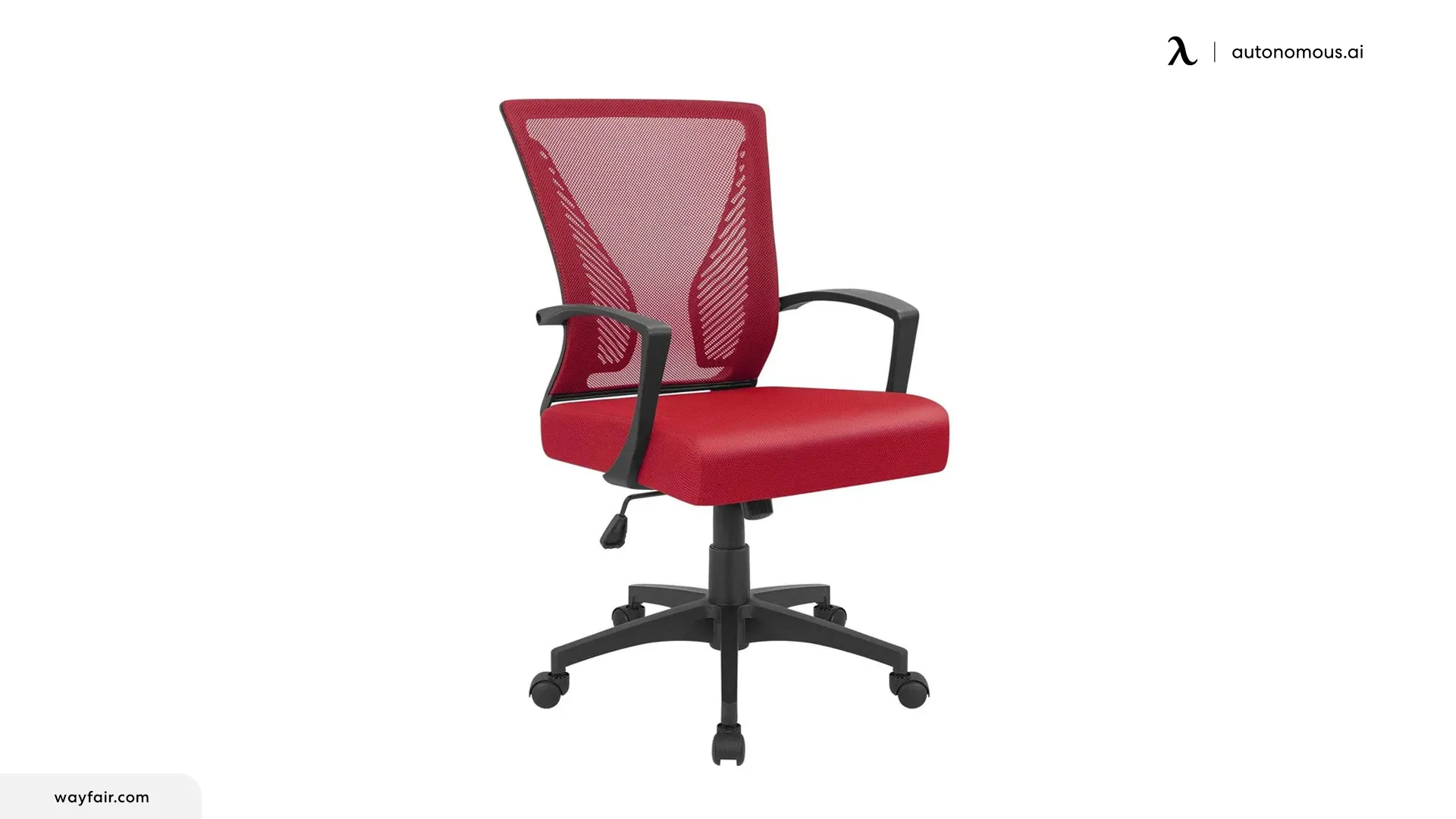
4. Furmax Mid-Back: Cheapest Worth Buying
At about $60 the Furmax is the honest floor of this market: a simple mid-back task chair with a basic tilt and thin padding. Sit down for a couple of hours and it does the job, which is more than the very cheapest chairs manage. It is also one of the most-reviewed chairs in the category, which tells you how many people land here.
The specs are clear about what you are not getting: no lumbar adjustment, thin foam that will compress, and light frame materials. Buy it with clear eyes as a temporary or occasional seat rather than an all-day one, and it will not disappoint you.
Pros
- The cheapest chair here that is not a mistake
- Simple tilt that works
- Light enough to move one-handed
- Enormous review base to check against
Cons
- No lumbar support of any kind
- Thin foam compresses within months of daily use
- Light frame not built for heavy or constant use
Who it's for: A spare room, a student desk, or a stopgap while you save.
Who should skip it: Anyone using it as their main work chair.
Specs: Mesh and PU back, simple tilt, ~$60
5. Hbada Ergonomic: Best for Small Rooms
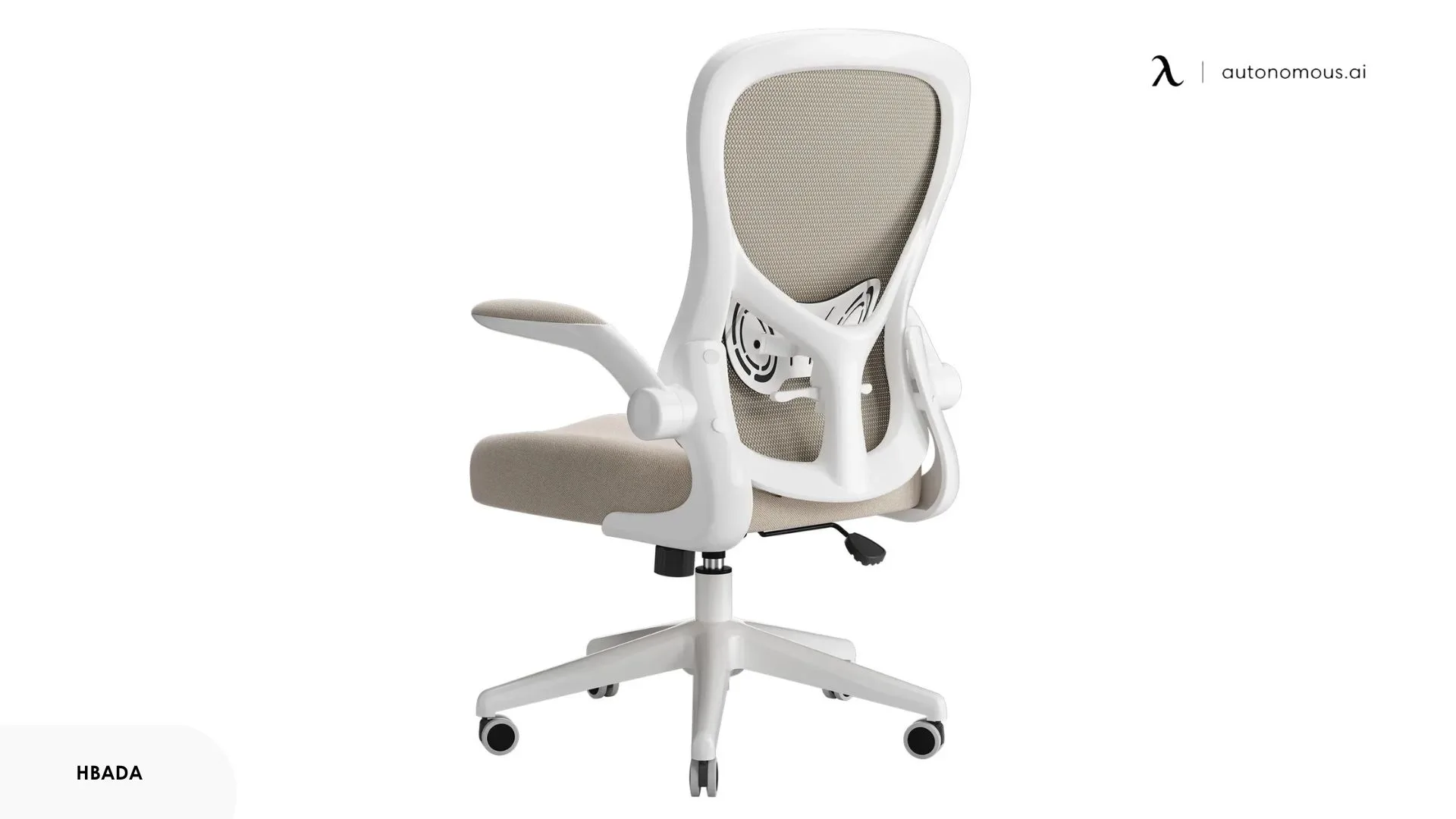
The Hbada is what ergonomic on a budget actually looks like near $130. The mesh back and a real tilt cover the basics, and the flip-up arms are quietly useful: fold them up and the chair tucks fully under the desk, which matters when the desk is already touching the bed.
The specs tell you not to expect a positional lumbar. The back is a fixed ergonomic contour rather than something you adjust, so how well it supports you comes down to whether that curve matches your spine. It is a clean, compact starter for a small space, as long as you do not need to place the lumbar yourself.
Pros
- Flip-up arms let the chair disappear under a desk
- Compact footprint for small rooms
- Breathable mesh back
- Real tilt rather than a token one
Cons
- Lumbar is a fixed contour, not adjustable
- 250 lb capacity, the lowest of the top five
- Narrow seat compared to the Sihoo or Hyken
Who it's for: Dorms, box rooms, and desks with no clearance to spare.
Who should skip it: Larger users, or anyone who needs to position the lumbar themselves.
Specs: Mesh back, flip-up arms, seat height and tilt adjustment, 250 lb, ~$130
The Rest of the Budget Market
The five above are the ones worth detailing. These are the others worth knowing about, grouped by tier, particularly if one lands on sale.
Under $100
Chair | Price | Stands out for |
BestOffice Ergonomic Mesh | ~$50 | Cheapest mesh back with a lumbar curve |
Mainstays Ergonomic Mesh | ~$60 | Flip-up arms at half the Hbada's price |
Amazon Basics Low-Back Task | ~$65 | Compact fabric seat for minimal desks |
Sweetcrispy Flip-Up Arms | ~$70 | Saves several inches of depth |
VECELO Fabric Task | ~$70 | Padded seat and soft arms for short sessions |
NEO CHAIR High Back Mesh | ~$80 | High back at a low price |
Realspace Jancy Low-Back | ~$90 | Compact mesh for small desks |
Staples Essentials Fabric Task | ~$90 | Thick cushion, simple swivel |
IKEA FLINTAN | ~$100 | Firm seat and build quality, armless by default |
Homall PU Leather | ~$100 | Executive look, though it runs warm |
$100 to $200
Chair | Price | Stands out for |
Boss Posture Task | ~$110 | Forward tilt for typing-heavy work |
Costway Ergonomic w/ Footrest | ~$120 | Recline plus a footrest |
SMUG Adjustable Ergonomic | ~$120 | Mesh with basic lumbar |
Lorell Mesh Mid-Back | ~$130 | Commercial-grade build |
GTRACING Gaming | ~$140 | Recline and head pillow for hybrid use |
OFM Essentials Mesh | ~$140 | Simple lumbar, shared-office durability |
Modway Articulate | ~$180 | The fullest adjustability under $200 |
For the tier in full, see our guide to ergonomic office chairs under $200.
$200 to $300
This is where budget and ergonomic stop being in tension. Above $200 you reliably get a lumbar support you can position, armrests that move in more than one direction, and warranties measured in years. If you sit six or more hours a day, this is the tier where the value maths turns, and our guide to the best office chairs under $300 covers it fully.
What Your Money Actually Buys
Three things separate a cheap office chair from a good one, and none of them is padding.
A lumbar support you can position. Under $100 you get a fixed contour. If that curve matches your spine, good. If it does not, there is no adjustment to fix it. Positionable lumbar is the single clearest dividing line in the budget market, and it generally appears above $200.
Foam and mesh that last. Budget seat foam compresses. An office chair that feels supportive on day one commonly feels flat within a year of daily use, and no amount of care prevents it. Higher-grade mesh and denser foam are most of what you are paying for as you move up the tiers.
A warranty worth claiming. Chairs under $100 typically carry a year or less, which tells you the manufacturer expects replacement rather than repair. Two years and up signals a different assumption about how long the chair will survive.
Frame and base. A five-point base is the minimum for stability, and cheap gas cylinders are the most common failure point in the category. If a listing describes the seat in detail and says nothing about the frame, that silence is informative.
When a Budget Office Chair Is the Wrong Answer
Being honest about the limits of this category matters more than another product recommendation.
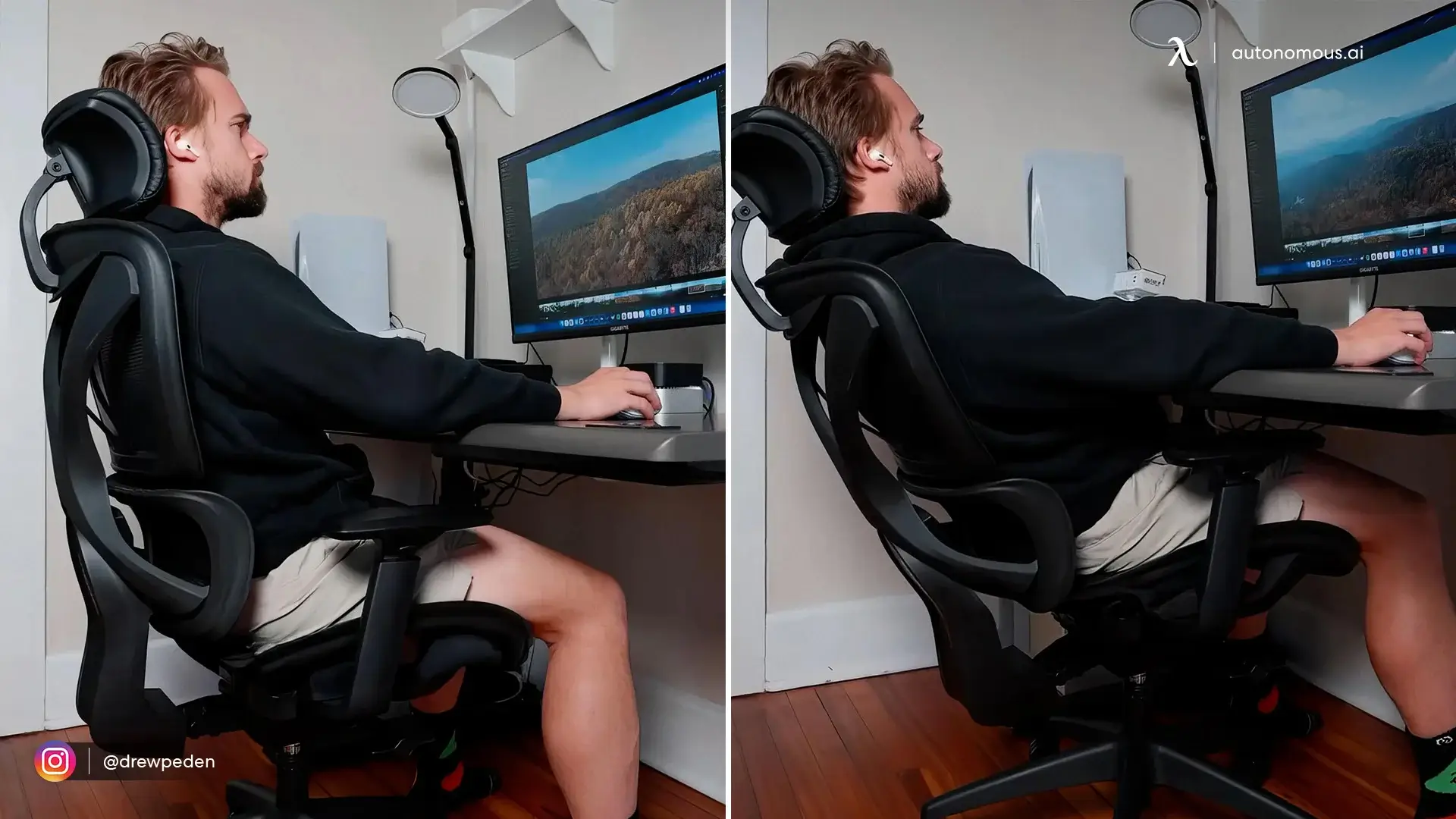
If you sit two to four hours a day, everything on this page serves you well and spending more is genuinely unnecessary. If you sit eight hours a day, five days a week, a cheap chair is a stopgap rather than a solution, and treating it as one saves money over a three-year horizon.
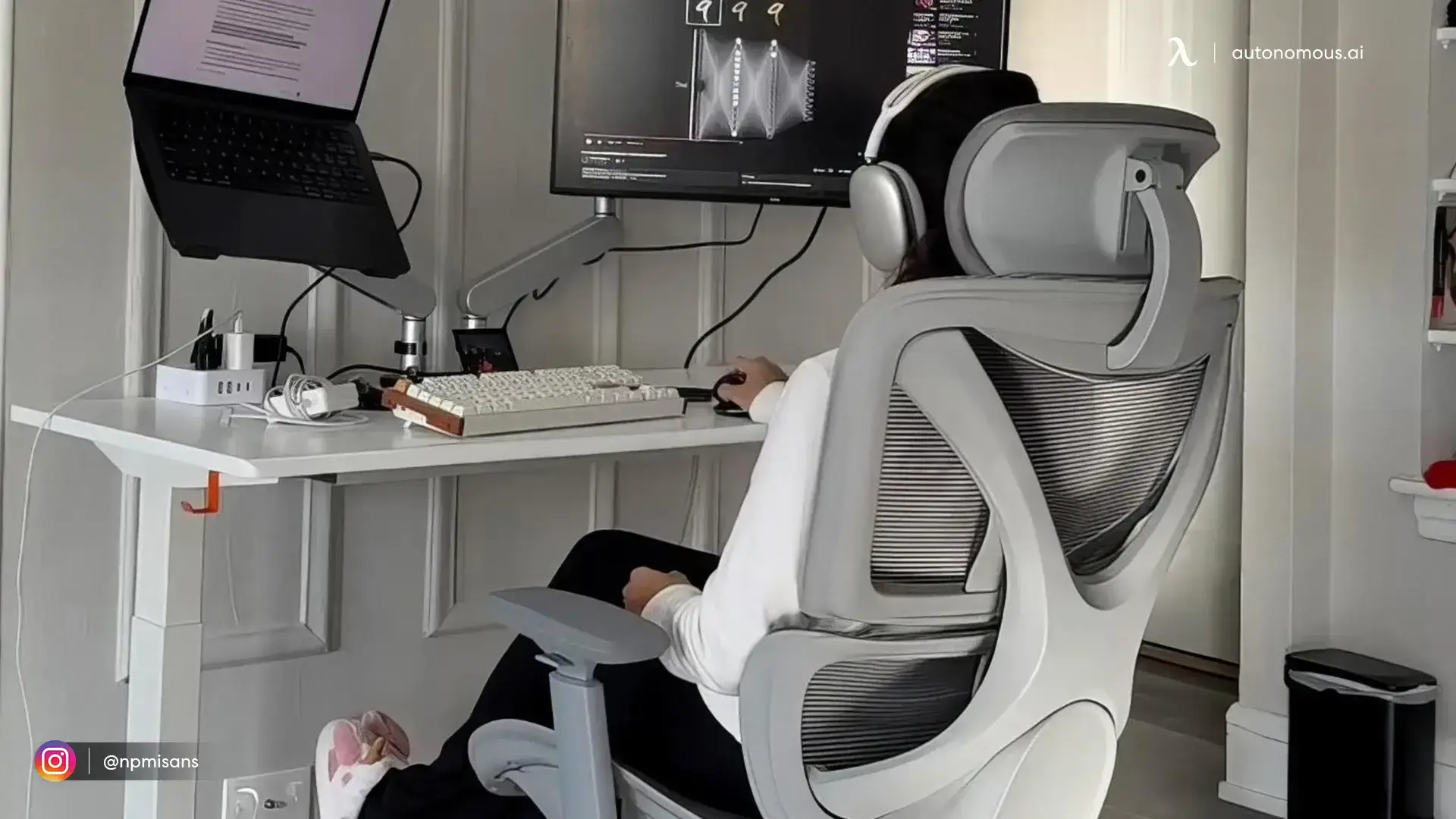
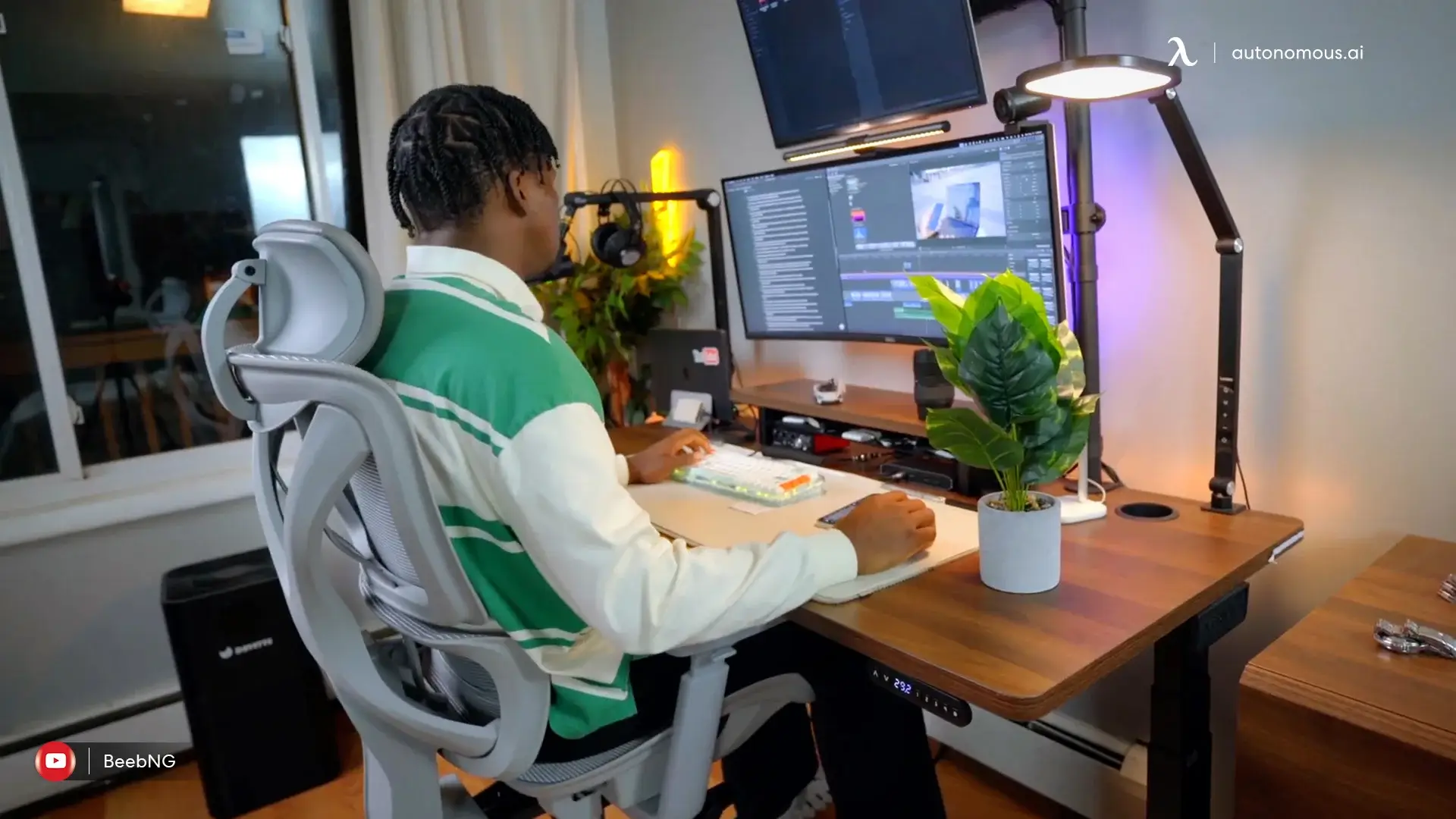
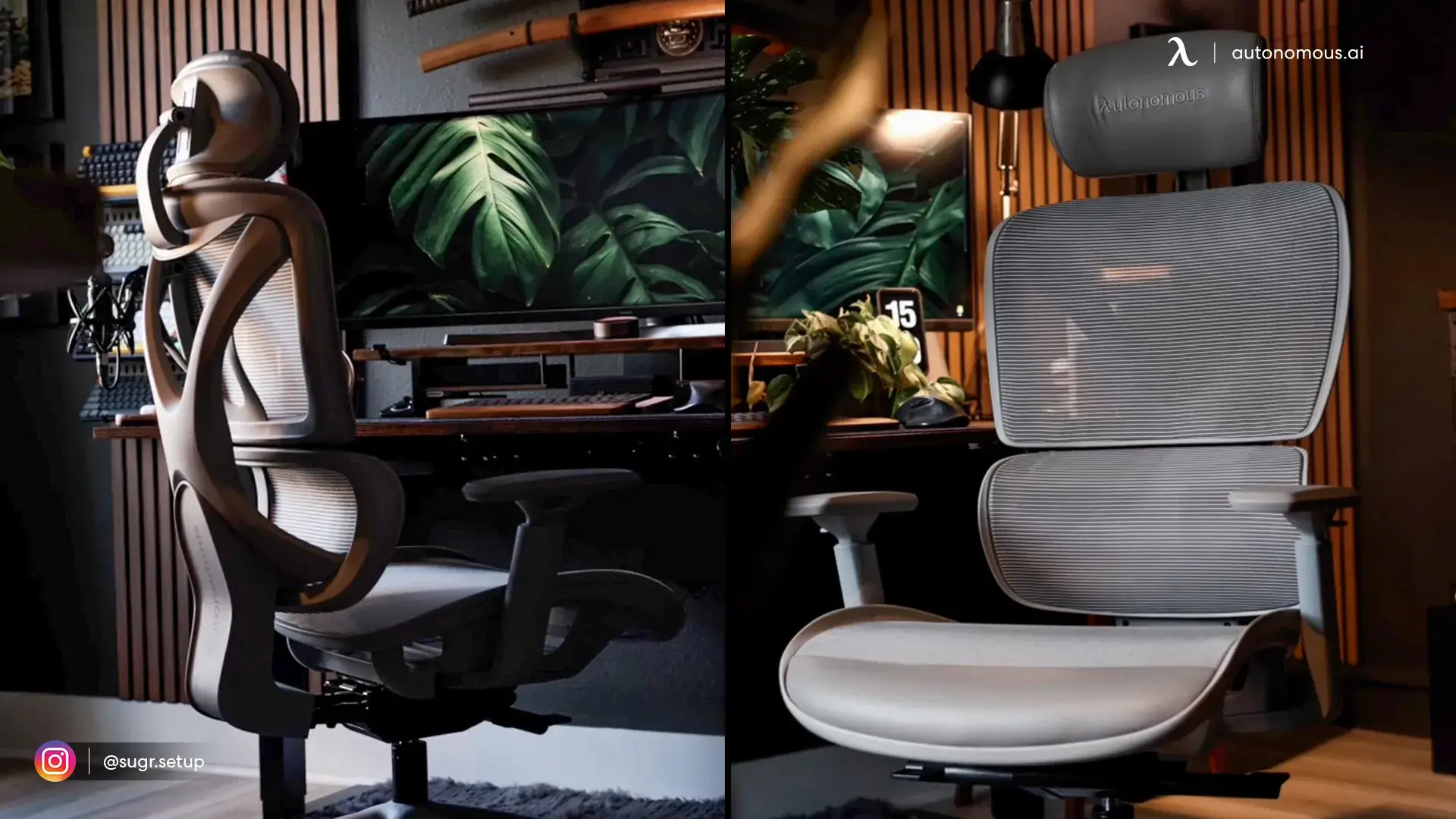
That is where the ErgoChair Core sits. It costs several times what the sub-$100 picks cost, and for a light user that is not a sensible trade. For an all-day sitter it is a different calculation: a dual-zone back supporting the upper and lower spine independently, breathable mesh that moves with you, 3D armrests, and a two-year warranty, which is longer than anything in the first two tiers of this guide. It is not competing with a $60 task chair. It answers the question this list cannot, which is what to buy when the chair has to last.
How to Choose a Budget Office Chair
Four checks cover most of the decision at this end of the market.
Structure over padding.
Cheap chairs use thick foam to feel good in the showroom, and that foam is the first thing to fail. A firm seat and a supportive mesh back will still be comfortable when a plush one has flattened.
A tilt that locks.
Free-rocking tilt gets tiring because you brace against it without noticing. A lock lets you set an angle and leave it, which is the single most useful adjustment available cheaply.
Seat size and weight capacity.
Budget chairs often run smaller than the photos suggest. Check the seat width against your own measurements, and treat a stated weight capacity as a limit rather than a target, since chairs loaded near their rating feel noticeably less stable.
Honest hours.
Two to four hours a day, anything here works. Six or more, prioritise mesh and a locking tilt and accept you are on a replacement cycle. Eight or more, shop the $200 to $300 tier instead.
If you are furnishing a home office specifically, where footprint and how the chair looks in a living space both matter, our guide to affordable office chairs for a home office covers that context.
FAQs
What is the best budget office chair?
The right pick depends on how many hours you sit. Under $100, look for a mesh back and a locking tilt, since those hold up better than thick padding. Between $200 and $300, an adjustable lumbar and a multi-year warranty become standard, which is the tier worth reaching for if you sit all day.
How much should I spend on an office chair?
Spend $60 to $100 for light use of two to four hours a day, $100 to $200 for regular use with a locking tilt and better mesh, and $200 to $300 if you sit six or more hours daily and want adjustable lumbar support. Price tracks durability and adjustability more than comfort on day one.
Are cheap office chairs ergonomic?
Most chairs under $100 are not genuinely ergonomic, because real ergonomics requires adjustable lumbar support and adjustable arms, which almost nothing at that price offers. They are task chairs with an ergonomic shape, which is adequate for a few hours a day but not for full workdays.
What are the most affordable ergonomic chairs?
The most affordable genuinely ergonomic chairs start around $200, which is where a positionable lumbar support and multi-directional armrests become reliable rather than occasional. Below that price you are buying an ergonomic shape rather than ergonomic adjustability.
How long does a budget office chair last?
One under $100 in daily use typically stays comfortable for one to two years before the foam compresses or the mechanism loosens. Chairs in the $200 to $300 range commonly last several years, which is why the cheapest option is often not the cheapest decision across a longer horizon.
Is it worth spending more than $100 on an office chair?
It is worth spending more if you sit six or more hours a day, since adjustable lumbar support, better materials, and longer warranties appear above that line. For light or occasional use, a sub-$100 chair is usually sufficient and spending more delivers little.
What should I avoid in a cheap office chair?
Avoid chairs that lead with thick padding and say nothing about the frame, since foam compresses and a weak base is what wobbles first. Be cautious of listings describing an ergonomic shape without naming a single adjustment, and treat a missing weight capacity as a warning.
Can a budget office chair work for gaming?
They work for gaming in short sessions, particularly a high-back model with a recline. For long sessions the same limits apply as for work, since a fixed lumbar and compressing foam will be felt within a few hours regardless of what the chair is marketed for.
Conclusion
The best budget office chairs are the ones matched to how you actually sit rather than to the longest feature list. Two to four hours a day and the Flash Furniture or Furmax will serve you fine. A small room and the flip-up arms on the Mainstays matter more than any spec. Around $100 the IKEA FLINTAN buys structure that outlasts the cheaper options, and above $200 the category stops compromising on lumbar support altogether.
What no chair under $100 buys is longevity, and that is the thing worth knowing before you order. If this is a chair for a spare room or a few hours a week, spend the $60 and stop thinking about it. If it is where you will spend forty hours a week for the next three years, work out the replacement cost before you decide the cheap one is cheaper.