ADUs in Georgia: Everything You Need to Know

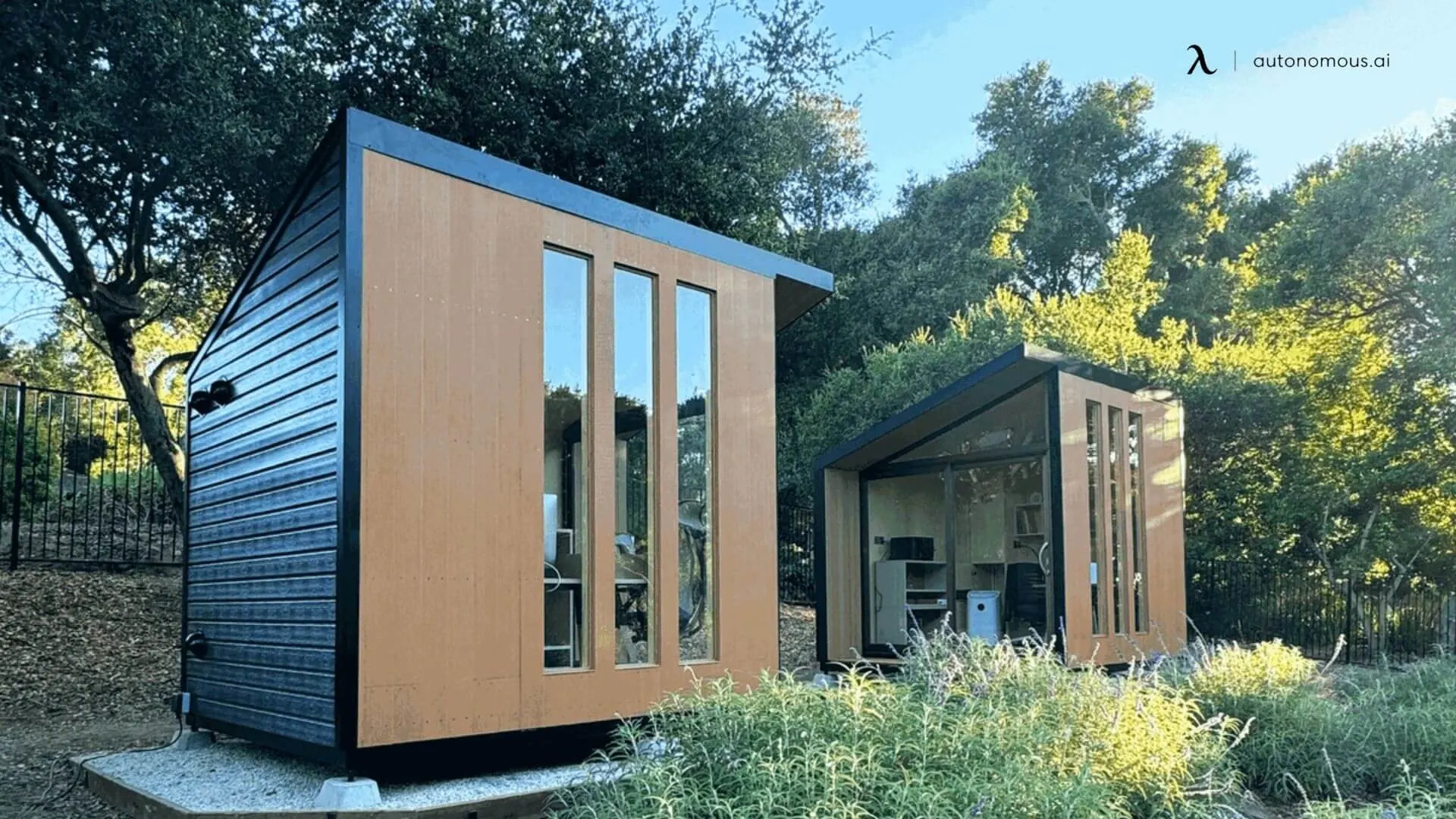
Table of Contents
An ADU in Georgia is a secondary living unit built on the same lot as a primary home. These units can provide additional housing for family members, long-term tenants, or flexible living arrangements. However, regulations for an ADU in Georgia are determined at the city or county level, meaning requirements vary depending on location.
This article will serve as your comprehensive guide to building a prefab ADU in Georgia, covering everything from selecting a prefab ADU design to securing the necessary permits.
Can You Build an ADU in Georgia?
ADUs in Georgia are regulated locally, not statewide. Understanding ADU meaning in real estate is a useful starting point, as approval depends on your city or county zoning ordinance, lot characteristics, and overlay districts. The first step is identifying your zoning classification (for example, single-family residential categories). Some districts allow accessory units by right, while others require special approval or prohibit them entirely.
Key factors that typically determine eligibility include:
- Lot size and lot coverage limits (maximum percentage of buildable area)
- Setback requirements for side and rear yards
- Maximum unit size, often tied to a percentage of the primary dwelling
- Height limits and placement rules (rear yard vs attached)
- Owner-occupancy requirements in certain municipalities
- Short-term rental restrictions, which may be governed separately
In ADU Atlanta areas, regulations can vary by zoning district and overlay, so parcel-specific review is necessary. Georgia ADU laws do not create automatic statewide permission, meaning compliance is determined locally.
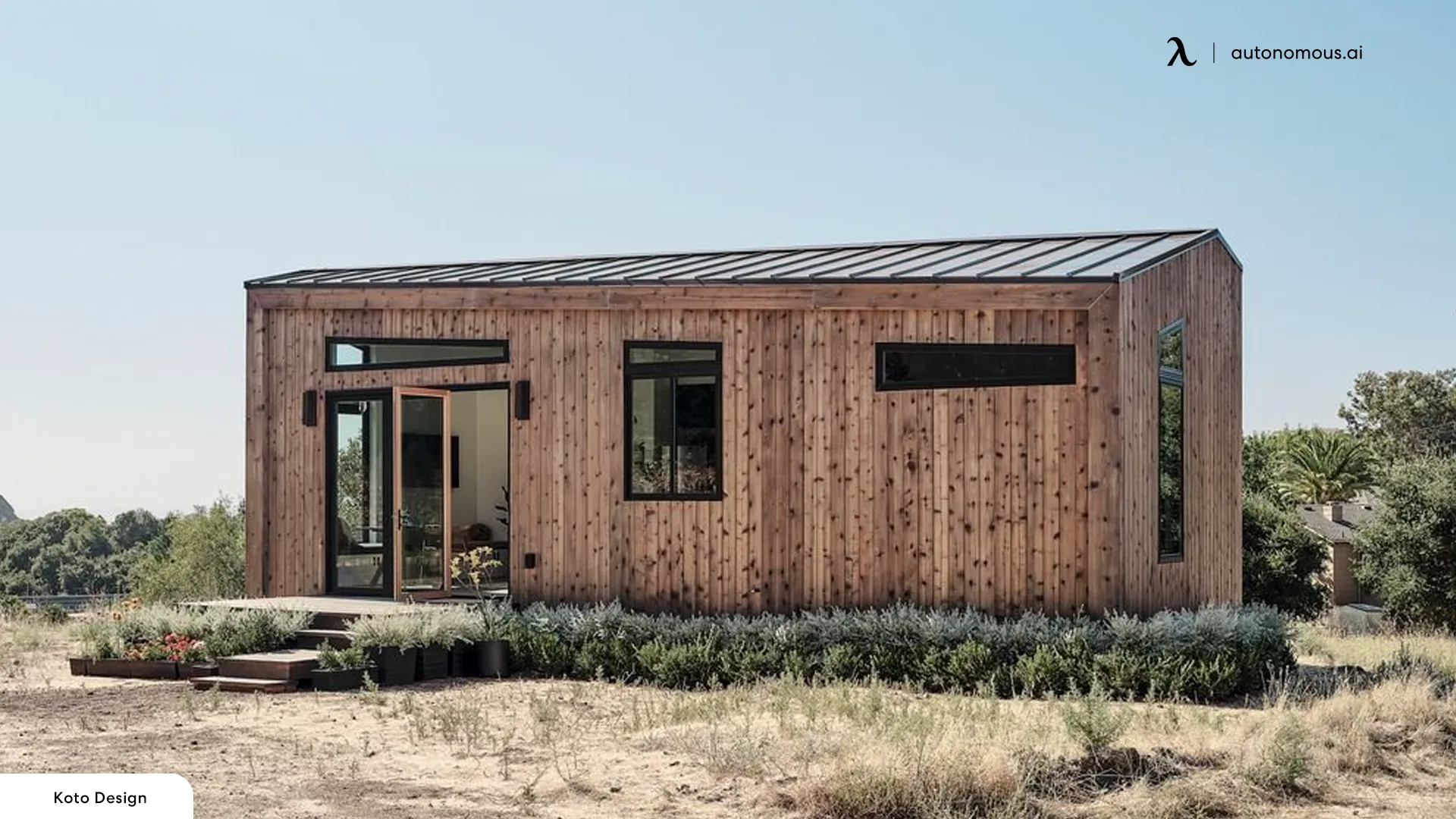
If you are exploring a prefab ADU option, understand that modular or factory-built units must still meet the same zoning, foundation, and permitting requirements as site-built structures. Many ADU builders in Georgia offer feasibility assessments, but confirming your property’s eligibility through your local planning department or zoning portal should come first.
Understanding ADU Rules in Georgia by City
There is no single statewide statute that automatically permits ADUs in Georgia. Instead, Georgia ADU laws are set and enforced by individual cities and counties through their zoning ordinances.
Whether an accessory unit is allowed depends on the property’s zoning district, lot characteristics, and any applicable overlay regulations. Some municipalities permit ADUs by right in specific residential zones, while others require additional approvals or limit detached structures.
1. Atlanta
In Atlanta, ADUs are permitted only within specific residential zoning districts, including R-4, R-4A, and R-5. The city limits detached units to 750 square feet and subjects them to floor area ratio (FAR) controls, maximum height limits (generally 20 feet), and rear/side setback requirements. Because FAR applies, the size of the main house directly affects how much additional square footage is allowed on the lot.
ADU rules in Atlanta do not impose a general owner-occupancy requirement for ADUs. However, short-term rental use is regulated separately and may require licensing compliance beyond zoning approval.
2. Decatur
Decatur permits ADUs across a broader range of residential districts and applies defined dimensional standards. Units are typically limited to 800 square feet or 40% of the primary dwelling, whichever is smaller. If combined with a garage, certain additional allowances may apply.
Unlike Atlanta, Decatur generally requires the property owner to occupy either the primary residence or the accessory unit. Detached ADUs must be placed toward the rear of the lot and comply with impervious surface limitations, which can restrict buildable area even when zoning allows the unit.
3. Savannah
Savannah allows ADUs in select residential districts, but compliance often involves more than dimensional limits. Height and setback standards apply, and properties located within historic or conservation overlay districts may require architectural review to ensure compatibility with surrounding structures. Approval is therefore influenced not only by zoning but also by neighborhood designation.
4. Outside Major Cities
Beyond these municipalities, ADUs in Georgia are governed entirely by local county or city codes. Some counties permit accessory units within single-family zones, while others require conditional approval or treat detached units as accessory structures with additional restrictions. In many cases, minimum lot size and septic capacity determine feasibility.
For those exploring compact, regulation-friendly builds, tiny houses often align with ADU dimensional limits, though eligibility varies by jurisdiction. Reviewing states that allow tiny homes provides broader context on where such structures face fewer regulatory barriers.
Because Georgia ADU laws are localized and parcel-specific, eligibility cannot be assumed based solely on city name. Zoning verification, overlay review, and lot constraint analysis are necessary before design or budgeting decisions.
Cost to Build ADUs in Georgia
The cost of building ADUs in Georgia varies by location, lot conditions, and construction method. Projects in the Atlanta metro area often reflect higher labor and permitting costs than rural counties, particularly where sewer connections, grading, or overlay district reviews are involved. The figures below reflect typical 2025–2026 pricing trends for the region and separate construction cost from total project budget, which includes soft costs and site work.
- Estimated Construction & Total Project Costs:
Project Type | Build Cost per Sq Ft | Typical Size | Construction Cost | Estimated All-In Budget |
Garage conversion | $150–$225/sq ft | 400–600 sq ft | $60k–$135k | $80k–$150k |
Detached studio | $225–$300/sq ft | 400–600 sq ft | $100k–$180k | $130k–$200k |
1-bedroom detached | $240–$325/sq ft | 600–800 sq ft | $150k–$240k | $180k–$275k |
2-bedroom detached | $260–$350/sq ft | 700–1,000 sq ft | $190k–$325k | $225k–$375k |
Prefab ADU Georgia (unit only) | $180–$260/sq ft | 400–800 sq ft | $75k–$200k | $140k–$300k total installed |
The “all-in” budget reflects foundation work, utility connections, permits, and finishing costs. In ADU Atlanta neighborhoods, site access constraints and sewer tie-ins often push projects toward the upper end of the range. Outside the metro area, labor rates may be moderately lower, but utility and site conditions still significantly influence cost.
- Soft Costs & Site-Related Expenses:
Beyond base construction, several additional expenses affect total investment for ADUs in Georgia:
Item | Typical Georgia Range |
Architectural plans | $3,000–$8,000 |
Structural engineering | $1,500–$4,000 |
Land survey | $1,000–$3,000 |
Permits & plan review | $1,500–$5,000 |
Sewer/water tie-in | $5,000–$20,000 |
Electrical service upgrade | $2,000–$8,000 |
Tree removal & grading | $2,000–$15,000+ |
Utility upgrades and grading are among the most variable factors, especially on sloped lots or properties with older infrastructure. While some homeowners explore working directly with ADU builders in Georgia for turnkey pricing, it is important to confirm whether quotes including permitting, engineering, and local compliance costs remain required under Georgia ADU laws. Selecting the right ADU appliances also factors into overall budgeting, particularly for compact or prefab units where space and energy efficiency constraints apply.
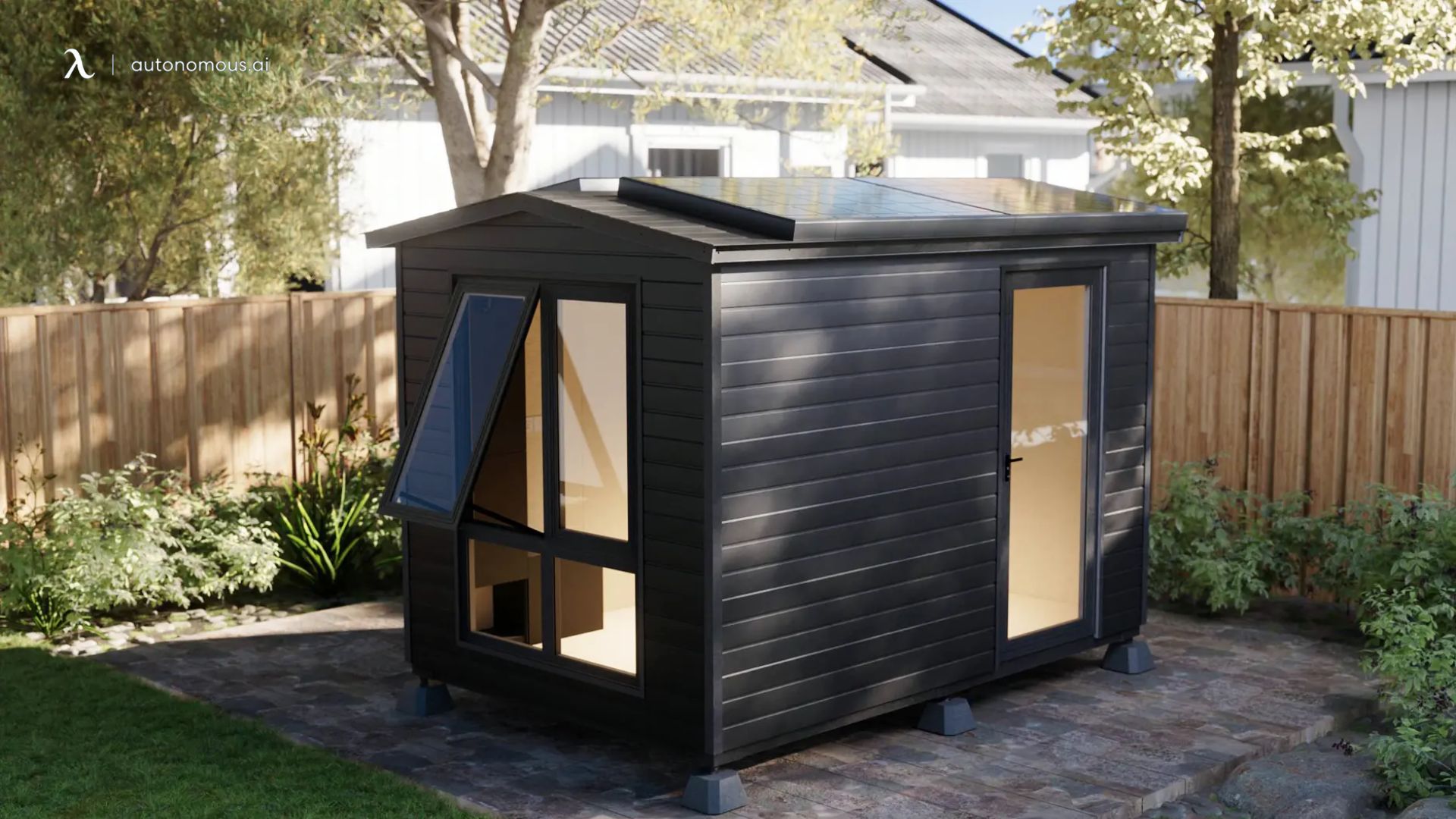
A prefab ADU Georgia option may offer more predictable unit pricing, but the actual prefab ADU cost extends beyond the structure itself — transportation, crane installation, foundation work, and compliance with Georgia ADU laws add significantly. Parcel-specific conditions and local zoning standards should be reviewed before finalizing any budget.
Permits and Timeline for ADUs in Georgia
All ADUs in Georgia require approval from the local city or county before construction begins. While procedures vary slightly by jurisdiction, the process generally follows these steps:
Step 1: Confirm zoning eligibility
- Check your property’s zoning district through your city or county zoning map.
- Verify that accessory units are permitted in that district.
- Review lot size, setbacks, height limits, and any owner-occupancy requirements.
- If you are in ADU Atlanta areas, confirm whether overlay districts apply.
Step 2: Prepare required documents
- Site plan showing placement, setbacks, and utility connections.
- Architectural floor plans and elevations.
- Structural or engineering drawings if required.
- Survey (often required for detached units).
Step 3: Submit for plan review
- File documents with the planning or building department.
- Respond to plan review comments if revisions are requested.
- Pay applicable plan review and permit fees.
Step 4: Obtain building permit and begin construction
- Schedule inspections at required stages (foundation, framing, electrical, plumbing, final).
- Ensure work complies with local building code standards.
Step 5: Receive certificate of occupancy
- Final inspection confirms the unit is safe for use.
- The certificate of occupancy allows legal habitation or rental.
Common delays include incomplete site plans, required utility upgrades, and additional review in overlay districts. Even when pursuing ADUs in Georgia through a prefab approach, local permitting and inspection requirements remain fully applicable.
Highlight Alternatives Worth Considering
Not every property is eligible for a full secondary dwelling unit. In some cases, setback limits, lot coverage restrictions, septic capacity, or zoning constraints may make a residential ADU impractical. For homeowners primarily seeking workspace rather than housing, a compact backyard she shed structure may be a simpler alternative.
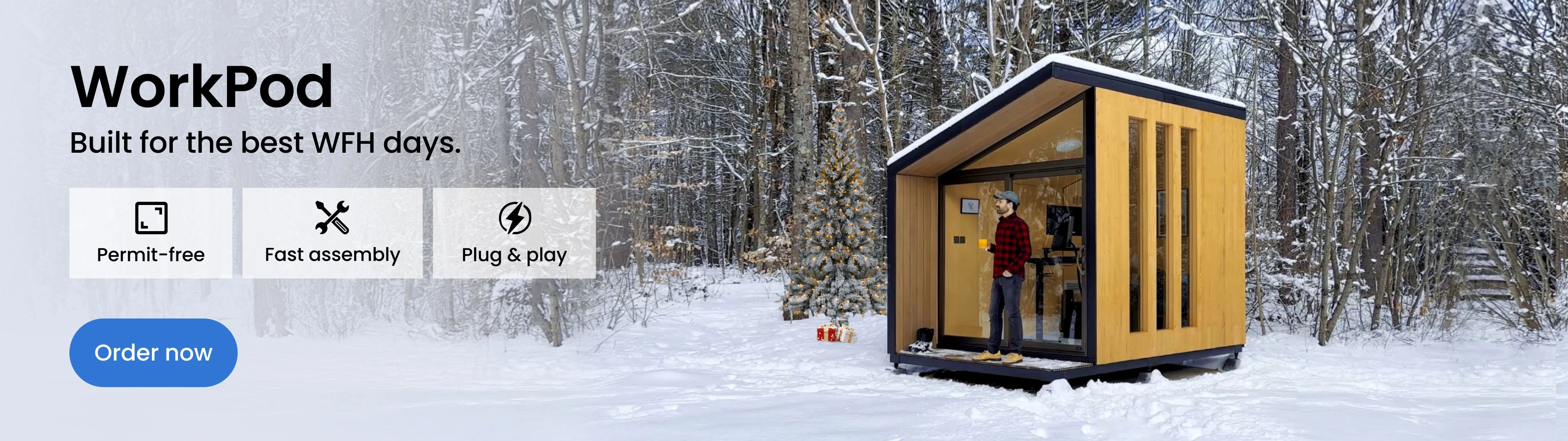
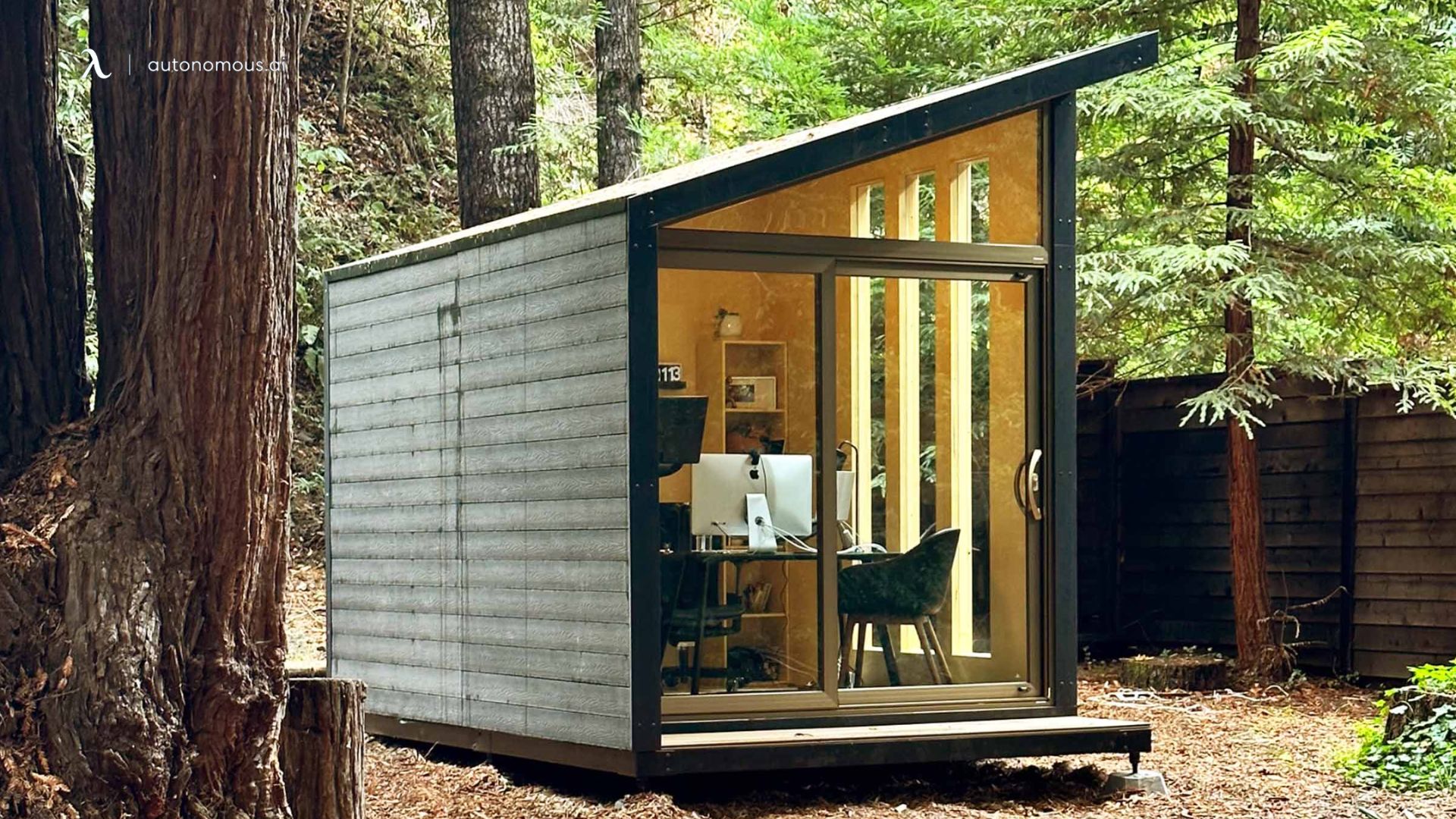
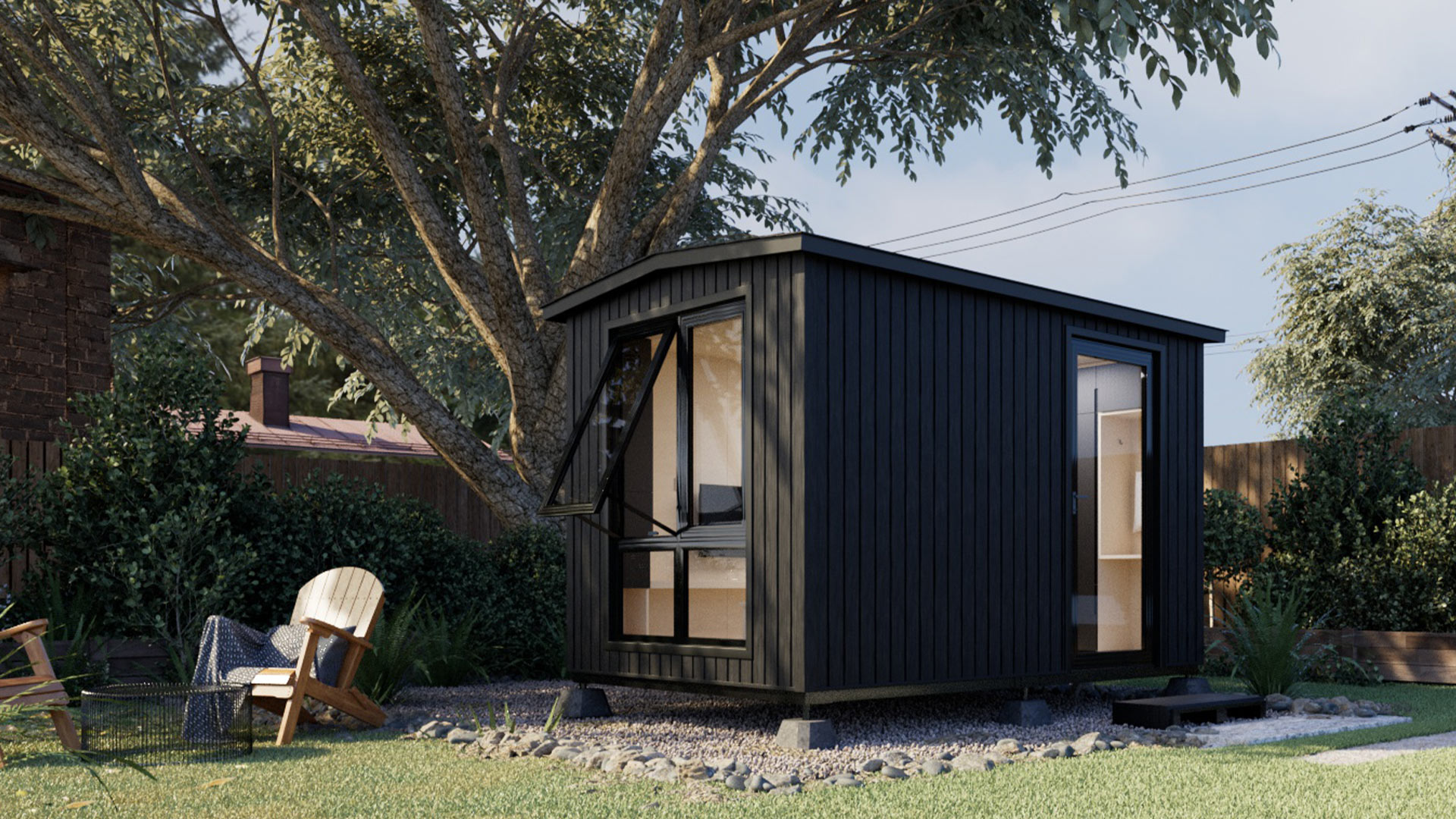
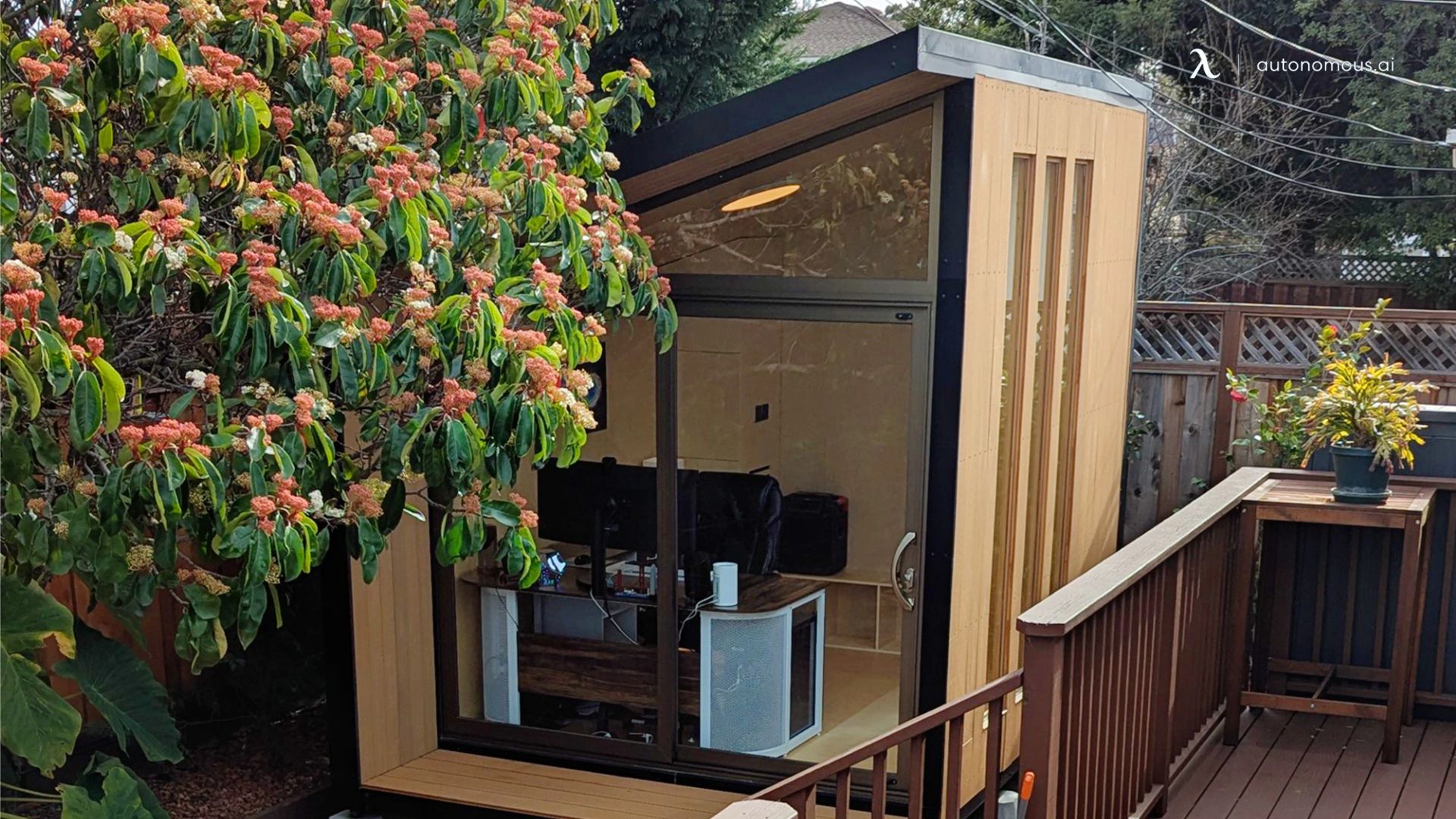
The Autonomous WorkPod lineup is built as a prefabricated backyard office structure with insulated wall panels, integrated windows for natural light, and a compact footprint intended for residential lots. Units are delivered as enclosed structures with finished interiors, electrical wiring, lighting, and climate control pre-installed. The design focuses on workspace functionality, using minimal internal layouts rather than full residential plumbing systems.

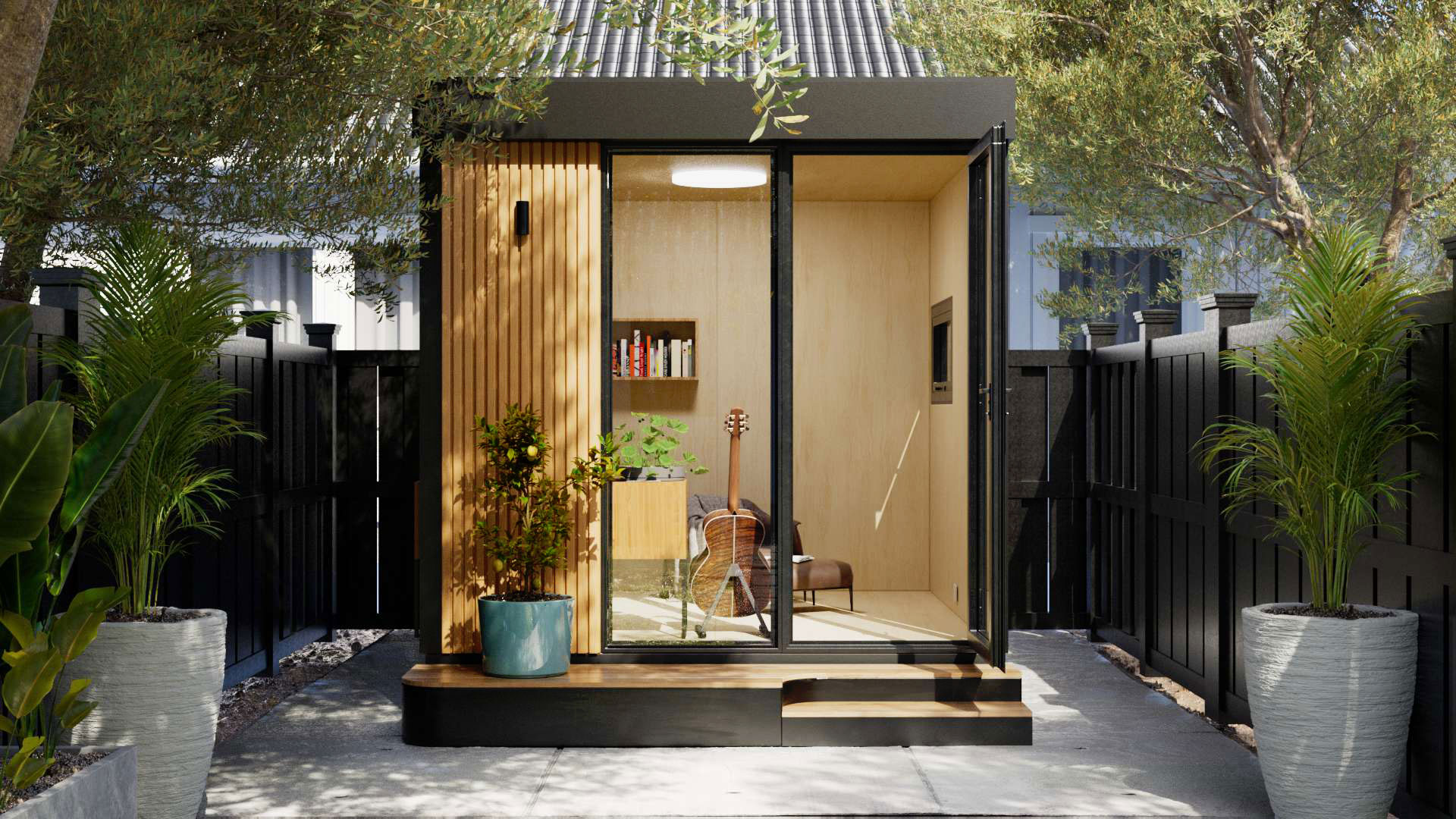
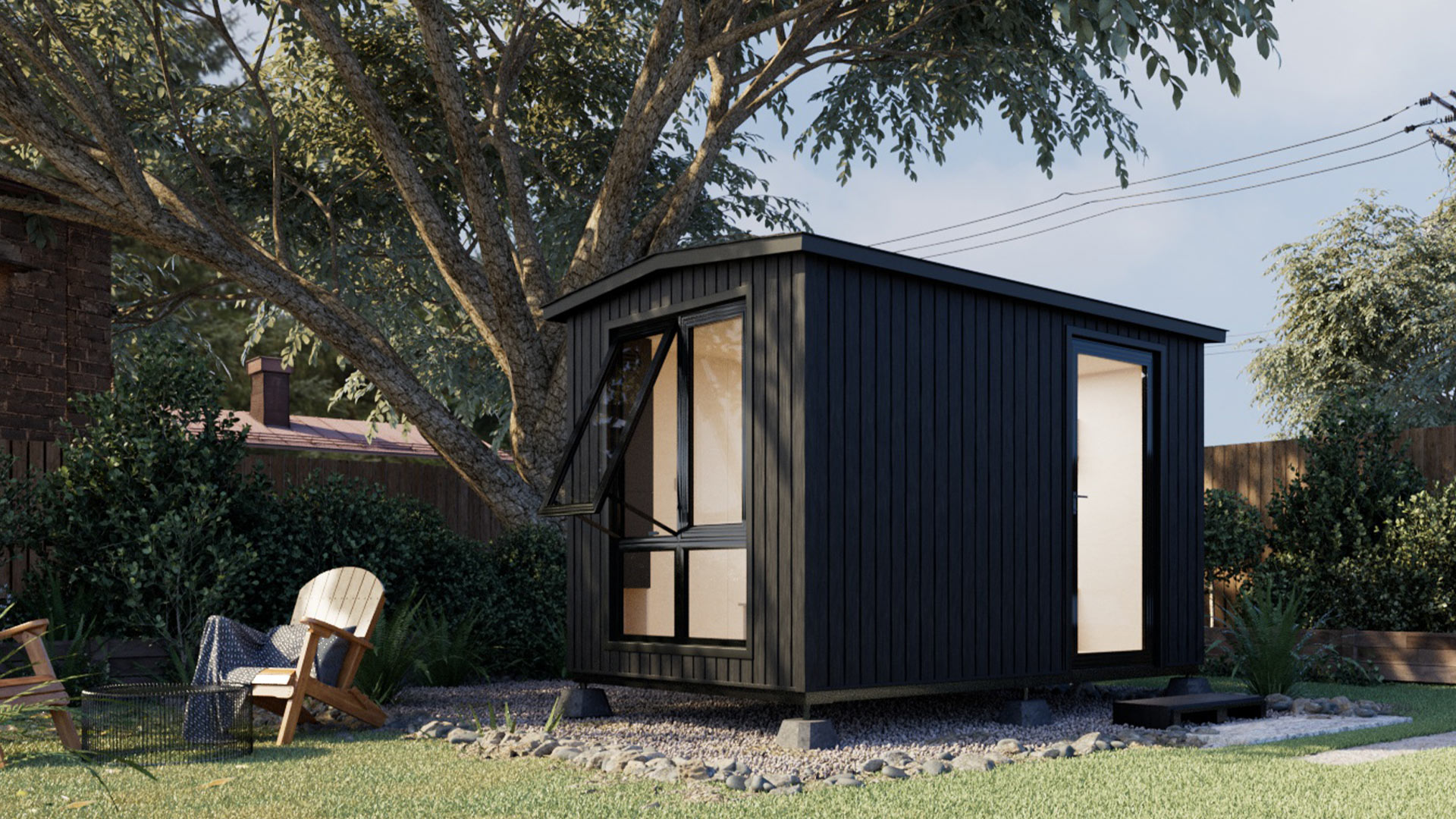
Because these insulated she shed are not classified as dwelling units, they may be treated differently from ADUs under local zoning codes. In some municipalities, smaller detached structures that do not contain kitchens or bedrooms fall under accessory structure rules rather than housing regulations. However, permitting requirements still depend on local size thresholds, electrical connections, and foundation type.
For homeowners whose primary goal is a quiet small backyard office rather than rental or housing use, this type of structure may offer a lower-complexity alternative to ADUs in Georgia, particularly where residential accessory units face tighter zoning controls.
FAQs
Does Georgia allow ADUs?
ADUs in Georgia are not governed by a single statewide law. Instead, each city or county determines whether accessory dwelling units are permitted through local zoning ordinances. Some municipalities allow ADUs in specific residential districts, while others restrict or require additional approval.
How much does an ADU cost in Georgia?
The cost of building ADUs in Georgia typically ranges from approximately $80,000 for a basic garage conversion to $300,000 or more for a larger detached unit in metro areas. Final cost depends on size, site conditions, utility connections, design complexity, and local permitting requirements.
How do I know if my property allows an ADU in Georgia?
To confirm whether an ADU in Georgia is allowed, find your parcel’s zoning district using your local zoning map or planning portal. Then check the ADU rules for that district, including any overlay restrictions that may apply.
Do you need a permit for an ADU in Georgia?
In most cases, yes, an ADU in Georgia is a habitable unit and typically requires plan review, building permits, inspections, and a final approval for occupancy. Specific requirements vary by jurisdiction and by whether utilities or structural work are involved.
How long does it take to get an ADU permit in Georgia?
Permit timelines for an ADU in Georgia vary by city, project complexity, and review workload. Many projects require multiple review cycles, so approvals often take weeks to a few months before construction can start.
What is the maximum size for an ADU in Georgia?
There is no statewide maximum size for an ADU in Georgia because limits are set locally. Many municipalities cap ADU size by a fixed square footage limit, a percentage of the primary dwelling, or both.
Do ADUs in Georgia require owner occupancy?
Owner-occupancy requirements for ADUs in Georgia depend on the municipality. Some cities require the owner to live in either the main home or the ADU, while others do not impose that condition.
Can you build a guest house on your property in Georgia?
In many areas, a guest house is regulated as an ADU in Georgia and must comply with local zoning rules. Whether it is allowed depends on the property’s zoning district, setback requirements, and size limits. Approval is determined at the municipal level rather than statewide.
Can you rent out an ADU in Georgia?
Many jurisdictions allow long-term rentals for an ADU in Georgia, but rules vary and may include occupancy conditions or use restrictions. Short-term rental rules are often separate from ADU zoning approval.
Can an ADU in Atlanta, Georgia be used as an Airbnb or short-term rental?
An ADU in Atlanta may be allowed by zoning, but short-term rentals typically follow separate city rules and may require permits or licensing. Zoning approval alone does not automatically allow short-term rental operation.
Conclusion
Building ADUs in Georgia requires careful review of local zoning and development standards. There is no single statewide rule, and approval depends on the specific city, zoning district, lot size, and any applicable overlays. Regulations in Atlanta, Decatur, Savannah, and other municipalities differ in size limits, placement rules, and occupancy conditions.
Before budgeting or beginning design, property owners should verify parcel-level eligibility with the local planning department. Understanding how Georgia ADU laws apply to your specific lot is the first step toward determining feasibility, cost, and timeline. Depending on lot classification, formats like a backyard ADU or a backyard cabin may be permissible, while mobile formats such as ADUs on wheels face separate regulatory treatment in most Georgia jurisdictions. Clear zoning confirmation early in the process helps prevent delays and supports informed decision-making.