Where to Put a Christmas Tree: Best Home Spots

Table of Contents
Finding the right spot for your Christmas tree sets the tone for the entire season. The perfect location makes your home feel brighter, cozier, and ready for gatherings big or small. In most cases, where to put a Christmas tree comes down to visibility, safety, and how the room naturally flows. Whether your space is wide open or wonderfully compact, choosing the right placement can bring balance, warmth, and a touch of holiday magic to every corner.
How to Choose the Best Spot for Your Christmas Tree
Before deciding where to put a Christmas tree, evaluate the room as a whole—its traffic flow, lighting, focal points, and what you want the tree to contribute visually. These criteria help you choose a placement that feels intentional rather than squeezed in.
- Start with the room’s natural focal point:
Fireplaces, picture windows, architectural niches, or the natural center of a seating arrangement are ideal anchors. Placing the tree near an existing focal point strengthens the room’s visual hierarchy instead of creating competing attention points.
- Protect the natural movement patterns of the room:
The best Christmas tree placement supports how people enter, exit, and move around the space. If the tree narrows a walkway, interrupts the path between major furniture pieces, or forces people to turn sideways to move around it, reposition it. This is especially important for Christmas tree placement in small living rooms, where circulation space is limited.
- Use vertical surfaces to give the tree presence:
Walls with minimal artwork, open corners, or areas beside tall windows help frame the tree without overwhelming the room. These spots give the tree visual contrast and allow its shape and ornaments to stand out clearly. This works well in a variety of aesthetics, from traditional living rooms to a more minimal white home office.
- Choose a location that can hide cords naturally:
Outlets positioned behind sofas, consoles, or nearby side tables reduce the need for visible extension cords. Clean wiring instantly elevates the feeling of a well-planned holiday setup and makes any Christmas tree placement in living rooms more polished.
- Avoid placing the tree directly against walls or furniture:
Leaving several inches of space prevents branches and ornaments from being pushed inward, allows for even decorating, and creates a soft halo effect once lights are added. This subtle spacing makes a significant difference in how the tree appears once fully trimmed.
- Balance natural light without exposing the tree to heat:
Soft daylight can enhance the tree’s sparkle, especially when placed near a window. Just be mindful of real trees placed in direct sun, which can accelerate drying. The goal is to create gentle illumination, not expose the tree to unnecessary heat sources.
These principles provide a clear framework for deciding where to place a Christmas tree in any type of room, and help ensure the tree enhances the space without disrupting its comfort, safety, or flow.

Best Places for a Christmas Tree in Your House
The ideal spot for a Christmas tree depends on how each room in your home functions and the atmosphere you want it to create. Certain areas naturally highlight the tree’s shape, lights, and ornaments, while others help preserve space and movement during busy days. By understanding how your layout works, you can choose a placement that feels both practical and visually balanced, allowing the tree to enhance the room without getting in the way. Each idea below offers a different way to integrate the tree into your home’s flow and holiday style.
1. Living Room Corner
A living room corner is one of the most reliable choices when deciding where to put a Christmas tree, especially if you want a placement that feels intentional without overwhelming the room. Corners naturally frame the tree, giving it a defined backdrop that highlights its shape, ornaments, and lights. This makes it easier to create a balanced look, even if your living room layout is more casual or eclectic.
By keeping the tree out of main walking paths, you avoid the overcrowded feeling that often happens with poor Christmas tree placement, a key consideration for families hosting gatherings or decorating around young children or pets.

2. Beside A Picture Window
Placing your tree beside a picture window brings a bright, open feel to the room. The natural light enhances the tree’s colors during the day, while the glow at night creates a welcoming view from outside.
This spot is especially impactful in the evening, when the glow from the tree reflects softly against the glass. The effect adds depth and makes the tree appear larger, which is why this location is popular in homes with tall or full-bodied trees. It also supports a clean, structured look—ideal for those who prefer a more polished holiday aesthetic.
When planning Christmas tree placement in living rooms with large or bay windows, be mindful of direct sunlight if you use a real tree; excessive heat can dry it quickly. Otherwise, this placement works beautifully in rooms of all sizes and layouts, offering high visibility without encroaching on foot traffic.
3. Near the Fireplace
A fireplace naturally draws attention, making the area around it a strong candidate when deciding where to put a Christmas tree. Positioning the tree nearby creates a cozy, unified focal point that feels especially inviting during holiday evenings. The warm tones of the mantel décor and the soft light of the tree often complement each other, giving the room a layered, atmospheric glow.
Safety, however, is key. Keep the tree several feet away from open flames, heating elements, and strong heat output. This spacing not only protects real trees from drying out but also ensures ornaments and lighting remain secure. When done correctly, this type of Christmas tree placement in living rooms adds harmony without compromising comfort or mobility.
4. Center Of The Living Room
Placing your tree toward the center of the room creates a bold, sculptural effect—ideal for homes with spacious layouts or open-concept designs. Instead of relying on walls or corners for support, the tree becomes a standalone feature that defines the space. This style of Christmas tree placement works especially well with fuller trees that benefit from 360-degree visibility. To maintain easy movement, position the tree slightly off-center so it anchors the space without disrupting traffic flow.
This approach also creates opportunities for more intentional decorating. With visibility from all sides, ornament placement feels more purposeful, and lighting wraps evenly around the tree. For those seeking a statement-making design, central placement remains one of the most striking Christmas tree placement ideas available.

5. Beside Or At The Base Of A Staircase
A staircase offers a uniquely dynamic backdrop when deciding where to put a Christmas tree. The rising lines of the railing naturally echo the height of the tree, creating a layered visual effect that feels festive and architectural at the same time. This placement draws the eye upward, making even modest-sized trees appear taller and more prominent.
For homes with open railings or landings, the tree can become an anchor point for the entire entryway. It welcomes guests the moment they step inside and creates a seamless transition between floors. Among all Christmas tree placement ideas, staircase placement delivers one of the strongest combinations of height, symmetry, and holiday character, especially in homes with spacious foyers or open layouts.
6. Foyer or Entryway
Placing your Christmas tree in the foyer or entryway creates an immediate sense of warmth the moment someone steps inside. This location works especially well in homes with wide or open entrances, giving the tree enough room to stand tall without crowding doors or pathways. Add a few soft lights or reflective ornaments, and the foyer instantly feels brighter and more festive, making this one of the most welcoming Christmas tree placement ideas for homes with generous front halls.
The tree becomes a visual anchor that sets the tone for the rest of the home, guiding guests toward the main living areas. It’s also a practical choice for families who host gatherings, keeping the tree in the entryway preserves floor space in the living room while still showcasing your holiday style.
7. Dining Room Corner
A dining room corner offers a refined option when deciding where to put a Christmas tree, especially for households that enjoy hosting seasonal dinners. This placement creates a sophisticated backdrop for gatherings, adding a gentle glow without interfering with seating arrangements or table settings.
Because dining rooms often have unused corners or minimal furniture, the tree can stand comfortably without competing for space. It brings depth to the room’s atmosphere and helps tie the holiday décor across different areas of the home. For Christmas tree placement in living rooms where space is limited, shifting the tree to the dining room is also a smart alternative that keeps the main seating area open.
8. Architectural Alcoves or Bay Windows
Architectural alcoves and bay windows offer a built-in stage for your Christmas tree, making them one of the most visually striking options when choosing where to put a Christmas tree. The recessed or curved silhouette of these spaces naturally highlights the tree’s shape, giving it a sense of depth and dimension that flat walls can’t provide.
This type of placement works beautifully in homes with distinctive architectural details. The tree becomes part of the design itself—framed by the surrounding trim, the curve of the bay, or the soft angles of the alcove. It’s an effortless way to create a polished, magazine-worthy look without rearranging furniture or sacrificing floor space.
9. Beside a Bookshelf or Desk in a Home Office
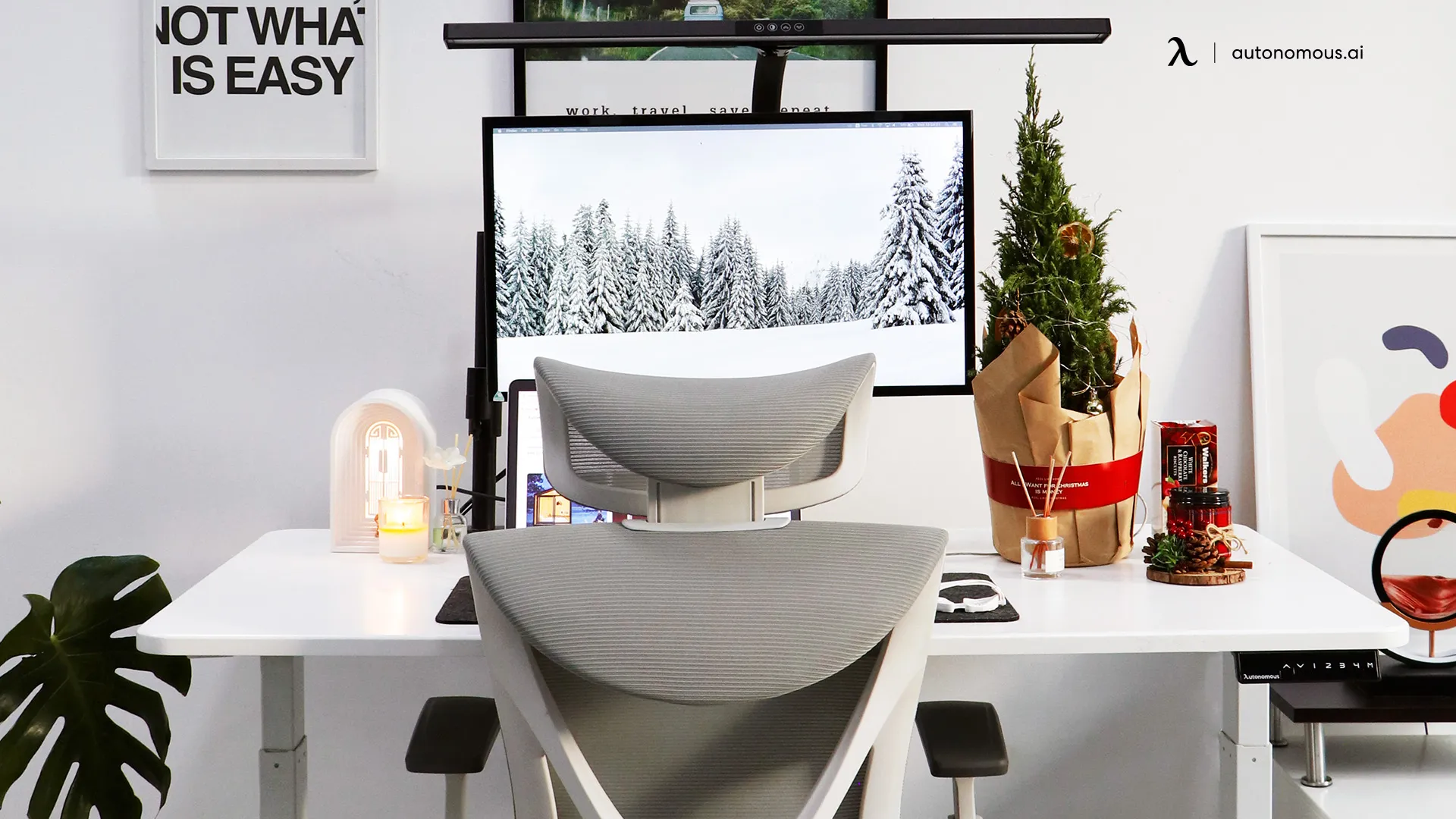
A home office setup offers more flexibility for tree placement than many people realize. Positioning a tree beside a bookshelf or near the edge of your desk adds a gentle seasonal touch without demanding major rearrangement.
A slim or pencil-style tree works especially well in these tighter setups, providing height and presence without limiting your movement around the desk. In terms of mood, this placement brings a steady, warm glow to your work area without overwhelming it. It’s a subtle approach to Christmas tree placement that adds comfort during long workdays and blends naturally into the rhythm of a home office.
This placement also works well if you prefer a more personalized holiday setup, especially when mixing in DIY Christmas office decorations to complement the tree.
10. Behind The Sofa
This placement works well in rooms where most of the wall surfaces are already occupied by windows, shelving, or media consoles. Instead of competing with those elements, the tree takes advantage of the open space at the back of the seating area, an area that often goes unused.
Here, the sofa acts as a subtle boundary that helps contain the tree visually. The tree doesn’t dominate the room; instead, it adds depth to the layout by filling the vertical space that naturally sits between the back of the sofa and the adjacent area. This approach is particularly helpful in long, narrow living rooms where traditional Christmas tree placement can feel forced.

11. Slim Or Pencil Tree Along Unused Wall Space
A slim or pencil-style tree is ideal for making use of narrow stretches of wall that typically go unnoticed. Hallway edges, the space beside a console table, or the gap between two pieces of furniture can all become practical spots when deciding where to put a Christmas tree in a smaller home. When placed against an unused wall, the vertical silhouette adds structure to the room without competing with larger furniture pieces.
12. Underused Corners Or Transitional Zones
Some of the best spots for holiday décor are the ones you barely notice during the rest of the year. Transitional areas, like the corner where a hallway opens into the living room, the angled space near a doorway, or a small recessed nook, can become surprisingly effective locations when deciding where to put a Christmas tree.
These areas naturally sit outside the room’s primary traffic paths, so placing a tree there adds atmosphere without affecting how the space functions. Rather than forcing the tree into the main seating zone, using a transitional pocket lets the rest of the room breathe while still keeping the tree clearly visible. It’s a thoughtful and efficient option among Christmas tree placement ideas, turning unused space into a festive design moment.
13. Wall-Mounted or Half Tree
For homes where floor space is truly limited, a wall-mounted or half Christmas tree offers a creative solution that still delivers holiday character. These designs rely on vertical presentation rather than floor area, making them ideal when you’re considering where to put a Christmas tree in a studio apartment, dorm, or compact living room.
A wall-mounted tree acts like seasonal artwork, providing height, lights, and texture without occupying any pathways. A half tree, flat on the back, full on the front, can be placed flush against the wall, saving several inches of depth while still giving the illusion of a traditional tree.
Where To Put A Tabletop Tree
Tabletop Christmas trees work well in smaller rooms, offices, or areas where a full-size tree isn’t practical. Here are simple, effective places to showcase one without crowding your space. A tabletop tree also fits well with broader holiday themes, especially when planning seasonal gatherings or exploring office Christmas party decor ideas for shared spaces.
1. Dining Table Centerpiece
A compact tree creates a festive focal point for holiday dining without overwhelming the table. Choose a low or mid-height design so guests can maintain clear sightlines and pass dishes comfortably.
2. Console Table or Sideboard
Placing a small Christmas tree on a console or sideboard adds height to narrow surfaces and brings holiday warmth to entryways or living rooms without taking floor space.
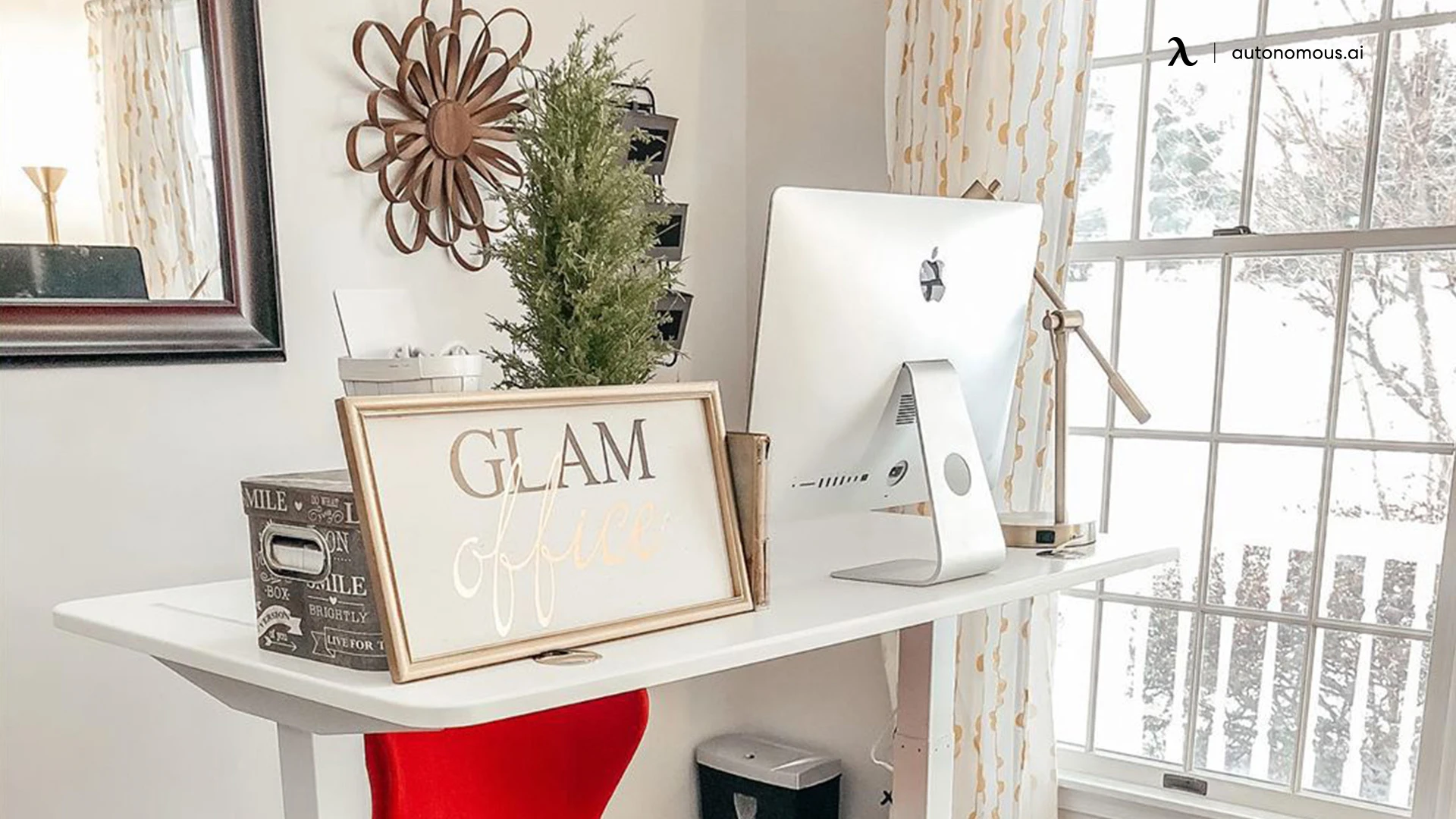
3. Coffee Table
A small tree on a coffee table works best when you want a holiday focal point without using floor space. It adds height to the center of the room and brings the décor closer to seating areas. Choose a lightweight tree so the table remains easy to use and reposition if needed.
4. Bedside Table
Perfect for adding a soft, cozy glow to the bedroom. A small, lightly lit tree enhances the atmosphere without cluttering the nightstand.
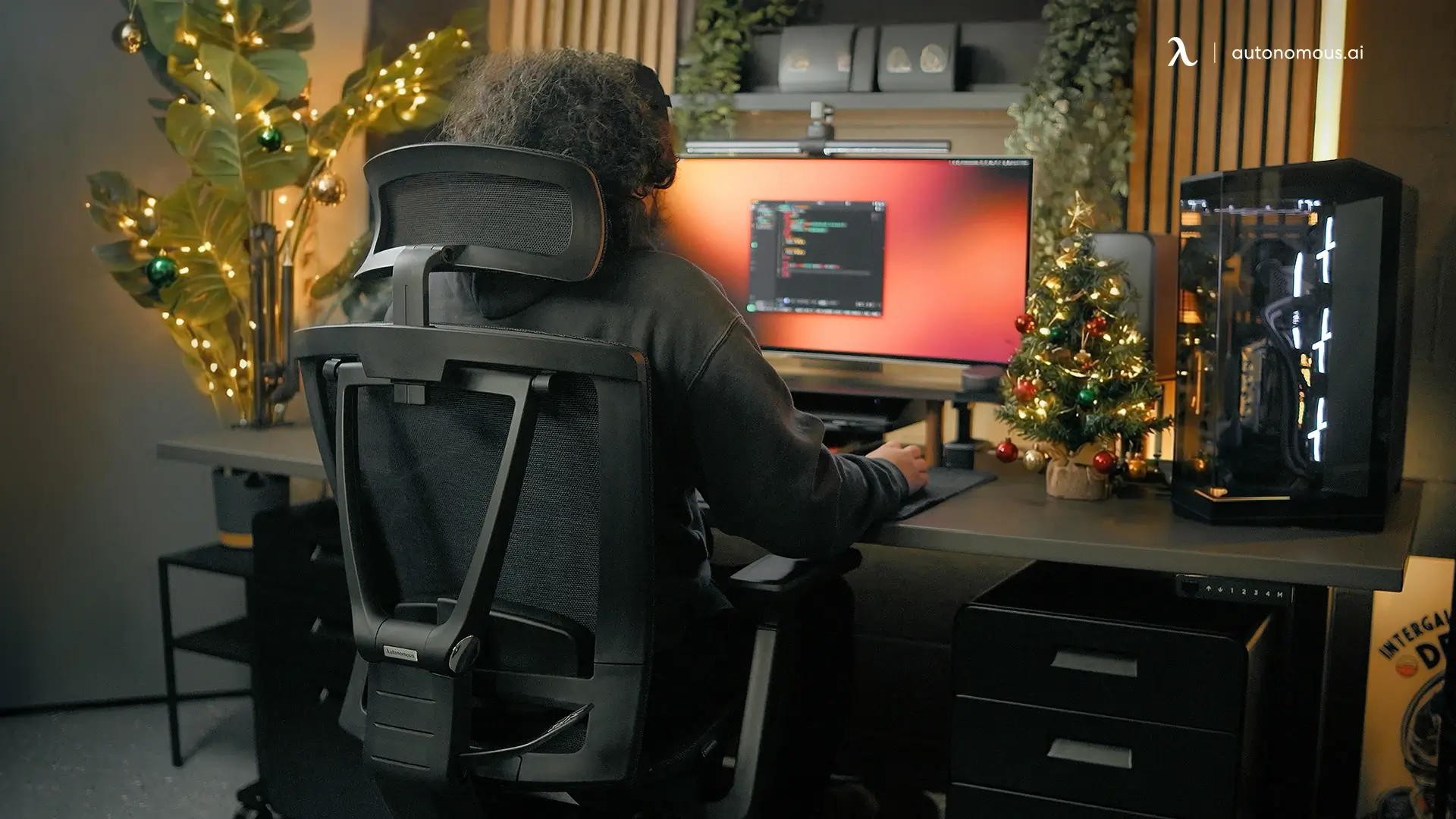
5. Office Desk
A desk placement is ideal for adding a gentle seasonal touch to your workspace. Keep the tree off to one side, near a lamp or organizer, so it complements your setup without competing for a working area. A simple design or soft lighting helps maintain a calm, focused environment. For a coordinated look, a tabletop tree can be styled alongside Christmas office desk decorations to bring the whole workspace into the holiday mood.
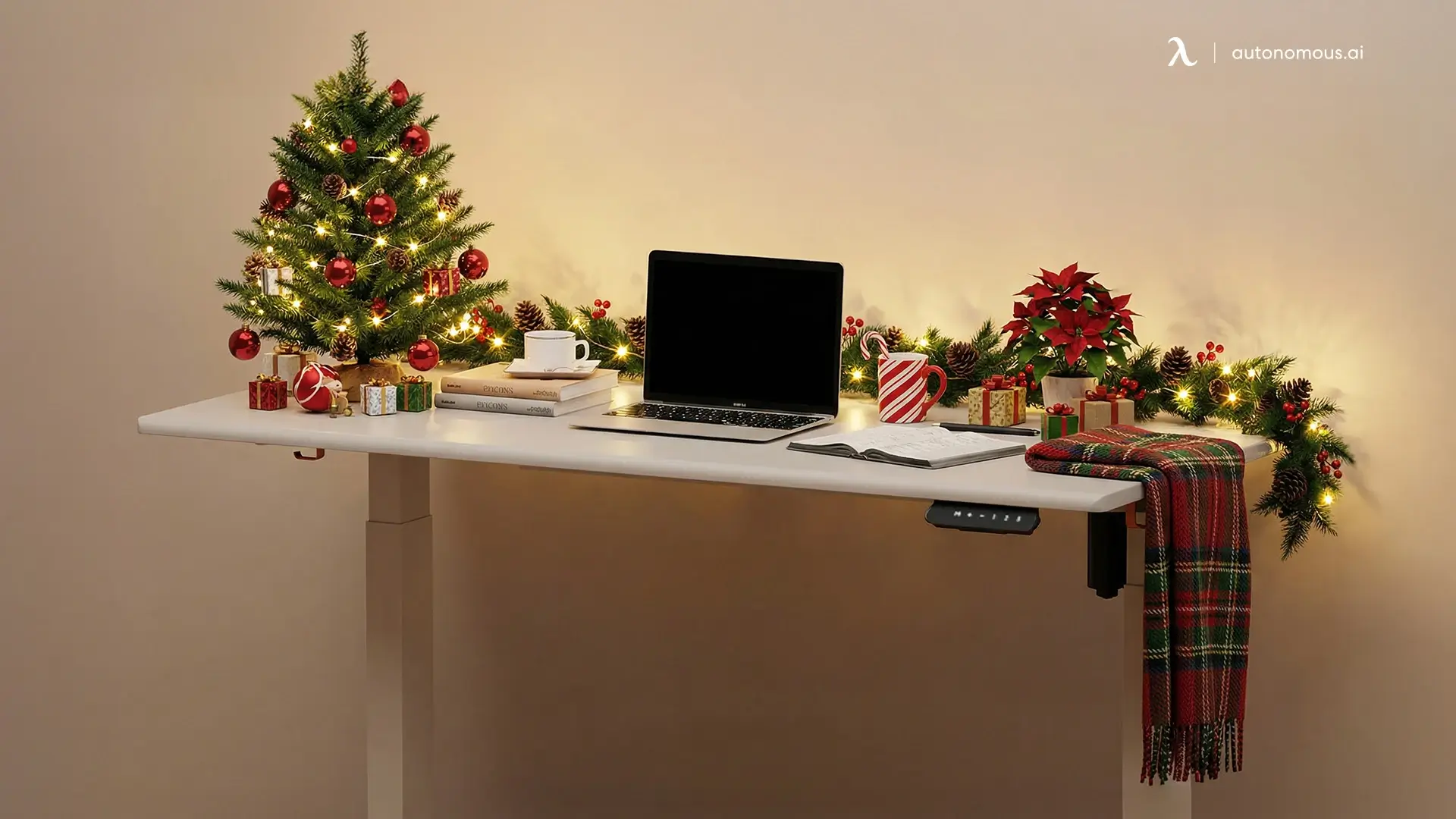
6. Window Sill or Ledge
Positioning a small tree on a window sill makes it visible indoors and from outside. It’s a bright, space-efficient option for compact rooms.
7. Bookshelf or Mantel
A tree placed on a shelf or mantel adds height and variety to your décor display. Make sure it balances well with surrounding items.
8. Kitchen Counter
A small tree brings a cheerful touch to the kitchen, especially on unused corner counters. Keep it away from cooking zones for safety and cleanliness.
9. Bathroom Vanity
A mini tree on the vanity adds an unexpected but charming accent to a guest bathroom or powder room, enhancing the holiday feel throughout the home.
10. Children’s Play Area
A child-sized Christmas tree on a low table gives kids their own decorating space and adds holiday spirit to their play zone without taking up valuable floor space.

Safety Tips for Placing Your Christmas Tree
No matter where you put a Christmas tree, thoughtful safety planning protects your home while keeping the display looking its best. These focused tips help you avoid common hazards without compromising style.
- Keep the Tree Clear of Heat Sources
Maintain several feet of distance from fireplaces, radiators, space heaters, and heating vents. Even indirect heat can dry out real trees, increasing fire risk and shortening their lifespan. This is especially important when choosing Christmas tree placement in living rooms with active heating zones.
- Stabilize the Tree Before Decorating
A sturdy stand prevents tipping, particularly in high-traffic areas or homes with pets and children. Test the stability before adding lights or ornaments; a slight wobble now becomes a major hazard once the tree is fully decorated.
- Manage Electrical Cords Strategically
Keep cords short and tucked behind furniture to avoid tripping hazards and prevent strain at the outlet. If the tree sits far from a plug, reconsider the placement rather than relying on extension cords that can overheat or clutter the space.
- Water Real Trees Consistently
A well-hydrated tree is far less flammable. Check the stand daily and refill as needed—especially during the first week, when real trees absorb the most water. Good hydration also helps ornaments hang properly and maintains fullness in all Christmas tree placement ideas.
- Secure Light Strings and Avoid Overloading Outlets
Use UL-listed LED lights and inspect them for worn wires before hanging. Avoid connecting too many strands in a single outlet, and ensure plugs fit firmly to prevent sparking or overheating.
FAQs
Where is the best place to put a Christmas tree at home?
The best place to put a Christmas tree is in a visible, open area like the living room where it can be enjoyed from key seating spots. Corners, beside a picture window, or near (but not too close to) a fireplace all create strong focal points. Choose a location that allows safe movement and easy access to an outlet.
Where to put a Christmas tree in a small living room?
In a small living room, the most effective spots are a corner, along an unused wall, or behind the sofa to preserve floor space. A slim or pencil tree works well in tight layouts. The goal is to keep walkways clear while still giving the tree a dedicated, visible spot.
Where to put a Christmas tree when you have no space?
If you have almost no space, consider a wall-mounted tree, a half tree placed flush against the wall, or a tabletop tree on a console or shelf. These options provide height and festive presence without occupying floor space. They also work well in studios, dorms, and compact apartments.
Where to put a Christmas tree in a living room with a TV?
Place the tree opposite or adjacent to the TV so the two focal points don’t compete. Corners and spaces beside windows often work best. Avoid blocking the screen or creating glare from tree lights.
Where to put a Christmas tree in an awkward living room layout?
Use underutilized spaces such as transitional corners, angled walls, or the area behind a sofa. These spots highlight the tree without disrupting the room’s flow. A slimmer tree often works better in irregular layouts.
Where to put a Christmas tree in a living room with a TV?
Place the tree opposite or adjacent to the TV so the two focal points don’t compete. Corners and spaces beside windows often work best. Avoid blocking the screen or creating glare from tree lights.
Where to put a Christmas tree for Feng Shui?
For Feng Shui, place the tree in the East (health), Southeast (wealth), or South (fame and recognition) areas of the home. Choose a location that allows energy to flow freely, avoiding blocked pathways or cluttered corners.
Where is the safest place to put a Christmas tree?
The safest spot is several feet away from fireplaces, heaters, and high-heat vents. Keep the tree in an area where it won’t block doorways or walking paths. This reduces fire risk and prevents tipping.

Conclusion
Choosing where to put a Christmas tree comes down to understanding how your space functions and what kind of atmosphere you want to create. Whether you’re working with a spacious living room, a small apartment, or just a few spare inches of surface space, the right placement can brighten the entire home. With thoughtful positioning, balanced décor, and a few safety considerations, any tree can become a warm, inviting centerpiece for the season, no matter the size of your space.
For those building a cohesive seasonal look throughout the home, aesthetic Christmas wallpapers can help extend that festive atmosphere into digital spaces as well.
And once your tree is up, it naturally becomes the gathering point for everything else, from family Christmas gift exchanges to stocking stuffers. If you're still figuring out Christmas shopping 2025 or hunting for the perfect presents, whether it's Christmas gifts for women, best Christmas gifts for men, or even office Christmas gifts for coworkers, a well-placed tree makes everything feel more intentional. And if you're looking to save, checking out a Christmas gift sale can help stretch your budget further.