Office Air Quality Test: How to Check Indoor Air at Work

.webp)
An office air quality test is a method used to assess indoor air conditions within a workplace at a given point in time. Rather than relying on a single measurement, testing typically looks at multiple indicators together to understand how air is circulating and changing within office spaces. Office air quality tests may involve professional assessments, portable devices, or an office air quality monitor placed in the workspace. While testing provides useful snapshots, it’s most effective when used to reveal patterns rather than treated as a one-time answer to how air quality feels throughout the workday.
When Should an Office Test Its Air Quality?
Testing office air quality is most useful when there is a reason to question whether current conditions support consistent comfort, especially when signs of poor air quality in the workplace begin to appear.
Common situations include:
- After employees report that spaces feel stuffy or uncomfortable
- During office moves, renovations, or layout changes
- When occupancy patterns shift due to hybrid or flexible schedules
- As part of a broader workplace health or facilities review
Air quality testing can also be valuable seasonally. Heating and cooling cycles, outdoor pollution, and humidity levels change throughout the year, which can affect indoor conditions even in well-maintained buildings.
Rather than waiting for problems to escalate, testing can help offices identify patterns early and understand whether air conditions fluctuate during the workday.
What Does an Office Air Quality Test Measure?
An office air quality test typically looks at several indicators together. Each one provides context about how indoor air is being refreshed, circulated, and experienced.
Carbon Dioxide (CO₂)
CO₂ is commonly used as an indicator of ventilation effectiveness. Rising levels often suggest that fresh air is not keeping pace with occupancy, especially in meeting rooms or densely used areas.
Particulate Matter
Particulate matter includes fine airborne particles from dust, office equipment, and outdoor pollution. These particles can accumulate indoors if filtration or airflow is limited.
Volatile Organic Compounds (VOCs)
VOCs are gases released from furniture, building materials, cleaning products, and office equipment. Levels can fluctuate throughout the day depending on activity and ventilation.

Temperature and Humidity
Temperature and humidity affect how air feels, even when other indicators are within acceptable ranges. Imbalances can make spaces feel dry, heavy, or uncomfortable over long periods.
Together, these measurements help form a more complete picture of indoor air conditions rather than relying on a single data point.
How to Check Office Air Quality
There are several ways to check office air quality, depending on the level of detail needed.
Professional Air Quality Assessments
Some organizations choose to work with specialists who conduct structured indoor air quality assessments. These evaluations often include inspections, measurements, and recommendations based on building design and usage.
Spot Testing
Portable testing devices can be used to perform spot checks in specific rooms or areas. While useful for identifying immediate issues, spot tests offer limited insight into how air quality changes over time.
Office Air Quality Monitors
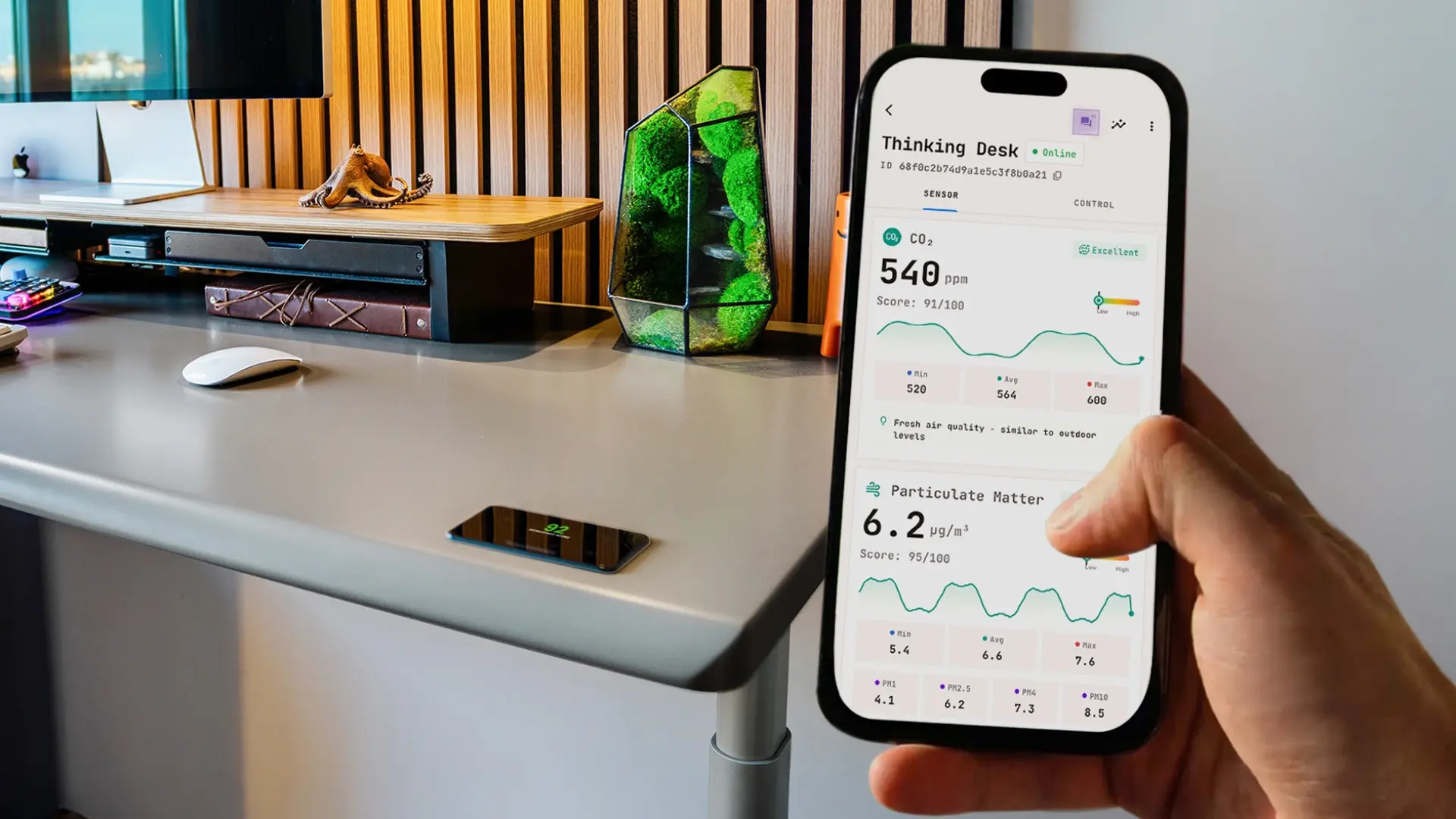
An office air quality monitor tracks environmental indicators continuously or at regular intervals. When placed correctly, monitors can reveal daily patterns related to occupancy, meetings, and ventilation cycles.
When deciding how to measure air quality in an office, it’s important to consider whether the goal is a quick check or a deeper understanding of ongoing conditions.
Why One-Time Tests Aren’t Enough
Office air quality is dynamic. Conditions change as people enter and leave, meetings fill rooms, and ventilation systems respond to demand.
A test performed early in the morning may look very different from conditions later in the afternoon. Similarly, testing an empty meeting room may not reflect how it feels during back-to-back meetings.
This is why one-time office air quality tests can be misleading. They provide a snapshot, not a trend. Understanding air quality over time is often more useful than relying on a single reading.
How to Interpret Office Air Quality Test Results
Air quality test results should be viewed as context, not verdicts.
Meeting indoor air quality standards does not always mean that a space feels comfortable throughout the day. Standards are designed to define acceptable conditions, not to capture how people experience air at specific times or locations.
It’s also important to consider where and when measurements were taken. Differences between open workspaces, meeting rooms or conference rooms, and enclosed areas are common, even within the same building.
Interpreting results effectively means looking for patterns rather than focusing on isolated numbers.
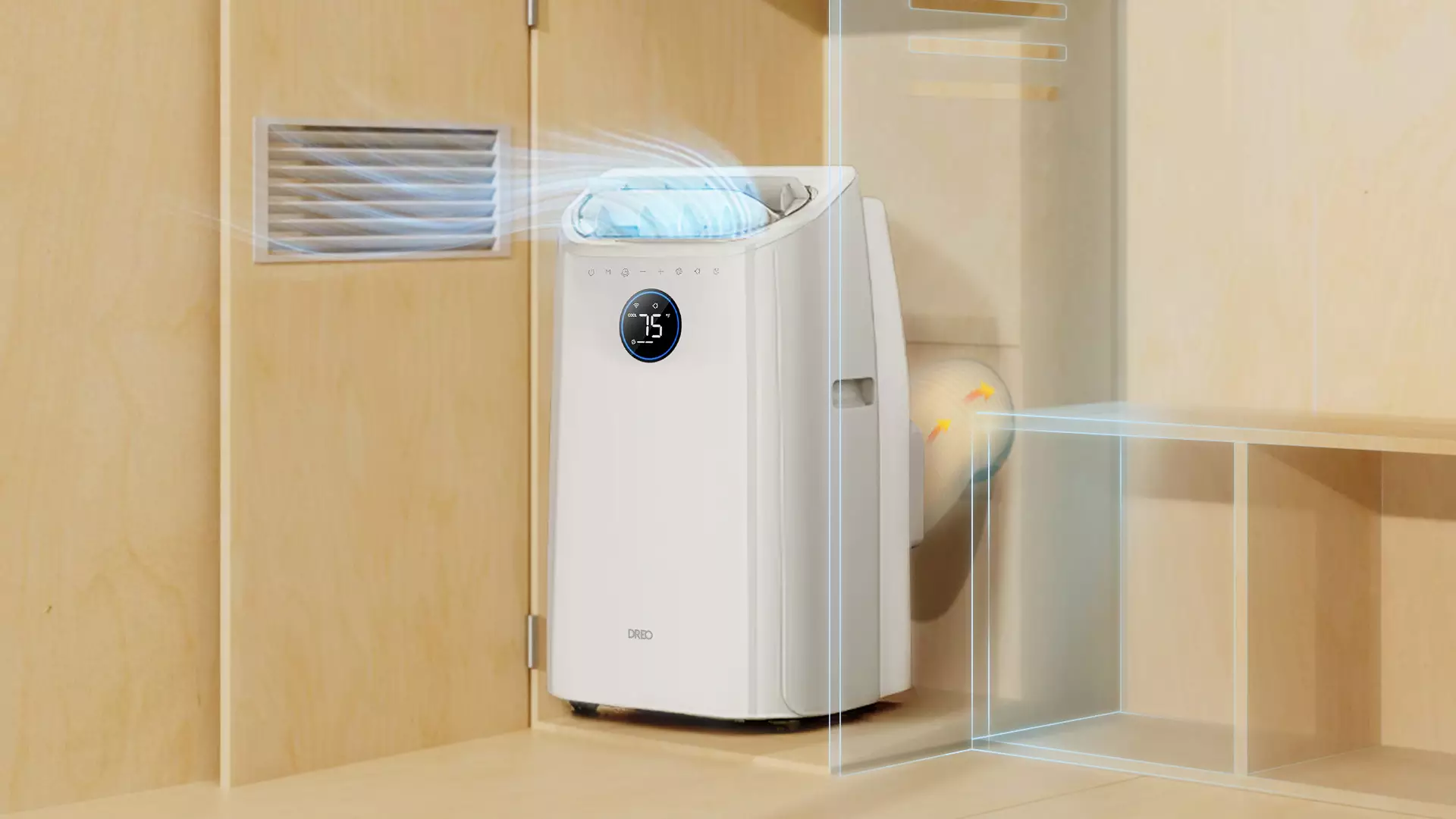
Common Mistakes in Office Air Quality Testing
Offices often run into similar issues when testing air quality:
- Testing only once and assuming conditions are stable
- Measuring empty rooms instead of occupied spaces
- Ignoring how usage patterns affect air conditions
- Treating compliance as the same as comfort
Avoiding these mistakes helps ensure that air quality testing leads to better understanding rather than false reassurance.
Looking Ahead: Making Office Air Quality Easier to Understand
Office air quality testing plays an important role in identifying issues and setting a baseline. However, the most effective approach goes beyond one-time checks and looks at patterns over time.
By understanding how indoor air behaves throughout the day, workplaces can move from reactive fixes to more informed decisions. In this way, air quality testing becomes not just a diagnostic tool, but part of a longer-term effort to create healthier, more comfortable office environments.