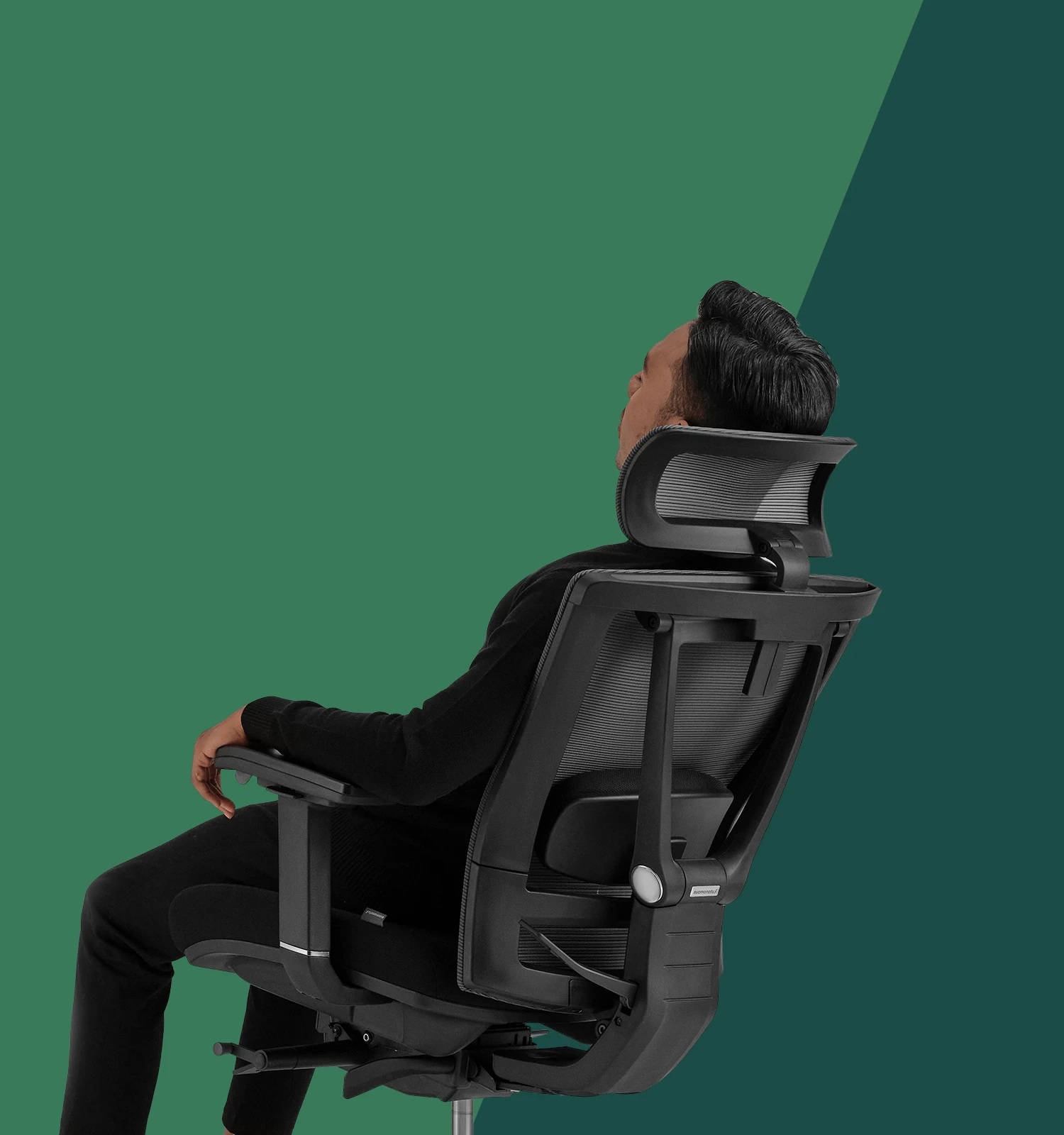
ErgoChair Pro
Black Friday price.
Built for 12-hour sessions.
14 Types of Office Chairs and Which Desk Chair Suits You

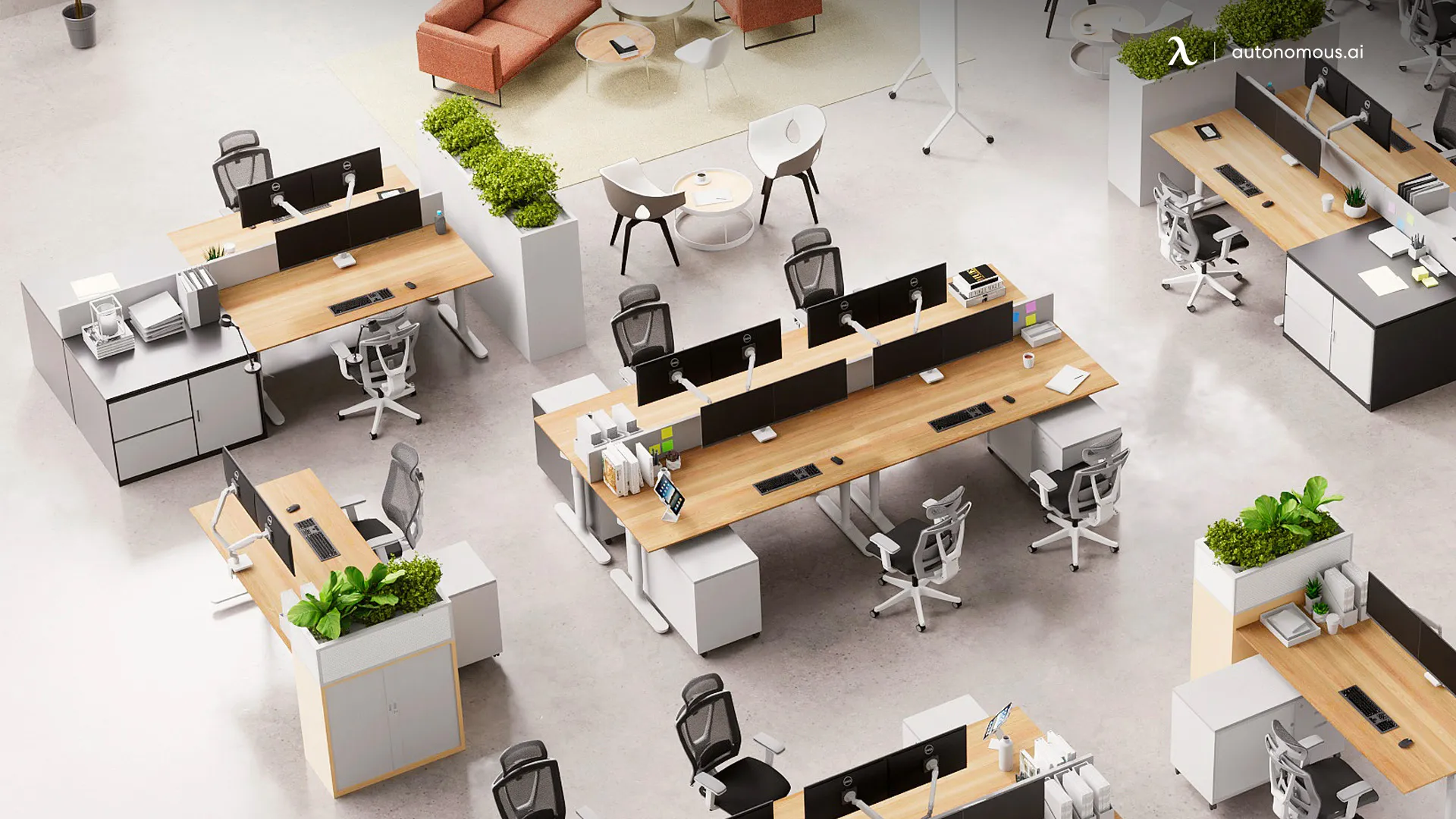
The main types of office chairs are ergonomic task chairs, mesh chairs, high-back chairs with a headrest, executive chairs, conference and guest chairs, big and tall chairs, reclining chairs, drafting chairs, stools, kneeling chairs, saddle chairs, balance ball chairs, gaming chairs and cross-legged chairs. "Ergonomic" describes how a chair adjusts to your body, while "executive" describes a tall back and formal finish, so one chair can be both. Each type below gets who it suits and its main catch.
For a full workday, the ErgoChair Pro is discounted in the Black Friday chair sale, which takes up to 10% off.
Types of Office Chairs at a Glance
Ergonomic task, mesh and high-back chairs are the types built for a full workday; most of the others suit short spells, a specific desk height or a specific body. The last column asks one plain question: does this type usually have the three things OSHA's chair checklist asks of a desk chair, namely a lumbar support you can move up and down, at least 15 degrees of recline and a five-leg base on casters? It is our reading of each type, not an OSHA rating.
| Type of chair | Best for | Watch out for | Has OSHA's three basics? |
|---|---|---|---|
| Ergonomic task chair | 6+ hours a day at a desk | Many adjustments to set once | Yes, on most models |
| Mesh chair | Warm rooms, people who run hot | Mesh edge can press under the thighs | Yes, when lumbar adjusts |
| High-back chair with headrest | Leaning back to read or take calls | Headrest fit varies with height | Often, check the lumbar |
| Executive chair | Private offices, formal look | Padding over adjustment, leather runs warm | Partly |
| Conference and guest chair | Meetings and visitors | Few or no adjustments | No |
| Big and tall chair | Users near or over 300 lb, or very tall | Bulky, wider seat may not fit small desks | Varies |
| Reclining chair | Rest breaks, reading, naps | Deep recline pushes you away from the keyboard | Partly |
| Drafting chair | Counter-height and standing desks | Needs the foot ring set right | Partly |
| Stool | Short perches, small spaces | No back support | No |
| Kneeling chair | Upright typing in short spells | Weight on the shins, hard to get in and out | No |
| Saddle chair | Dental, lab and craft work, high desks | Takes time to get used to | No |
| Balance ball chair | Active sitting for short periods | No recline, can roll | No |
| Gaming chair | Gaming and reclined screen time | Fixed pillows instead of adjustable lumbar | Partly |
| Cross-legged chair | People who sit with legs folded | Wide seat, little back support | No |
The quick check for any chair: sit with your feet flat and look at the back of your knee. OSHA's fit test is that it sits slightly higher than the seat, with your whole foot on the floor. If you cannot get there at your desk height, the type is wrong before any other feature matters.
Desk Chairs for Full Workdays
Ergonomic task chairs, mesh chairs and high-back chairs are the three types built for sitting most of the day. They share the same base: a five-leg caster base, seat height adjustment, a backrest that reclines and, on better models, a lumbar support you can move.
Ergonomic Task Chair: The Default Desk Chair
An ergonomic task chair is a desk chair where the seat height, lumbar support, armrests and recline all adjust to your body. It is what most people mean by an ergonomic chair for back pain or long hours: the parts move to you instead of you bending to the chair. The catch is setup, since a chair with many adjustments only helps once each one is set for you.
Mesh Office Chair: An Ergonomic Chair That Breathes
A mesh chair is an ergonomic task chair whose back, and sometimes seat, is a stretched mesh instead of foam. Air passes through it, so it runs cooler than foam or leather in a warm room. The mesh vs. leather choice mostly comes down to airflow against a softer, more formal feel.
One check for any mesh chair: press the front edge of the seat with your hand. If the frame under the mesh feels hard right where your thighs rest, it will press there after a few hours.
High-Back Chair with Headrest: Support When You Lean Back
A high-back chair runs past the shoulder blades and adds a headrest, so your head and neck stay supported when you recline to read, think or take a call. It sits between a task chair and an executive chair: the adjustments of the first, the tall back of the second.
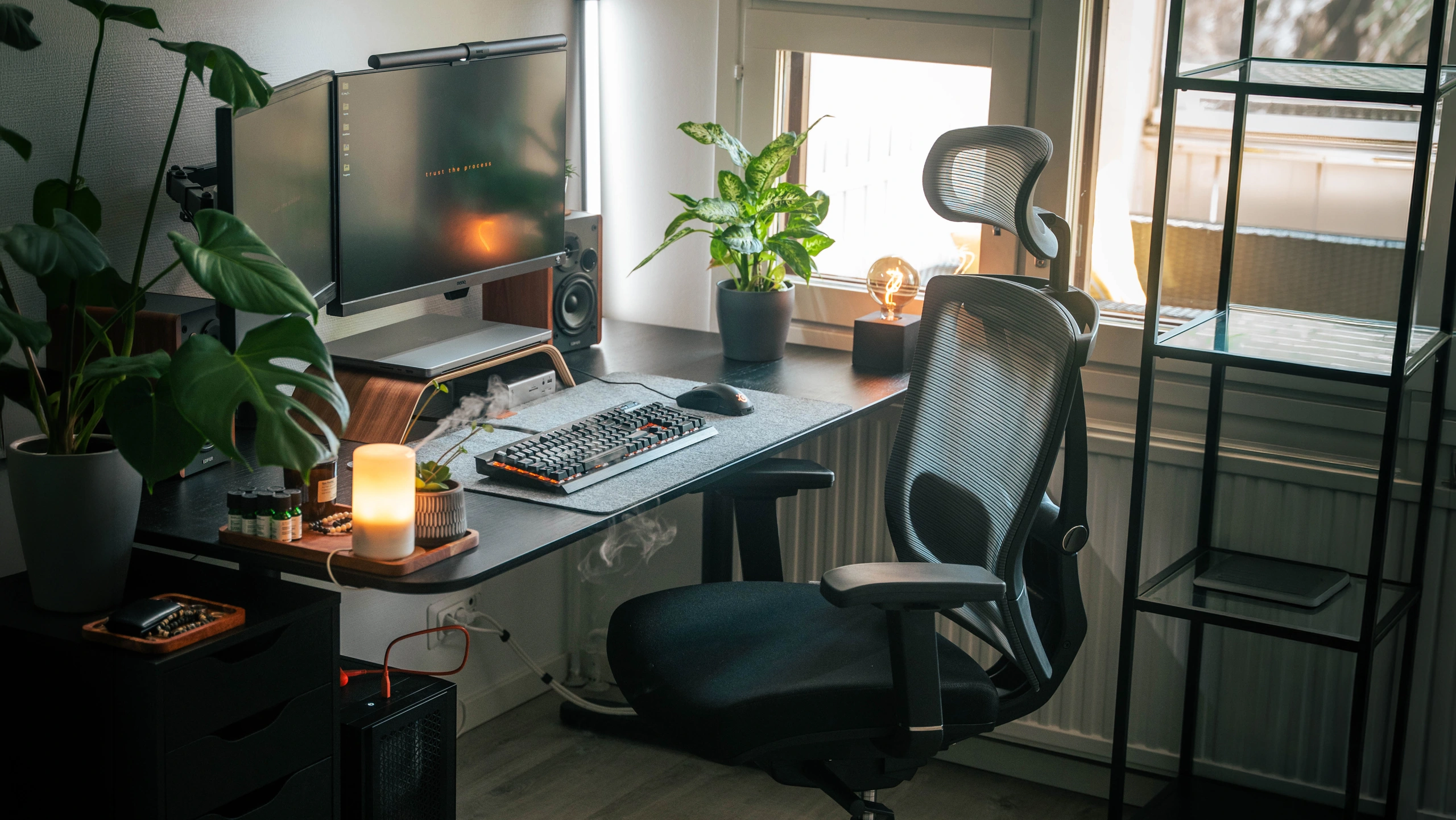
Check the headrest range against your height: sitting upright, it should reach the base of your skull, not your shoulders.
Executive, Conference and Big and Tall Chairs
These three types are chosen as much for the room or the body as for the hours you sit. An executive chair is about look and a tall back, a guest chair about short visits, and a big and tall chair about size and weight rating.
Executive Chair: Tall Back and a Formal Look
An executive chair is a high-back chair with thick padding, often leather or faux leather, and a heavier frame built to look right in a private office. Most executive leather office chairs adjust seat height and tilt, and fewer adjust lumbar or armrests, so check for a lumbar adjustment before you judge the leather. The type suits a manager who sits in shorter blocks and takes many calls.
Conference and Guest Chairs: Built for Short Sits
A conference chair is a mid-back chair, usually on casters, that suits meetings of an hour or two; a guest chair is often a fixed four-leg or sled-base chair with no adjustments. Most lack the adjustable lumbar and recline OSHA lists for a workstation chair, so neither belongs at a desk you use daily. For an office chair for guests, seat width and a stable base matter more than adjustments, since visitors sit for short periods.
Big and Tall Chair: Rated for Larger Bodies
A big and tall chair has a wider seat, a taller back and a higher weight rating than a standard office chair. The number to read is the capacity, not the label. The four ErgoChairs top out at 320 lb or less, so anyone above that needs a big and tall office chair with a higher stated rating.
Reclining, Gaming and Cross-Legged Chairs
These three types change how you sit rather than how well you sit upright. They suit breaks, play and unusual sitting habits better than eight hours of typing.
Reclining Office Chair: For Breaks and Reading
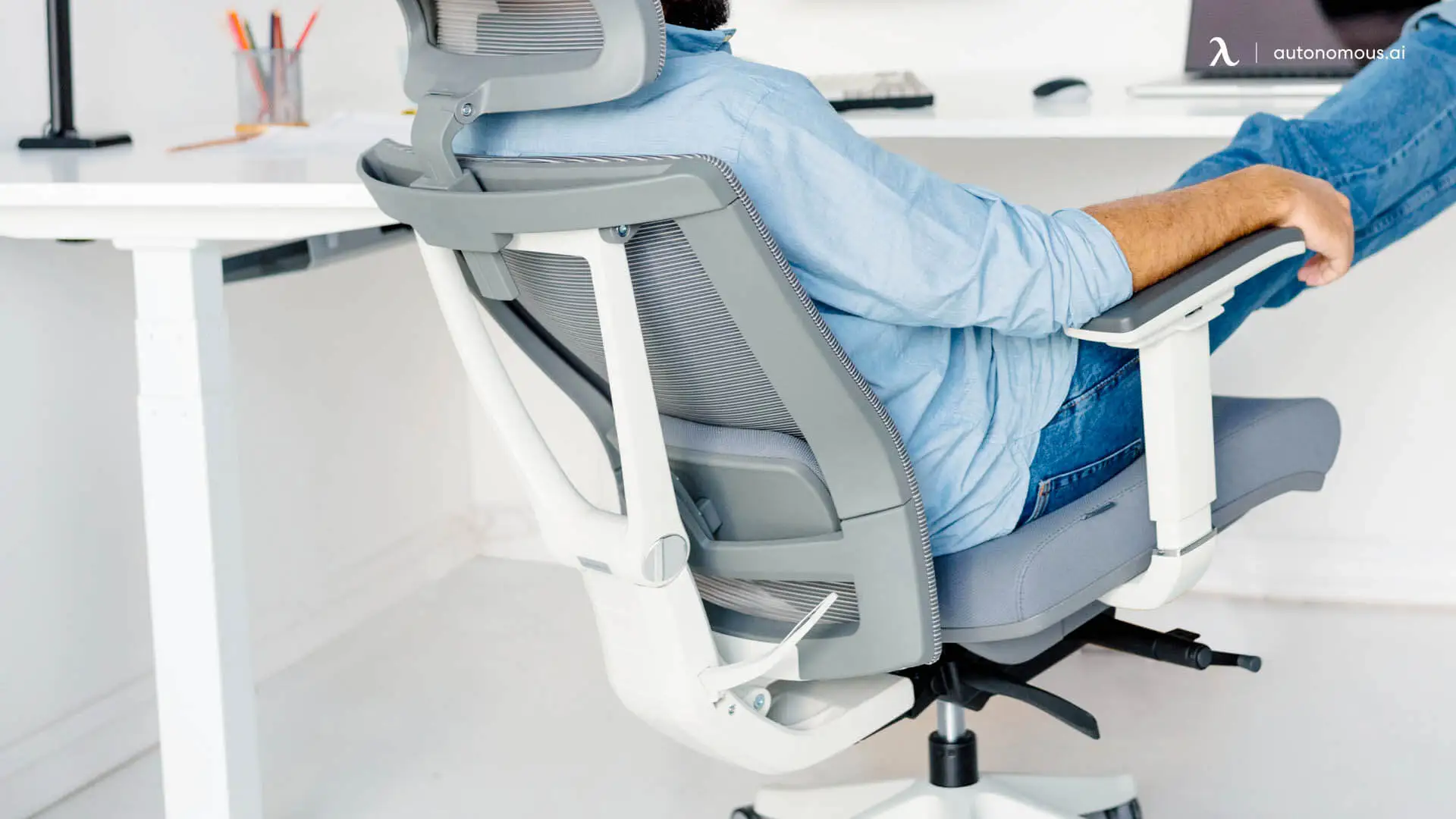
A reclining office chair leans back far past the 15 degrees OSHA lists as a minimum, often with a footrest, so you can rest without leaving the desk. The catch is reach: in a deep recline your hands drift away from the keyboard, so most people lock it upright to work. Reclining mesh office chairs add airflow to that, which helps if you nap or read in the chair.
Gaming Chair: Racing Style With Fixed Pillows
A gaming chair is a high-back chair styled like a racing seat, with side bolsters, a deep recline and loose neck and lumbar pillows. The pillows are the weak point for work: they slide and only sit where you strap them, instead of a lumbar that adjusts in the frame. Check the gaming chair dimensions against your frame, since the bolsters narrow the seat.
Cross-Legged Chair: A Wide Seat for Folded Legs
A cross-legged chair has an extra-wide, often armless seat so you can sit with your legs folded. The best office chairs for cross-legged sitting trade back support for that space, so pair one with a task chair.
Drafting Chairs, Stools and Active Seating
These types either raise you to a high work surface or keep you moving while you sit. None has the full backrest and recline of a task chair, so plan to use them in spells and pair them with a regular chair or a standing desk.
Drafting Chair: A Task Chair for High Counters
A drafting chair is a task chair on a taller cylinder with a foot ring, so you can sit at a counter-height surface or a standing desk set higher than usual. Artists, architects and lab workers use them. Set the foot ring so your thighs stay level; without it, your feet hang and the seat edge presses under your knees.
Office Stool: Short Perches in Small Spaces
An office stool is a backless seat, often height-adjustable and sometimes with a rocking base, used for quick sits at a counter or standing desk. In the stool vs. chair trade-off, the stool wins on space and the chair wins on back support, which is the first item on the OSHA list.
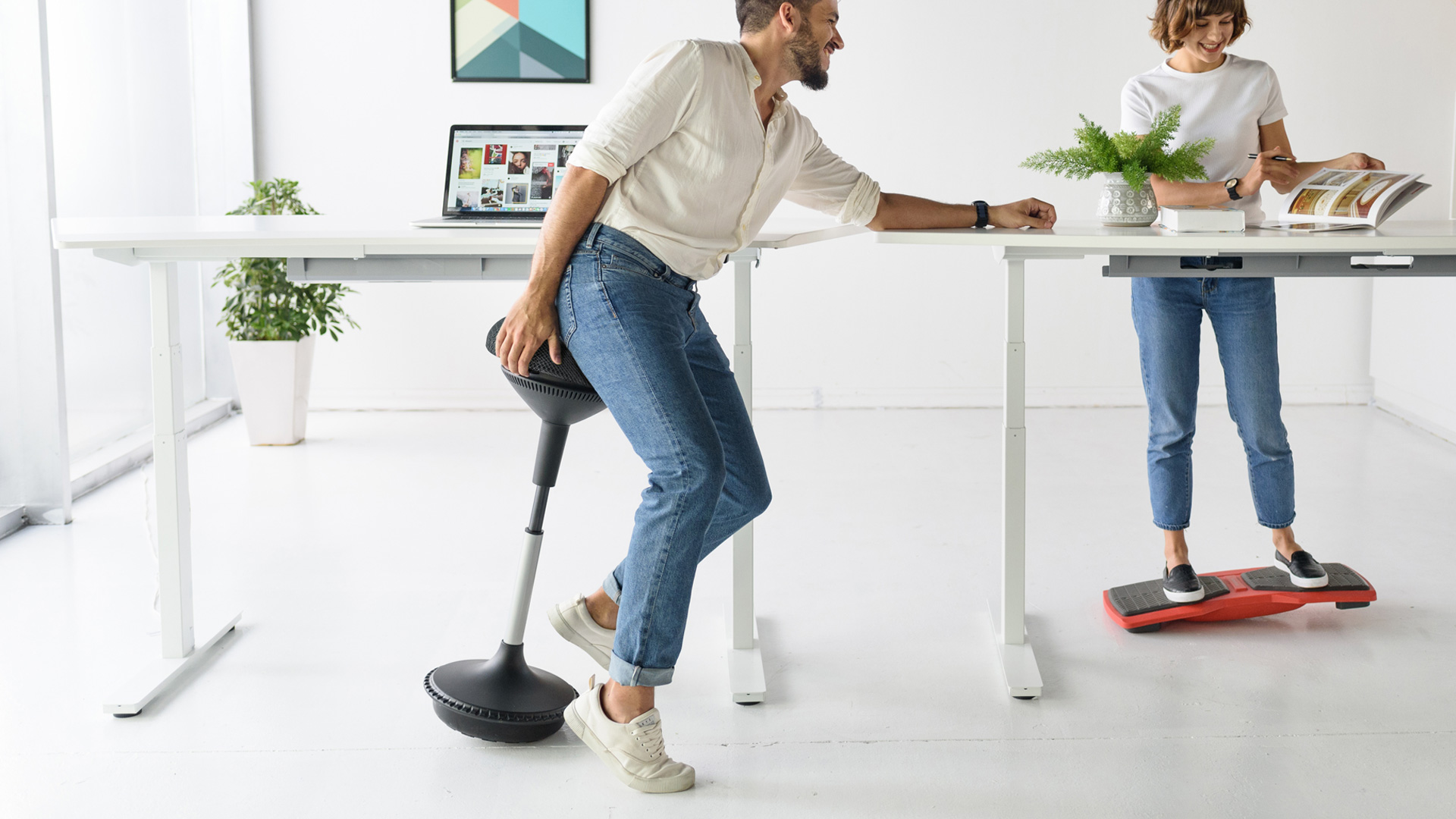
Ergonomic perching stools are the version built for standing desks: the seat tilts forward, so you lean on it with most of your weight still on your feet.
Kneeling Chair: Upright Sitting With Shin Pads
A kneeling chair tilts the seat forward and puts part of your weight on pads under your shins, which opens the hip angle and pulls you upright. It has no backrest and many models have no casters, so getting in and out takes a moment. The benefits of kneeling chairs show up in short spells; because the shins carry load, most people switch back to a regular chair after a while.
A kneeling chair also gives restless sitters a different position to move into, which is why it often comes up as an ADHD office chair option.
Saddle Chair: A Horse-Style Seat for High Work
A saddle chair has a split or dipped seat that lets your legs drop down and apart, so your hips sit higher than your knees at a high bench. An ergonomic saddle chair takes a few days to get used to, and its height range has to match your bench.
Balance Ball Chair: Active Sitting in Short Spells
A balance ball chair is an exercise ball held in a base frame that makes you shift and use your core to stay balanced. With no recline or lumbar support, it works as a second seat, not your only desk chair.
Which ErgoChair Fits Each Type?
Autonomous makes four ErgoChairs, and each fits one of the full-workday types: the ErgoChair Pro and ErgoChair Ultra 2 are ergonomic task chairs, the ErgoChair Mesh is a mesh chair, and the ErgoChair Core is a high-back chair with a headrest. All four are discounted in the Black Friday chair sale, which takes up to 10% off with free shipping and no code.
| Chair | Type it fits | Seat height and capacity | Lumbar and recline |
|---|---|---|---|
| ErgoChair Pro | Ergonomic task chair | 18.5 to 22 in, 300 lb | Pad slides 6 in, 112° recline |
| ErgoChair Ultra 2 | Ergonomic task chair | 18 to 23 in, 320 lb | Flexing backrest, no dial, 115° recline |
| ErgoChair Mesh | Mesh chair | 18.5 to 21.5 in, 300 lb | Adjustable, tilts back 22° past upright |
| ErgoChair Core | High-back chair with headrest | 20 to 23.8 in, 242.5 lb | Dual backrest, 130° recline |
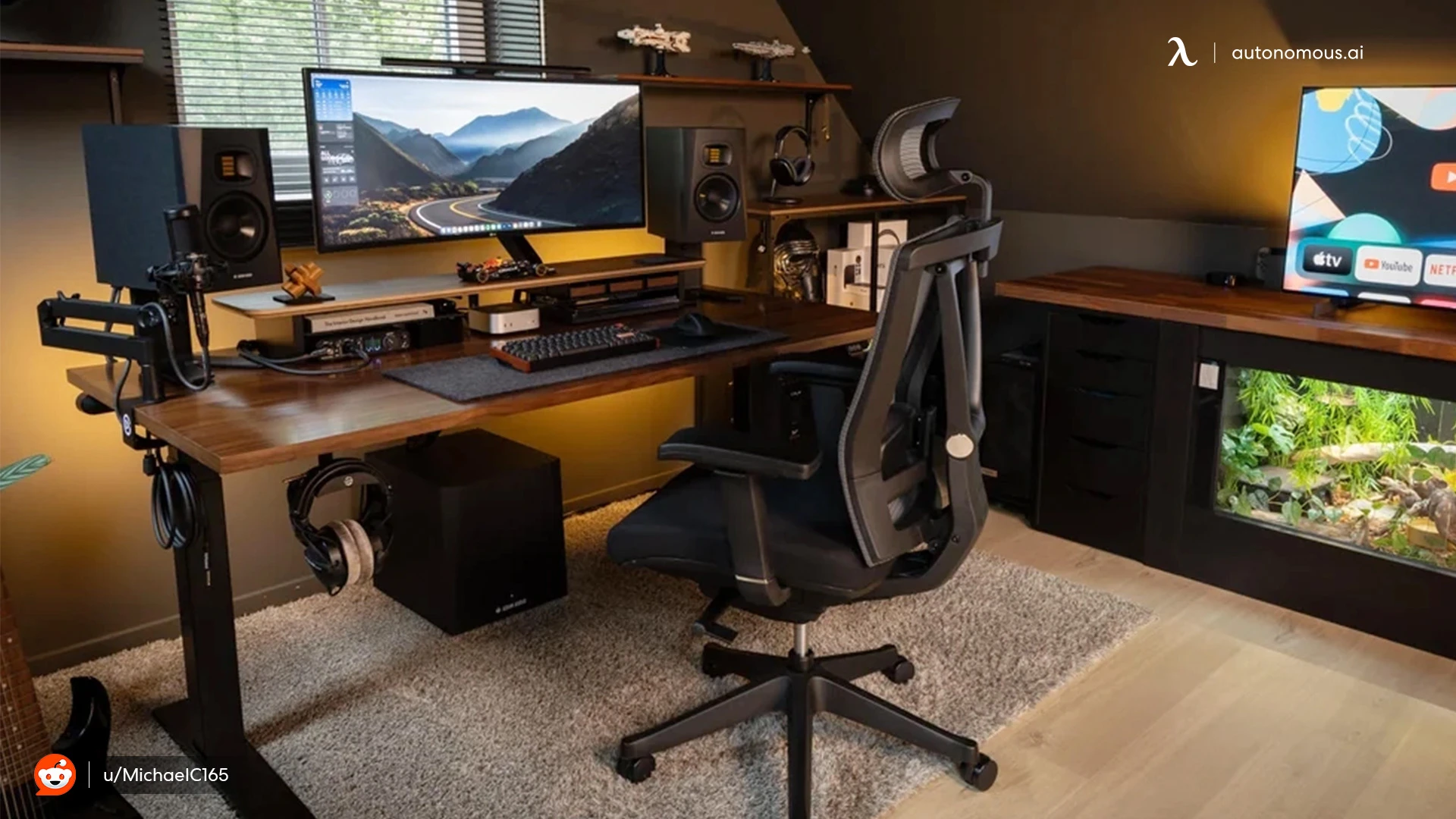
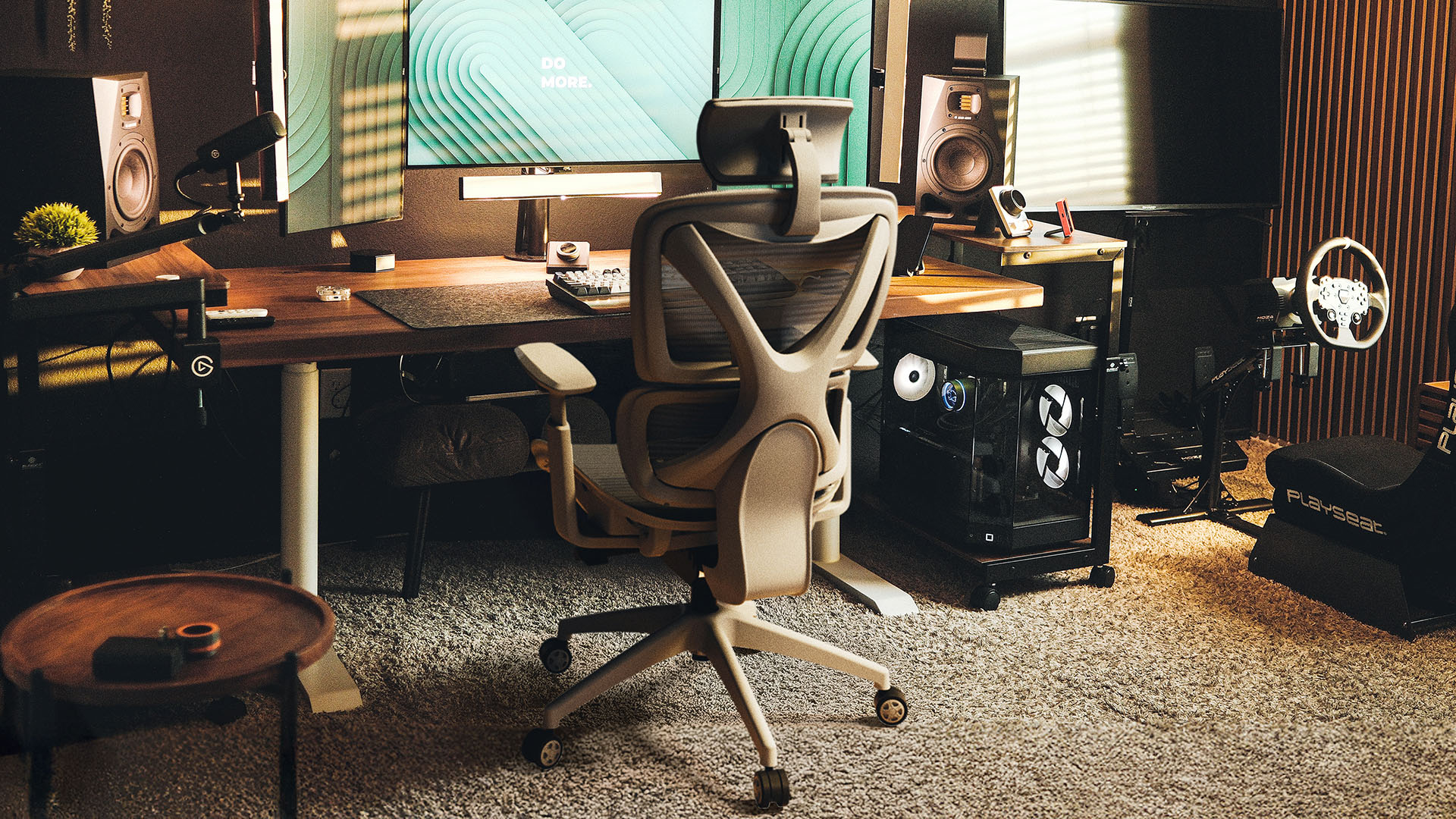
ErgoChair Pro: The Ergonomic Task Chair With a Sliding Lumbar
The ErgoChair Pro is one of two models in the lineup with 9 degrees of freedom, and the only one listed with a lumbar pad that slides 6 inches. Autonomous also lists synchro-tilt, a 112° recline, 3D armrests and a seat that tilts forward 5°. It holds 300 lb and carries a lifetime warranty.
The honest limit: the seat tops out at 22 inches, and owners report that the armrests lock for height but not for slide or swivel. If you are tall or work at a high desk, check that seat height first. It suits someone who wants to set lumbar height by hand rather than trust a fixed curve.
ErgoChair Ultra 2: A Task Chair With a Flexing Backrest
The ErgoChair Ultra 2 is built around a different idea. Its backrest is a flexing TPE layer that moves with your back, with no lumbar dial at all. The seat has 4 layers and 62 pressure nodes, the armrests move in 4 directions including pivot, and it holds 320 lb, the highest rating of the four, with a lifetime warranty.
The catch is the flip side of that design. If you want lumbar support you can move up and down, the Ultra 2 does not have one, so it does not tick OSHA's height-adjustable lumbar box. It suits someone who shifts position often and prefers a backrest that follows them.

ErgoChair Mesh: The Mesh Chair in the Lineup
The ErgoChair Mesh uses air mesh on both the seat and back, with 9 degrees of freedom, synchro-tilt, a backrest that tilts back 22° past upright, 3D armrests, a 300 lb rating and a lifetime warranty. Its limit is seat height: the range stops at 21.5 inches, the lowest top end of the four, so tall users at a raised desk should measure first.


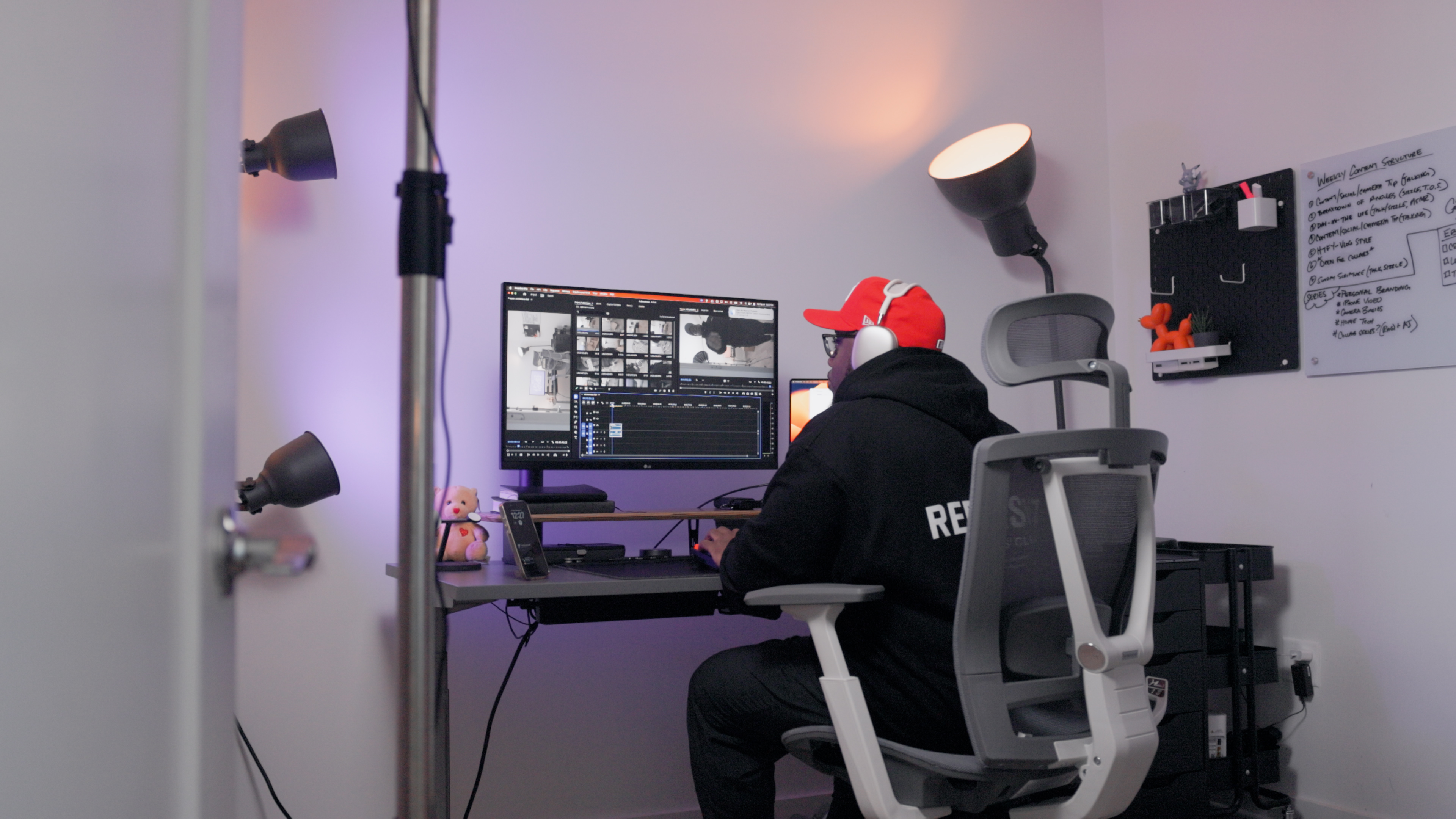
It suits someone who runs warm or works in a room without much air conditioning and still wants an adjustable lumbar.

ErgoChair Core: A Budget High-Back Chair With Headrest
The ErgoChair Core is the budget take on the high-back type. It has a dual backrest, a headrest, 3D armrests and a 130° recline (90° upright plus 40° of tilt), with PU on the touchpoints.
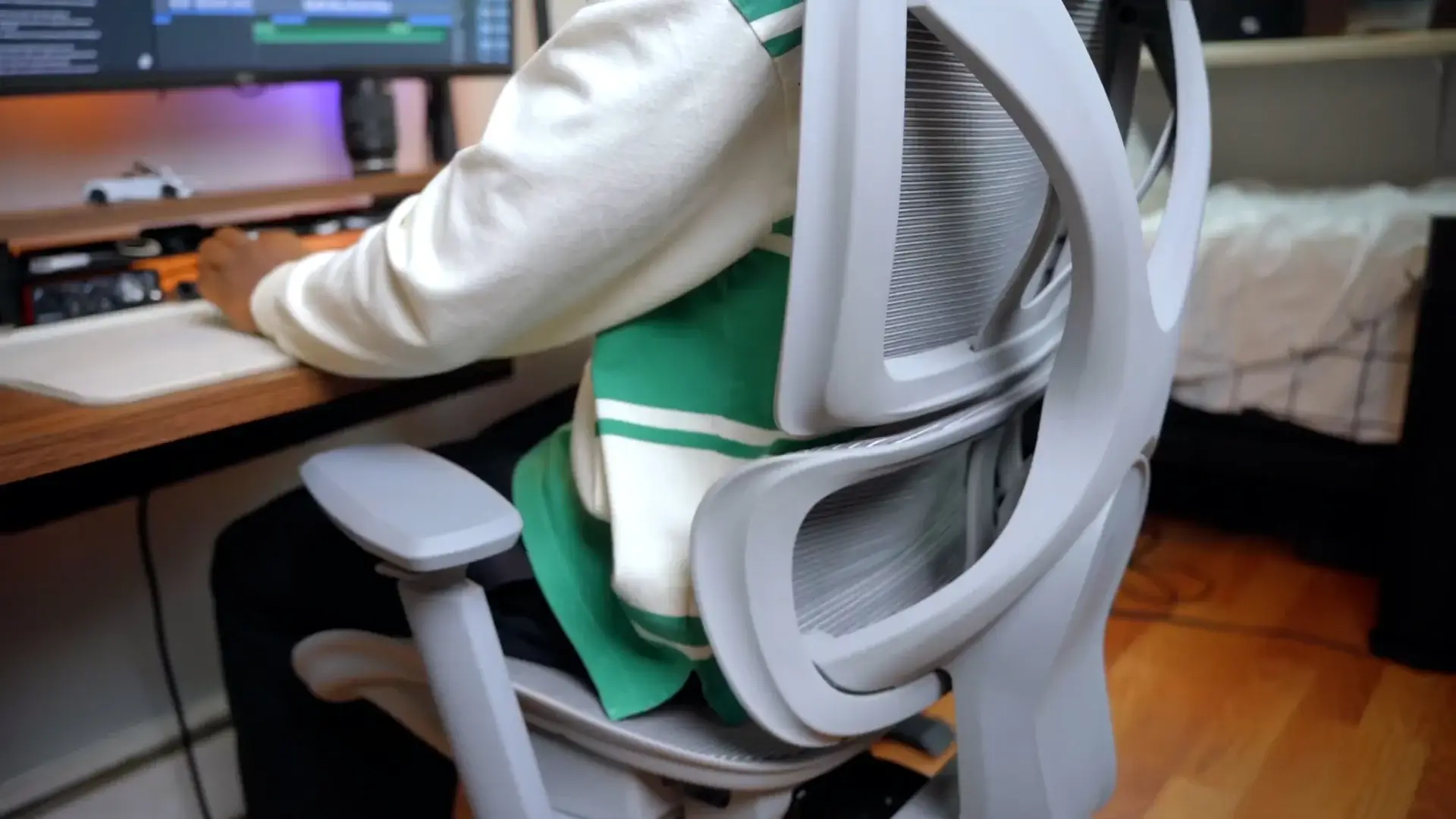
The limits are real: it holds 242.5 lb, its warranty is 2 years rather than lifetime, and its lumbar support is passive, not adjustable. Its seat runs from 20 to 23.8 inches, the highest range of the four, which helps taller users.
Which Type of Office Chair Fits Your Job?
The best type of office chair for your job depends on how long you sit, how high you work and how much you already sit outside work. This table matches the jobs people most often search chairs for to the types above. It is built from what each type does, not from tests of specific chairs.
| Job or routine | Main chair type | Second seat or swap | Why |
|---|---|---|---|
| Office workers and freelancers at a desk most of the day | Ergonomic task or mesh chair | Standing desk breaks | Long hours need adjustable lumbar and recline |
| Baristas and counter workers | Drafting chair or perching stool at the counter | Reclining chair at home | Counter height is above a normal seat |
| Truck drivers and long commuters | Ergonomic task chair with recline | Short active-sitting spells | Already seated for hours, so the desk chair should let you change position |
| Runners and active people | Ergonomic task chair | Saddle or balance ball chair | An active seat adds movement but cannot replace back support for long sits |
For drivers and commuters, the point is variety rather than a softer seat: you already spend hours in one posture in the vehicle, so a desk chair that reclines and adjusts gives you a different position at home. An office chair for long hours needs the same three things on those days: lumbar you can move, a recline that locks and a seat height that matches the desk.
How to Choose the Right Type of Office Chair
Choose the type by three numbers: hours you sit per day, the height of your work surface, and your body size. Style comes after those three, because a chair that does not fit your desk or weight will not feel right however it looks.
- Hours seated: sitting for most of the workday points to an ergonomic task, mesh or high-back chair. Stools, kneeling, saddle and ball chairs work as a second seat.
- Desk height: sit, set your elbows at about 90 degrees and see whether your forearms meet the desk with your feet flat. If the seat has to go above its range to get there, you need a drafting chair or a footrest.
- Body size: read the weight rating and the seat height range. Among the ErgoChairs, the Ultra 2 holds the most (320 lb) and the Core sits highest (up to 23.8 in), while the Mesh tops out lowest (21.5 in).
- Climate: mesh for a warm room, foam or leather if you run cold.
- Room: executive and big and tall chairs are bulky; measure the space behind the desk before you order.
Once the type is settled, compare seat height range and weight rating between the most popular office chairs of that type, since those two numbers decide fit. The chair also works best inside a healthy work environment with breaks and a desk at the right height.
FAQs
What are the most common types of office chairs?
The most common types of office chairs are ergonomic task chairs, mesh chairs, executive chairs and conference or guest chairs. Drafting chairs, stools, kneeling chairs, saddle chairs, balance ball chairs and gaming chairs fill specific needs such as high counters, active sitting or gaming.
What type of office chair is best for back pain and long hours?
An ergonomic task chair with a lumbar support you can move up and down is the type to pick for back pain and long hours, since OSHA lists height-adjustable lumbar first. Among the ErgoChairs, the Pro and the Mesh have adjustable lumbar. Also check for 15 degrees of recline and a five-leg base.
What is the difference between a task chair and an ergonomic chair?
A task chair is any swivel desk chair on casters with basic height adjustment; an ergonomic chair is a task chair with adjustable lumbar, armrests, recline and often seat depth. All ergonomic desk chairs are task chairs, but a basic task chair may lack the lumbar and recline you need for full days.
Are gaming chairs good for office work?
Gaming chairs work for office tasks in shorter sessions, but most rely on loose lumbar and neck pillows instead of a lumbar that adjusts in the frame. For 8-hour workdays of typing, an ergonomic task chair with a built-in adjustable lumbar fits better; keep the gaming chair for play.
Can you use a kneeling chair all day?
Most people do not use a kneeling chair all day, because part of their weight rests on the shins and the chair has no backrest. It works best in short spells, swapped with a regular task chair or time at a standing desk, so your knees and shins get a break.
What is an automatic office chair?
An automatic office chair usually means one that adjusts some support by itself instead of through knobs, such as a weight-activated recline or a backrest that flexes with you. The ErgoChair Ultra 2's TPE backrest works this way. Check what the chair still needs set by hand, such as seat height.
Is Black Friday a good time to buy an office chair?
Yes, if the chair you want is discounted. The Autonomous Black Friday chair sale takes up to 10% off the ErgoChair line, with free shipping and no code, Cyber Monday keeps the same amounts off, and the 30-day trial and free returns still apply to sale orders.
How many types of office chairs are there?
There is no fixed number of office chair types, because guides split and name them differently. This page covers 14: ergonomic task, mesh, high-back with headrest, executive, conference and guest, big and tall, reclining, drafting, stool, kneeling, saddle, balance ball, gaming and cross-legged.
Conclusion
Of all the types of office chairs, only a few are built for a full workday: ergonomic task chairs, mesh chairs and high-back chairs with a headrest. The rest fit a counter height, a body size, a meeting room or a short active spell. Pick the type by your hours, desk height and weight rating first, then compare models in the office chair collection within that type.
References
Desk Pro
Black Friday price.
So 12 hours isn’t 12 hours sitting.