


7 Best Ergonomic Living Room Chairs for Back Support 2026

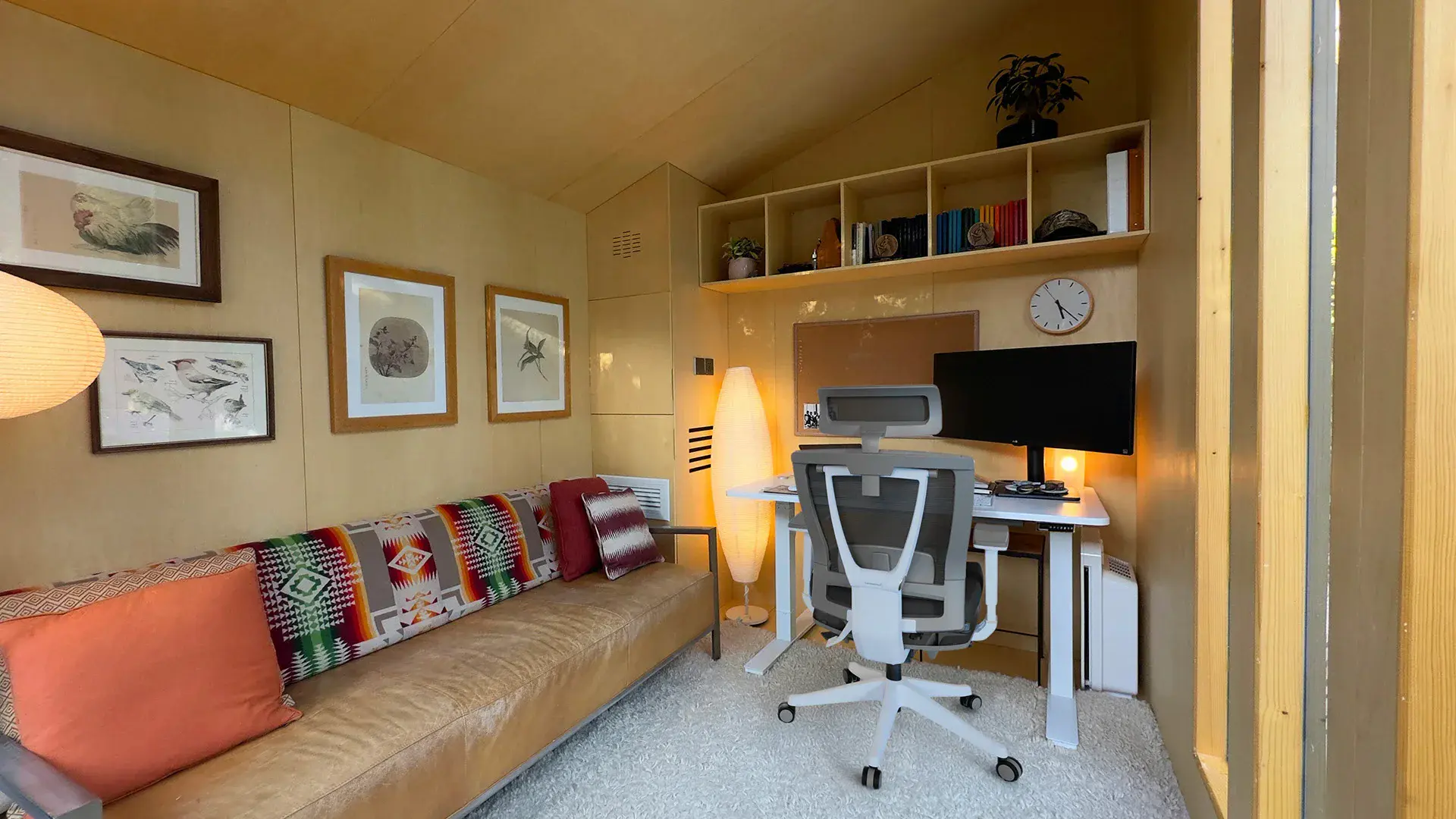
An ergonomic living room chair supports your lower back, neck, and hips while you relax, so a long evening of reading or watching TV does not leave you stiff. There are two kinds worth knowing: supportive recliners and lounge chairs built for plush, reclined comfort, and ergonomic task-style chairs with real, adjustable lumbar support for people who want firmer back support in a chair they also work or read in. This guide covers seven of the best across both types, rated on lumbar support, recline, breathability, and how well they fit different bodies and rooms. It covers seating comfort rather than medical care, so see a professional for persistent back pain.
What makes a living room chair ergonomic
A living room chair is ergonomic when it supports your spine's natural curve instead of letting you collapse into it, so the lower back, neck, and hips stay aligned through a long sitting session.[1] Four features separate a genuinely ergonomic chair from one that only looks comfortable:
Lumbar support that holds the natural curve of your lower back. Adjustable lumbar is best, since it meets your spine where you need it; passive lumbar, common in plush recliners, is softer and less precise. For aches higher up, an office chair for upper back pain extends that support to the mid and upper spine.
Recline or tilt that lets you shift weight off your spine and change position, which relieves the pressure that builds from sitting still.
Breathable cushioning that supports without trapping heat, which matters most during the long, still sessions a living room chair is built for.
A fit for your body. Adjustable seat depth and height keep shorter and taller sitters aligned, so your thighs are supported and your feet reach the floor.
Ergonomic living room chairs at a glance
ErgoChair Pro | ErgoChair Ultra 2 | Grayson | CHITA | Nouhaus | Lounge Sofa | Yaheetech | |
Type | Ergonomic task | Ergonomic mesh | Power recliner | Swivel recliner | Massage | Foldable lounge | Budget recliner |
Lumbar | Adjustable | Flex-frame | Passive | Passive | Passive | Passive | Passive |
Best for | Firm support | Breathable, shorter sitters | TV and lounging | Small rooms | Built-in massage | Space-saving | Budget |
Capacity | 300 lb | 320 lb | 330 lb | 350 lb | 265 lb | 250 lb | 265 lb |
The 7 best ergonomic living room chairs
1. Autonomous ErgoChair Pro, best for firm lumbar support
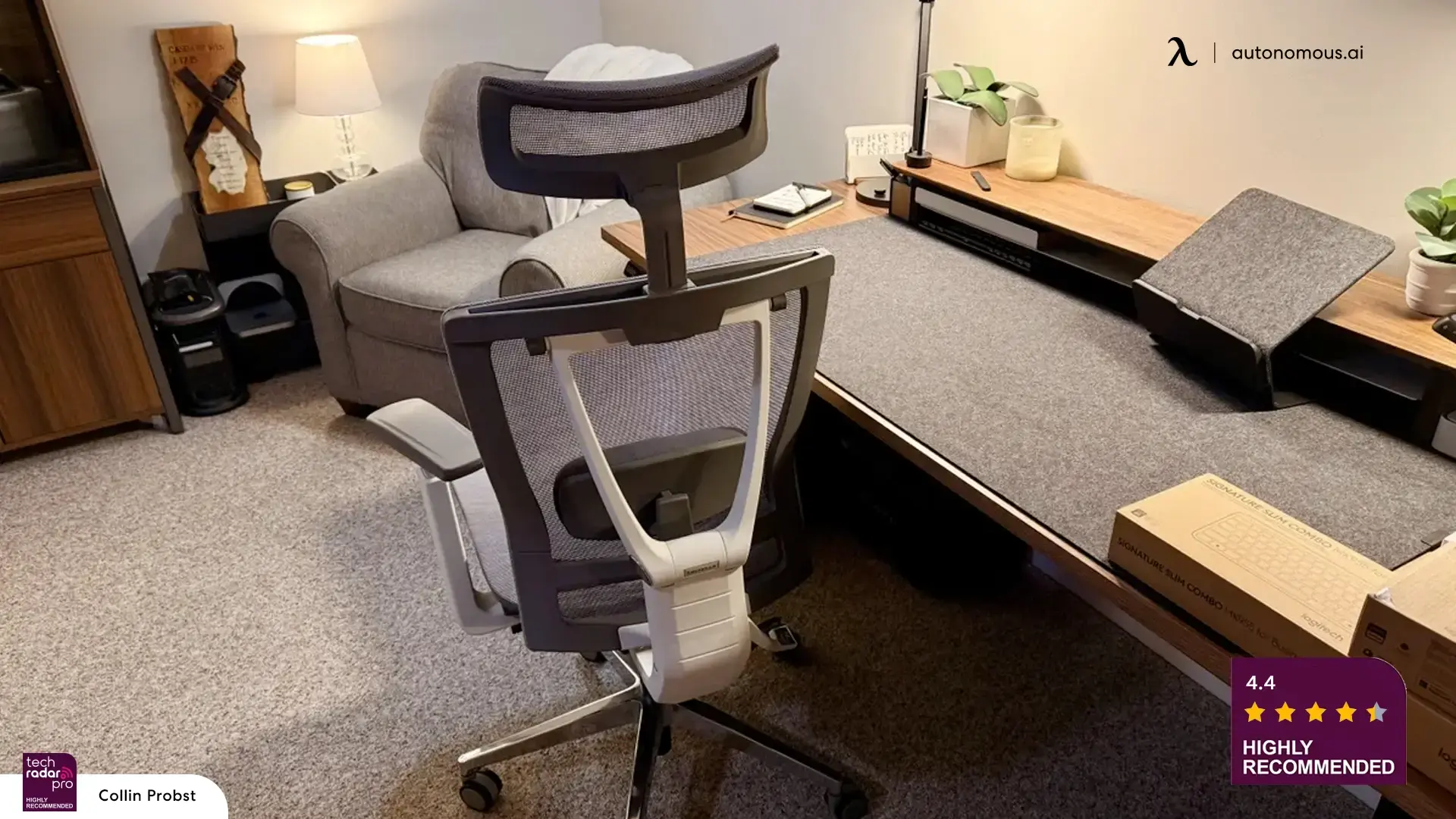
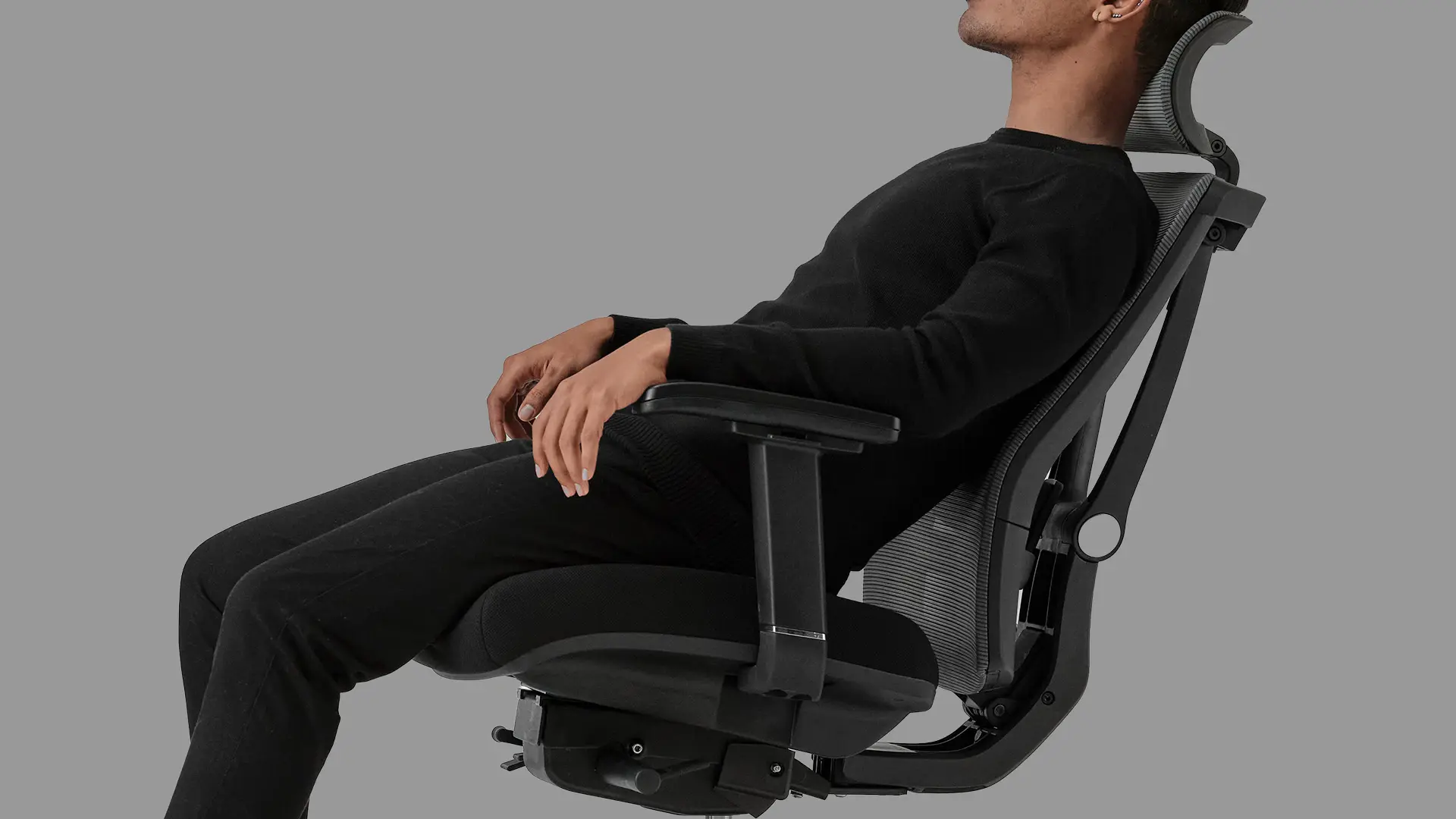
The ErgoChair Pro is the pick for people who want genuine, adjustable lumbar support in a living room chair rather than the soft, vague support of a plush recliner. Its lumbar slides up and down so you can set it exactly on your lower back, and the synchro-tilt reclines the back further than the seat to keep your thighs supported as you lean into a 22-degree recline for reading or TV.
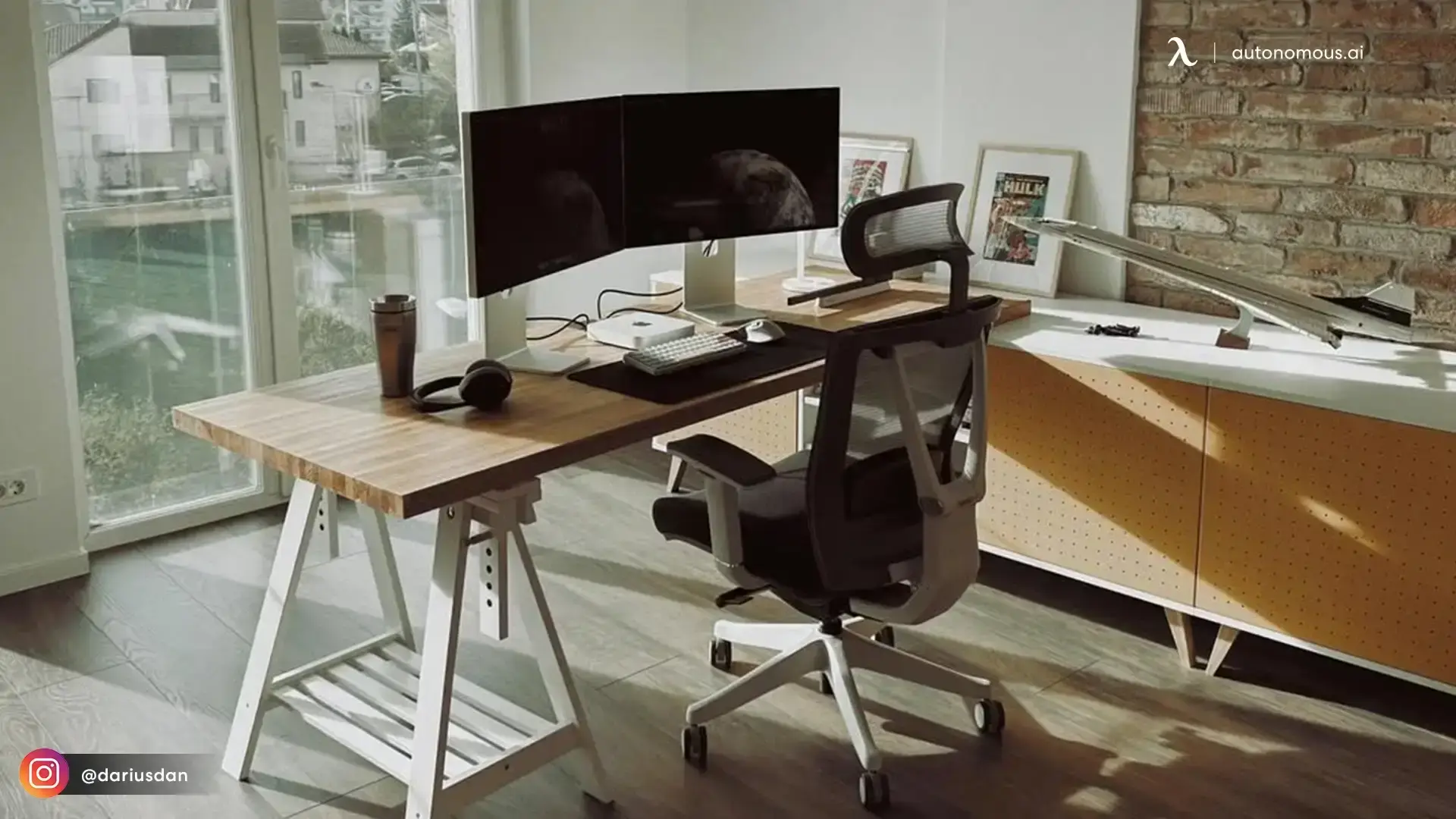
It is an office-style ergonomic chair, so you sit more upright than in a lounger, which is the point for a reading nook or a living room office. The molded-foam seat is firm yet cushioned, seat depth adjusts to support your thighs, and the headrest and 3D arms fine-tune the fit. It holds up to 300 pounds and carries a lifetime frame warranty. Use the code BLOGFIRST5 for an extra 5% off.
Pros:
- Sliding lumbar you position precisely, rare in a living room chair
- Synchro-tilt recline plus seat-depth, headrest, and 3D arms for a tailored fit
- Lifetime frame warranty
Keep in mind: it is an upright ergonomic chair, not a deep lounger, so it suits reading and light work more than fully reclined napping.
2. Autonomous ErgoChair Ultra 2, best breathable pick
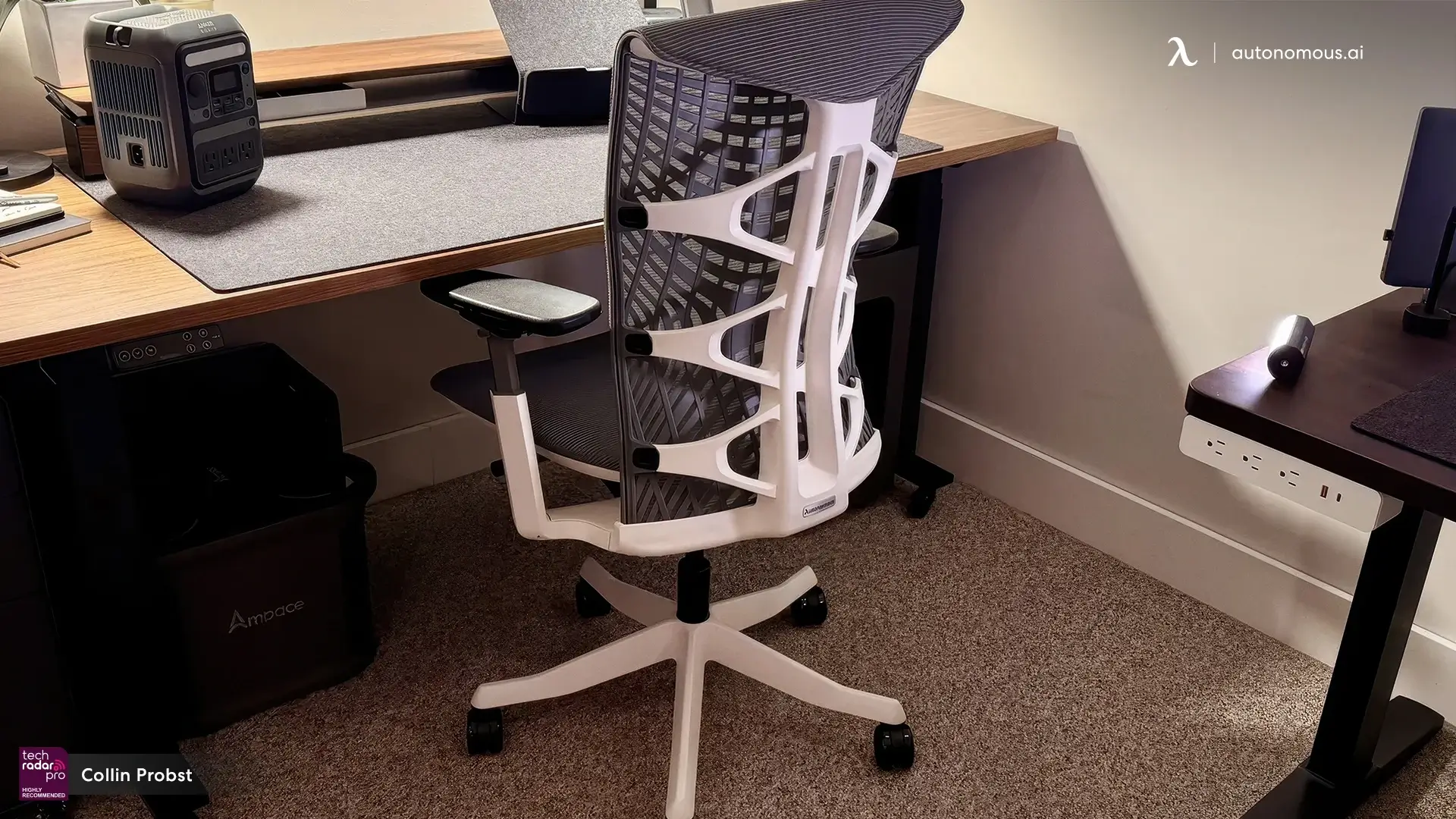
The ErgoChair Ultra 2 is the coolest-running chair here, because its all-mesh back and four-layer webbing-and-spring seat let air move where a foam recliner traps heat. For the long, still sessions a living room chair is built for, that airflow keeps you from overheating during a movie marathon, an afternoon of reading, or a living room gaming setup.
It supports the spine differently from the Pro: a lumberless flex-frame with 62 pressure nodes flexes and tracks your back as you shift, so support follows your movement rather than staying fixed. It is also the most shorter-friendly option here, with an 18-inch minimum seat height and adjustable seat depth that keep smaller sitters aligned with their feet flat, something most recliners cannot do. The 4D arms, 25-degree recline, 320-pound capacity, and lifetime warranty round it out.
Pros:
- All-mesh, breathable seat and back for warm rooms and long sessions
- Flex-frame back adapts as you move; 4D arms and seat depth for a precise fit
- Low 18-inch minimum seat height suits shorter sitters, plus a lifetime warranty
Keep in mind: like the Pro it is an upright ergonomic chair rather than a plush recliner, so choose it for support and airflow over deep-lounge softness.
3. Eureka Grayson Power Recliner, best for TV and lounging
The Eureka Grayson is the best full recliner here for TV and unwinding, with a power footrest and backrest that glide to any angle at the touch of a button. The plush chenille upholstery and oversized, widened cushions make it easy to sink in, and the extended backrest gives head and neck support that many recliners skip.
It swivels 270 degrees with a gentle rocking motion, and a built-in USB port keeps your phone charged without getting up. The sturdy metal frame passed a 25,000-cycle durability test, so it is built to last. The honest trade-off is back support: like most recliners its lumbar is passive and plush rather than adjustable, so it is a lounging chair first and a posture chair second.
Pros:
- Power recline, 270-degree swivel, rocking motion, and a USB port
- Extended backrest supports the head and neck; 330 lb capacity
- Durability-tested frame and plush chenille comfort
Cons:
- Passive, non-adjustable lumbar, so less precise back support than a task chair
- Large footprint and a premium price around $770
4. CHITA Reclining Swivel Chair, best for small rooms and shorter sitters
The CHITA reclining swivel chair is the best fit for smaller rooms and shorter sitters, needing only 11 inches of wall clearance to recline and offering an adjustable headrest that slides to your height and pushes forward for neck support when fully reclined. The double-layer foam back cushions your spine while still feeling supportive rather than stiff.
Its memory swivel rotates a full 360 degrees but always returns to the same starting position, which keeps a compact chair from spinning loosely in a tight space. The upholstery spot-cleans easily, and the 350-pound capacity handles larger users despite the smaller footprint. As with other recliners the lumbar is passive, so pair it with a small cushion if you want firmer lower-back support.
Pros:
- Compact, needs only 11 inches to recline, ideal for small rooms
- Height-adjustable headrest and 360-degree memory swivel
- 350 lb capacity and easy-clean upholstery
Cons:
- Passive lumbar rather than adjustable support
- Premium price around $1,000
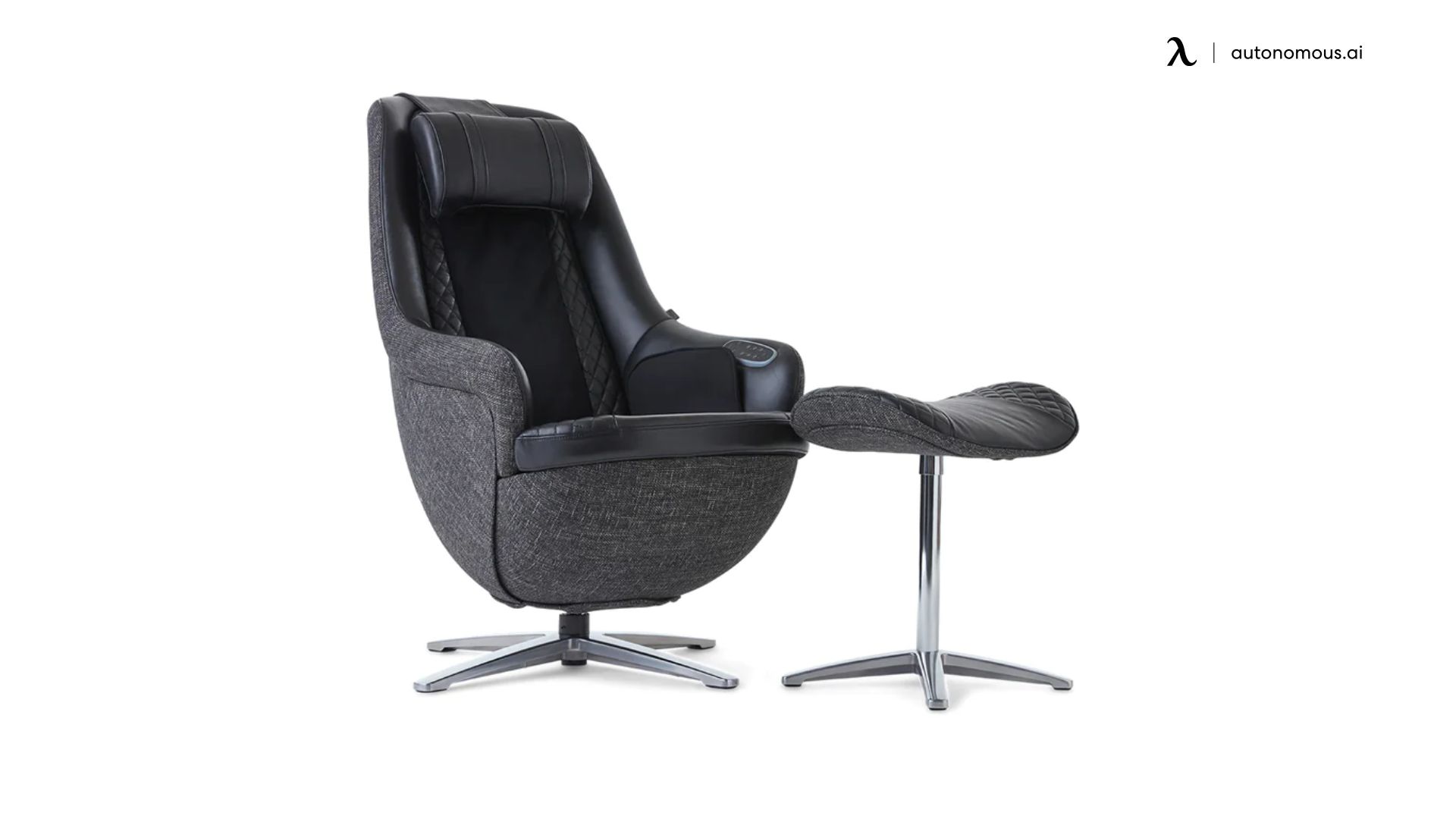
5. Nouhaus Modern Massage Chair, best for built-in massage
The Nouhaus is the pick if you want built-in massage without a spaceship-sized frame, with spine rollers that work from the neck to the lower back at 35 kneads per minute plus spot-massage settings for a single area. Its bowl-shaped, compact design tucks into a corner where full-size massage chairs cannot.
The curved shape wraps around you, and the well-padded genuine-leather seat stays comfortable and resists the sweatiness of cheaper leather. A 45-degree swivel and an included ottoman round it out, and the ottoman doubles as extra seating. The honest note is that massage aids relaxation and circulation but is not the same as adjustable ergonomic support, and the armrests are fixed, so treat it as a comfort-and-massage chair rather than a posture chair.
Pros:
- Built-in neck-to-lower-back massage in a compact, corner-friendly frame
- Genuine leather that resists heat buildup, plus a swivel and ottoman
- Wrap-around shape that feels supportive when you are tired
Cons:
- Massage is not a substitute for adjustable lumbar support
- Fixed armrests and a lower 265 lb capacity
6. Ergonomic Lounge Sofa Chair, best for saving space
The Ergonomic Lounge Sofa Chair is the best space-saver, folding flat and weighing just 28 pounds, so it suits small living rooms and multi-use spaces you occasionally want to clear. A five-position recline lets you set your angle for working, relaxing, or a video call, and the 360-degree swivel rotates smoothly and quietly.
A built-in spring seat adds cushioning that resists flattening over time, and a phone holder keeps your device in reach. It supports up to 250 pounds and feels stable in use despite its light weight. It is not a bulky, deep recliner, so choose it if you want flexible, lightweight ergonomic seating that adapts to a changing room rather than a plush lounge chair to sink into.
Pros:
- Foldable and light at 28 pounds, ideal for small or multi-use rooms
- Five-position recline, 360-degree swivel, and a non-flattening spring seat
- Handy phone holder for hands-free scrolling or watching
Cons:
- Lower 250 lb capacity and a firmer, less plush feel than a full recliner
- Basic support rather than adjustable lumbar
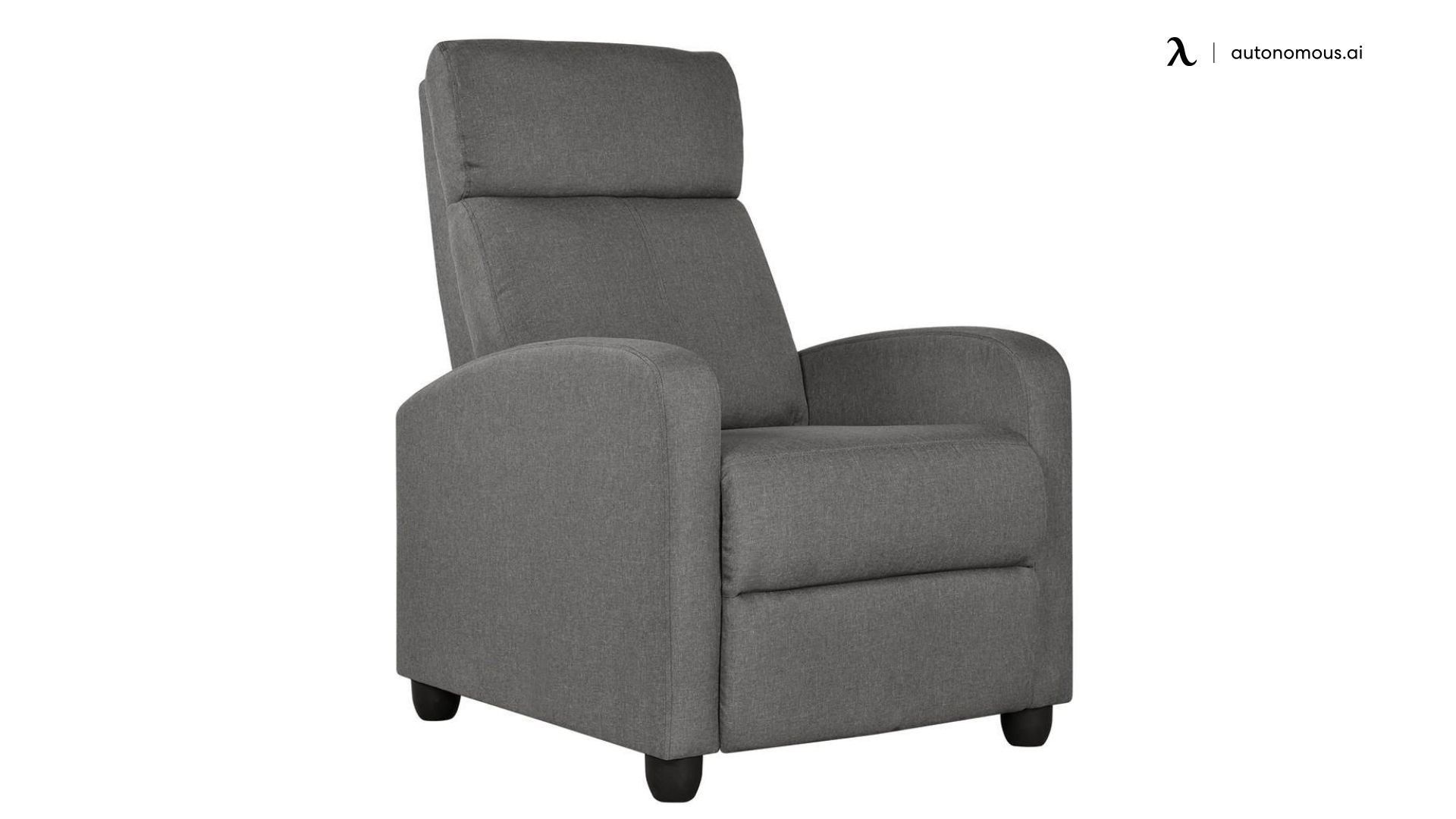
7. Yaheetech Recliner Chair, best budget pick
The Yaheetech recliner is the budget pick, delivering thick memory-foam padding and a theater-style recline at the lowest price here. A natural wood frame, high-density foam, and soft rayon upholstery give it a plush, marshmallow-soft feel that belies its cost.
Protective feet guard hardwood floors and let you slide the chair to a new spot without a two-person lift, and the removable base and backrest make assembly quick. It holds up to 265 pounds. As a budget recliner, its support is soft rather than structured, with no adjustable lumbar, so it is best for casual TV watching and relaxing rather than firm all-day back support.
Pros:
- Thick memory-foam padding and a theater-style recline at a low price
- Floor-protective feet and an easy, tool-light assembly
- Soft, comfortable build for casual lounging
Cons:
- Soft support with no adjustable lumbar
- Lower 265 lb capacity and a basic recline mechanism
How to choose an ergonomic living room chair
Match the chair to how you will actually use it, because the best ergonomic living room chair depends on whether you want firm back support or plush relaxation.
Start with support.
If you have back pain, want good posture while watching TV, or plan to work or read in the chair, prioritize adjustable lumbar support. Task-style chairs like the ErgoChair line give the most precise lower-back support, and an orthopedic office chair for back pain is worth a look if you want support built around a specific ache. If you prefer a recliner, look for an extended backrest and firmer cushioning rather than soft, sink-in foam.
Fit the chair to your body.
Shorter sitters should look for a low seat height and adjustable seat depth so their feet reach the floor and their thighs stay supported. Taller sitters need an extended backrest for full spinal contact.
Fit the chair to the room.
Compact swivel recliners and foldable lounge chairs suit small or multi-use spaces, while a full power recliner needs clearance to extend. If the chair shares a combined living room and office, a supportive task-style chair does double duty.
Set a budget.
Ergonomic living room chairs run from around $200 for a simple recliner to over $1,000 for premium recliners and adjustable ergonomic chairs, so decide which features you will actually use before you spend.
FAQs
What is the best ergonomic living room chair for back pain?
The best ergonomic living room chair for back pain has adjustable lumbar support that meets your lower back precisely, plus a recline that shifts weight off your spine. Task-style chairs like the ErgoChair Pro offer the most adjustable support, while a firm recliner with an extended backrest suits people who want to lounge.
Are recliners good for your back and posture?
Recliners can relieve spinal pressure by shifting your weight back, which helps after a long day, but most have soft, passive lumbar support rather than adjustable support. For posture while watching TV, choose a recliner with an extended backrest and firmer cushioning, or add a small lumbar cushion.
What is the best ergonomic living room chair for a short person?
Shorter sitters should prioritize a low seat height and adjustable seat depth so feet stay flat and thighs stay supported. The ErgoChair Ultra 2 has a low 18-inch minimum seat and seat-depth adjustment, and compact swivel recliners like the CHITA also suit smaller frames and rooms.
Can an office chair be used in a living room?
Yes. A well-designed ergonomic office chair works well in a living room, especially in a combined living-room office or a reading nook, and it gives firmer, more adjustable back support than most recliners. Choose one with clean styling and breathable materials so it fits the space and stays cool.
What is the difference between an ergonomic and an orthopedic living room chair?
Ergonomic chairs are designed to support natural posture and adjust to your body, while orthopedic is a marketing term for chairs aimed at relieving specific aches. In practice, look past the labels for real features: adjustable lumbar support, seat-depth adjustment, a supportive recline, and breathable cushioning.
How much does an ergonomic living room chair cost?
Ergonomic living room chairs typically range from about $200 for a basic recliner to over $1,000 for premium recliners and fully adjustable ergonomic chairs. Mid-range options around $400 to $800 usually balance real support and comfort without the top-tier price.
Conclusion
The best ergonomic living room chair is the one that matches how you sit: a task-style ErgoChair when you want firm, adjustable lumbar support for reading, working, or good posture at the TV, or a supportive recliner when plush, reclined relaxation comes first. Whichever you choose, prioritize real lumbar support and a fit for your body over looks alone, support it with exercises for lower back pain, and if back pain persists, treat it as a reason to see a professional rather than a seating problem to solve on your own.
References
- Cleveland Clinic. Back health, posture, and choosing a supportive chair. https://my.clevelandclinic.org
- Mayo Clinic. Back pain and sitting posture. https://www.mayoclinic.org
- Occupational Safety and Health Administration (OSHA). Seated posture and lumbar support guidance. https://www.osha.gov/etools/computer-workstations/components/chairs