How to Choose Office Chair Covers That Fit Perfectly

.webp)
Table of Contents
Office chair covers are a simple yet practical way to protect office seating while keeping a workspace clean and presentable. Designed to shield chairs from daily wear, spills, and dust, they help extend the life of office furniture without changing the chair itself.
Beyond protection, office chair covers can also refresh the look of an aging chair and support better hygiene, especially in shared or home office setups. Choosing the right cover depends on factors such as fit, material, and how the chair is used throughout the day.
What Are Office Chair Covers?
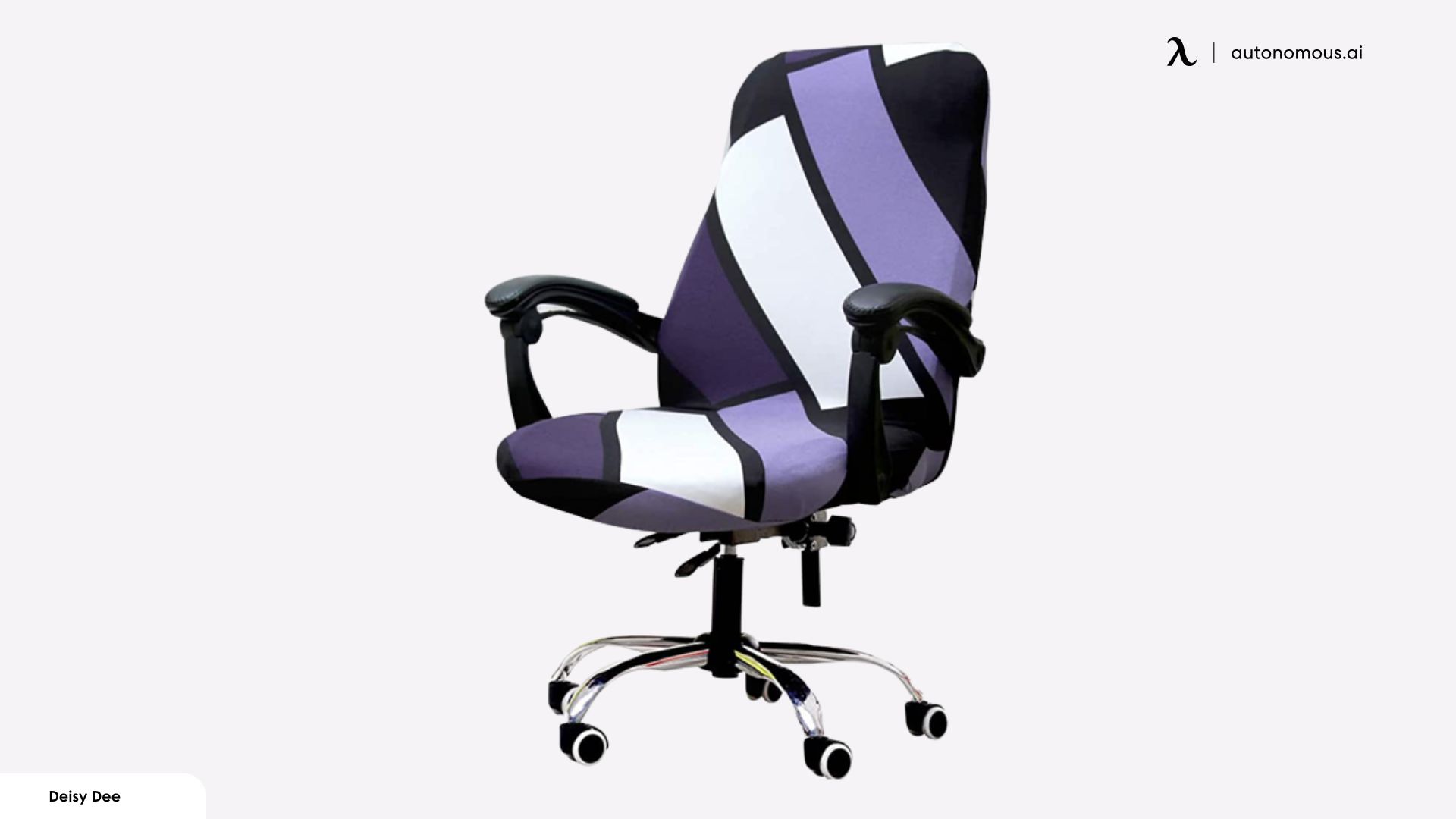
Office chair covers are removable fabric or material layers designed to fit over different parts of an office chair, such as the seat, backrest, armrests, or headrest. Their main purpose is to protect the original office chair upholstery while letting users refresh the chair's look or maintain better hygiene over time.
Depending on the design, an office chair covering may be made for the seat only, function as a cover for office chair seat and back, or provide more complete coverage, including office chair covers with arms or office chair headrest covers. Many modern options, such as stretchable office chair covers, are designed to adapt to common office chair shapes without requiring exact measurements.
Materials can range from fabric blends to leather office chair covers, each suited to different environments and usage needs. Some users also explore a diy desk chair cover as a custom or budget-friendly solution, especially for non-standard chair sizes.
Why Use Office Chair Covers?
Office chair covers are typically used as a practical layer between the user and the chair’s original upholstery. They solve specific, everyday problems that arise in real work environments.
- Protect high-contact areas that wear out first:
Seat surfaces and front edges take the most abuse. A cover for an office chair seat reduces fabric thinning, peeling, and the discoloration that comes from hours of pressure and movement, long before the rest of the chair shows any wear. It also helps reduce friction that contributes to the office chair butt, a common issue from prolonged sitting.
- Make cleaning easier in shared or home offices:
Office desk chair covers can be tossed in the wash whenever needed. No professional upholstery cleaning, no scrubbing. Especially useful in shared workspaces or home offices where chairs face coffee spills, pet hair, or sticky fingers.
- Keep things hygienic without permanent changes:
An office chair covering comes off, gets washed, and goes back on. The chair stays cleaner over time without added padding or treatments that alter how it feels. For anyone wondering how to stop bum sweat on chairs, breathable cover materials can also improve airflow against the seat.
- Adapt coverage to how the chair is used:
Not every chair needs full coverage. Stretchable office chair covers work well on curved backs, while office chair covers with arms or office chair headrest covers target high-touch zones that collect oils and grime fastest.
- Delay the need for chair replacement:
If the frame and mechanics are fine but the upholstery looks rough, a cover buys you more time, practical for offices managing dozens of workstations without the budget for full replacements.

Types of Office Chair Covers
Different covers protect different parts of the chair. The right choice comes down to where your chair actually takes a beating, not aesthetics.
1. Seat-Only Covers
An office chair seat cover targets the highest-wear zone: where pressure and friction hit hardest, day after day. Best for chairs that are structurally fine but show staining or fabric breakdown on the seat itself. They're also the easiest to pull off and wash, which makes them a go-to for busy offices.
2. Backrest and Full Chair Covers
When wear extends beyond the seat, office desk chair covers that include the backrest offer more complete protection. Mesh chairs and fabric backs suffer from constant leaning, full coverage handles that. Stretchable office chair covers tend to work best here since they conform to curved or contoured shapes without bunching.
3. Armrest Covers
Armrests collect skin oils, sleeve friction, and general grime faster than most people expect. Office chair covers with arms, either integrated or sold separately, shield these high-touch surfaces. Shared workspaces see the fastest armrest wear, making these covers especially practical for multi-user setups.
4. Headrest and Specialized Covers
For office chairs with headrests, a dedicated headrest cover adds targeted protection without requiring full-chair coverage. And for non-standard shapes or older models that don't fit universal sizes, a DIY desk chair cover gives you flexibility that off-the-shelf options can't.
Every type of office chair covering solves a specific wear pattern, pick based on where your chair actually needs help, not a generic "full protection" assumption.
Common Materials Used in Office Chair Covers
The material of an office chair cover plays a major role in how it feels, wears, and performs over time. Different materials are suited to different work environments, chair designs, and cleaning routines, so understanding these differences helps narrow down the right option.
- Fabric and Polyester Blends
Fabric-based office chair covers are widely used in both home and professional offices. They tend to be breathable and comfortable for long sitting sessions, making them a practical choice for everyday use. Many office desk chair covers made from polyester blends balance durability with ease of care, as they are often machine washable and resistant to light fading.
- Stretchable and Spandex Materials
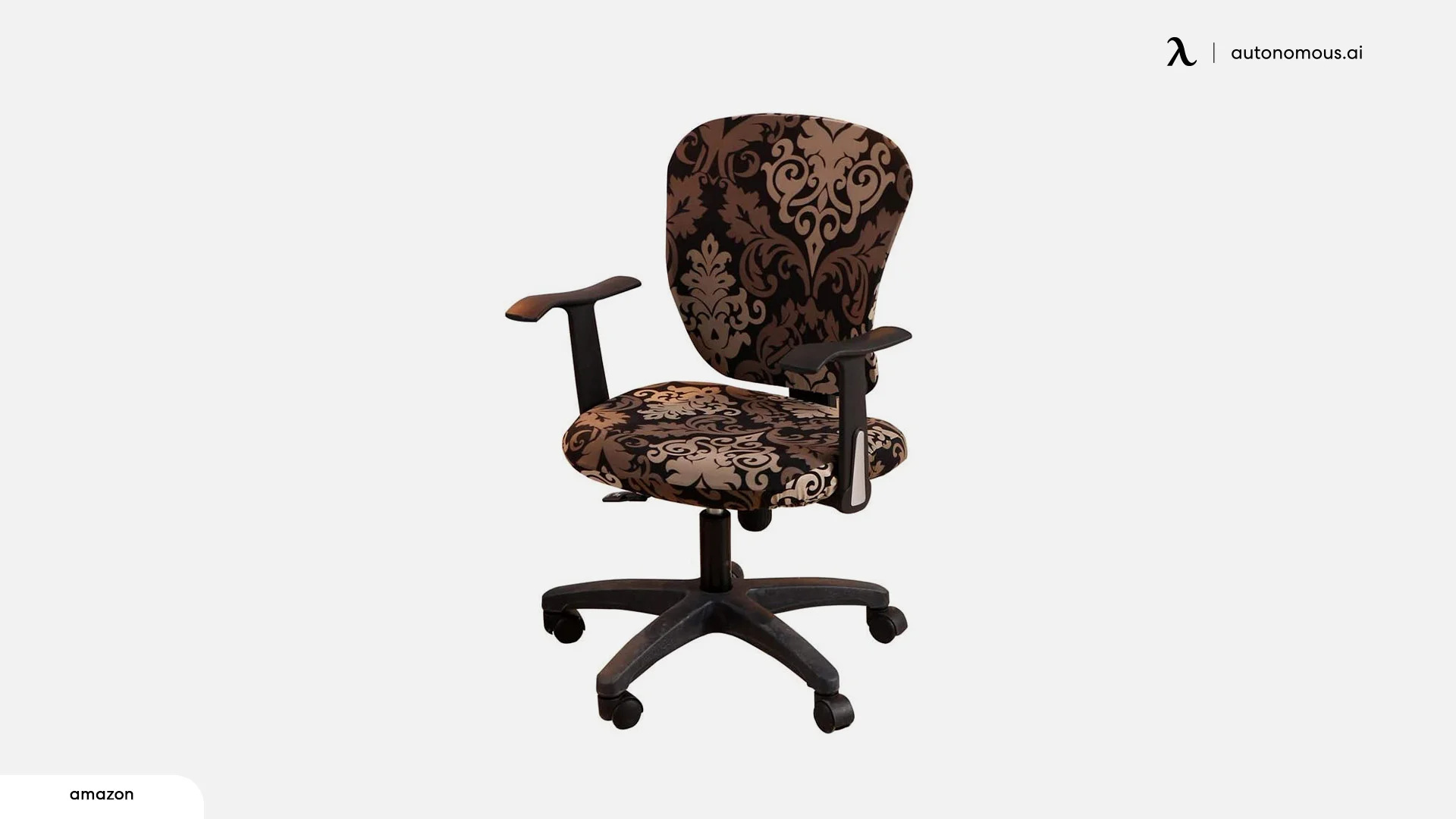
Stretchable office chair covers are designed to adapt to a range of chair shapes and sizes. Their elasticity allows them to fit snugly over seats, backrests, and even arm areas without slipping. This flexibility makes them useful for chairs with curved backs or integrated armrests, where a standard office chair covering may not fit cleanly.
- Mesh and Breathable Materials
Mesh-style covers focus on airflow rather than insulation. These office chair covers are typically chosen for warmer environments or for users who sit for long hours and prefer less heat buildup. While lighter in structure, they still provide a protective layer over the chair’s surface.
- Waterproof and Water-Resistant Materials
Some office chair covers are made with coatings or tightly woven materials that resist moisture. These are useful for protecting the chair from spills or accidental stains, especially in multi-use spaces. They are often easy to wipe down, though they may feel less breathable than fabric options.
- Leather and Vinyl Covers
Leather office chair covers and vinyl alternatives are chosen primarily for appearance and surface protection. They offer a smooth finish that resists stains and can be wiped clean quickly. However, these materials may retain heat and feel less flexible than stretchable fabrics, making them better suited for shorter sitting periods or more formal office settings.
Office Chair Covers vs. Seat Cushions
Office chair covers and seat cushions are often confused because both relate to comfort and chair maintenance, but they serve different purposes. Understanding this distinction helps users choose the option that actually solves their problem.
Office chair covers are designed primarily for protection and maintenance. They create a removable layer over the chair’s original upholstery, helping reduce wear, staining, and surface damage. A cover for an office chair seat, for example, is useful when the seat fabric is thinning or discolored but the chair itself is still structurally sound. Office desk chair covers are also easier to clean, making them practical for shared workspaces or home offices.
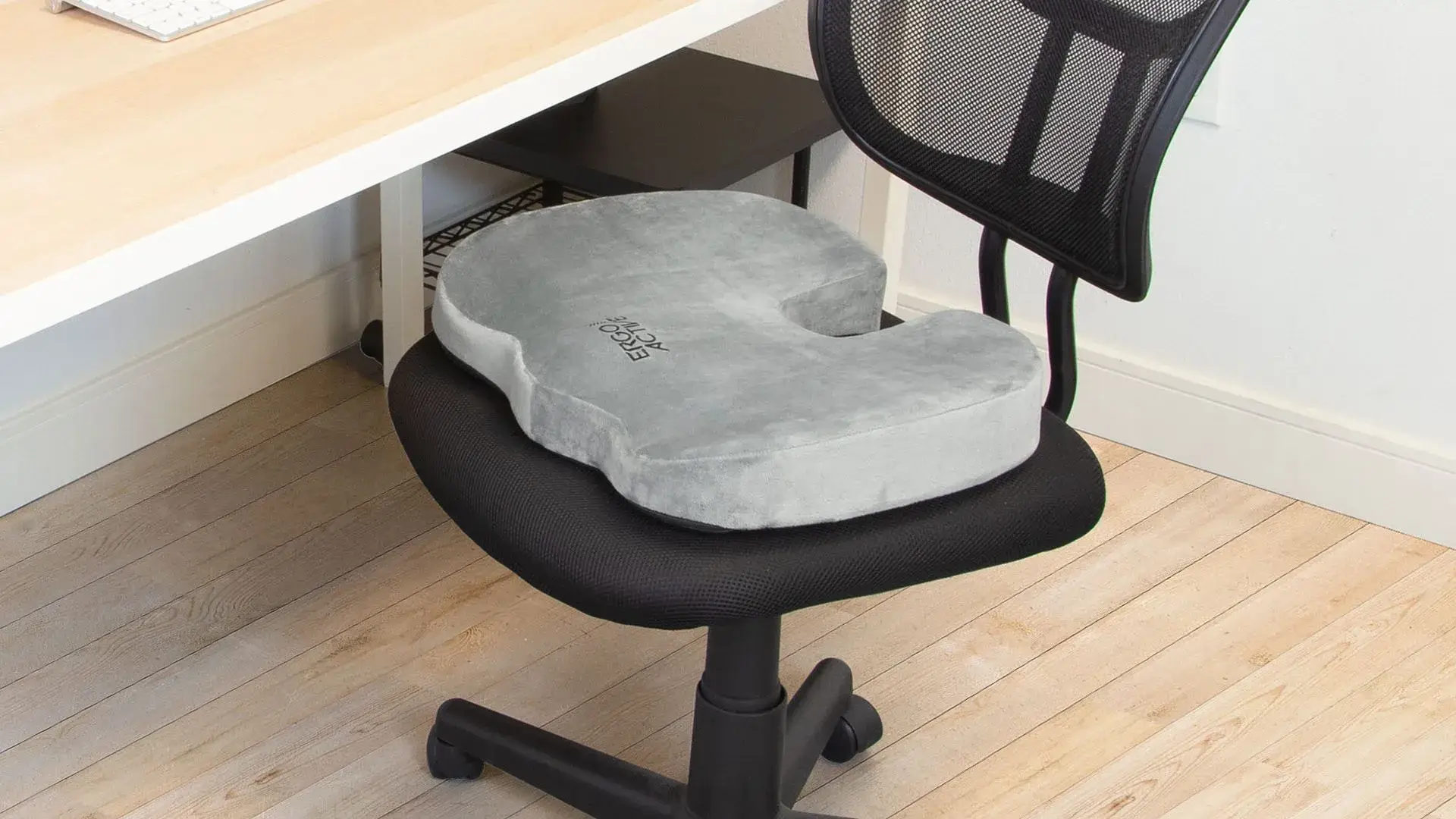
Seat cushions, on the other hand, focus on changing how the chair feels. They add height, softness, or pressure relief but do not protect the underlying chair from wear. Cushions are typically placed on top of the seat and removed when not needed, which means the original upholstery remains exposed during regular use.
In many setups, the choice depends on the goal:
- Choose office chair covers when the priority is protecting, refreshing, or extending the life of a chair.
- Choose seat cushions when additional padding or support is needed.
In some cases, users combine a thin office chair covering with a cushion to address both surface protection and comfort without replacing the chair.
How to Measure an Office Chair for a Cover
To choose office chair covers that fit properly, you only need a tape measure and a flat surface. The goal is to confirm whether a cover will stay in place during daily use—not to measure every curve of the chair.
What to Prepare
Before measuring, place the chair on a level floor and remove any existing cushions or accessories. Use a soft measuring tape for accuracy.
- Quick Size Reference:
Size | Seat Width | Seat Depth | Best For |
Small | 16–18" | 15–17" | Compact task chairs, armless desk chairs |
Medium | 18–21" | 17–19" | Standard office chairs, most ergonomic models |
Large | 21–24" | 19–22" | Executive chairs, wide-seat gaming chairs |
Step 1: Measure the Seat (Most Important)
Write down these two numbers:
- Seat width: Measure straight across the widest part of the seat.
- Seat depth: Measure from the front edge of the seat to where it meets the backrest.
These are the two main parts of a chair that determine cover fit. If you're buying a cover for an office chair seat only, these measurements set compatibility. Choose a size range that slightly exceeds your numbers to allow the cover to grip underneath the seat.
Step 2: Measure the Backrest (If Covering the Back)
Only measure this if you plan to use office desk chair covers that include the back.
- Back height: Measure from the seat surface to the top of the backrest.
- Back width: Measure the widest point across the back.
For chairs where the back narrows toward the top, stretchable office chair covers are usually easier to fit than rigid designs.
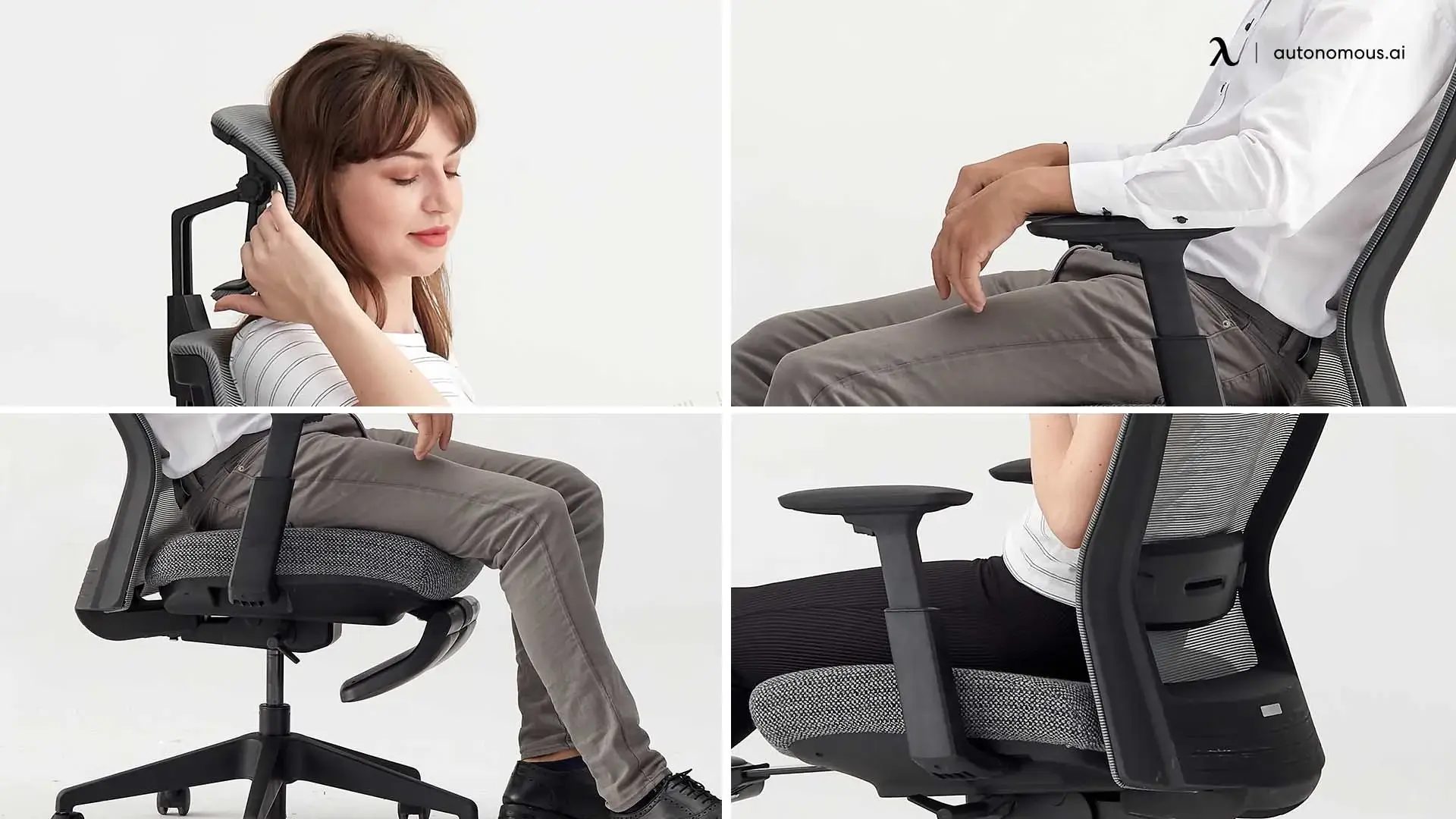
Step 3: Confirm Armrest Coverage Needs
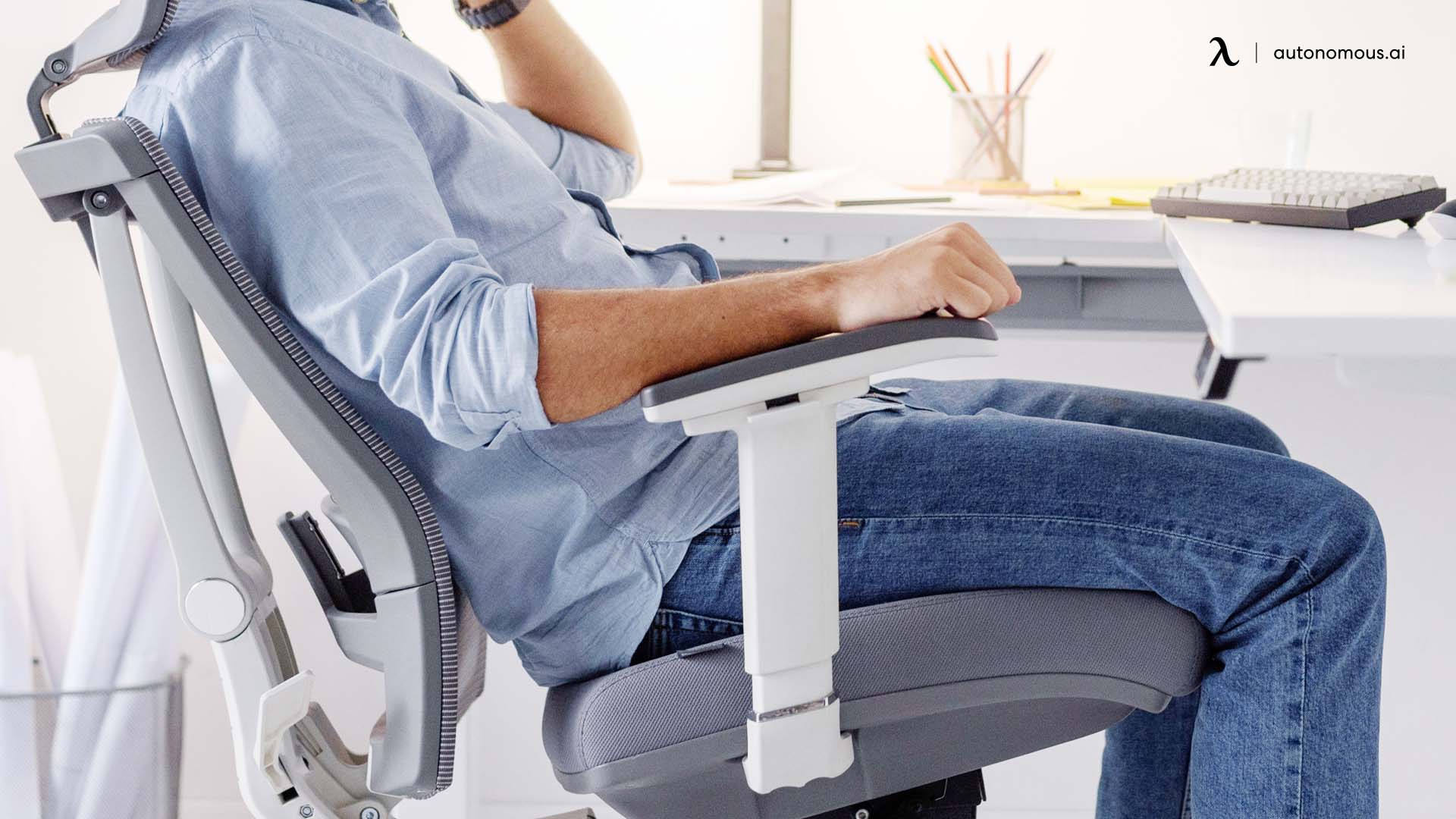
If your chair has armrests, decide whether they need to be covered before measuring. Armrests vary widely in shape and attachment, and not every cover is designed to include them. When coverage is needed, measure the length of the armrest from front to back and the width across the top surface. Office chair covers with arms need to align closely with these dimensions, as thick, fixed, or angled armrests can cause universal covers to shift or sit unevenly during use.
Step 4: Measure the Headrest Separately
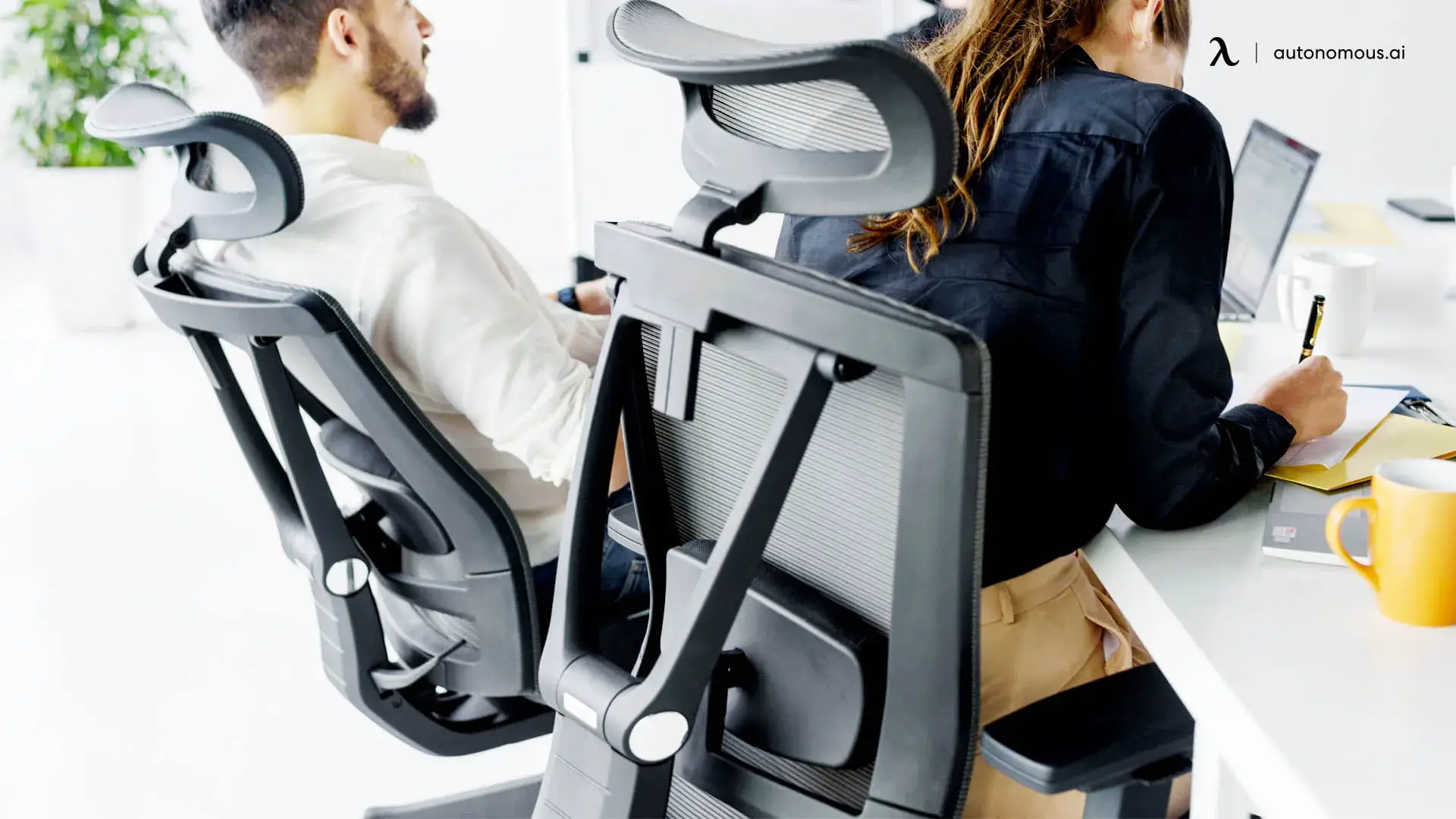
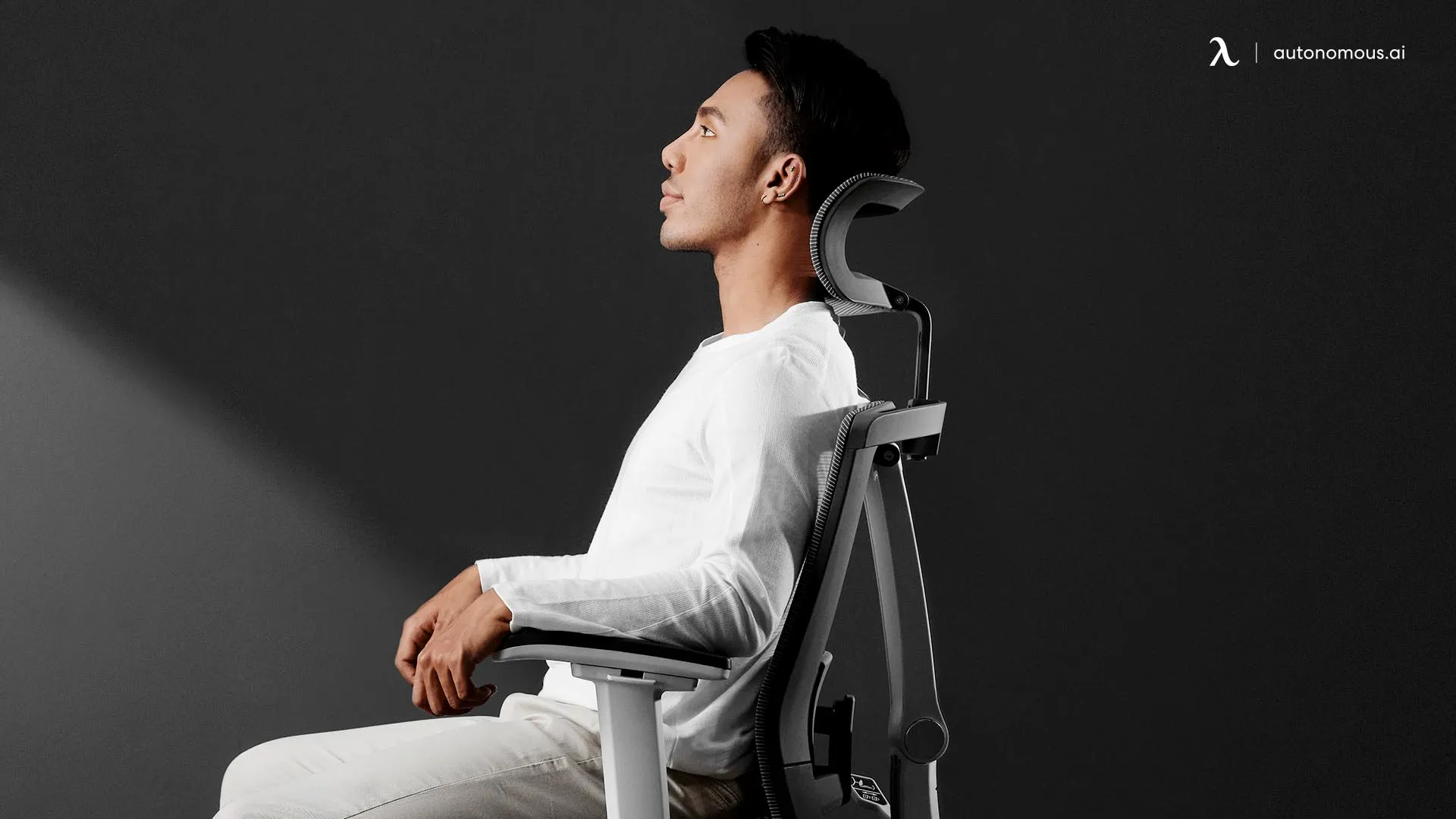
For chairs with built-in head support, treat the headrest as a separate measuring step. Measure the width and height of the headrest, noting whether it is flat or curved. Office chair headrest covers are commonly sold on their own because many full chair covers do not extend high enough without pulling the main fabric out of position.
Step 5: Check Cushion Thickness
Press down on the seat and backrest to estimate padding thickness. Chairs with thicker cushions require more elastic materials, while thinner seats may hold structured covers better. If your chair falls outside common size ranges, a DIY desk chair cover allows more control over fit.
How to Use Your Measurements
Compare your measurements to the recommended size range, not the exact dimensions listed by the manufacturer. Office chair covers are designed to stretch or overlap slightly, and choosing a size that is too exact often leads to slipping or exposed edges. If your chair falls outside standard size ranges, a DIY chair cover offers more control over fit and material choice.
Common Fit Problems With Office Chair Covers (and How to Avoid Them)
Even well-made office chair covers can perform poorly if they’re not matched correctly to the chair. Most fit issues come from a few predictable mistakes, which can usually be avoided with the right expectations.
1. Slipping or Shifting During Use
This often happens when the cover is too large or lacks elastic edges. Stretchable office chair covers tend to stay in place better on curved seats and backs, especially for chairs used for long hours. For seat-only protection, choosing a snug cover for an office chair seat with underside grip helps reduce movement.
2. Exposed Edges or Incomplete Coverage
Some office desk chair covers are designed for standard chair proportions and may not fully cover wider seats, tall backs, or armrests. Chairs with armrests or head support often require office chair covers with arms or separate office chair headrest covers to avoid leaving high-contact areas uncovered.
3. Fabric Bunching or Wrinkling
Loose fabric usually means the cover is not shaped for the chair’s design. Chairs with tapered backs or integrated frames generally work better with elastic or form-fitting materials rather than rigid covers. For irregular shapes, a diy desk chair cover can provide a cleaner fit than universal options.
4. Heat Buildup or Discomfort
Materials like leather office chair covers or vinyl can retain heat, especially in warmer environments. If breathability is a concern, lighter fabric or mesh-style covers may be more comfortable for extended sitting.
5. Covers Wearing Out Too Quickly
Rapid wear often indicates that the cover material isn’t suited to daily use. High-friction areas, such as the seat front and armrests, benefit from reinforced or thicker fabrics rather than decorative-only designs.
Understanding these common issues helps set realistic expectations and makes it easier to choose office chair covers that fit well, stay in place, and perform reliably over time.
FAQs
Do office chair covers fit all office chairs?
Office chair covers do not fit all chairs equally. Most are designed for standard office chair shapes, while chairs with wide seats, arms, or headrests may require stretchable office chair covers or separate pieces.
Are office desk chair covers machine washable?
Many office desk chair covers made from fabric or polyester blends are machine washable. Always check the care label, as leather office chair covers and waterproof materials usually require surface cleaning only.
Can office chair covers damage mesh chairs?
Office chair covers generally do not damage mesh chairs if they fit properly. Tight or non-breathable covers, however, may reduce airflow or cause unnecessary tension over time.
What is the best material for office chair covers?
The best material depends on usage. Fabric and stretchable office chair covers are common for everyday offices, while leather office chair covers are chosen for appearance and easy wipe-down cleaning.
Do office chair covers stay in place?
Well-fitted office chair covers with elastic edges or stretch materials tend to stay in place during normal use. Loose sizing is the most common cause of slipping or bunching.
Can I use a cover for the office chair seat only?
Yes, a cover for an office chair seat is commonly used when the seat surface wears faster than the rest of the chair. Seat-only covers are easier to fit and remove for cleaning.
Are office chair covers with arms necessary?
Office chair covers with arms are useful if the armrests show visible wear or frequent contact. They are especially helpful in shared workspaces where armrests deteriorate quickly.
Do office chair headrest covers come separately?
Office chair headrest covers are often sold separately because many full covers do not extend high enough. Measuring the headrest separately helps ensure proper coverage.
Conclusion
Office chair covers are a practical solution for protecting office seating, maintaining cleanliness, and extending the usable life of a chair without changing its structure. When chosen with the right fit and material, they help address common issues such as surface wear, stains, and frequent cleaning needs.
Understanding the differences between cover types, materials, and compatibility makes it easier to select an option that suits how a chair is used day to day. As one of the more versatile chair accessories, office chair covers offer a simple, low-effort way to keep chairs functional and presentable over time.