Boost Workplace Efficiency with Smart Assistant Devices

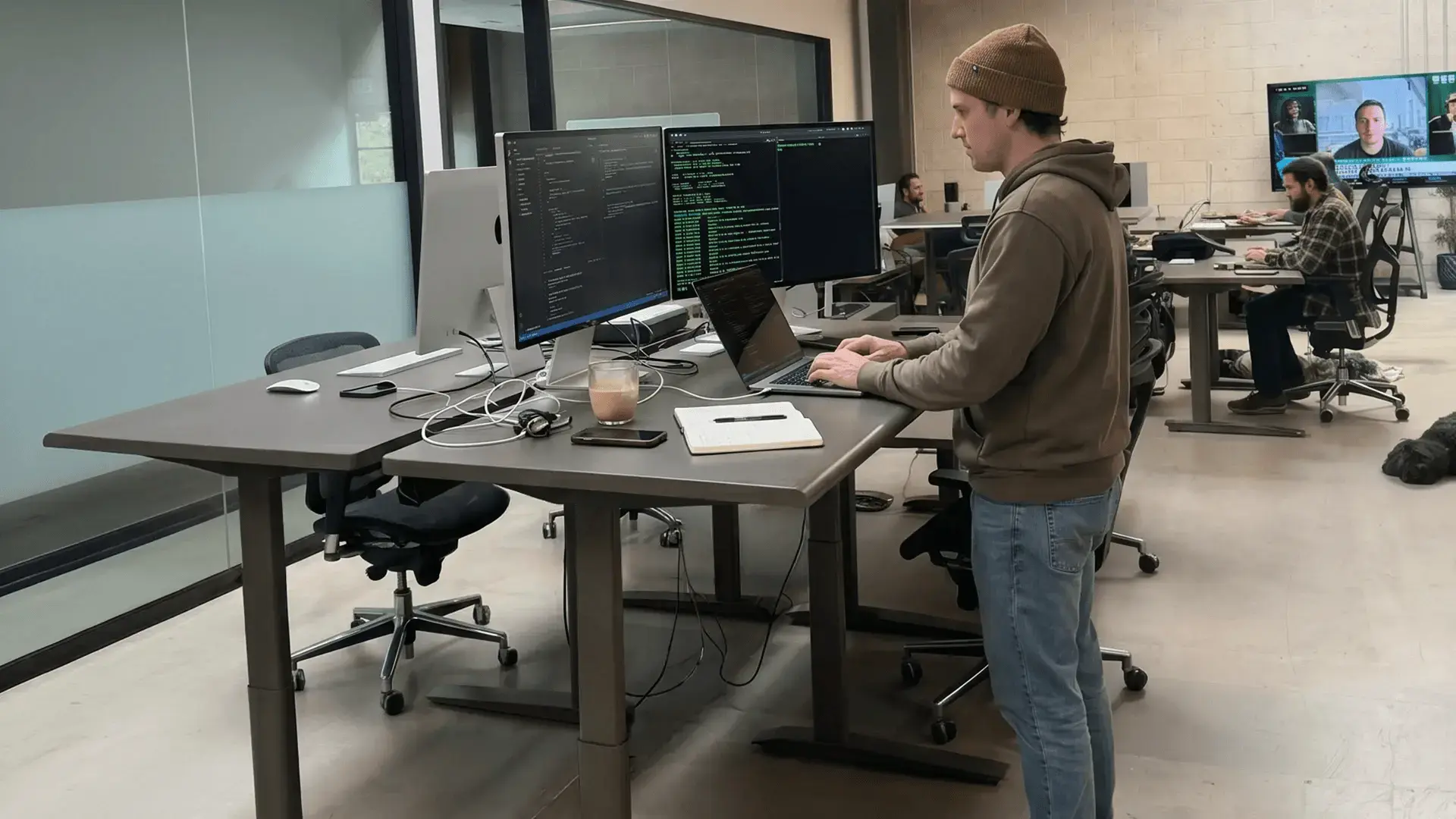
While setting up a home office, choosing smart assistant devices has become a cornerstone of productivity and efficiency. The right device can take routine tasks, like checking the calendar, adjusting lights or joining a call, off your hands.
This guide covers smart displays, speakers, meeting cameras and automation tools for a home office, then the factors to check before you buy: compatibility, the functions you need, the interface, privacy and the voice assistant.
Top Office and Home Smart Assistant Devices
The following are some of the best smart home assistant devices on the market today!
1. Autonomous Desk Pro AI
Autonomous Desk Pro AI is a standing desk you can question about your own workspace in plain language. Ask "How's the air around me?" or "How long have I been sitting?" and it answers from its own sensor data on CO2, particles, temperature, humidity, noise and stand time. The product page says nothing leaves the room.
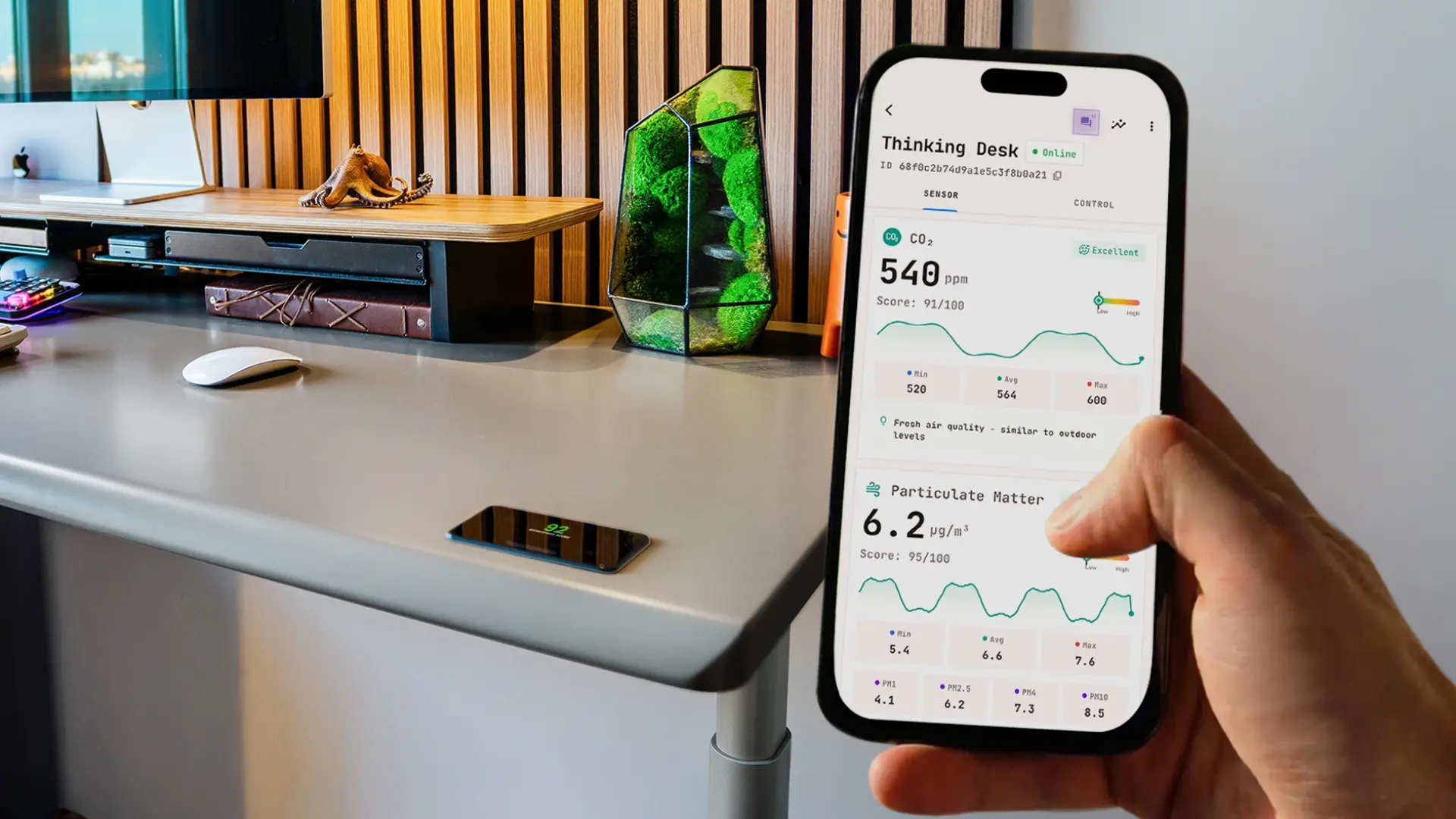
It is not a voice speaker, and it does not control lights, thermostats or other smart devices; the hubs and speakers below handle that. The desk's job is to notice when the air or your sitting time crosses a line and tell you once, with the reading and what to do.

2. Amazon Echo Show 11
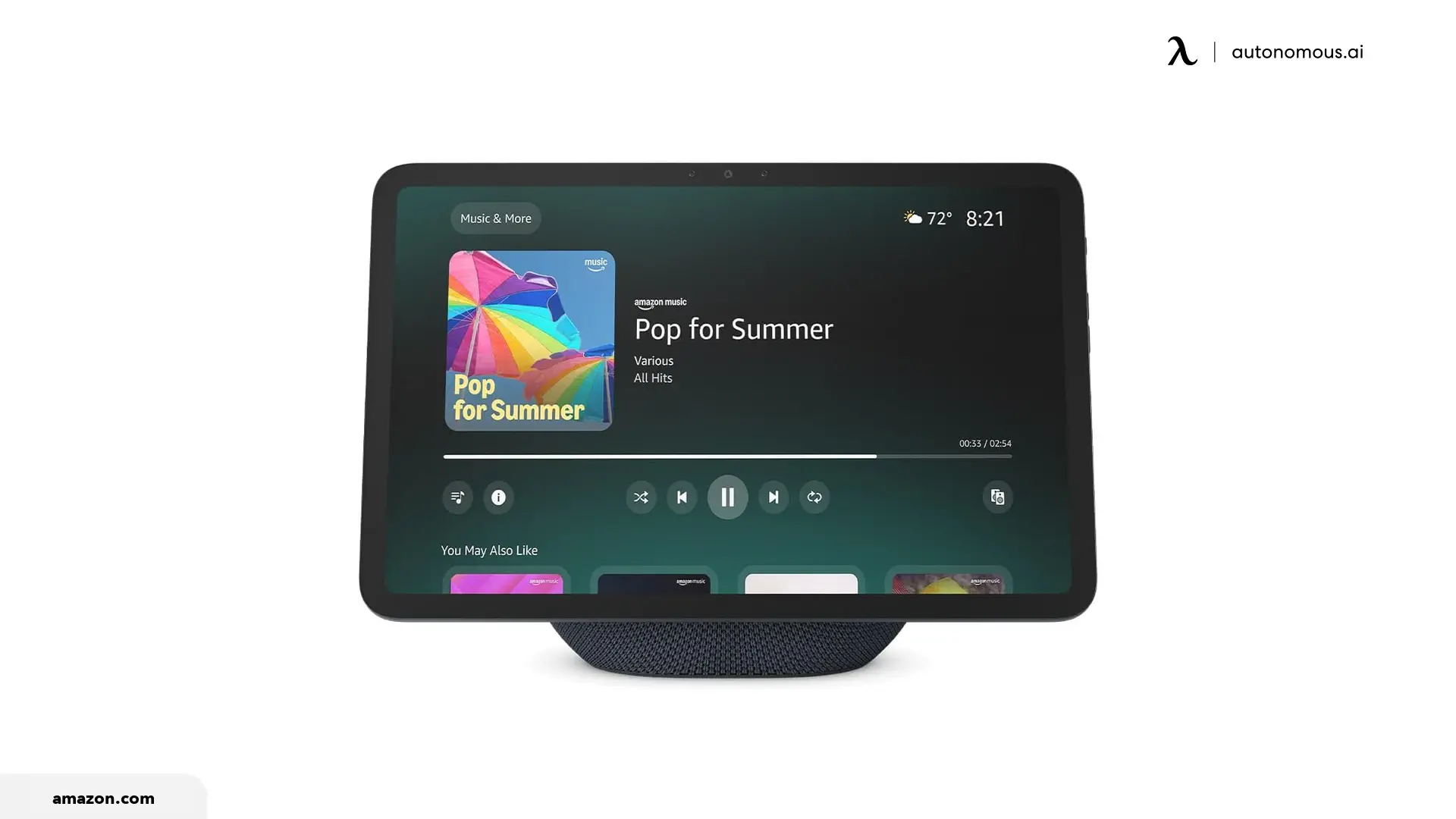
Amazon Echo Show 11 is the current 11-inch Echo smart display (the rotating Echo Show 10 is no longer in stock on Amazon), and it suits a desk where you want to see your schedule and control the room at a glance. The 11-inch Full-HD touchscreen has a built-in smart home hub, so you can manage lights, thermostats and cameras from the screen or by voice with Alexa. For calls, the centered camera auto-frames you, which helps when you lean back or shift in your chair.
3. Apple HomePod mini 2
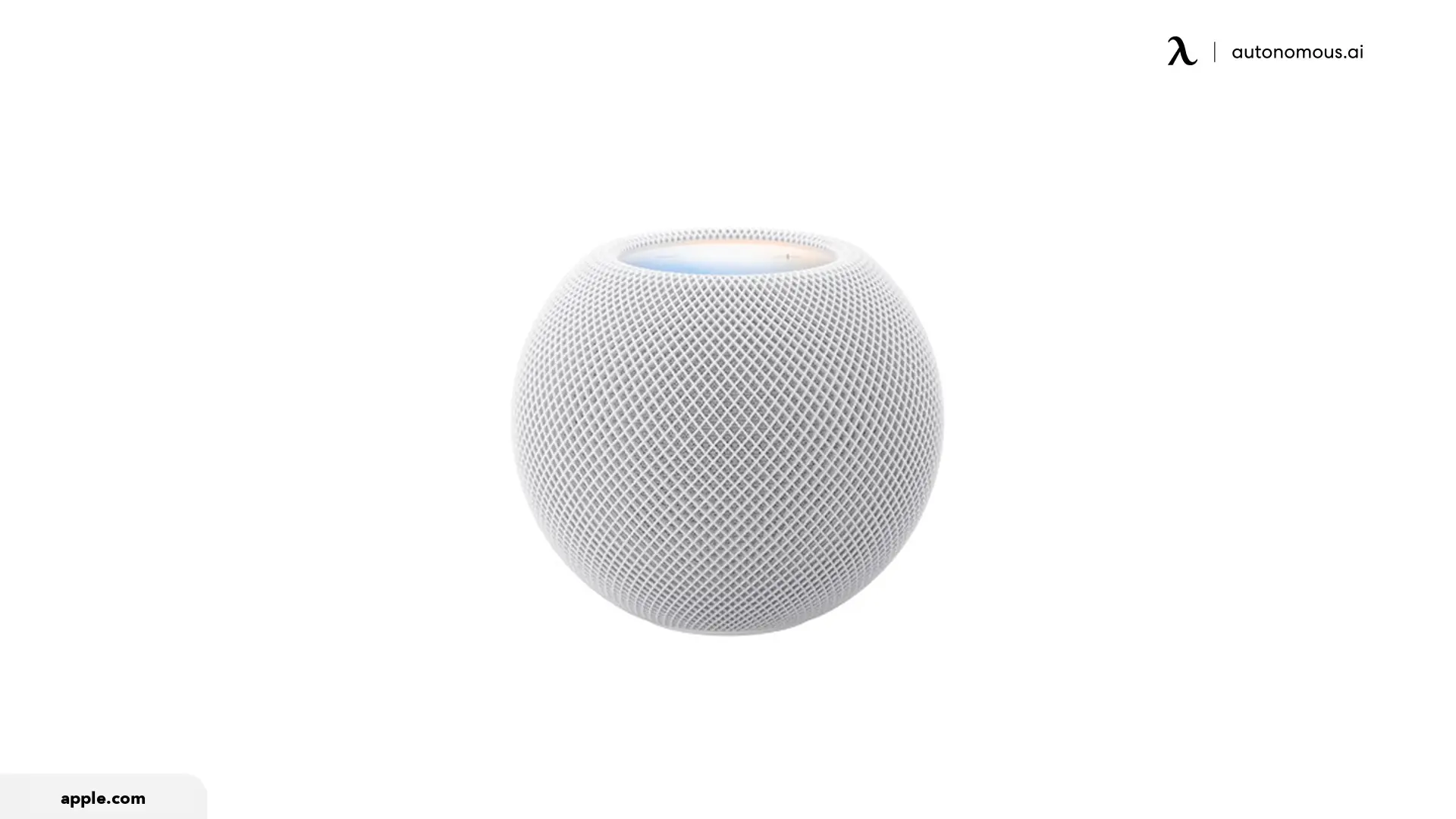
Apple HomePod mini 2 is a compact smart speaker with Siri built in, so you can control lights and other smart home devices by voice. Apple describes its sound as room-filling, and you can pair more speakers for multiroom audio. It fits best on a desk in a home that already runs on Apple devices.
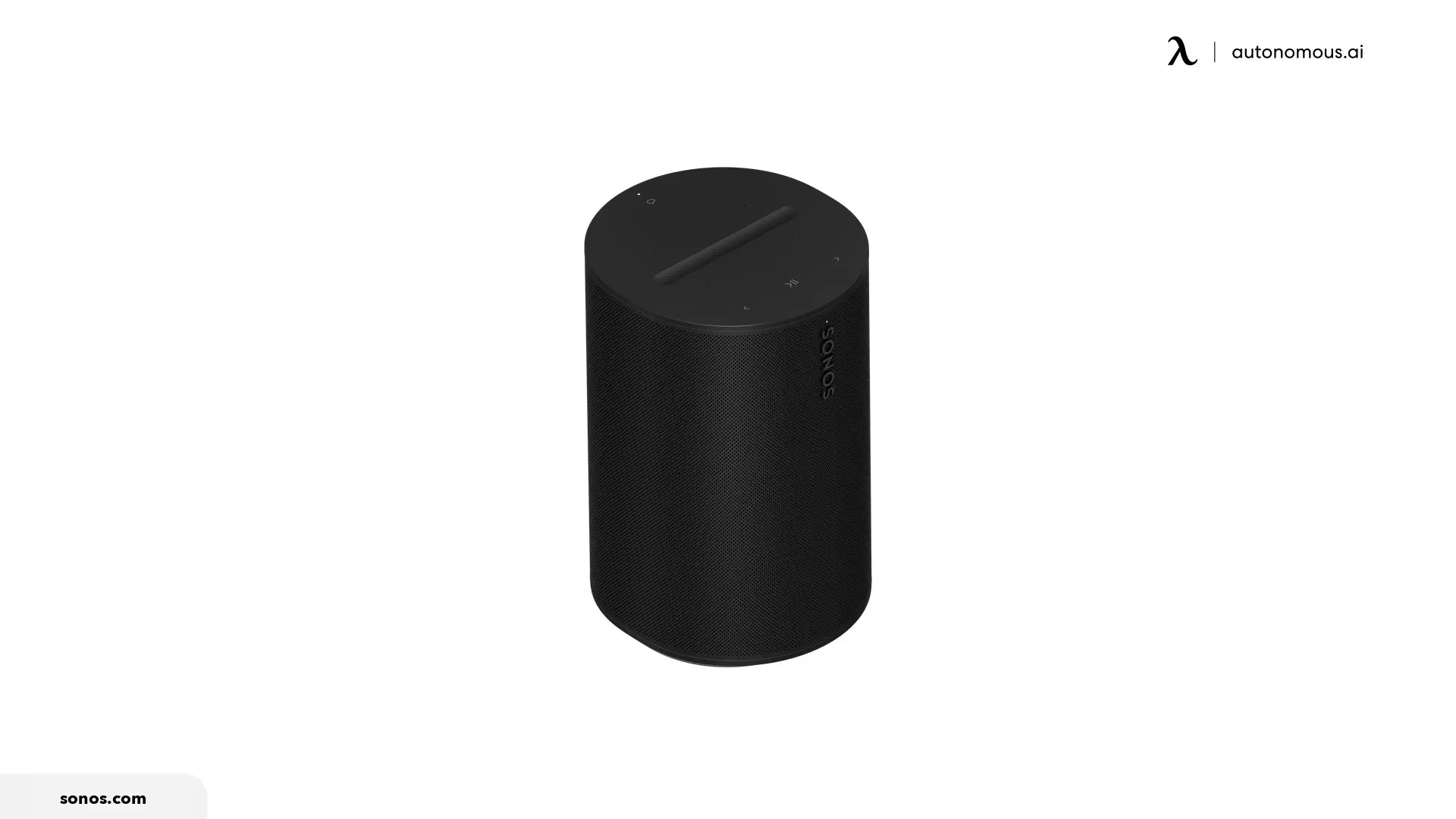
4. Sonos Era 100
Sonos Era 100 is the speaker Sonos now recommends in place of the discontinued Sonos One, and it works well when music quality matters as much as voice control. Alexa is built in, so you can run routines, check your calendar and control smart home devices by voice. It plays in stereo from one speaker and adds Bluetooth for streaming straight from a phone or laptop.
5. Jabra PanaCast 20
Jabra PanaCast 20 is a personal video conferencing camera for one person at a desk. It records 4K Ultra-HD video with AI image enhancement, and Intelligent Zoom brings you into a close-up during a call. Three built-in microphones pick up your voice, and a sliding privacy cover closes the lens when you are off camera.

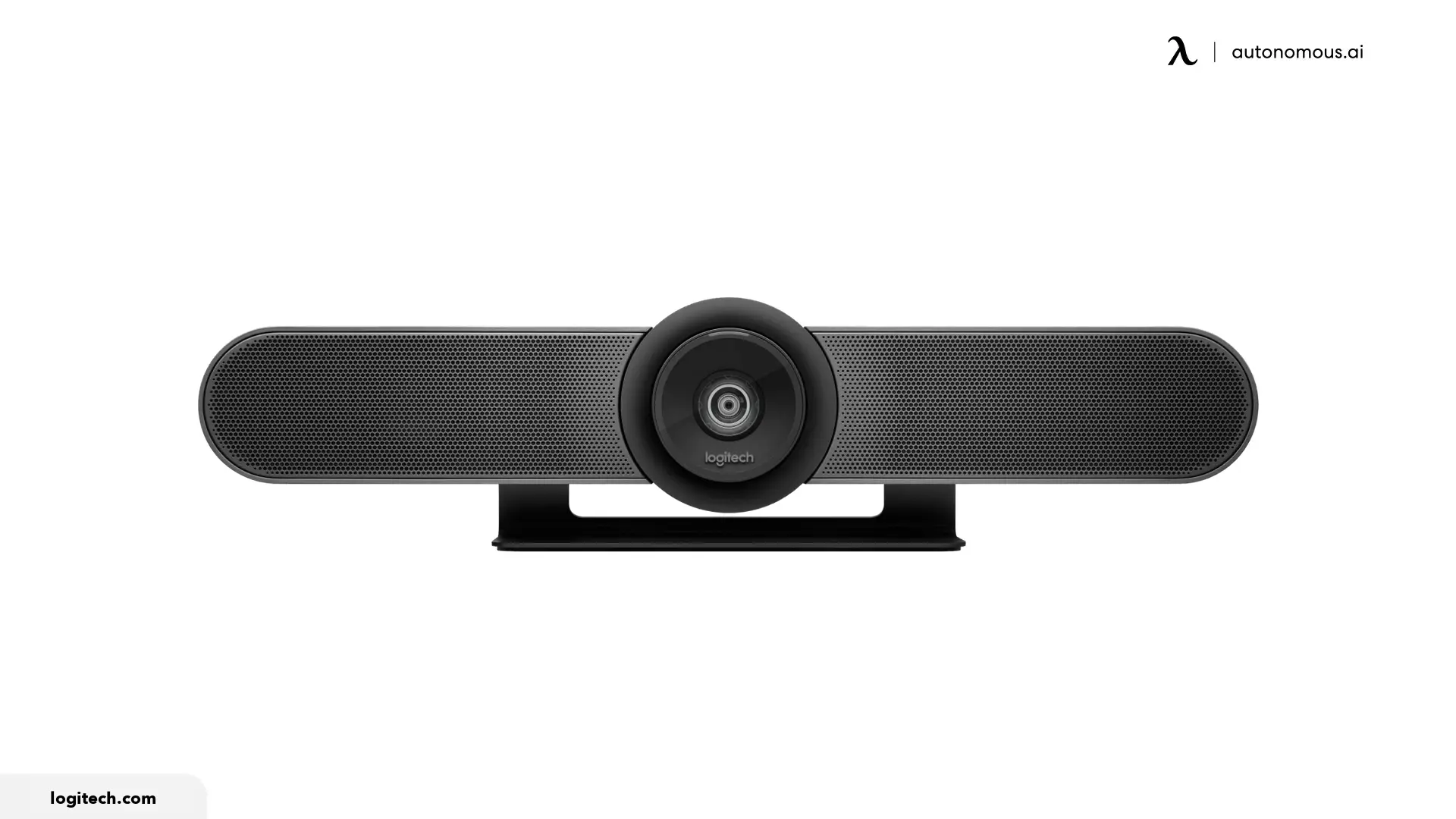
6. Logitech MeetUp
Logitech MeetUp is an all-in-one conference camera for small conference rooms and huddle rooms. Its 4K image sensor keeps video sharp when you zoom in on a whiteboard or an object, and a remote control adjusts volume, mutes the microphone or moves the camera. Logitech also sells MeetUp 2, a newer version with RightSight 2 framing and RightSound 2 audio, for teams setting up a new huddle room.
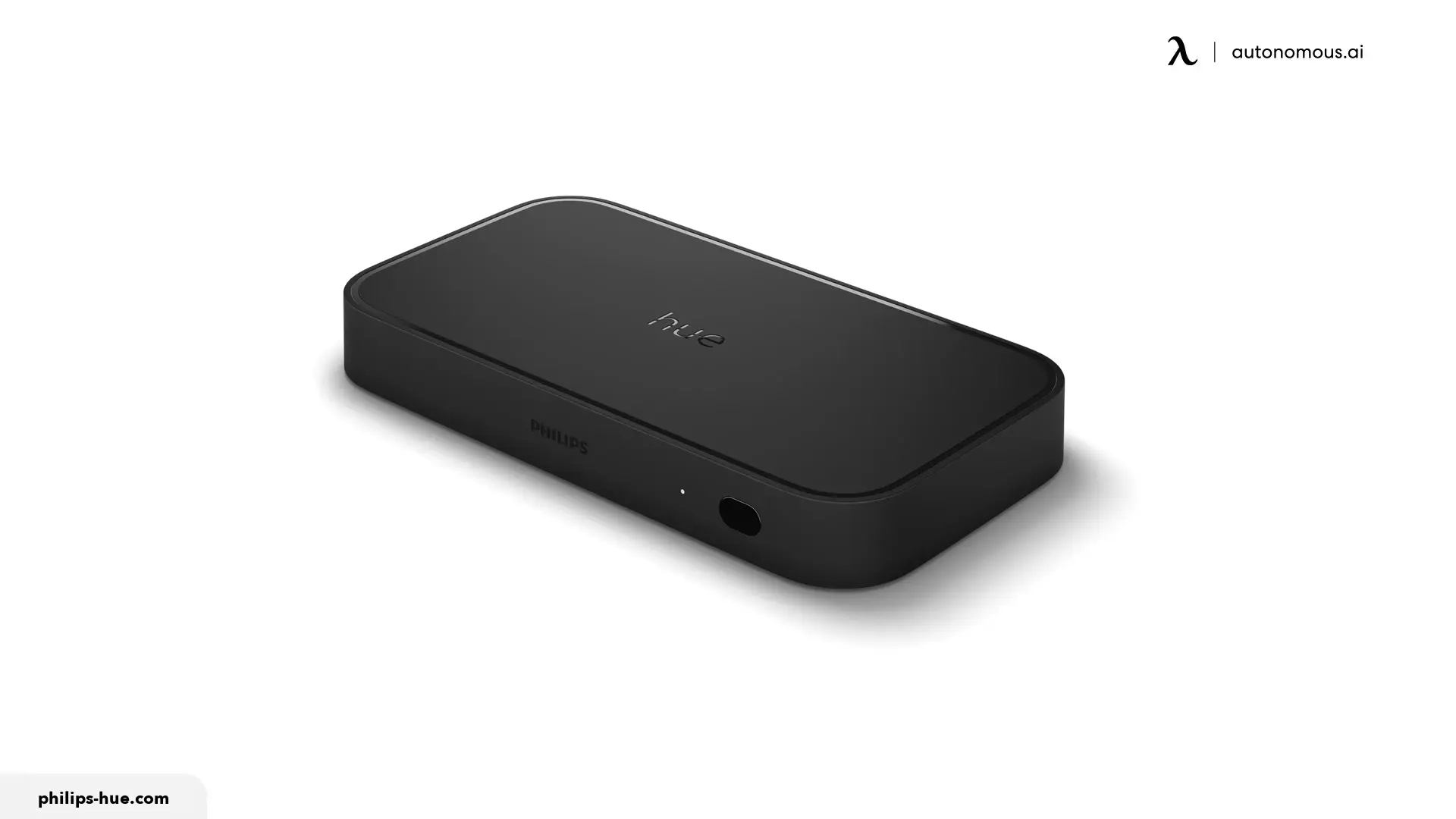
7. Philips Hue Play HDMI Sync Box 8K
Philips Hue Play HDMI Sync Box 8K syncs your Philips Hue lights with what is on your screen, matching colors one to one at up to 8K 60Hz and 4K 120Hz. It links up to 10 Hue lights and needs no camera or wires in front of the screen, which suits a desk where the monitor doubles as a TV.
8. IFTTT
IFTTT links apps and devices with automations called Applets: you choose a trigger, pick an action and customize it. It connects more than 1,000 services, and you can turn on ready-made Applets or build your own in a few minutes.

Factors to Consider Before Purchasing Home Office Essentials
Compatibility With Your Devices
Compatibility is crucial when integrating a new smart assistant device into your modern home office setup. Check whether the device works seamlessly with your existing devices, operating systems, and platforms. For instance, if you're using Apple products, you might lean towards devices compatible with Siri or HomeKit. Similarly, you'd want compatibility with Google Assistant if you have Google devices. Ensuring compatibility prevents frustration and ensures a smooth user experience.
Functions You Actually Need
Define the functions you need from the smart assistant device. Are you primarily looking for voice-controlled automation, or do you need video conferencing capabilities? List your essential tasks, such as controlling smart lights, setting reminders, accessing calendar appointments, and making calls. Choose a device that meets these requirements and offers features that enhance productivity and convenience.
User Interface
The user interface plays a significant role in your interaction with the device. Consider your comfort level with touchscreens, voice commands, and mobile apps. Some people prefer touchscreens for more hands-on control, while others enjoy the convenience of voice commands. The user interface should be intuitive and easy to navigate, allowing you to access features and perform tasks without unnecessary complexity.
Privacy and Security
Privacy and security are paramount when dealing with home office must-haves. Review the device's privacy policies, data storage practices, and whether it supports features like muting or turning off voice recording.
Look for devices that offer physical privacy controls, like camera covers and mute buttons, for peace of mind during sensitive conversations. Choose a reputable brand that prioritizes data protection.
Voice Assistant
If the smart assistant device has a built-in voice assistant, thoroughly research its capabilities. Test its accuracy by asking a variety of questions and tasks. A reliable voice assistant should accurately understand your commands and consistently execute tasks. Assess its compatibility with your preferred apps and services and its ability to provide information and answer questions relevant to your work.
Where Can I Put My Smart Assistant Devices?
You can place your smart assistant device in your office to enhance productivity by managing tasks and controlling smart devices. Alternatively, consider positioning it in your home office in the bedroom, where it can serve as an alarm clock and provide convenient voice-controlled features for a comfortable and efficient morning and evening routine.
Conclusion
In a world where technology continues to evolve rapidly, the role of smart home gadgets, particularly smart assistant devices, stands out as a beacon of convenience and efficiency. They work in the home office and the living room alike, controlling lights, adjusting temperatures, answering questions and running routines you set up. Start with the job you need done, check compatibility with the devices you already own, and add more only when a clear gap remains.