Best Smart Home Gadgets Worth Your Money in 2026


Table of Contents
Smart home technology has moved beyond novelty. The best smart home gadgets today are designed to solve everyday problems quietly — reducing friction, saving energy, and making homes more responsive without demanding constant attention. Yet with hundreds of devices on the market, it’s easy to confuse features with real value.
This guide takes a practical, tech-driven approach, focusing on gadgets that deliver reliable automation, meaningful functionality, and long-term usefulness. Instead of chasing trends, we’ll look at what genuinely improves daily life and how to build a smarter home that actually works.
How Smart Home Gadgets Actually Work
The value of the best smart home gadgets isn't in app control alone, but in their ability to reduce small, repeated decisions throughout the day. By combining sensors with automation rules, these devices respond to context — whether someone is home, what time it is, or how a space is being used. This same logic applies to home office tech essentials, where automation reduces distractions and supports focus. Over time, this removes friction from routine tasks rather than adding another interface to manage.
Many latest smart home gadgets from leading smart home technology brands are designed to operate quietly in the background, adjusting lighting, climate, or security without manual input. This shift toward ambient automation is also influencing how smart home appliances brands design their products, prioritizing reliability and long-term usefulness over novelty. That focus on practical intelligence is what separates the best AI gadgets from gimmicky tech. As a result, the newest smart home gadgets are less about constant interaction and more about creating a home that adapts naturally to daily patterns.
Best Smart Home Gadgets That Earn Their Place
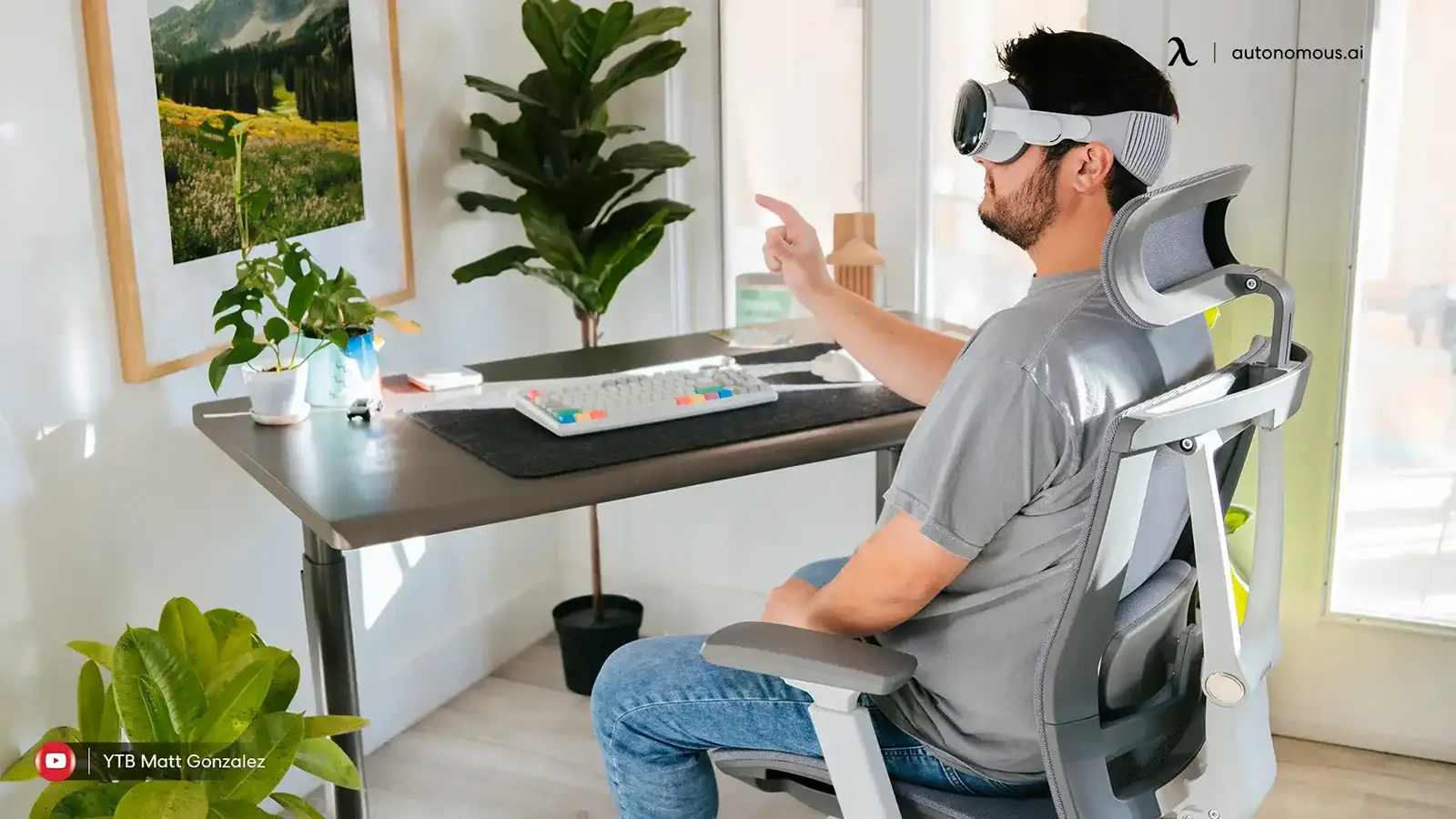
Looking at the best smart home gadgets through a functional lens makes it easier to separate meaningful technology from novelty. Instead of focusing on where a device lives, this structure reflects why it exists — security, efficiency, automation, or time savings. Many of the most cool smart home gadgets today don’t stand out visually at all; they earn their value by quietly reducing friction, improving awareness, or preventing problems before they escalate.
1. Home Security & Safety
Security is one of the few areas where smart home technology earns its place quickly. The goal isn’t visibility — its decision reduction. The best systems remove the need to constantly check, verify, or worry by escalating only when something meaningfully deviates from normal behavior. That’s why many of the best smart home gadgets in this category feel essential only after they’ve been installed.
- Smart Indoor / Outdoor Security Camera
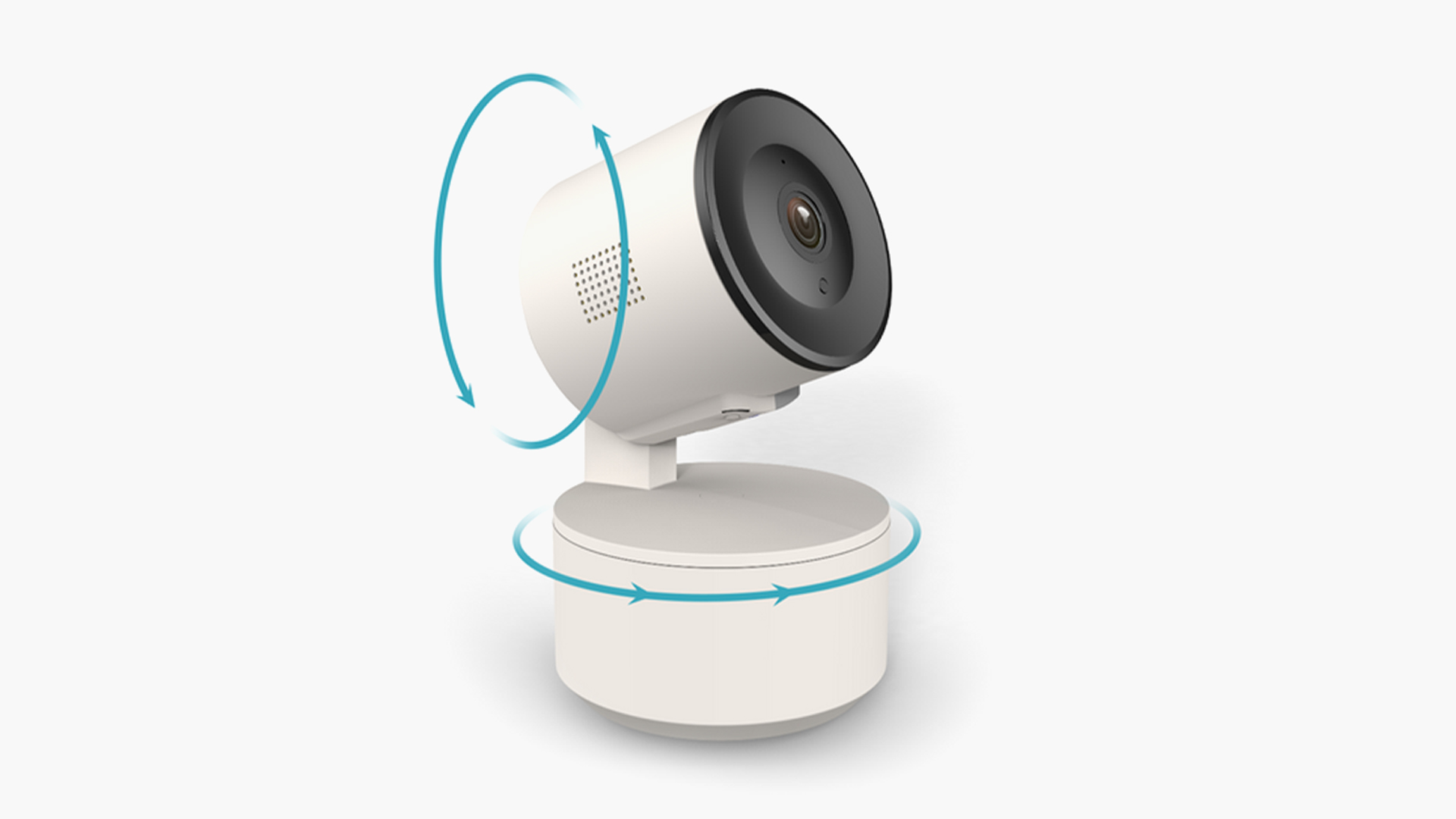
What makes modern security cameras “smart” is their ability to compress continuous reality into sparse signals. Rather than acting as passive recorders, they act as filters — deciding when visual data crosses a threshold worth notifying a human about.
In practice, this means fewer alerts, fewer unnecessary checks, and higher confidence when something does trigger attention. This is a key reason cameras remain among the most durable cool smart home gadgets: their usefulness grows as detection logic improves, not as resolution increases. When well-configured, home security cameras operate more like background infrastructure than active devices.
- Smart Video Doorbell
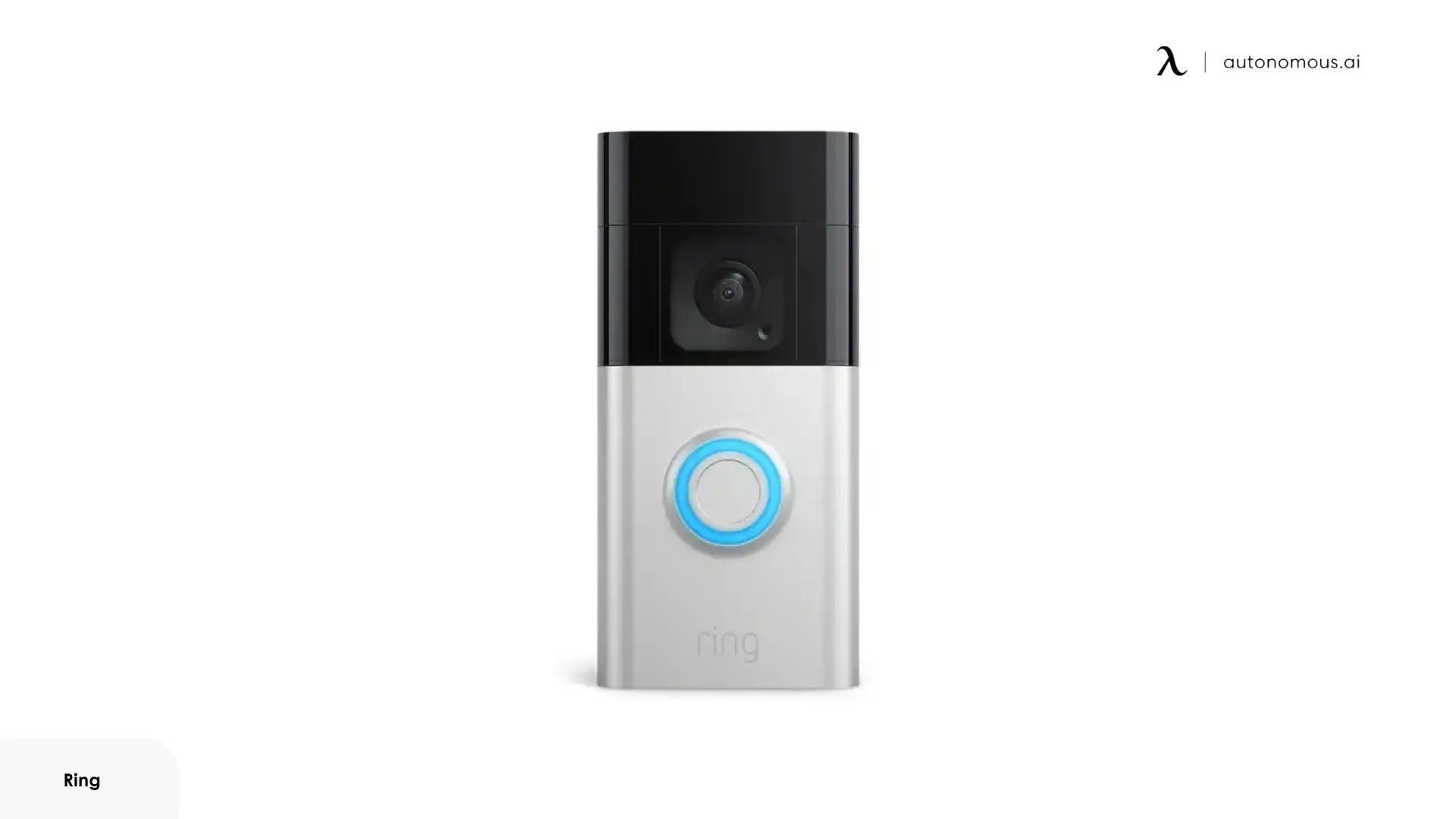
A smart video doorbell is not valuable because it shows video — it’s valuable because it interprets intent at the edge of the home. Instead of treating every motion equally, it learns the difference between passing traffic, brief stops, and sustained presence. This allows the system to surface moments that require attention while ignoring routine activity.
Functionally, this shifts the front door from a blind spot into a monitored boundary without demanding user oversight. That’s why it often ends up being one of the smart home gadgets you didn’t know you needed until missed deliveries, unexpected visitors, or false alarms stop being problems altogether.
- Smart Door Lock
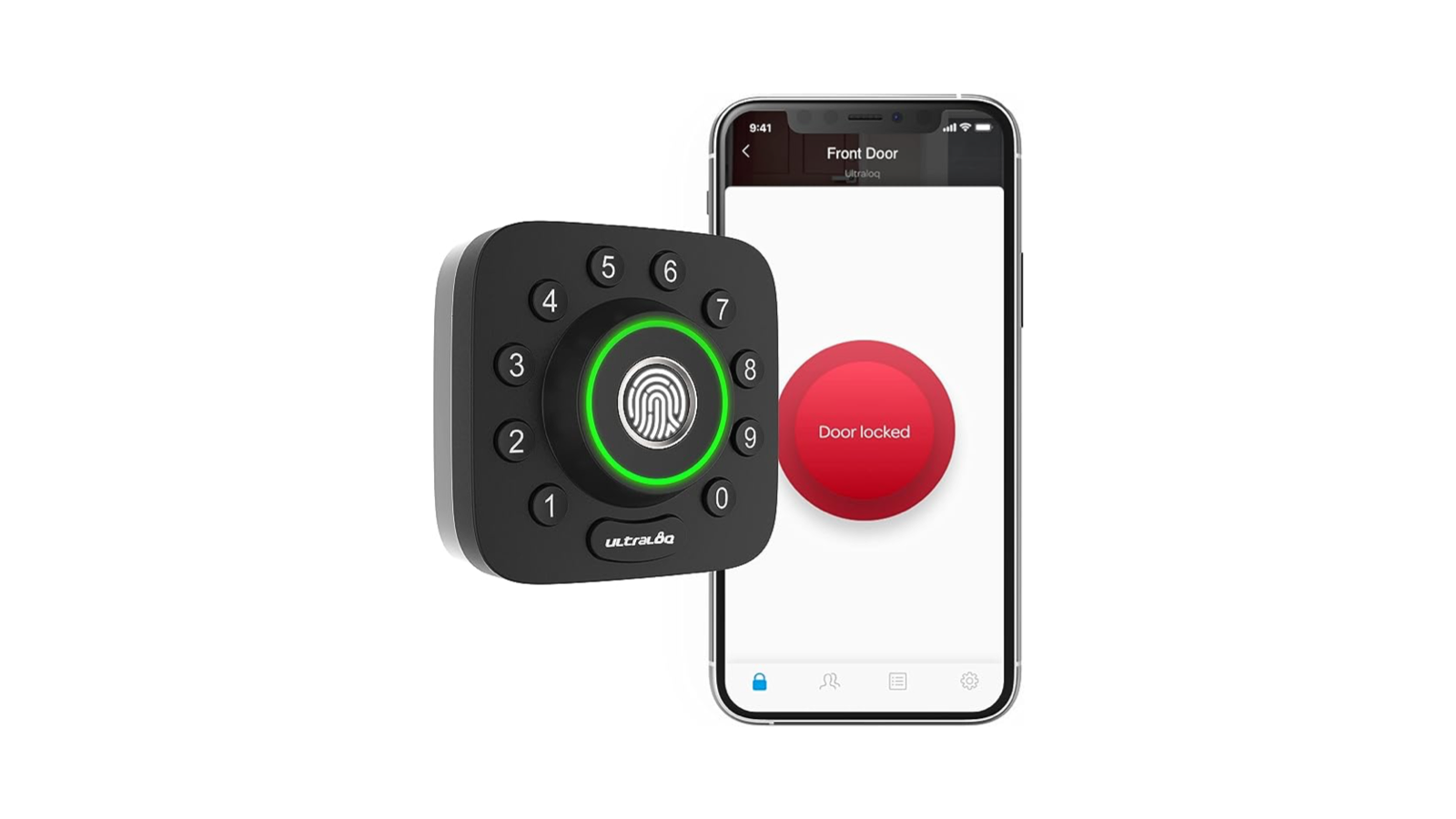
A smart door lock becomes necessary when access stops being a one-time event and starts becoming a recurring system problem. Traditional locks fail quietly — forgotten doors, copied keys, unclear accountability. Smart locks introduce state awareness and conditional control to something that was previously static.
By responding to presence, time, or predefined rules, the lock removes the need for constant manual verification. Over time, this reduces common errors rather than preventing rare incidents. Similar to other smart gadgets for home and kitchen, its value compounds subtly — fewer lapses, fewer interruptions, and less cognitive load tied to daily routines.
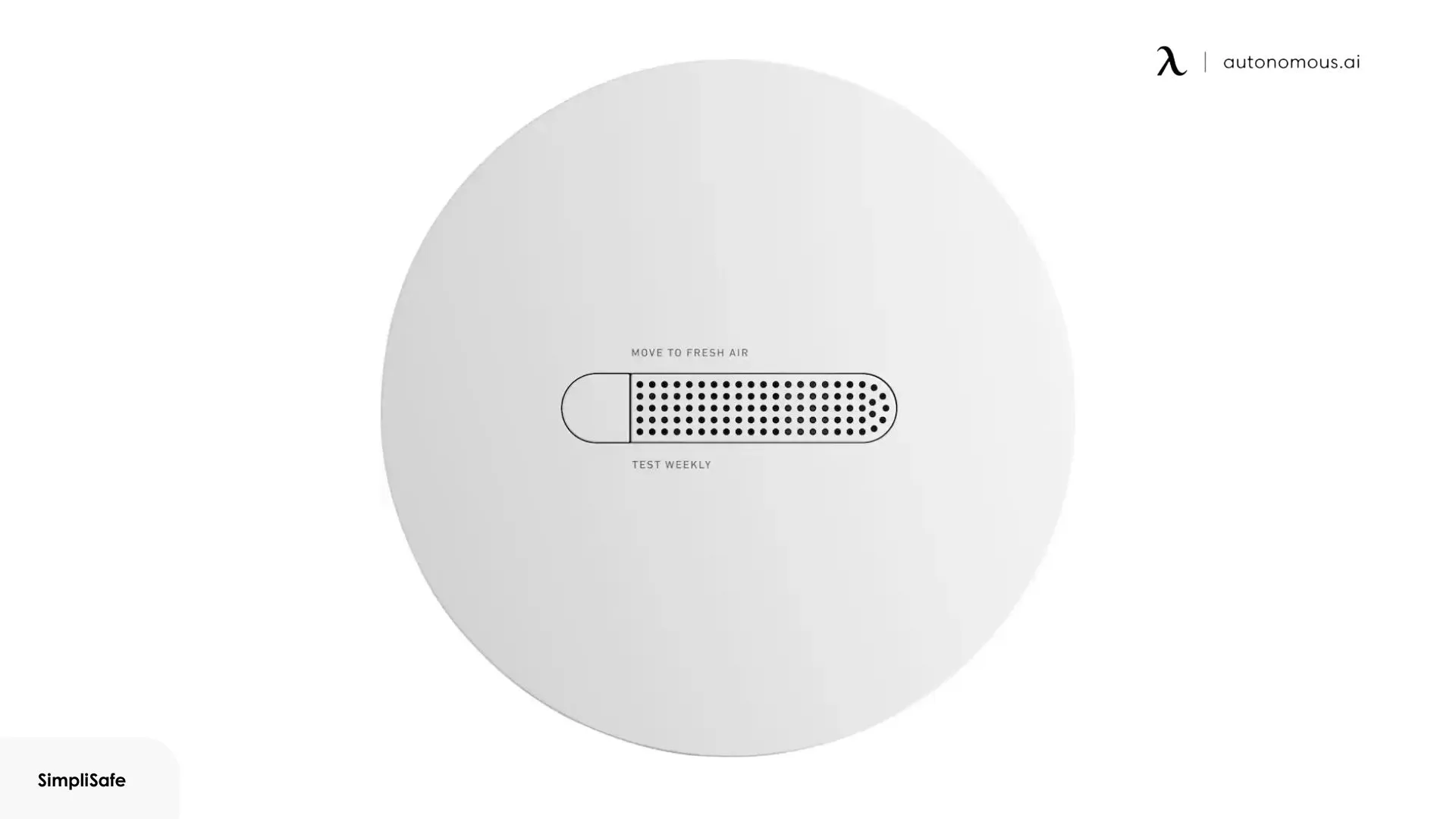
- Smart Smoke & CO Detector
Traditional smoke detectors fail in a specific way: they alert, but they don't inform. A smart smoke and CO detector changes this by identifying what triggered the alarm, where it originated, and whether the threat is escalating or clearing. This turns a binary alarm into actionable information — especially useful when away from home.
Among smart home gadgets you didn't know you needed, this one stands out because the baseline product already exists in every home. The upgrade isn't about adding a new device; it's about making an existing safety layer significantly more useful. Voice alerts, remote silencing, and app-based status checks remove the ambiguity that makes traditional detectors easy to ignore.
2. Lighting & Ambience
Lighting is one of the few areas where smart home systems affect comfort on a continuous, almost subconscious level. The value isn't visual flair — it's temporal awareness. Good lighting responds to time of day, activity, and presence without requiring manual adjustment. When done well, it reduces eye strain, improves focus, and removes dozens of small decisions from daily routines.
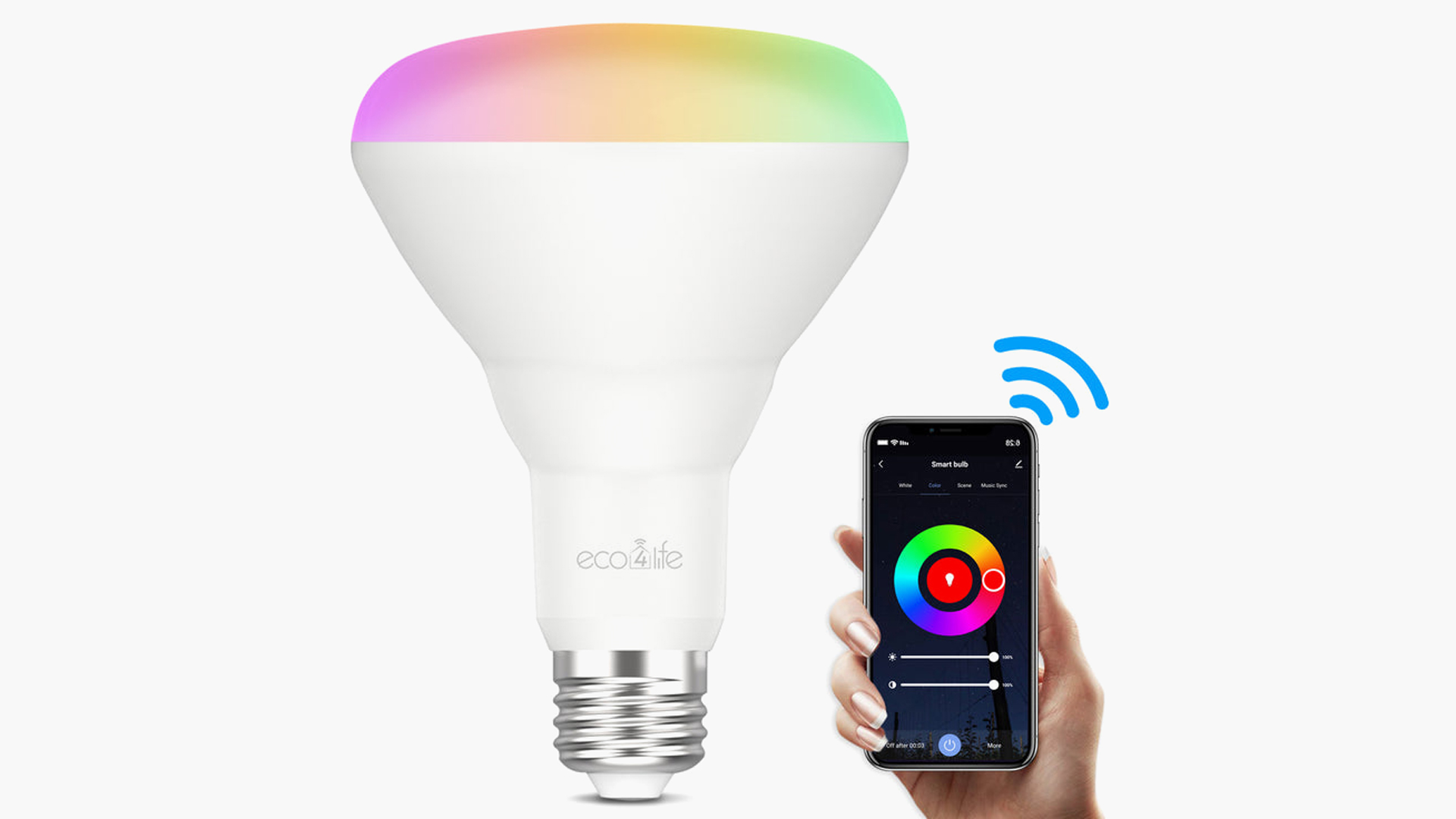
- Smart LED Light Bulbs
Static lighting in dynamic environments creates a mismatch most people tolerate rather than fix. Smart bulbs address this by shifting brightness and color temperature throughout the day — cooler tones for morning focus, warmer output as evening approaches. The result isn't dramatic; it's the absence of friction. Lighting that adapts on its own stops being something users think about, which is exactly what makes it functional rather than decorative.
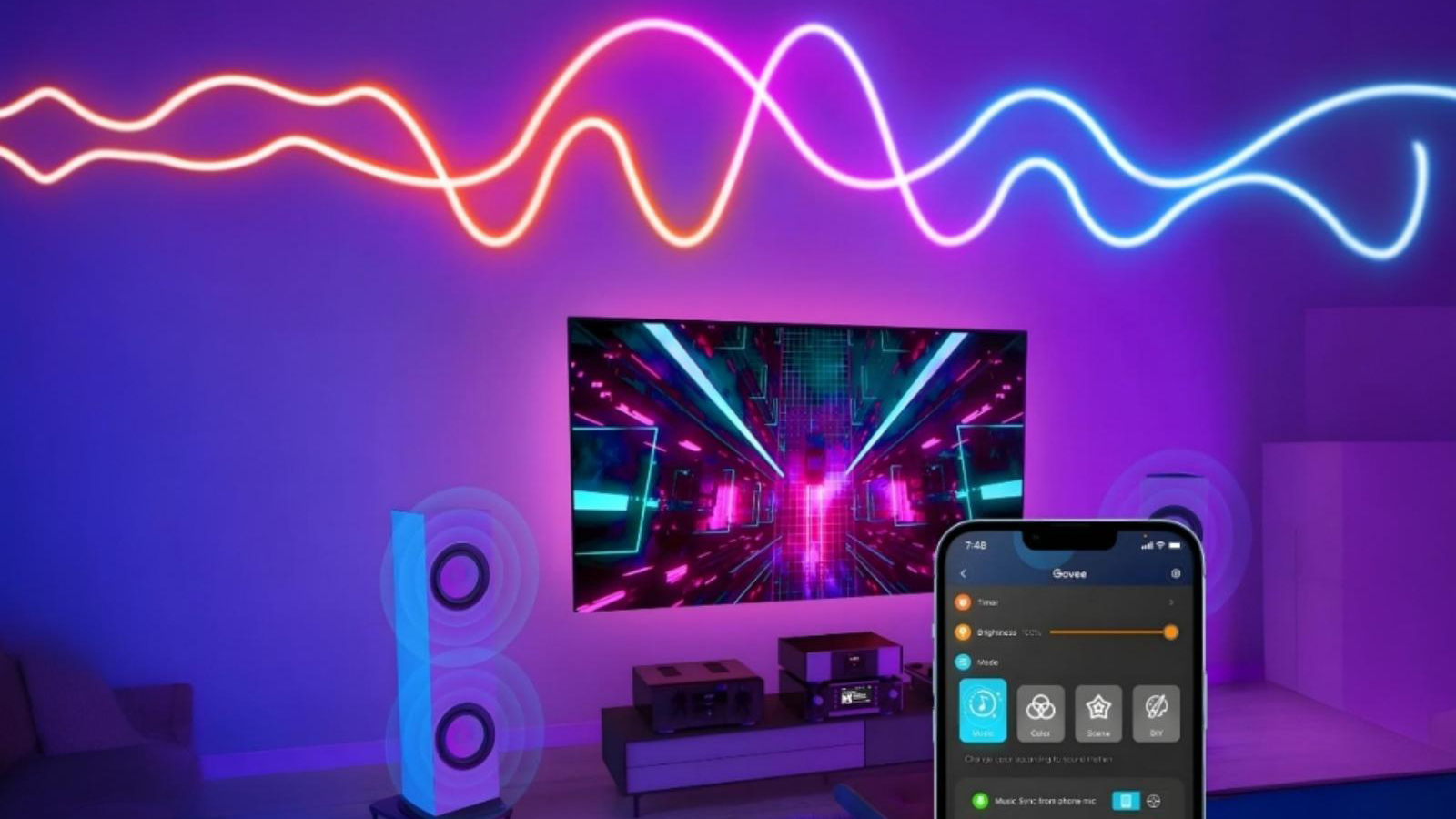
- Smart Light Strips
Light strips serve a different purpose than overhead fixtures. Placed behind monitors, under cabinets, or along shelves, they soften contrast between bright screens and dark surroundings. This reduces eye fatigue during evening use and adds orientation cues in dim spaces. Among cool smart home gadgets, strips stand out for solving a subtle discomfort problem without replacing anything already installed.
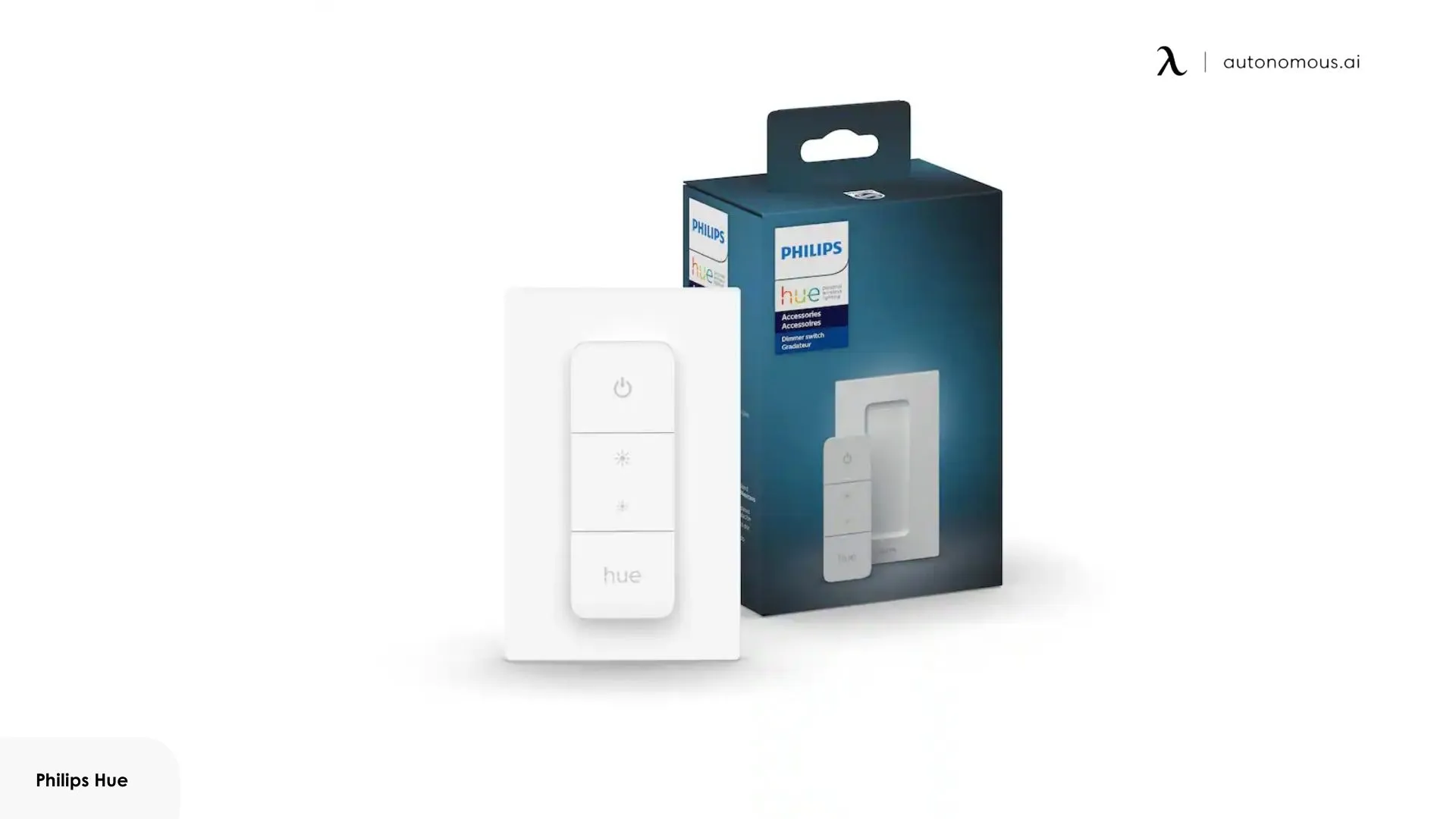
- Smart Light Switch
Bulbs introduce intelligence at the fixture level; switches move it to the circuit. This distinction matters in rentals, shared spaces, or homes with mixed hardware — automation remains consistent regardless of what's plugged in above. Unlike many newest smart home gadgets, the value here comes from stability: fewer failure points, predictable behavior, and compatibility that outlasts individual products.
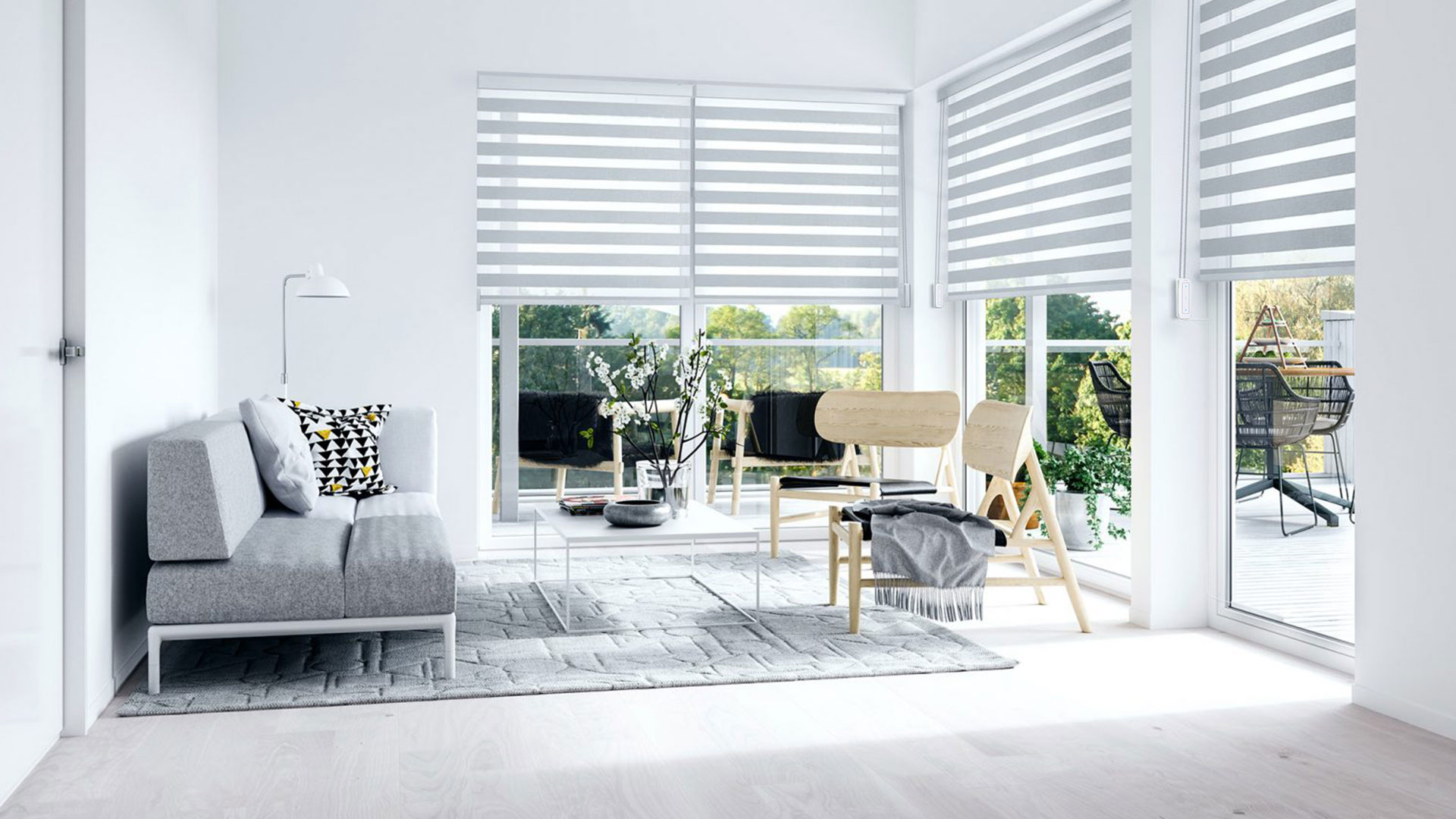
- Smart Blinds & Shades
Adjusting blinds mid-task rarely happens — attention is elsewhere, and gradual light shifts go unnoticed until glare or heat becomes obvious. Motorized shades respond to time, light levels, or room activity without waiting for manual input. Beyond comfort, they contribute to energy efficiency by blocking heat gain in summer and retaining warmth in winter.
Among the latest smart home gadgets in this category, automated window coverings offer one of the quietest, most durable upgrades, particularly for large or hard-to-reach windows.
3. Home Office & Productivity
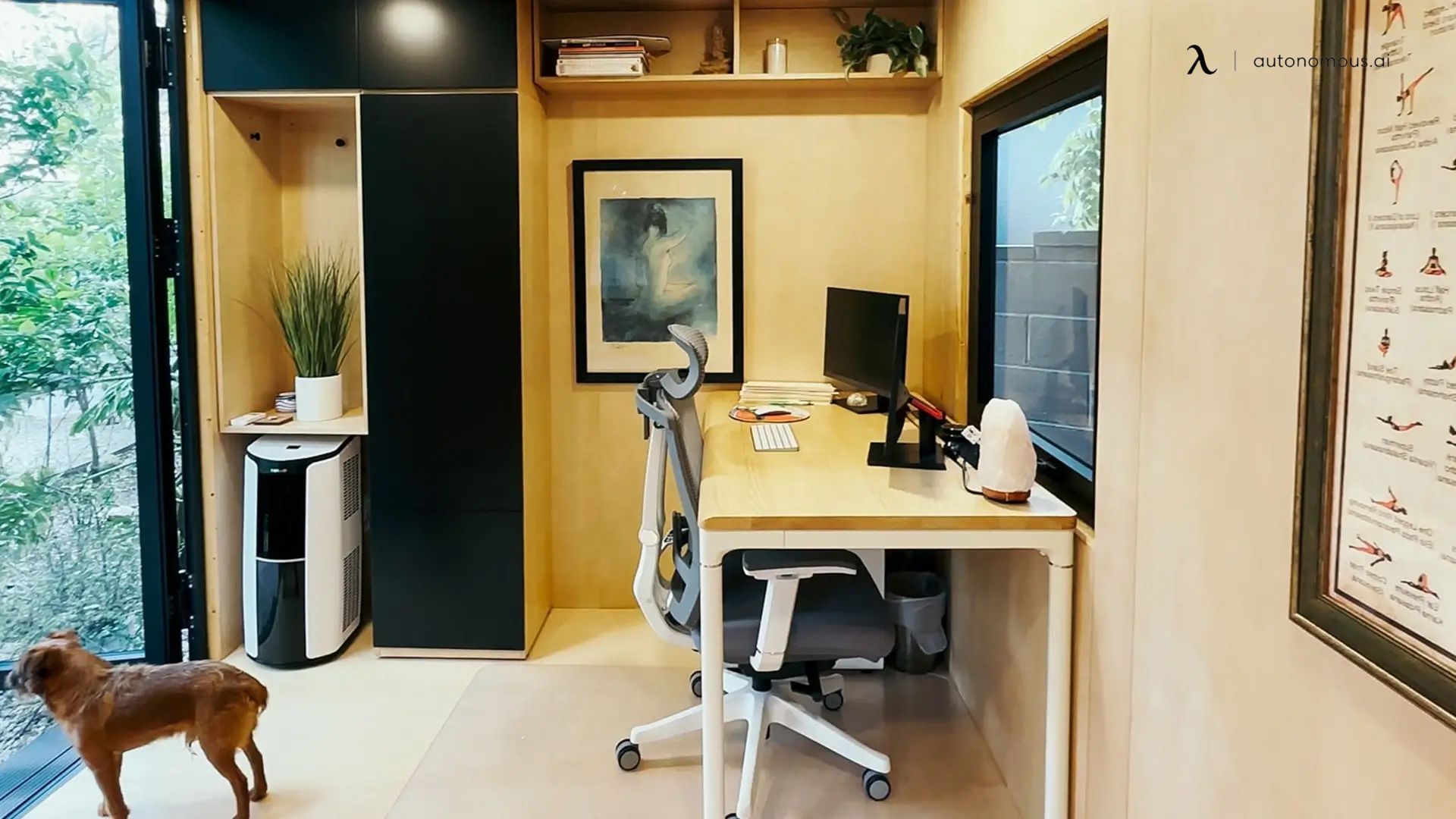
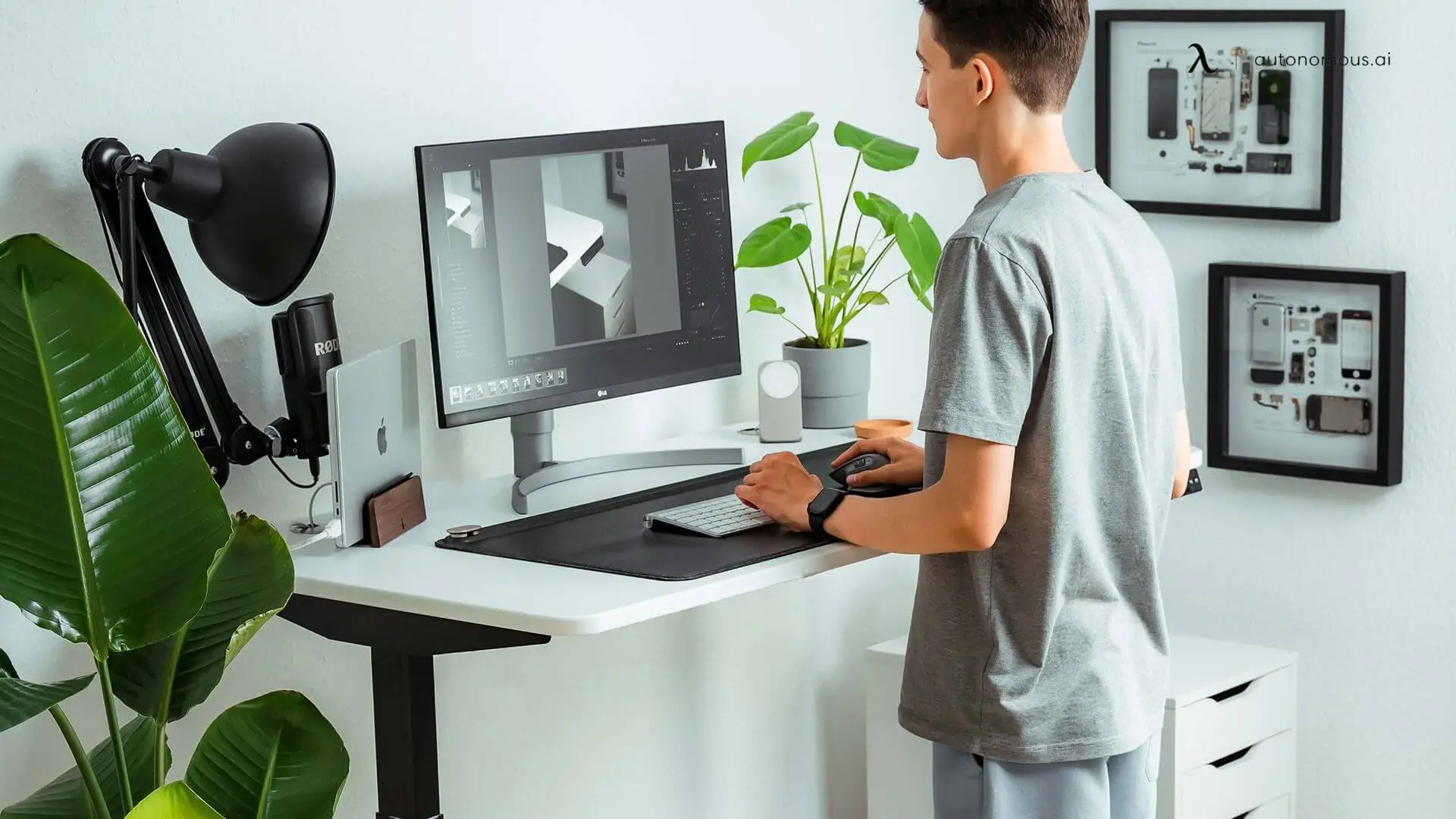
In a home office setup, performance issues rarely come from a single failure. They emerge gradually as posture slips, lighting becomes mismatched to the time of day, or basic routines are neglected during long work sessions. Smart productivity gadgets are useful when they introduce feedback and adjustment into these slow-moving patterns. Their role is not to optimize output, but to help maintain stable working conditions over time.
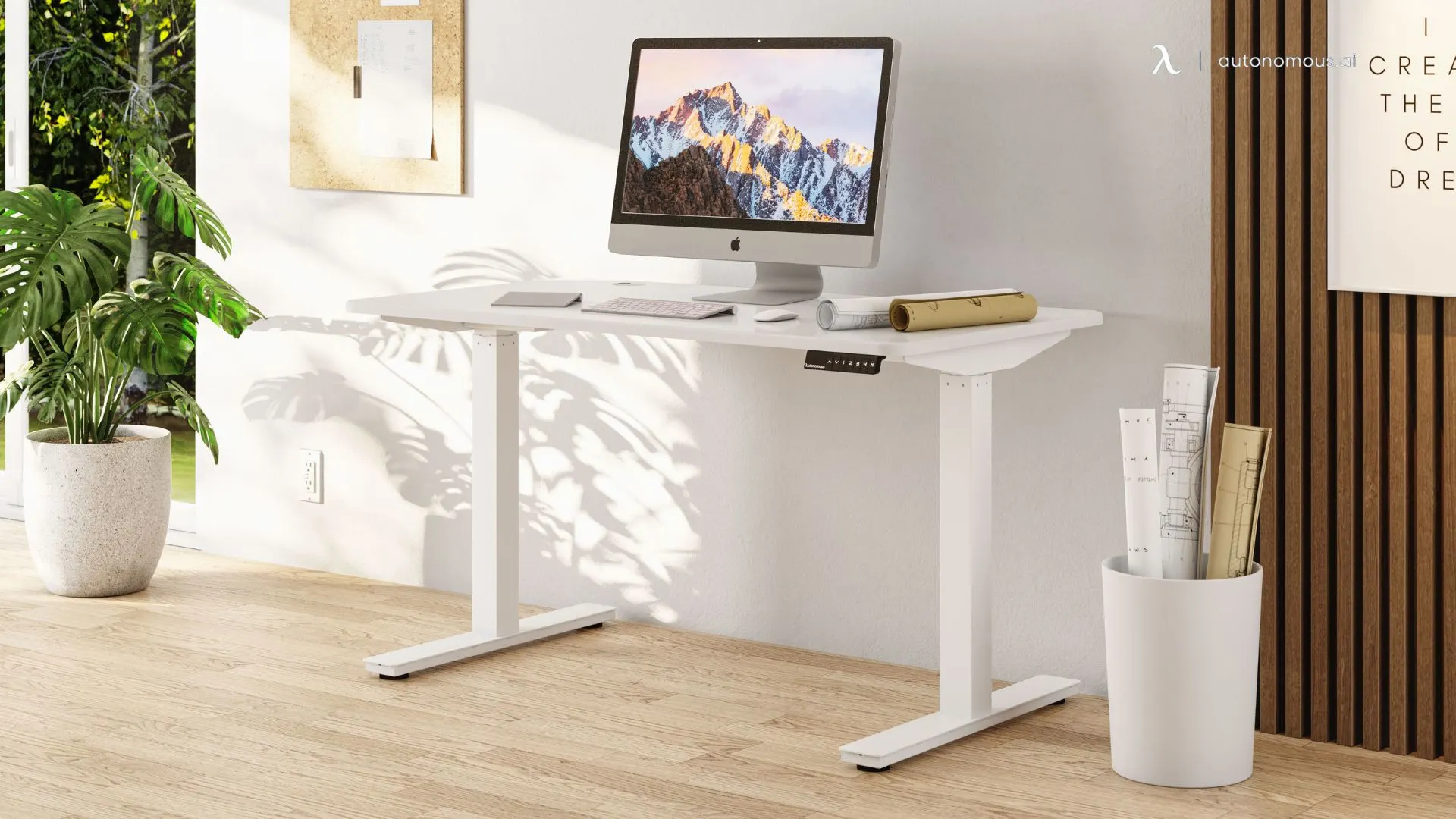
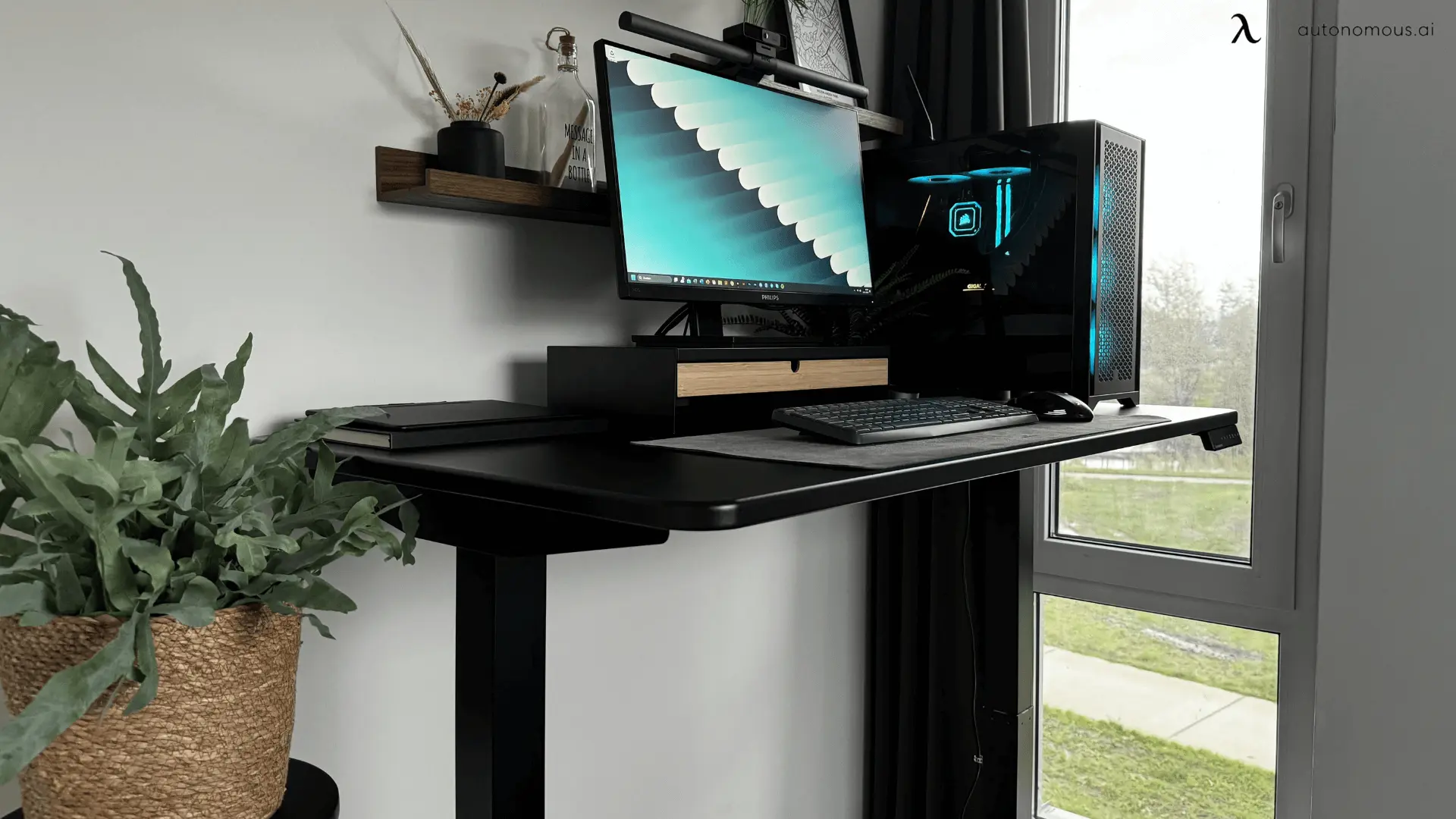
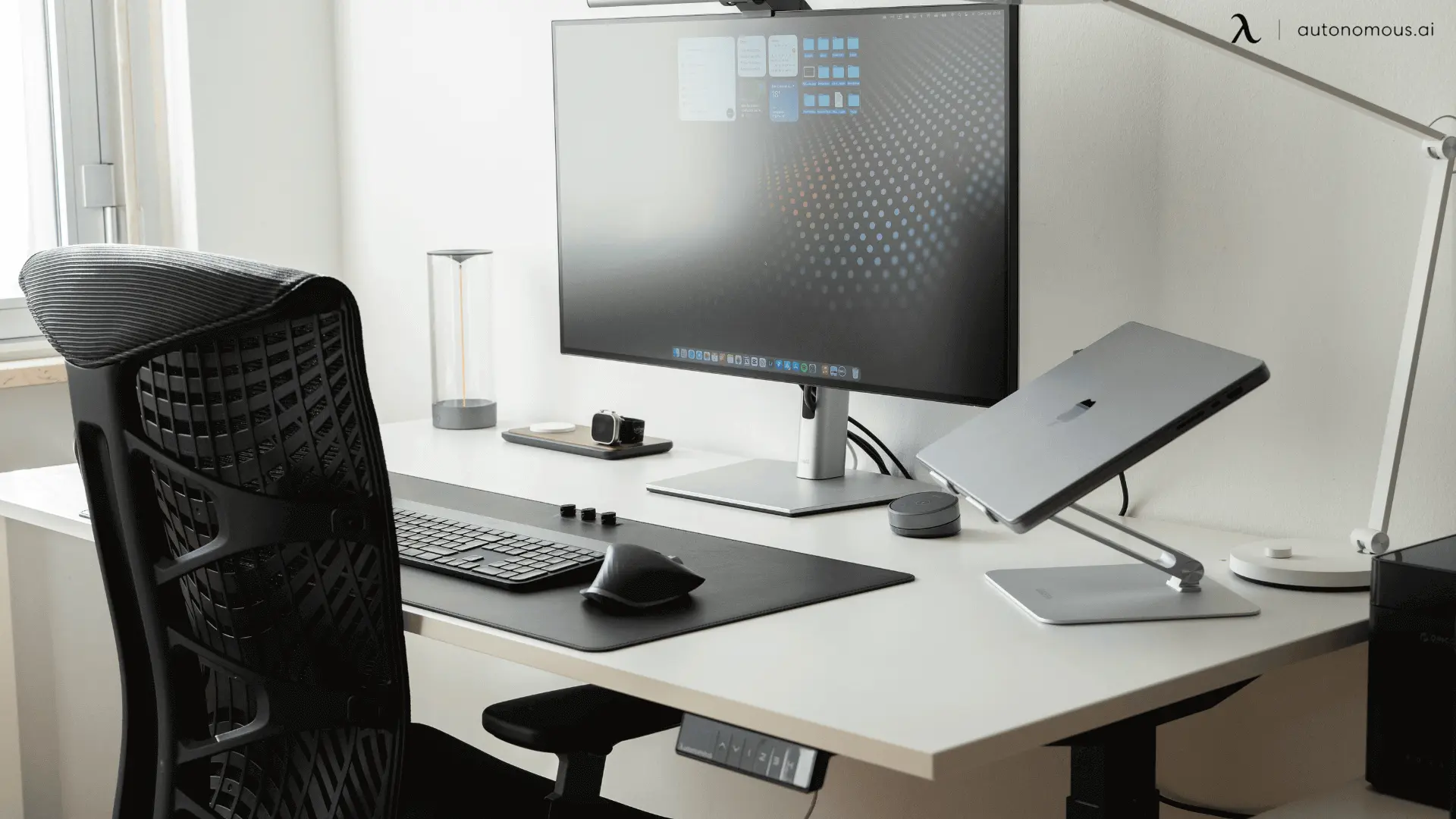
- Standing Desk
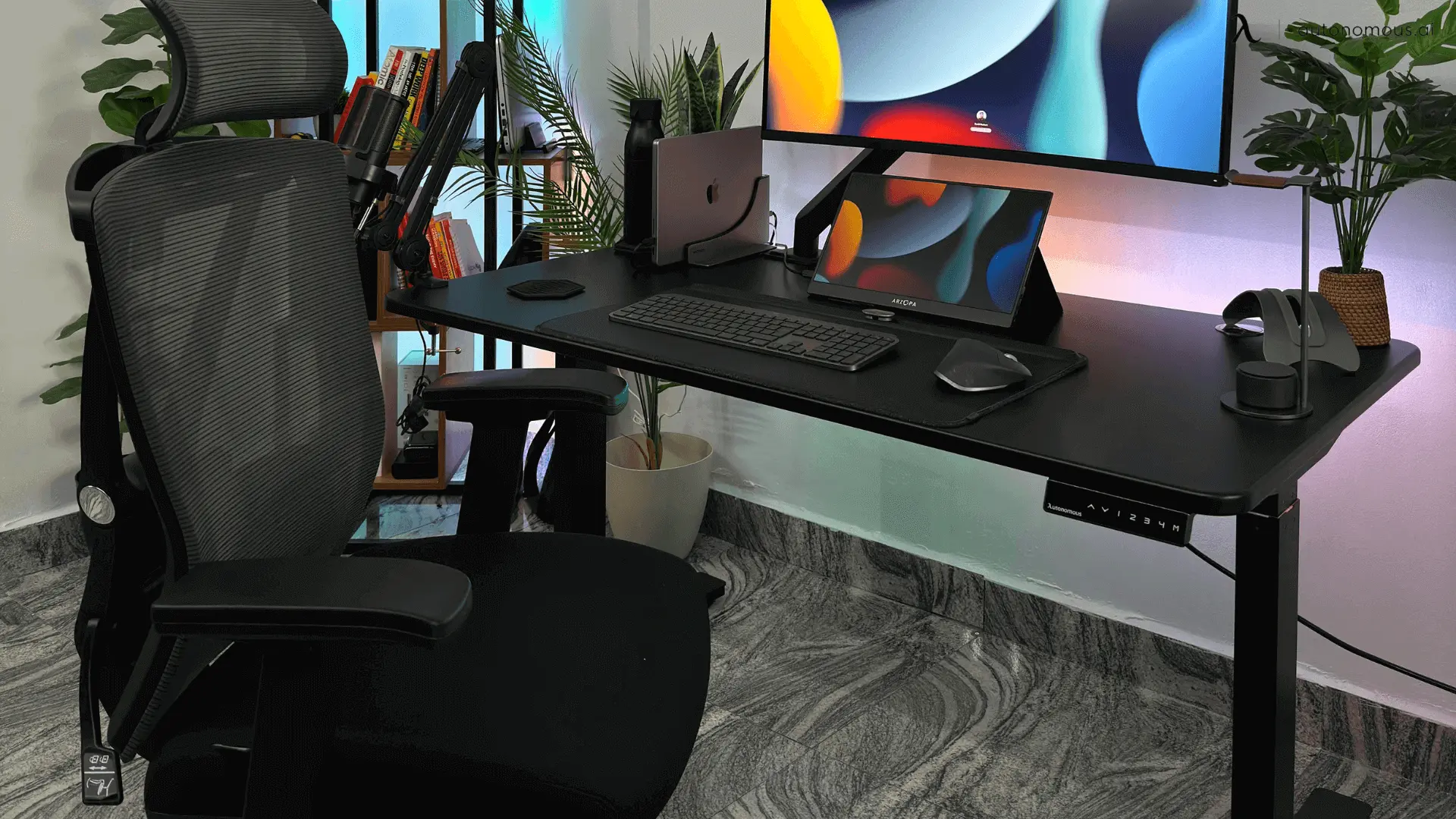
The problem with movement at a desk isn’t motivation, its interruption. Switching positions mid-task breaks focus, which is why most people don’t do it, even when they intend to. Smart standing desks become useful when they removes that friction by remembering preferred positions and transitioning between them predictably, without requiring reconfiguration each time.
In this role, the desk isn’t coaching behavior. It’s preserving workflow continuity while allowing physical variation. Intelligence lies in making movement costless, so posture changes happen because they’re easy, not because they’re encouraged.
- Smart Desk Lamp
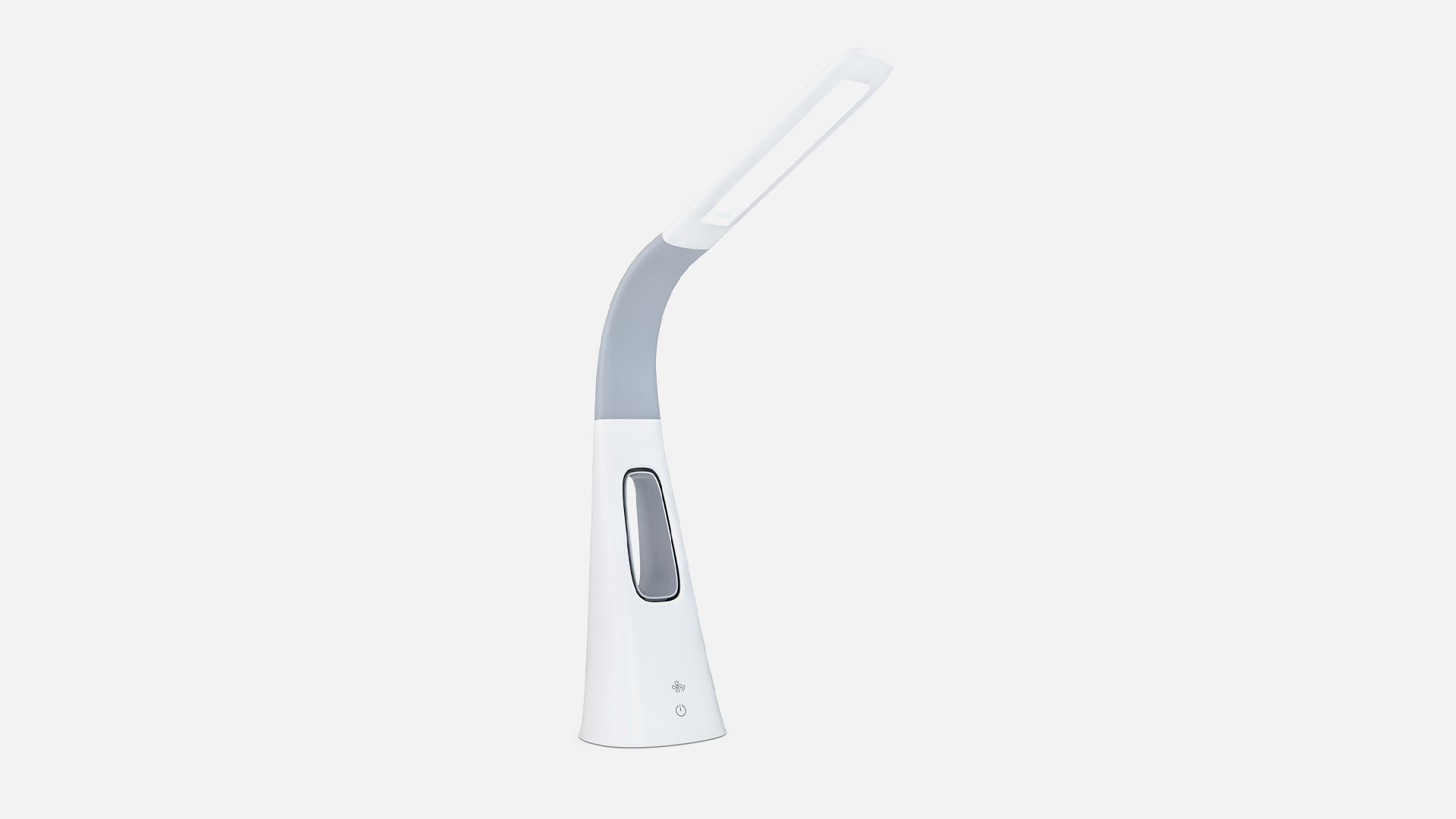
Desk lighting fails because it depends on manual correction during deep work — a moment when attention is least available. Once a task is underway, users do not reassess lighting conditions, even as daylight changes or screen dominance increases. This creates a mismatch that persists for hours.
A smart desk lamp is necessary when it removes lighting from the attention loop entirely. By monitoring ambient conditions and maintaining usable contrast automatically, it prevents a known failure mode: extended work performed under progressively misaligned lighting. The intelligence lies in enforcing a stable visual baseline without requiring awareness, intervention, or preference setting.
- Smart Hydration Monitor
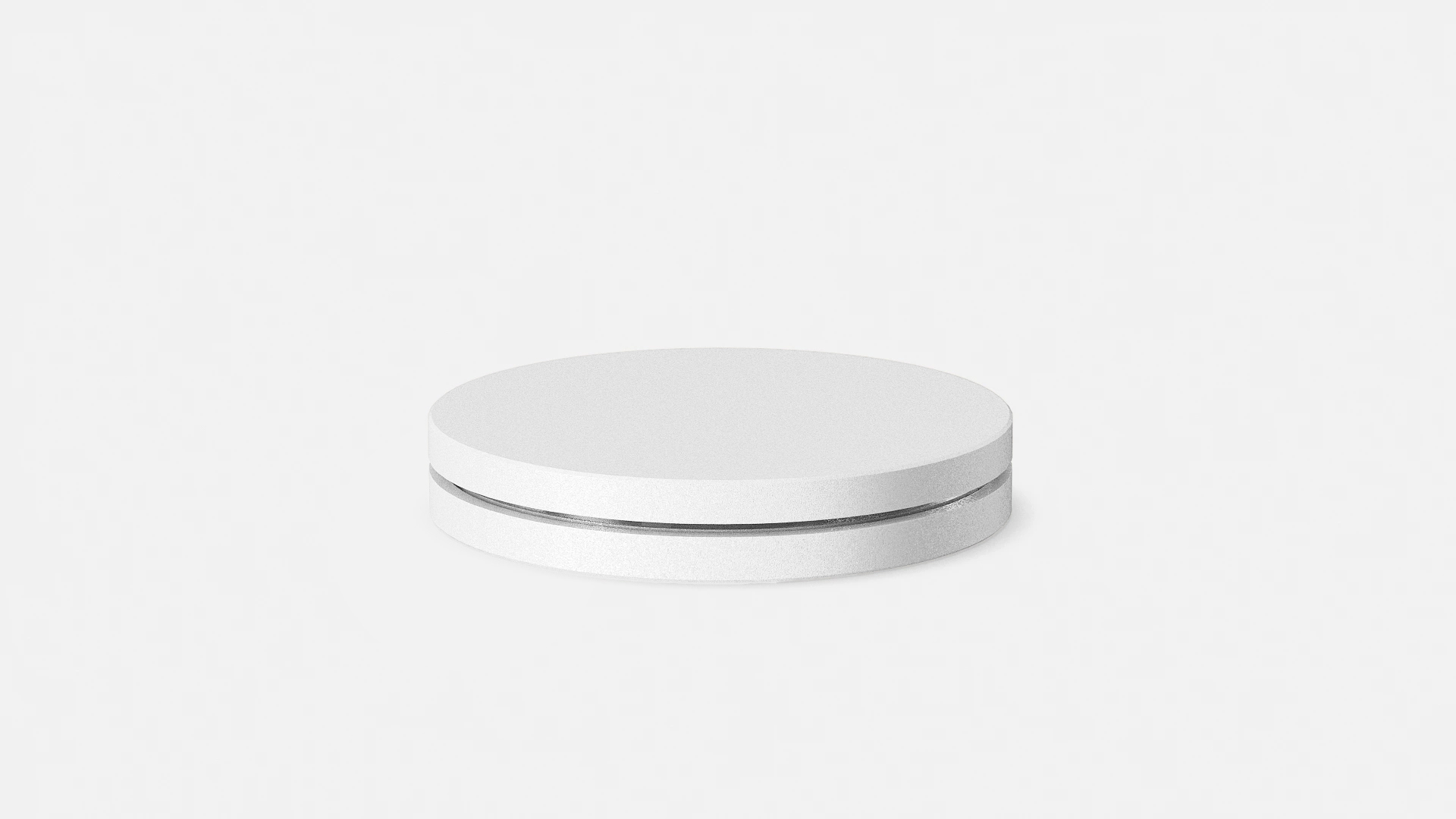
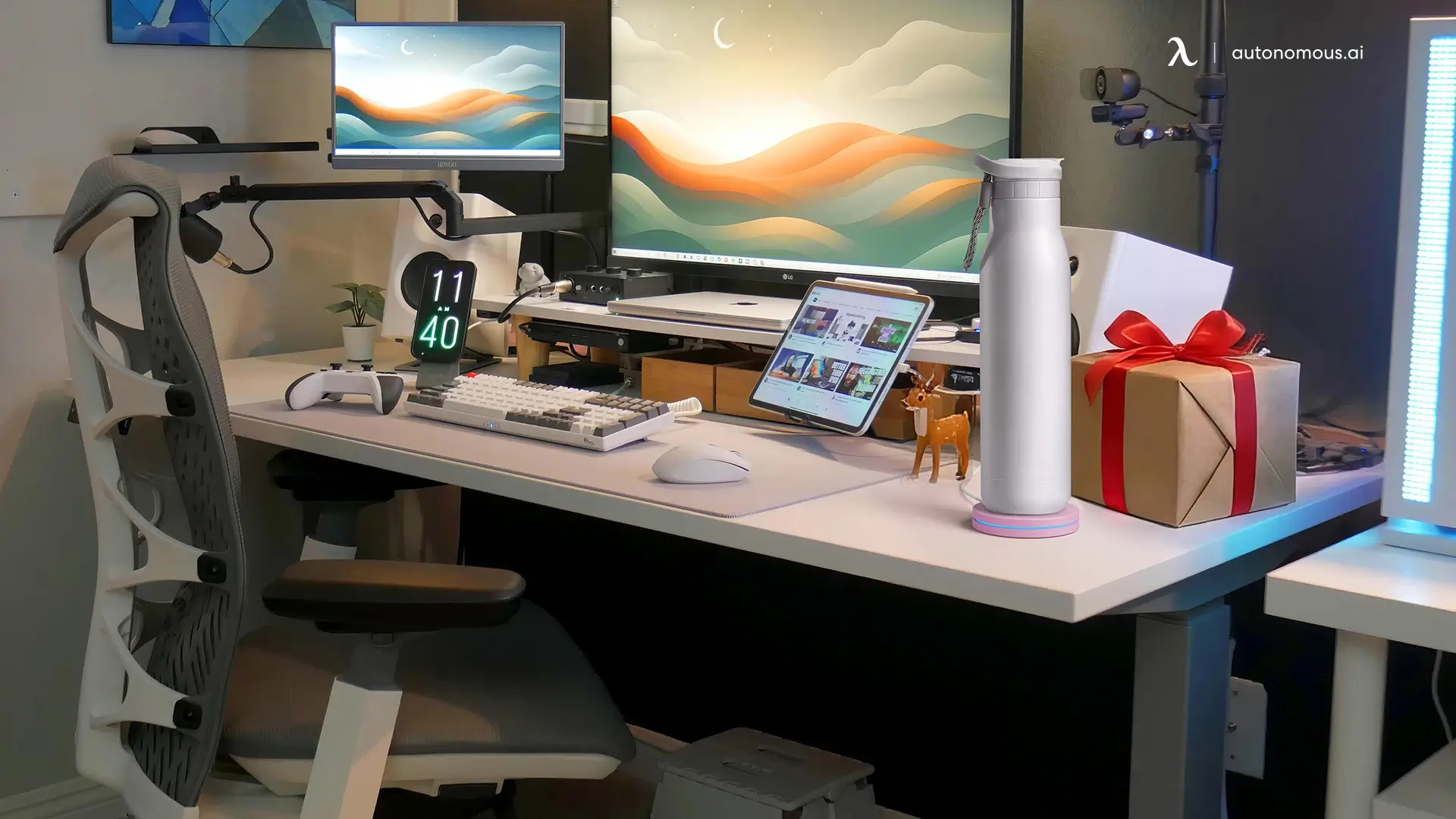
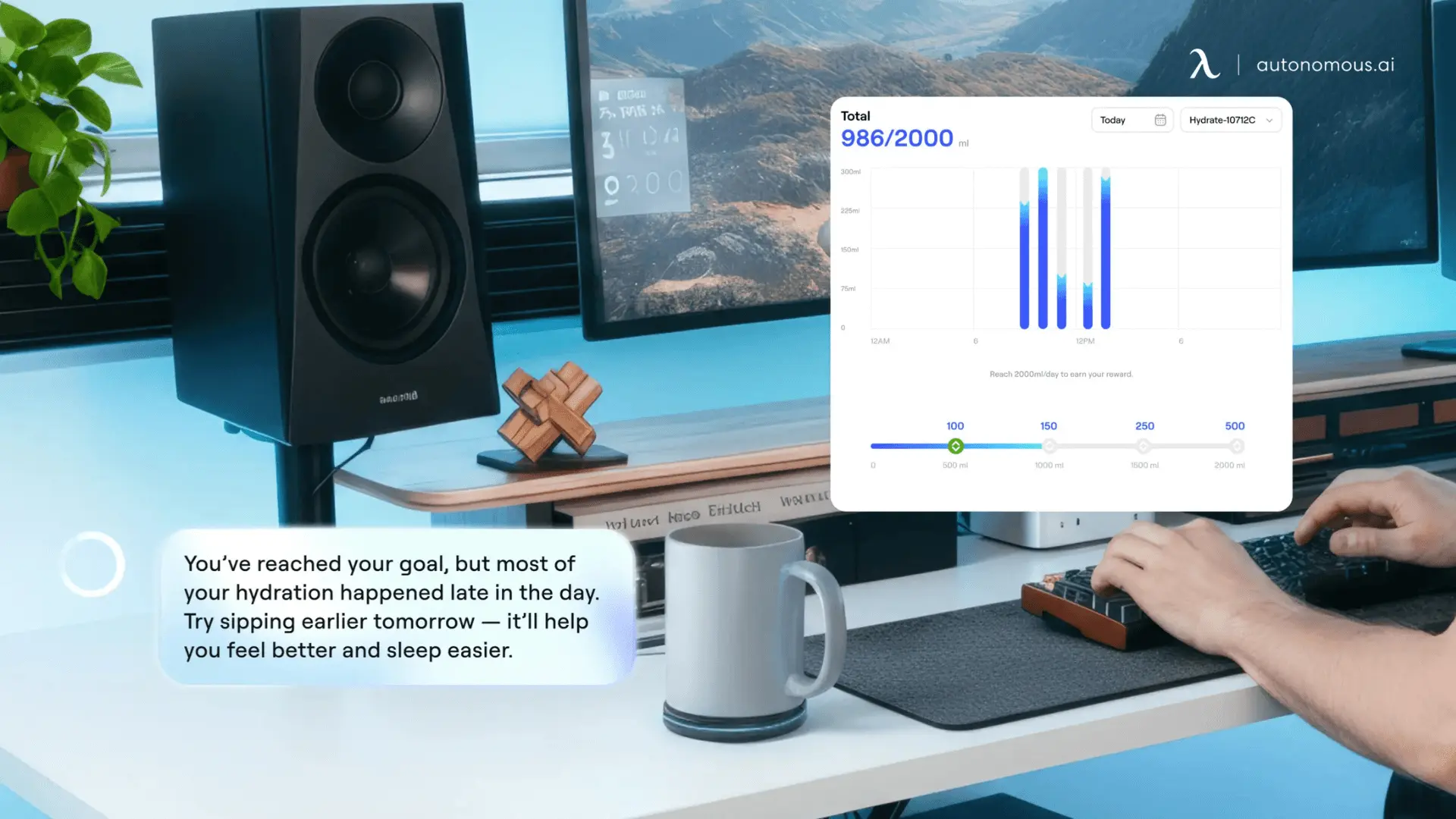
Hydration is typically managed through reminders that are disconnected from actual behavior. A water tracker for bottles addresses this gap by introducing observation and timing into the routine. By tracking real usage patterns and spacing prompts accordingly, it shifts hydration from a task users must remember into a background-supported habit. The smart value lies in responsiveness, intervening only when patterns indicate neglect, rather than relying on fixed alerts that are easy to ignore.
4. Climate Control & Energy Efficiency
Climate systems run continuously, which makes them uniquely prone to inefficiency. The problem isn’t poor hardware, it’s static assumptions. Most homes heat, cool, and circulate air as if conditions never change. Smart climate gadgets earn their place by replacing fixed behavior with contextual response, adjusting only when conditions actually demand it.
- Smart Thermostat
A smart thermostat matters because it introduces behavioral awareness into temperature control. Instead of assuming a fixed schedule, it adjusts based on presence patterns and real usage. This prevents one of the most common energy failures in homes: conditioning empty spaces. When connected to smart home control systems, thermostats gain even more context — responding to occupancy sensors, lighting states, or time-of-day triggers beyond their own readings. Whether part of cheap smart home gadgets aimed at correcting waste or integrated into luxury smart home gadgets with room-level control, the intelligence lies in knowing when not to act.
- Smart Plugs with Energy Monitoring
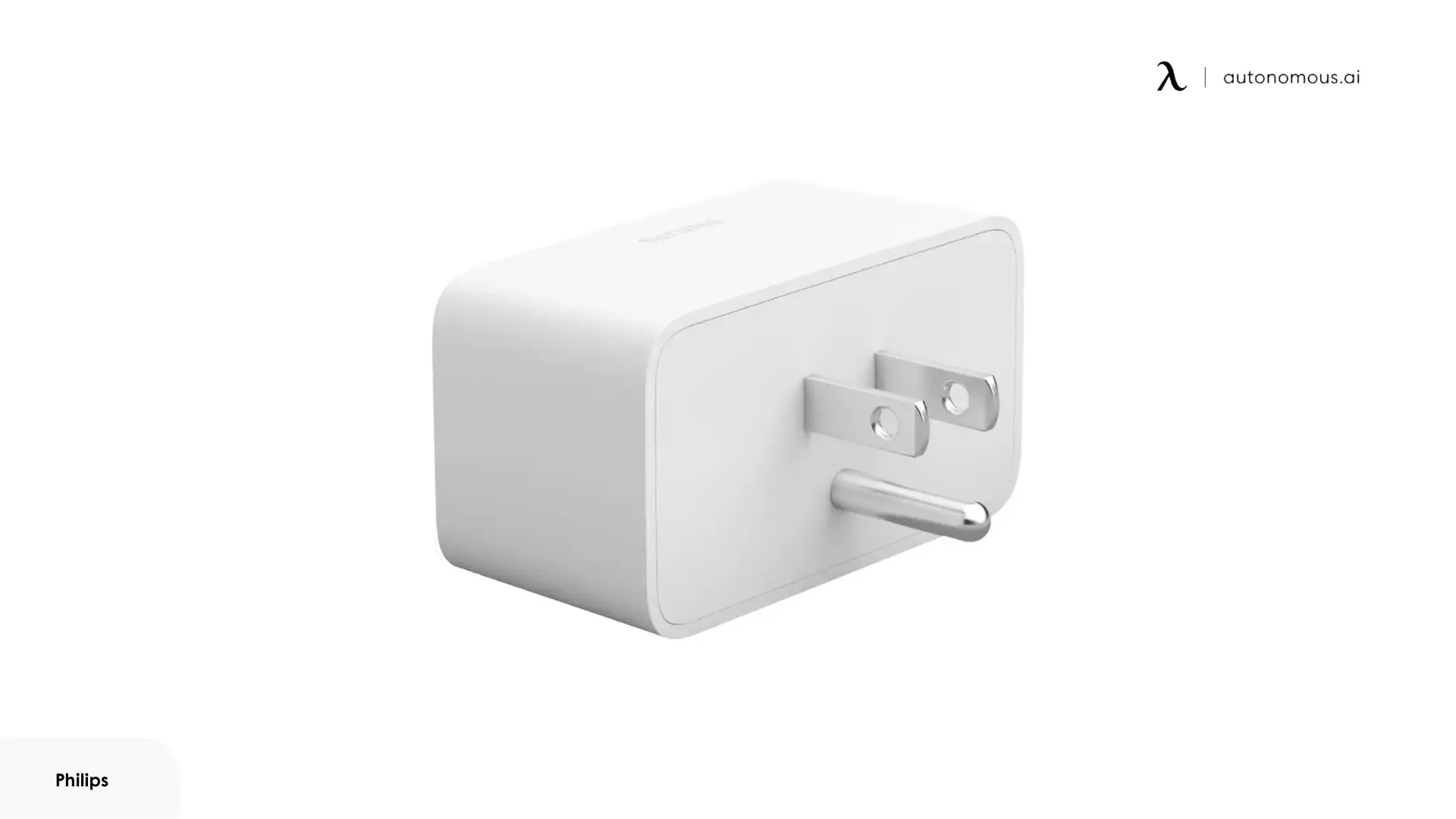
Energy loss often comes from devices that fail silently — equipment that draws power without delivering value. Smart plugs address this by introducing visibility and enforcement. They don’t just measure consumption; they allow rules to be applied when usage no longer makes sense. This turns passive outlets into checkpoints, which is why their impact often exceeds expectations despite their simplicity.
- Smart Air Quality Monitor
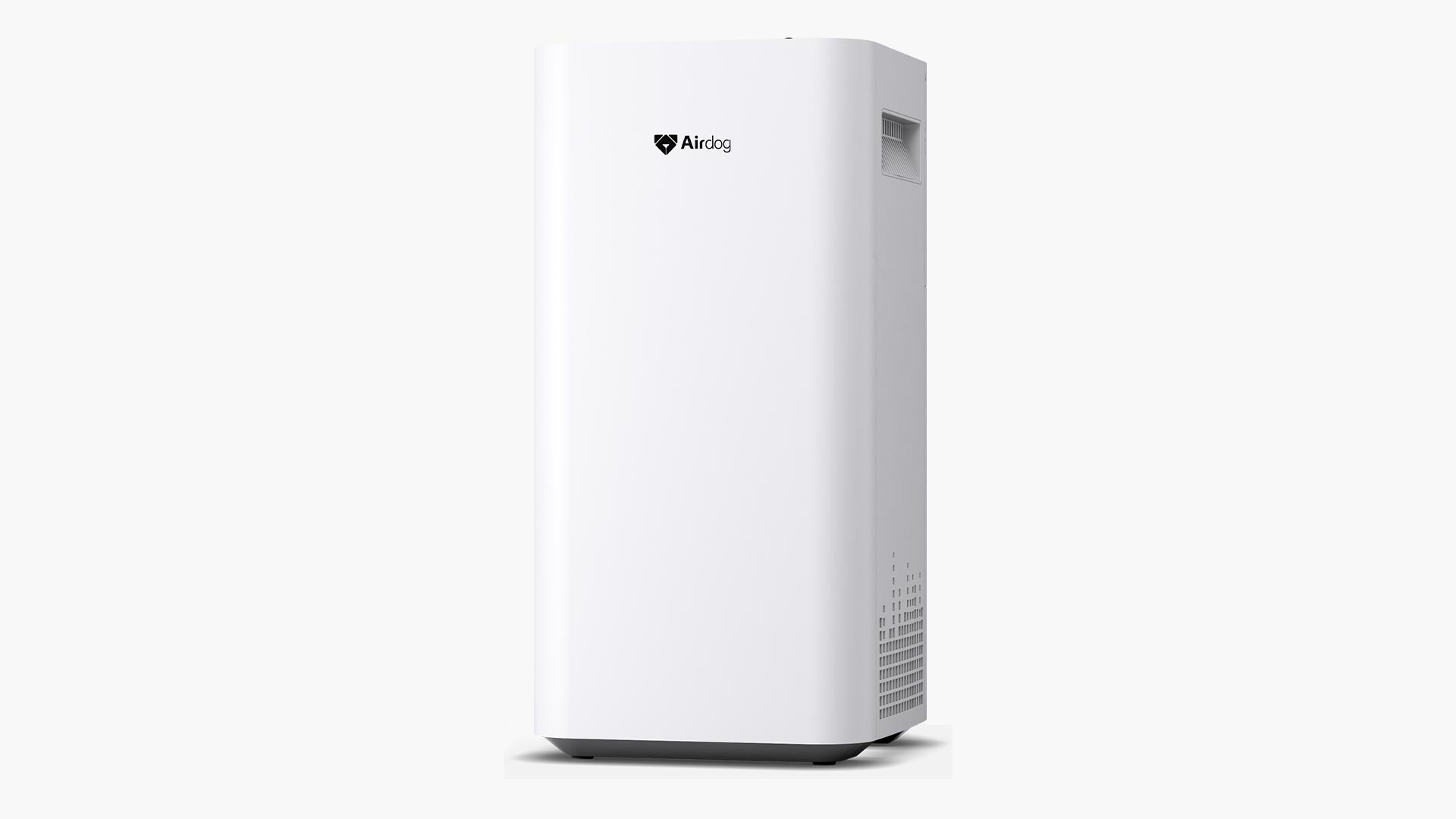
Air quality is rarely managed directly because its changes are gradual and hard to perceive. Smart monitors solve this by acting as early warning systems rather than comfort devices. By detecting shifts before they become noticeable, they enable intervention at the right moment, not after discomfort sets in. In both entry-level and premium setups, their necessity comes from surfacing conditions humans are not equipped to sense reliably.
5. Convenience & Automation
Convenience is often misunderstood as doing things faster. In smart homes, it’s about reducing coordination overhead — the small, repeated actions required to keep a home in a usable state. The smartest automation doesn’t replace effort with voice commands; it removes the need for commands altogether. This is where some of the best smart home gadgets shift from optional add-ons to structural improvements.
- Smart Speaker or Smart Display
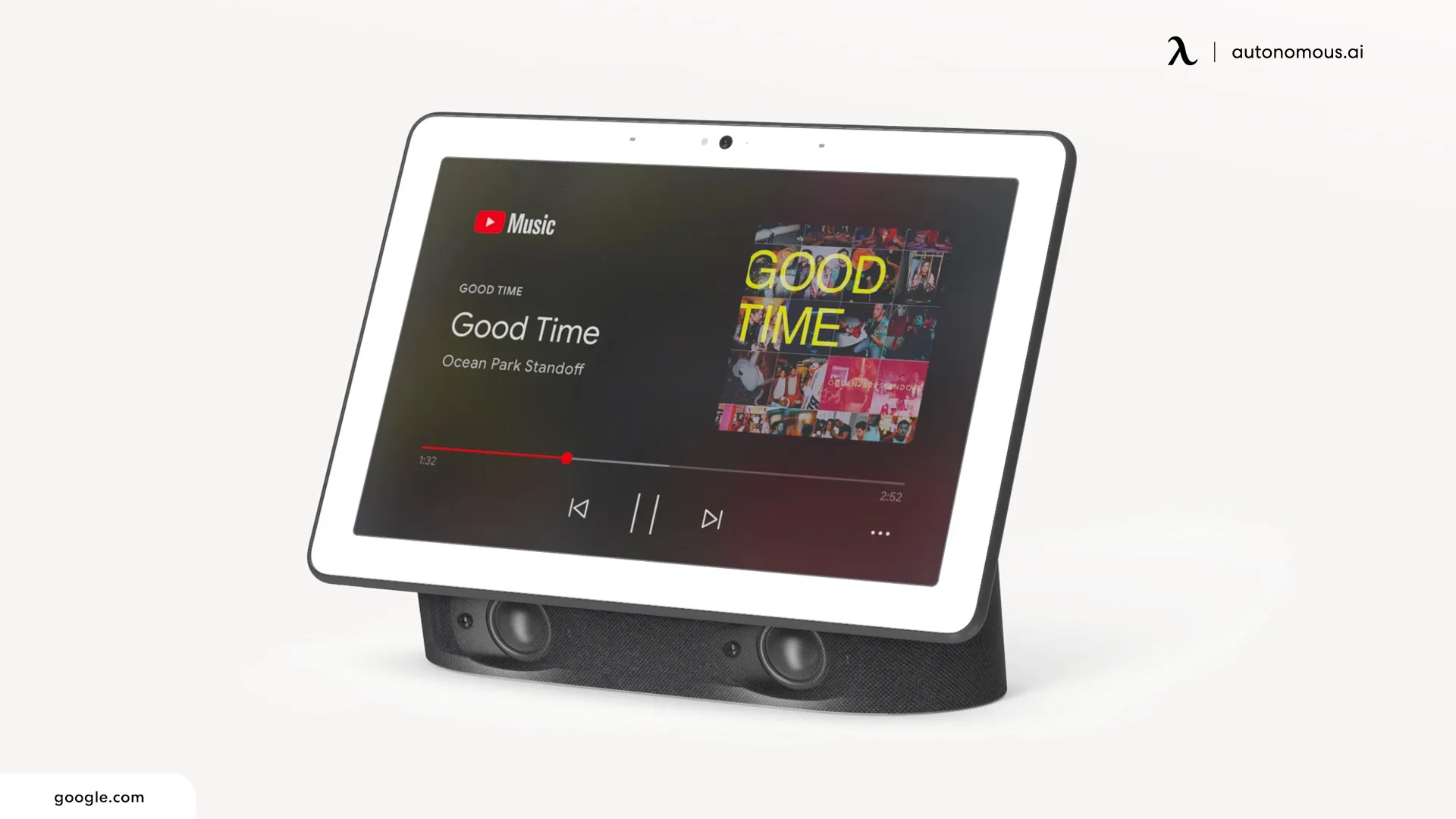
In practice, smart speakers function less as voice assistants and more as system interfaces. They centralize control logic, status feedback, and automation execution in one place. Their importance isn’t in answering questions, but in reducing fragmentation — one interaction surface instead of multiple apps. This design philosophy is especially visible in asian smart home gadgets, where hardware is often optimized for dense living spaces and fast interaction loops.
- Mesh WiFi System
Most smart home problems that look like device failures are actually network failures. A mesh WiFi system doesn't add new functionality — it stabilizes everything else. By distributing coverage evenly across the home, it eliminates the dead zones and signal drops that cause automations to misfire or devices to go offline unpredictably.
This makes mesh networking foundational rather than optional. Before expanding into newest smart home gadgets or layering more sensors and controls, a reliable network needs to be in place. In larger homes or spaces with thick walls, upgrading to mesh often resolves issues that were previously blamed on individual devices. It's infrastructure, not a gadget, but it determines how well every other gadget performs.

6. Cleaning & Maintenance
Cleaning is not difficult because it’s complex — it’s difficult because it’s invisible until it’s overdue. Most maintenance problems emerge gradually, then demand attention all at once. Smart cleaning and maintenance gadgets are necessary because they introduce continuous awareness and autonomous action into tasks humans are bad at tracking consistently. In this category, “smart” doesn’t mean control — it means prevention, timing, and quiet persistence.
- Smart Water Leak Detector
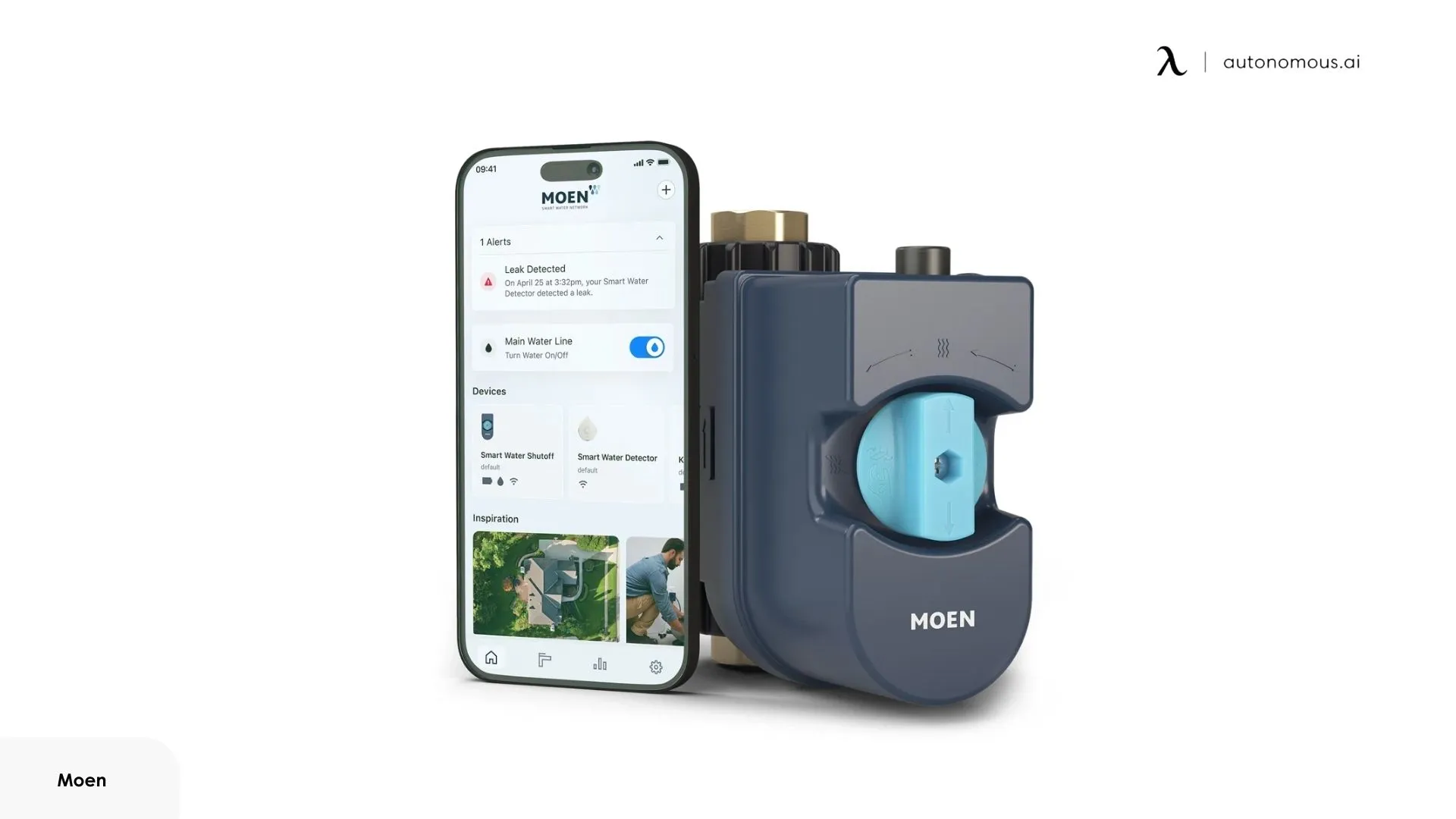
Water damage is rarely caused by sudden failure; it’s caused by delayed detection. Leak detectors matter because they monitor conditions humans don’t — behind appliances, under sinks, near pipes — and escalate only when thresholds are crossed. Their necessity lies in asymmetry: the cost of inaction is high, while the effort to monitor manually is unrealistic. This makes them one of the clearest examples of smart home logic applied correctly.
- Smart Trash Can
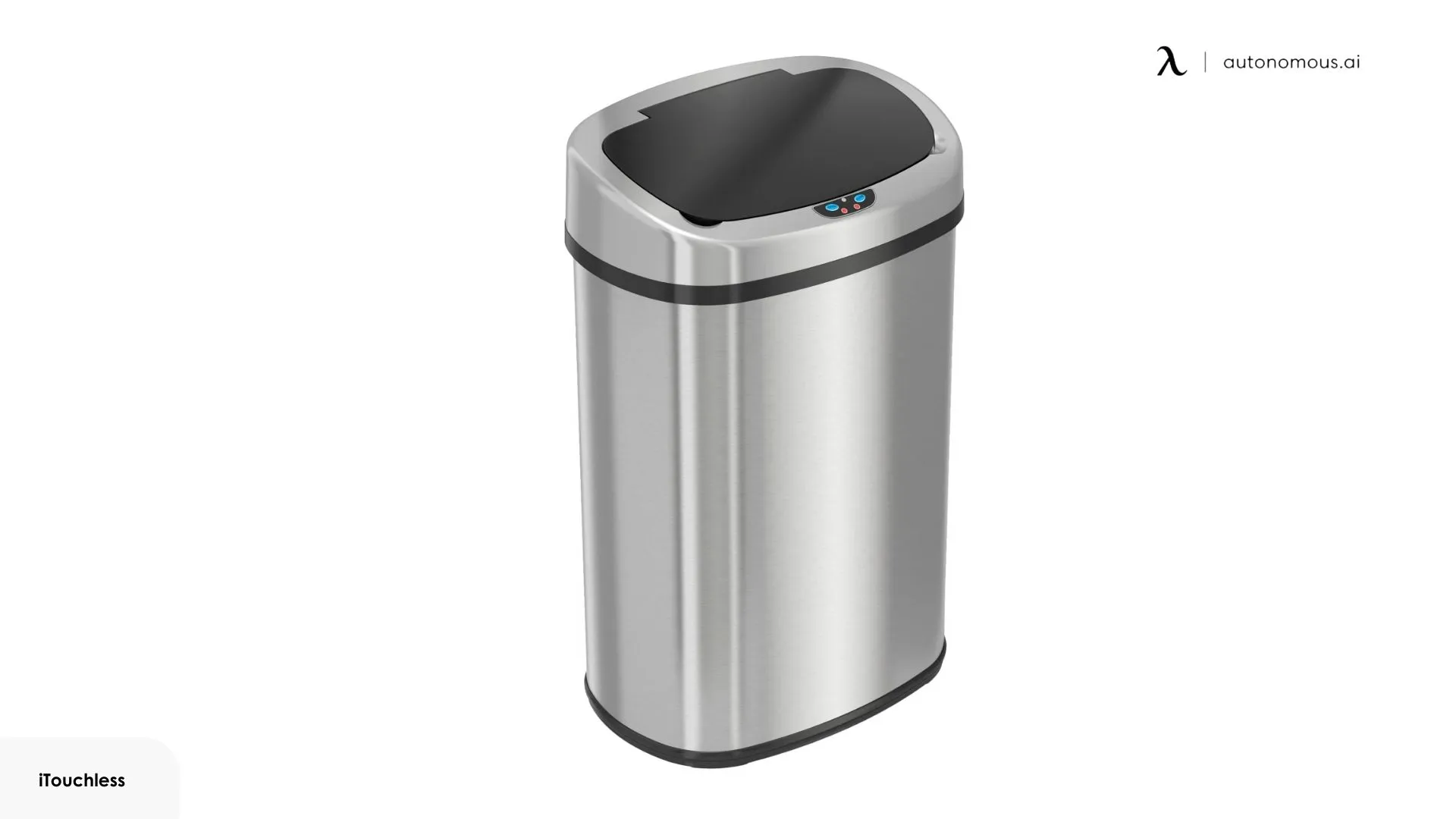
A smart trash can solves a surprisingly persistent coordination problem: hands-free interaction at moments of friction. Motion-triggered access isn’t about convenience; it’s about hygiene and interruption avoidance during food prep or cleanup. While subtle, this type of automation reflects a broader pattern seen across effective home systems — removing interaction precisely when attention is already occupied.
- Smart Sprinkler Controller
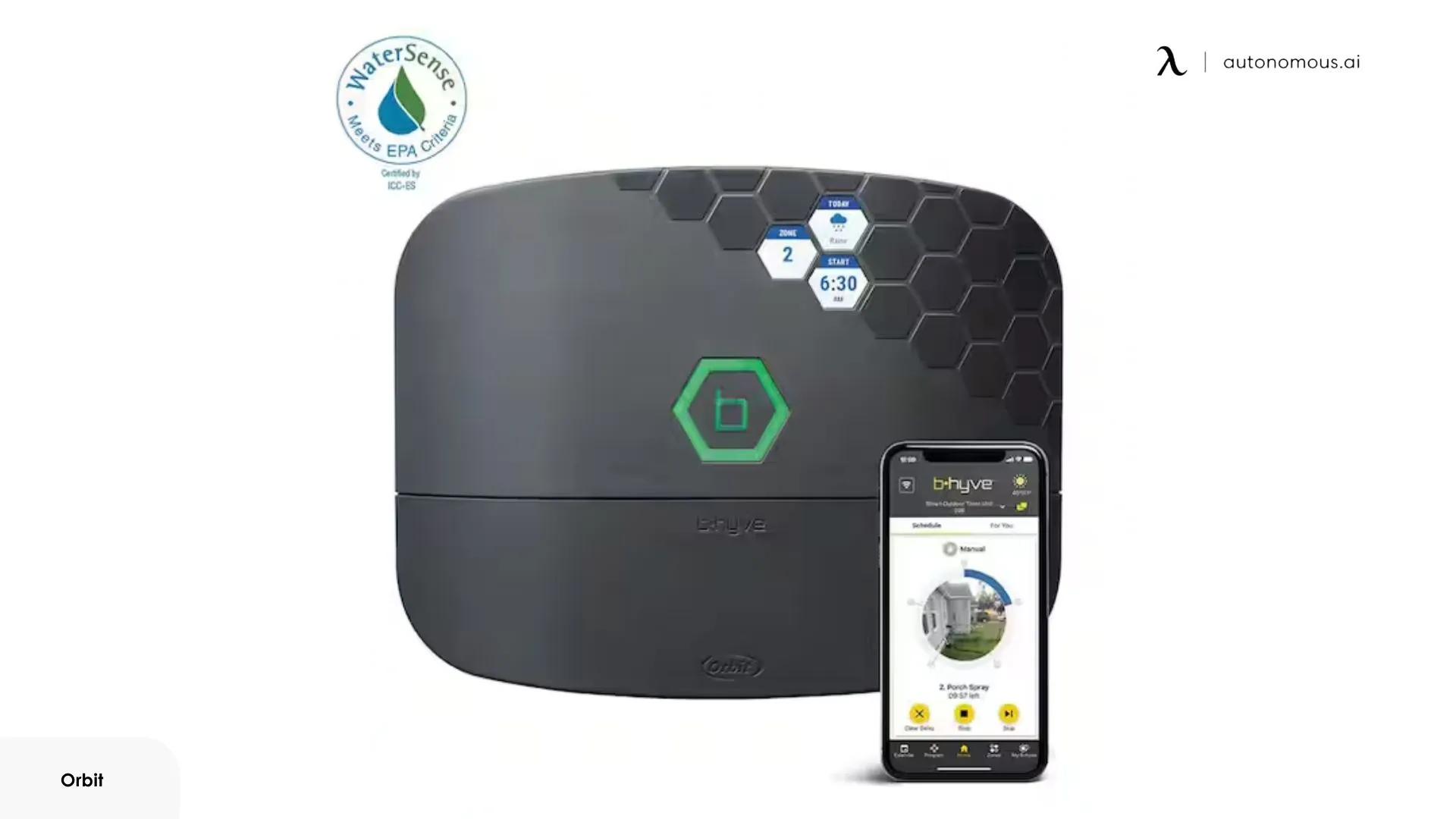
Watering schedules based on fixed timers ignore the one variable that matters most: actual conditions. A smart sprinkler controller adjusts output based on weather forecasts, soil moisture, and seasonal patterns. This prevents overwatering after rain and underwatering during dry stretches — both of which damage landscapes gradually and waste resources.
For homeowners managing irrigation manually, this is one of the cool smart home gadgets that pays for itself relatively quickly through water savings alone. Unlike many outdoor devices, sprinkler controllers operate invisibly once configured. Among luxury smart home gadgets with zone-level control or integration with weather APIs, the underlying logic remains the same: water only when the lawn actually needs it, not when the calendar says to.
What Actually Makes a Smart Home Gadget Worth Buying
The best smart home gadgets tend to share a small set of structural qualities. These criteria are less about features and more about how a device behaves once it becomes part of everyday life.
- Automation with restraint:
A smart gadget acts only when conditions meaningfully change and stays silent the rest of the time. Systems that require constant tuning, frequent alerts, or ongoing attention often shift effort rather than reducing it.
- Default correction:
Useful devices fix broken assumptions, static schedules, manual checks, or reliance on memory, by responding to real conditions instead. This is why sensing and context matter more than remote control or customization.
- State awareness over command execution:
Intelligent systems respond to what is happening, not what was scheduled or requested. Gadgets that track presence, usage, or environmental state tend to remain accurate as routines drift over time.
- Reduction of repeated decision-making:
Smart devices earn their place when they absorb routine choices into background logic, allowing everyday behavior to proceed with fewer active inputs. Many cool office gadgets work the same way — supporting focus by staying out of it.
- Integration over novelty:
Long-term value comes from functioning as part of a broader system rather than as an isolated tool. Devices that reference shared context tend to remain useful as habits evolve, while standalone products often fade once initial interest wears off. The same logic separates useful travel tech gadgets from novelty purchases that get left behind after one trip.
Together, these criteria distinguish genuinely smart tools from connected products that increase complexity without solving a meaningful problem.

What Not to Buy (Yet)
Not every connected device benefits from added intelligence. In many cases, “smart” introduces complexity before the underlying system is stable enough to support it. When evaluating the best smart home gadgets, it’s often just as important to know which categories are worth postponing.
- Gadgets that depend on reminders rather than system behavior:
Products that surface frequent prompts instead of changing system behavior tend to increase attention load. If a gadget depends on users responding correctly each time, its intelligence is superficial and rarely sustainable.
- Devices that operate without shared context
Gadgets that function independently, without reference to time, presence, or environment, often struggle to stay relevant as routines shift. Without shared signals, their behavior remains static even as daily patterns evolve.
- Overly complex hubs or control layers:
Systems that require extensive configuration before delivering value can lock users into fragile setups. Until there is a clear need for advanced orchestration, complexity often creates more points of failure than benefit.
- Solutions optimized for uncommon situations rather than daily conditions
Devices designed around rare scenarios may demonstrate technical capability, but they contribute little to everyday operation. Intelligence that doesn’t improve what happens most days tends to remain unused. Some futuristic tech gadgets fall into this category — impressive on paper, but waiting for the right moment to become practical.
Waiting to add these devices allows the rest of the system to mature first. In many homes, restraint leads to a smarter setup than expansion, a principle that applies as much to buying decisions as it does to automation itself.
FAQs
What are the best smart home gadgets to start with?
The best smart home gadgets to start with are those that automate everyday conditions, such as lighting, security, or climate control. These devices deliver value quickly because they reduce repeated manual actions rather than adding new habits.
What makes a smart home gadget actually worth buying?
A smart home gadget is worth buying when it changes system behavior automatically instead of relying on reminders or constant input. Long-term usefulness comes from correcting broken defaults, not from offering more control options.
Which smart home gadgets save the most effort over time?
Gadgets that operate continuously in the background, such as security sensors, climate automation, or maintenance monitors, tend to save the most effort. Their value compounds because they remove recurring decisions rather than speeding up single tasks.
Are luxury smart home gadgets better than basic ones?
Luxury smart home gadgets are not inherently better; they are more effective when they improve reliability, integration, or system awareness. If added features don’t change how the system behaves day to day, the extra complexity rarely pays off.
What smart home gadgets are most useful for apartments or small homes?
In smaller spaces, the best smart home gadgets are those that reduce coordination overhead, such as lighting automation, presence-based controls, or compact security systems. Devices that rely on shared context tend to scale better than room-specific setups.
What smart home gadgets should I avoid buying early?
Smart home gadgets that depend on frequent alerts, manual tuning, or isolated operation are best avoided early. These often increase attention load instead of reducing it.
What makes a smart home gadget future-proof?
Smart home gadgets last longer when they rely on shared context such as time, presence, or environment. Devices built around fixed routines or manual control age poorly.
Conclusion
Building a smart home is less about accumulating devices and more about shaping how a system behaves over time. The best smart home gadgets earn their place by correcting predictable failures — in attention, timing, or coordination — rather than adding new layers of interaction. When intelligence is applied selectively, homes become quieter, more stable, and easier to live in.
A useful rule of thumb is to start with sensing and automation that address everyday conditions, then expand only when a clear gap remains. In practice, a restrained approach leads to setups that continue working as routines evolve, long after novelty fades.