Standing desks that stay steady at full height.
From dual to quad motors, steel frame, 50,000 lift cycles tested. The one we work at all day.
Standing desks that stay steady at full height.
From dual to quad motors, steel frame, 50,000 lift cycles tested.
(1).webp)

.webp)
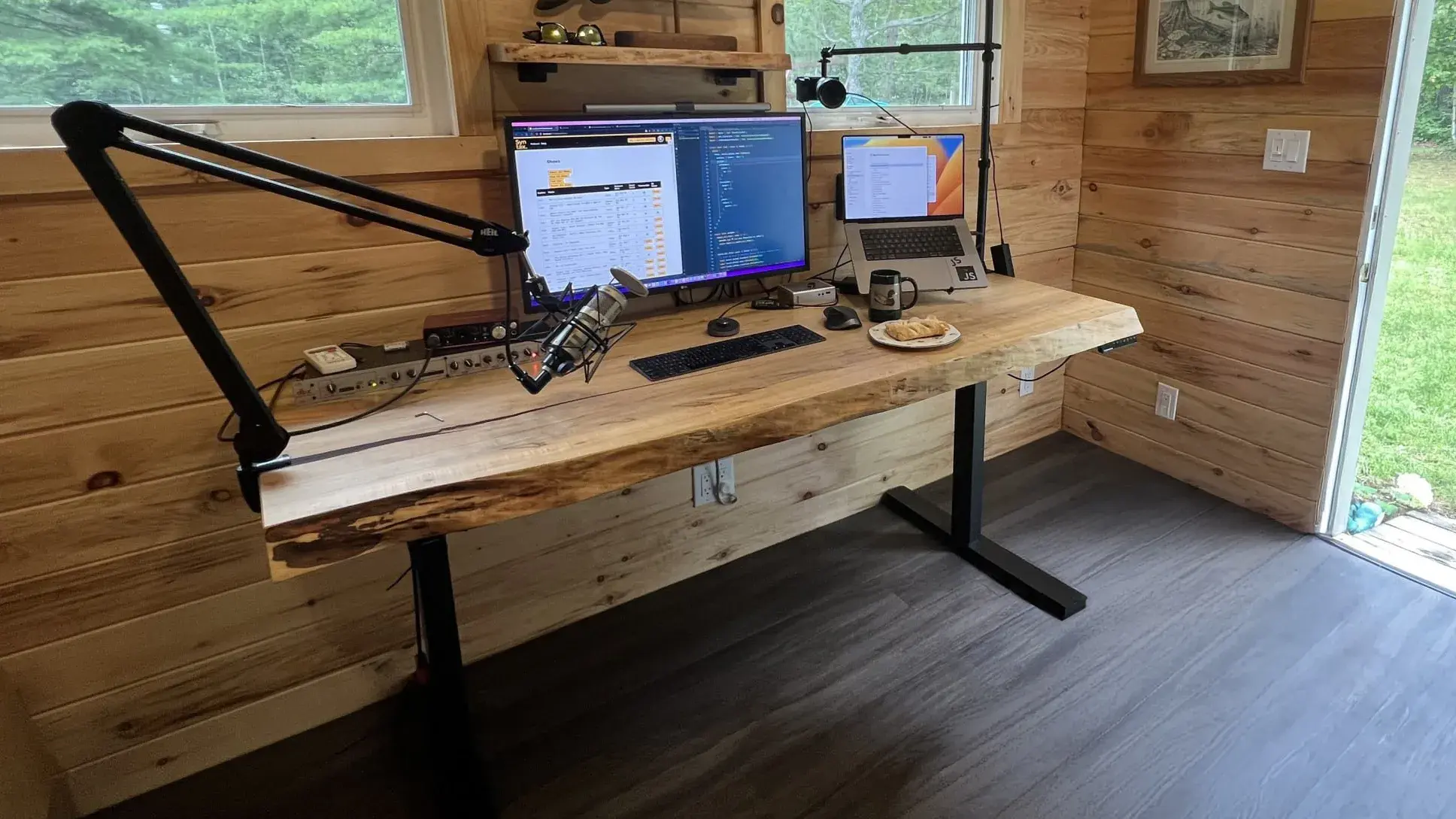
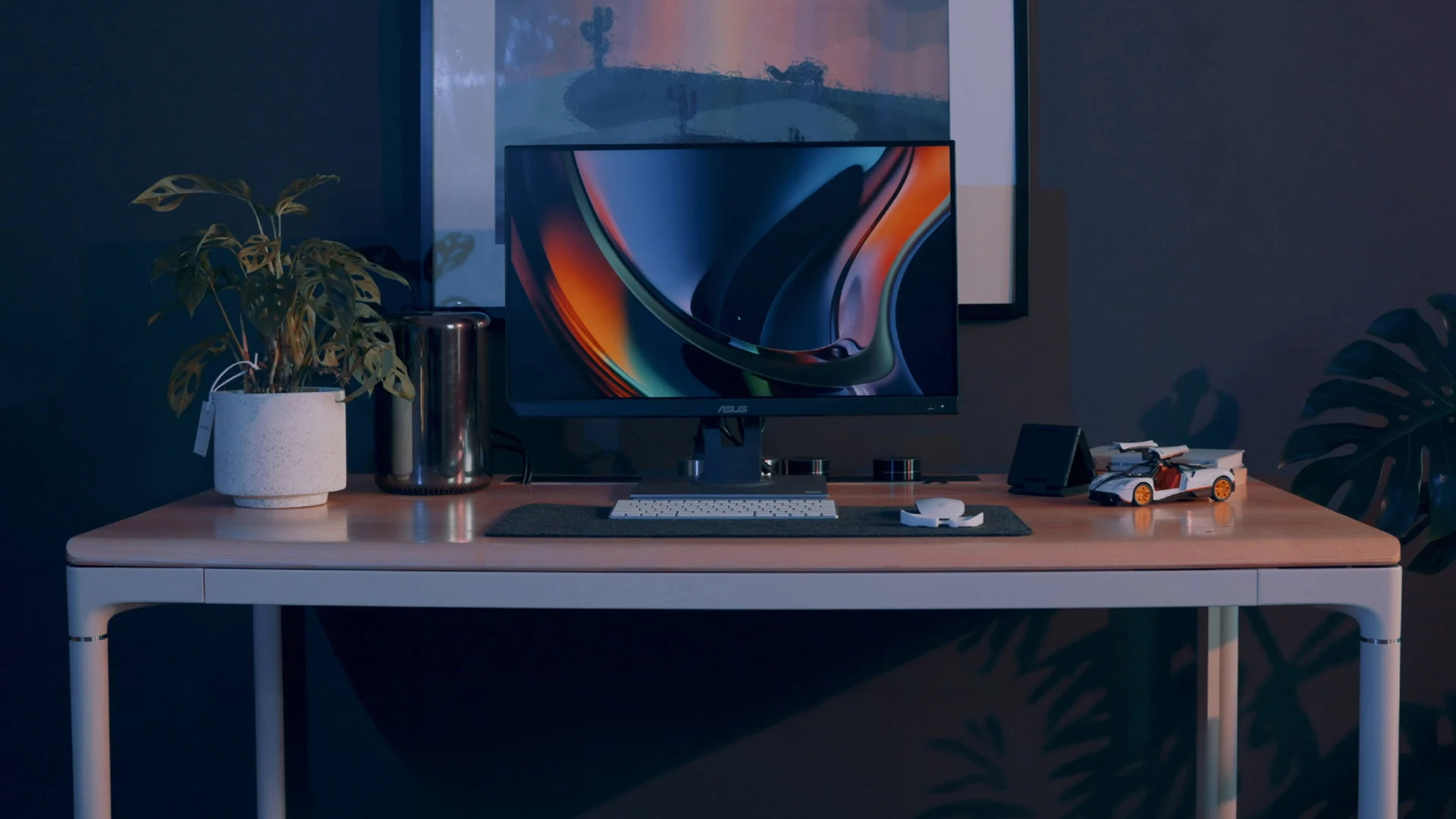
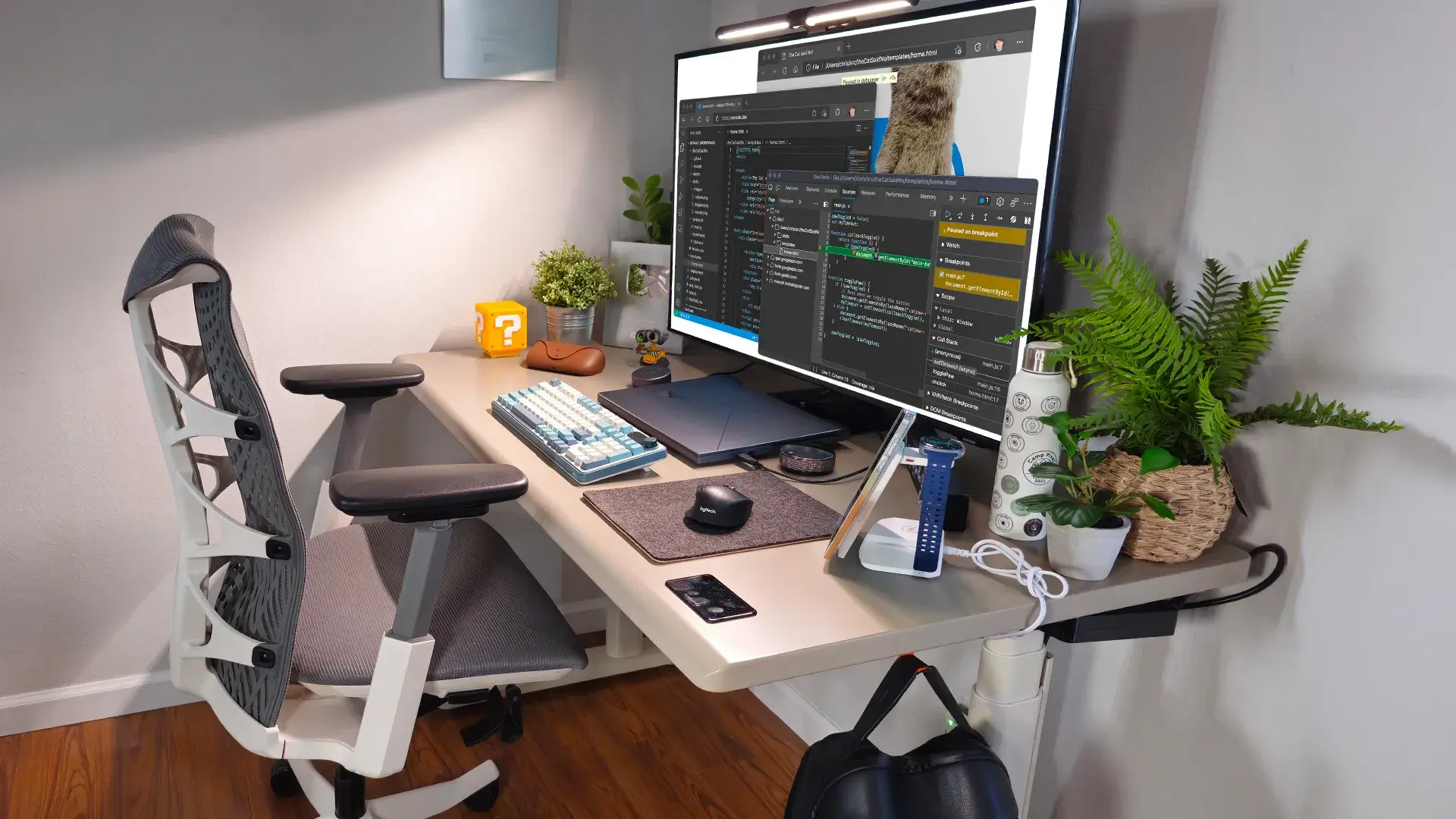
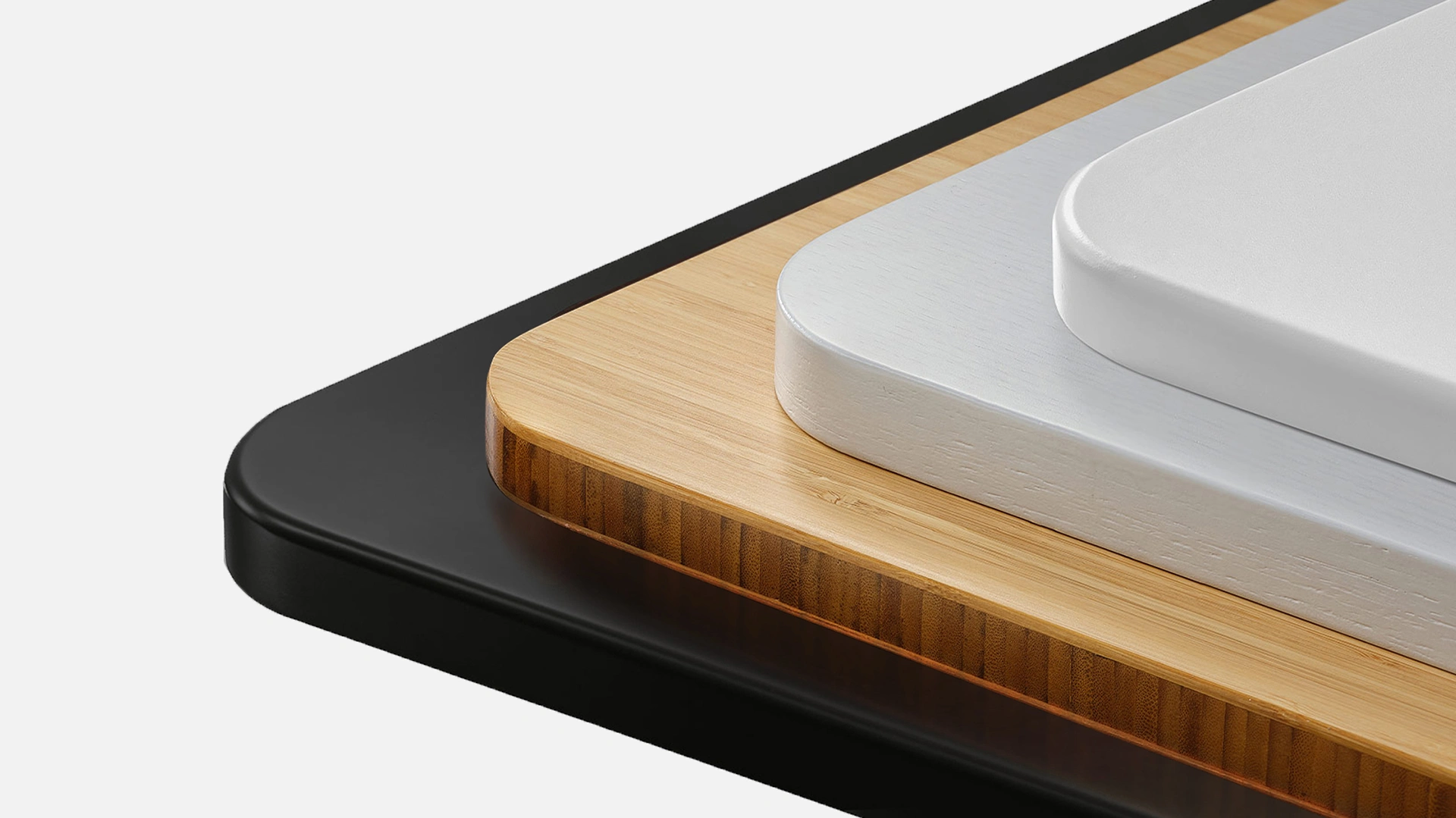
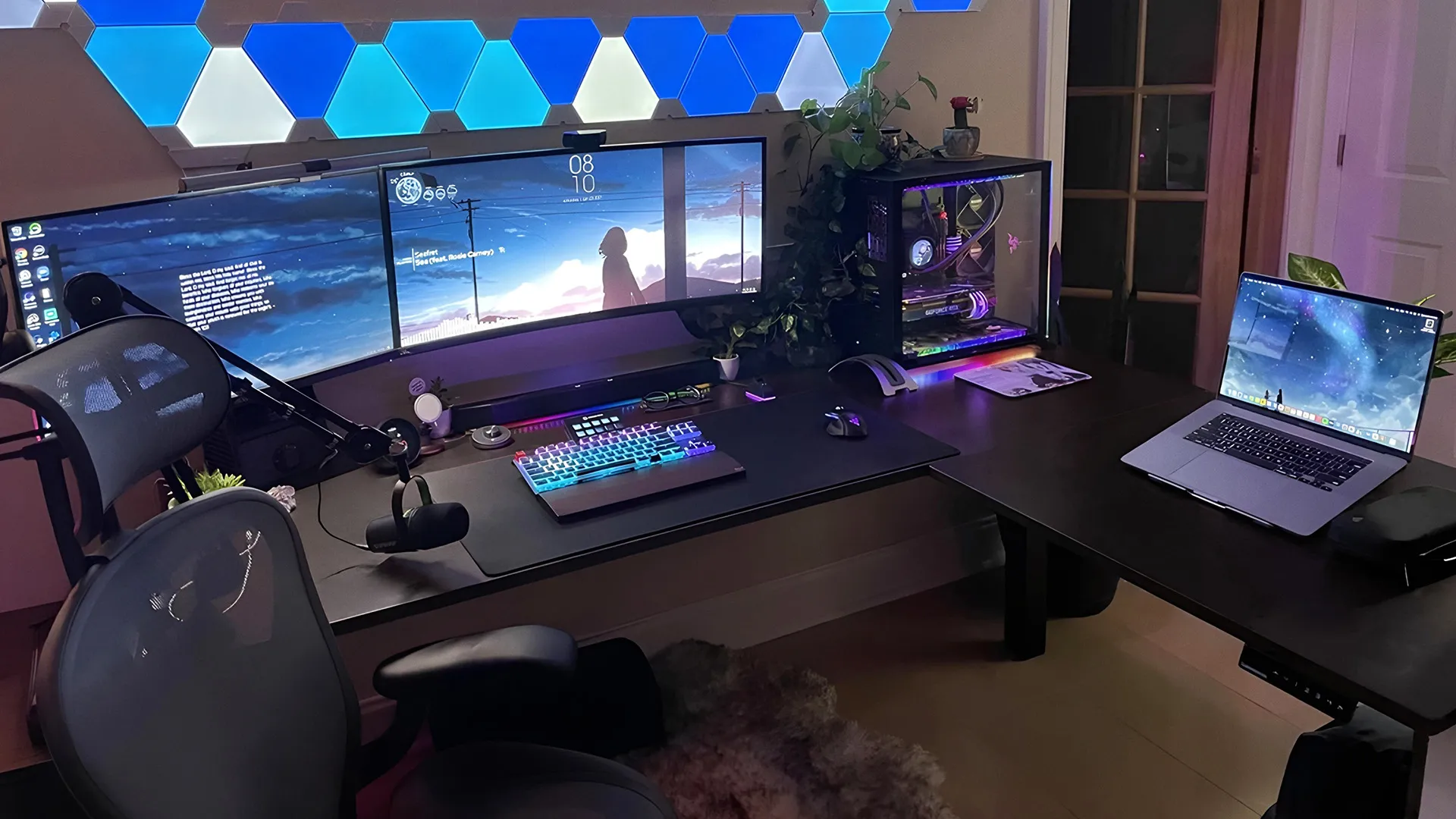
Compare Autonomous Standing Desks.
.webp)


From $499
buy (opens in a new tab)From $849
buy (opens in a new tab)From $449
buy (opens in a new tab)—
Sensors
CO₂, PM, VOC, NOx, gas, sound
Sensors
—
Sensors
29.5" - 48.5"
Height range (in)
24.5" - 53.5"
Height range (in)
27.2" - 46.5"
Height range (in)
53" x 29"
70.5" x 29"
Surface size (in)
53" x 29"
70.5" x 29"
Surface size (in)
53" x 29"
70.5" x 30"
Surface size (in)
330
Weight capacity (lbs)
450
Weight capacity (lbs)
250
Weight capacity (lbs)
Dual
Motor
Dual
Motor
Dual
Motor
1.2"/s
Lifting speed (in/s)
1.2"/s
Lifting speed (in/s)
1.1"/s
Lifting speed (in/s)
<30
Noise level (dB)
<30
Noise level (dB)
<45
Noise level (dB)
SPCC steel
Material - Frame
SPCC steel
Material - Frame
SPCC steel
Material - Frame
HDF wood
Material - Surface
HDF wood
Material - Surface
Warp-proof MDF
Material - Surface
Lifetime
Warranty - Frame
Lifetime
Warranty - Frame
10 years
Warranty - Frame
2 years
Warranty - Surface
2 years
Warranty - Surface
2 years
Warranty - Surface