Detached ADU: Meaning, Cost, Plans, and Requirements
.webp)
Table of Contents
- What Is a Detached ADU?
- Detached ADU vs Attached ADU
- Detached ADU Requirements
- Detached ADU Rules in Los Angeles
- Detached ADU Rules in San Diego
- Detached ADU Plans and Design Options
- How Much Does It Cost to Build a Detached ADU?
- Does a Detached ADU Count as Square Footage?
- Backyard Workspace Alternatives
- FAQs
- Conclusion
A detached ADU is one of the most popular ways homeowners add flexible living space to their property. Whether used as a guest house, rental unit, or private workspace, a detached accessory dwelling unit offers independence from the main house while increasing property functionality.
This guide explains what a detached ADU is, how it differs from an attached ADU, typical costs, design options, and the requirements homeowners should understand before building.
What Is a Detached ADU?
A detached ADU (Accessory Dwelling Unit) is a secondary housing unit built on the same property as a primary residence but separate from the main house. Unlike an attached ADU, it does not share walls with the primary structure.
Detached ADUs are commonly located in the backyard and function as independent living spaces. They typically include their own:
- entrance
- kitchen or kitchenette
- bathroom
- living area
Because the unit is physically separate, a backyard detached ADU often provides greater privacy and flexibility compared with other ADU types.
Homeowners use detached ADUs for many purposes, including:
- long-term rental units
- housing for family members
- guest accommodations
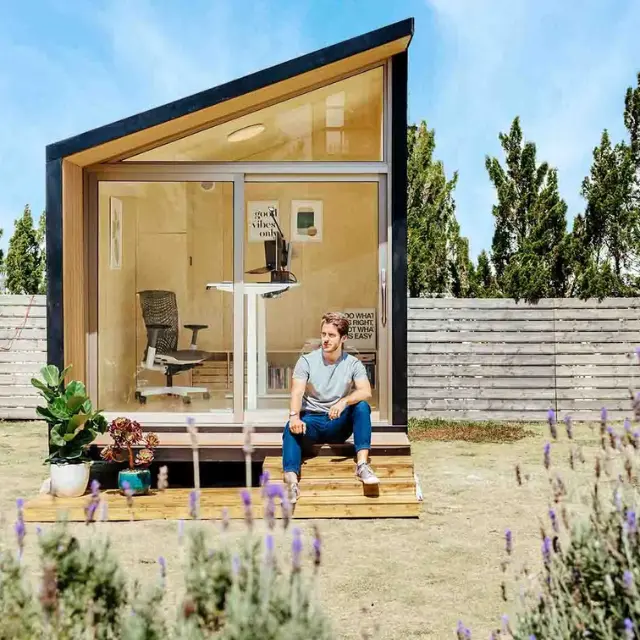
- private backyard studios or home offices
In areas with high housing demand, detached ADUs are also seen as a way to increase property value while creating additional income opportunities.
.webp)
Detached ADU vs Attached ADU
The main difference between a detached ADU and an attached ADU is the relationship to the primary house.
Feature | Detached ADU | Attached ADU |
Structure | Separate building | Connected to main house |
Privacy | Higher | Moderate |
Construction cost | Usually higher | Often lower |
Utility connections | Separate installation may be needed | Often shared |
Rental potential | Strong due to privacy | Moderate |
Detached ADUs provide more independence, which is why they are often preferred for rental use or guest housing. Attached ADUs, on the other hand, may be more affordable because they share walls and infrastructure with the existing house.
It is important to note that an ADU does not have to be detached. Local zoning regulations typically allow both configurations depending on the property layout.
Detached ADU Requirements
Before building a detached ADU, homeowners must comply with local zoning and building regulations. While rules vary by city and county, several common requirements usually apply.
Setbacks
Detached ADUs must maintain minimum distances from property lines. These setback rules determine how close the structure can be built to neighboring properties.
Height limits
Many jurisdictions limit detached ADUs to around 16–25 feet in height, depending on zoning regulations and lot characteristics.
Maximum size
In California, detached ADUs can often reach up to 1,200 square feet, although local regulations may still affect the final size. Homeowners researching how big an ADU can be in California should review both state law and local planning rules.
Utilities
Electricity, water, and sewer connections must meet local building codes and may require inspections during construction.
Permits
Building a detached ADU typically requires planning approval and construction permits. Understanding how to get an ADU permit can help prepare for the application process and avoid delays.
Because regulations differ by location, homeowners should always confirm requirements with their local planning department. Constructing ADUs without permits can lead to legal and resale issues, so verifying approval requirements early is essential.
Detached ADU Rules in Los Angeles
Key points for detached ADUs in Los Angeles:
- Detached ADUs are allowed on most residential lots
- Maximum size can reach up to 1,200 sq ft depending on the property
- Minimum 4-foot side and rear setbacks typically apply
- Parking requirements may be waived in certain areas
- Permits must be approved through the Los Angeles Department of Building and Safety
Because zoning rules can vary by neighborhood, homeowners should confirm City of Los Angeles ADU requirements and local planning rules before starting a project.
Detached ADU Rules in San Diego
Typical detached ADU considerations in San Diego include:
- Detached ADUs are widely permitted in residential zones
- Maximum size is commonly up to 1,200 sq ft
- Setback and height limits apply depending on zoning
- Additional incentives may exist for smaller units or affordable housing programs
- Permits are handled through the San Diego Development Services Department
Homeowners exploring design options often look at examples of prefab ADUs in San Diego to understand common layouts and construction approaches in the region.
These policies have made San Diego one of the most active markets for ADU construction in California.
Detached ADU Plans and Design Options
Detached ADUs come in a wide range of layouts and architectural styles. The right design usually depends on available yard space, intended use, and budget. Exploring different ADU design approaches can help narrow down what fits your property best.
Common detached ADU plans include:
- Studio ADU: A compact open-plan layout with combined living and sleeping space.
- One-bedroom ADU: One of the most popular designs, offering a separate bedroom and living area.
- Two-bedroom ADU: Suitable for families or long-term rentals.
- Loft ADU: Adds sleeping or storage space without increasing the building footprint.
Homeowners also compare different ADU floor plans when deciding how much separation they want between living, sleeping, and storage areas. Smaller layouts such as a 200 sq ft ADU work well for highly efficient spaces, while a 500 sq ft ADU allows for a more complete one-bedroom setup.
Architectural styles vary as well. Some homeowners prefer modern minimalist designs, while others choose cottage-style backyard units that match the primary house. Once the layout is set, details like ADU interior design can shape how functional and spacious the unit feels.
Prefab ADU designs have also become increasingly popular because they reduce construction timelines and simplify the building process.
How Much Does It Cost to Build a Detached ADU?
The cost of building a detached ADU varies widely depending on location, size, and construction method. A good starting point is to review the main ADU cost drivers before estimating a realistic budget.
Typical cost ranges include:
Size | Estimated Cost |
400–600 sq ft | $120,000 – $250,000 |
600–800 sq ft | $180,000 – $350,000 |
800–1,200 sq ft | $250,000 – $500,000 |
Several factors influence the final cost:
- site preparation and foundation work
- utility installation
- building materials
- permit and design fees
- labor costs
In high-cost construction markets such as California, detached ADUs can be a significant investment. Looking at the average cost of an ADU in California can provide a clearer sense of what projects typically cost across the state.
Costs also vary by city. Building in Los Angeles often involves different permitting and labor expenses than projects in other regions, so guides on ADU cost in Los Angeles and the cost to build an ADU in San Diego can help set more local expectations.
Financing may also shape the decision. Some projects are funded through savings, while others rely on options such as ADU loans in San Diego or similar construction financing.
Does a Detached ADU Count as Square Footage?
A detached ADU is generally not included in the square footage of the primary home, because it is considered a separate structure.
However, the unit is still recorded as additional living space on the property and may influence:
- property value
- resale potential
- rental income opportunities
Real estate listings often describe properties with detached ADUs as having a “main house plus ADU,” rather than combining the square footage.
Backyard Workspace Alternatives
A detached ADU creates a fully independent living unit, but that level of construction is not always necessary. If the goal is simply to add a private place to work, building a full backyard ADU may be more than the project actually requires.
For many remote workers, the real need is a quiet space away from the house for calls, focus, and daily work.
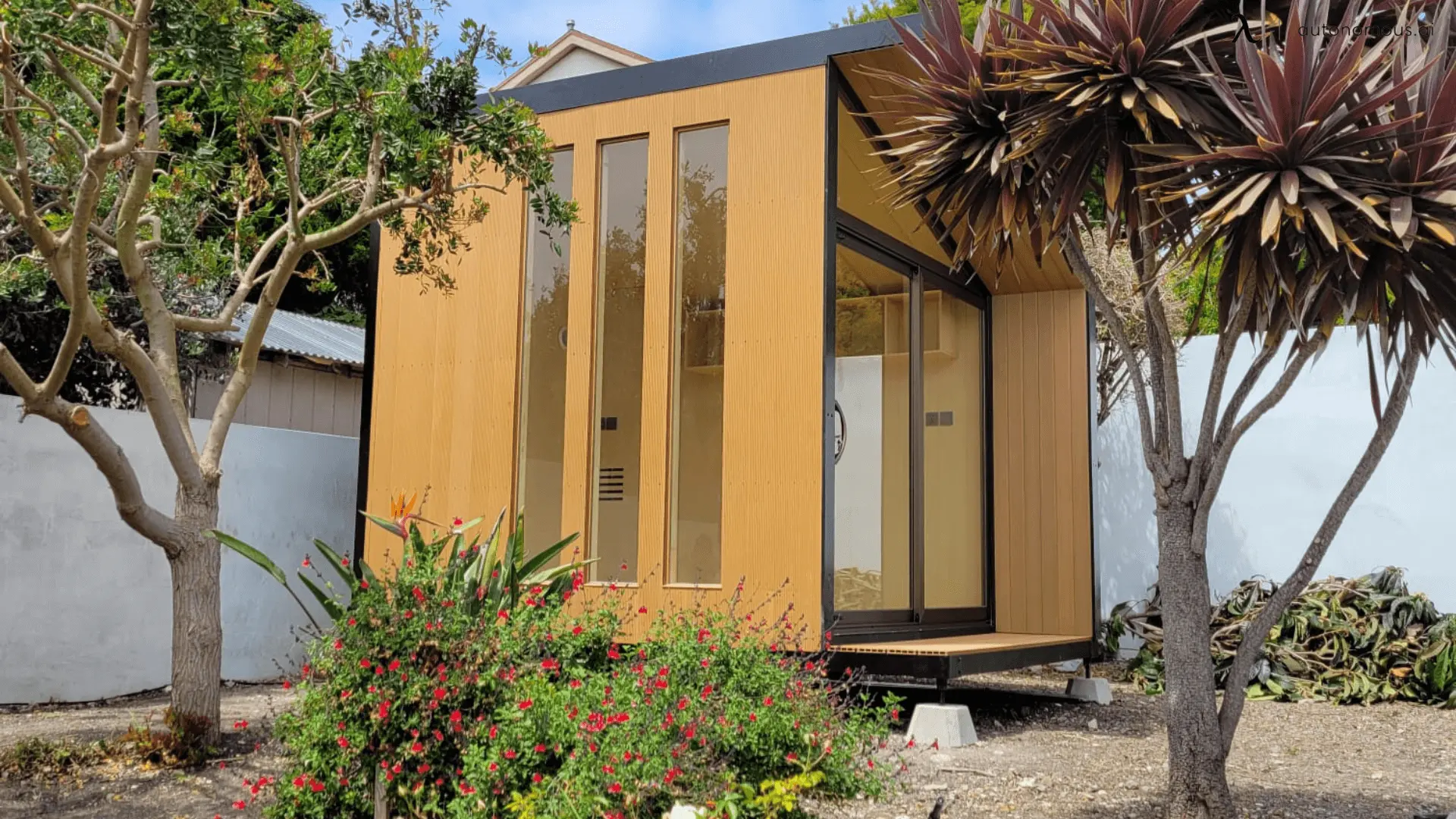
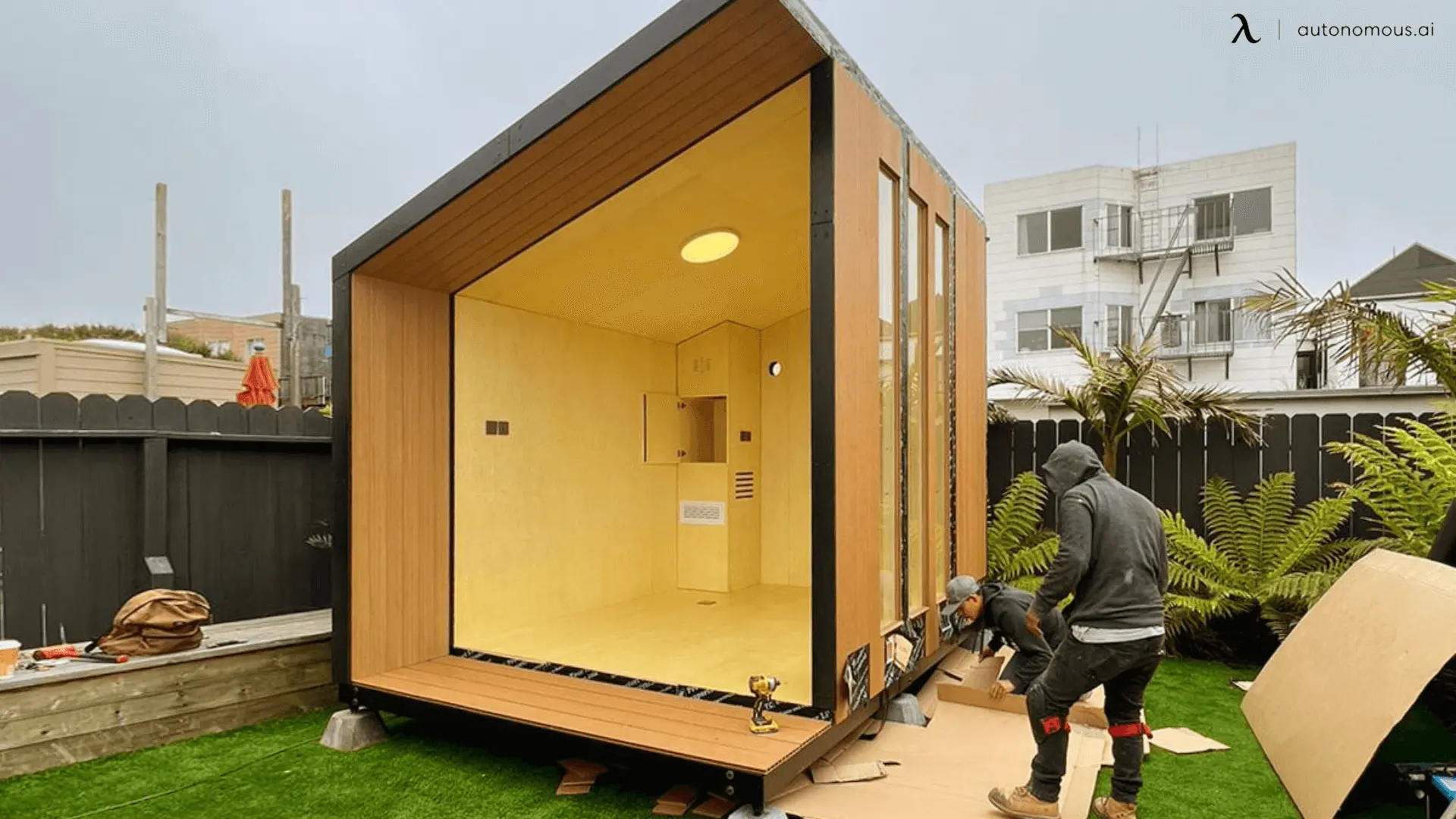
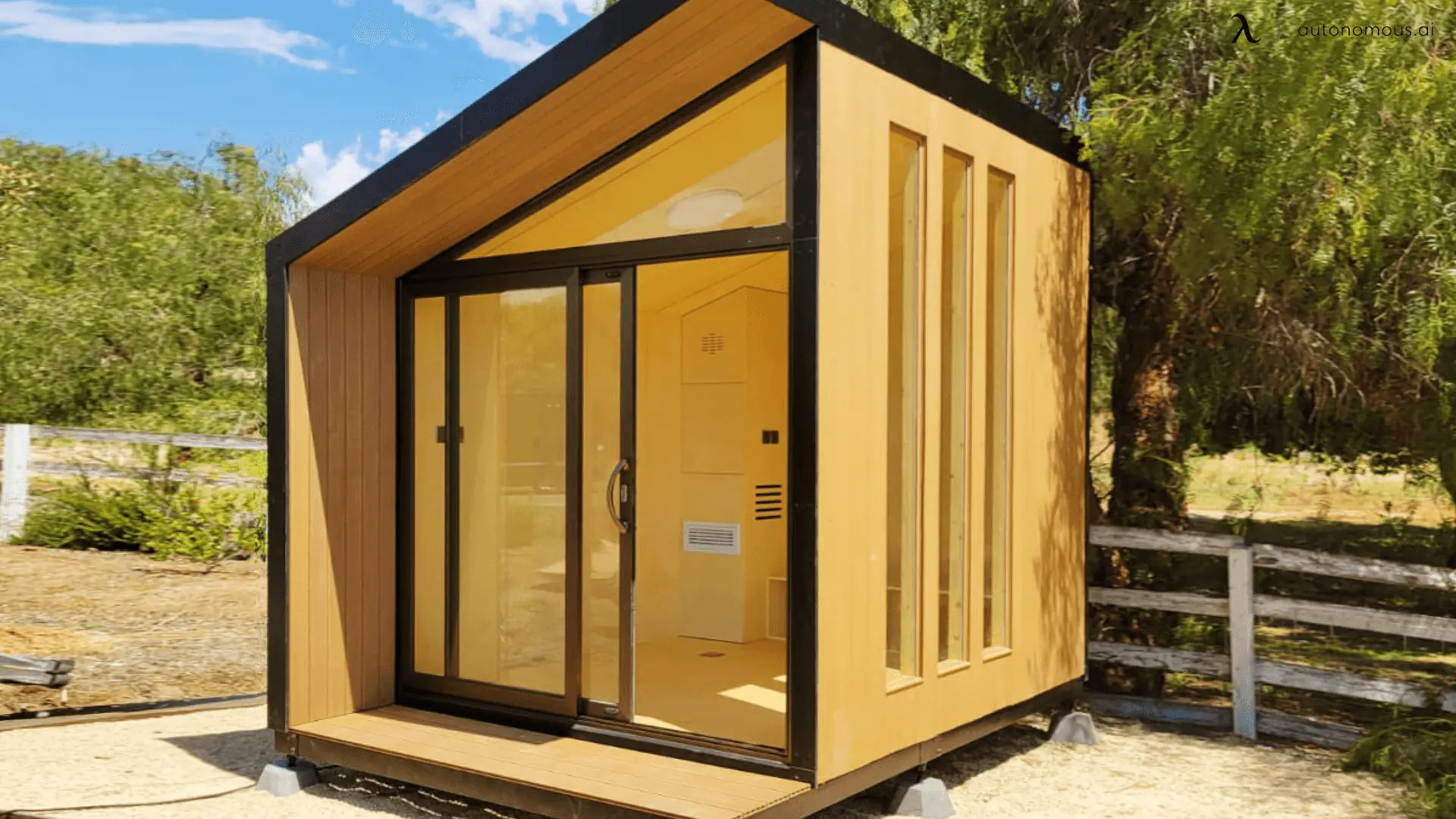
That is where backyard office pods become a practical alternative. Smaller standalone workspaces can often be installed faster and with less complexity than a detached dwelling unit.
Solutions like Autonomous WorkPods are built specifically for this kind of setup. They create separation from the main house without taking on the full scope of an ADU build.
For buyers who want a more entertainment-focused setup, a backyard gaming shed can also serve as a dedicated space for play, streaming, or hybrid work-and-play use.

FAQs
What is a detached ADU?
A detached ADU (Accessory Dwelling Unit) is a secondary housing unit built on the same property as a primary home but located in a separate structure. It typically includes its own entrance, kitchen, bathroom, and living space, making it function like a small independent home.
What is a detached dwelling unit?
A detached dwelling unit is a residential structure that does not share walls with another building. In the context of ADUs, it refers to a separate housing unit located on the same lot as a main house but built as an independent structure.
Does an ADU have to be detached?
No. An ADU does not have to be detached. ADUs can be detached, attached to the main house, or created by converting existing spaces such as garages, basements, or attics.
How much does it cost to build a detached ADU?
The cost to build a detached ADU typically ranges from $150,000 to $400,000, depending on size, location, materials, and site preparation. Smaller units may cost less, while larger or high-end designs can exceed this range.
How long does it take to build a detached ADU?
Building a detached ADU usually takes 6 to 12 months, including design, permitting, and construction. Prefabricated or modular ADUs may shorten the construction timeline.
How big can a detached ADU be?
In many areas, detached ADUs can reach up to 1,200 square feet, although local zoning rules may set smaller limits depending on lot size, setbacks, or neighborhood regulations.
Does a detached ADU count toward house square footage?
Detached ADUs typically do not count toward the square footage of the main home, because they are considered separate structures. However, they may still increase the overall value and usable space of the property.
Can a detached ADU be built in the backyard?
Yes. Most detached ADUs are built in the backyard of a residential property, provided the structure meets zoning requirements such as setbacks, height limits, and utility connections.
Is a detached ADU a good investment?
A detached ADU can be a good investment because it can increase property value, generate rental income, and provide flexible living space for family members or guests.
What is the difference between a detached ADU and a guest house?
A detached ADU is legally recognized as a secondary housing unit with a kitchen, bathroom, and living space. A guest house may not always meet local ADU requirements and may not be approved for rental use in some jurisdictions.
Conclusion
A detached ADU is a flexible way to add independent living space to a residential property. Because it is a separate structure from the main house, it offers privacy and versatility that other ADU types may not provide.
Homeowners use detached ADUs for many purposes, including rental housing, guest accommodations, and personal studios. However, building one requires careful planning, permits, and a significant investment.
Understanding the meaning, costs, design options, and local requirements of detached ADUs can help homeowners decide whether this type of structure is the right fit for their property and long-term goals.