Computer Built Into Desk 2026: How to Build a PC in a Desk

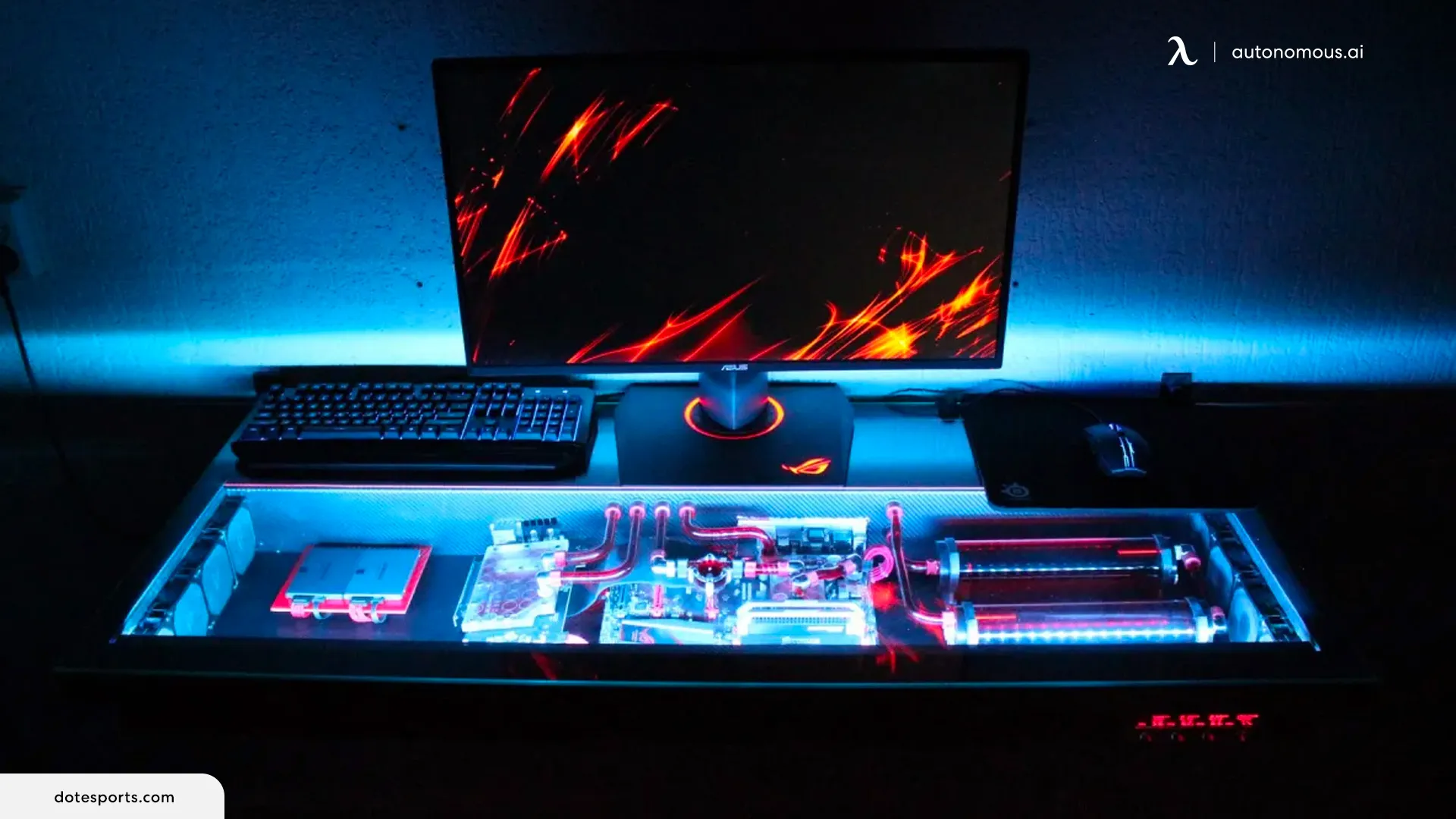
A computer built into a desk is a custom setup where PC components are integrated directly into the desk itself, creating a clean, space-efficient, and highly customizable workstation. Popular among gamers, creators, and professionals, this PC setup improves cable management, airflow control, and visual appeal while turning the desk into a functional centerpiece rather than just furniture.
What Is a Computer Built Into a Desk?
A computer built into a desk replaces the traditional PC tower with a desk-integrated enclosure that houses internal components such as the motherboard, GPU, power supply, storage, and cooling system.
Setup Type | Description | Pros | Cons |
PC on desk | Tower sits on desktop | Easy access | Takes up space |
PC under desk | Tower below desk | Hidden | Poor airflow, dust |
PC built into desk | Components inside desk | Clean, customizable | Requires planning |
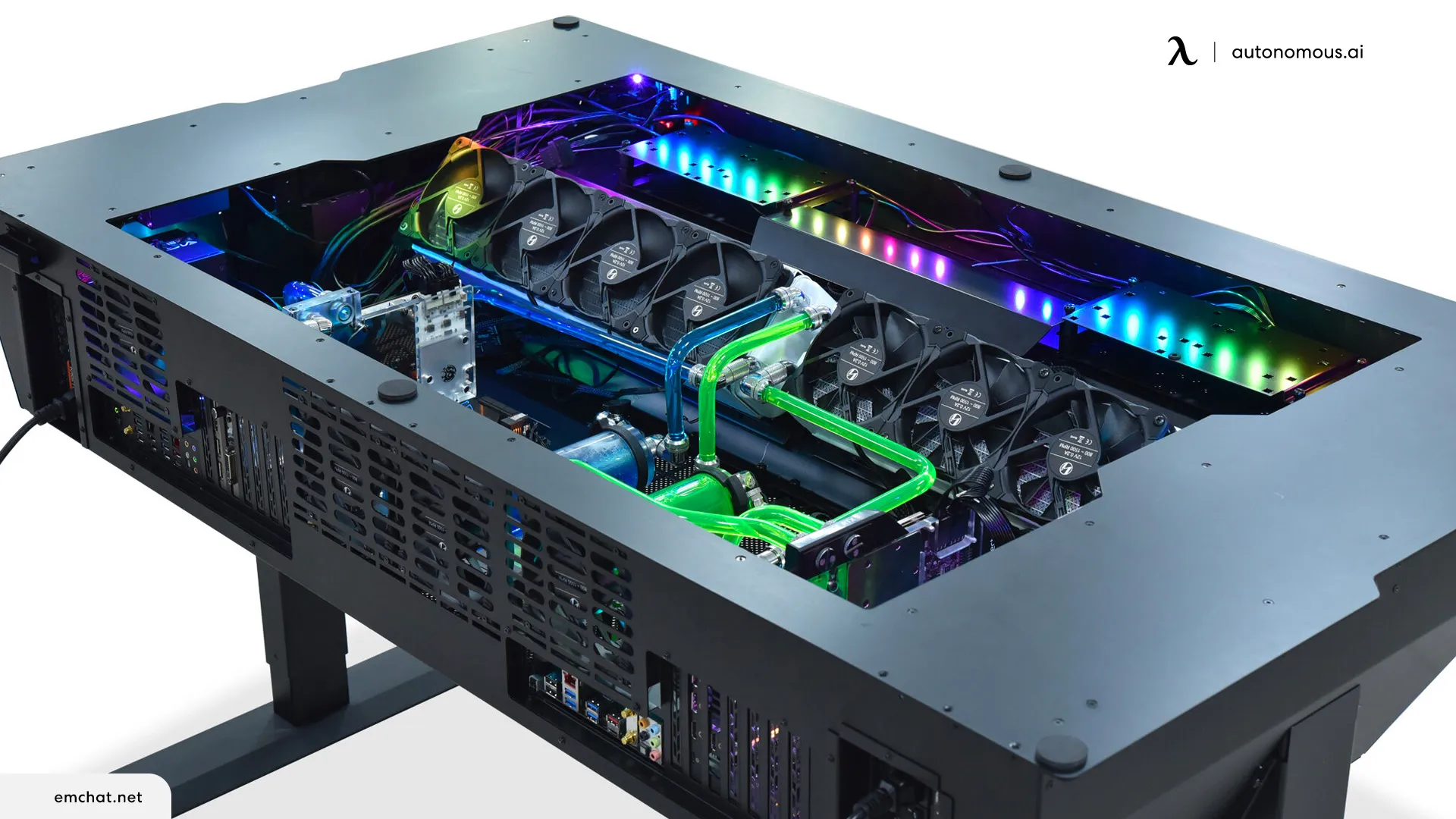
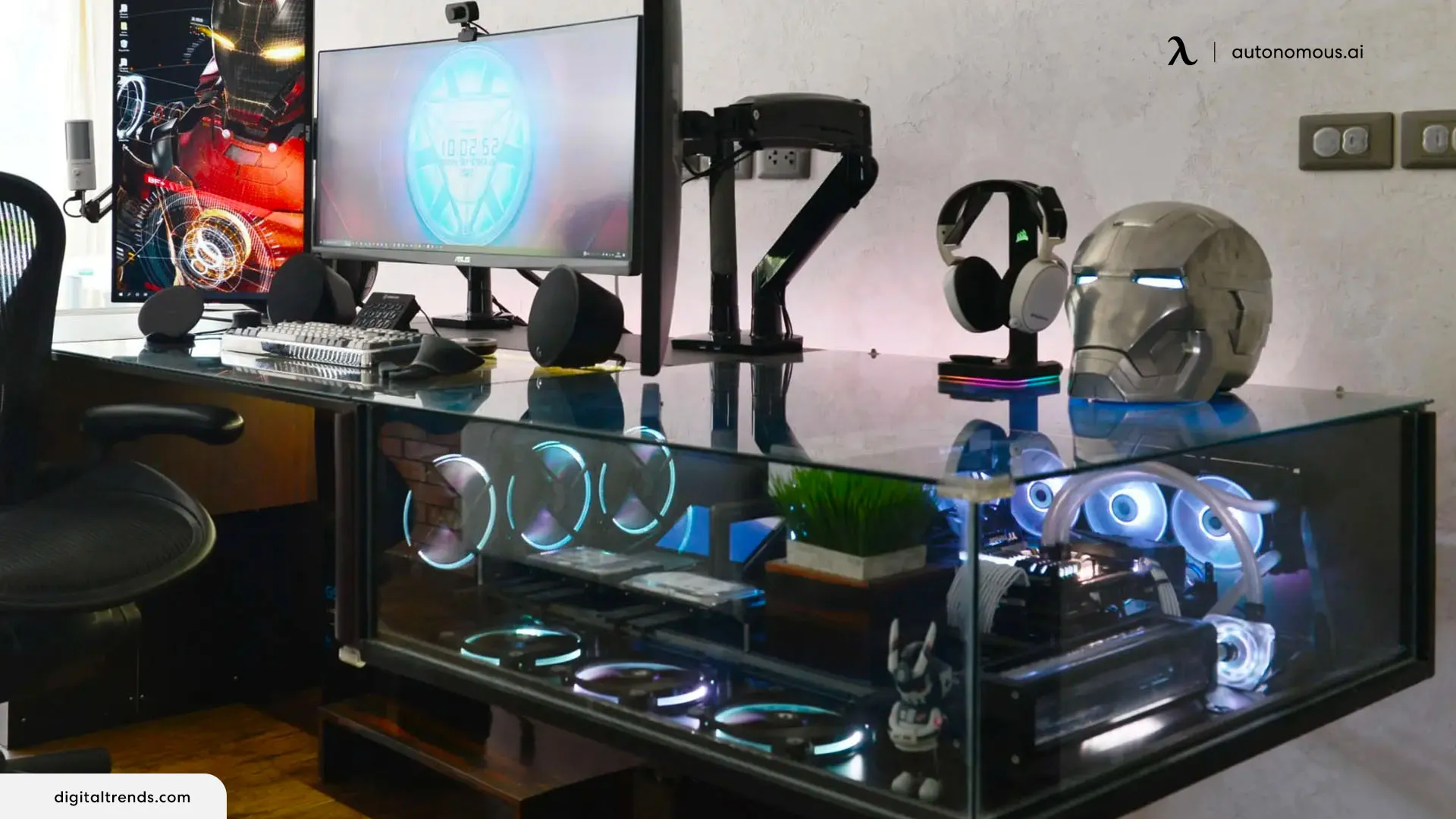
Common layouts include desk-embedded PC cases, table-style glass builds, and built-in desk systems with side or drawer compartments.
What Material Should You Use for a Built-In PC Desk?
Material choice affects durability, cooling, cost, and appearance.
Material | Best For | Pros | Cons |
Wood | Design-focused builds | Premium look, flexible | Needs ventilation |
MDF | Budget DIY builds | Affordable, easy to cut | Heat & moisture issues |
Metal | Performance builds | Strong, heat-resistant | Cost, noise transfer |
1. Wood
Wood is one of the most popular choices for built-in PC desks thanks to its warm appearance and versatility. It works especially well for premium or custom setups, including a wood gaming setup that blends naturally into modern or minimalist spaces.
However, wood requires proper sealing and airflow. Without protection, it can be vulnerable to environmental issues such as mold or mildew on wood or even pests like types of wood mites, particularly in humid environments. Choosing the best desk material and treating it correctly helps avoid these problems.
2. MDF
MDF is commonly used for budget or DIY desk builds because it’s inexpensive and easy to work with. Understanding what is mdf table top is important before using it in a PC desk, as MDF is denser than particle board but less durable than solid wood.
When comparing mdf vs particle board, MDF generally offers a smoother finish and better structural consistency. That said, MDF is more sensitive to heat and moisture, which means ventilation and protective coatings are essential for desk-integrated PC builds.
3. Metal
Metal is ideal for performance-oriented desk builds where strength and heat dissipation matter most. It handles heavy components well and helps manage heat generated by high-end CPUs and GPUs.
The main trade-offs are cost and acoustics. Metal can transfer vibration and noise more easily than wood, so additional damping may be needed for quieter operation.
Planning a PC Built Into a Desk
Proper planning prevents overheating, maintenance issues, and costly mistakes.
Desk Size and Layout
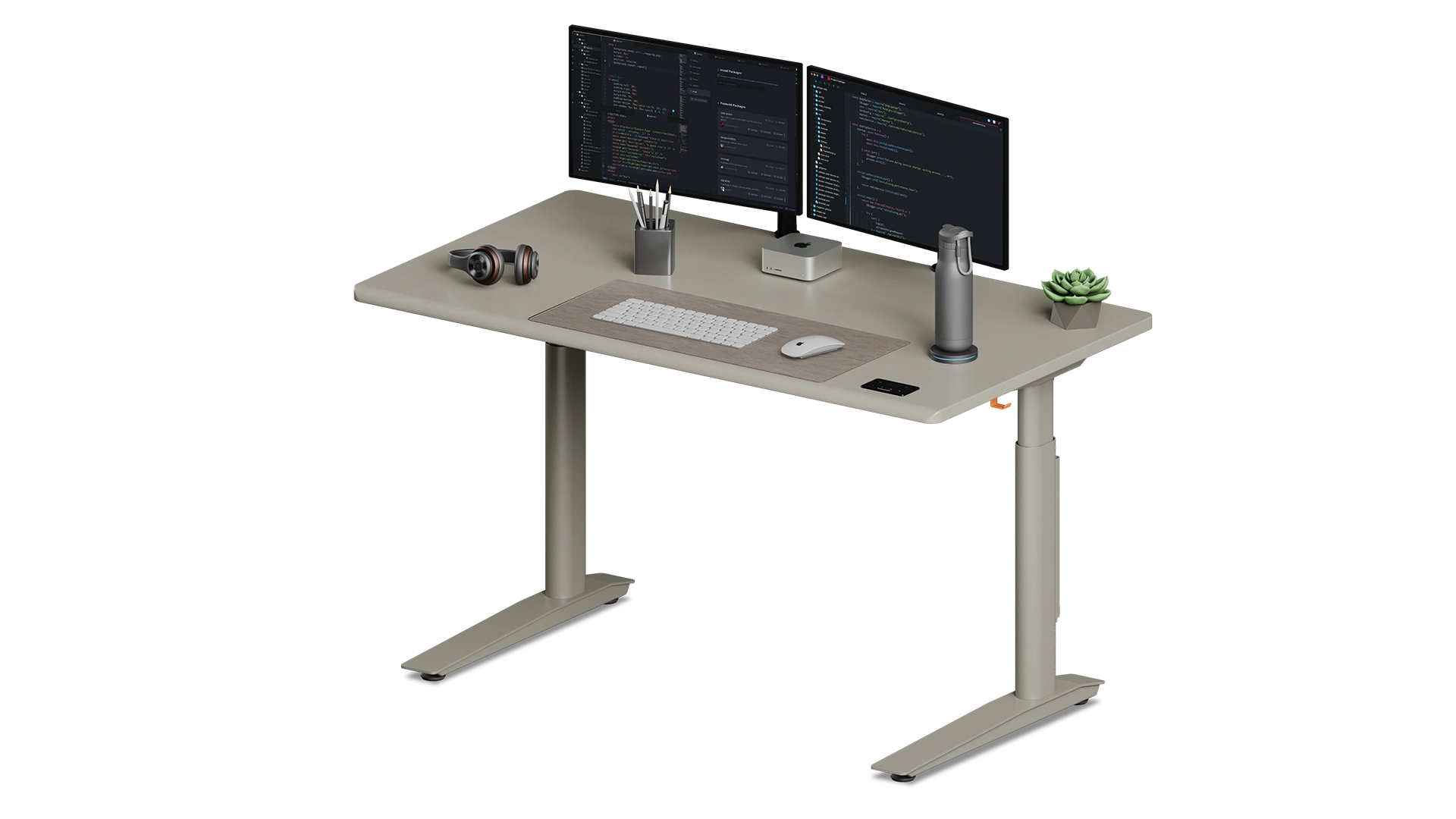
Before choosing components, finalize the desk layout and how everything will be positioned within it. This includes component orientation, monitor placement, and input device positioning - all of which affect airflow, comfort, and long-term usability.
If you need a reference point, standard desk dimensions help ensure there’s enough internal clearance for cooling, cable routing, and future upgrades without overbuilding the desk.
Monitor placement should support visual comfort during extended use. Maintaining the correct monitor distance from eyes influences desk depth and screen height, especially in multi-monitor setups.
Likewise, planning for proper keyboard and mouse alignment helps the desk support healthy posture over long work or gaming sessions. Locking in layout decisions early prevents airflow bottlenecks and ergonomic compromises later in the build.
Component Compatibility
Check:
- GPU length and thickness
- Power supply size
- Cooling system clearance
Desk builds often use standard PC components, but placement constraints matter more than in a traditional case.
Decide early whether you’ll use:
- Air cooling with multiple intake and exhaust fans
- Liquid cooling with radiators integrated into the desk
If temperatures become a concern during planning or testing, understanding how to improve cooling in PC setups helps guide airflow decisions and component placement in desk-integrated builds.
Maintenance Access
Plan removable panels or access doors so components can be cleaned, upgraded, or repaired without disassembling the entire desk.
How to Build a PC in a Desk (Step-by-Step)
Step 1: Design Your Desk Layout
Sketch the layout for:
- Motherboard placement
- GPU orientation
- Cable routing channels
- Fan and radiator locations
This step determines both performance and aesthetics.
Step 2: Build or Modify the Desk Frame
Construct a sturdy frame that supports:
- Component weight
- Glass panels (if used)
- Vibration isolation
Reinforce mounting points where heavy components will be installed.
Step 3: Install PC Components
Mount the motherboard, PSU, storage drives, and GPU securely. Install cooling systems next, ensuring clear airflow paths and proper spacing between heat-producing components.
Step 4: Test, Seal, and Finish
Before sealing the desk:
- Power on the system
- Monitor temperatures
- Check airflow and noise levels
Once confirmed, finish the desk with panels, glass, or surface treatments.
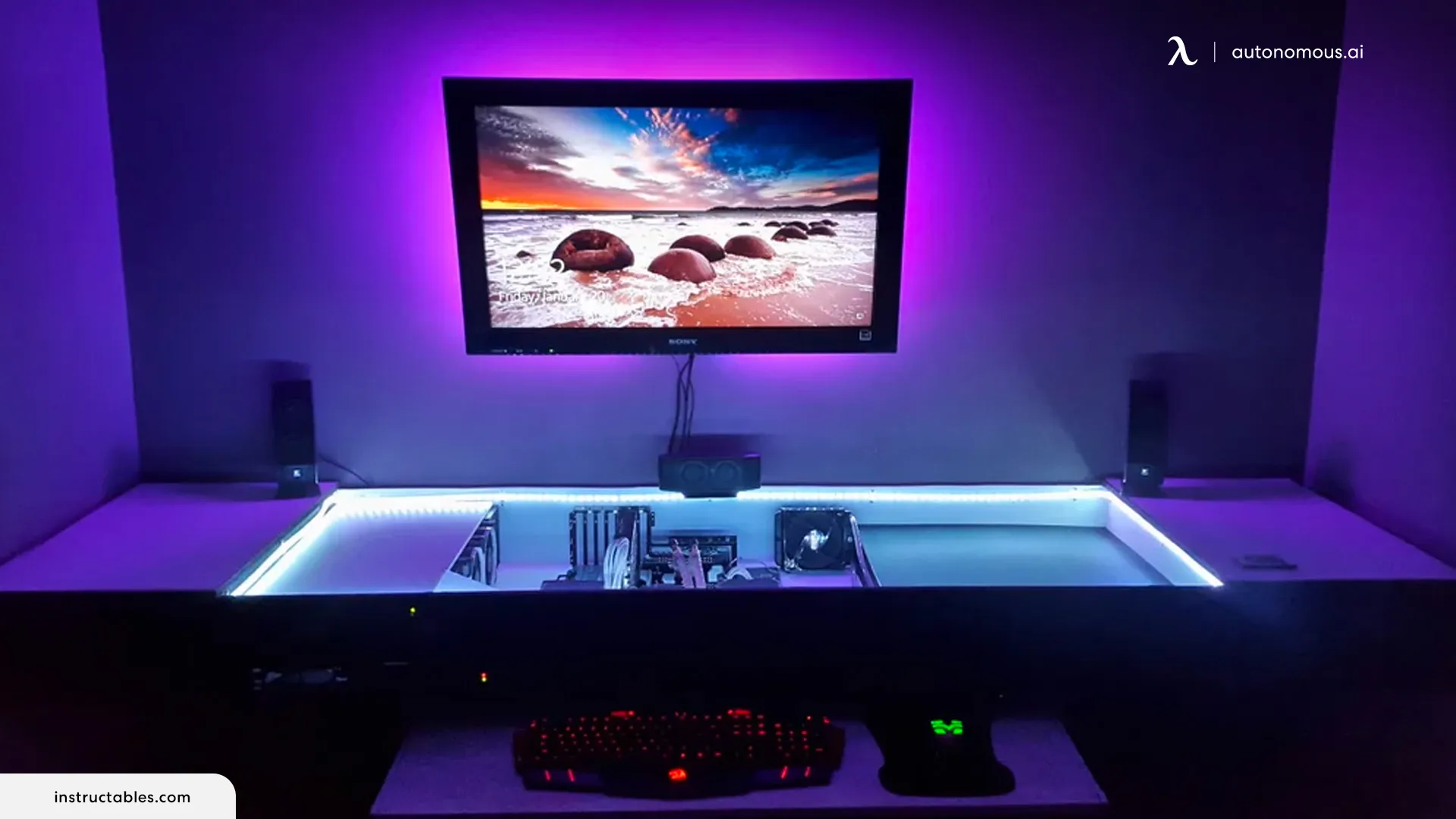
Gaming and High-Performance Desk Builds
Gaming desk builds prioritize sustained performance under heavy load.
High-end GPUs and CPUs generate significant heat, making airflow and cooling critical. Many gaming desk PCs use liquid cooling, larger radiators, and open internal layouts to prevent thermal throttling.
Tempered glass panels and lighting are often added for visual impact, but performance should always come first. Quiet operation is especially important for long gaming sessions or streaming.
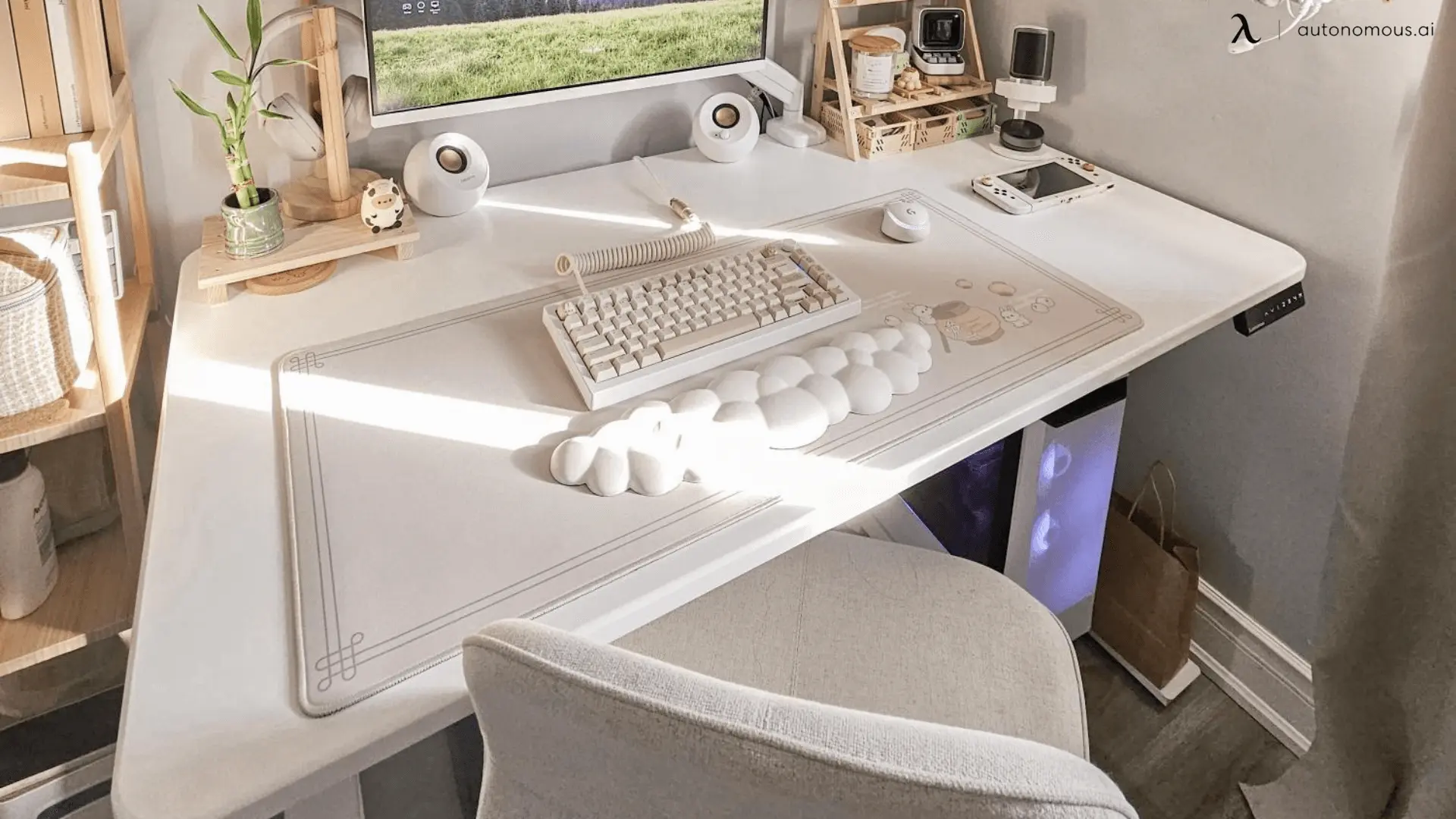
Multi-PC and Hybrid Desk Setups
Some desk builds integrate more than one system, such as a work PC and a gaming PC, or a PC combined with a console. These configurations are popular in advanced gaming desk setup ideas where users want multiple platforms within a single, cohesive workspace.
Multi-system desks require careful planning around power distribution, cable separation, and heat management to prevent interference between devices. In setups like a two computer desk setup, isolating airflow paths and organizing cables internally becomes especially important.
Hybrid layouts that include consoles follow similar principles. A well-designed console gaming setup allows users to switch seamlessly between work, gaming, and entertainment without reconfiguring the entire desk.
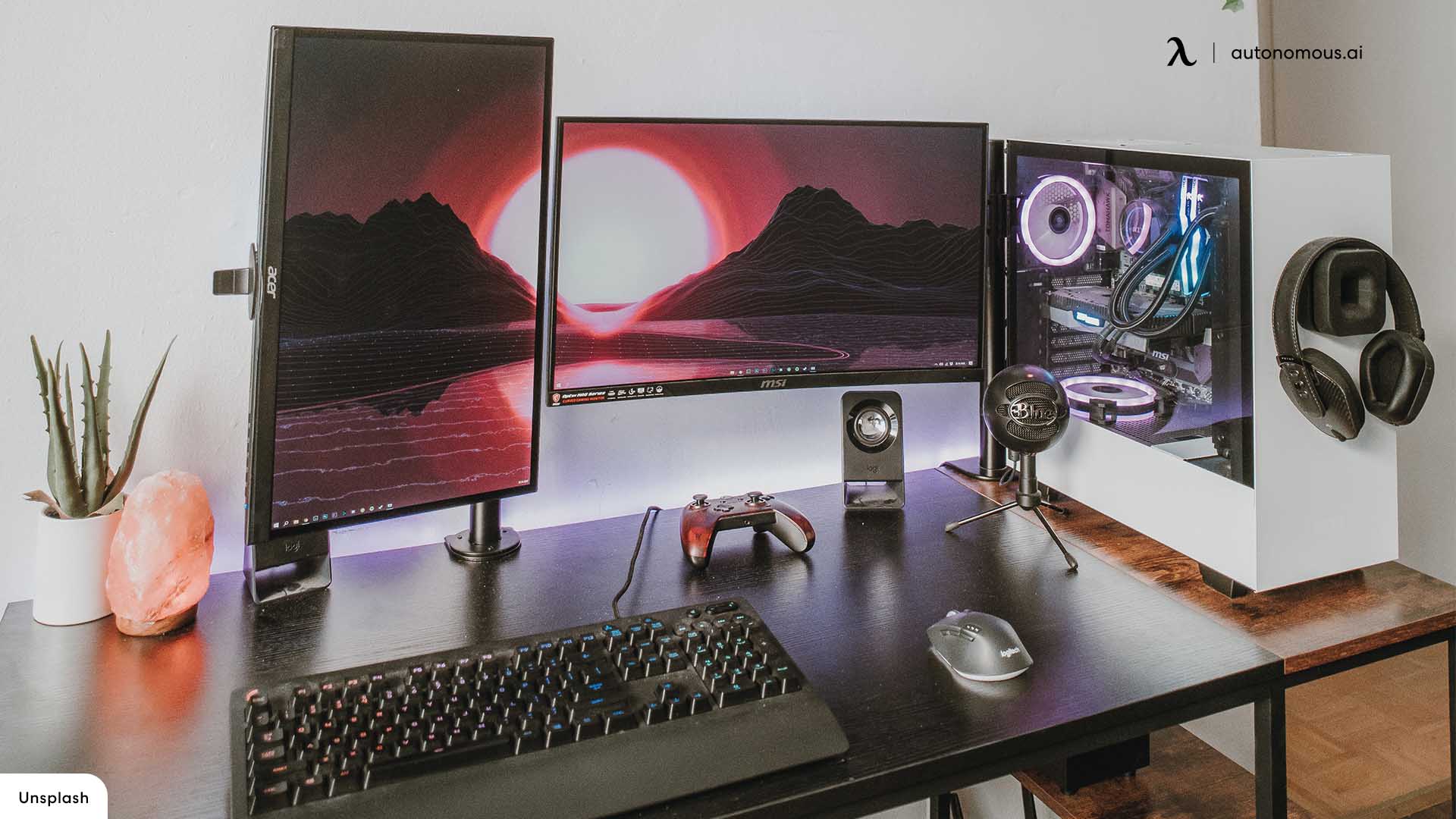
FAQs
What is a computer built into a desk?
A computer built into a desk is a custom setup where PC components are integrated directly into the desk structure instead of a traditional tower. The desk functions as the computer enclosure, offering cleaner cable management and a more streamlined workspace.
Is it safe to build a PC into a desk?
Yes, it is safe if airflow, cooling, and electrical insulation are planned correctly. Proper ventilation, quality power components, and accessible maintenance panels are essential to prevent overheating and electrical issues.
Does a PC built into a desk overheat?
A desk-built PC does not overheat by default, but poor airflow design can cause heat buildup. With correctly placed intake and exhaust fans or liquid cooling, desk PCs can run as cool as - or cooler than - traditional cases.
How much does it cost to build a computer into a desk?
Costs vary widely depending on materials and components, but most builds range from a few hundred dollars for DIY setups to several thousand for premium desk-PC designs. For those who want a simpler foundation, a standing desk can serve as a solid starting point. Custom desks, glass panels, and advanced cooling significantly increase the budget.
Can you upgrade a computer built into a desk?
Yes, but upgrades are easier if the desk is designed with removable panels and component access points. Without proper access planning, upgrades can be more time-consuming than with a standard PC case.
Is a PC built into a desk better than a normal PC case?
A desk-built PC offers better aesthetics, cable management, and customization, but it requires more planning and effort. A traditional PC case is more convenient for frequent upgrades and portability.
What materials are best for a built-in PC desk?
Wood, metal, and MDF are the most common materials. Wood offers a premium look, metal improves heat dissipation, and MDF works for budget builds but requires careful cooling and moisture protection.
Can you build a gaming PC into a desk?
Yes, gaming PCs are commonly built into desks, especially for high-end or showcase setups. Strong cooling solutions and sufficient space for large GPUs are critical for gaming performance.
Do desk-built PCs need liquid cooling?
Liquid cooling is not required but is popular for desk builds due to space flexibility and thermal efficiency. Well-designed air cooling can also work effectively if airflow paths are planned properly.
How long does it take to build a PC into a desk?
A basic build can take several days, while complex custom desk-PC projects may take weeks. Time depends on desk construction, component complexity, and finishing details.
Are computer built-in desks good for work and productivity?
Yes, they are excellent for productivity due to reduced clutter, improved ergonomics, and better cable organization. Many professionals use desk-built PCs for multi-monitor and workstation setups.
Who should avoid building a PC into a desk?
Users who frequently upgrade hardware, move their setup often, or prefer plug-and-play solutions may find desk-built PCs impractical. These setups are best for long-term, stable configurations.
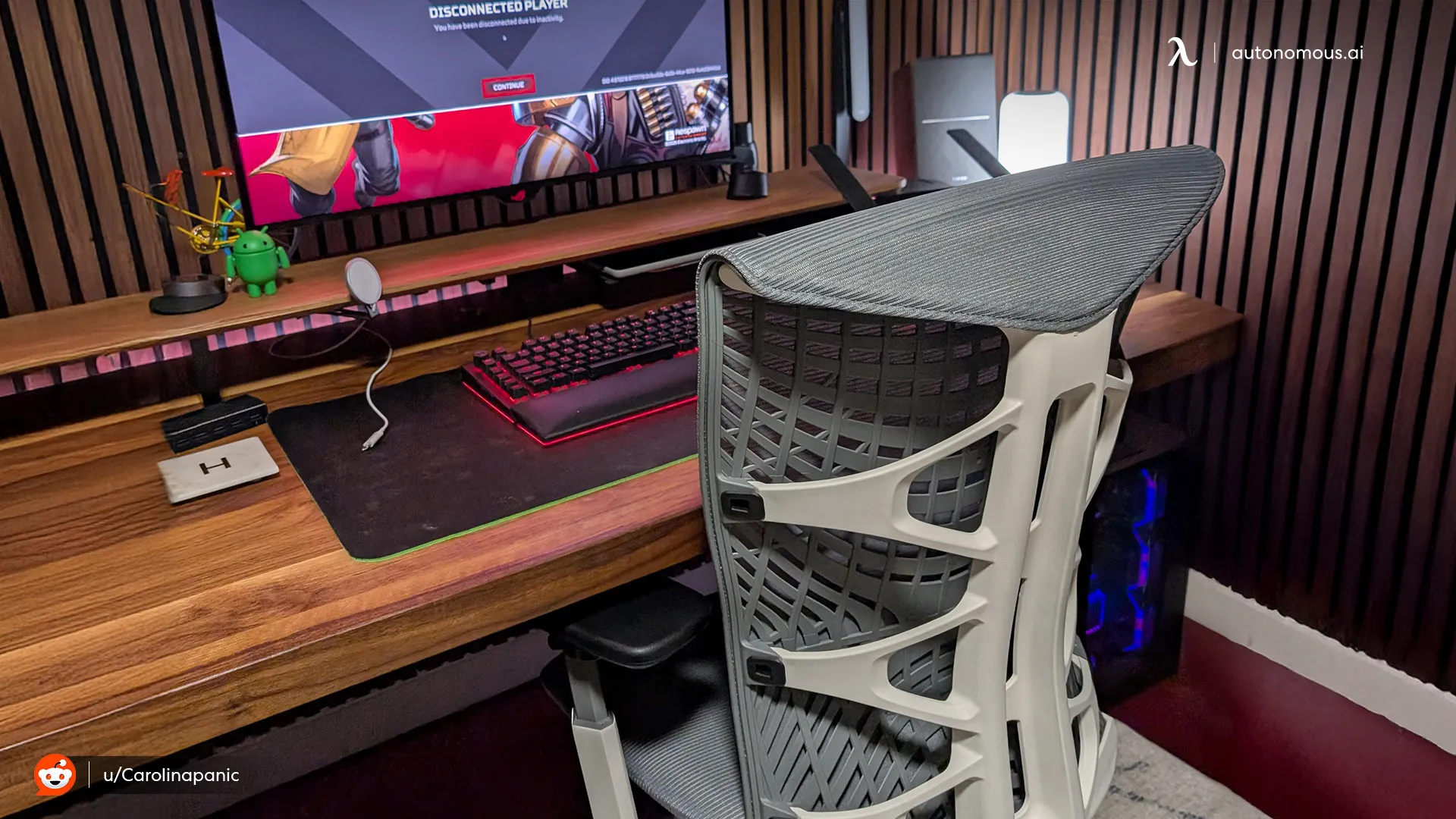
Final Thoughts
A computer built into a desk offers a unique combination of performance, organization, and design. With the right materials, thoughtful planning, and proper cooling, a desk-integrated PC can outperform traditional setups while elevating the entire workspace experience.