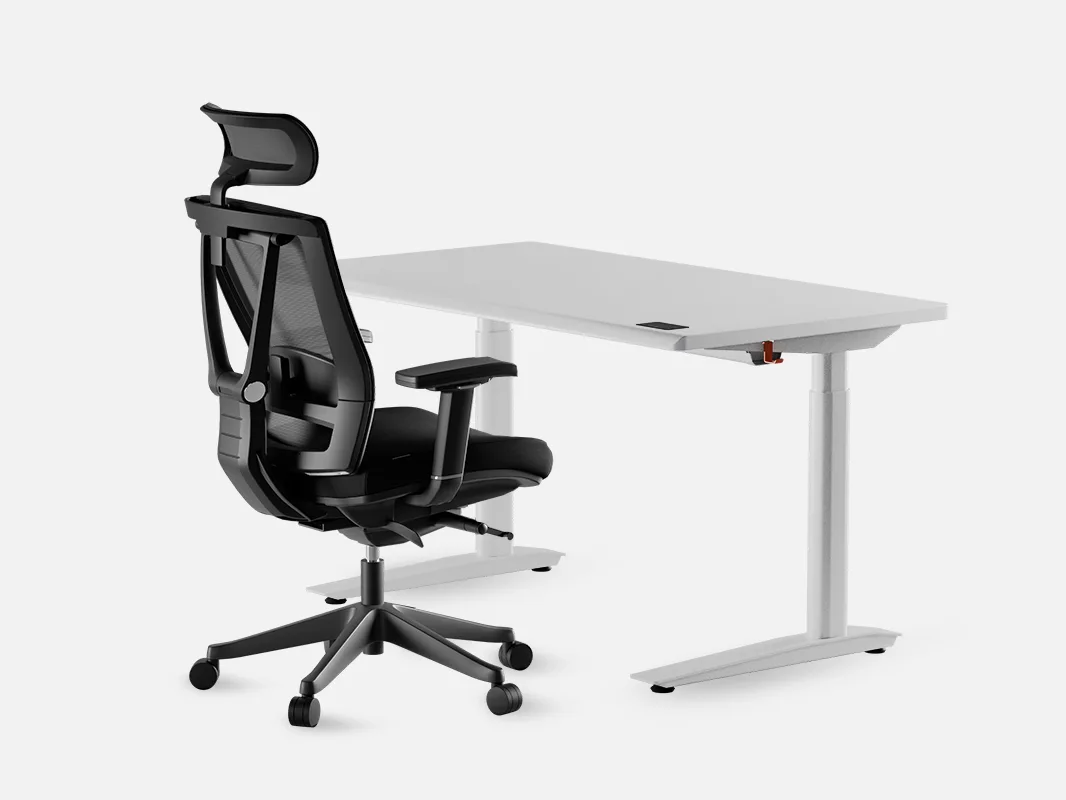
Black Friday Desk Deals on Motorized Standing Desks.
Compare six models by height range, lifting capacity, motor count, and noise levels before choosing your frame.
Compare six models by height range, lifting capacity, motor count, and noise levels before choosing your frame.
Every frame in the line is included, and they ladder cleanly. Core is the entry frame, Desk 2 the volume seller, Desk Pro adds a quieter lift, L-Shaped wraps a corner, Levitate 2 puts solid ash on four motors, and Desk Pro AI sits on top.
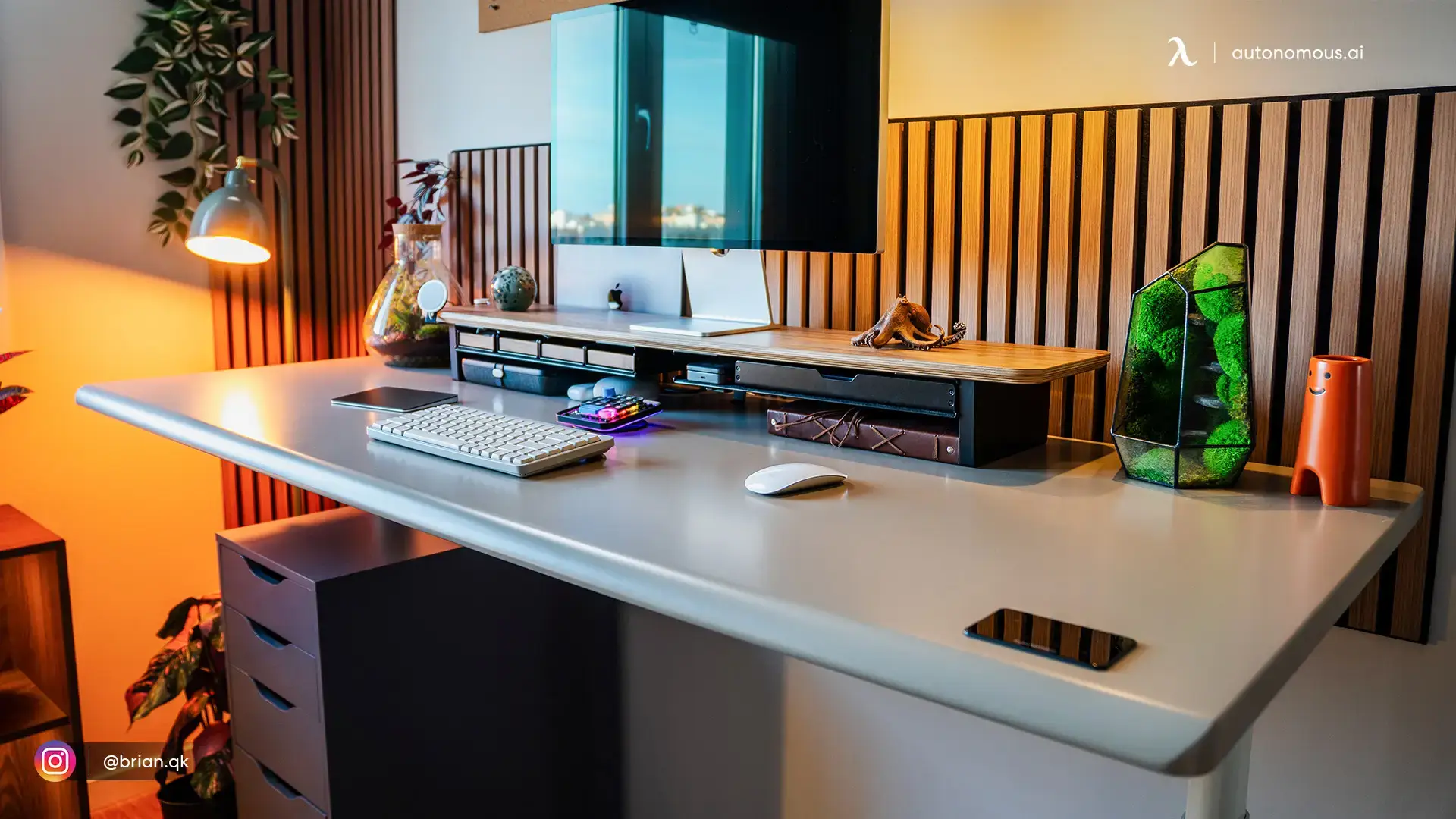
Height range rules models in or out before anything else. Desk Pro AI spans 24.25 up to 53.5 inches, the widest on offer. Levitate 2 stops at 45.3 inches, the lowest ceiling of the six, so anyone past six feet should skip it.
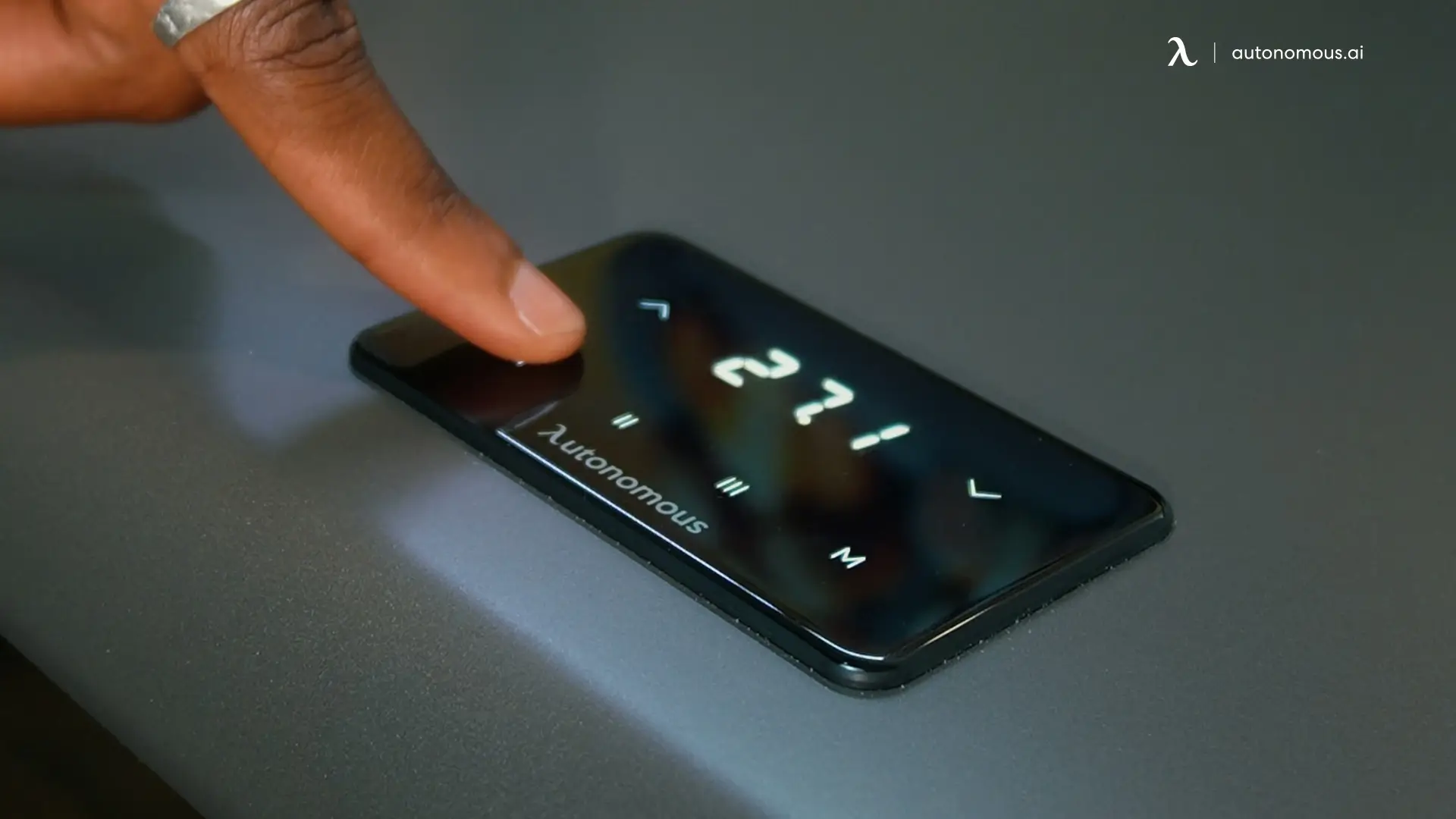
Capacity runs 176 lbs on Core through 250 on Desk 2, 380 on Levitate 2, 400 on the L-Shaped and 450 on Desk Pro AI. Three screens on an arm plus a tower is the load that pushes buyers past the entry frame.
.webp)
Motor count sets lift speed and volume. Core runs a single motor near 50 dB. Desk 2 and Desk Pro run two, with Desk Pro quietest at under 30 dB. The L-Shaped runs three and moves fastest at 2.3 inches per second.
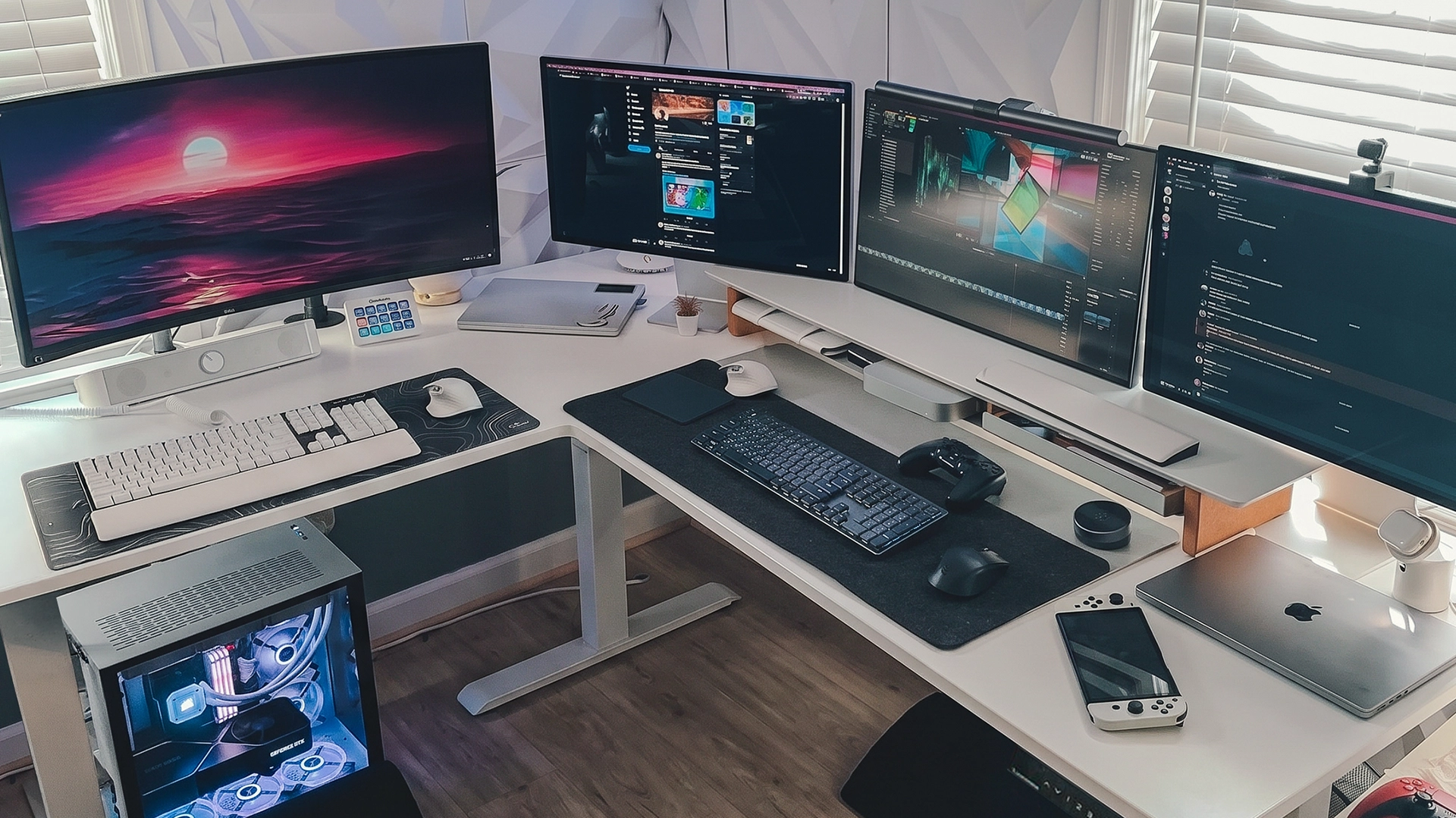
Pricing normally opens well before Black Friday and carries until Cyber Monday closes it out, with no date fixed in advance. Desktop finishes empty out before frames do, so a specific tone is the reason to shop early.
.webp)
Desk 2 suits most setups and sits mid-ladder. Desk Pro AI earns its place if you need the widest span in the line or its 450 lb ceiling. The L-Shaped is for corner layouts, and Core is the entry frame.
Sale price tells you least about a desk. Frames that look identical on a listing behave nothing alike at full extension, and three specs predict that better than anything in the photography. Height range matters at the bottom as much as the top: almost every desk reaches a workable standing height, while far fewer drop low enough to sit properly, and a frame with a high floor forces you to raise your chair until your feet leave the ground. Capacity is worth reading as headroom rather than a target, because monitor arms concentrate weight at one edge instead of spreading it. Motor count then sets how fast and how quietly the whole thing moves. Measure your room, total your gear, then shop.
.webp)
(1).webp)
.webp)